
Our readers keep the lights on and the weekend projects moving. As an Amazon Associate, I earn from qualifying purchases.
Standing in a driveway at 6 AM with a snowdrift up to your shins demands footwear that seals out moisture and holds in heat. The wrong boot turns a twenty-minute job into a miserable hour of numb toes and damp socks.
I’m Rikta — the founder and writer behind FitlyFast. I’ve spent years cross-referencing insulation ratings, rubber compound durability, and outsole lug patterns so you don’t have to guess which pair will survive a New England winter.
After combing through thousands of real-world reviews and comparing waterproof membranes, removable liners, and traction systems, I’ve narrowed the field to seven serious contenders that define the best boots for shoveling snow.
How To Choose The Best Boots For Shoveling Snow
Shoveling snow is a repetitive, high-effort chore that keeps you stationary on cold pavement for extended periods. Your boots need to prevent heat loss through the sole, block moisture from snow melt, and give you stable footing when the surface turns to ice. Focus on three pillars: insulation, waterproofing, and traction.
Insulation Weight: Match Grams to Your Climate
Insulation is measured in grams per boot — 200g is fine for light flurries around freezing, while 400g to 800g handles single-digit temps. The Kamik Forester uses a thick removable felt liner that wraps the foot, while the Rocky Blizzard Stalker packs 1200g for extreme cold. If you run warm or shovel for short bursts, lighter insulation prevents sweaty feet, which ironically makes you colder.
Waterproof Construction: Seams and Membranes
A waterproof boot relies on either a rubber shell or a membrane like Timberland’s proprietary WP system. The Trudave uses all-rubber construction similar to traditional rain boots. The XPETI relies on a treated upper that may need a spray-on booster. For deep snow, look for a cinch-top collar that keeps powder from entering around the ankle — a detail the Kamik Forester handles well.
Traction: Lug Depth and Rubber Compound
Packed snow and black ice demand deep, aggressive lugs made from a rubber compound that stays pliable in the cold. The Columbia Bugaboot III and Rocky Blizzard Stalker feature multi-directional treads that bite into hardpack. Avoid fashion boots with flat soles — they slide the moment you pivot with a heavy shovel load.
Quick Comparison
On smaller screens, swipe sideways to see the full table.
| Model | Category | Best For | Key Spec | Amazon |
|---|---|---|---|---|
| Columbia Bugaboot III | Insulated | All-day shoveling in wet snow | 200g insulation, waterproof membrane | Amazon |
| Rocky Blizzard Stalker | Extreme Cold | Sub-zero temperatures and ice fishing | 1200g insulation, waterproof | Amazon |
| Timberland PRO Endurance | Safety Toe | Heavy lifting with steel-toe protection | Steel safety toe, waterproof leather | Amazon |
| Kamik Forester | Farm/Heavy Duty | Deep snow and shallow water crossings | Removable felt liner, cinch top | Amazon |
| Guide Gear Duck Boots | Value Duck | Quick on/off for light snow | Side zip entry, 400g insulation | Amazon |
| XPETI Crest Thermo | Lightweight | Mild winters and walking on ice | High-top ankle support, rubber outsole | Amazon |
| Trudave Rubber Boots | All-Rubber | Mud and slush with steel shank support | 6mm neoprene, steel shank | Amazon |
In‑Depth Reviews
1. Columbia Men’s Bugaboot III

The Bugaboot III has been a winter staple for years, and this latest version keeps the formula tight: a waterproof membrane paired with 200g insulation that handles the teens and twenties without overheating. Real owners in the Northeast confirm that their feet stay dry even after hours of direct snow contact. The lace-up design allows a custom ankle lock, and the multi-directional tread provides confident footing on packed snow.
Several reviewers noted that the boot runs about a half-size small, so ordering up is a common move — especially if you plan to wear a medium-weight wool sock. The lack of a top lace hook is a minor frustration for those who want an ultra-snug fit at the ankle. Still, the combination of durability, lightweight feel, and reliable waterproofing makes this the most versatile boot for residential shoveling.
For homeowners who need one boot that transitions from the driveway to a quick walk to the mailbox, the Bugaboot III checks every box without unnecessary bulk. It outlasts cheaper alternatives by a wide margin, as multiple buyers reported several seasons of hard use before any breakdown.
Why it’s great
- Proven waterproof performance in wet snow
- Lightweight for extended shoveling sessions
- Good ankle support without stiffness
Good to know
- Runs small — order a half to full size up
- Lacks top lace hooks for a precise upper fit
- 200g insulation may feel thin below 15°F alone
2. Rocky Blizzard Stalker Waterproof 1200G Insulated Boot

The Blizzard Stalker is the choice for anyone who has to clear snow when the thermometer hits zero or below. With 1200 grams of insulation packed into a waterproof shell, this boot delivers serious heat retention — owners report warm feet on frozen concrete and during hours of ice fishing in Colorado. The aggressive outsole handles loose snow well, though some users note it slides on glare ice.
The boot runs about a half to full size large, which is intentional to accommodate a heavy wool sock. This extra volume helps with circulation and warmth. A few complaints mention that the bootlace hooks can break after several uses, which is worth monitoring if you lace tightly. The overall construction feels rugged, and multiple two-year reviews confirm the boot holds up to seasonal abuse.
If your shoveling routine involves a long driveway in a northern climate where single-digit days are common, the Blizzard Stalker’s extreme insulation makes the difference between finishing the job and giving up halfway. It is heavier than most, but that weight is the price of serious warmth.
Why it’s great
- 1200g insulation handles sub-zero temperatures
- Roomy fit for thick socks without compression
- Sturdy build survives multiple winters
Good to know
- Bootlace hooks are a weak point
- Heavy compared to mid-weight insulated boots
- Traction on ice is only average
3. Timberland PRO Men’s Endurance 8 Inch Steel Safety Toe Waterproof Work Boots

The Timberland PRO Endurance is built for the shovelers who also need to carry heavy loads or work on uneven terrain. The steel safety toe and puncture-resistant plate add genuine protection if you drop a snow shovel or step on a hidden branch. Owners who spend 65-hour weeks on construction sites compare the comfort favorably against boots costing double. The waterproof leather and sealed seams keep snow melt out during extended exposure.
At roughly 6.4 pounds per pair, this boot is not light, but the weight is distributed well. The speed lacing system makes entry fast, and the outsole provides dependable traction on snow and wet surfaces. A few buyers noted the leather looks less premium than higher-tier work boots, but the functional performance is hard to beat at this level. The steel toe does restrict toe wiggle slightly, so planning for sock thickness is wise.
For the homeowner who shovels a large driveway and then transitions to splitting wood or clearing a muddy path, the Endurance offers protection that standard winter boots simply cannot match. The payoff is long-term durability that can handle years of hard use without de-lamination or sole separation.
Why it’s great
- Steel toe and puncture plate for heavy-duty protection
- Excellent all-day support for standing on concrete
- Durable waterproof construction
Good to know
- Heavier than non-safety-toe snow boots
- Leather finish looks less refined than premium brands
- Steel toe limits toe space with thick socks
4. Kamik Men’s Forester
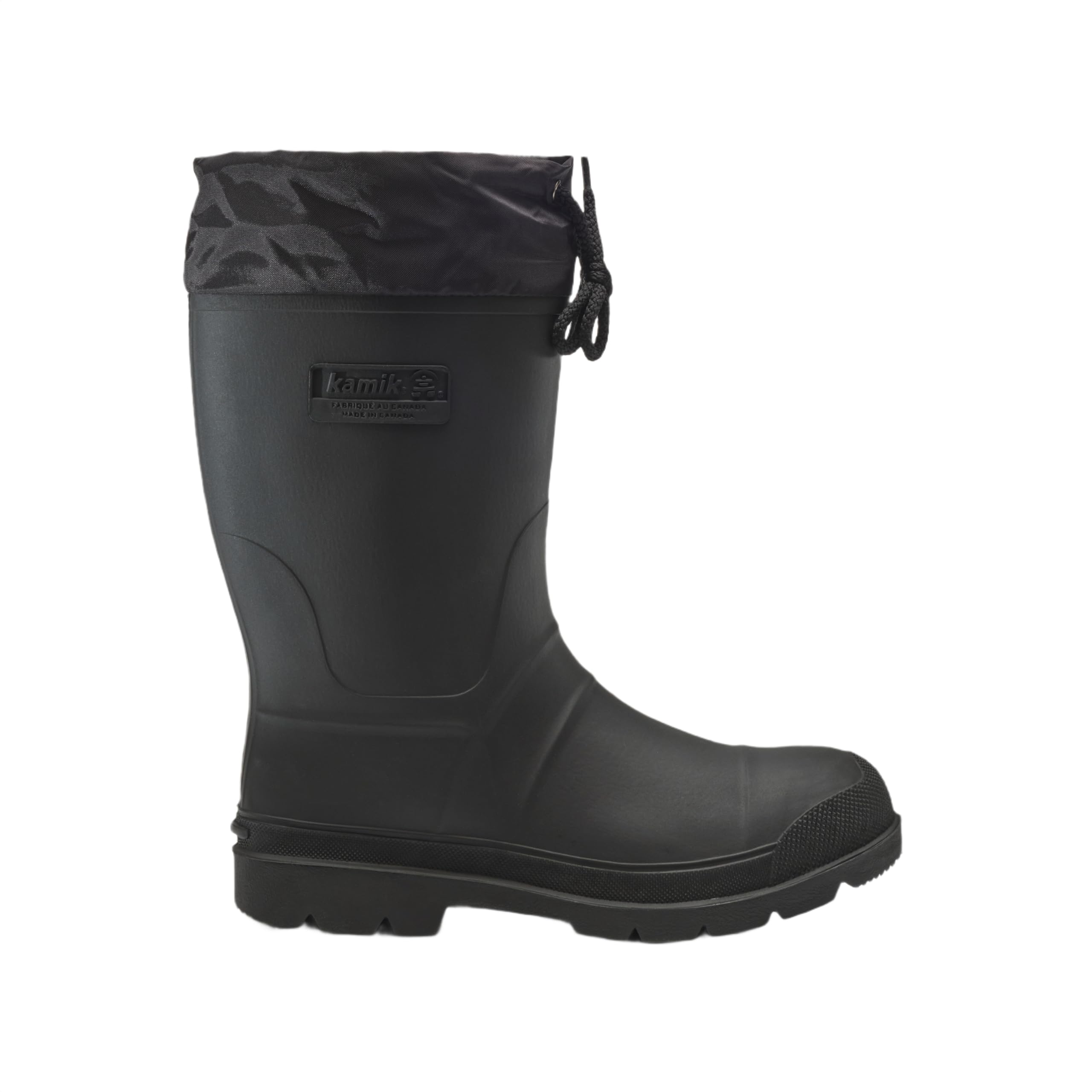
The Kamik Forester stands out for its thick removable felt liner, which provides a level of insulation that rivals heavier boots while allowing you to pull the liner out for drying between uses. This is a huge advantage for shoveling multiple days in a row — a wet liner that stays inside the boot leads to cold feet the next morning. The rubber lower shell is completely waterproof, and the cinch-top collar seals out snow effectively during deep drifts.
Owners with wide feet praise the generous fit; even those who normally require a 4E width found the Forester comfortable after sizing up. The lug sole is substantial enough for mud and shallow water crossings, and the boot is easy to clean with a rinse. A few users noted an initial stiffness that required a short break-in period, but once settled, the boot becomes a reliable workhorse for farm chores and heavy snow.
If you face deep snow regularly and want the flexibility to dry the liner quickly, the Forester’s two-piece construction is more practical than a sealed boot. The trade-off is slightly more weight, but the payoff is a boot that remains warm and dry even after a week of consecutive storms.
Why it’s great
- Removable felt liner dries separately for next-day use
- Cinch top blocks snow ingress effectively
- Generous width accommodates wide feet
Good to know
- Requires a break-in period for comfort
- Heavier than membrane-insulated boots
- Liner can shift if not reinserted carefully
5. Guide Gear Men’s Side Zip Insulated Leather Duck Boots

Guide Gear’s duck boot design combines a leather upper with a rubber lower for classic wet-weather protection, plus a side zipper that makes getting in and out effortless. This is a real convenience when you are running in and out of the house between shoveling rounds. The 400g insulation provides a moderate warmth level that suits the 20-30°F range without causing sweat buildup indoors.
Buyers report that the boots fit slightly large, which works well with thick socks. The side zip, however, does not have a gusseted seal, so standing in deep puddles could allow water intrusion through the zipper track over time. The rubber outsole is adequate for packed snow but lacks the deep lugs needed for icy inclines. One off-grid user noted they wear these for daily chores and simply swap to dress shoes when heading to the office.
For light to moderate snowfalls where you need a boot you can slip on quickly and keep near the door, the Guide Gear offers good value. The insulation is on the lighter side, so pair them with a quality wool sock if your driveway sees single-digit temps.
Why it’s great
- Side zipper makes on/off fast and easy
- Leather and rubber build is durable
- Roomy fit accommodates thick socks
Good to know
- Not fully waterproof through the zipper
- 400g insulation is light for extreme cold
- Tread pattern is mild for icy surfaces
6. XPETI Men’s Crest Thermo High-Top Winter Hiking Boots
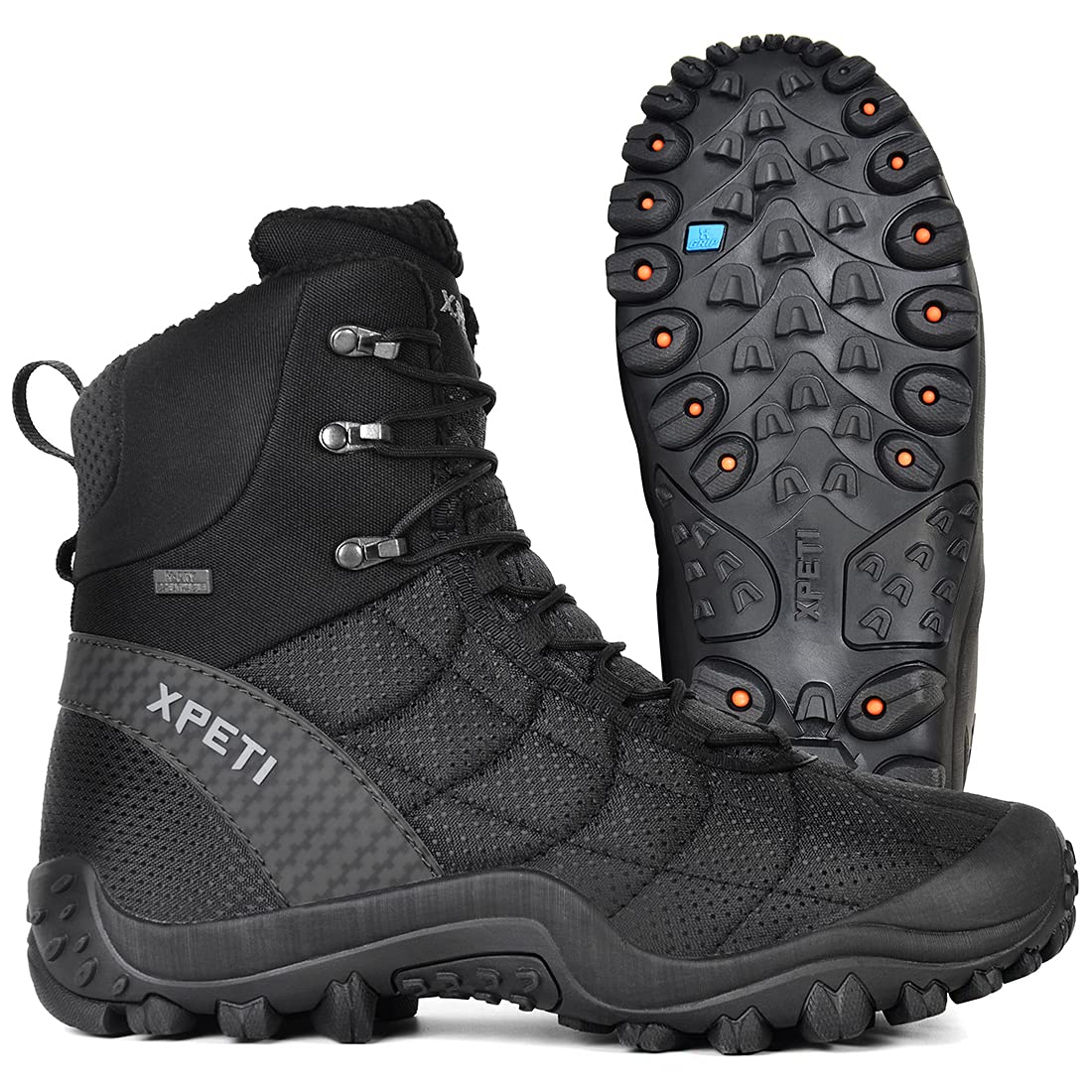
The XPETI Crest Thermo takes a hiking-boot approach to snow shoveling: a high-top cut with a rubber outsole that offers solid grip on icy grass and mud. The boot is noticeably lighter than traditional snow boots, making it a good choice for shorter shoveling tasks where you value agility over maximum insulation. Owners in the 26-39°F range report good warmth, but several noted that the waterproofing is not fully sealed — snow melt on the upper can seep through the lace area over time.
The boot runs small, so ordering two sizes up is a common recommendation from buyers who need room for orthotics and thick socks. The ankle support is excellent from day one with no break-in required. A minor design issue involves a bottom lace hook that can dig into the ankle bone when squatting. The clean, modern look is a plus for those who want a boot that transitions to casual winter walks.
For milder winters where temperatures stay above freezing and snow is wet but shallow, the XPETI provides a nimble alternative to heavy-duty boots. If you anticipate deep powder or prolonged exposure, consider adding a spray waterproofing treatment to the upper.
Why it’s great
- Lightweight design reduces fatigue
- Excellent ankle support from first wear
- Good traction on icy grass and mud
Good to know
- Waterproofing is not fully reliable for deep snow
- Bottom lace hook can press into ankle during squatting
- Runs small — expect to size up significantly
7. Trudave Rubber Boots with Steel Shank
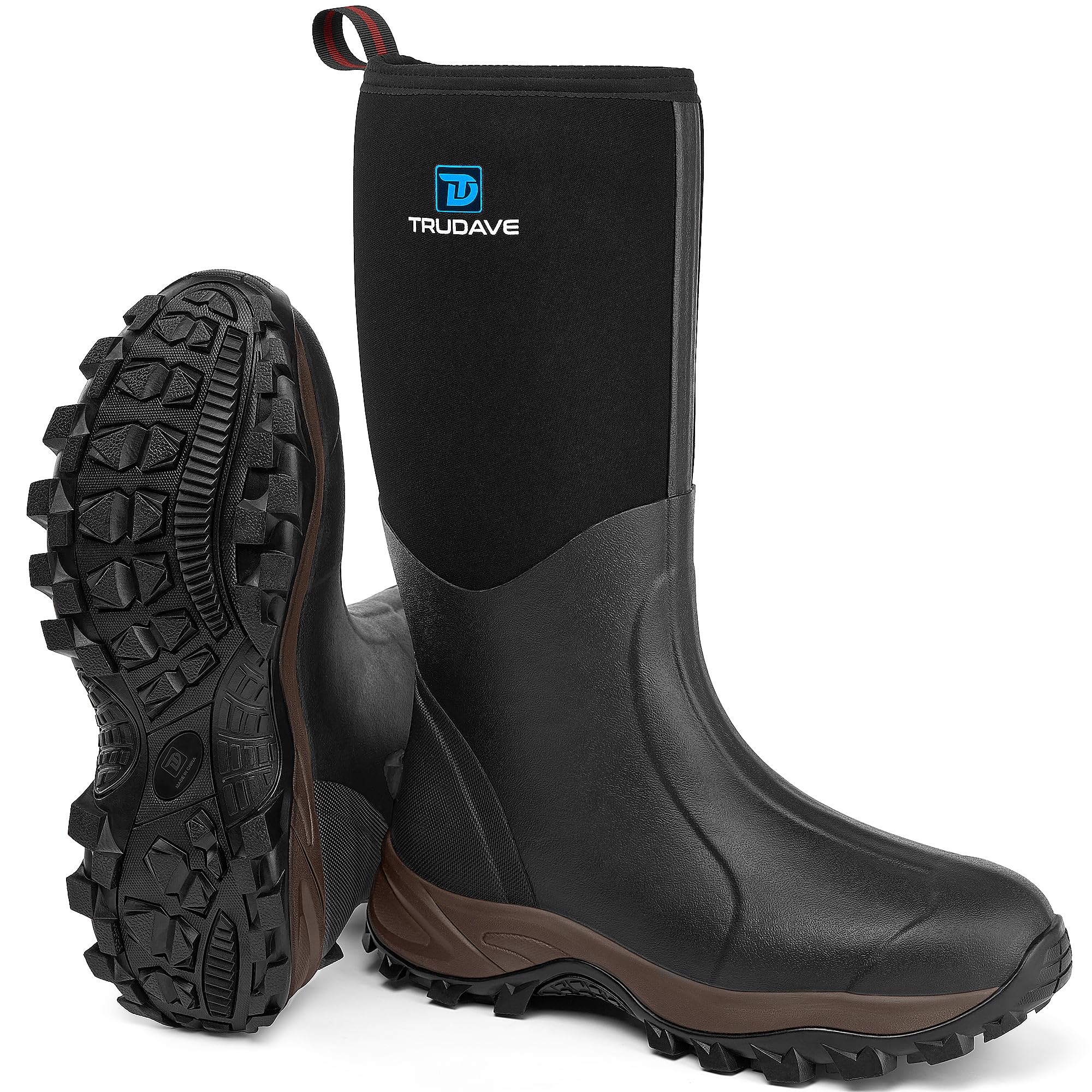
The Trudave boot is an all-rubber, pull-on design with a steel shank for arch support, making it a direct competitor to the Muck Boot style. The rubber shell is fully waterproof, and the deep tread pattern handles mud and slush without packing up.
Owners praise the comfort and ease of wear, noting that the boots are lighter than traditional muck boots and cause less sweating. The sizing is accurate, which is a relief for those who have struggled with inconsistent sizing from other rubber boot brands. A few users reported that the top edge of the boot can feel tight when fully unfolded, and the boots do trap foot odor after extended use.
For the shoveler who works in wet, slushy conditions where standing water is common, the Trudave’s one-piece rubber construction eliminates any worry about membrane failure. The trade-off is less insulation than a padded snow boot, so this is best for moderate cold or active shoveling that generates body heat.
Why it’s great
- 100% waterproof rubber shell
- Steel shank adds arch support for long standing
- Lightweight and easy to clean
Good to know
- Neoprene lining is less warm than felt or synthetic insulation
- Top cuff can feel tight when fully extended
- May trap foot odor after repeated use
FAQ
Can I use regular winter hiking boots for shoveling snow?
How long should a pair of snow shoveling boots last?
Should I choose a lace-up or a pull-on boot for snow shoveling?
Final Thoughts: The Verdict
For most users, the best boots for shoveling snow winner is the Columbia Bugaboot III because it balances warmth, waterproofing, and all-day comfort without excess weight. If you need serious protection for sub-zero shoveling sessions, grab the Rocky Blizzard Stalker. And for the DIYer who also clears mud and works around the property, nothing beats the rugged protection of the Timberland PRO Endurance.