
Our readers keep the lights on and the weekend projects moving. As an Amazon Associate, I earn from qualifying purchases.
Pregnancy brings a flood of hormonal shifts that often trigger melasma, persistent redness, and papules that resist your usual skincare arsenal. Azelaic acid stands apart as a dermatologist-favorite ingredient during this period because of its Category A safety rating for topical use, meaning it addresses pigmentation and inflammation without posing risks to your developing baby.
I’m Rikta — the founder and writer behind FitlyFast. Over the last decade I’ve dissected hundreds of clinical studies on pregnancy-safe actives and cross-referenced ingredient safety databases to identify formulas that deliver measurable brightening without compromising maternal or fetal health.
This guide evaluates the top serums based on their concentration stability, non-comedogenic bases, and compatibility with sensitive pregnancy skin so you can confidently choose the best azelaic acid for pregnancy without second-guessing ingredient labels.
How To Choose The Best Azelaic Acid For Pregnancy
Not all azelaic acid serums are safe just because the active itself is Category A. Your skin during pregnancy is often more reactive, and the total formula — including preservatives, essential oils, and high-pH exfoliants — matters nearly as much as the active percentage. Here are the three filters that separate a smart pregnancy choice from a risky impulse buy.
Verify the concentration and the delivery system
Therapeutic efficacy begins around 10 percent, which is the concentration found in every product on this list. But a high percentage means nothing if the carrier base is greasy or contains denatured alcohol that strips your moisture barrier. During pregnancy your skin tends to dry out faster, so look for water-based or gel-cream textures that include humectants like hyaluronic acid or centella asiatica. Avoid formulas that rely on alcohol to thin the viscosity — they will exacerbate the irritation you are trying to calm.
Scan for red-flag co-ingredients that are not pregnancy-safe
Azelaic acid itself is clean, but many brands pair it with salicylic acid above two percent, retinoids, or high-concentration glycolic acid. These are not safe in pregnancy or can worsen skin barrier function in an already sensitive state. Stick to serums where the secondary active is a soothing agent — panthenol, madecassoside, allantoin, or low-dose niacinamide — rather than a strong exfoliant. The single exception is a gentle form of vitamin C, like the stable ascorbyl glucoside found in one product on this list, which is pregnancy-approved and brightens synergistically with azelaic acid.
Check for a lightweight, non-comedogenic base
Pregnancy hormones can suddenly turn a normal skin type into an oily or acne-prone one. A serum that sits heavy or clogs pores will sabotage the results. Look specifically for the term “non-comedogenic” on the label, which means the base oils and emulsifiers have been tested not to block follicles. Additionally, a universal tint or sheer texture helps the serum disappear into skin without leaving a white cast, which matters if you plan to wear it under a tinted prenatal-safe sunscreen during the day.
Quick Comparison
On smaller screens, swipe sideways to see the full table.
| Model | Category | Best For | Key Spec | Amazon |
|---|---|---|---|---|
| Peach Slices Redness Relief | Premium | Daily redness & rosacea | 10% Azelaic + Cica + Algae | Amazon |
| SKIN1004 Azelaic Acid Ampoule | Premium | Sebum control & brightening | 10% Azelaic + Centella Asiatica | Amazon |
| La Roche-Posay Effaclar A.Z. | Premium | Stubborn acne & scarring | Azelaic + 1.2% Salicylic Acid | Amazon |
| Cocokind Vitamin C Glow Serum | Mid-Range | Brightening + dark spots | Azelaic + Vitamin C + Sea Grape | Amazon |
| PURITO Azelaic Acid Serum | Mid-Range | Triple-action acne control | 10% Azelaic + 10% Tea Tree + Kojic | Amazon |
| The INKEY List SuperSolutions | Mid-Range | Budget-friendly redness relief | 10% Azelaic Acid | Amazon |
| RECIPE Azelaic Acid Ampoule | Budget | Sensitive skin intro | 10% Azelaic + Madecassoside | Amazon |
In‑Depth Reviews
1. Peach Slices Redness Relief 10% Azelaic Acid Serum
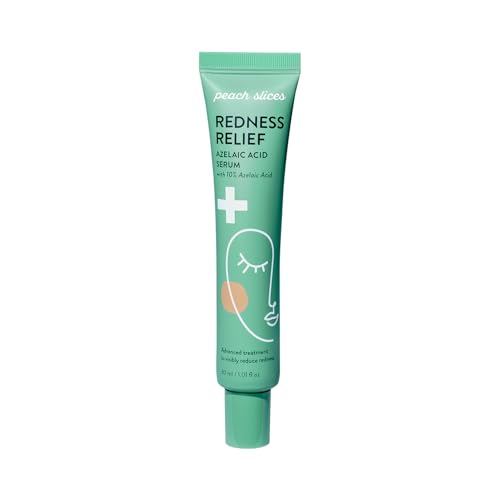
Peach Slices has engineered a serum that feels tailor-made for the pregnancy skin trifecta: redness, reactive sensitivity, and clog-prone pores. The 10 percent azelaic acid base is fortified with rhodomyrtus leaf extract and cica, ingredients known to downregulate inflammatory cytokines without the sting that many azelaic acid first-timers expect. A subtle universal tint allows the serum to disappear into a wide range of melanin levels, eliminating the dreaded white cast that often discourages daytime use.
Real-world feedback confirms that this formula reduces the flushing associated with mild pregnancy rosacea within days, not weeks. Several reviewers noted that the lightweight texture glides over skin prepped with adapalene alternatives without pilling, which matters if you are layering a prenatal-safe moisturizer after it. The addition of algae extract bolsters the mineral profile of the serum, supporting barrier repair while the azelaic acid works on pigmented lesions.
The fragrance-free and alcohol-free base makes this a top recommendation for mothers-to-be who suddenly find their usual serums intolerable. One user with combination-to-oily skin reported lasting five months with morning-only application, proving that a little goes a long distance. For the pregnant user who wants a single product that brightens, soothes, and blends seamlessly, this is the most complete package available.
Why it’s great
- Universal tint eliminates white cast — works under tinted sunscreen
- Cica and pantheon provide deep barrier support without extra irritation
- Fragrance-free, alcohol-free, and vegan — clean enough for reactive pregnancy skin
Good to know
- May cause a mild tingling on extremely compromised barriers during the first week
- Best used sparingly — over-application can settle into fine lines around the eyes
2. SKIN1004 Azelaic Acid 10% Ampoule
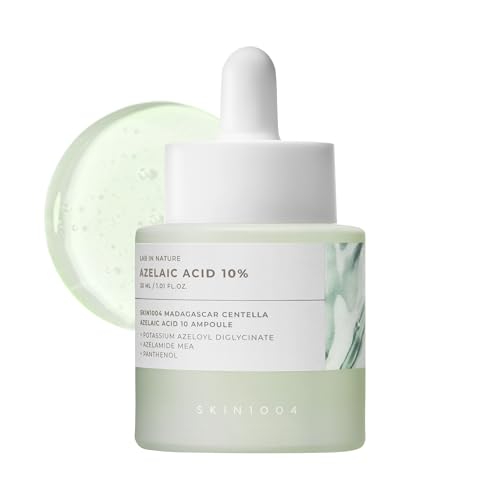
SKIN1004 builds its reputation on centella asiatica content, and this ampoule delivers the same soothing pedigree while adding 10 percent azelaic acid for visible sebum regulation. The texture is a milky liquid that absorbs almost instantly, leaving no tackiness behind — crucial for the pregnant user whose skin suddenly feels oilier by mid-afternoon. The 3X Azelaic Active Formula refers to a synergistic blend that includes azelaic acid alongside centella derivatives to accelerate the calming response.
Users with blemish-prone skin reported a noticeable reduction in new breakouts within the first week of daily use, with the serum continuing to fade post-inflammatory hyperpigmentation over the following month. The brand recommends a slow introduction — every other day for the first seven days — which aligns well with pregnancy skincare advice to avoid shocking a sensitized barrier. The dropper dispenses a small amount, making it easy to control dosage from 2 drops up to a full pump for targeted spot therapy.
The lightweight composition layers perfectly under a zinc-based sunscreen, and the absence of fragrance means there is no nausea trigger — a detail that matters enormously during the first trimester. One detailed review noted pairing this ampoule with a peptide cream for dramatic plumping results while maintaining clear pores. For the pregnant woman battling hormonal oil slicks and stubborn texture, this ampoule offers targeted relief without heavy occlusives.
Why it’s great
- Centella asiatica amplifies the anti-inflammatory effect of azelaic acid
- Milky texture absorbs quickly with zero greasy residue
- Gradual introduction schedule respects barrier sensitivity during pregnancy
Good to know
- The dropper can be finicky — some units dispense less product than expected
- Not ideal for severe melasma since it focuses more on sebum than deep pigment
3. La Roche-Posay Effaclar A.Z. Gel
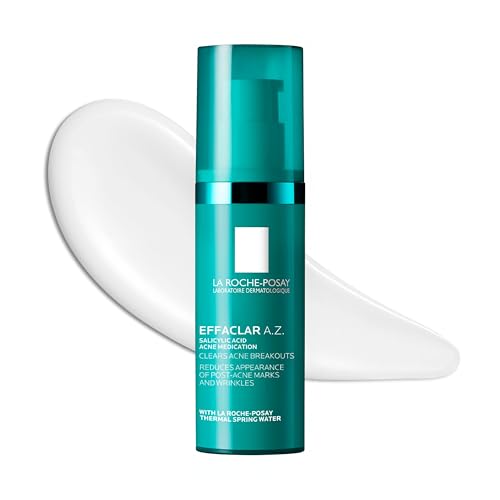
La Roche-Posay targets a different segment of the pregnancy acne spectrum: deep, cystic bumps that leave behind stubborn scars long after the bump flattens. The Effaclar A.Z. Gel combines azelaic acid with 1.2 percent salicylic acid — a percentage that remains within the pregnancy-safe topical limit discussed in dermatology guidelines — to penetrate pores and dissolve the keratinous plugs that feed hormonal breakouts. The gel-cream hybrid texture is lightweight enough for humid climates yet nourishing enough to avoid the stripped feeling typical of acne treatments.
Clinical reviews emphasize the dual-action approach: the azelaic acid fades post-acne hyperpigmentation while salicylic acid prevents new comedones. One user noted that consistency for two months yielded visible changes in both active acne and older scar tissue, a timeline that matches the slow but steady remodeling expected from azelaic acid. The formula is also allergy-tested and non-comedogenic, so it will not clog the very pores it is trying to clear.
Pregnant women should note that this product includes salicylic acid, which is generally considered safe at or below two percent when applied topically, but some mothers prefer to avoid it entirely during the first trimester. If you have already used salicylic acid washes without issue, this gel is a powerful ally. For those wanting a purely azelaic-only approach, the earlier picks are cleaner options. This is the choice for persistent acne that laughs at gentler formulas.
Why it’s great
- Combines azelaic acid with salicylic acid for dual mechanism against cysts and scars
- Hydrating gel-cream texture prevents the dryness common during pregnancy
- Dermatologist-tested and non-comedogenic — safe for sensitive skin
Good to know
- Contains salicylic acid — some mothers prefer to avoid it during early pregnancy
- Only lasts about two months with consistent twice-daily use
4. Cocokind Vitamin C Glow Serum with Azelaic Acid

Cocokind takes a different angle by pairing azelaic acid with a stable form of vitamin C derived from ascorbyl glucoside, creating a synergy that addresses both the melanin overproduction behind melasma and the environmental oxidative stress that worsens it. The serum includes sea grape caviar extract, a marine-sourced hydrator that improves water retention in the upper dermis — a subtle but meaningful advantage when pregnancy hormones are pulling moisture out of your skin. The texture is thicker than a typical ampoule, almost gel-like, but it absorbs without the stickiness that makes layering difficult.
Users saw visible brightening in dark spots within two weeks, which is notably fast for a formula that relies on the gentler, slower-paced synergies between vitamin C and azelaic acid. The lack of fragrance and essential oils makes it suitable for pregnant women whose sense of smell has become hyper-acute. Because the vitamin C is stable, it does not require special packaging or refrigeration, and the serum can be stored in a dark cabinet without degrading.
The main trade-off is texture preference: the serum feels thick and slightly sticky before it fully dries, which may not suit those accustomed to water-thin K-beauty essences. Once dry, however, the skin feels plump and soft rather than tacky. For the pregnant woman whose primary complaint is melasma rather than active breakouts, this combination formula addresses both pigment and barrier health in one pump.
Why it’s great
- Stable vitamin C brightens dark spots faster than azelaic acid alone
- Sea grape caviar and hyaluronic acid provide deep, pregnancy-friendly hydration
- Fragrance-free and cruelty-free — clean enough for daily use
Good to know
- Gel texture can feel sticky for the first minute before absorption
- Not targeted at active acne — better for maintenance and brightening
5. PURITO Azelaic Acid 10% + Kojic Acid + Tea Tree Serum
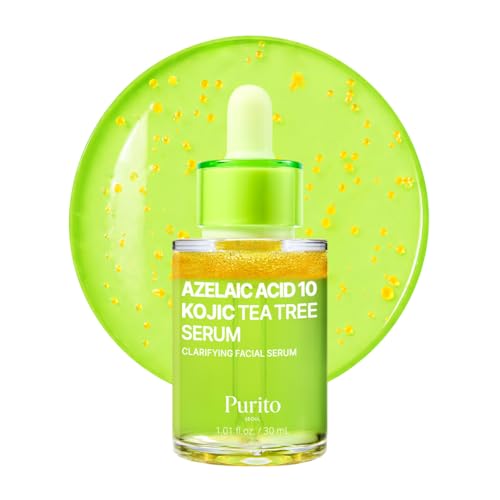
PURITO combines 10 percent azelaic acid with 10 percent tea tree oil and kojic acid into a single serum that tackles breakouts, hyperpigmentation, and uneven texture simultaneously. The tea tree is encapsulated, which means it releases gradually upon contact with the skin, reducing the risk of the sharp burning sensation that raw tea tree oil causes. Kojic acid adds a melanin-blocking mechanism that complements azelaic acid’s tyrosinase inhibition, making this a strong contender for women experiencing both hormonal acne and maskne-related hyperpigmentation during pregnancy.
Real reviews from pregnant and non-pregnant users confirm that the formula improves cystic and hormonal breakouts within 72 hours, with one reviewer noting that their skin looked clearer and more alive after just three days. The fragrance-free formulation avoids the essential oil pitfalls common in tea tree products, and the lightweight feel layers well under a moisturizer without pilling. The triple-active approach means you get the function of three separate products in one bottle, simplifying your routine when energy is low.
Pregnant women with very dry skin should patch-test rigorously because tea tree and kojic acid can both be mildly sensitizing, especially on a barrier already weakened by pregnancy hormones. For those with combination or oily skin who want a streamlined solution that hits multiple skin concerns at once, PURITO delivers surprising speed and efficacy. The 1.01-ounce bottle lasts roughly three to four months with once-daily use.
Why it’s great
- Encapsulated tea tree oil releases gradually, reducing irritation risk
- Kojic acid targets melanin pathways for faster dark spot correction
- Combines three actives in one bottle for a simplified pregnancy routine
Good to know
- Tea tree content may be too stimulating for extremely sensitive or dry pregnancy skin
- Not recommended for use alongside other strong exfoliants
6. The INKEY List SuperSolutions Azelaic Acid 10% Serum
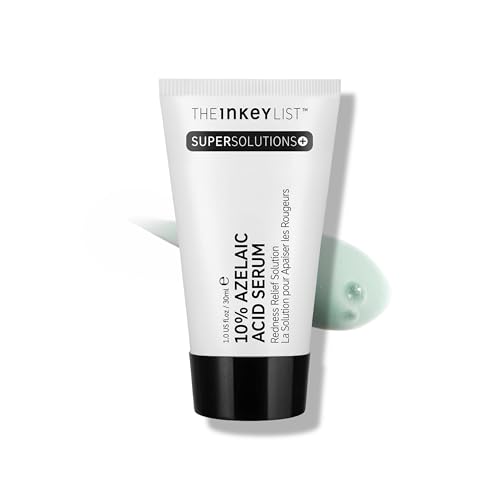
The INKEY List positions this serum as a rosacea-friendly option, and the formulation bears that out. The 10 percent azelaic acid is paired with a subtle greenish tint that color-corrects redness on contact, a feature particularly helpful for pregnant women whose skin flushes chronically. The texture is thicker than most K-beauty ampoules — almost a gel-balm consistency — which requires patience during application because it needs a moment to warm up and sink in before the next layer.
Customer feedback consistently praises the serum for reducing the “heat” sensation associated with rosacea flares, with one user calling it a miracle product for their mature, dry, eczema-prone skin during pregnancy. Another reviewer noted that the 1-ounce tube lasts roughly a month with twice-daily use, making the price per use comparable to luxury brands. The fragrance-free composition means zero olfactory triggers, a relief for anyone dealing with morning sickness.
The biggest practical drawback is the bottle design. The thick product tends to gather at the nozzle, and storing the tube upside-down causes air pockets that push out excess when opened. Many users learned to store the tube on its side and shake before dispensing. For the pregnant user whose main complaint is redness rather than melasma, the color-correcting effect of this serum delivers visible relief that lighter serums cannot match.
Why it’s great
- Green tint neutralizes redness instantly for daytime wear
- Effectively reduces the flushing sensation associated with pregnancy rosacea
- Fragrance-free and safe for eczema-prone skin
Good to know
- Thick viscosity takes longer to absorb — must wait before applying moisturizer
- Bottle design can dispense uneven amounts if stored cap-down
7. RECIPE Azelaic Acid 10 Soothing Ampoule
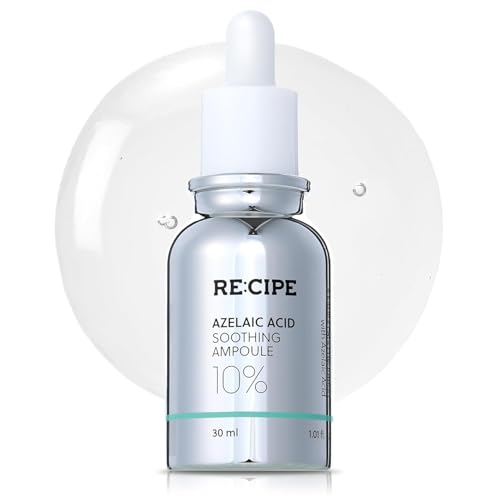
RECIPE enters the pregnancy skincare conversation with a budget-conscious ampoule that prioritizes barrier comfort above all else. The 10 percent azelaic acid is buffered by madecassoside — a centella asiatica derivative — plus allantoin and panthenol, creating a framework that supports repair even as the active exfoliates. The texture is near-weightless, absorbing so quickly that it can be layered under a prenatal moisturizer within seconds, which is crucial for the pregnant woman rushing through a morning routine.
Reviews from pregnant and non-pregnant users emphasize the immediate calming effect on red, reactive skin. One reviewer described it as “magic in a bottle” for improving sensitive, acne-prone skin without the stinging that other azelaic acid products deliver. Because the formula is designed to be introduced slowly — starting with 1 or 2 drops and building to 5 — it is ideal for first-time azelaic acid users who are nervous about purging.
Non-comedogenic and fragrance-free, the ampoule plays well with other pregnancy-safe actives like low-dose niacinamide or vitamin C. The main limitation is the concentration: at 10 percent it matches the other contenders, but the soothing additives mean it prioritizes comfort over speed. Results will take longer to appear compared to a stripped-down formula. For the mother-to-be who wants to test whether her skin tolerates azelaic acid at all, this is the safest starting point.
Why it’s great
- Madecassoside and panthenol buffer the active for ultra-gentle action
- Weightless texture absorbs instantly — no waiting between layers
- Gradual dosage guide makes it perfect for azelaic acid beginners
Good to know
- Soothing additives slow down visible brightening results
- Small 1.01 oz bottle may run out faster with twice-daily application
FAQ
Is azelaic acid really safe to use throughout all three trimesters?
Can azelaic acid cause purging or a breakout when I first start using it during pregnancy?
How should I layer azelaic acid with my prenatal skincare routine?
Final Thoughts: The Verdict
For most pregnant women, the azelaic acid for pregnancy winner is the Peach Slices Redness Relief 10% Azelaic Acid Serum because it combines pregnancy-safe concentration, a universal tint for daytime wear, and barrier-supporting cica and panthenol that prevent the irritation common with other azelaic products. If your primary concern is sebum control and texture, grab the SKIN1004 Azelaic Acid Ampoule. And for deep cystic acne that leaves stubborn scars, nothing beats the La Roche-Posay Effaclar A.Z. Gel.