
Our readers keep the lights on and the weekend projects moving. As an Amazon Associate, I earn from qualifying purchases.
The right antioxidant cream for your face does more than sit on a shelf — it actively defends your skin cells against daily oxidative stress from UV exposure, pollution, and blue light. These creams deliver concentrated compounds like vitamin C, green tea, niacinamide, and ferulic acid directly into the dermis to neutralize free radicals before they break down collagen and elastin. Without this protection, environmental damage accumulates, leading to fine lines, uneven pigmentation, and a loss of natural radiance that no amount of concealer can fully mask.
I’m Rikta — the founder and writer behind FitlyFast. After years tracking clinical studies on topical antioxidants and cross-referencing the potency-stability profiles of dozens of formulations on the market, I know exactly what separates a truly effective antioxidant cream from one that simply claims it.
This guide breaks down the seven products that actually deliver measurable protection and visible results, so you can confidently select the best antioxidant cream for face for your specific skin concerns and budget.
How To Choose The Best Antioxidant Cream For Face
Antioxidant creams vary wildly in potency, stability, and delivery. The wrong choice leaves your skin unprotected or, worse, irritated. Focus on these five decision points to land on a cream that actually works with your skin’s chemistry.
Active Antioxidant Type & Concentration
L-ascorbic acid remains the gold-standard antioxidant for brightening and collagen synthesis, but it requires a low pH (around 3.5) for absorption and degrades quickly in light and air. Vitamin C derivatives like ascorbyl glucoside or ethyl ascorbic acid tolerate a higher pH and remain stable longer, making them better for sensitive skin. Matcha polyphenols, niacinamide, and resveratrol target different oxidative pathways — a cream that layers multiple antioxidants often outperforms a single-ingredient formula because different molecules neutralize different free radical types.
Packaging That Preserves Potency
Light, air, and heat destroy antioxidants. A cream in a clear glass jar with a wide mouth exposes the formula to oxygen each time you dip a finger — within weeks, the active ingredient count can drop by half. Opaque, air-tight pumps or airless bottles maintain ingredient integrity far longer. If the product arrives in a transparent container, expect a noticeably shorter effective lifespan even if the ingredient list looks impressive on paper.
Texture, Absorption & Layering Compatibility
A face cream’s vehicle determines how well antioxidants penetrate. Thick waxes or heavy oils seal ingredients on the surface rather than delivering them to the deeper skin layers where they are needed. Lightweight, water-based emulsions absorb quickly and allow serums and sunscreen to layer on top without pilling. Consider your skin type — a rich cream formulated for dry skin may clog pores on combination or oily skin, while a gel-cream may not supply enough moisture if your barrier is compromised.
Additional Functional Layers
The best antioxidant creams do more than deliver one molecule — they combine protection with hydration (squalane, ceramides), barrier repair (peptides, niacinamide), or photoprotection (SPF). A cream that includes broad-spectrum sunscreen simplifies the morning routine and ensures you never skip UVA/UVB defense. For evening use, look for creams that pair antioxidants with retinoids or lactic acid to repair daily damage while you sleep. Multi-functional creams reduce the number of products you need while delivering a denser benefit profile per application.
Your Skin’s Tolerance & Sensitivity Profile
High-concentration L-ascorbic acid can sting or cause redness on reactive skin, especially in formulations without buffering agents. Fragrances, essential oils, and alcohol denat. accelerate oxidation and irritate sensitive skin. Patch test any new antioxidant cream on your jawline for three consecutive days before applying it to the full face. If a formula causes redness, itching, or breakouts, step down to a lower concentration or switch to a derivative-based formula that matches your skin’s pH comfort zone.
Quick Comparison
On smaller screens, swipe sideways to see the full table.
| Model | Category | Best For | Key Spec | Amazon |
|---|---|---|---|---|
| Paula’s Choice C5 Super Boost | Mid-Range | L-ascorbic acid + barrier repair | 5% stabilized L-ascorbic acid + squalane | Amazon |
| Peach & Lily Matcha Pudding | Mid-Range | Antioxidant-rich matcha + niacinamide | Matcha polyphenols + 2% niacinamide | Amazon |
| DIME Dewy Day Cream | Mid-Range | Dry/combination skin barrier support | Rosehip oil + ceramide 3 + snow mushroom | Amazon |
| Olay Vitamin C Hydrating Moisturizer SPF 30 | Budget-Friendly | All-in-one AM moisturizer + sun protection | Vitamin C + peptides + SPF 30 | Amazon |
| Estée Lauder DayWear SPF 15 | Premium | Dry skin – 24-hour hydration + AP complex | Super Antioxidant Complex + SPF 15 | Amazon |
| Dr Dennis Gross VitC+Lactic Dewy Deep Cream | Premium | Rich hydration + glycolic resurfacing | Vitamin C + lactic acid + ceramides | Amazon |
| Kiehl’s Super Multi-Corrective Cream | Premium | Multi-depth anti-aging (face + neck) | Vitamin A + hyaluronic acid + chaga mushroom | Amazon |
In‑Depth Reviews
1. Paula’s Choice C5 Super Boost Face Moisturizer
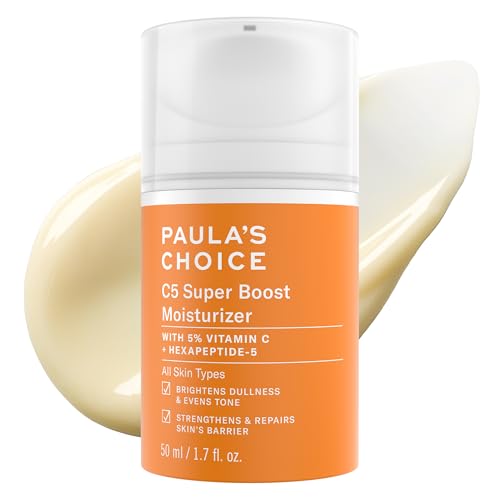
The C5 Super Boost strikes the hardest balance in the mid-range — 5% pure L-ascorbic acid delivered in an air-tight, opaque pump that preserves potency far longer than jar-packaged competitors. The squalane and peptide base repairs the moisture barrier while the vitamin C works on tone, meaning users see both radiance improvement and a reduction in fine lines within the first four to six weeks of consistent use.
Double-encapsulated lipids ensure the cream absorbs without the sticky film that plagues many water-in-oil formulations. For breakout-prone or combination skin, the fragrance-free formula eliminates irritation triggers while delivering a measurable brightening effect. The pump dispenses exactly the right amount per use, cutting down on product waste and preventing the oxidation that occurs when air repeatedly hits the cream.
A small subset of sensitive-skinned users report contact dermatitis — the L-ascorbic acid sits at an active concentration that can overwhelm skin not accustomed to direct vitamin C. Patch testing on the jawline for three days before full-face application is strongly advised. If tolerance is a known issue, this formula may require a lower-strength entry point before graduating to the 5% concentration.
Why it’s great
- Stable, pure L-ascorbic acid in a preservative airless pump
- Fragrance-free and non-comedogenic for sensitive and acne-prone skin
- Peptide-squalane base repairs barrier while brightening tone
Good to know
- 5% concentration may sting reactive skin that hasn’t built tolerance
- Higher per-ounce cost compared to drugstore multi-purpose creams
2. Peach & Lily Matcha Pudding Antioxidant Cream

This K-beauty formula takes a gentler path — matcha polyphenols and niacinamide deliver antioxidant defense without the acidic tingling that pure L-ascorbic acid can cause. The texture lands between a gel and a cream, absorbing into the skin without leaving the tacky residue typical of heavy moisturizers. Users with oily or combination skin report that a single pump covers the full face and neck without clogging pores.
Adenosine, the anti-aging peptide in this formula, works in synergy with niacinamide to smooth the skin’s surface while calming inflammation. The matcha powder comes from green tea leaves rich in epigallocatechin gallate (EGCG), which specifically targets UV-induced free radicals — a direct defense mechanism that standard barrier creams lack. Those aiming for a “glass skin” finish will find the dewy glow here lasts through the afternoon without needing a reapplication.
The smaller container size means the tub empties faster than drugstore alternatives, and twice-daily use can drain a bottle in roughly a month. While the ingredients justify the price per ounce, heavy-handed application accelerates depletion. Sticking to the recommended pea-sized dose controls cost without sacrificing coverage.
Why it’s great
- Gentle antioxidant blend ideal for reactive or sensitive skin
- Lightweight gel-cream absorbs quickly without oiliness
- Adenosine and niacinamide visibly smooth texture over weeks
Good to know
- Small jar runs out quickly under twice-daily use
- Matcha scent may not appeal to everyone
3. DIME Beauty Dewy Day Cream

DIME positions itself firmly in the clean-beauty space — every ingredient carries a safe EWG rating, and the formula excludes silicones, sulfates, and artificial fragrances entirely. Rosehip seed oil provides a natural source of vitamin C and essential fatty acids that support barrier repair, while tremella snow mushroom (a humectant that holds more water than hyaluronic acid) maintains hydration levels throughout the day without creating a slippery surface.
For dry and combination skin, the ceramide 3 and squalane duo rebuilds the lipid barrier that pollution and harsh cleansers strip away. Users transitioning off retinoids or acne treatments find this cream soothing enough to calm flaking without triggering congestion. The texture sits midway between a lotion and a balm, making it suitable as a standalone moisturizer for most skin types except very oily.
The lightweight formula layers well under makeup, but users seeking high-concentration L-ascorbic acid will need to pair it with a separate vitamin C serum. DIME focuses on gentle, cumulative barrier repair rather than rapid spot correction — the results appear as steady improvement in skin resilience and radiance over the first few months rather than the dramatic week-one brightening of an acid-based formula.
Why it’s great
- All EWG-rated ingredients — free from parabens, sulfates, and silicones
- Hydrating snow mushroom outperforms standard hyaluronic acid
- Ceramide + squalane base repairs damaged skin barriers effectively
Good to know
- Rosehip-based cream may feel rich for naturally oily skin
- Natural antioxidant effect builds slowly compared to L-ascorbic acid creams
4. Olay Vitamin C Hydrating Moisturizer SPF 30
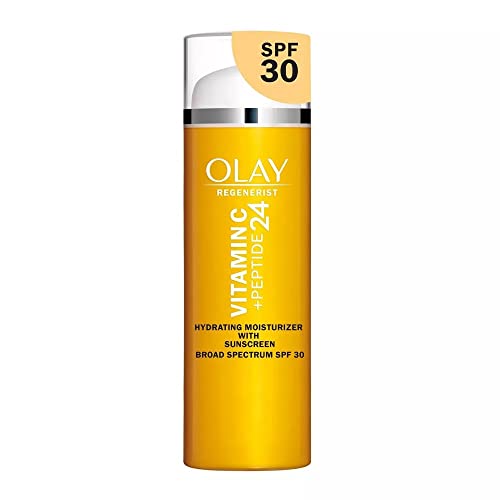
Olay combines three functional layers — vitamin C brightening, peptide firming, and broad-spectrum SPF 30 — into a single morning cream, cutting down the routine to one product without sacrificing protection. The citrus-scented, lightweight formula absorbs in under a minute, leaving no white cast or greasy sheen behind. Users consistently report a visible reduction in dark spots and a more even skin tone after four to six weeks of use.
The pump dispenser delivers exactly 0.05 mL per press, which simplifies consistent daily SPF coverage — most people apply too little sunscreen, and this pump helps correct that error. The 24-hour hydration claim holds true for normal to combination skin, thanks to the glycerin-based humectant system that doesn’t rely on heavy occlusives. For those who dislike the smell of traditional sunscreen, the citrus profile masks it completely.
Multiple user reports have noted a stinging sensation around the eyes after several weeks of use, which may stem from the chemical sunscreen actives or the ascorbic acid concentration. If you have sensitive eyes, this product is best kept off the orbital bone. It also lacks the advanced antioxidant stability packaging of premium options — the bottle is translucent, meaning light exposure gradually degrades the vitamin C content over the months you own it.
Why it’s great
- Three-in-one AM formula — vitamin C, peptides, and SPF 30
- Lightweight pump system encourages full-face sun protection
- Visible dark-spot reduction within four to six weeks
Good to know
- May cause eye stinging after extended use
- Translucent packaging accelerates vitamin C oxidation
5. Estée Lauder DayWear Multi-Protection Cream SPF 15
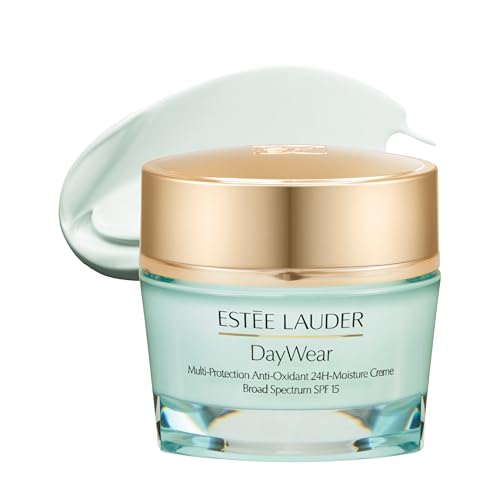
Estée Lauder’s DayWear formula is a texture play — a Super Antioxidant Complex (vitamins C, E, and ferulic acid) is suspended in a cool, silky base that glides onto the skin and locks in hydration for the full 24-hour window it promises. The SPF 15 layer provides baseline daily protection, but users who spend significant time outdoors will still need a dedicated sunscreen underneath. This is a cream designed for dry skin — the rich, non-greasy finish plumps fine lines over the first week of use.
The dermatologist- and ophthalmologist-tested formulation is non-acnegenic, meaning it won’t block pores even during extended wear. Consumer testing shows 96% of users felt smoother, fresher skin instantly. The fresh cucumber scent adds a sensory cleanser-like experience that many users find more pleasant than the neutral fragrance of clinic-style moisturizers. It layers exceptionally well under foundation without pilling or sliding.
The jar packaging, while aesthetically classic, exposes the antioxidant blend to air each time you open the lid. For the investment tier, this packaging choice slightly undercuts the longevity of the active ingredients.
Why it’s great
- Instantly smooths and hydrates dry skin with a silky texture
- Dermatologist- and ophthalmologist-tested for sensitive skin
- Classic cucumber scent creates a pleasant daily sensory experience
Good to know
- Jar packaging exposes antioxidants to air, reducing long-term potency
- SPF 15 is too low for extended outdoor exposure
6. Dr Dennis Gross VitC+Lactic Dewy Deep Cream
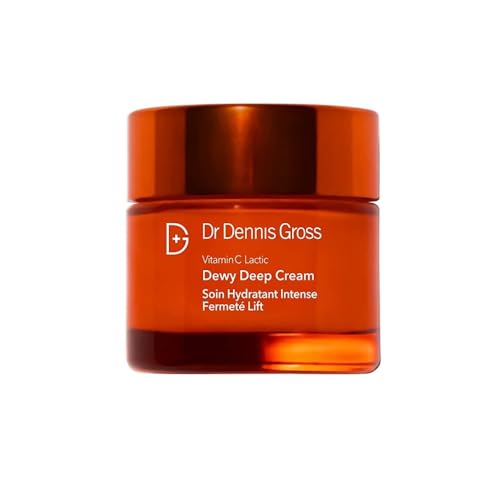
Dr Dennis Gross pairs vitamin C with lactic acid, creating a dual-action cream that resurfaces while it protects. The lactic acid gently exfoliates the outermost layer of dead cells, allowing the L-ascorbic acid and niacinamide to penetrate more deeply than they would through a standard moisturizer base. This design makes the formula particularly effective for dry, dull skin that has lost its natural luminosity due to accumulated surface debris.
The ultra-rich cream base — fortified with squalane and a full ceramide complex — ensures that the exfoliating action doesn’t strip the barrier. Users report elimination of fine lines and a dewy, hydrated look within two to three weeks, with no white residue even on deeper skin tones. The PETA-certified cruelty-free and vegan formulation excludes parabens, sulfates, and phthalates without sacrificing the richness that dehydrated skin needs.
Because lactic acid increases photosensitivity, this cream is best used as part of a night routine or paired with a separate high-SPF sunscreen in the morning. The rich texture can feel heavier on inherently oily skin, and the active acid component may initially cause tingling for first-time AHA users. Starting with every-other-night application helps build tolerance without irritation.
Why it’s great
- Lactic acid exfoliation enhances vitamin C absorption and turnover
- Ceramide-squalane base prevents barrier stripping during resurfacing
- No white cast on melanin-rich skin tones
Good to know
- Lactic acid requires strict AM/PM SPF use to prevent UV damage
- Ultra-rich base may feel too heavy for oily skin types
7. Kiehl’s Super Multi-Corrective Cream
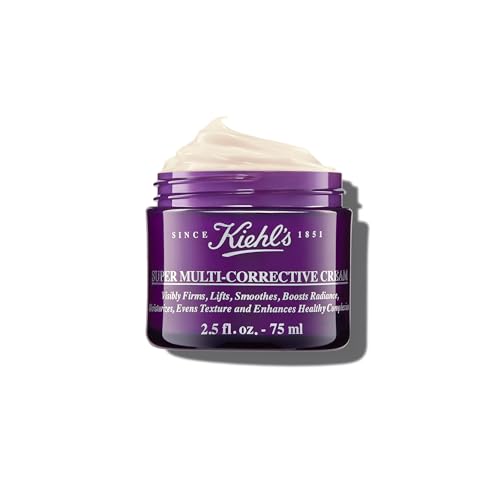
Kiehl’s broadens the anti-aging scope beyond the face, formulating this cream to address wrinkles, tone, and texture on both the face and neck. Vitamin A (retinyl palmitate) stimulates collagen production at a gentler level than prescription retinoids, while chaga mushroom — a melanin-rich adaptogen — evens skin tone by inhibiting tyrosinase activity, the enzyme responsible for excessive melanin production. The fast-absorbing, lightweight texture allows it to layer under makeup or over heavier serums without feeling weighted.
Clinical testing showed 92% of users saw reduced wrinkles and more even skin tone after eight weeks of consistent use. Notably, this cream was tested specifically with GLP-1 users — a population whose rapid weight loss often leads to sagging skin and pronounced lines on the face and neck. 96% of that test group reported visible improvement, giving the cream a unique data point that few competitors offer for post-weight-loss skin firming.
The price positions it at the premium pole of this comparison, and the smaller 2.5-ounce jar means replenishment cycles are shorter than with economy-sized competitors. For those who focus exclusively on face-level aging signs without involving the neck area, the multi-depth approach may over-deliver on benefits you don’t need. The jar packaging also exposes the retinyl palmitate to air with each open, gradually reducing its potency over the jar’s lifetime.
Why it’s great
- Clinically tested on face and neck with proven 8-week wrinkle reduction
- Tested with GLP-1 weight-loss users for post-weight skin firming
- Vitamin A + chaga mushroom targets both collagen and melanin pathways
Good to know
- Premier-level cost with a smaller jar that empties faster than expected
- Jar opening exposes retinyl palmitate to gradual oxidation
FAQ
Should I apply antioxidant cream before or after hyaluronic acid serum?
Can I use an antioxidant face cream with retinol at the same time?
How long does it take to see visible results from an antioxidant cream?
Why does my vitamin C cream turn yellow or brown after a few weeks?
Final Thoughts: The Verdict
For most users, the best antioxidant cream for face winner is the Paula’s Choice C5 Super Boost Moisturizer because its air-tight pump preserves 5% L-ascorbic acid potency far longer than jar-packaged competitors, and the squalane-peptide base repairs the barrier while it brightens. If you want a gentle, multi-antioxidant matcha formula that calms reactive skin, grab the Peach & Lily Matcha Pudding Cream. And for a comprehensive face-and-neck anti-aging solution with clinical data behind it, nothing beats the Kiehl’s Super Multi-Corrective Cream.