
Our readers keep the lights on and the weekend projects moving. As an Amazon Associate, I earn from qualifying purchases.
A migraine is not just a headache — it’s a neurological event that wraps throbbing pain, nausea, light sensitivity, and blurred vision into one debilitating package. Choosing the right analgesic for migraine means navigating a landscape of OTC painkillers, homeopathic dissolvable tablets, and daily preventive supplements, each targeting a different phase of the attack.
I’m Rikta — the founder and writer behind FitlyFast. I have spent years analyzing the clinical evidence, customer feedback, and ingredient profiles of the most popular migraine relief products to separate what actually works from what only sounds good on the label.
Whether you need fast abortive relief during an attack or a daily supplement to reduce frequency, finding the right analgesic for migraine depends on matching the mechanism to your specific symptom profile.
How To Choose The Best Analgesic For Migraine
Migraine medications broadly fall into two camps: abortive treatments taken when the pain starts, and preventive supplements taken daily to reduce attack frequency and severity. The choice hinges on your migraine phase, your sensitivity to caffeine, your tolerance for pill swallowing versus sublingual dissolving tablets, and whether you want a pharmaceutical or a botanical approach.
Abortive vs. Preventive: Know the Timing
An abortive analgesic for migraine is designed to stop an attack in its tracks — think Excedrin Migraine or Advil Migraine Liqui-Gels. These rely on fast-absorbing NSAIDs, acetaminophen, or caffeine to interrupt pain signals. Preventive supplements like MigRelief or Migraine Assist, on the other hand, require daily dosing for weeks before you see a reduction in attack frequency. Choosing the wrong type for your need leads to disappointment.
Ingredient Density and Bioavailability
The real differentiator is whether the active ingredient is present at a clinically studied dose. Excedrin’s triple-action formula delivers 250 mg acetaminophen, 250 mg aspirin, and 65 mg caffeine per caplet — a combination proven in multiple trials. Homeopathic products list ingredients in potencies that are too dilute to measure in milligrams, while preventive supplements must pack enough magnesium (at least 200 mg) and riboflavin (at least 50 mg) to impact mitochondrial function.
Delivery Format and Speed
Sublingual tablets dissolve under the tongue and bypass the digestive system, offering faster absorption — valuable when nausea accompanies the migraine. Standard caplets and liqui-gels require swallowing, which can be difficult when the stomach is unsettled. If vomiting is common during your attacks, a homeopathic quick-dissolve or a melt-in-mouth tablet may be the only practical analgesic for migraine.
Quick Comparison
On smaller screens, swipe sideways to see the full table.
| Model | Category | Best For | Key Spec | Amazon |
|---|---|---|---|---|
| Excedrin Migraine | Pharmaceutical Abortive | Fast OTC pain interruption | 250mg/250mg/65mg acetaminophen/aspirin/caffeine | Amazon |
| Advil Migraine Liqui-Gels | Pharmaceutical Abortive | Ocular migraine with flashing lights | 200 mg ibuprofen per liqui-gel | Amazon |
| Advil Dual Action | Two-Mechanism Combination | Migraine with muscle tension | 125 mg ibuprofen + 250 mg acetaminophen per caplet | Amazon |
| MigRelief Triple Therapy | Preventive Supplement | Daily migraine prevention | 200 mg magnesium + 100 mg riboflavin per 2-caplet dose | Amazon |
| Migraine Assist | Herbal Preventive Blend | Holistic reduction of attack frequency | Magnesium + Quercetin + Feverfew + Butterbur + CoQ10 | Amazon |
| MagniLife Migraine Relief | Homeopathic Abortive | Nausea-friendly sublingual relief | 10 active homeopathic ingredients, quick-dissolve tablet | Amazon |
| Nature’s Sunshine Sinus Support EF | Sinus-Related Secondary | Migraine triggered by sinus congestion | Synephrine from immature orange peel, ephedra-free | Amazon |
In‑Depth Reviews
1. Excedrin Migraine Pain Reliever Caplets
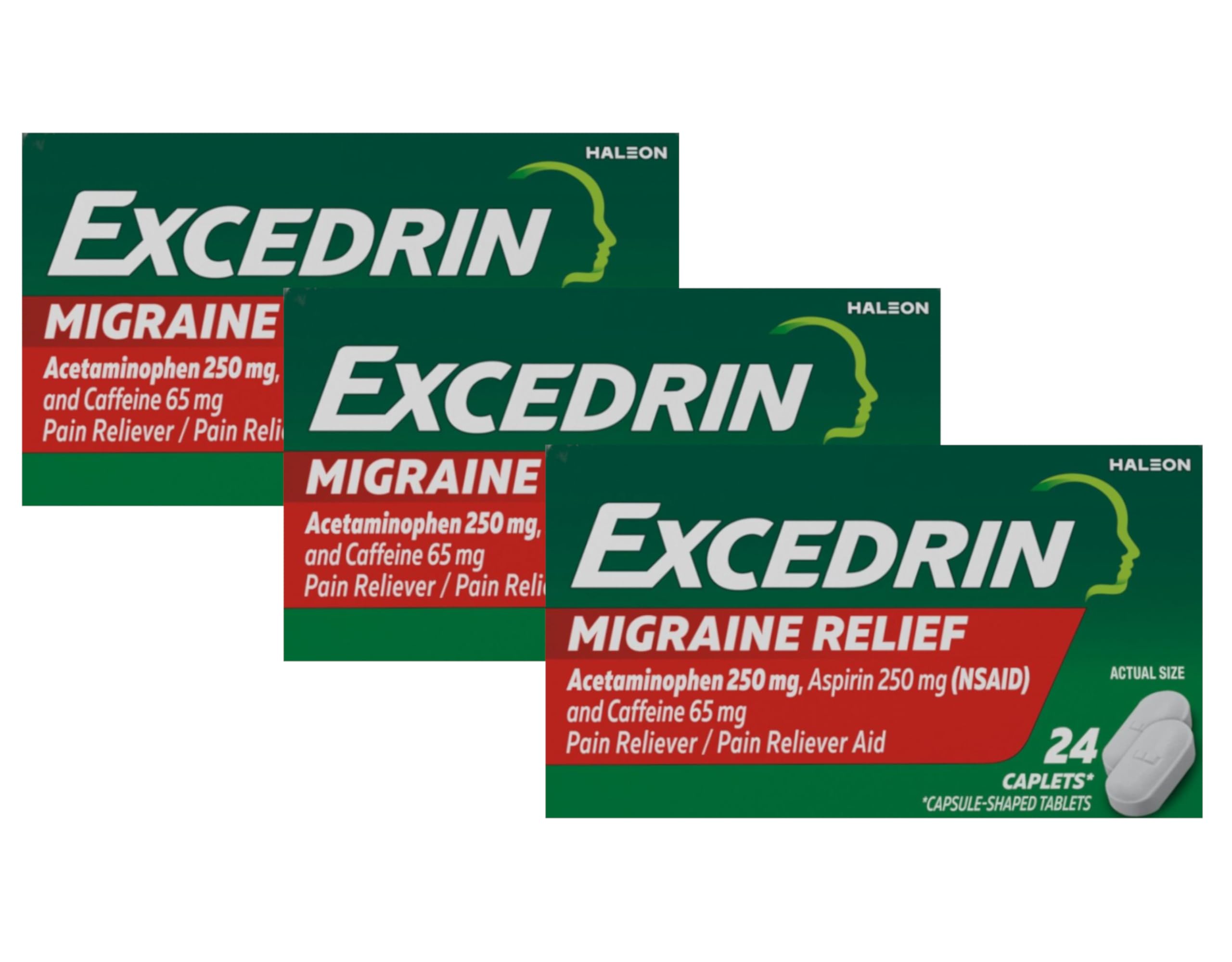
Excedrin Migraine holds the strongest clinical track record among OTC analgesics for migraine because it combines three actives — 250 mg acetaminophen to block central pain signals, 250 mg aspirin to reduce inflammation, and 65 mg caffeine to enhance pain threshold and vasoconstriction. This triple-action approach is the formula most often recommended by neurologists as the first line of defense before prescription triptans are considered.
Users consistently report pain relief within 15 to 30 minutes when taken at the first sign of an attack. The two-caplet dose is small enough to swallow quickly, and the caffeine component provides an alertness boost that counteracts the fatigue that often accompanies the prodrome phase. Customer feedback highlights that it stops migraine progression without the drugged feeling associated with heavier medications.
The 3-pack of 24-count bottles is practical for keeping a supply in your bag, car, and desk. The packaging may vary, but the formula is consistent and has been on the market for years with reliable results. This is the benchmark that every other OTC migraine product is measured against.
Why it’s great
- Clinically proven triple-action formula interrupts migraine quickly
- Doctor-recommended as the top OTC option
- Compact 3-pack allows stash in multiple locations
Good to know
- Caffeine content can cause jitters or sleep disruption if taken late in the day
- Not suitable for those with aspirin allergy or stomach ulcers
2. Advil Migraine Liqui-Gels

Advil Migraine Liqui-Gels deliver 200 mg of ibuprofen in a softgel format that absorbs faster than standard coated tablets. Ibuprofen works by inhibiting cyclooxygenase enzymes, reducing the production of prostaglandins that cause the throbbing pain and inflammation associated with migraines. The liqui-gel shell allows the medication to be absorbed in the small intestine more rapidly, which is critical when you need relief before the migraine fully escalates.
Customer reviews consistently mention that Advil Migraine is effective specifically for ocular migraines that present with flashing lights or visual auras. Users who experience nausea with standard pills find the softgel easier to keep down. The 40-count bottle is compact, and the product is often hard to find in brick-and-mortar stores, making Amazon the most reliable source.
Compared to Excedrin, this option skips the caffeine, making it a better choice for evening attacks or for individuals sensitive to stimulants. It is also gentler on the stomach than aspirin for some users, though ibuprofen can still irritate the gastric lining if taken on an empty stomach.
Why it’s great
- Liqui-gel format absorbed faster than standard caplets
- No caffeine — suitable for evening use
- Highly rated for ocular migraine with visual disturbances
Good to know
- Single-mechanism (ibuprofen only) less effective for severe multi-symptom migraine
- Some users report less efficacy than the triple-action Excedrin formula
3. Advil Dual Action Coated Caplets
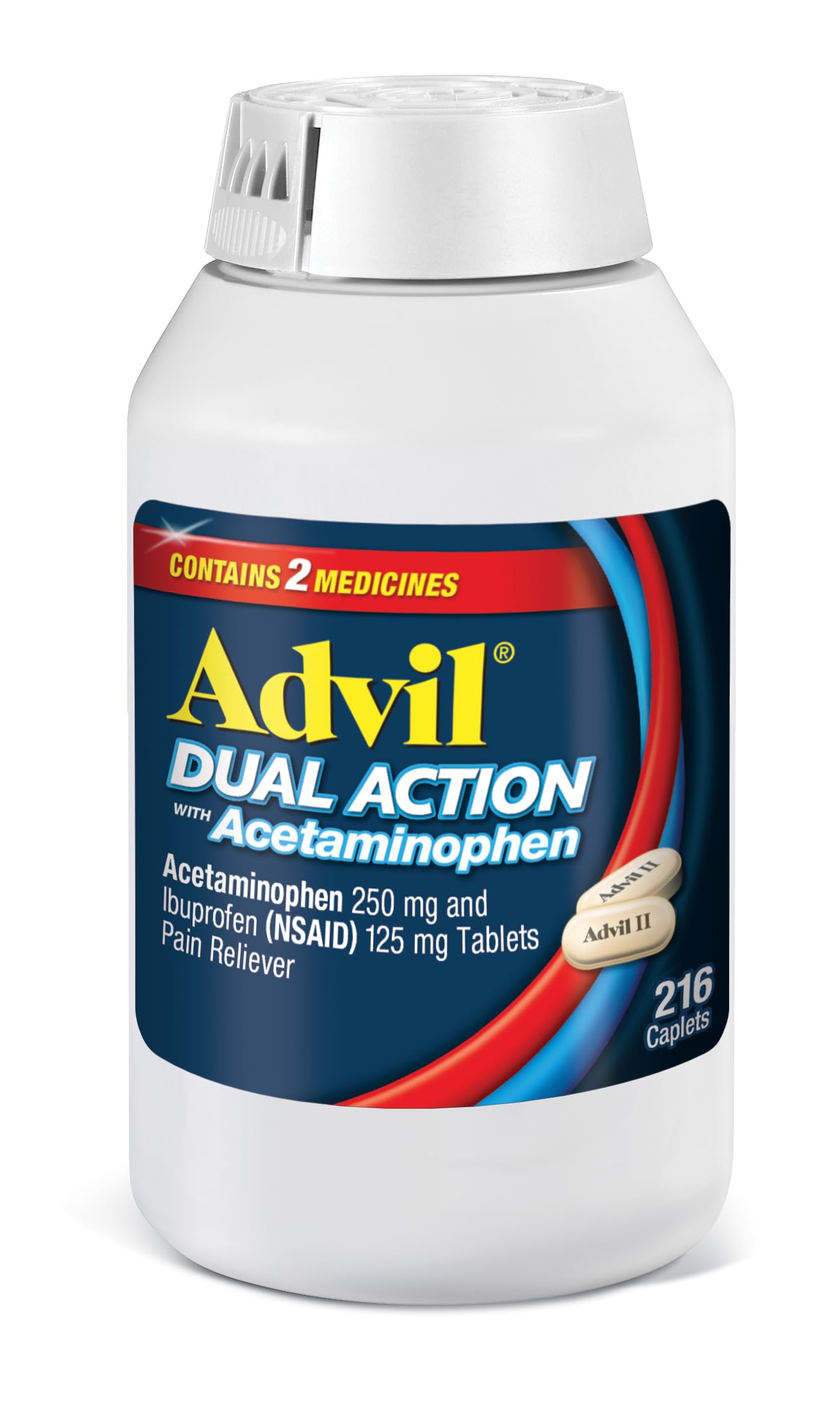
Advil Dual Action is the first FDA-approved pain relief medication to combine ibuprofen (250 mg per dose equivalent) and acetaminophen (500 mg per dose equivalent) in one caplet. The dual mechanism attacks migraine pain from two angles — ibuprofen reduces prostaglandin-mediated inflammation at the source, while acetaminophen blocks pain signals in the brain. This combination provides up to eight hours of relief, which is longer than either agent alone.
For migraines that come with muscle tension in the neck and shoulders, the anti-inflammatory action of ibuprofen is particularly valuable. The coated caplets are small and easy to swallow, with minimal aftertaste. Users report onset of relief within 30 minutes. The 216-count bottle is a bulk option that reduces per-dose cost significantly.
The downside is that each dose requires two caplets, so the 18-count size delivers only nine doses — not ideal for frequent migraine sufferers unless you buy the larger bottle. Compared to Excedrin, this formula lacks caffeine, which some users miss for the vasoconstrictive and alertness boost, but others prefer for avoiding stimulant side effects.
Why it’s great
- FDA-approved dual mechanism provides longer relief than single-agent products
- Eight-hour duration is ideal for all-day migraine coverage
- Large bottle count offers excellent cost efficiency
Good to know
- Requires two caplets per dose — smaller packages run out fast
- No caffeine component, which some users find less effective than Excedrin for full migraine interruption
4. MigRelief Triple Therapy with Puracol

MigRelief is not an abortive analgesic for migraine — it is a daily preventive supplement that targets the nutritional deficiencies linked to migraine pathophysiology. Each two-caplet dose delivers 200 mg of magnesium (as magnesium oxide and magnesium citrate), 100 mg of riboflavin (Vitamin B2), and 50 mg of Puracol (parthenolide-free feverfew extract). Magnesium is the star here: studies show that migraine sufferers often have lower brain magnesium levels, and supplementation can reduce attack frequency by up to 40 percent.
This product is frequently recommended by neurologists as a first-line preventive before resorting to prescription drugs. Customer reviews consistently note a marked reduction in migraine frequency after two to three weeks of consistent use. One user reported that their teen went from daily pain to zero migraines in twenty days. The capsules are small and easy to swallow, with no reported stomach upset.
The three-ingredient approach covers the most evidence-backed nutritional angles for migraine. It does require commitment — skipping doses allows magnesium levels to drop, and effectiveness builds slowly. This is not for acute attack relief, but for those with chronic migraine (four or more attacks per month), it is arguably the most effective non-prescription preventive available.
Why it’s great
- Neurologist-recommended with clinically studied magnesium and riboflavin doses
- Reduces attack frequency after consistent daily use
- Clean formula with no caffeine, stimulants, or GMOs
Good to know
- Not for acute attack relief — requires daily preventive dosing
- Results take two to three weeks to become noticeable
5. Migraine Assist by Dr. Danielle

Migraine Assist is a comprehensive herbal preventive supplement that bundles magnesium, quercetin, feverfew, butterbur, and CoQ10 into a single daily capsule. The inclusion of butterbur (Petasites hybridus) is significant — multiple randomized controlled trials have shown that butterbur extract reduces migraine frequency by nearly 50 percent when taken daily. Feverfew has historically been used to inhibit platelet aggregation and reduce vascular spasm, a key trigger for migraine.
Users who prefer a holistic, natural approach to migraine management will appreciate the absence of fillers and the clean ingredient profile. The capsules are reported to be easy on the stomach and leave no lingering aftertaste. The recommended dose is two capsules per day, with the bottle providing 45 days of coverage. Customer feedback highlights a substantial reduction in both frequency and severity after several weeks of consistent use.
It is important to note that butterbur requires careful sourcing to avoid pyrrolizidine alkaloids, which can be toxic to the liver. Dr. Danielle’s formulation uses a purified extract, but individuals with liver concerns should consult a physician. This supplement works best as part of a broader preventive strategy that includes adequate hydration, sleep, and trigger management.
Why it’s great
- Evidence-backed butterbur and feverfew for frequency reduction
- Clean, natural ingredient profile with no synthetic fillers
- All-in-one formula replaces multiple individual supplements
Good to know
- Butterbur requires purified sourcing — verify liver safety with your doctor
- Not intended for acute pain relief during an active attack
6. MagniLife Migraine Relief

MagniLife Migraine Relief is a homeopathic formulation that dissolves under the tongue, bypassing the digestive system entirely. The ten active ingredients are diluted to homeopathic potencies and designed to address the full symptom cluster of migraine: throbbing pain, light and sound sensitivity, blurred vision, and pressure behind the eyes. The sublingual format is particularly valuable for users who experience nausea or vomiting during attacks and cannot swallow pills.
Customer reviews reveal a split profile — some users report that the product stops a migraine on first use when caught early, while others find that it helps with sensitivity symptoms but does little for the pain itself. This variability is consistent with homeopathic preparations, where individual response depends on constitutional factors. For mild to moderate migraine where nausea prevents oral medication, this is a practical, non-habit-forming option.
The 90-tablet bottle lasts through many attacks since the dosing is a few tablets at onset. Because it is homeopathic, there are no known drug interactions, and it can be taken alongside other medications. It is not a substitute for evidence-based pharmaceutical abortives in severe migraine, but it serves as a low-risk first-line option for those avoiding synthetic drugs.
Why it’s great
- Sublingual format ideal when nausea prevents swallowing pills
- No known drug interactions or habit-forming potential
- Targets light sensitivity, pressure, and vision changes
Good to know
- Homeopathic potency means pain relief is inconsistent across users
- Not effective for severe, debilitating migraine where pharmaceutical intervention is needed
7. Nature’s Sunshine Sinus Support EF

Nature’s Sunshine Sinus Support EF is a targeted herbal formula for migraines that originate from sinus congestion and pressure. It is not a standard analgesic for migraine — it works by supporting respiratory cleansing and maintaining clear nasal passages, which can prevent the sinus pressure buildup that triggers frontal and periorbital migraine pain. The key active is synephrine from immature orange peel, which provides milder respiratory support than ephedrine without the cardiovascular side effects.
The four-herb blend includes burdock root, goldenseal root, marshmallow root, and yerba santa leaf — all with traditional use histories for supporting mucous membrane health. Customer reviews mention that migraine relief is an unexpected but welcome benefit, with one user reporting complete headache resolution in one hour and clear breathing in 30 minutes. Another noted that regular use prevented sinus infections that often preceded migraines.
This product is niche — it only makes sense if your migraine attacks are consistently preceded by sinus congestion, post-nasal drip, or pressure behind the cheekbones. For migraine without sinus involvement, it offers little benefit. The 100-vegcap bottle provides a three-month supply at the recommended dose of one capsule with a meal twice daily.
Why it’s great
- Unique herbal approach for sinus-triggered migraine
- Ephedra-free with milder synephrine for safer respiratory support
- Traditional herbs with multi-century use records
Good to know
- Only effective if migraine is linked to sinus congestion
- Herbal aftertaste — best taken before meals
FAQ
Can I take Excedrin Migraine every day for prevention?
Why does Advil Migraine work for ocular migraine but not standard migraine?
Is magnesium better than prescription migraine medication?
How fast does a sublingual homeopathic tablet work compared to a standard pill?
Final Thoughts: The Verdict
For most users, the analgesic for migraine winner is the Excedrin Migraine because its triple-action formula has the strongest clinical evidence for fast, reliable abortive relief. If you want a daily preventive that reduces attack frequency without drugs, grab the MigRelief Triple Therapy. And for sinus-triggered migraine where congestion is the root cause, nothing beats the Nature’s Sunshine Sinus Support EF.