
Our readers keep the lights on and the weekend projects moving. As an Amazon Associate, I earn from qualifying purchases.
Ball of foot pain — medically termed metatarsalgia — turns every step into a sharp reminder that your shoes are failing you. The wrong midsole geometry, a cramped toe box, or inadequate forefoot cushioning can amplify pressure on the metatarsal heads, inflaming nerves and joints with every stride. For runners, walkers, and gym-goers alike, finding footwear that redistributes that load is the difference between progress and injury.
I’m Rikta — the founder and writer behind FitlyFast. My deep market research and specification analysis across dozens of athletic shoe models has focused specifically on platforms engineered to offload pressure from the ball of the foot, from rocker-bottom soles to metatarsal pads and wide toe boxes.
After analyzing nine pairs through the lens of forefoot geometry, stack height, and outsole flex, one thing is clear: the right construction can restore pain-free movement. This guide breaks down the top contenders for the best athletic shoes for ball of foot pain, helping you match your specific gait and activity to a proven solution.
How To Choose The Best Athletic Shoes For Ball Of Foot Pain
Selecting the right shoe for metatarsalgia is about matching specific forefoot features to your foot shape, gait, and activity type. A shoe that works for a neutral runner on pavement may feel punishing for a cross-trainer with flat feet. Focus on the four critical specs below to narrow your options.
Assess The Toe Box Width And Shape
A cramped toe box forces the metatarsal heads together and compresses the forefoot nerves. Look for brands like Altra and New Balance that offer wide (2E, 4E) sizing or intentionally foot-shaped toe boxes that allow natural splay. A thumb’s width of space beyond your longest toe is the bare minimum for dynamic movement.
Evaluate Midsole Firmness And Stack Height
Too-soft foam bottoms out under the met heads, transferring force directly to the bone. Too-hard foam creates a rigid platform that doesn’t conform. Mid-range materials like Brooks’ DNA Loft v3 or New Balance’s Fresh Foam X deliver a balance of resilience and pressure distribution. Higher stack heights (30-40mm) generally offer better forefoot absorption, but the geometry of the rocker matters more than raw thickness.
Check For A Forefoot Rocker Or Metatarsal Pad
A rockered sole — curved upward at the toe — shifts the roll-through point behind the met heads, reducing plantar flexion stress. Some shoes include a removable metatarsal pad or a sculpted footbed that adds a lift behind the ball of the foot. For severe cases, a dedicated orthotic shoe with an integrated metatarsal support (like the ABEO MXV Shift) provides more targeted relief than a general running shoe.
Match Support To Your Arch And Stride
Overpronation can collapse the arch and increase pressure on the medial metatarsals. Stability shoes like the Brooks Adrenaline GTS use GuideRails to control excess motion while cushioning the forefoot. Neutral runners do best with flexible, cushioned platforms like the Brooks Glycerin Max. Flat-footed athletes often respond well to structured arch support that reduces the load transfer forward.
Quick Comparison
On smaller screens, swipe sideways to see the full table.
| Model | Category | Best For | Key Spec | Amazon |
|---|---|---|---|---|
| New Balance 608 V5 | Cross Trainer | Long hours on feet | ABZORB heel-to-toe cushioning | Amazon |
| ASICS GT-1000 14 | Running | Overpronation with forefoot relief | FlyteFoam midsole + LITETRUSS | Amazon |
| Gravity Defyer Energiya | Walking/Standing | Standing all day with arch pain | VersoShock spring in heel | Amazon |
| UA TriBase Reign 6 | Training | Lifting and HIIT with wide feet | TriBase outsole for ground feel | Amazon |
| New Balance Fresh Foam X 3000 V7 | Baseball Cleat | Wide feet on the diamond | Fresh Foam X cushioning in cleat | Amazon |
| ABEO MXV Shift | Orthopedic Walking | Targeted metatarsal pain relief | Integrated metatarsal footbed | Amazon |
| ALTRA Torin 8 | Road Running | Morton’s neuroma and wide forefoot | FootShape toe box, zero drop | Amazon |
| Brooks Adrenaline GTS 23 | Supportive Running | Stability with forefoot protection | GuideRails holistic support | Amazon |
| Brooks Glycerin Max | Max Cushioning | Maximum forefoot plushness | DNA Loft v3, 45mm stack | Amazon |
In‑Depth Reviews
1. Brooks Glycerin Max

The Glycerin Max is Brooks’ most generously cushioned road shoe, featuring a 45mm stack of DNA Loft v3 foam that provides plush, resilient forefoot absorption. The rockered geometry rolls the foot smoothly through the gait cycle, reducing the peak pressure on the metatarsal heads during toe-off. For athletes with chronic ball-of-foot pain, this shoe acts almost like a rolling platform — the flex point sits behind the met heads, not directly under them. The upper is breathable and secure, with a roomy toe box that accommodates mild splay without feeling sloppy at the heel.
User feedback confirms its effectiveness for high-impact scenarios: one reviewer noted it eliminated severe foot pain from standing on concrete for 10-plus hours daily. Another pointed out the rocker design boosts forward propulsion and reduces fatigue, even for non-marathon runners with knee and bunion issues. The shoe does run slightly more narrow than other Brooks models like the Ghost, so those with very wide feet should consider sizing up or checking the 2E option. At this level of forefoot plushness, the Glycerin Max sets the benchmark for pure cushioning relief in the category.
The outsole rubber is generous and durable — reviewers report minimal wear after three months of daily use, including walking on pavement and light trail. The shoe is not designed for lateral cutting or gym work, but for forward-motion activities like running and long-distance walking, it is exceptionally stable for such a tall stack. If your ball-of-foot pain flares primarily during runs or extended walks, the Glycerin Max is the premium solution that lets you log miles without the sting.
Why it’s great
- Maximum forefoot stack height absorbs impact before it reaches met heads
- Rocker geometry shifts roll-through point, reducing toe-off pressure
- Durable outsole with minimal wear reported at 3+ months
Good to know
- Runs slightly narrow; wider feet may need size adjustment
- Lateral flex during side-to-side motion makes it unsuitable for gym training
- Higher price point than mid-range cushioning options
2. ALTRA Torin 8
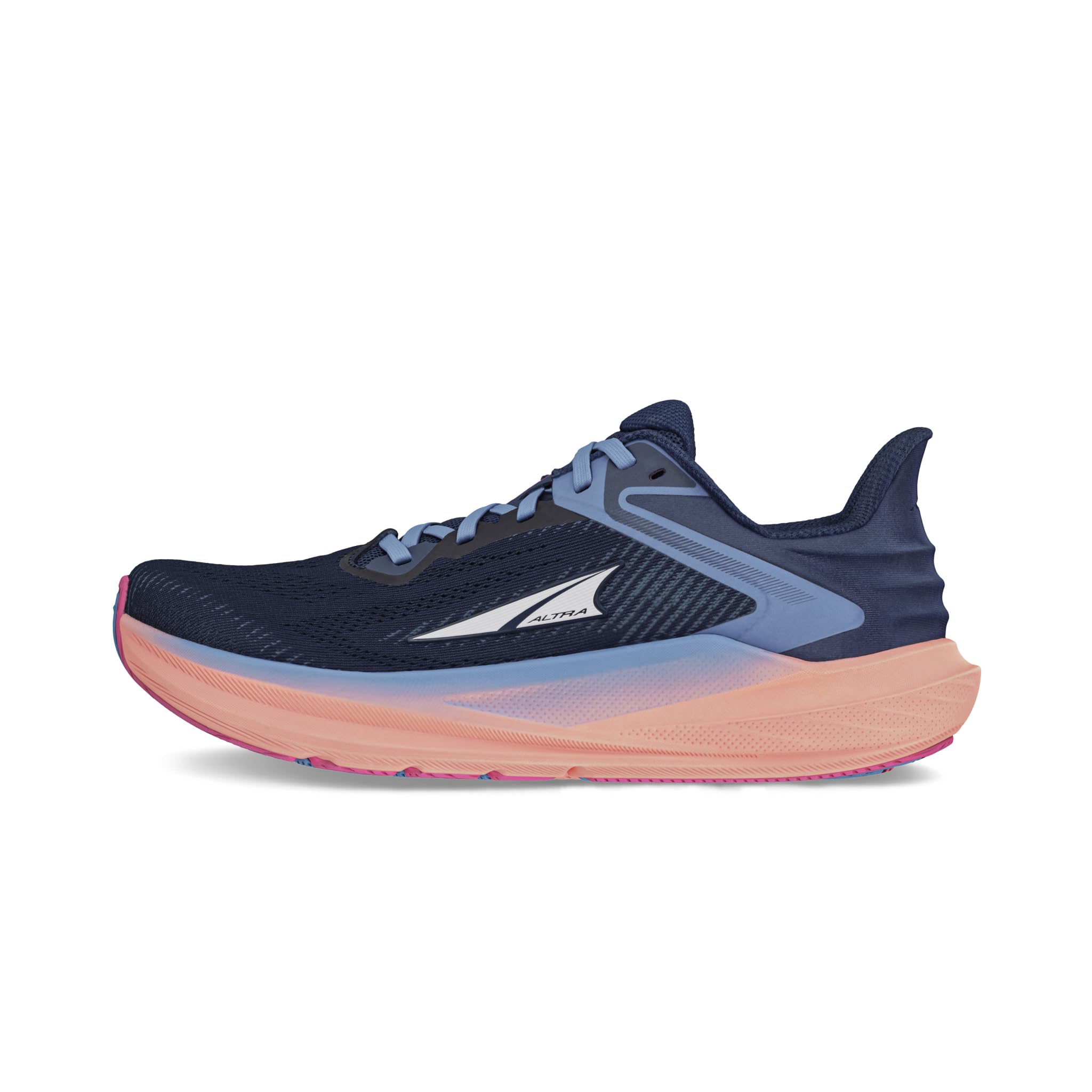
The ALTRA Torin 8 is built around two principles that directly counter ball-of-foot pain: a FootShape toe box that allows the metatarsals to fully spread, and a zero-drop platform that distributes impact evenly across the foot. Unlike conventional running shoes that taper at the toes and compress the forefoot, the Torin 8 provides a generous anatomical fit that accommodates conditions like Morton’s neuroma. The midsole uses ALTRA’s EGO MAX foam — a responsive, moderately firm cushion that does not collapse under the met heads.
User reports are emphatic: one reviewer with Morton’s neuroma called it a “Cinderella fit” with “plenty of padding and wiggle room for my toes,” noting it was recommended by their physical therapist. Another described wearing the Torin 8 for treadmill walking and jogging 3-10 miles daily with no break-in period and excellent comfort. The shoe is also versatile enough for business casual settings — a detail that matters if you need all-day wear. The trade-off is less arch support compared to stability-focused models like the New Balance 860, which may require an orthotic for severe overpronators.
The Torin 8’s zero-drop geometry also means your calf and Achilles work harder if you’re transitioning from a raised-heel shoe. For runners and walkers whose ball-of-foot pain stems from a cramped, tapered shoe environment, the Torin 8 offers the most space in the forefoot compartment of any shoe on this list. It is a targeted solution for those whose primary symptom is nerve compression between the met heads rather than impact-related metatarsalgia.
Why it’s great
- Wide FootShape toe box allows natural metatarsal splay, reducing nerve compression
- Zero-drop platform encourages even weight distribution
- Versatile style transitions from run to casual wear
Good to know
- Zero drop requires a transition period for some runners
- Moderate arch support; may need orthotics for flat feet
- Price reflects premium build quality
3. ABEO MXV Shift

The ABEO MXV Shift is the only shoe on this list designed specifically around a built-in metatarsal bed — a raised support that sits behind the met heads to offload pressure from the ball of the foot. The footbed also features a deep heel cup and structured arch support that align the entire kinetic chain. For walkers whose pain centers squarely on the forefoot, this targeted geometry provides intervention-level relief without requiring a separate orthotic. The outsole uses a non-slip tread pattern that feels stable on pavement and indoor surfaces alike.
User feedback highlights its effectiveness: one reviewer reported zero ball-of-foot pain after a two-mile walk, while another described it as providing “perfect metatarsal support for ball and arch issues.” Several users noted it runs slightly small — ordering a half size up is a common workaround. One caveat: a reviewer with bunions experienced rubbing after a month of wear, suggesting the shoe works best for those whose forefoot pain is purely metatarsal rather than combined with bunion deformity. The upper is leather and textile, which provides structure but less breathability than mesh-based running shoes.
The MXV Shift is best suited for walking and everyday wear rather than running or high-impact training. Its integrated metatarsal support and orthotic-friendly design make it a strong choice for those who want a ready-to-wear solution that does not require adding aftermarket insoles. If your ball-of-foot pain is consistent and localized to the forefoot pad, the ABEO MXV Shift offers the most direct engineering for that specific condition.
Why it’s great
- Integrated metatarsal footbed directly offloads the ball of the foot
- Deep heel cup and arch support align the entire foot during gait
- Non-slip outsole provides confidence on varied surfaces
Good to know
- Runs slightly small; order half size up for optimal fit
- May cause rubbing on bunions in some users
- Not designed for running or high-impact training
4. Brooks Adrenaline GTS 23

The Brooks Adrenaline GTS 23 is the gold standard for runners who need motion control without sacrificing forefoot comfort. Its GuideRails system reduces excess pronation, which in turn limits the medial collapse that can increase pressure on the forefoot. The midsole uses DNA Loft v2 — a balanced cushion that provides a soft landing under the met heads without sinking excessively. The toe box is roomy enough to accommodate mild foot swelling during longer runs, and the removable insole allows for custom orthotics if needed.
Long-term users are fiercely loyal: one reviewer called it the “best pair of shoes ever made,” logging 500-600 miles with full support retained. Another ran nine half marathons in previous Adrenaline models and specifically cited its comfort for “bad feet.” The Gore-Tex version offers waterproofing, though the standard mesh upper is more breathable and lighter. Some users note the toe box felt tight initially but broke in over the first week. The Adrenaline GTS 23 is a stability shoe first — it works best for those whose ball-of-foot pain is linked to overpronation rather than a pure cushioned ride.
For runners who combine forefoot pain with a need for arch support and pronation control, the Adrenaline GTS 23 delivers the most proven stability platform on the market. It is a reliable choice for daily training, long runs, and even walking, provided you need the support elements. If you have neutral arches and purely impact-based forefoot pain, a max-cushion shoe like the Glycerin Max may serve you better.
Why it’s great
- GuideRails reduce overpronation, decreasing medial forefoot loading
- DNA Loft v2 provides balanced cushion without bottoming out
- Removable insole fits custom orthotics for targeted metatarsal support
Good to know
- May feel tight in the toe box initially; requires brief break-in
- Not a max-cushion shoe; less plush than Glycerin line
- Standard mesh version is not waterproof
5. New Balance 608 V5

The New Balance 608 V5 is a leather cross-trainer that prioritizes durability and consistent forefoot cushioning over flashy technology. Its ABZORB midsole runs the full length of the shoe, providing moderate shock absorption that spreads impact away from the metatarsal heads. The shoe offers a generous width option and a stable platform that works well for standing all day — a scenario that often aggravates ball-of-foot pain through sustained pressure rather than impact. The genuine leather upper provides structure and some semi-waterproof capability.
User reviews confirm its comfort for high-mileage walking: one reviewer wore them for an entire year averaging 20,000 steps a day on concrete, reporting comfort for eight-plus hours at a time. Another noted they were “very comfortable, supportive, and high-quality for long hours on feet.” The shoe runs true to size and fits normal to slightly wide feet well. The main durability concern reported is sole separation after prolonged heavy use — a potential issue for those who need the shoe to last beyond a year of intense wear. The ABZORB foam is firm rather than plush, which some users with severe metatarsalgia may find insufficiently soft under the forefoot.
The 608 V5 is a practical, budget-friendly entry for those whose ball-of-foot pain is mild to moderate and who need an all-day shoe for walking or standing. It is not designed for running or gym training, but for casual wear and light walks, it provides reliable forefoot protection at a reasonable price. For severe pain, you will likely want a shoe with a dedicated metatarsal pad or a higher stack height.
Why it’s great
- Full-length ABZORB cushioning provides consistent forefoot shock spread
- Leather upper offers structure and light water resistance
- Wide sizing accommodates foot swelling and orthotics
Good to know
- Firm cushion may be insufficient for severe metatarsalgia
- Sole separation reported after heavy 1-year use
- Not suitable for running or high-impact training
6. ASICS GT-1000 14
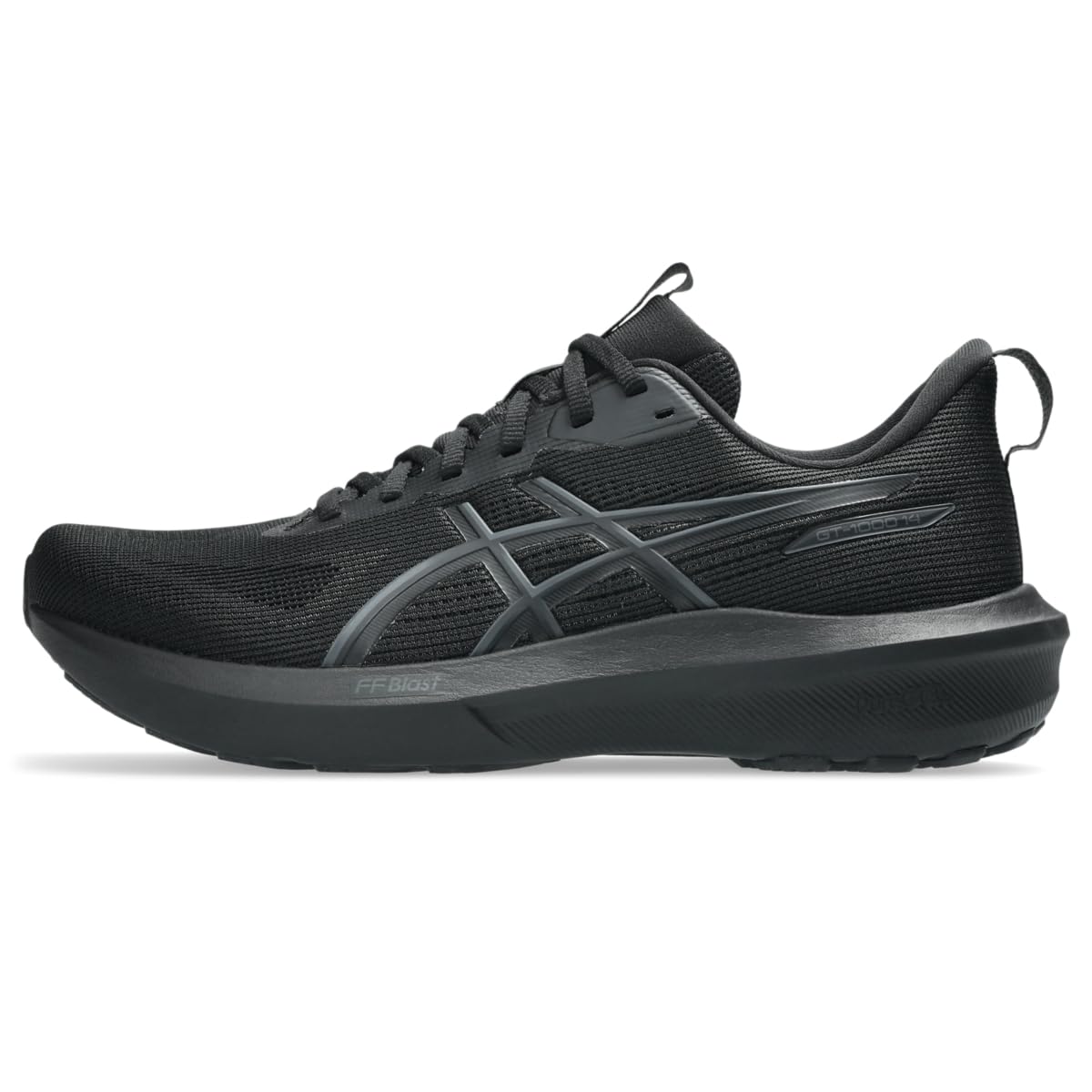
The ASICS GT-1000 14 occupies a sweet spot for runners who need moderate stability and a cushioned forefoot without the high price of the GT-2000 or Kayano lines. Its FlyteFoam midsole offers a lightweight, responsive feel that many users describe as “more cushioned than the GT-2000,” providing better shock absorption under the met heads. The LITETRUSS system reduces overpronation without the rigid medial post of older stability shoes, allowing a smoother transition through the forefoot. The 8mm drop keeps some heel bias, which can help offload the forefoot for runners who land midfoot or rearfoot.
User reviews highlight its versatility: one user who switched from the GT-2000 found the GT-1000 14 softer underfoot and noted it saved money while providing equivalent forefoot comfort. Another reported that wearing them “significantly reduced my foot pain,” though they used the shoe for general wear rather than running. The X-Wide option received praise for giving “no pinched toes,” which is critical for forefoot nerve compression. One reviewer warned that the cushion may “feel dead” after about a year of heavy running — a common trait in softer midsoles.
The GT-1000 14 is a strong mid-range option for runners whose ball-of-foot pain is linked to overpronation and who need a do-everything shoe for daily miles and gym sessions. It lacks the plushness of max-cushion shoes, but for those who need support alongside cushioning, it delivers an excellent balance. If your primary pain driver is impact rather than pronation, consider a neutral cushioned shoe instead.
Why it’s great
- FlyteFoam provides soft, responsive forefoot cushioning
- LITETRUSS offers subtle stability without excessive rigidity
- X-Wide option prevents toe pinching and nerve aggravation
Good to know
- Midsole may feel dead after ~1 year of heavy use
- Less plush than max-cushion shoes for pure impact relief
- Not as supportive as Kayano for severe overpronation
7. Gravity Defyer Energiya
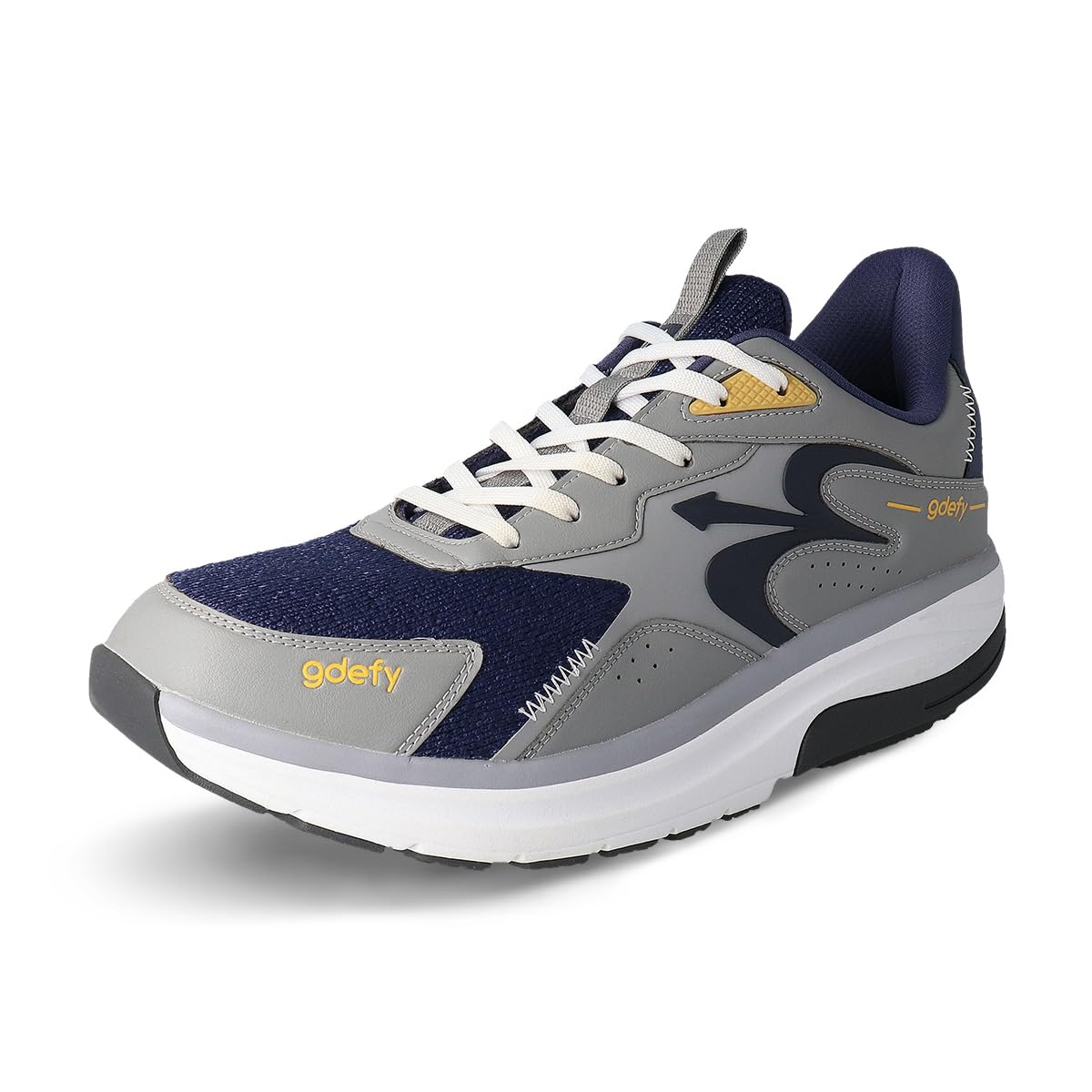
The Gravity Defyer Energiya is engineered for people who stand all day on hard surfaces — a prime scenario for ball-of-foot pain. Its patented VersoShock technology uses a spring-like mechanism in the heel that absorbs vertical impact and converts it into forward propulsion, theoretically reducing the ground reaction force that travels to the forefoot. The shoe also includes a wide toe box and two removable insoles — one standard and one with more aggressive arch and metatarsal support (labeled “Orthotic Fit”). The overall design prioritizes walking and standing over running or lateral training.
User feedback focuses on its impact on chronic pain: a 67-year-old reviewer with flat feet and postsurgical pain reported immediate relief, noting they “felt like running a 5K” after walking two miles pain-free. Another user with plantar fasciitis said the “orthotic inserts give firm arch support and a snug heel cup” and eased pain in just four days. The shoe runs small — most users recommend going up half a size. A consistent caveat is the outsole’s fine crosshatch pattern, which traps small gravel and can track debris indoors or lose traction on loose surfaces.
The Energiya is a niche product best suited for those whose ball-of-foot pain is accompanied by arch pain or plantar fasciitis and who primarily stand or walk as their activity of choice. The VersoShock spring feels noticeably different from foam-based cushioning and may take short adjustment. For running or gym training, the shoe’s thick sole and forward-rolling tendency are less ideal. But for daily standing and walking relief, it has a proven track record among users with persistent foot pain.
Why it’s great
- VersoShock spring absorbs vertical impact before it reaches forefoot
- Orthotic Fit insole provides firm arch and metatarsal support
- Wide toe box accommodates splay and orthotics
Good to know
- Runs half size small; order up for correct fit
- Outsole crosshatch traps gravel, reducing traction and marking floors
- Thick sole not suitable for running or lateral gym work
8. Under Armour TriBase Reign 6
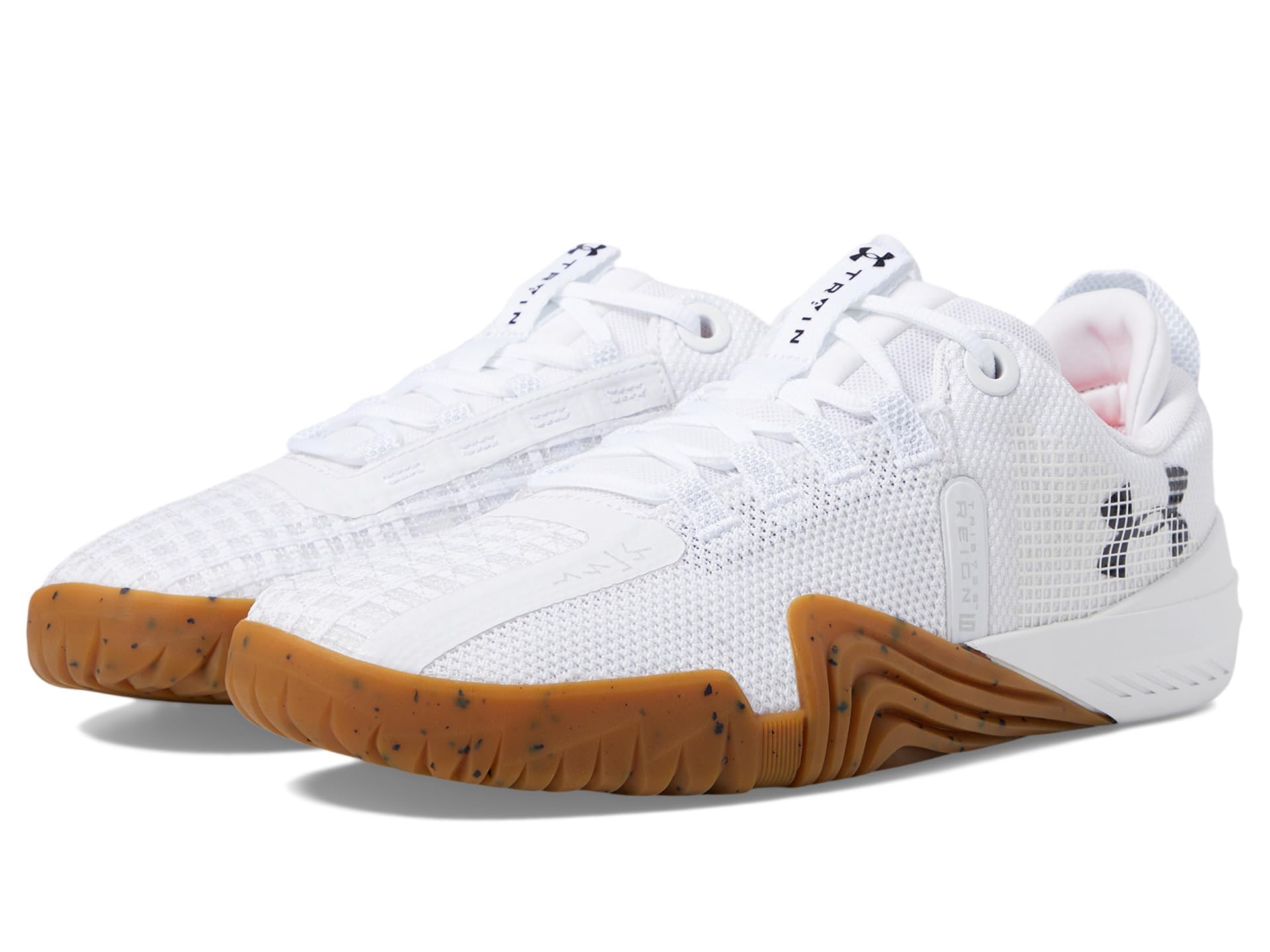
The Under Armour TriBase Reign 6 is a cross-training shoe that balances ground feel for lifting with enough forefoot cushioning to protect the met heads during dynamic movements. The TriBase outsole expands the contact patch under the ball of the foot, providing a stable platform for squats and deadlifts while the full-length EVA midsole absorbs shock from box jumps and sprints. The toe box is noticeably wider than competitor training shoes like the Nike Metcon or Reebok Nano, making it a strong pick for lifters with wide forefeet or preexisting metatarsal sensitivity.
User experiences emphasize its versatility: one bigger-framed reviewer noted no heel slippage or arch ache, and praised the wide toe box for flat feet. Another who switched from running shoes to the Reign 6 reported “eliminated ankle pain” and found it a solid substitute for the Savage 1 trainer. The shoe runs long — most users recommend going half a size down. Some note that the white colorway shows dirt quickly, and the shoe is slightly heavier than pure lifting shoes, though the weight is manageable for most gym sessions. The cushioning is firm enough for stability under load but soft enough for short runs of 2-3 miles.
The Reign 6 is the best option on this list for weightlifters and HIIT athletes whose ball-of-foot pain flares during lateral cuts or under heavy squat loads. It lacks the extreme plushness of a running shoe, so for pure running-based metatarsalgia, a dedicated runner like the Glycerin Max is a better fit. But if your pain surfaces in the gym, the Reign 6’s stable forefoot platform and wide toe box offer targeted protection without sacrificing lifting performance.
Why it’s great
- TriBase outsole provides stable, wide forefoot contact under heavy loads
- Wide toe box accommodates flat, wide feet without lateral pinching
- Versatile for lifting, HIIT, and short runs (2-3 miles)
Good to know
- Runs half size long; consider sizing down
- White colorway shows dirt and scuffs quickly
- Not a max-cushion shoe; less forefoot plush than dedicated runners
9. New Balance Fresh Foam X 3000 V7
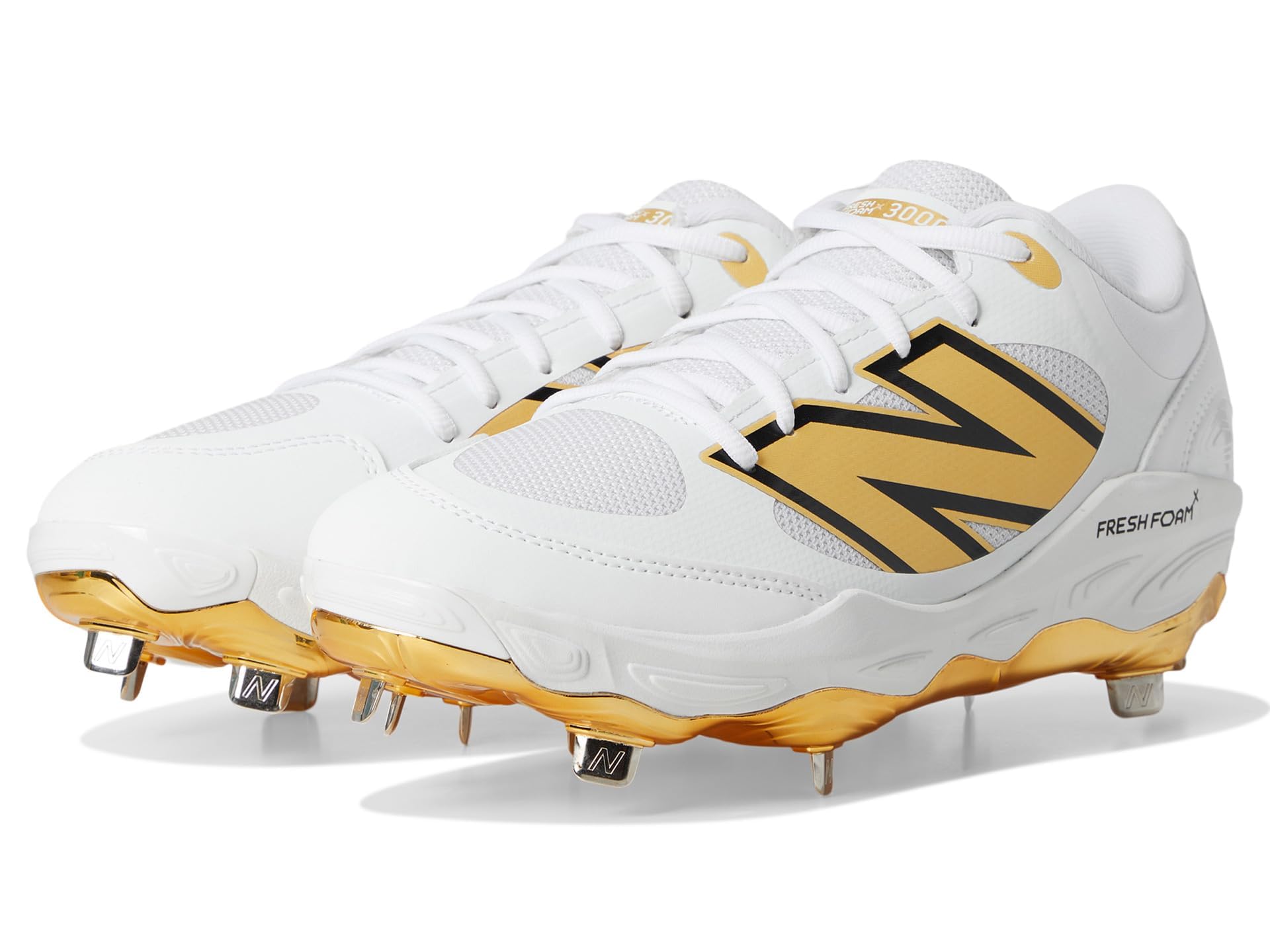
The New Balance Fresh Foam X 3000 V7 is a molded baseball cleat that brings plush cushioning to a category typically dominated by stiff, unforgiving platforms. Its Fresh Foam X midsole — a premium foam from New Balance’s road shoe lineup — provides exceptional impact absorption under the forefoot, which is the primary landing zone during pitching, running the bases, and fielding. The cleat uses a TPU outsole with strategically placed studs that offer traction without adding rigidity under the metatarsal heads. For athletes whose ball-of-foot pain flares specifically on artificial turf or dirt, this is the most forgiving cleat option available.
User reviews confirm its comfort for wide feet and high-impact use: one pitcher noted it “takes a beating” at the drag point on the mound while remaining comfortable in the toe box and across the top of the foot. Another parent reported their 13-year-old son wore them for practices and 12 games with no complaints and sturdy sole durability. The shoe runs true to size and accommodates wider forefeet well, though those with extremely narrow feet may experience slippage. The Fresh Foam X does compress somewhat under repeated sprinting, but it rebounds more consistently than standard EVA cleat foams.
The 3000 V7 is a niche but essential entry for baseball and softball players who cannot tolerate the forefoot pressure of traditional cleats. If your ball-of-foot pain prevents you from playing on turf or dirt, this shoe restores comfort without sacrificing traction or stability. For athletes whose foot pain extends beyond the diamond, a walking or running shoe from this list will serve better for daily wear, but for game-day performance, the Fresh Foam X 3000 V7 is the cleat of choice.
Why it’s great
- Fresh Foam X midsole provides premium forefoot impact absorption in a cleat
- Wide toe box accommodates splay and prevents nerve compression
- Durable TPU outsole withstands pitching drag and base running
Good to know
- Designed only for turf/grass; not suitable for street or gym
- Fresh Foam compresses under heavy sprint load; not max rebound
- Narrow-footed athletes may experience heel slippage
FAQ
Can a rocker sole really reduce ball of foot pain?
Is zero drop better for metatarsalgia than a raised heel?
Should I buy custom orthotics for my athletic shoes?
How do I know if my ball of foot pain is from shoes or a medical condition?
Can I use running shoes for gym training if I have forefoot pain?
Final Thoughts: The Verdict
For most users, the best athletic shoes for ball of foot pain winner is the Brooks Glycerin Max because its towering 45mm stack of DNA Loft v3 foam and aggressive rocker geometry provide the most effective forefoot offloading for runners and walkers alike. If you want targeted metatarsal support for walking and standing, grab the ABEO MXV Shift. And for Morton’s neuroma or nerve compression caused by a cramped toe box, nothing beats the ALTRA Torin 8 and its FootShape toe box and zero-drop platform.