
Our readers keep the lights on and the weekend projects moving. As an Amazon Associate, I earn from qualifying purchases.
That jarring shock when the shovel blade meets a rock—it travels straight through the sole and into your spine. For anyone who spends hours trenching, landscaping, or excavating, the wrong boot turns every spade load into a punishment. You need a boot that locks your heel in place so you can drive the shovel with force, not finesse.
I’m Rikta — the co-founder and writer behind FitlyFast. I’ve spent countless hours analyzing tread compound data, steel-toe impact ratings, and sole flex patterns to determine which boots actually grip a shovel platform without turning your foot into a torsion lever.
This guide breaks down the specific traction, heel support, and puncture resistance you need when digging. These are the boots for digging with a shovel that keep you stable on soft ground and solid on every downward thrust.
How To Choose The Best Boots For Digging With A Shovel
Digging is a high-torque activity that demands a boot with specific structural features. A standard boot that works for walking fails when you need to push downward with your entire body weight on a shovel. Here are the three non-negotiable factors.
Sole Design: Wedge vs. Lug
Wedge soles provide a flat, stable platform that distributes pressure evenly across the foot, preventing the boot from rocking sideways when you step on the shovel blade. Lug soles offer deep tread for mud but create pressure points that can make your foot roll during repetitive digging motions. For pure shovel work, a wedge sole is the smarter choice—it keeps your foot flat and your power transfer direct.
Heel Counter Stiffness
The heel counter is the rigid cup at the back of the boot that locks your heel in place. A soft heel counter allows your heel to lift slightly with each shovel stroke, which quickly leads to blisters and lost energy. A stiff heel counter combined with a lace-lock system keeps your foot anchored, so each push of the shovel transfers fully from your leg through the sole.
Toe Protection Material
Steel toes offer the highest impact protection but add weight, which fatigues your legs during long digging sessions. Composite toes are lighter and do not conduct cold, making them better for cold-weather digging. Both must meet ASTM F2412 standards. For digging, the reduced fatigue of composite often outweighs the raw impact rating of steel, unless you are regularly striking buried rock.
Quick Comparison
On smaller screens, swipe sideways to see the full table.
| Model | Category | Best For | Key Spec | Amazon |
|---|---|---|---|---|
| Timberland PRO Titan Ev | Composite Toe | All-day digging with reduced fatigue | Composite toe, 4.21 lbs | Amazon |
| KEEN Utility Flint 2 | Steel Toe | High-impact digging on hard ground | KEEN.DRY membrane, 25.82 oz | Amazon |
| Irish Setter Two Harbors | Steel Toe | Wet, harsh terrain digging | 11″ shaft, waterproof | Amazon |
| Ariat Groundbreaker | Steel Toe | Wide feet needing toe room | Wide square toe, 1.9 lbs | Amazon |
| CAT Invader Hi | Steel Toe | Heavy-duty grip on loose ground | Slip-resistant sole, 4.2 lbs | Amazon |
| MUCK Chore Met Guard | Met Guard | Wet, muddy digging conditions | Waterproof, 4.5 lbs | Amazon |
| Georgia Boot Wedge | Wedge Sole | Flat ground shovel leverage | Wedge outsole, 4.5 lbs | Amazon |
| Timberland PRO Pit Boss | Steel Toe | Versatile light digging and site work | Goodyear welt, 3 lbs | Amazon |
| Carhartt Rugged Flex | Steel Toe | Entry-level digging boot | Flex technology, 4.5 lbs | Amazon |
In‑Depth Reviews
1. Timberland PRO Titan Ev Composite Toe
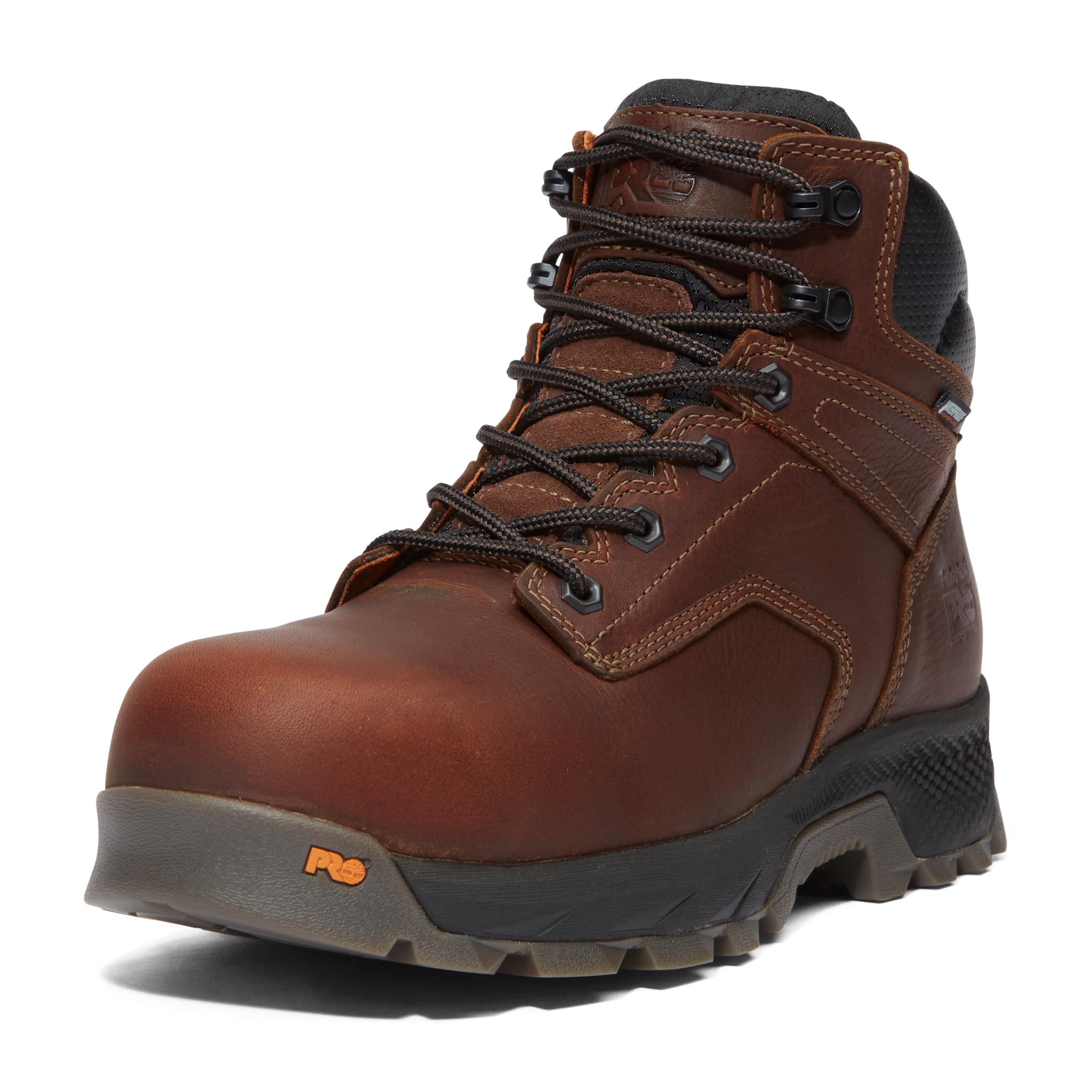
The Titan Ev is the digging boot that disappears on your foot. Its composite toe shaves significant weight compared to steel, and users consistently report zero break-in time—a rare feat for a waterproof work boot. The arch support is aggressive enough to prevent foot fatigue during hours of repetitive shovel strokes, and the slip-resistant outsole holds firm on loose gravel and damp soil alike.
Multiple reviewers working in solid waste and construction confirm the boot outlasts previous pairs while staying lightweight. The waterproof membrane handles non-immersion standing water, which is perfect for wet ground after rain. The lace system locks the heel securely, eliminating the slip that causes blisters during digging.
One user with plantar fasciitis and neuropathy reported all-day comfort, which speaks to the midsole cushioning. The true-to-size fit with a roomy toe box accommodates thick socks for cold-weather digging. For a mid-range composite-toe boot, this delivers premium-level support without the premium weight.
Why it’s great
- Zero break-in needed for immediate digging use
- Lightweight composite toe reduces leg fatigue
- Excellent traction on wet surfaces and loose soil
Good to know
- Runs slightly warm in hot weather due to bulkier leather
- May need half-size up for very thick sock wearers
2. KEEN Utility Flint 2 Steel Toe
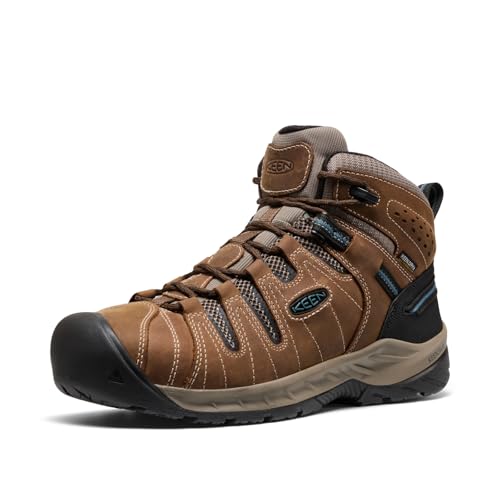
The Flint 2 is engineered for high-impact digging on hard ground. The asymmetrical steel toe provides a roomier toe box than traditional steel caps, so your toes can splay naturally when you push down on the shovel. KEEN.ReGEN technology returns 50% more energy than standard EVA foam, which directly translates to less exhausting each shovel stroke.
Reflective webbing near the heel counter and locking metal lace hooks keep the heel locked in place during repetitive motion. The VersaTREAD outsole meets ASTM F2913 slip standards, giving you bite on wet grass, packed dirt, and concrete equally. One reviewer noted immediate comfort on concrete, metal, and asphalt walking, which mirrors the demands of digging in varied terrain.
The boot is electrical hazard-rated, adding a layer of safety if you dig near underground utilities. At just over 1.6 pounds per boot, it is remarkably light for a steel-toe model. The KEEN.DRY membrane is fully waterproof, keeping feet dry when the ground is saturated from rain or irrigation.
Why it’s great
- Asymmetrical steel toe provides roomier toe box than standard
- 50% energy return midsole reduces shoveling fatigue
- Excellent slip resistance on multiple surfaces
Good to know
- Some users may need an insert for extra padding
- Heel counter may feel stiff initially for some foot shapes
3. Irish Setter Two Harbors Steel Toe

The Two Harbors is built for the harshest digging environments—oil rigs, muddy fields, and snow. The 11-inch shaft provides outstanding ankle support when you are standing in a trench or on uneven ground. Multiple reviewers report this boot holds up where others melt or delaminate, with one user on his third pair because they are the only ones that survive the oil rig.
The sole compound resists heat and chemical degradation, a common issue in industrial digging. The anti-slip tread pattern grips wet steel decking and muddy soil equally well. Users with wide feet praise the fit, and the lack of break-in time means the boot is comfortable from the first wear. One user wore his pair for 21-hour shifts without discomfort.
Waterproofing holds strong after 15 months of daily outdoor use. Minor stitching issues appear in some reviews, but no leaks occurred. The expected lifespan is around two years of heavy use, which is exceptional for this price tier. For digging in extreme conditions, this boot offers the most protection and durability.
Why it’s great
- 11-inch shaft provides superior ankle support in trenches
- Heat and chemical-resistant sole for industrial digging
- Exceptional durability in harsh, wet conditions
Good to know
- Heavier than shorter boots at full 11-inch height
- Stitching quality can vary between pairs
4. Ariat Groundbreaker Wide Square Toe
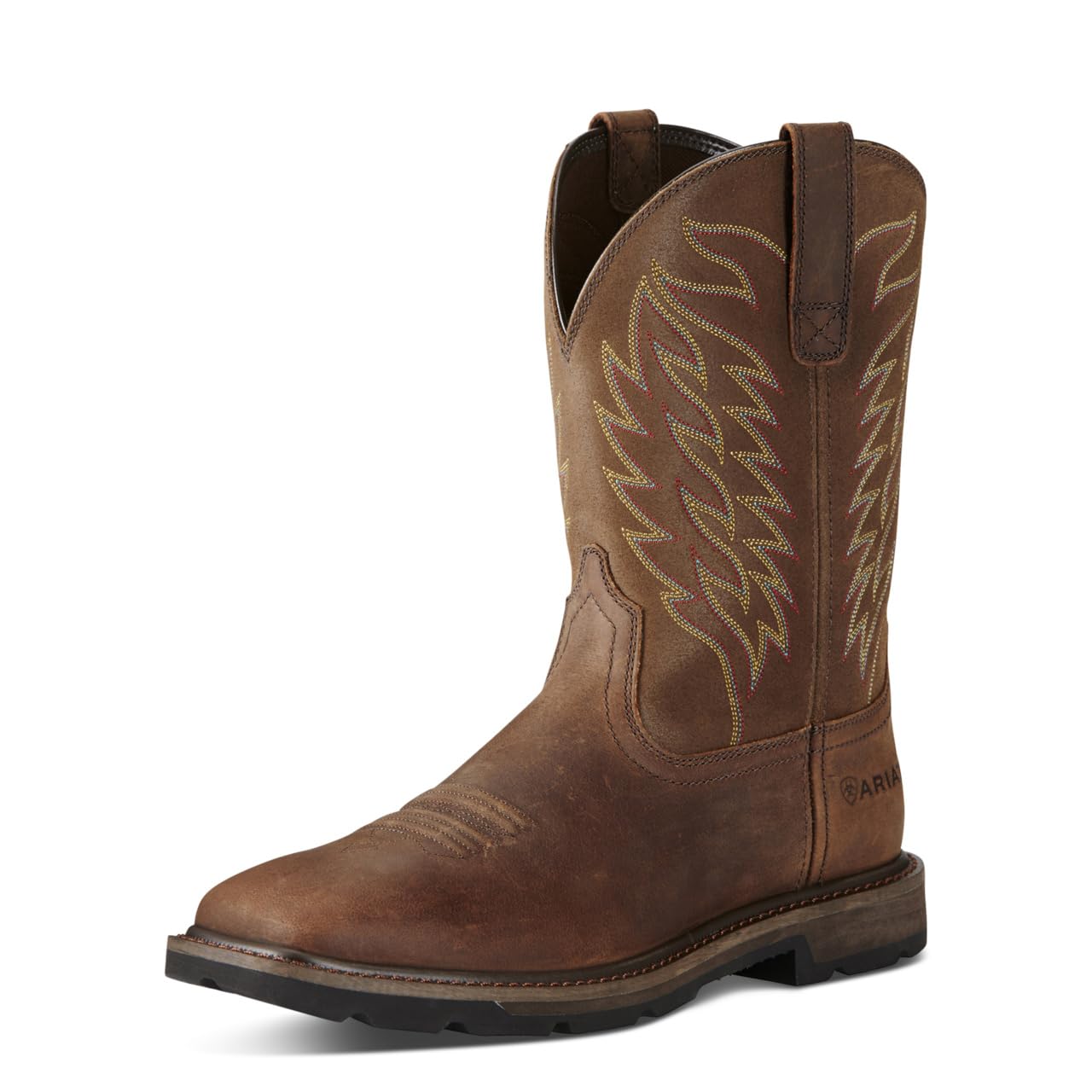
The Groundbreaker addresses a specific digging pain point: wide feet that get crushed in narrow toe boxes. The wide square toe allows your toes to spread naturally when you push down, providing better stability on the shovel platform. The western-style pull-on design makes it easy to remove after muddy sessions, but it still offers solid heel retention.
One user logged 14 months of rope access work in shipyards and refineries, reporting the boot stayed dry from occasional water dips and was comfortable enough for daily wear. The steel toe is ASTM-rated, and the outsole provides decent grip on wet steel and concrete. The lightweight construction at under 2 pounds per boot helps reduce fatigue during long digging days.
Some users note a slightly loose heel fit, which is common with pull-on styles. If you have a narrow heel, consider using a thicker sock or an insole to fill the gap. The sole cushion can shift over extended use, but the boot remains functional and comfortable for most digging applications.
Why it’s great
- Wide square toe allows natural splay during digging
- Lightweight construction reduces leg fatigue
- Easy on/off design for muddy field conditions
Good to know
- Heel fit can be loose for narrow-footed users
- Sole cushion may shift after months of heavy use
5. CAT Invader Hi Steel Toe

The CAT Invader Hi punches above its weight class for digging. The aggressive tread pattern bits into loose soil and gravel, providing the traction you need to transfer power from the shovel. The steel toe is ASTM-rated, and the waterproof construction keeps feet dry in rain and mud. One reviewer confirmed the boots held up after a year of daily standing and shoveling.
The ankle support is solid, with a padded collar that prevents chafing during repetitive foot planting. The slip-resistant sole meets industry standards, making it suitable for digging on wet concrete or damp grass. The boots are heavier than composite alternatives at 4.2 pounds, but the durability justifies the weight for heavy-use scenarios.
Weakness lies in the laces, which users report breaking after a few months. This is an easy fix with aftermarket laces. The leather toe box can scrape against the shovel blade, so applying a protective coating like Tuff Toe extends the boot‘s life. For the price, this boot delivers solid digging performance with minimal compromises.
Why it’s great
- Aggressive tread provides excellent grip on loose ground
- Strong ankle support for repetitive foot planting
- Waterproof construction handles wet digging conditions
Good to know
- Stock laces are weak and may need replacement
- Leather toe box scrapes easily against shovel blade
6. MUCK Chore Met Guard

The MUCK Chore Met Guard is the go-to boot when digging in mud, snow, or standing water. The fully waterproof rubber lower and neoprene upper provide a seal that keeps water out even during deep puddle immersion. The metatarsal guard adds protection if your shovel slips or a rock flies upward, a real risk in trench digging.
The steel toe is roomy and does not dig into toes during extended wear. The outsole traction on snow and ice is excellent, with one reviewer noting great grip in awful work environments. The boot is warm enough for winter digging, making it a year-round option for cold climates. The true-to-size fit accommodates thick wool socks without pinching.
Durability concerns exist: one user reported sole separation after four days, while a previous pair lasted two years. This suggests potential quality inconsistency. If you get a well-made pair, it will serve you for multiple seasons. The met guard adds weight, so this is better for short, intense digging sessions rather than all-day use.
Why it’s great
- Fully waterproof for digging in mud and snow
- Metatarsal guard protects against shovel slips
- Excellent traction on ice and wet surfaces
Good to know
- Quality control varies; some pairs fail quickly
- Heavier due to met guard—best for short sessions
7. Georgia Boot Wedge Work Boot
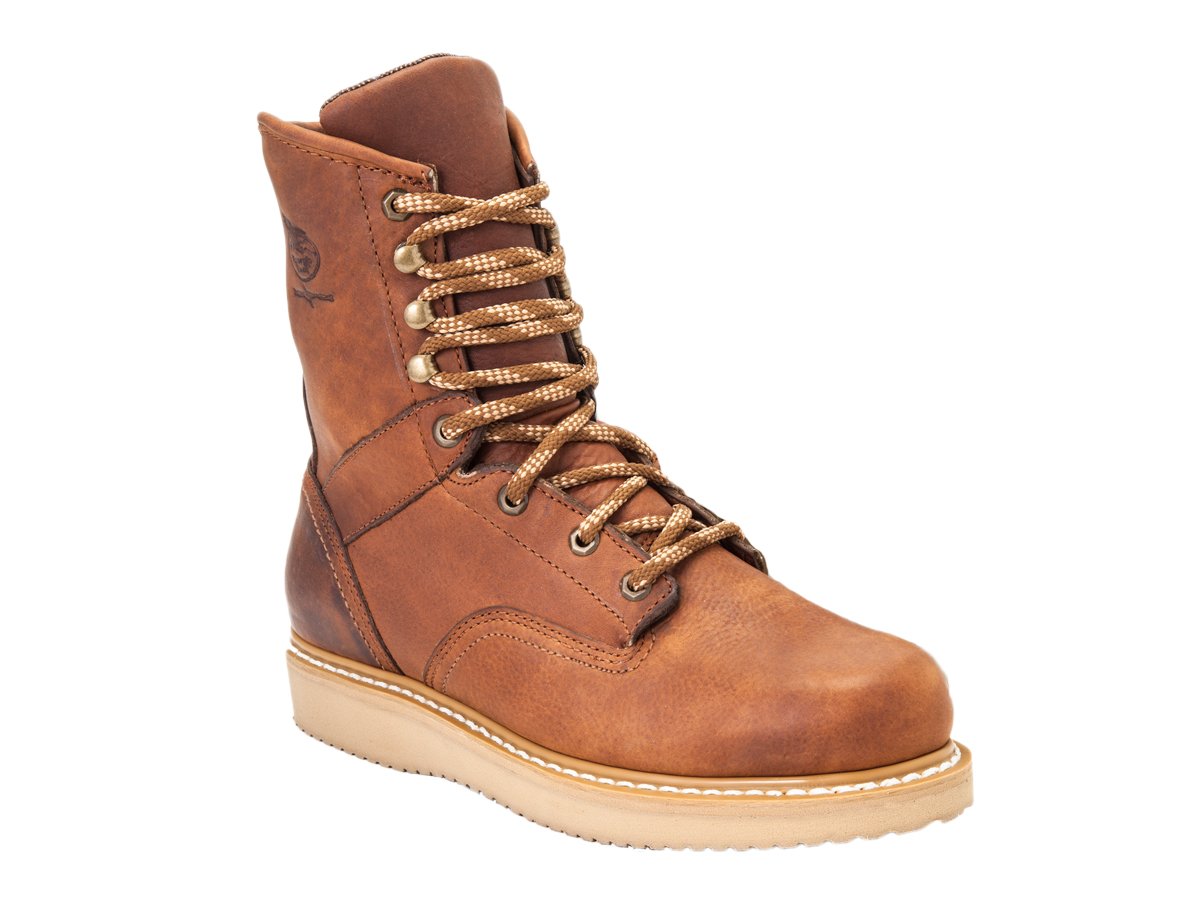
The Georgia Boot Wedge is a classic flat-soled work boot that shines for digging on hard, flat surfaces. The wedge sole provides maximum surface contact, preventing the foot from rocking during downward shovel pressure. One user has owned three pairs over 20 years, each lasting roughly three years of daily wear—testament to its build quality.
The 8-inch lace-up height offers solid ankle support for trench work. The leather is soft and accepts oil well, making it easy to maintain. The wedge sole is hard rubber, which provides durability but less shock absorption than a cushioned sole. Some users switch to this boot from Red Wing and find it equally comfortable at a lower price point.
Weaknesses include cheap laces that break quickly, a plastic welt instead of leather, and a rough heel counter that requires thick socks. The insole is non-removable, so you cannot insert custom orthotics. For pure digging on concrete or packed ground, the wedge sole is ideal, but the boot lacks versatility for deep mud.
Why it’s great
- Wedge sole provides maximum stability for shoveling
- Long-lasting construction—3+ years of daily use
- True wide fit (near 6E) for swollen feet
Good to know
- Hard wedge sole offers minimal shock absorption
- Rough heel counter needs thick socks to prevent blisters
8. Timberland PRO Pit Boss Steel Toe

The Pit Boss is a versatile work boot that handles light to moderate digging with ease. The Goodyear welt construction makes it resoleable, extending its life significantly for diggers who wear through soles quickly. The hard rubber sole is sturdy and provides decent bite on loose soil, though it is not as aggressive as a dedicated hiking sole.
The roomy toe box accommodates thick socks, and the boot fits true to size when you order half a size up. The steel toe is comfortable for all-day wear, and the boot works well for site work that involves shoveling, carrying, and standing. Multiple reviewers note the excellent value, especially when caught on sale.
The boot is not fully waterproof, but a coat of mink oil improves water resistance significantly. The Goodyear welt adds weight, so the boots are heavier than glued constructions. The heel counter is stiff enough to prevent heel lift during digging. For the price, this is a solid entry-level boot for diggers who want resoleability.
Why it’s great
- Goodyear welt allows resoling for extended life
- Roomy toe box works well with thick socks
- Excellent value for the build quality
Good to know
- Not fully waterproof; needs mink oil treatment
- Heavier due to Goodyear welt construction
9. Carhartt Rugged Flex Steel Toe
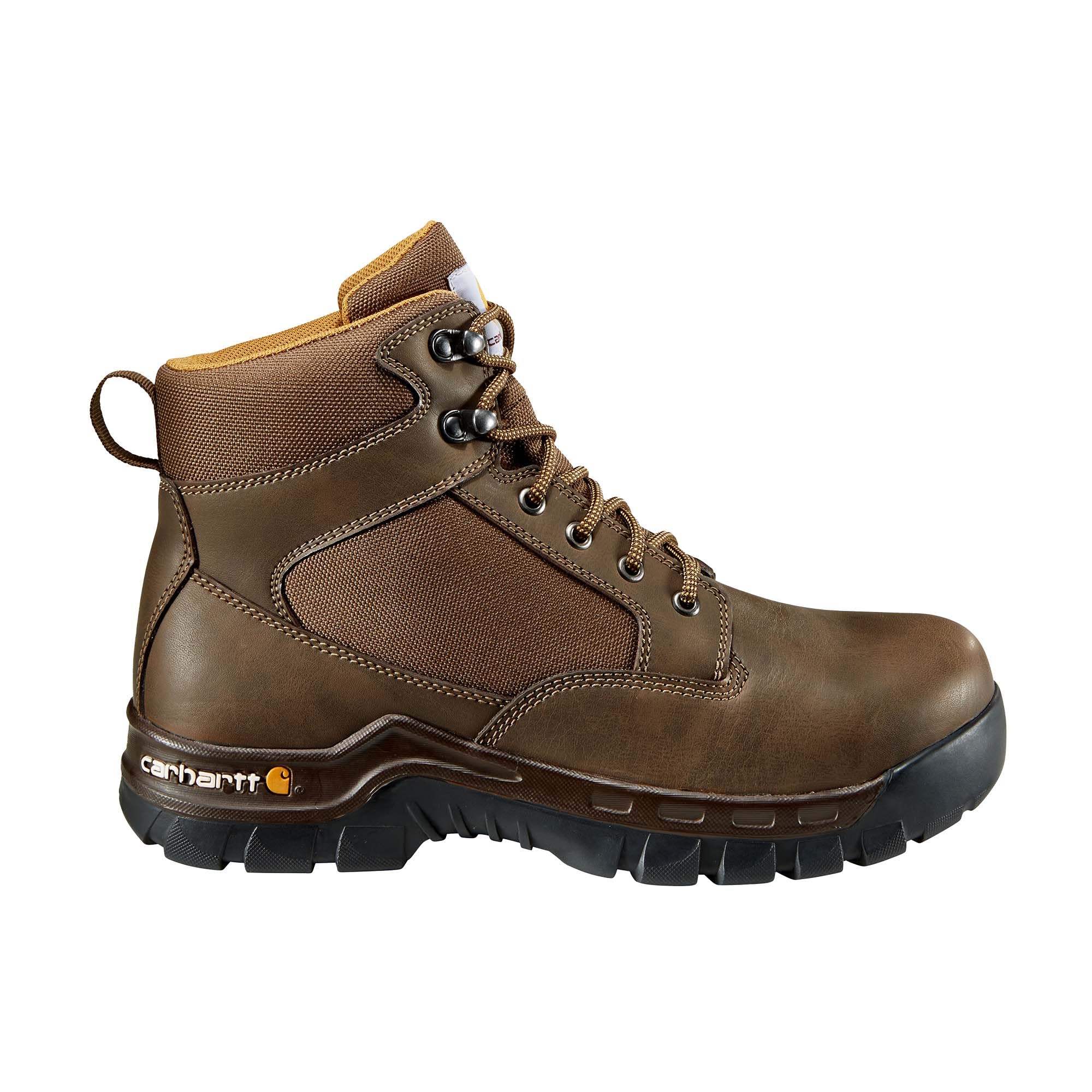
The Carhartt Rugged Flex is the most affordable option on this list, and it delivers surprising value for digging. The steel toe meets ASTM standards without crushing the foot, and the ankle support is rated 10/10 by one reviewer who works in concrete and steel construction. The flex technology allows natural foot movement during shoveling without sacrificing protection.
The outsole has excellent non-slip tread that grips well on concrete and packed dirt. Reviewers praise the comfort after a month-long break-in period. One diabetic user with kidney and heart failure reported the boots do not hurt his feet even after full days on concrete floors. The lightweight construction makes it easy to move in during long digging sessions.
Durability is the main concern: one reviewer reported the boot falling apart after 60 days of standard site work, while others praise its longevity. The inconsistent quality control is a risk. The stock insole is mediocre and should be replaced with a quality aftermarket insert. For the price, this is a solid trial boot for diggers on a tight budget.
Why it’s great
- Excellent ankle support for digging stability
- Lightweight and comfortable after break-in
- Non-slip tread works well on concrete and dirt
Good to know
- Quality control inconsistent; some pairs fail quickly
- Stock insole is poor; needs aftermarket replacement
FAQ
Can I use hiking boots for shoveling and digging?
Should I choose steel toe or composite toe for digging?
How do I prevent blisters when digging in boots?
Final Thoughts: The Verdict
For most users, the boots for digging with a shovel winner is the Timberland PRO Titan Ev because it combines lightweight composite toe protection, zero break-in comfort, and a heel-locking lace system that keeps your foot planted during every shovel stroke. If you want maximum impact protection for digging on rocky ground, grab the KEEN Utility Flint 2. And for extreme conditions like wet mud or snow, nothing beats the Irish Setter Two Harbors.