
Sliding into your first ballet class, the wrong slipper can turn a plié into a painful squeeze. The canvas-to-leather decision, the full-versus-split sole debate, and the sizing twist that catches every newcomer are the real hurdles that make or break the learning curve.
I’m Rikta — the co-founder and writer behind FitlyFast. I’ve spent the last decade analyzing dancewear construction, studying material durability across hundreds of ballet slippers, and cross-referencing foot morphology with how shoes behave under repetitive loading at the barre.
New dancers need a shoe that balances comfortable fit, solid floor feedback, and long-term resilience without breaking the bank. This guide is built around those exact criteria to help you find the best ballet slippers for beginners that actually fit your foot shape and class demands.
How To Choose The Best Ballet Slippers For Beginners
For a beginner, the slipper is your first point of contact with the floor. The wrong choice can hide foot faults or cause discomfort that derails practice. Focus on these three areas to find a slipper that accelerates your learning.
Sole Type: Full vs. Split
Full-sole slippers provide a continuous piece of leather or suede from heel to toe. They offer more support and are often recommended for very young children (3-6 years) who lack the muscle control to point their feet fully. However, they resist pointing, making it harder for adults to learn correct foot articulation. Split-sole slippers have a separate pad under the ball of the foot and the heel, leaving the arch free to stretch. This exposes the arch line clearly to the teacher, which is critical for correcting alignment early. Beginners over age 7 should almost always start with a split sole to build proper technique from day one.
Material: Canvas vs. Leather
Canvas is breathable, lightweight, and molds quickly to the foot after a few wears. It provides good floor feel but wears out faster—especially at the toe tip during tendus and relevés. Leather is more durable and provides a softer, quieter glide on the floor, which helps beginners avoid the squeaky-shoe distraction. Leather takes longer to break in (3–5 classes) but maintains its shape much longer. If you have wide feet or bunions, leather is more forgiving because it stretches with body heat. Canvas is the go-to for dancers who prioritize lightness and speed over longevity.
Sizing
Ballet slippers are not street shoes. Most brands run 1.5 to 2.5 sizes larger than your regular sneaker size. The slipper should fit like a second skin—snug but not painful, with no excess fabric at the heel or toes that can bunch up under the arch. A common mistake is buying a slipper that is too big “for growing room.” In ballet, a slipper that is too long will twist on the foot during turns and hide a sickled foot. The correct fit: you should be able to wiggle your toes flat, but the heel should not lift when you point your foot.
Quick Comparison
On smaller screens, swipe sideways to see the full table.
| Model | Category | Best For | Key Spec | Amazon |
|---|---|---|---|---|
| Capezio Turning Pointe 55 | Premium | Pirouette technique & practice | Leather sole with heel-toe pad | Amazon |
| Bloch Prolite II Hybrid S0203L | Premium | Smooth leather feel & arch hug | Canvas/leather hybrid split sole | Amazon |
| Bloch Prolite II S0208L | Premium | Wide feet & high arches | Full leather split sole | Amazon |
| So Danca SD16 Bliss | Mid-Range | Fast-growing kids & barre class | Stretch canvas split sole | Amazon |
| Bloch Performa Stretch Canvas | Mid-Range | Men & wide flat feet | Stretch canvas split sole | Amazon |
| Capezio Hanami | Mid-Range | Canvas feel with wide width | Canvas split sole | Amazon |
| SANGEESON Leather Full Sole | Budget | Total foot support & posture | Leather full sole | Amazon |
In‑Depth Reviews
1. Capezio Turning Pointe 55

The Capezio Turning Pointe 55 is the slipper seasoned teachers recommend to adult beginners because it strikes a masterful balance between control and comfort. The split-sole leather design combines a full suede bottom under the heel and a separate suede pad under the ball, which gives you both stability for pliés and the freedom to articulate your arch. Multiple verified reviewers note that the heel pad stays secure during pirouettes, making it a favorite for dancers who practice turns daily.
Durability is another strong point. Several long-term users report getting four seasons of near-daily use out of a single pair, with the strong pre-attached elastics holding up far longer than cheaper models. The leather upper breaks in after two to three classes and molds gently to the foot without sacrificing the snug fit needed for clean lines. Medium and wide width options help accommodate different foot shapes without the slipper bagging.
Keep in mind that sizing is consistent with Capezio’s in-house scale—your street shoe size will not match. Most buyers recommend ordering 1.5 to 2 sizes down from your regular sneaker size, especially if you have narrow or medium-width feet. The slim profile works best for medium-to-narrow feet; dancers with wider forefeet may find the toe box slightly snug.
Why it’s great
- Heel-toe pad design facilitates clean turns.
- Extremely durable elastics last multiple seasons.
- Leather softens quickly without stretching out of shape.
Good to know
- Must size down 1.5-2 sizes from street shoe.
- Narrow toe box may not suit wide feet.
2. Bloch Prolite II Hybrid S0203L
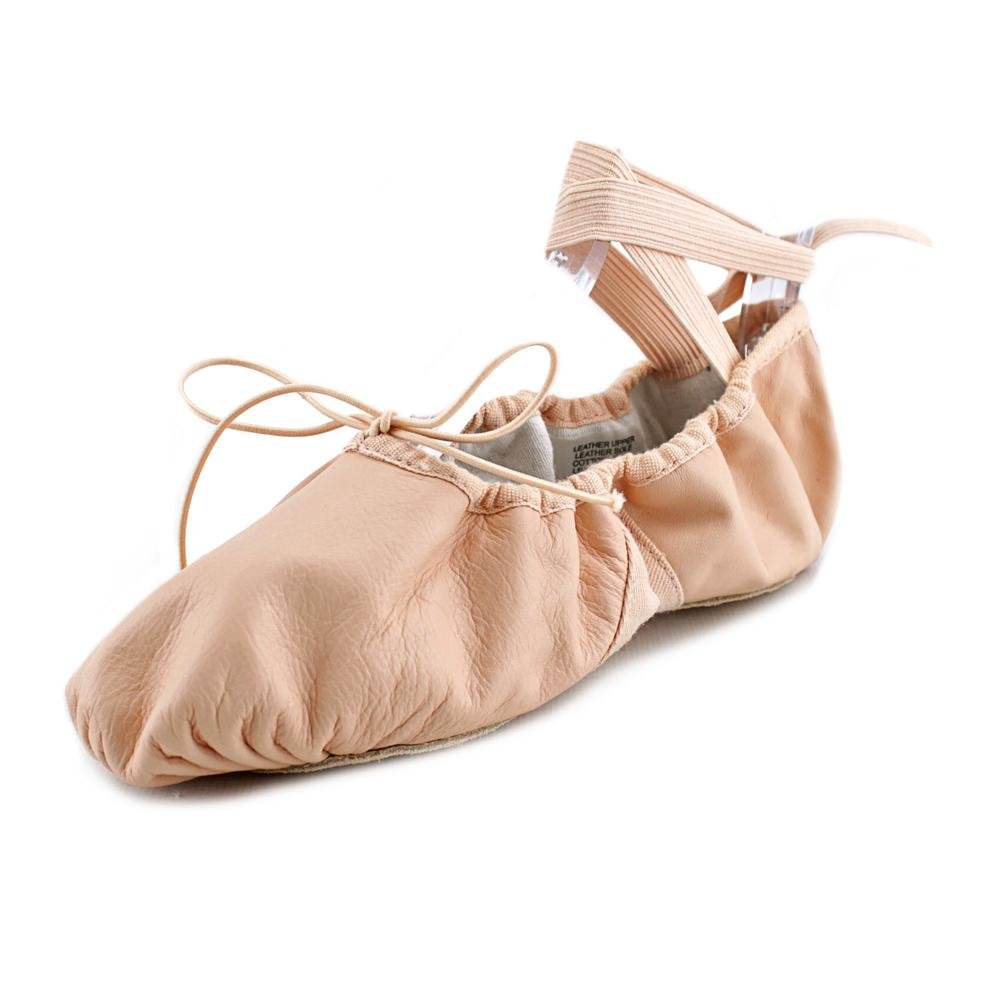
The Bloch Prolite II Hybrid is a clever marriage of soft leather panels on the side and stretch canvas across the vamp, giving beginners a slipper that feels broken-in on the first wear. The split-sole construction reveals the arch line beautifully, while the pre-attached crossover elastic band eliminates the frustration of sewing your own elastics—a real win for first-time buyers. Multiple reviewers describe the fit as “hugging the arch perfectly” after just one barre session.
Beginner-friendly is the theme here. The suede sole patches provide smooth glide on wood or Marley floors without the squeakiness that plagues some full-canvas models. Users report that the insole tends to be stiff initially but softens after two to three classes. The hybrid material also means the shoe breathes better than a full leather option, reducing foot sweat during longer rehearsals.
A sizing quirk: the Prolite II runs about two sizes smaller than your U.S. street shoe, so a dancer wearing a woman’s 8.5 may need a Bloch size 6. The heel pad placement has been noted by some dancers to sit slightly toward the arch rather than under the heel cup itself, which can feel off initially. This slipper is best for beginners with medium to narrow feet who prefer a low-profile, second-skin feel.
Why it’s great
- Pre-attached crossover elastics save setup time.
- Hybrid canvas/leather combines breathability with stretch.
- Soft suede sole is quiet on most floor types.
Good to know
- Heel pad may shift away from natural heel position.
- Sizing is inconsistent—expect to size down considerably.
3. Bloch Prolite II S0208L (Wide)

The Bloch Prolite II S0208L is the wide-width version that solves the biggest pain point for dancers with bunions or naturally broad forefeet. The full leather split-sole upper is soft and forgiving, molding to the foot with body heat after just one class. Verified purchasers with wide feet specifically praise the 3.5W sizing, noting that the slipper accommodates prominent bunions without pinching or rubbing during tendus.
Unlike the canvas-heavy competition, this leather sole provides a quiet, smooth glide that helps beginners focus on foot placement rather than floor noise. The pre-attached elastics are strong enough to hold the slipper under the arch without needing additional adjustment, even during fast center work. Dancers who have tried both the canvas version and this leather model consistently report that the leather version lasts longer before the toe box wears through.
Sizing is the main hurdle here. The Prolite II line runs approximately two sizes below your street shoe, but the wide width adds further complexity—some users with medium-width feet found the wide version too roomy. If you have high arches, the elastics may feel slightly tight until the leather stretches. The stark white color is pure white (not ivory), which matters if your studio requires a specific shade for uniform.
Why it’s great
- Leather stretches around bunions and wide forefeet.
- Quiet floor glide reduces distraction for beginners.
- Strong pre-sewn elastics hold arch securely.
Good to know
- Sizing is two steps smaller than street shoes.
- Wide width may be too loose for medium feet.
4. So Danca SD16 Bliss
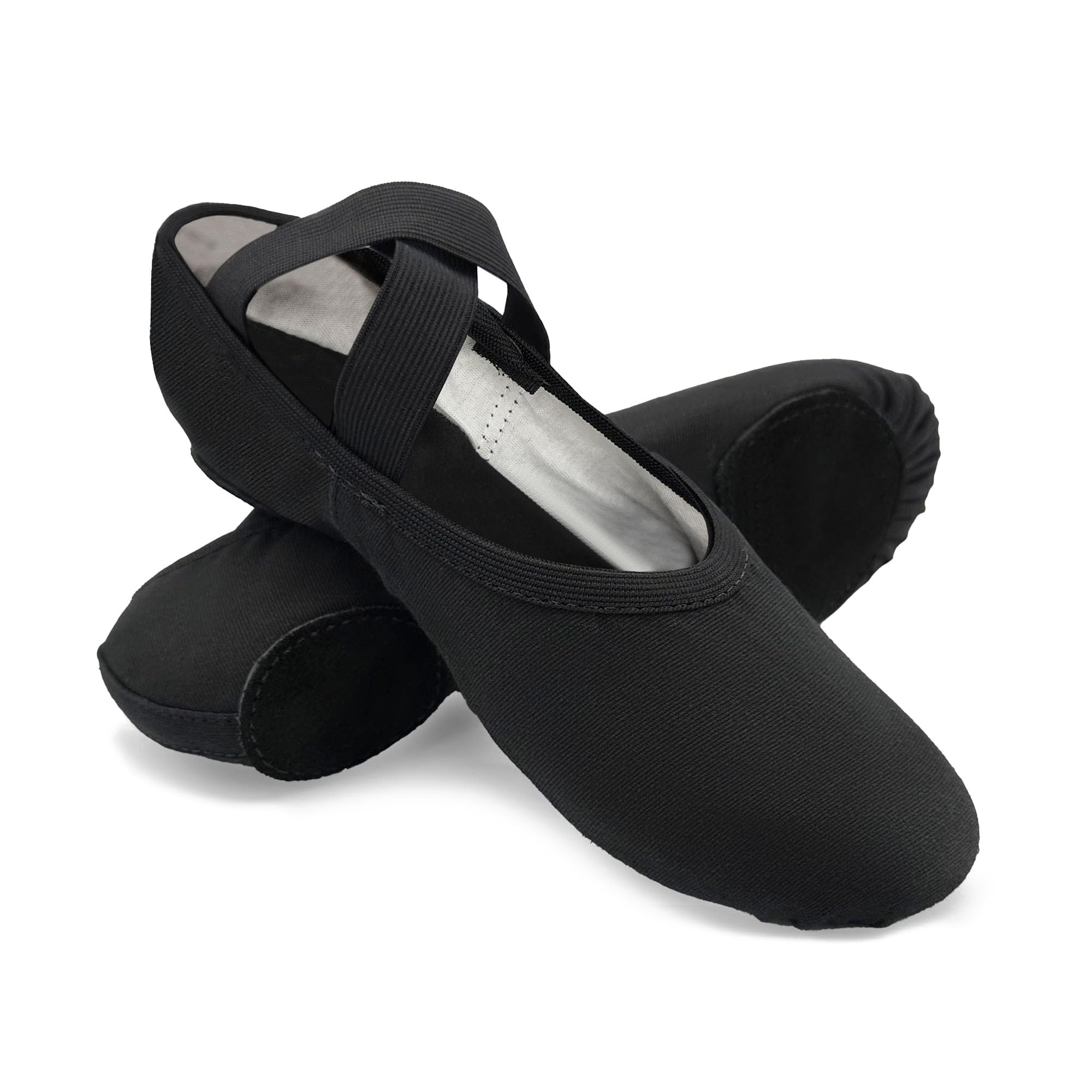
The So Danca SD16 Bliss has quickly become a go-to for barre-focused beginners thanks to its true-to-street-shoe sizing—a rarity in this category. The stretch canvas upper conforms to the foot without the aggressive break-in period of leather, and the reinforced suede sole adds stability when rising to demi-pointe. Reviewers consistently note that these slippers “stay in place” during exercise, which is exactly what a beginner needs when learning weight transfer.
Parents of growing dancers love this model because the true-to-size fit means you can order the correct street shoe size without the trial-and-error guessing game. Several verified purchasers report ordering 1 to 1.5 sizes up from street size to allow for growing room over a season, and the canvas holds up well to the extra length without the heel bagging. The reinforced sole patches also protect the canvas from premature toe wear.
That said, the stretch canvas is not as durable as leather. After daily use lasting two to three months, some users noticed slight fading and the fabric beginning to thin at the toe box. The arch support is minimal—these are designed to articulate the foot naturally, not artificially support a flat arch. Consider this slipper if you prefer a lightweight, airy feel and plan to replace them each season.
Why it’s great
- True-to-size fit eliminates sizing guesswork.
- Breathable canvas ideal for sweaty feet.
- Reinforced sole patches improve durability.
Good to know
- Canvas wears faster than leather at the toe tip.
- Minimal built-in arch support.
5. Bloch Performa Stretch Canvas Split Sole

Men have a harder time finding ballet slippers that fit properly, and the Bloch Performa Stretch Canvas addresses this with a men’s-specific last that provides a wider toe box and a stronger heel cup. The stretch canvas split sole is lightweight and offers excellent floor feedback—critical for male dancers who need to feel the floor for jumps and lifts. Verified reviewers who wear men’s 10.5D note that sizing down half a size from street shoe provided the snug, supportive fit needed for class.
The canvas material is comfortable straight out of the box and requires almost no break-in time, which is helpful for older beginners (including the elderly reviewer with flat, wide feet who praised the “boxtoe” feeling). The split sole construction reveals foot articulation, making it easier for teachers to spot and correct pronation early. The suede undersole provides a consistent slide on both wood and vinyl surfaces.
Some users experienced squeaking from the soles on certain dance floor finishes—the pad material seems to interact differently with high-gloss Marley. The sizing advice is mixed: some reviewers say to order the exact street size, while others found that a half to full size down gave a better second-skin fit. Men’s wide feet are well accommodated, but dancers with very high arches may find the canvas lacks enough stretch to fully hug the arch contour.
Why it’s great
- Men’s-specific last fits wider forefeet better.
- Minimal break-in needed straight out of box.
- Soft boxtoe suitable for flat feet.
Good to know
- Some sole squeak on glossy dance floors.
- Sizing advice inconsistent—may need to size down 0.5.
6. Capezio Hanami
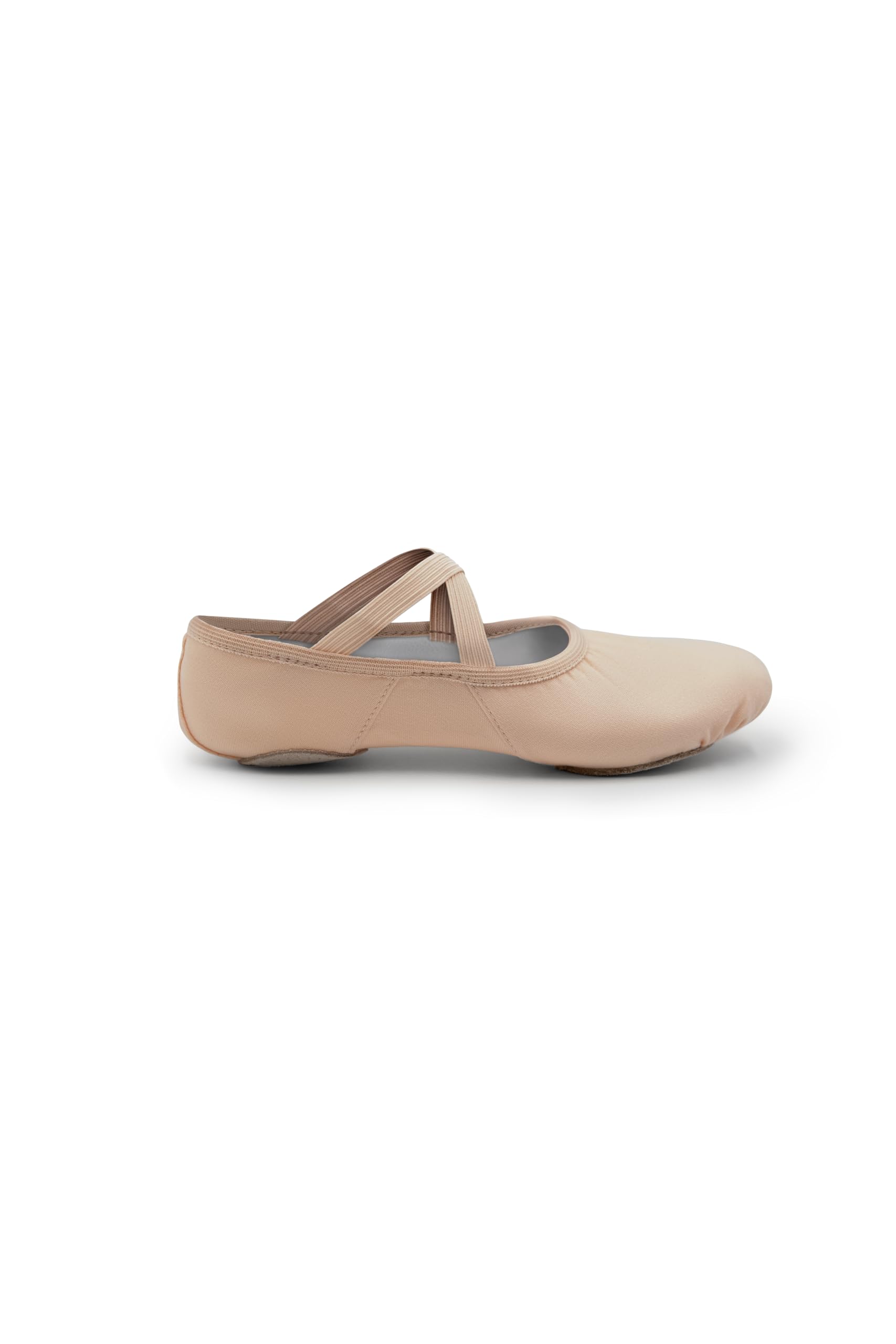
The Capezio Hanami is a canvas split-sole slipper that dance parents and teachers recommend for its durable construction and comfortable feel. Unlike the So Danca SD16, the Hanami runs narrow, which makes it a top pick for slimmer feet but a potential hazard for wider foot shapes. Multiple verified buyers specifically recommend ordering the wide width and going up about two full sizes from street size to get the correct footbed volume.
Canvas enthusiasts love how the Hanami molds to the foot after just two classes, creating a customized feel that is neither too tight nor too loose. The suede sole patches provide a smooth, quiet glide on both wood and Marley floors. Reviewers who use these for regular class note that while canvas is less durable than leather, the Hanami’s construction holds up well—some report a year of consistent use before holes appear at the big toe.
The main trade-off is sizing confusion. The Hanami runs very small; a dancer who wears a street size 7 may need a 9.5 in the wide width. The canvas also lacks the inherent stretch of leather, so feet that are borderline wide may feel pinched. If you fall between medium and wide, it is safer to size up to the wide width and use the elastic to fine-tune the fit.
Why it’s great
- Canvas molds quickly to individual foot shape.
- Quiet suede sole for floor awareness.
- Available in wide width for narrow-to-medium feet.
Good to know
- Runs significantly small—size up two sizes.
- Narrow by default; wide strongly recommended.
7. SANGEESON Leather Full Sole

The SANGEESON Leather Full Sole slipper is the wildcard in this lineup—it uses a traditional full sole that runs continuously from heel to toe, a design most adult beginners will outgrow quickly but which offers maximum support for absolute novices or toddlers. The single leather sole includes a small toe pad that protects against bruising during battement frappes, a feature missing from many full sole models. Reviewers with wide feet appreciated that the leather stretches enough to avoid pinching the pinky toe after initial break-in.
For the price, this slipper delivers impressive durability. Verified purchasers have worn them for a full year of weekly class without visible degradation, and the wide elastic band holds the arch securely. The shoe is also versatile enough to double as a comfortable “business casual” flat, according to multiple users. The arch support is present but gentle—enough to prevent foot fatigue during a 45-minute class but not enough to override natural foot mechanics.
The full sole design is the double-edged sword. While it provides stability for young children, it actively resists pointing, which hides poor foot alignment. Adult beginners who are serious about learning proper technique should upgrade to a split sole after the first two months. Sizing is fairly true to street shoe size, but the shoe is narrow; those with medium-to-wide feet will need to size up to avoid cramping.
Why it’s great
- Full sole provides maximum beginner support.
- Good value with year-long durability.
- Versatile enough for non-dance wear.
Good to know
- Full sole hides foot articulation for teachers.
- Narrow fit may require sizing up for wide feet.
FAQ
Should I buy full sole or split sole as a ballet beginner?
How should ballet slippers fit for a beginner dancer?
How long do canvas ballet slippers last compared to leather?
Can I use men’s ballet slippers if I have wide female feet?
Final Thoughts: The Verdict
For most users, the ballet slippers for beginners winner is the Capezio Turning Pointe 55 because its split-sole leather design combines the arch visibility needed for learning with durable construction that lasts multiple seasons. If you want a slipper that feels broken-in from day one and saves you the hassle of sewing elastics, grab the Bloch Prolite II Hybrid S0203L. And for dancers with wide feet or bunions, nothing beats the Bloch Prolite II S0208L in wide width.