
Our readers keep the lights on and the weekend projects moving. As an Amazon Associate, I earn from qualifying purchases.
A block plane that chatters, tears out end grain, or arrives with a concave sole is a fast track to frustration. Whether you are trimming a miter, fitting a drawer, or smoothing a chamfer, the tool needs to bite into the wood and eject a gossamer shaving without a fight. The wrong choice adds hours of flattening and sharpening before you get a single usable pass.
I’m Rikta — the co-founder and writer behind FitlyFast. I analyze market data, customer reviews, and manufacturing tolerances to find the hand tools that deliver real workshop value without demanding a second mortgage.
After digging through dozens of models and hundreds of verified experiences, I have settled on the seven block planes that earn their spot on your bench. This guide covers the best block plane options across different budgets and build philosophies, so you can pick the one that matches your skill level and the work you actually do.
How To Choose The Right Block Plane
A block plane is small enough to hold in one hand, but the engineering inside that compact body separates a joy-to-use tool from a drawer-weight. Three factors dominate the decision: the blade material and its sharpness out of the box, the flatness of the cast-iron sole, and the adjustability of the mouth opening. Beginners underestimate how much time a poorly-machined sole costs, while experienced woodworkers know that the blade’s edge retention separates a thirty-dollar plane from a premium one after a full afternoon of work.
Low Angle Versus Standard Angle
Most block planes use a low bed angle of twelve degrees with the blade bevel up, creating an effective cutting angle that excels on end grain and in miters. A standard bench plane, by contrast, beds the blade at forty-five degrees bevel down, which works beautifully along the grain but struggles with end-grain tear out. If your primary tasks involve trimming tenons, cleaning up dovetails, or fitting doors, a low-angle block plane is the correct tool. If you are smoothing large panels, a standard No. 4 or No. 5 plane is a better fit.
Blade Steel and Geometry
The thickness and hardness of the blade directly affect chatter resistance. An eighth-inch thick blade of O1 tool steel or A2 steel holds an edge far longer than the thin, soft blades found on entry-level planes. Thicker blades also dampen vibration, producing a cleaner surface. High-carbon steel sharpens easily but may need frequent honing, while tool steel lasts longer but demands more effort on the stones. The blade should arrive sharp enough to shave hair, but expect to do a final hone regardless of price tier.
Sole Flatness and Adjustment Mechanism
A sole that is not flat front-to-back or side-to-side will never produce a consistent shaving. Premium models ship with a certificate of inspection showing measured flatness, while budget models often require lapping on sandpaper or a diamond plate. Depth adjustment should be smooth and precise, with no slop that lets the blade retract mid-cut. A knuckle-style lever cap offers tool-free blade changes, while a screw-adjusted cap provides more secure clamping. The mouth opening must be adjustable to close down for fine shavings or open up for heavier stock removal.
Quick Comparison
On smaller screens, swipe sideways to see the full table.
| Model | Category | Best For | Key Spec | Amazon |
|---|---|---|---|---|
| Woodriver Low Angle Block Plane | Premium | Ultimate out-of-box precision | 1/8″ thick A2 blade, 12° bed | Amazon |
| Bench Dog No. 60-1/2 | Premium | Machined flatness with included case | One-piece frog/base, 1/8″ blade | Amazon |
| JORGENSEN No.4 10″ Plane | Mid-range | Full-size smoothing on a budget | O1 tool steel blade, beechwood handle | Amazon |
| KAKURI Large 60mm Pull Plane | Mid-range | Efficient large-surface smoothing | 60mm laminated steel blade, white oak body | Amazon |
| JORGENSEN NO.60-1/2 Block Plane | Mid-range | Best-value low angle block plane | Ductile iron body, O1 steel blade | Amazon |
| KAKURI 42mm Pull Plane | Budget | Entry-level Japanese pull plane | Replaceable blade, 42mm width | Amazon |
| STANLEY No.4 Hand Planer | Budget | Low-cost bench plane for light use | 2-inch cutter, cast iron body | Amazon |
In‑Depth Reviews
1. Woodriver Low Angle Block Plane

The Woodriver is the plane that experienced woodworkers recommend when they want to skip the tuning marathon. The sole arrives measurably flat, the one-piece ductile iron casting dampens vibration, and the 1/8-inch thick A2 blade holds its edge through extended sessions on hard maple and white oak. The knuckle-style lever cap allows tool-free blade changes, a detail that speeds up the workflow noticeably when you switch between a fine finish cut and a heavier scrub pass.
The twelve-degree bed combined with a twenty-five degree bevel delivers a thirty-seven degree effective cutting angle that handles end grain with minimal tear out. Owners repeatedly note that the blade arrives sharp enough for immediate use, though a quick pass on a fine stone brings it to a truly superior edge. The adjustment mechanism feels precise and positive, without the slop that plagues cheaper planes.
At this price point, the fit and finish rival planes costing nearly double. A carpenter with twenty-seven years of experience called it the best hand plane he had ever owned, and a cabinetmaker who converted from push to pull planes still rated this as his go-to for Western-style blocking. If you want a tool that works right out of the box and stays sharp through long sessions, this is the benchmark.
Why it’s great
- Exceptionally flat sole from the factory
- Thick A2 blade resists chatter
- Knuckle cap allows quick blade swaps
Good to know
- Tension screw may need a quarter turn adjustment
- Heavier than some low-angle competitors
2. Bench Dog No. 60-1/2 Block Plane
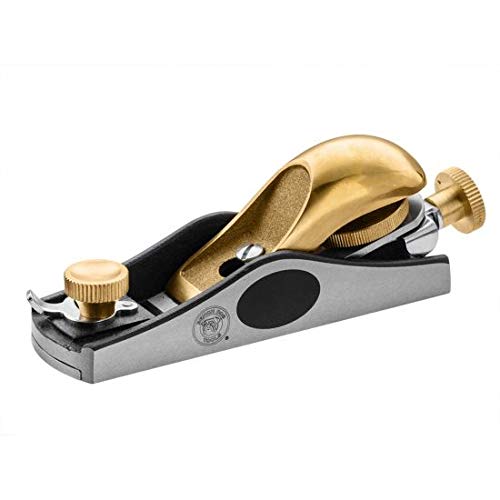
Bench Dog takes a different approach to quality assurance: each plane ships with a certificate of inspection that records the actual measurements of sole flatness and blade hardness. That level of transparency is rare in the mid-to-premium tier and gives you confidence that the casting has been checked before it left the factory. The one-piece frog and base eliminate the joint where chatter traditionally starts, making this a remarkably stable platform for fine work.
The low-angle design with an adjustable mouth lets you close the opening down to a hairline gap for paper-thin shavings on end grain, or open it wider for faster stock removal. The blade is 1/8-inch thick hardened carbon steel, which holds an edge well and responds to honing. A plane sock and a storage case are included, details that protect the sole and blade from shop dust and accidental dings.
Most users report that the plane works well after a quick tune-up on a water stone, and several note that it quickly became a favorite tool. The machining is generally very good, though a minority of reviews mention the need to address some minor roughness on the mating surfaces. For the price, the combination of documented quality and included accessories makes this a strong contender.
Why it’s great
- Certificate shows actual flatness and hardness data
- One-piece construction eliminates frog chatter
- Includes case and plane sock
Good to know
- Some units need light deburring on surfaces
- Blade benefits from a final water stone hone
3. JORGENSEN No.4 10″ Wood Plane

JORGENSEN’s No.4 smoothing plane is not a block plane in the strict sense, but it earns a spot here because so many woodworkers reach for it as their primary bench plane for small-scale smoothing and trimming. The body is ductile iron, drop-tested for durability, and the O1 tool steel blade arrives sharp enough to take a shaving on hard maple straight from the box. The beechwood handle is polished, contoured, and comfortable for extended use.
The adjustable mouth adds versatility, letting you close the gap for fine finish work or open it for heavier cuts. The frog is well-machined and seats solidly, and the depth adjustment knob moves smoothly without binding. Users who flattened the sole on a diamond plate and sharpened the blade reported results comparable to planes costing three times as much. The stainless steel hardware resists corrosion, a nice touch in humid shops.
One common note is the weight — at over 4 pounds, this plane is heavier than a typical block plane, but that mass also provides momentum that smooths out the cut. The tote mounting screw on some units was reported as slightly loose, easily fixed with a shim. If you want a full-size plane that punches above its price tier, this JORGENSEN deserves serious consideration.
Why it’s great
- O1 steel holds edge longer than high-carbon
- Adjustable mouth for versatile cuts
- Smooth beechwood handle feels premium
Good to know
- Heavy compared to a dedicated block plane
- Tote screw may need tightening out of box
4. KAKURI Large Hand Plane 60mm

This KAKURI is a traditional Japanese pull plane that changes the way you think about planing. Instead of pushing a heavy cast-iron body, you pull the white oak dai towards your body, which naturally aligns your arms and core for more consistent pressure. The 60mm laminated steel blade — Japanese high-carbon steel forge-welded to soft iron — arrives hand-sharpened by skilled craftsmen and produces ultra-thin shavings on the first pass.
The blade includes a chipbreaker that minimizes splitting, giving it an advantage over single-blade Japanese planes. The two-blade structure also makes this model suitable for a wider variety of woods, including dense tropical species. At 10.1 inches long, the dai provides a stable reference surface that helps maintain flatness across larger panels. A cabinetmaker with decades of experience noted that after switching to Japanese pull planes, his body suffered less fatigue and his control improved.
Setup requires understanding the hammer-and-tap adjustment method, which is different from a Western screw mechanism. The learning curve is real, but the reward is a plane that can produce surface quality that rivals a card scraper. This is not a grab-and-go tool for beginners, but for anyone willing to invest a few practice sessions, the KAKURI delivers a level of control that Western push planes struggle to match.
Why it’s great
- Laminated steel blade is exceptionally sharp
- Pull action reduces body fatigue
- White oak dai provides stable reference surface
Good to know
- Requires learning hammer adjustment technique
- Not a drop-in replacement for Western plane users
5. JORGENSEN NO.60-1/2 Block Plane
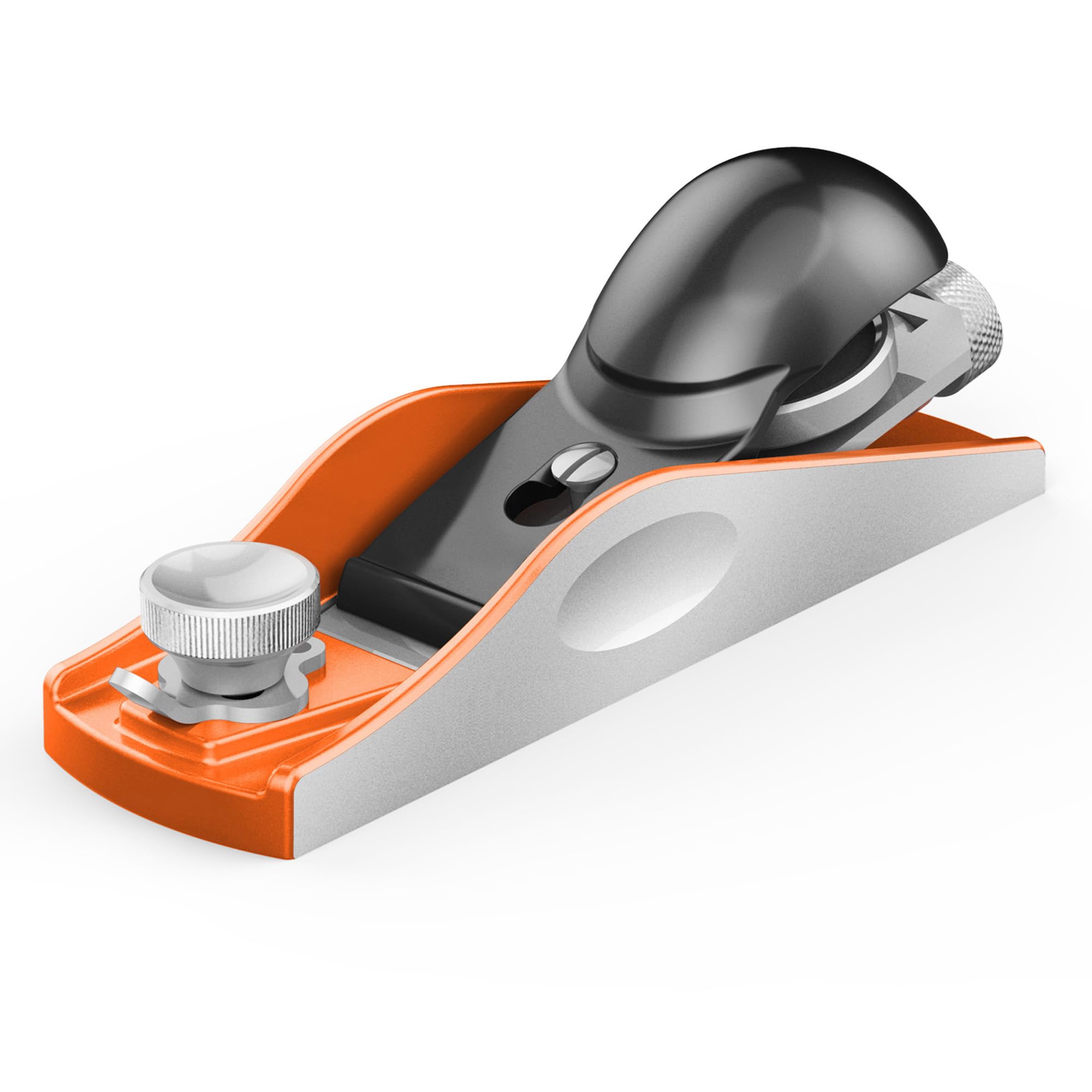
JORGENSEN’s No. 60-1/2 is the low-angle block plane that strikes the best balance between cost and capability. The ductile iron body is drop-tested and the O1 tool steel blade is sharpened well enough that many users reported using it straight from the box on hardwood without tear out. The adjustable mouth and depth knob give you fine control over the cut, and the entire plane is compact enough to slip into an apron pocket.
The machining quality surprised owners who compared it directly to a Lie-Nielsen plane costing several times more. While the blade does benefit from a final honing on an Arkansas stone, the sole is flat and the adjustment mechanism is smooth. The lever cap is zinc alloy, which is durable but lighter than brass, and the stainless steel hardware resists rust. A user noted the lack of a lateral adjustment lever for squaring the blade, but most block plane work does not require that feature.
For a woodworker who needs a reliable block plane without spending premium money, this JORGENSEN delivers performance that punches well above its tier. It works for trimming, chamfering, and end-grain cleanup, and it does not demand the hours of lapping that cheaper planes require. Consider this the default recommendation for the value-conscious woodworker.
Why it’s great
- Flat sole and solid machining for the price
- O1 steel holds an edge well
- Adjustable mouth adds versatility
Good to know
- No lateral blade adjustment
- Blade needs final honing for peak performance
6. KAKURI Japanese Hand Plane 42mm

The 42mm KAKURI is the entry point into Japanese pull planes, and its replaceable blade system is the key feature that sets it apart. Instead of sharpening a traditional laminated blade, you swap in a fresh high-carbon steel tip when the edge dulls. Replacement blades cost roughly five dollars each in multi-packs, making this an extremely budget-friendly way to maintain a sharp tool over years of use. The woodworking beginners who wrote reviews praised this model for eliminating the sharpening barrier that keeps many people from using hand planes.
The body is Japanese white oak, compact at 7 inches long, and the blade width is 42mm with a cutting width of 35mm. The plane is pulled toward you, which requires a different stance and technique but rewards you with excellent control on small parts and chamfers. Users reported that it cuts end grain on old-growth Douglas fir without tear out straight from the box. The chipbreaker design simplifies assembly, reducing the frustration of aligning parts on traditional Japanese planes.
This is not a tool for large surface smoothing — the narrow blade and compact body limit it to detail work and smaller pieces. The thin blade can also cause chatter on wider boards if you push it too hard. But for a woodworker who wants to try the pull-plane method without a large investment, or anyone who hates sharpening, this KAKURI is a fantastic introduction.
Why it’s great
- Replaceable blades eliminate sharpening
- Sharp out of the box on end grain
- Compact size great for detail work
Good to know
- Narrow width limits large surface planing
- Thin blade may chatter on wide boards
7. STANLEY Hand Planer No.4 (12-404)

The Stanley No.4 is the classic entry-level bench plane that has started countless woodworkers on their journey. The cast-iron body carries an epoxy coating for corrosion resistance, and the 2-inch hardened steel cutter is manually adjustable for depth control. The quick-release cam-lock makes removing the blade for sharpening straightforward, and the high-impact polymer handles are contoured for a comfortable grip. At its price point, this plane is inexpensive enough that many people buy it to see if hand planing fits their workflow.
The catch is that the manufacturing tolerances are not tight. Multiple owners reported that the sole was concave front-to-back and required eight or more hours of flattening on sandpaper to become usable. The blade needs significant sharpening out of the box, and the lack of a chipbreaker means the plane tends to clog with shavings. Customers who invested the time to flatten and sharpen found that the plane performed reasonably well, but those expecting a ready-to-use tool were disappointed.
The instructions are thin, and the handle is too small for larger hands, causing blisters during extended use. One reviewer summed it up bluntly: after spending money on sharpening supplies and hours of labor, the plane was still not flat enough to use reliably. This is a budget tool that demands sweat equity. If you enjoy tuning and have the equipment, it can become a decent plane. If you want to start planing today, spend more on a model that arrives flat.
Why it’s great
- Lowest cost entry into bench planes
- Cam-lock makes blade removal easy
- After tuning, outperforms its price class
Good to know
- Sole is often concave, hours of flattening needed
- No chipbreaker, clogs with shavings
- Handle too small for larger hands
FAQ
What does low angle mean on a block plane?
How long does it take to flatten a budget plane sole?
Is a Japanese pull plane better than a Western push plane?
Can I use a block plane for smoothing large panels?
Final Thoughts: The Verdict
For most users, the best block plane winner is the Woodriver Low Angle Block Plane because it ships with a flat sole, a thick A2 blade, and tool-free adjustability that lets you start planing immediately without hours of setup. If you want the best value in a low-angle block plane, grab the JORGENSEN NO.60-1/2 for its ductile iron body and O1 steel blade at a fraction of the premium price. And for those who enjoy the pull-plane method and want a large surface smoother, nothing beats the KAKURI Large 60mm Pull Plane for control and surface quality on panels.