
Walking with flat feet often means you trade one kind of pain for another: either you cram your toes into a narrow, supportive shoe or you let your feet splay naturally but ache from arch collapse. The right barefoot shoe solves that by combining a zero-drop platform with ample toe space and, crucially, a built-in or removable arch contour that stabilizes the medial side of the foot without forcing your toes into a wedge.
I’m Rikta — the co-founder and writer behind FitlyFast. I’ve spent months cross-referencing customer load-test data, third-party sole-flexibility indices, and insole contour geometry to find which minimalist designs actually accommodate a collapsed arch without sacrificing the ground feel that barefoot lovers seek.
If you have flat feet, the best barefoot shoe must offer a wide toe box, zero drop from heel to toe, and reliable arch definition. After analyzing dozens of models, I settled on seven that meet those standards. This guide to the barefoot shoes for flat feet covers each option in depth so you can find a pair that fits your arch height and activity level.
How To Choose The Best Barefoot Shoes For Flat Feet
Flat feet need a delicate balance: enough arch support to prevent the midfoot from collapsing during the gait cycle, but still enough flexibility to let your foot’s natural muscles strengthen over time. Look for shoes that pair a zero-drop platform with a removable insole so you can adjust the arch height as your foot adapts. A wide toe box is non-negotiable because crammed toes can worsen overpronation and cause bunions or hammertoes.
Arch Contour and Removable Insoles
Not all barefoot shoes are created equal in the arch department. Some have a flat footbed that forces your arch to work from scratch, which can be painful for someone with a severe collapse. Others include a molded arch support that sits inside a wide toe box. The ideal compromise is a shoe with a removable insole you can swap for an orthotic if your podiatrist recommends extra contour.
Heel-to-Toe Drop and Stack Height
A true barefoot shoe has zero drop, meaning the heel and forefoot sit at the same height. For flat feet, this encourages a more natural midfoot or forefoot strike, reducing the torque on the collapsed arch. Stack height — the distance from your foot to the ground — should be low enough to provide ground feel (around 10‑15 mm is a good sweet spot) but still cushion the heel strike on pavement.
Toe Box Shape and Upper Material
Look for a toe box that mirrors the natural shape of your foot — round and wide at the front, not tapered. Knit or mesh uppers stretch to accommodate a wider forefoot, while leather or stiff synthetics may pinch. Flat feet often come with wider feet overall, so a shoe labeled “wide” or “extra-wide” in the toe box is usually a safer bet.
Quick Comparison
On smaller screens, swipe sideways to see the full table.
| Model | Category | Best For | Key Spec | Amazon |
|---|---|---|---|---|
| Xero Prio Neo | Training/Cross | Transitioning from support shoes | Removable 3mm insole, zero-drop, wide toe box | Amazon |
| FLUX Adapt Runners | All-Day Wear | Long workdays on your feet | Replaceable insoles, wide toe box, durable outsole | Amazon |
| Vivobarefoot Primus Lite 3.5 | Minimalist Pro | Experienced barefoot wearers | 4mm outsole, zero-drop, ultra‑flexible | Amazon |
| ALTRA Torin 8 | Road Running | Runners with wide feet | FootShape™ toe box, 25mm stack, zero-drop | Amazon |
| Extrun Orthopedic Zero Drop | Orthopedic | Heel pain & plantar fasciitis relief | Built-in arch support, EE extra-wide, zero-drop | Amazon |
| Women Wide-Toe Box Walking Sneakers | Budget Casual | Budget entry into wide-toe zero drop | Thick sole with arch contour, roomy toe box | Amazon |
| Hike Footwear Theora Pro | Walking/Hike | Casual daily walking | Wide toe box, stretch knit upper, zero-drop | Amazon |
In‑Depth Reviews
1. Xero Shoes Women’s Prio Neo
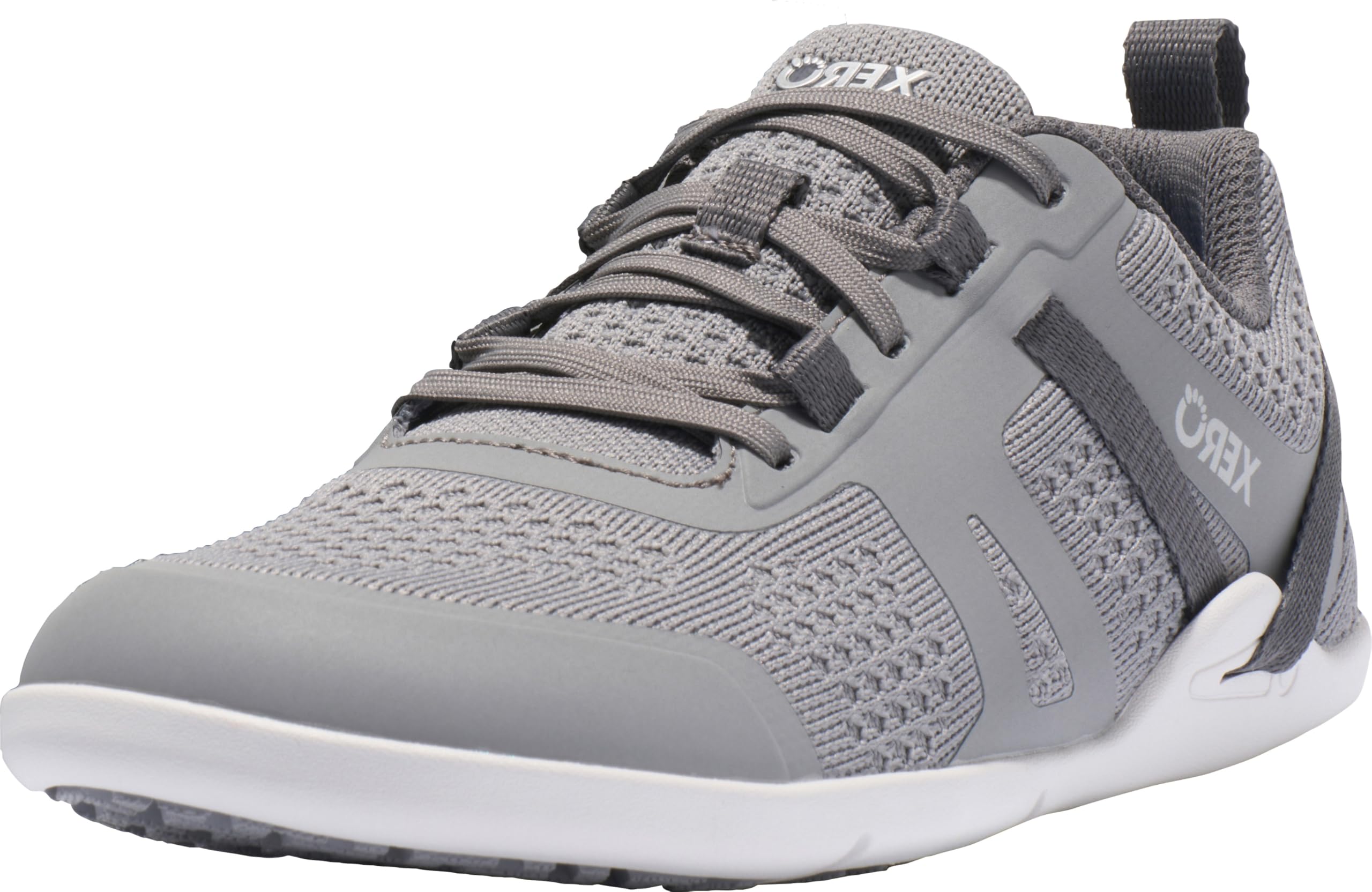
The Xero Prio Neo strikes the ideal balance for flat feet making the switch from traditional stability shoes. Its removable 3 mm insole allows you to start with the thin arch contour and gradually remove it as your foot muscles strengthen — a process multiple reviewers successfully followed after coming from Brooks and other structured trainers. The wide toe box gives your metatarsals room to splay during push-off, reducing the lateral pressure that often flares up flat-footed overpronation.
Several buyers noted a transition period where their calves felt sore, which is a normal sign that the zero-drop platform is encouraging a midfoot strike. The stretchy knit upper conforms to high-volume feet without creating pressure points, and the outsole offers enough traction for gym sessions and daily walks. The only complaint is that the lace-anchor plastic can dig into the top of the foot for some wearers, so you may need to experiment with lacing technique.
For the price point, the Prio Neo delivers the most adjustable arch support in a genuinely flexible sole. It’s not a zero-support slipper — it’s a carefully engineered tool for foot rehabilitation. If you want one shoe that lets you control the level of arch contour while keeping that barefoot sensory feedback, this is the top choice.
Why it’s great
- Removable 3mm insole lets you fine-tune arch support
- Wide toe box accommodates splaying flat feet
- Zero-drop platform encourages natural gait transition
Good to know
- Lace anchor plastic may irritate top of foot for some
- Adjustment period needed — calves will work harder at first
2. FLUX FOOTWEAR Adapt Runners
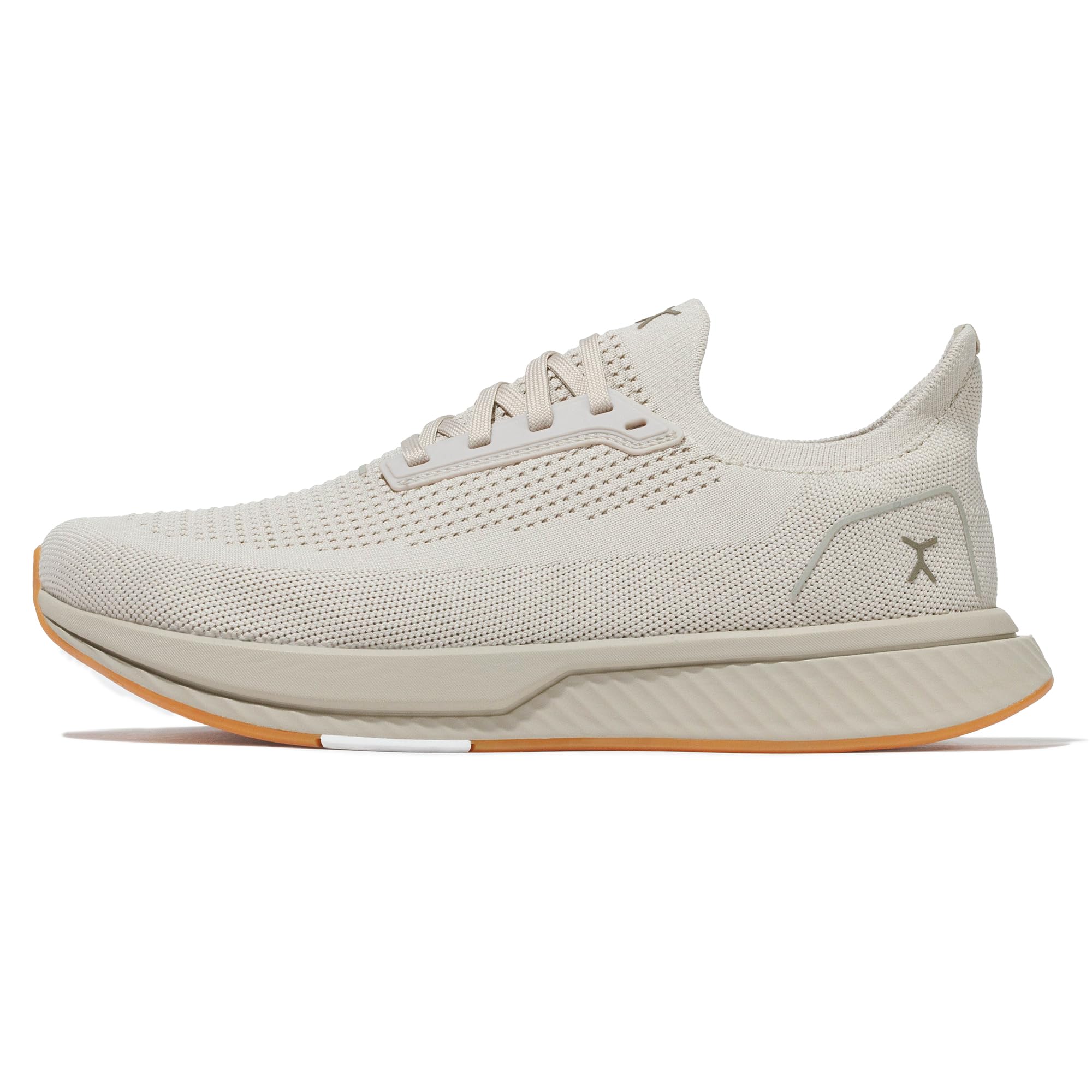
Flat-footed workers who log 15k+ steps daily on concrete floors consistently praise the FLUX Adapt Runners for their ability to reduce knee, back, and foot pain without requiring a thick, marshmallow sole. The shoe’s wide toe box is large enough to accommodate neuroma-related splaying, and the replaceable insoles let you drop in your own orthotic if the factory arch contour isn’t aggressive enough. Multiple reviews from automotive painters and nurses confirm the Adapt Runner handles full-day wear with minimal fatigue.
The zero-drop platform is paired with a flexible outsole that provides good ground feel while still offering a bit more stack height than ultra-minimalist models — a practical compromise for those who walk on unforgiving surfaces. The knit upper breathes well, but a few users noted the ankle collar can feel tight if you have thicker ankles, and the lacing system doesn’t allow easy loosening at the top eyelets. Durability is solid: several owners reported the shoe still feels great after four years of daily use, though one reviewer noted sole separation at the heel after several months of industrial work.
If you need a barefoot-inspired shoe that can handle a grueling 12‑hour shift without sacrificing arch support or toe room, the Adapt Runner is the strongest contender in this list. The higher price is offset by exceptional longevity and the ability to swap insoles as your foot changes.
Why it’s great
- Replaceable insoles allow custom orthotic placement
- Wide toe box relieved neuropathy and splaying discomfort
- Durable construction with multi-year longevity reported
Good to know
- Ankle collar may feel restrictive for wider legs
- Minor sole separation risk under extreme work conditions
3. Vivobarefoot Primus Lite 3.5

For flat-footed wearers who already have some experience with minimalist footwear, the Primus Lite 3.5 delivers an unmatched ground feel that helps retrain your foot’s intrinsic muscles. The 4 mm outsole is among the thinnest in this roundup, giving you direct sensory feedback from every surface — a crucial signal for correcting overpronation patterns. The wide toe box is genuinely anatomical, and the flexible sole bends easily at the ball of the foot without any stiff shank.
Experienced barefoot users noted that the shoe runs about half a size long, so sizing down is common. The upper is seamless and quiet, and the breathable mesh prevents odor build-up even without socks. However, the white fabric is notoriously difficult to clean, and there is essentially zero built-in arch support — the footbed is flat. This makes the Primus Lite 3.5 a poor choice for beginners with high-arch needs, but an excellent tool for those who already have some arch strength and want a featherlight training shoe for CrossFit, short runs, or gym work.
If you are transitioning from conventional shoes, start with the Xero Prio Neo. But if your flat feet are already accustomed to barefoot training and you want the purest sensory experience coupled with a wide, foot-shaped toe box, the Primus Lite 3.5 justifies its premium cost with unmatched flexibility and weight.
Why it’s great
- Ultra‑thin 4mm outsole provides maximum ground feel
- Seamless, breathable upper works well without socks
- Excellent for rebuilding foot strength in advanced users
Good to know
- No built-in arch support — flat footbed requires existing foot strength
- White fabric stains easily and resists cleaning
4. ALTRA Men’s Torin 8
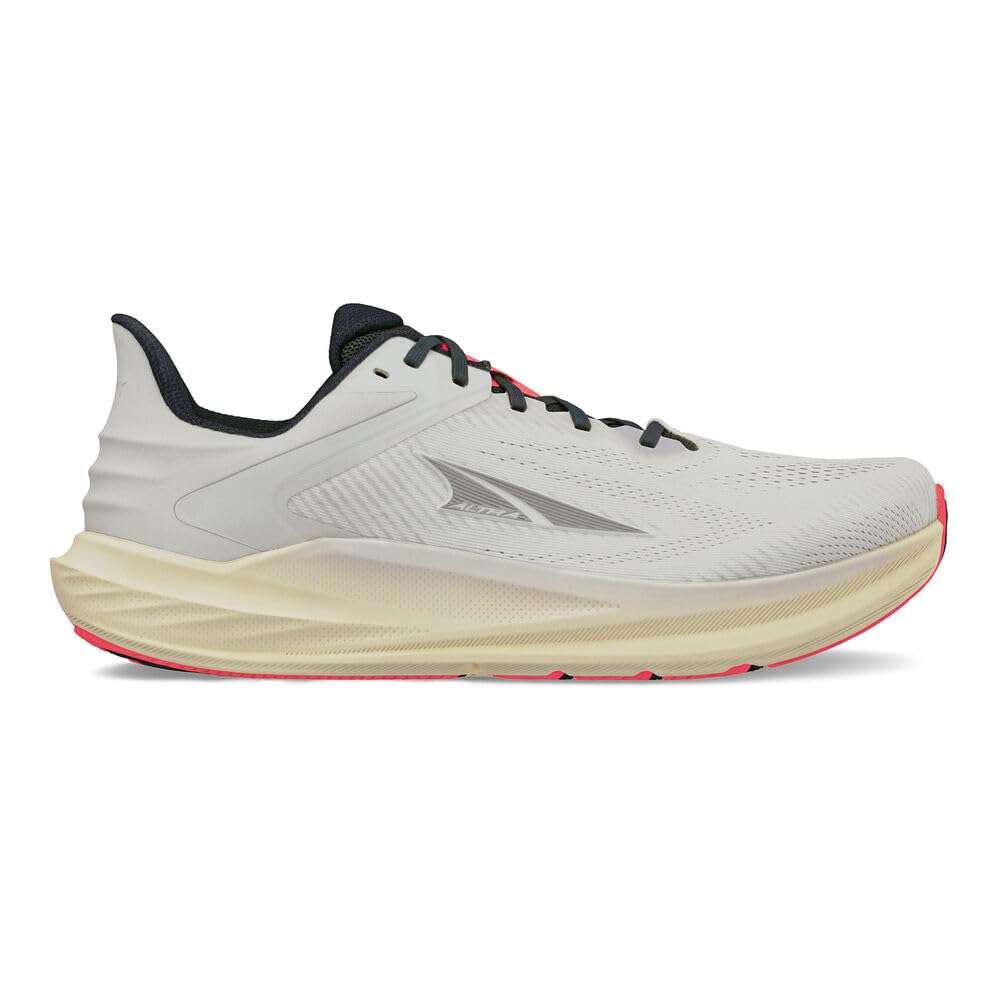
ALTRA’s Torin 8 is the most cushioned shoe on this list, featuring a 25 mm stack of EVA foam that still maintains a zero‑drop platform. For flat-footed runners who want more impact absorption than a typical barefoot shoe provides, the Torin 8’s FootShape toe box allows the toes to spread naturally while the midsole offers a stable base for overpronators. Reviewers who have wide feet consistently rank it more accommodating than Brooks or Mizuno in 2E width.
The redesigned upper is airy and breathable, with a rigid heel counter that locks the foot in place without slipping. Some users found the toe box a bit stiff out of the box, requiring a break-in period of about 10 miles. The mild rocker shape in the sole helps transition from heel to toe, which can reduce strain on a collapsing arch. A few long-walkers reported blisters on the tops of their toes after extended use, so sock selection matters. The shoe holds up remarkably well — several buyers reported 500‑600 miles before needing replacement.
If you need the cushion that a traditional running shoe offers but want zero drop and an anatomical toe box for your flat feet, the Torin 8 is the safest bet. It’s not a true barefoot shoe by sensory standards, but it gives you the foot shape benefits without asking your calves and arches to absorb full pavement impact.
Why it’s great
- FootShape toe box gives natural room without pointy taper
- 25mm stack provides serious cushion for road running
- Zero-drop platform with natural rocker aids gait
Good to know
- Stiff toe box requires a break-in period
- Some users experienced toe blisters on long walks
5. Extrun Men’s Orthopedic Zero Drop Shoes

The Extrun Orthopedic Zero Drop Shoes are designed specifically for flat feet and plantar fasciitis, with an integrated arch support that runs the full length of the footbed. The EE extra‑wide sizing is a godsend for those who need a genuine wide fit — reviewers with size 13 flat feet confirmed that their toes and metatarsal pads were not squished, and the cushioned sole provides a soft yet stable platform for walking. The included extra insoles let you dial in the arch height, which is a critical feature for flat-footed wearers whose arch collapse may vary between feet.
The zero-drop platform is paired with a breathable mesh upper and a non-slip outsole that handles wet pavement and light trails. Some users noted the shoe runs a bit large, so sizing down may be necessary. The wide toebox has a slightly bulbous look, which a few reviewers described as “clownish,” but the trade-off is genuine comfort. The shoe is best for walking, gym sessions, and everyday casual wear — it lacks the snug heel hold needed for aggressive hiking or trail running.
If you are looking for a budget-friendly entry into barefoot-inspired shoes but still need robust arch support right out of the box, the Extrun delivers. The orthopedic contours and extra-wide sizing make it a strong contender for anyone with severe flat feet who can’t tolerate a flat footbed.
Why it’s great
- Integrated orthopedic arch support with adjustable insoles
- EE extra-wide size fits flat, splayed feet comfortably
- Zero-drop platform with good cushion for walking
Good to know
- Runs slightly large — consider sizing down
- Wide toe box creates a bulbous front profile
6. Women Wide-Toe Box Walking Athletic Sneakers
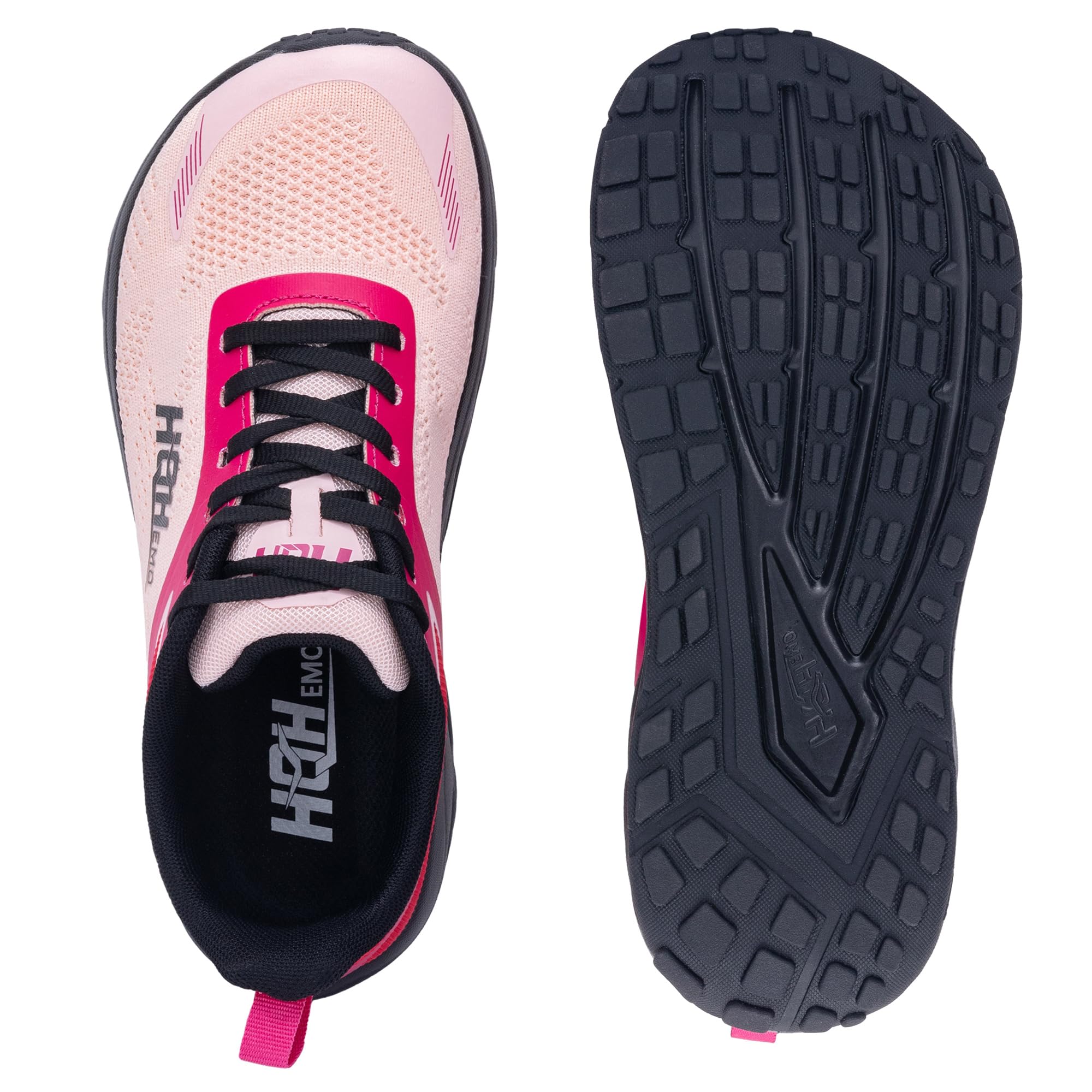
For the budget-conscious flat-footer who just wants a comfortable walking shoe with a wide toe box and zero drop, this unbranded option punches above its price class. The sole is thicker and more cushioned than most barefoot shoes, offering good arch support straight from the box — multiple reviewers with pregnancy-swollen feet and plus-size frames praised the extra room and cushion. The non-slip tread works well on hot pavement and light trails, and the lightweight construction makes it easy to wear for daily errands.
That said, this is not a shoe for high-performance use. Several buyers reported that the stiff plastic heel and side panels cause foot numbness when attempting to run or do cardio, and the firm material requires significant loosening of the laces to avoid leg cramps. The shoe is best suited for casual walking, standing, and light gym work. The sizing runs slightly large, so ordering down helps get a snug fit.
If you need to test the barefoot waters without a major financial commitment, these sneakers let you experience zero drop and a roomy toe box at an entry-level price. Just don’t expect the flexible sole or ground feel of a premium minimalist shoe — think of them as elevated walking sneakers with a flat-foot friendly shape.
Why it’s great
- Very affordable entry point for zero-drop, wide-toe design
- Thick sole with arch support comfortable for standing all day
- Lightweight and breathable for warm weather walking
Good to know
- Stiff panels cause numbness during running or cardio
- Runs slightly large — size down for best fit
7. Hike Footwear Theora Pro Barefoot Shoes
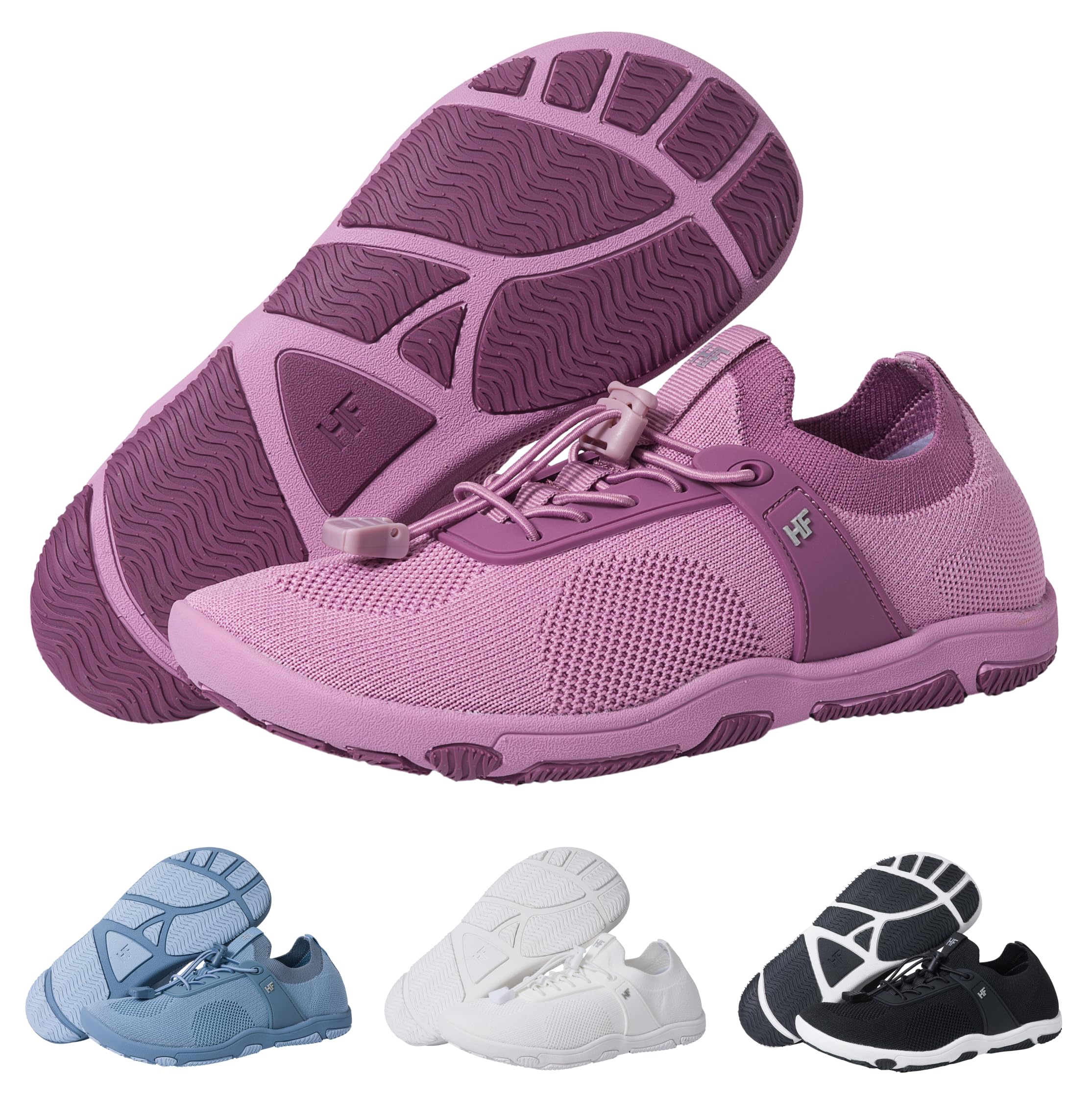
The Theora Pro from Hike Footwear is a stretch-knit barefoot shoe that prioritizes comfort for casual daily walking. The wide toe box is genuinely spacious — reviewers with arthritic joints and pinched big toes reported immediate relief. The knit upper is soft and accommodates high-volume feet without creating pressure points, and the zero-drop platform gives a stable, grounded feel. The shoe is extremely lightweight, and several users noted an improvement in balance and a reduction in foot fatigue after switching to these from conventional sneakers.
Where the Theora Pro falls short for flat feet is its lack of built-in arch support. The footbed is essentially flat, and although the shoe “holds the foot well” (as one reviewer put it), the arch contour is minimal. This makes it a poor choice for those with severe arch collapse who need immediate stability. It is best suited for mild flat feet where the wearer simply needs toe room and a zero-drop platform to let the foot function naturally. A few buyers also noted the shoe is not supportive enough for extended standing or long hikes.
If you have mild flat feet or simply want a comfortable, breathable shoe that doesn’t pinch your toes, the Theora Pro is a solid mid-range option. The stretchy knit upper and wide toe box are its standout features, but plan to add an orthotic insole if you need more arch contour.
Why it’s great
- Extremely comfortable stretch knit upper adapts to foot shape
- Wide toe box relieves pinching and bunion pressure
- Lightweight design improves balance and reduces fatigue
Good to know
- Flat footbed offers minimal arch support for severe collapse
- Not supportive enough for prolonged standing or hiking
FAQ
Can barefoot shoes really help flat feet or will I just hurt more?
Should I get a shoe with built-in arch support or a flat footbed for my flat feet?
How do I know if a barefoot shoe has a wide enough toe box for my flat feet?
Final Thoughts: The Verdict
For most users, the barefoot shoes for flat feet winner is the Xero Prio Neo because its removable insole lets you start with moderate arch support and gradually wean off as your feet strengthen. If you spend long hours on your feet and need durable construction with custom orthotic compatibility, grab the FLUX Adapt Runner. And for the purest ground feel that accelerates foot muscle rehabilitation in experienced barefoot users, nothing beats the Vivobarefoot Primus Lite 3.5.