
Our readers keep the lights on and the weekend projects moving. As an Amazon Associate, I earn from qualifying purchases.
A cheap camera phone that takes genuinely good photos is the most disputed product in mobile tech. The industry wants you to believe that a phone under can deliver flagship-tier night mode, portrait segmentation, and optical zoom—when in reality, the sensor hardware, image processing pipeline, and lens quality at that price point involve serious compromises. Only a handful of models manage to balance a capable main sensor with a stable operating system that doesn’t choke the camera app.
I’m Rikta — the co-founder and writer behind FitlyFast. I spend my time tearing apart the spec sheets and real-world camera benchmarks of budget and mid-range phones to find the ones that actually deliver sharp, consistent photos without the lag or artificial upscaling gimmicks.
After combing through nine models that all claim to be a cheap camera phone worth buying, I can tell you that the difference between a usable camera and a frustrating one comes down to three things: reliable image processing, a sensor that captures enough light, and software that doesn’t crash the shutter when you need it most.
How To Choose The Best Cheap Camera Phone
Choosing a cheap camera phone means knowing which specs are real and which are marketing math. Many budget phones advertise a 108MP or 64MP rear sensor, but without pixel-binning software and a decent aperture, those megapixels produce noisy, flat images. You need to prioritize sensor size, stabilization type, and software update promises over simple number counts.
Sensor quality over megapixel count
A 50MP sensor with 1.0µm or larger pixels and optical image stabilization (OIS) will almost always outperform a 108MP sensor without OIS. The key metric to look for is the pixel size after binning—typically 1.6µm or larger for decent low-light results. Cheap camera phones that rely on pure digital zoom or interpolated 8K video are red flags.
Certified Android vs. no-name software
Phones from unknown brands often ship with unlicensed Android builds that lack Google Play Services, making photo transfer to cloud services unreliable and breaking third-party camera apps. If the product page avoids mentioning an operating system version or Google certification, treat it as a severe risk for daily photography use.
Quick Comparison
On smaller screens, swipe sideways to see the full table.
| Model | Category | Best For | Key Spec | Amazon |
|---|---|---|---|---|
| Google Pixel 10a | Mid-Range | AI-assisted shooting | 50MP main, OIS, 30-hour battery | Amazon |
| Motorola razr 2024 | Mid-Range | Hands-free selfies | 50MP main, OIS, 3.6″ external display | Amazon |
| Ulefone Armor 27 Pro | Premium | Rugged outdoor photography | 64MP+50MP+50MP triple, 10600mAh | Amazon |
| Apple iPhone 13 (Renewed) | Premium | Sensor-shift stabilization | 12MP dual, sensor-shift OIS, A15 Bionic | Amazon |
| Apple iPhone 17 (Renewed) | Premium | Latest iOS camera pipeline | 256GB, eSIM, Face ID | Amazon |
| Huness I25 Ultra | Mid-Range | Massive battery and screen | 108MP main, 68MP front, 7000mAh | Amazon |
| NBD 64MP Digital Camera | Budget | Dedicated camera for vlogging | 64MP, 16X optical zoom, 8K video | Amazon |
| Light L16 | Budget | Multi-lens computational photography | 52MP, 16 lenses, 256GB internal | Amazon |
| DJI Osmo Pocket 3 Combo | Premium | Pocket gimbal vlogging | 1″ CMOS, 4K/120fps, 3-axis stabilization | Amazon |
In‑Depth Reviews
1. Google Pixel 10a

The Google Pixel 10a is the most reliable cheap camera phone you can buy right now because of its Camera Coach feature and the pure computational photography that Google has perfected over years. The 50MP main sensor with OIS, combined with the Tensor-derived AI engine, delivers consistent sharpness in both daylight and twilight scenarios without the aggressive noise reduction that ruins detail on other budget phones. The 3,000-nit Actua display also makes it easier to frame shots outdoors—a rare advantage at this level.
Battery life is rated at 30 hours, and the IP68 water resistance means you can take it to the beach or on a rainy hike without babying it. The 7-year software update promise is unmatched in this category, ensuring the camera pipeline keeps getting improvements. The absence of a secondary telephoto lens is the only hardware limitation—portrait and zoom shots are purely digital, though Pixel’s Super Res Zoom is surprisingly usable up to about 4x.
If you want a phone that simply works as a camera without fussing over settings or worrying about software bugs, this is the pick. The Gemini AI assistant integration is optional, and you can disable it to recover performance. For the combination of sensor quality, update longevity, and real-world photo reliability, it stands alone in the budget-friendly bracket.
Why it’s great
- Excellent 50MP main sensor with OIS
- 7 years of guaranteed camera software updates
- Rugged Gorilla Glass 7i and IP68 rating
Good to know
- No dedicated telephoto lens
- Heavy integration of Gemini AI may feel intrusive
2. Motorola razr 2024

The Motorola razr 2024 proves that a foldable cheap camera phone can deliver serious photo capability without the flagship price tag. The 50MP main camera with OIS uses Quad Pixel technology to produce 12.5MP shots with large 1.6µm pixels, which gives you clean low-light images that beat many slab-style competitors at the same price. The 3.6-inch external display doubles as a live viewfinder for selfies using the main sensor—meaning you get actual camera-quality front-facing photos, not the soft, washed-out results from a typical front lens.
Flex View mode is the standout feature for photography. You can set the phone on a surface in a 45-degree tent position, frame shots hands-free, and use voice commands or gesture capture. It also works as a camcorder-style grip for video, giving you a more stable hold than a flat phone. The 4,200mAh battery lasts a full day even with heavy camera use, and TurboPower 30W charging tops it up quickly.
The trade-off is the foldable screen’s durability over time. Some users report crease visibility and stress on the internal display after extended use. Also, the ultrawide camera is only 13MP, so you won’t get the same detail level as the main sensor. But for creative shooters who value the unique form factor and hands-free shooting, this is the best candidate in the mid-range tier.
Why it’s great
- Hands-free Flex View for selfies and video
- 50MP main with OIS and large pixel size
- Compact, pocketable foldable design
Good to know
- Foldable screens have inherent durability concerns
- No telephoto lens; only 13MP ultrawide camera
3. Ulefone Armor 27 Pro 5G
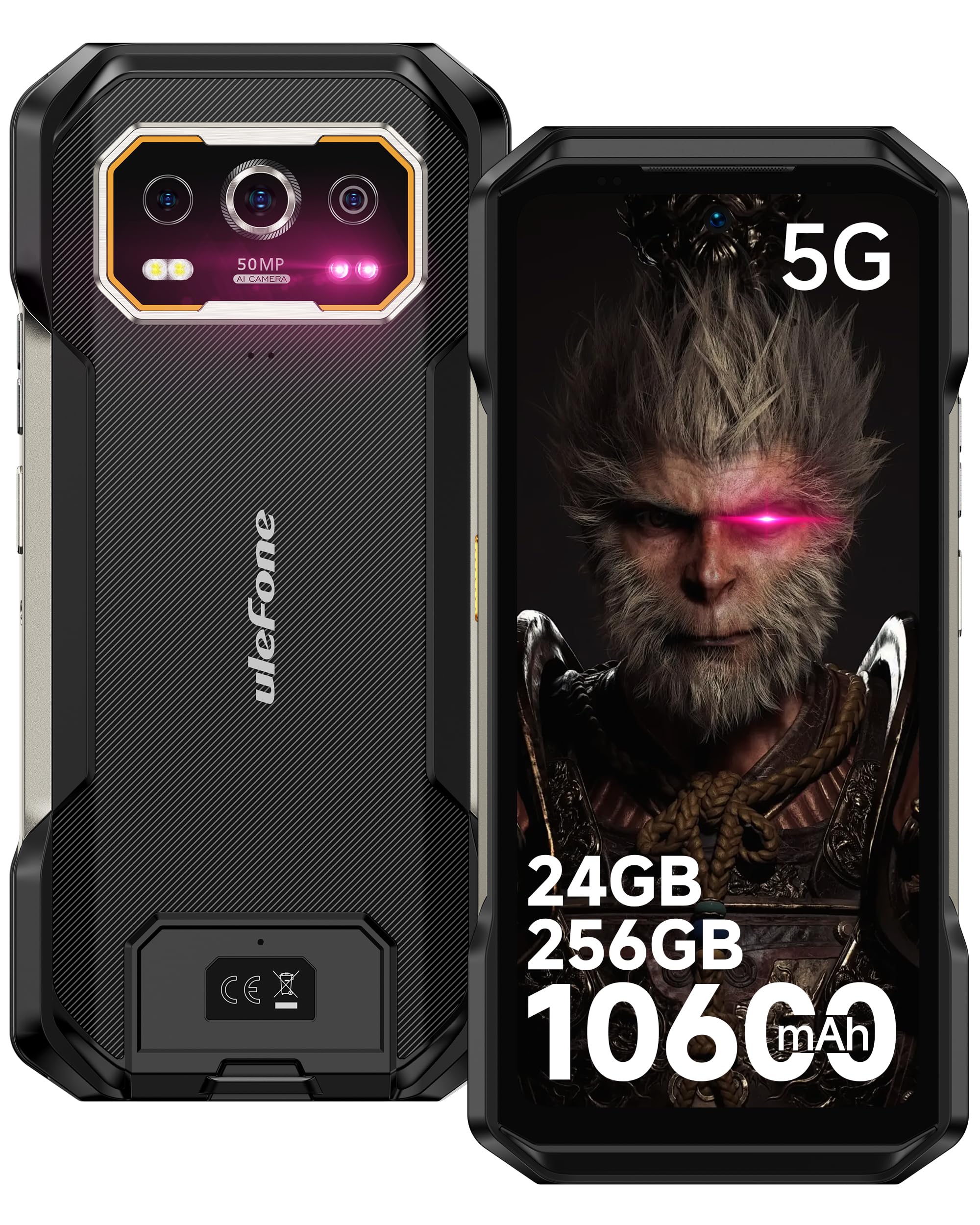
The Ulefone Armor 27 Pro is a premium-tier cheap camera phone built for extreme conditions, featuring a triple-camera array that includes a 64MP main sensor with OIS, a 50MP ultrawide, and a 50MP dedicated wide-angle lens. The Samsung ISOCELL GN1 sensor on the main shooter delivers excellent dynamic range and low-light performance, while the NightElf Ultra 3.0 algorithm reduces noise in night scenes. The 117.3° field of view on the ultrawide lets you capture cramped interiors or expansive landscapes without stepping back.
With a 10,600mAh battery that lasts multiple days, 30W wireless charging, and a rugged IP68/IP69K body that survives drops and submersion, this phone is purpose-built for construction workers, hikers, and anyone who needs a camera that can handle a beating. The 6.78-inch FHD+ 120Hz screen with Gorilla Glass Victus is scratch-resistant and bright enough for outdoor framing. It also supports 5G and dual SIM, so mapping and communication stay reliable in remote areas.
The major drawback is the weight—this is a thick, heavy device that won’t slip easily into a dress pocket. The camera UI can also be slow when processing multiple HDR shots sequentially. If you need a rugged workhorse that takes high-quality photos in harsh environments without needing a dedicated camera, this is a specialist tool that outperforms every general-purpose phone in its weight class.
Why it’s great
- Triple 50MP/64MP cameras with Samsung sensors
- Multi-day battery with wireless charging
- MIL-STD-810H and IP69K certified ruggedness
Good to know
- Very heavy and bulky for daily carry
- Camera processing lag under heavy shooting
4. Apple iPhone 13 (Renewed)

The renewed iPhone 13 is the best cheap camera phone for anyone who values video stabilization and consistent color science over raw megapixels. The dual 12MP camera system with sensor-shift OIS—a technology that moves the entire sensor to counter hand shake—produces smoother handheld video than most Android phones at similar prices. The A15 Bionic chip powers Smart HDR 4 and Photographic Styles, giving you real-time tone tuning without the oversaturated look that plagues many budget shooters.
Cinematic Mode on the iPhone 13 allows you to rack focus during video capture, making it possible to shoot professional-looking content even if you’re a beginner. The 6.1-inch Super Retina XDR OLED display at 2532×1170 provides excellent reference for framing and playback. MagSafe compatibility also allows you to attach external lighting or battery packs directly to the phone for extended shooting sessions.
The catch is that you’re buying a refurbished device, and battery health varies. Some units arrive with 85% capacity that degrades faster over time. Also, the Lightning connector is a limitation if you use USB-C accessories. But for photo and video reliability, plus compatibility with the entire iOS photography ecosystem (Halide, Lightroom Mobile, ProCam), this is a proven workhorse at a budget-friendly price point.
Why it’s great
- Sensor-shift OIS for butter-smooth video
- A15 Bionic chip for speedy image processing
- Cinematic Mode for focus transitions
Good to know
- Renewed device—battery health is not guaranteed at 100%
- Lightning connector; no USB-C
5. Apple iPhone 17 (Renewed)
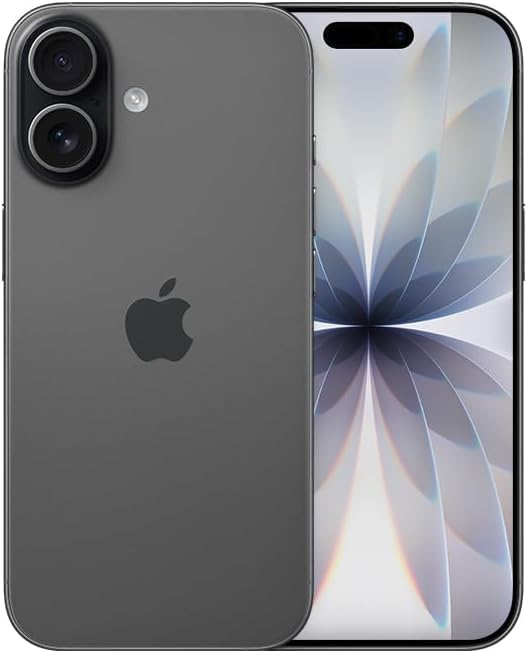
The renewed iPhone 17 is a high-end cheap camera phone that gives you the latest Apple camera pipeline without paying full retail. The 256GB storage means you can shoot 4K video and RAW photos without constantly managing space. With an F1.6 aperture main camera and computational photography improvements over the 13 series, you get better low-light noise handling and more natural bokeh in portraits. The USB-C connector allows direct connection to card readers and external storage, making file transfer much smoother for serious shooters.
One of the most practical advantages of the 17 is the Always-On Display, which lets you see the camera viewfinder controls without unlocking the phone. The Face ID unlock works even in complete darkness, so you can open the camera app fast when you see a shot. The wireless charging support also means you can use MagSafe battery packs during long shoots without fussing with cables.
The biggest risk is the refurbished condition. While many units arrive with 100% battery health and no cosmetic flaws, some sellers ship devices with incompatible IMEIs for certain carriers or with battery health below 80%. Always confirm the seller’s return policy and explicitly check carrier compatibility before purchasing. For those who get a good unit, this is the most future-proof camera phone in the budget-friendly range.
Why it’s great
- 256GB base storage for photo-heavy users
- USB-C for direct accessory connection
- Latest Apple camera pipeline with low-light improvements
Good to know
- Renewed condition varies significantly by seller
- eSIM only—no physical SIM tray for some carriers
6. Huness I25 Ultra Unlocked
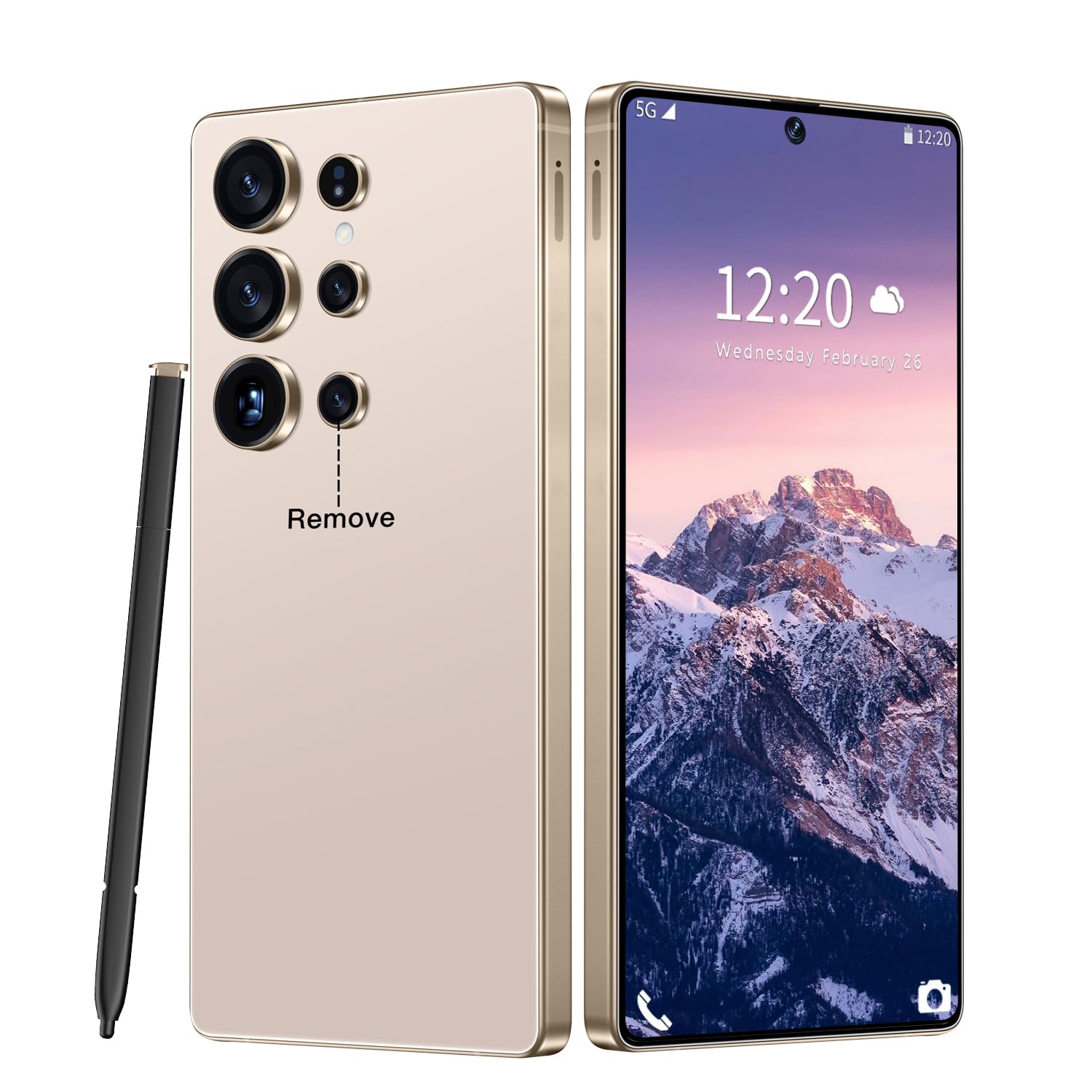
The Huness I25 Ultra is a chameleon in the cheap camera phone market—it offers a staggering 108MP rear camera and a 68MP front-facing lens alongside a 7,000mAh battery that can last two days with moderate photo use. The 6.99-inch HD+ OLED display is big enough to review details on your shots, and the built-in pen lets you mark up photos directly on the screen. On paper, it looks like a photography monster at a budget-friendly price.
However, buyer reports reveal a significant gap between the advertised specs and the real-world hardware. Several reviews indicate that the 1TB storage claim is fake, with the actual capacity being 64GB, and that the 16GB RAM behaves like 4GB under load. The camera produces dark, washed-out images in low light, and the lack of Google Play certification means third-party camera apps may crash. The phone also runs an unlicensed Android 14 build that lacks security updates.
If you want a cheap camera phone purely for occasional outdoor daylight shots and you need the massive battery for extended use away from power, it can work as a secondary device. But for anyone relying on the camera for daily photography, the risk of getting a mismatched spec unit is too high. Only consider this if you’re comfortable with the possibility of returning it for a refund.
Why it’s great
- Very large battery for multi-day use
- Large OLED screen and built-in pen
- High front-facing camera resolution
Good to know
- Risk of fake storage and RAM specs
- Poor low-light camera performance
- No Google Play certification reported
7. NBD 64MP Digital Camera
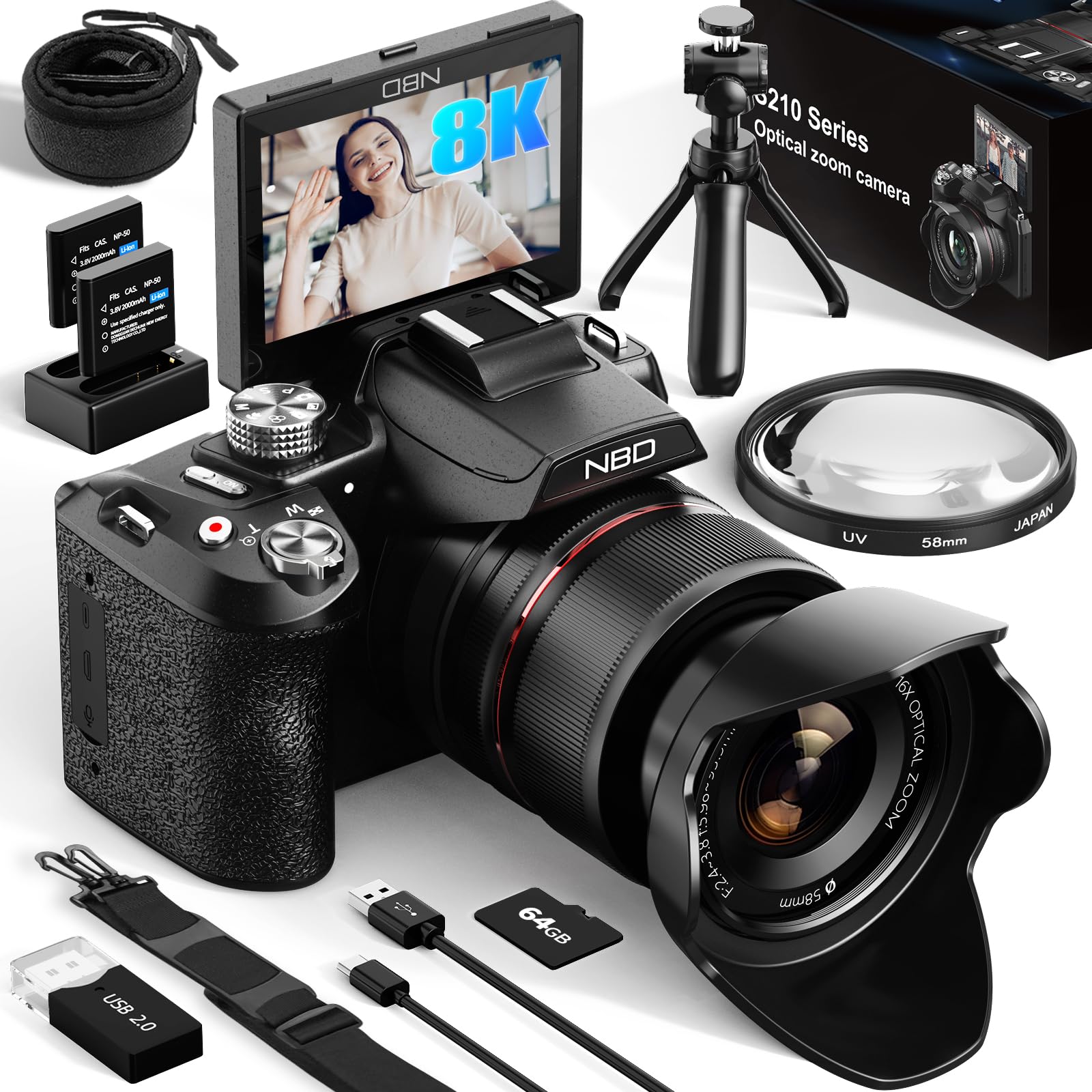
The NBD 64MP is not a phone—it’s a dedicated point-and-shoot camera that costs less than many cheap camera phones, yet offers a 16X optical zoom lens that no smartphone at the same price can match. The 64MP sensor combined with the 58mm adjustable-aperture lens allows you to control depth of field and capture details that phone sensors simply cannot resolve because of their tiny physical size. The 180° flip screen makes vlogging and travel self-portraits much easier than holding a phone at arm’s length.
It records up to 8K video at 30fps, which is overkill for social media but useful for cropping and reframing in post. Wi-Fi connectivity and the companion app let you transfer photos to your phone for editing and posting—a workable workflow if you don’t mind the extra step. The bundle includes two batteries, a UV lens, a tripod, and a 32GB card, making it ready to shoot out of the box.
The main issue is the software. The app for transferring images has compatibility issues (some users report transfer failures), and the autofocus can be slow in continuous shooting mode. It’s also larger and heavier than a smartphone, so it won’t replace your pocket phone for casual grab-and-go shots. If you want a dedicated camera with real optical zoom that can output high-resolution stills, and you’re willing to troubleshoot the app, this is a surprising performer.
Why it’s great
- 16X true optical zoom—unmatched by phones
- Includes tripod, UV lens, and two batteries
- 180° flip screen for vlogging
Good to know
- Wi-Fi app transfer can be unreliable
- Autofocus lag in continuous shooting
- Larger than a typical smartphone
8. Light L16 Multi-Lens Camera

The Light L16 is a discontinued computational camera that uses 16 separate lenses and sensors to combine images into a 52MP composite photograph with depth information. For a cheap camera phone alternative, it’s a fascinating piece of hardware—it fits in a jacket pocket, produces images that can be refocused after capture (like a Lytro), and outputs files with around 13 stops of dynamic range. The built-in 256GB storage is enough for thousands of high-resolution images.
The problem is that the company discontinued both the camera and the supporting software in 2019. To extract and process images, you need the Lumen desktop app, which only runs on Windows or macOS Catalina. M1/M2 Macs are not supported, nor is macOS Ventura or later. This means you need a separate, older computer to even use the camera. Without it, the device is a paperweight. Buyer reviews confirm this frustration.
If you are willing to maintain a legacy computing setup and you enjoy the challenge of computational photography tinkering, the L16 can produce genuinely unique images with a depth and sharpness that no smartphone battery allows. But for anyone who wants a plug-and-play shooting experience with reliable cloud photo transfer, this is a risk that most people should skip. Only buy if you know exactly what you’re getting into.
Why it’s great
- Unique 16-lens computational imaging capabilities
- Broad dynamic range (13 stops)
- Internal 256GB storage
Good to know
- Discontinued—requires legacy software to function
- Incompatible with modern macOS and Apple Silicon
- Poor low-light performance
- No warranty or firmware support
9. DJI Osmo Pocket 3 Vlog Combo
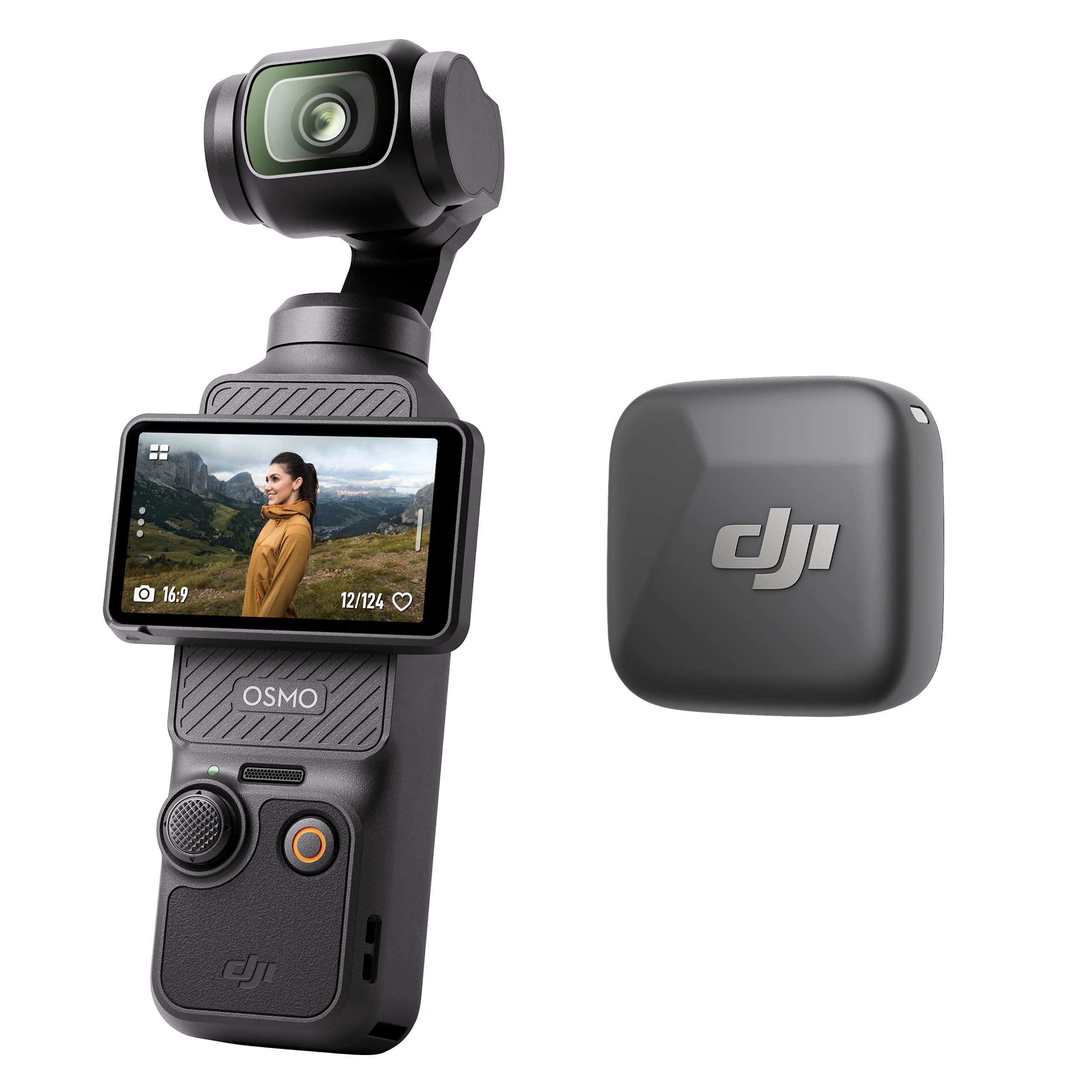
The DJI Osmo Pocket 3 is technically a dedicated pocket camera, not a phone, but it’s the ultimate cheap camera phone alternative if your priority is smooth video. The 1-inch CMOS sensor captures 4K footage at 120fps with the same dynamic range and color science as DJI’s larger cinema cameras. The 3-axis mechanical stabilization is leagues ahead of any phone’s electronic stabilization—you can run, dance, or chase a pet and the footage stays buttery smooth without the warping artifacts that EIS introduces.
The 2-inch rotatable touchscreen flips to horizontal or vertical framing instantly, which is perfect for creating content for both YouTube and TikTok. The included DJI Mic Mini transmitter gives you crystal-clear audio with a 250-meter range, solving the audio quality problem that plagues phone videos. ActiveTrack 6.0 keeps the subject centered automatically, making solo vlogging much easier. The combo package includes the Mic Mini and all the necessary clips and magnets.
The downside is the cost—it’s more expensive than many cheap camera phones, and it’s an additional device you have to carry and charge separately. The built-in battery lasts about 140 minutes of continuous recording, so extended shoots need external power. It also lacks optical zoom; you’re limited to 2x digital crop. If high-quality video is your main use case and you want a dedicated tool that outperforms any phone, this combo is unmatched for the price.
Why it’s great
- Professional 3-axis mechanical stabilization
- 1″ CMOS sensor with excellent dynamic range
- Includes DJI Mic Mini for premium audio
- ActiveTrack 6.0 for automated subject tracking
Good to know
- Separate device to carry and charge
- No optical zoom; only 2x digital crop
- Limited 140-minute battery life per charge
FAQ
Is a 108MP cheap camera phone always better than a 12MP one?
Can I rely on digital zoom on a cheap camera phone?
How do I check if a cheap camera phone has Google Play certification?
Final Thoughts: The Verdict
For most users, the cheap camera phone winner is the Google Pixel 10a because it delivers the most consistent photo quality, longest software update support, and a hassle-free camera experience that you can rely on for years. If you want the unique versatility of hands-free shooting and a foldable form factor, grab the Motorola razr 2024. And for dedicated video creators who need gimbal-level smoothness, nothing beats the DJI Osmo Pocket 3 Combo within the same budget range.