
Our readers keep the lights on and the weekend projects moving. As an Amazon Associate, I earn from qualifying purchases.
Choosing an antihistamine while breastfeeding involves weighing symptom control against potential infant exposure. The key is selecting a medication with minimal transfer into breast milk, ensuring you can manage hay fever, pet dander, or dust mite reactions without unnecessary worry.
I’m Rikta — the co-founder and writer behind FitlyFast. I specialize in cross-referencing active ingredient safety profiles, FDA pregnancy-lactation labeling, and peer-reviewed pharmacokinetic data to recommend the safest OTC options for nursing mothers.
After reviewing transfer rates, half-lives, and clinical consensus on cetirizine, loratadine, fexofenadine, and diphenhydramine, this guide identifies the safest and most effective allergy medicine for breastfeeding mothers.
How To Choose The Best Allergy Medicine For Breastfeeding
Not all antihistamines are created equal for nursing mothers. The primary concern is the drug’s ability to pass into breast milk and affect your infant. Second-generation antihistamines like loratadine and cetirizine are typically preferred because they are less sedating and have lower milk transfer rates compared to first-generation options like diphenhydramine.
Prioritize the Active Ingredient Safety Profile
Look for antihistamines classified as “L2 – Safer” on the LactMed database. Loratadine and cetirizine have the most data supporting their safety during lactation, with relative infant doses (RID) generally below 2-3%. Fexofenadine also has a good profile, though data is less extensive. Avoid combinations with decongestants like pseudoephedrine, as they can reduce milk supply.
Choose Non-Drowsy Formulations
For breastfeeding mothers, excessive drowsiness can interfere with nighttime feedings and infant care. First-generation antihistamines like Benadryl (diphenhydramine) cause significant sedation in both mother and potentially the infant. Non-drowsy, second-generation options such as Claritin (loratadine) are the gold standard for maintaining alertness while managing allergy symptoms.
Quick Comparison
On smaller screens, swipe sideways to see the full table.
| Model | Category | Best For | Key Spec | Amazon |
|---|---|---|---|---|
| Claritin Allergy | Mid-Range | Best Overall for Nursing | Loratadine 10mg, RID <1% | Amazon |
| Zyrtec Allergy | Mid-Range | Fast-Acting Daily Relief | Cetirizine 10mg, RID ~1.7% | Amazon |
| Amazon Basic Care All Day Allergy | Mid-Range | Best Value Cetirizine | Cetirizine 10mg, Gluten Free | Amazon |
| Allegra 24-Hour | Premium | Non-Drowsy Daytime Focus | Fexofenadine 180mg, No Drowsiness | Amazon |
| ValuMeds Fexofenadine | Mid-Range | Budget-Friendly Allegra Alternative | Fexofenadine 180mg, Non-Drowsy | Amazon |
| Benadryl Ultratab | Budget | Emergency Quick Relief | Diphenhydramine 25mg, Strong Sedation | Amazon |
| Hyland’s Allergy Pills | Premium | Natural Homeopathic Option | Homeopathic Blend, Quick-Dissolve | Amazon |
In‑Depth Reviews
1. Claritin Allergy Medicine for Adults, 24-Hour Non-Drowsy Loratadine 10mg Pills

Claritin’s active ingredient, loratadine, consistently ranks as the first-choice antihistamine during lactation due to its extremely low relative infant dose of less than 1%. This means that less than one percent of the maternal dose appears in breast milk, making it the safest option for daily use according to the NIH LactMed database. The 24-hour, non-drowsy formulation allows nursing mothers to maintain their sleep and feeding schedules without interference from sedation.
Each tablet contains 10mg of loratadine, a second-generation antihistamine that effectively blocks histamine receptors without crossing the blood-brain barrier significantly, minimizing any potential effect on the infant’s central nervous system. The 100-tablet count provides over three months of daily relief, which is practical for managing seasonal allergies that span entire pollen seasons.
User feedback consistently highlights that Claritin controls sneezing, runny nose, and itchy eyes effectively without the “brain fog” associated with older antihistamines. Many breastfeeding mothers report that this is the only allergy medication their pediatrician or OB-GYN recommended, reinforcing its standing as the safest choice among the options examined here.
Why it’s great
- Lowest RID of any OTC antihistamine – ideal for daily nursing use
- Non-drowsy – won’t interfere with nighttime feedings or infant alertness
- Doctor-recommended and widely available
Good to know
- May take up to 2 hours for full effect – not for acute, immediate relief
- Some users find it less potent for severe seasonal allergies
2. Zyrtec Allergy Medicine, 24-Hour Cetirizine Tablets, 75 Count
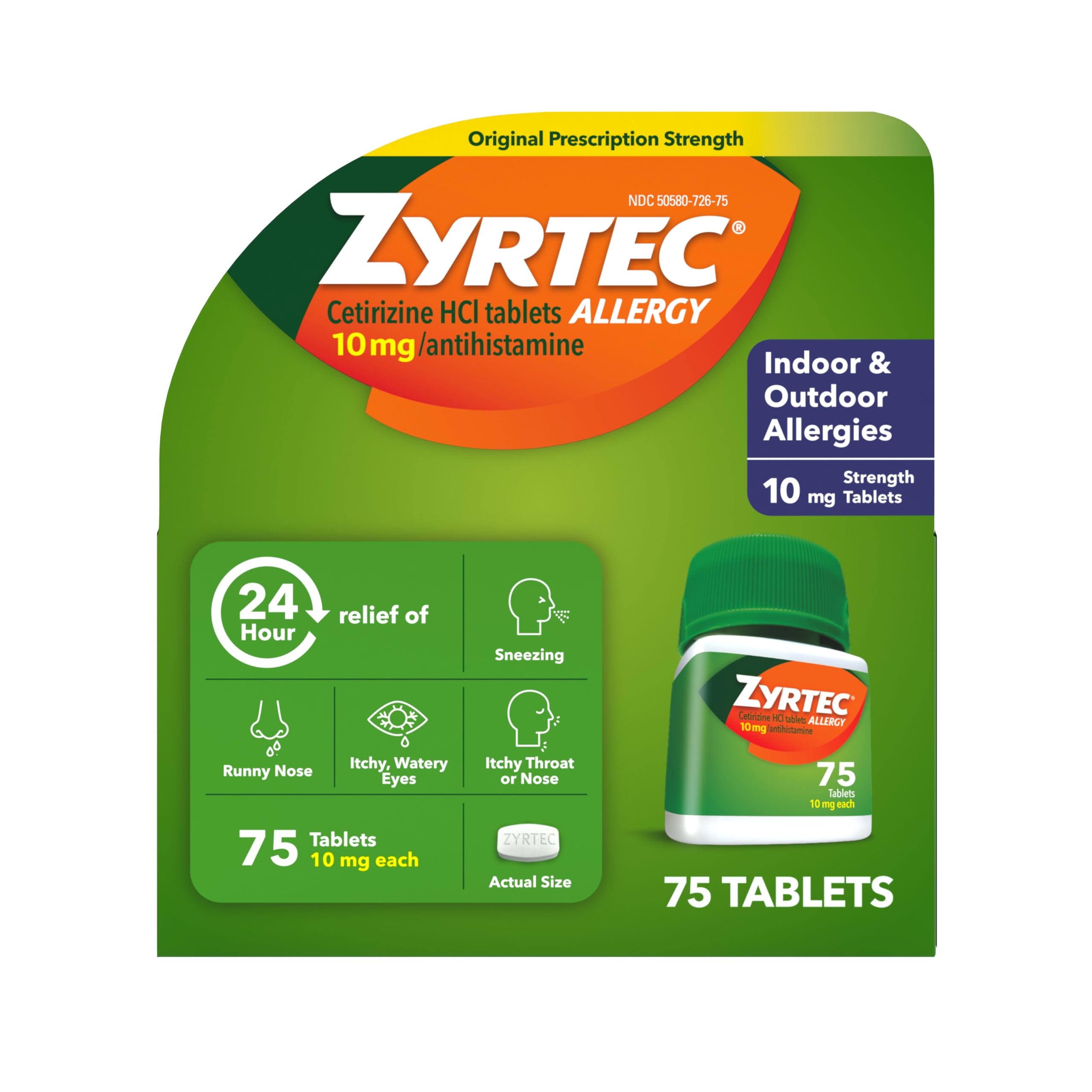
Zyrtec contains cetirizine, a second-generation antihistamine with a slightly higher but still very safe milk transfer rate compared to loratadine. The RID for cetirizine is approximately 1.7% of the maternal dose, well within the accepted safety threshold of under 10% for medications during lactation. This makes it a strong candidate for mothers who find loratadine insufficient for their symptom severity.
Cetirizine tends to work faster than loratadine, with some users noting relief within 30 to 60 minutes. It also provides robust suppression of histamine-induced sneezing, nasal congestion, and ocular itching. The 75-tablet bottle offers a solid two-and-a-half-month supply for a single daily dose, and the medication is gluten-free, addressing another common concern for nursing mothers with dietary sensitivities.
Customer reviews reveal that many mothers alternate between Zyrtec and Claritin depending on the severity of their allergy flare-ups. Zyrtec is often cited as more effective for outdoor pollen seasons, though a small subset of users report mild drowsiness, which is a potential factor to monitor if you need to maintain full alertness for infant care throughout the day.
Why it’s great
- Faster onset of action compared to loratadine
- Stronger symptom suppression for moderate-to-severe allergies
- Extensive safety data supporting use during lactation
Good to know
- Small risk of drowsiness in some users – test first dose at home
- Slightly higher milk transfer rate than loratadine
3. Amazon Basic Care All Day Allergy, Cetirizine Hydrochloride Tablets, 10 mg, 365 Count

This is the generic cetirizine equivalent to Zyrtec, offering the same active ingredient and identical symptom relief profiles at a significantly lower cost per dose. For nursing mothers who require daily antihistamine use and have confirmed cetirizine works well for them, this 365-count bottle represents a full year of supply from a single purchase, eliminating the need for monthly pharmacy runs during the postpartum period.
The medication is gluten-free and confirmed to be free from common allergens like lactose. Customer reviews repeatedly confirm that this generic version performs identically to the brand-name product, with no difference in onset time or duration of effect. The tablets are a manageable size, easy to split if your doctor recommends adjusting the dose, though the standard 10mg daily tablet is the established safe dose during lactation.
Many mothers appreciate the bulk supply for keeping in the diaper bag, car, and home without worrying about running out. The product is manufactured in India or the U.S., and Amazon’s supply chain ensures consistent stock availability. Just be aware that cetirizine, like its brand counterpart, may cause mild drowsiness in some individuals, so observe your reaction during the first few days of use.
Why it’s great
- Year-long supply in one bottle – unmatched convenience for daily use
- Same active ingredient as Zyrtec at a fraction of the cost
- Gluten-free and suitable for most dietary restrictions
Good to know
- May cause mild drowsiness – monitor infant for unusual sleepiness
- Very large bottle may not fit in standard medicine cabinets
4. Allegra Adult 24-Hour Allergy Relief Tablets, 180 mg Fexofenadine, 90 Count
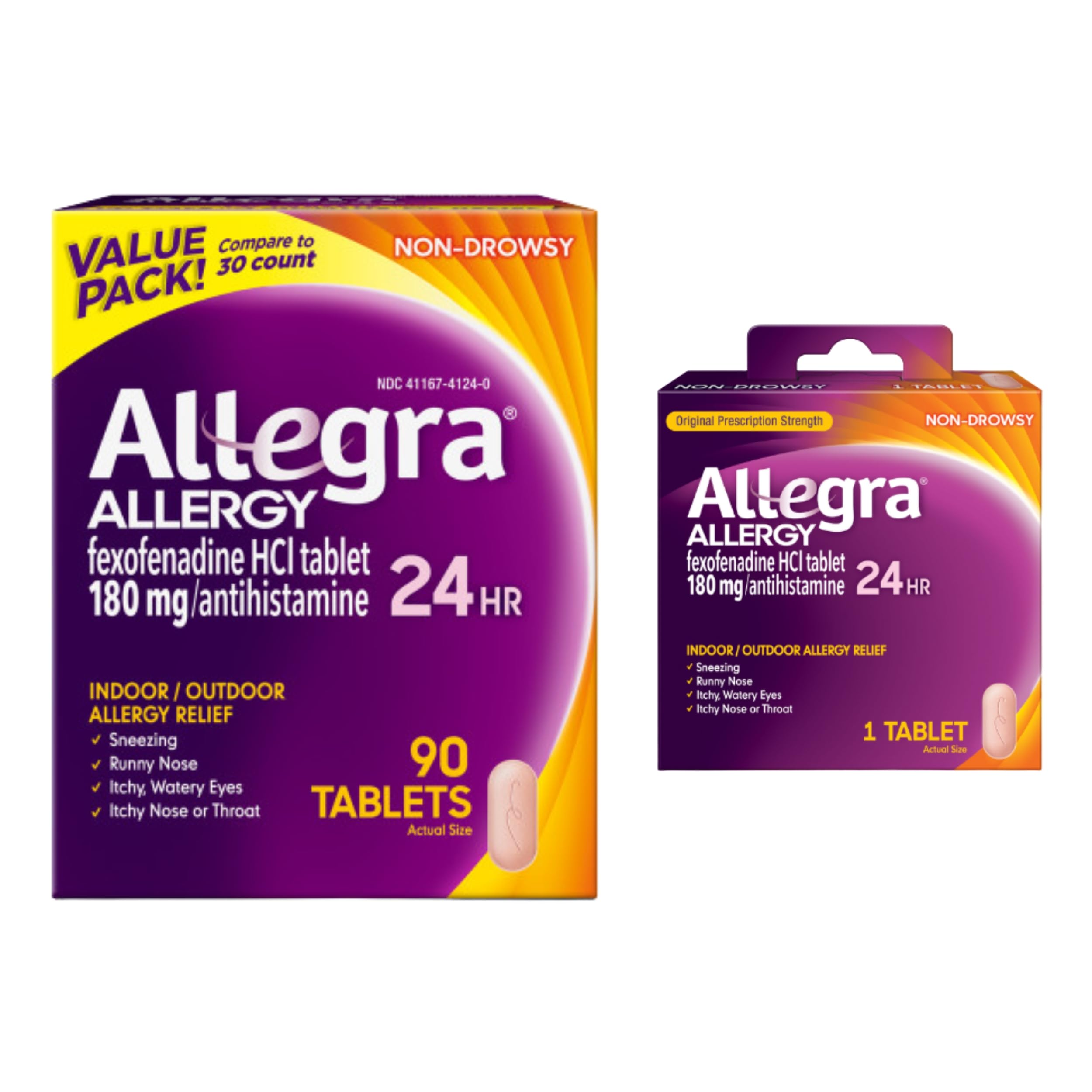
Allegra uses fexofenadine, a second-generation antihistamine that is virtually non-sedating because it is a substrate of P-glycoprotein, which restricts its entry into the central nervous system. For breastfeeding mothers who need to remain fully alert — particularly those returning to work or caring for multiple children — this lack of sedation is a major advantage. The milk transfer data, while not as extensive as loratadine, suggests a low RID that is considered safe for short-term use.
The 180mg dose provides 24-hour coverage from a single tablet, with a fast onset of action within one hour. Allegra is specifically recommended by allergists for non-drowsy daytime relief, making it a good choice for mothers who experience allergy symptoms predominantly during the day. The package includes a bonus travel pack, which is convenient for pediatrician visits or outings where symptoms might spike unexpectedly.
Customer reviews consistently praise Allegra for its ability to control symptoms without any cognitive impairment. Some nursing mothers note that they combine Allegra with a nasal saline rinse for complete symptom management. However, fexofenadine’s absorption is reduced when taken with fruit juices (grapefruit, orange, apple), so it must be taken with plain water for full effectiveness.
Why it’s great
- Near-zero sedation – ideal for mothers needing full cognitive alertness
- Fast-acting 1-hour onset with 24-hour duration
- Allergist-recommended non-drowsy brand
Good to know
- Milk transfer data less robust than loratadine – use as second option
- Cannot be taken with fruit juices – must take with water only
5. ValuMeds Fexofenadine HCl 180mg, Compare to Allegra, 100 Count
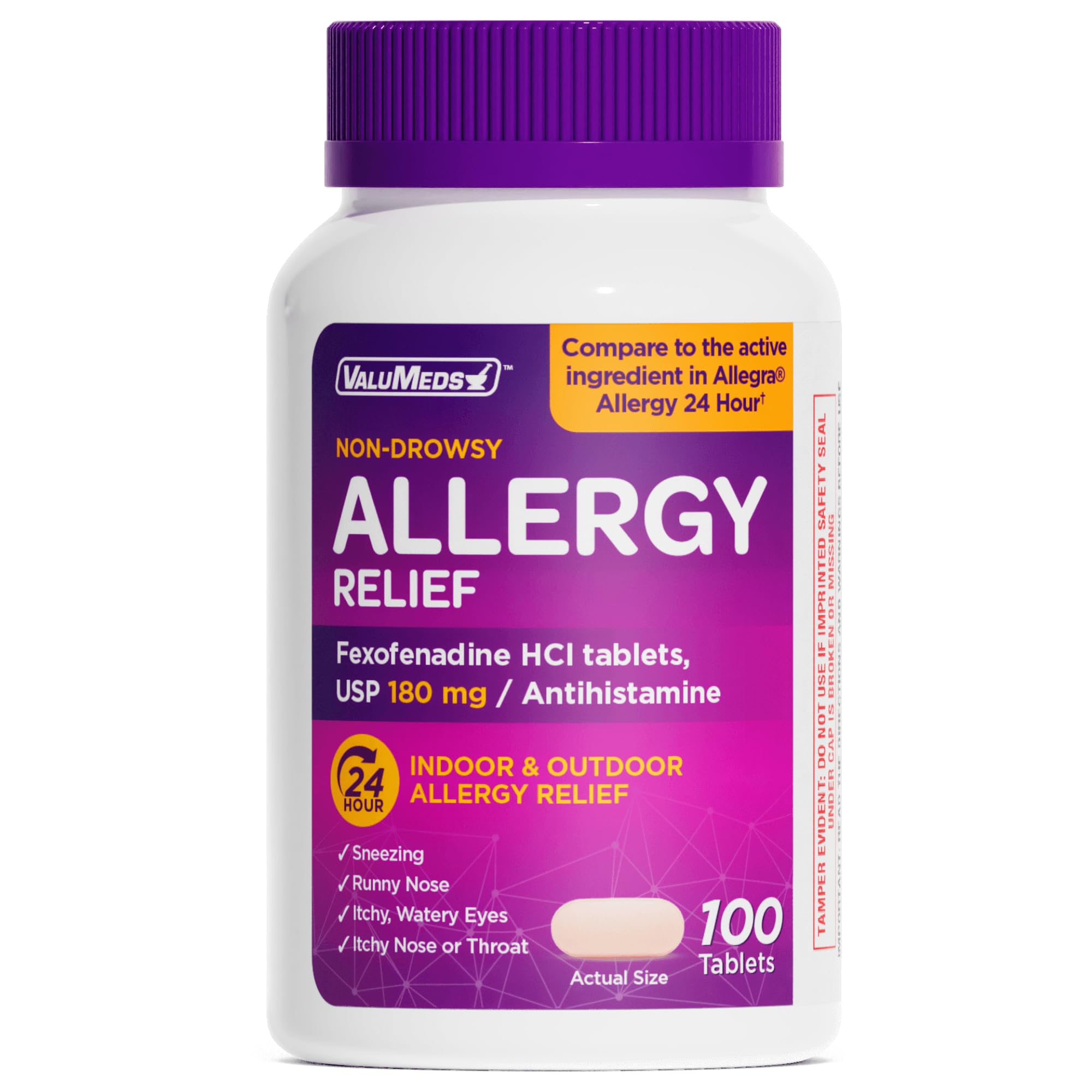
ValuMeds offers a generic fexofenadine alternative that matches Allegra’s 180mg dosage and 24-hour non-drowsy profile. For breastfeeding mothers who have already determined fexofenadine is safe and effective for them, this generic version provides the same active ingredient at a notably lower cost per tablet. The 100-count bottle supplies over three months of daily use, making it a mid-range value option with premium efficacy.
The manufacturer emphasizes non-drowsy formulation, and the absence of sedating side effects is a critical benefit for mothers handling the unpredictable demands of a newborn’s sleep cycle. The tablets are easy to swallow and do not require any special storage conditions. As with all fexofenadine products, patients must take the tablet with water only to ensure proper absorption, which is a simple but important habit to establish.
User reviews consistently highlight this product as being indistinguishable from brand-name Allegra in terms of symptom relief. Mothers appreciate the cost savings, especially when they need to budget for a multi-month supply to cover an entire allergy season. Keep in mind that generic manufacturers may change packaging, but the active ingredient specification is regulated by the FDA to ensure bioequivalence.
Why it’s great
- Same active ingredient as Allegra at a budget-friendly price point
- Non-drowsy with 24-hour duration – excellent for alertness
- Large count suitable for season-long use
Good to know
- Must be taken with water, not fruit juice, for full efficacy
- Manufacturer may change – verify current supplier at purchase
6. Benadryl Allergy Ultratablets, 25 mg Diphenhydramine HCl, 100 Count
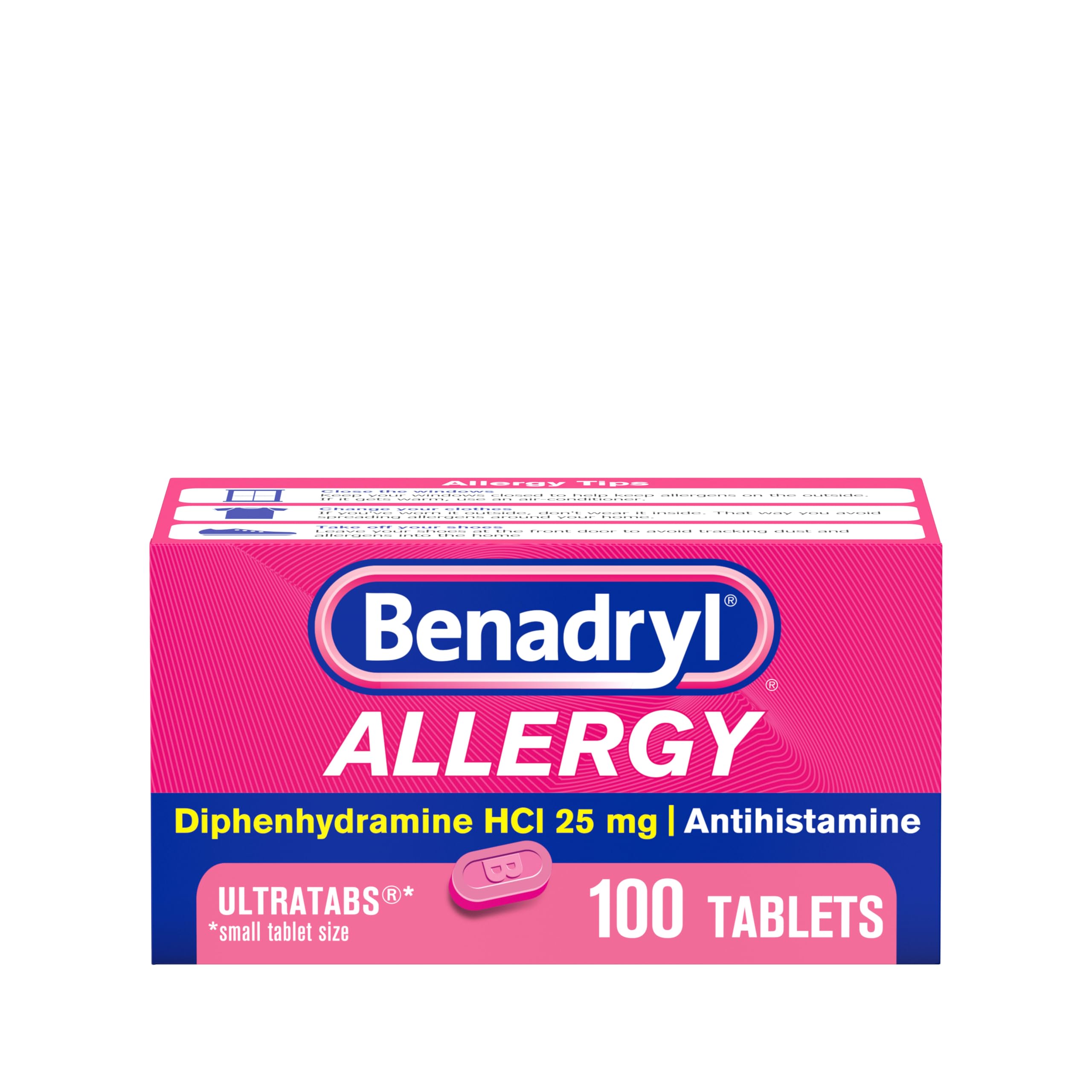
Benadryl contains diphenhydramine, a first-generation antihistamine that crosses the blood-brain barrier and produces significant sedation. For breastfeeding mothers, this is generally not recommended for regular daily use because of the potential for drowsiness in both the mother and the nursing infant. The American Academy of Pediatrics lists diphenhydramine as a medication that may cause irritability or drowsiness in breastfed babies, particularly at higher doses.
However, Benadryl has a role as an emergency rescue medication for acute allergic reactions, including hives, sudden onset of itching, or anaphylactic-type symptoms where rapid relief is critical. The fast-acting nature of diphenhydramine (onset within 15-30 minutes) makes it irreplaceable for severe, immediate allergic responses. The 25mg dose is the standard adult strength, and the bottle provides a large supply for occasional, targeted use rather than daily management.
If you use Benadryl while nursing, take the lowest effective dose and observe your baby for signs of sedation, restlessness, or feeding difficulties. Some mothers use it only at bedtime to minimize daytime drowsiness. Chronic or daily use is strongly discouraged due to the anticholinergic side effects and the availability of safer, non-drowsy alternatives like loratadine for routine symptom control.
Why it’s great
- Fast-acting for acute allergic emergencies or hives
- Highly effective for severe, sudden allergy symptoms
- Widely available and well-known safety profile in acute use
Good to know
- Strong sedation – risk of drowsiness transferred to infant
- Not suitable for daily or routine use during lactation
- May reduce milk supply with prolonged use
7. Hyland’s Seasonal Allergy Relief, Quick Dissolving Tablets, 60 Count (Pack of 4)

Hyland’s Allergy Relief tablets are a homeopathic preparation, meaning they contain highly diluted plant-based ingredients rather than standard pharmaceutical antihistamines. For breastfeeding mothers who prefer to avoid conventional medications or who have not found adequate relief from first-line options, this product offers a different approach with no known drug interactions and no common side effects like drowsiness. The quick-dissolving format melts under the tongue without requiring water, which is convenient for mothers on the go.
The manufacturer states that the formula targets symptoms like watery eyes, sneezing, and runny nose. Customer reviews indicate that it works best for mild seasonal allergies and is less effective for moderate-to-severe symptoms. Many users appreciate that it can be taken alongside other medications, though nursing mothers should still consult their healthcare provider before adding any supplement, including homeopathic remedies, to their regimen.
It is worth noting that the scientific consensus on homeopathy’s efficacy remains debated, and the product has not been evaluated by the FDA for safety or effectiveness in the same way as conventional drugs. Some mothers find that it provides subtle relief without the concern of chemical transfer, while others find it insufficient for their needs. The 4-pack provides 120 doses, which is a generous supply for trial use.
Why it’s great
- No known side effects or drug interactions – gentle option
- Quick-dissolve format, no water needed, portable
- Non-drowsy with no impact on milk supply
Good to know
- Homeopathic – limited clinical evidence for efficacy
- Best for mild symptoms, not moderate-to-severe allergies
- Not FDA-evaluated for safety like conventional drugs
FAQ
Is Zyrtec safe to take daily while breastfeeding?
Does Claritin or Allegra have less transfer into breast milk?
Can Benadryl reduce my milk supply?
How long after taking allergy medicine should I wait to breastfeed?
Are homeopathic allergy pills safe for breastfeeding?
Final Thoughts: The Verdict
For most breastfeeding mothers, the allergy medicine for breastfeeding winner is the Claritin Allergy 100 Tablets because loratadine has the lowest relative infant dose and the most extensive lactation safety data. If you need faster symptom relief or find loratadine insufficient, the Zyrtec 75 Count is a strong runner-up with a well-documented safety profile. And for an ultra-budget-friendly daily option with the same active ingredient, the Amazon Basic Care All Day Allergy 365 Count provides a full year of supply at a minimal cost.