
Our readers keep the lights on and the weekend projects moving. As an Amazon Associate, I earn from qualifying purchases.
The frustration is universal: you load your portable band saw with a new 44-7/8-inch blade, squeeze the trigger, and the blade wanders, heats up, or dulls halfway through your third cut. A bad blade doesn’t just waste time—it compromises the quality of your work and can turn a simple job into a battle with the material. Finding a blade that holds an edge, tracks straight, and matches your material thickness is the difference between a project that flows and one that fights you at every turn.
I’m Rikta — the co-founder and writer behind FitlyFast. I’ve spent years analyzing metal-cutting consumables, studying the metallurgy of bi-metal blades, and combing through thousands of field reports from fabricators, mechanics, and makers who rely on these specific 44-7/8-inch blades daily.
This guide breaks down the seven most reliable options on the market right now, from budget-friendly multi-packs to premium offerings with superior cobalt content, so you can match the right blade to your saw and material. Whether you’re cutting thin-wall tubing or solid stainless bar stock, the 44 7/8 bandsaw blade you choose directly determines cut speed, edge life, and surface finish.
How To Choose The Best 44 7/8 Bandsaw Blade
Selecting the right blade for your portable band saw isn’t complicated once you understand three core variables: tooth pitch (TPI), blade material and construction, and the quality of the weld joint. Each factor directly impacts how the blade performs on your specific material.
Match TPI to Material Thickness
Tooth pitch, measured in teeth per inch (TPI), determines how the blade engages with the workpiece. A general rule is to keep at least three teeth in contact with the material at all times. For thin-wall tubing and sheet metal under 3/16-inch, a 24 TPI blade provides smooth, burr-free cuts. For material between 3/16-inch and 5/16-inch, a 10/14 TPI variable tooth blade works best. For thicker stock above 5/16-inch, drop to a 10 or 14 TPI blade to allow better chip clearance and faster cutting.
Look for Bi-Metal M42 Construction
Standard carbon steel blades dull quickly on metal. Bi-metal blades use a high-speed steel tooth edge (often M42 with 8% cobalt) welded to a flexible alloy steel backing. This combination gives you hard, heat-resistant teeth that stay sharp longer while the backing resists cracking and fatigue from the saw’s tight radius. Blades made from genuine M42 high-speed steel cut faster and last significantly longer than cheaper alternatives, especially on stainless steel and high-carbon materials.
Check the Weld Quality
The weld joint where the blade ends meet is a common failure point. A poorly ground or misaligned weld creates a “bump” that causes vibration, wandering cuts, and premature wear. Premium blades feature a smooth, nearly invisible weld that runs through the guides without any noticeable deviation. When reading reviews, pay attention to comments about blade tracking and vibration—these often trace back to weld quality.
Quick Comparison
On smaller screens, swipe sideways to see the full table.
| Model | Category | Best For | Key Spec | Amazon |
|---|---|---|---|---|
| FOXBC 10/14 TPI (3-Pack) | Mid-Range | General metal cutting (3/16–5/16 in.) | Bi-metal M42, 10/14 TPI | Amazon |
| Milwaukee 24 TPI (48-39-0531) | Premium | Thin materials (up to 3/16 in.) | Matrix II HSS with 8% cobalt | Amazon |
| POWERTEC 14 TPI (3-Pack) | Mid-Range | Aluminum, copper, wood | M43 bi-metal, 14 TPI | Amazon |
| Milwaukee 10 TPI (48-39-0601) | Premium | Thick stainless and alloy steel | HSS, 10 TPI | Amazon |
| Milwaukee Deep Cut 10/14 TPI (48-39-0551) | Premium | Deep cut saws, heavy channel | Bi-metal, 10/14 TPI | Amazon |
| LENOX 14 TPI (5-Pack) | Premium | High-volume metal cutting | Bi-metal with Tuff Tooth, 14 TPI | Amazon |
| FOXBC 24 TPI (3-Pack) | Mid-Range | Thin-wall tubing and sheet metal | Bi-metal M42, 24 TPI | Amazon |
In‑Depth Reviews
1. FOXBC 44-7/8 10/14 TPI (3-Pack)
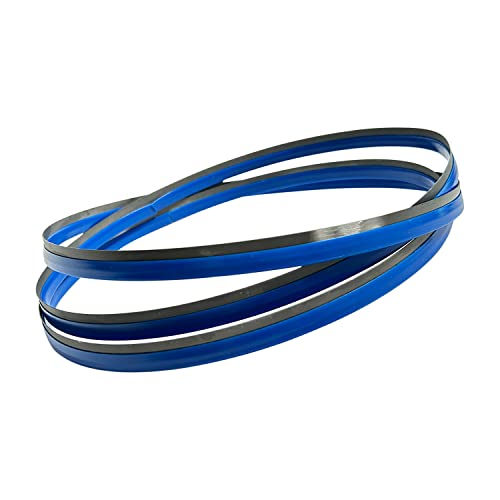
FOXBC’s 10/14 variable-tooth blade hits the sweet spot for general-purpose metal cutting on portable band saws. The M42 high-speed steel construction with 8% cobalt delivers the heat resistance needed to chew through medium-thickness steel without prematurely softening the tooth edge. Users report cutting through 3/8-inch plate steel in roughly 30 seconds on a Milwaukee deep cut brushless saw, which is impressive for a blade in this price tier.
The 10/14 variable pitch design reduces vibration and noise compared to fixed-tooth blades, and it handles material from 3/16-inch up to 5/16-inch comfortably. The three-pack provides excellent value for anyone who burns through blades regularly—many reviewers note getting around 100 cuts on 1.75-inch tubing before needing a swap. The blade runs cool with minimal pressure required, which extends both blade and saw life.
Compatibility is broad: it fits Milwaukee M18 Fuel, DeWalt DCS374B, Makita XBP02Z, and most other saws requiring a 44-7/8-inch blade. The weld joint is consistently reported as smooth with no noticeable bump during operation. For the fabricator or mechanic who needs one reliable blade for daily mixed-material work, this pack is the clear starting point.
Why it’s great
- M42 bi-metal construction cuts fast and resists heat
- 10/14 variable TPI minimizes chatter across material thicknesses
- Excellent value per blade in a 3-pack
Good to know
- Not ideal for very thin sheet metal (under 3/16 in.)
- Some users report shorter life on abrasive stainless grades
2. Milwaukee 48-39-0531 24 TPI (3-Pack)

Milwaukee’s 24 TPI blade uses Matrix II high-speed steel teeth with 8% cobalt, a material composition that keeps the fine tooth geometry sharp on thin materials where other blades quickly dull. This blade is optimized for cutting stock up to 5/32-inch thick, including thin-wall tubing, sheet metal, and aluminum. Users report clean, burr-free cuts on mild steel angle with 1/8-inch wall thickness when using proper technique—keeping at least three teeth in the cut at all times.
The 24 TPI pitch creates a smooth cutting action with minimal material removal per tooth, which reduces the risk of snagging on thin edges. The blade runs cool and tracks straight when the saw is fed at a steady pace. Some users note that the weld joint can have a slight bump, though this seems inconsistent across packs. Milwaukee’s warranty and brand reputation add peace of mind for professional users who cannot afford downtime from a blade failure.
This blade is the right choice when your work involves EMT conduit, thin-wall rectangular tubing, or sheet metal gauge material. It is not intended for heavy structural steel—attempting to cut thick stock with a 24 TPI blade will load the gullets and generate excessive heat, leading to premature tooth stripping. Keep this pack reserved for your thin-stock jobs and you will get consistent, long-lasting performance.
Why it’s great
- Matrix II HSS with 8% cobalt holds edge on thin materials
- Produces clean, burr-free cuts on tubing and sheet metal
- Backed by Milwaukee’s professional-grade warranty
Good to know
- Not suitable for material over 3/16-inch thick
- Weld joint quality can vary between individual blades
3. POWERTEC 44-7/8 14 TPI (3-Pack)
POWERTEC’s offering uses M43 bi-metal construction, a slight variant on the M42 formula that provides excellent tooth hardness for cutting non-ferrous metals like aluminum, copper, and brass, as well as wood and plastic. The 14 TPI configuration places this blade in the middle of the tooth pitch spectrum, making it a strong generalist for material up to 1/8-inch thick. Users find it installs easily on older saws like Craftsman models where OEM blades are hard to source locally.
The triple-tempered M42 cobalt steel tooth edge resists heat buildup during extended cuts, and the precision-set teeth produce noticeably clean edges with minimal burr formation. The three-pack brings the per-blade cost down significantly compared to buying individually. Reviewers consistently note that the blade fits correctly on DeWalt, Milwaukee, Makita, and Bosch saws without any modification needed.
One limitation is that the 14 TPI pitch is not ideal for extremely thin sheet metal—users who buy this blade expecting fine woodworking cuts on thin stock may find the tooth count too low for a smooth finish. Stick to metal stock between 1/16-inch and 1/8-inch for best results, and this blade will serve well as a daily driver for mixed-material fabrication shops.
Why it’s great
- M43 bi-metal teeth cut aluminum and copper cleanly
- Good fit for older and less common band saw models
- Competitive price per blade in the 3-pack format
Good to know
- 14 TPI may leave a rougher finish on very thin sheet metal
- Some users report the weld joint can cause minor vibration
4. Milwaukee 48-39-0601 10 TPI (3-Pack)
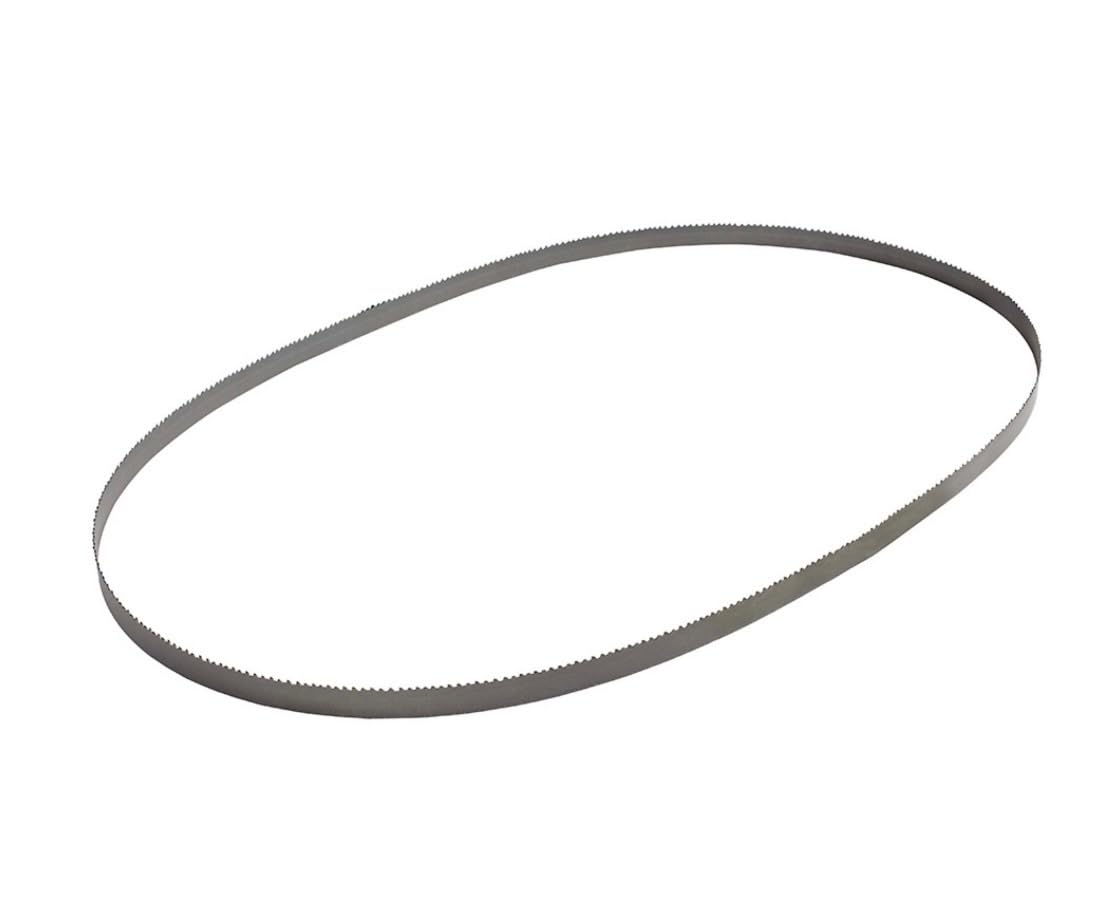
When the material gets thick and the alloys get tough, the Milwaukee 48-39-0601 10 TPI blade steps up. This is the blade knife makers and heavy fabricators reach for when cutting stainless steel bar stock, inconel, or thick alloy plate. One experienced maker reports profiling 30 to 40 knife blanks from stainless steel on a single blade—a demanding task that chews through lesser blades in a fraction of that time.
The 10 TPI configuration provides deep gullets that clear chips effectively on thick cuts, preventing the blade from binding or overheating. Users cutting 1/2-inch channels report over 26 linear feet of cutting with no noticeable wear. Even on exotics like Inconel 690, the blade manages to cut through 2-inch round stock before the teeth finally give out—a testament to the quality of the high-speed steel tooth material.
The trade-off is a coarser finish on thinner materials. At 10 TPI, this blade will leave a rougher edge on sheet metal or thin-wall tubing, and it requires a steady feed rate to avoid stripping teeth on impact. But for anyone regularly cutting solid round stock, heavy structural steel, or hardened alloys, this is the most durable 44-7/8-inch option Milwaukee offers.
Why it’s great
- Exceptional edge life on stainless and alloy steels
- Deep gullets clear chips efficiently on thick cuts
- Proven durability in knife-making and heavy fabrication
Good to know
- Coarse finish on thin materials
- Requires controlled feed to prevent tooth damage on impact
5. Milwaukee Deep Cut 48-39-0551 10/14 TPI (3-Pack)

Milwaukee’s 10/14 variable TPI deep cut blade is engineered specifically for the larger throat depth of Milwaukee’s deep cut band saws, though it fits standard 44-7/8-inch saws as well. The variable tooth pitch helps the blade handle the transition from thin to thick sections within the same cut, which is common when slicing through structural C-channel and I-beam profiles. Users report getting close to 100 cuts per blade on 4-, 5-, and 6-inch C-channel at low speed settings.
The bi-metal construction provides good durability for a variable-pitch blade, and the 10/14 configuration offers versatility across material thicknesses from 1/8-inch up to 1/2-inch. The blade arrives sharp out of the package and maintains its edge through extended use. Some users have noted a slight misalignment at the weld joint on certain blades, which can cause a wandering cut—this seems to be a batch quality control issue rather than a design flaw.
If you run a deep cut saw for structural steel work or heavy channel, this is the blade that matches your tool’s capacity. For standard portable band saws, the FOXBC 10/14 TPI pack offers similar performance at a lower cost per blade, but the Milwaukee branding and consistency make this the safe bet for job site reliability.
Why it’s great
- Variable 10/14 TPI handles mixed material thicknesses
- Optimized for deep cut saws but fits standard saws too
- Consistent edge life across multiple cuts on heavy channel
Good to know
- Weld quality inconsistency reported in some packs
- Not a significant upgrade over mid-range alternatives for standard saws
6. LENOX 14 TPI (5-Pack)

LENOX brings its Tuff Tooth reinforcement technology to the 44-7/8-inch format, reinforcing the tooth back to resist stripping and breakage during aggressive cuts. The 5-pack format offers the highest blade count in this comparison, making it the strongest value for shops that go through blades quickly. The 14 TPI pitch is well-suited for general metal cutting on material up to 1/8-inch thick, including angle iron, rebar, and mild steel plate.
The bi-metal construction provides resistance to shattering and cracking, which is critical when the blade encounters unexpected stress—like hitting a weld seam or a hard inclusion in the material. Users report clean, straight cuts on materials ranging from 4-inch pressure-treated wood posts to various steel profiles. The blades arrive sharp and maintain their cutting performance through multiple job cycles.
One consideration is that the 14 TPI pitch limits this blade’s effectiveness on very thin sheet metal (under 1/16-inch), where a 24 TPI blade would produce a smoother finish. Additionally, the Tuff Tooth design, while durable, can feel slightly more aggressive on thin materials compared to standard tooth geometry. For high-volume cutting of mixed metal stock, this 5-pack delivers the best per-blade cost in the lineup.
Why it’s great
- Tuff Tooth reinforcement extends blade life on tough cuts
- 5-pack provides the highest value per blade
- Bi-metal construction resists shattering and cracking
Good to know
- 14 TPI not ideal for sheet metal under 1/16-inch
- More aggressive tooth geometry can feel grabby on thin stock
7. FOXBC 44-7/8 24 TPI (3-Pack)

FOXBC’s 24 TPI blade fills the same niche as Milwaukee’s 24 TPI option but at a lower entry point, making it an attractive choice for hobbyists or those who need a fine-tooth blade for occasional thin-metal work. The M42 bi-metal construction provides the same heat-resistant tooth material found in higher-priced blades, and the three-pack ensures you have spares when the first blade dulls. Users cutting angle iron and repair pieces for trailers report clean, accurate cuts with minimal effort.
The 24 TPI configuration is designed for material up to 5/32-inch thick, with optimal performance on sheet metal, thin-wall tubing, and EMT conduit. The blade runs smoothly on portable band saws from Bauer, DeWalt, and Milwaukee, and the 1/2-inch width provides good beam strength for straight tracking. Many users find these blades hold up well for a number of cuts before needing replacement, especially on mild steel.
Some reviewers note that the teeth wear faster than premium brands, particularly on harder materials or when cutting at high feed rates. The weld joint quality is generally good for the price point, but occasional packs may have a slightly noticeable bump. For the budget-conscious user who cuts thin metal infrequently or needs a disposable blade for rough work, this pack delivers solid performance without the premium price tag.
Why it’s great
- M42 bi-metal construction at an accessible price point
- Clean, accurate cuts on thin-wall tubing and sheet metal
- Good blade life for the cost on mild steel
Good to know
- Tooth edge wears faster on harder materials
- Weld joint quality can vary between individual packs
FAQ
Can I use a 44 7/8 blade designed for metal on wood?
How do I know if my band saw requires a 44 7/8 inch blade?
What causes a 44 7/8 bandsaw blade to drift or cut crooked?
Final Thoughts: The Verdict
For most users, the 44 7/8 bandsaw blade winner is the FOXBC 10/14 TPI 3-Pack because its M42 bi-metal construction and variable tooth pitch deliver excellent cutting speed and blade life across the widest range of material thicknesses for a reasonable investment. If you need a fine-tooth blade for thin-wall tubing and sheet metal, grab the Milwaukee 48-39-0531 24 TPI. And for heavy fabrication work on thick stainless and alloy steel, nothing beats the Milwaukee 48-39-0601 10 TPI for raw durability.