
Our readers keep the lights on and the weekend projects moving. As an Amazon Associate, I earn from qualifying purchases.
For anyone serious about recovery, the gap between guessing your rest and actually measuring it comes down to one thing — the sensor array on your wrist or finger. Most wearables can guess when you’re lying down, but only a few accurately detect light, deep, and REM sleep stages using photoplethysmography and heart rate variability data. The market now splits between traditional wrist-based trackers, which lean on larger batteries and more stable optical sensors, and the newer ring form factor, which puts the sensor against the finger’s dense blood vessel network for a cleaner signal during sleep.
I’m Rikta — the co-founder and writer behind FitlyFast. Over the past several years, I’ve cross-referenced hundreds of customer sleep logs, clinical validation studies, and sensor accuracy benchmarks to separate the trackers that actually work from those that just light up at night.
Whether you struggle with waking up groggy, suspect your deep sleep is too short, or simply want hard data to optimize your nightly recovery, the right device changes your mornings. This guide breaks down the best activity tracker for sleep tracking currently available, based on sensor hardware, battery life for uninterrupted overnight use, and the quality of the accompanying app’s sleep analysis engine.
How To Choose The Best Activity Tracker For Sleep Tracking
Choosing a sleep tracker isn’t about picking the most expensive model. It’s about matching the sensor placement, battery endurance, and data granularity to your personal sleep patterns. A tracker that dies by midnight or fails to distinguish deep from REM sleep is just a wristweight.
Sensor Technology and Placement
All optical heart rate sensors use PPG — shining light through the skin to measure blood volume changes. But placement matters. Finger-based rings sit on the palmar arch, a vascular-rich zone with less motion artifact than the wrist, where tendons and bone proximity can degrade the signal. Wrist trackers compensate with higher sampling rates and larger sensor arrays, but you have to wear them tight enough to block ambient light — a balance that affects comfort during the night.
Sleep Stage Detection vs. Sleep Time Estimation
Basic trackers estimate total sleep time based on movement (actigraphy). Advanced models incorporate HRV and SpO2 to map light, deep, and REM cycles. If your goal is to shift your waking time to the end of a light sleep cycle, you need a device that outputs a detailed hypnogram in the morning app — not just a “7.5 hours” score.
Battery Life and Charging Cadence
Sleep tracking demands the device stay on overnight, every night. A tracker that needs daily charging encourages skipped nights. Look for at least 5–7 days between charges for wrist units; ring trackers with charging cases can stretch to 10+ days of sleep coverage without ever plugging the ring in directly.
App Ecosystem and Data Export
The best sensor data is useless if the app buries it behind subscription walls or refuses to integrate with Apple Health or Google Fit. Prioritize trackers that offer trend views (7-day or 30-day averages), HRV baselines, and raw data export if you use third-party analysis tools like Sleep Cycle or AutoSleep.
Quick Comparison
On smaller screens, swipe sideways to see the full table.
| Model | Category | Best For | Key Spec | Amazon |
|---|---|---|---|---|
| Garmin vívoactive 5 | AMOLED Smartwatch | Daily sleep coaching & HRV status | 11-day battery, AMOLED display | Amazon |
| Samsung Galaxy Watch 8 | AI Smartwatch | Deep sleep analytics & Galaxy AI | 1.34″ Super AMOLED, 32GB | Amazon |
| Fitbit Charge 6 | Fitness Tracker | Google integration & auto sleep tracking | Built-in GPS, 7-day battery | Amazon |
| Fitbit Inspire 3 | Slim Tracker | Budget-friendly sleep scoring | 10-day battery, color touchscreen | Amazon |
| Google Fitbit Air | Screenless Band | Distraction-free overnight wear | 7-day battery, 50m waterproof | Amazon |
| prxxhri Smart Ring (B0GTV5MTYT) | Finger Ring | Compact sleep tracking, no subscription | 80m waterproof, 2-3 day battery | Amazon |
| prxxhri Smart Ring (B0GMPFCCRX) | Finger Ring | Budget entry point for sleep and stress | 80m waterproof, 3-5 day battery | Amazon |
In‑Depth Reviews
1. Garmin vívoactive 5

The vívoactive 5 delivers the most comprehensive sleep coaching in this lineup, integrating HRV status, a nightly sleep score, and automatic nap detection into a cohesive morning report. Its Body Battery energy monitoring uses sleep quality data to tell you whether you’re charged up or need rest — not just how many hours you spent in bed. The AMOLED display is bright enough for daytime workouts, and the 11-day battery means you can go two full weeks without worrying about overnight charging interruptions.
What separates this from cheaper trackers is Garmin’s approach to personalized sleep coaching: the watch provides tips based on your specific sleep score, including suggested bedtime adjustments and relaxation techniques. The fiber-reinforced polymer case keeps the weight low, so even side sleepers won’t feel a bulky lump on the wrist.
Some users report the nap detection triggers falsely when reclining still for long periods, and the always-on display mode drops battery to roughly 5 days. Still, for anyone who wants science-backed sleep guidance without a subscription fee, this is the benchmark.
Why it’s great
- Detailed sleep score with HRV and Body Battery integration
- 11-day battery with fast charging
- No subscription required for advanced features
Good to know
- Nap detection can false-trigger during stillness
- Always-on display reduces battery to ~5 days
2. Samsung Galaxy Watch 8
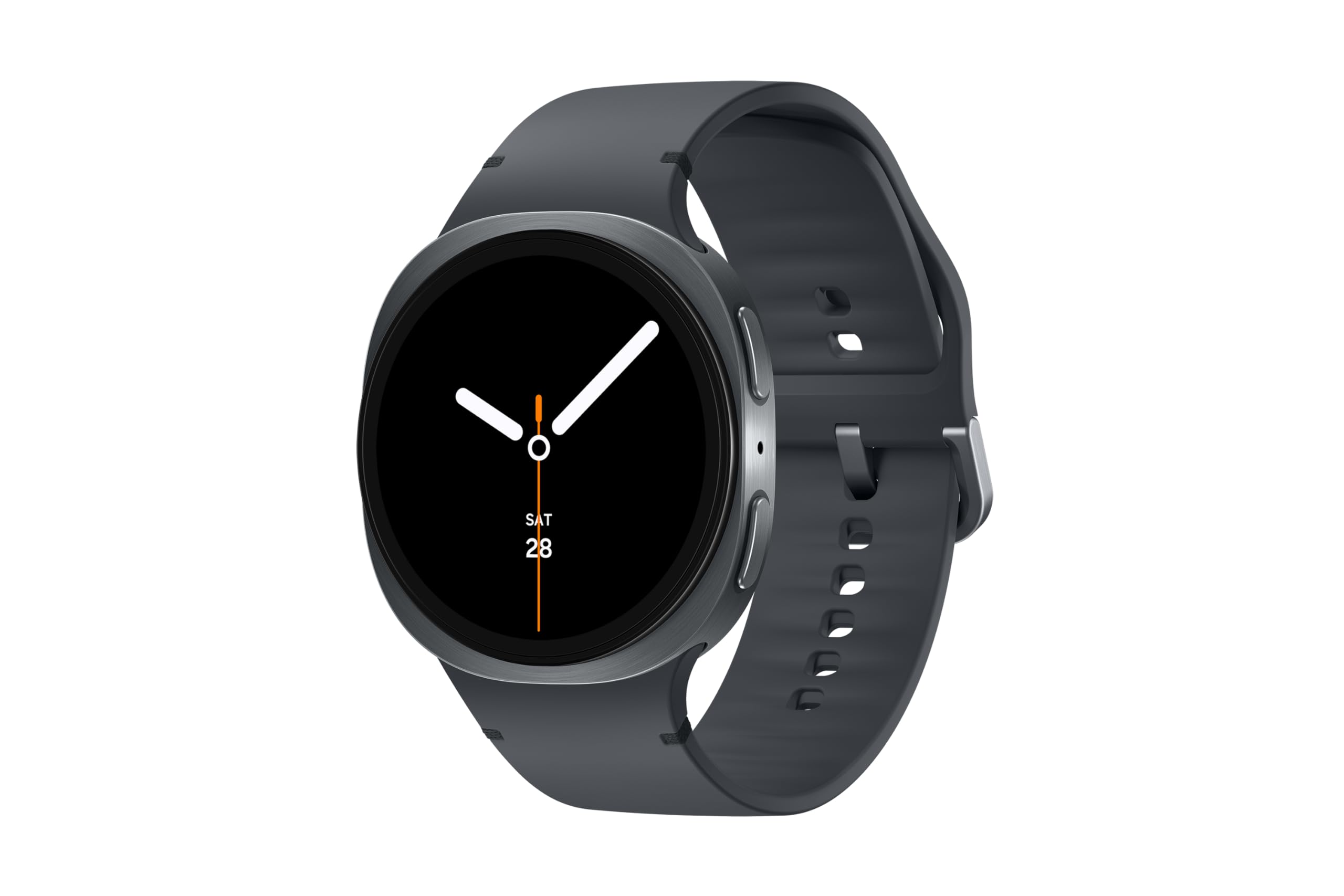
The Galaxy Watch 8 leverages its Exynos W1000 penta-core processor and 2GB of RAM to run Wear OS 6 with One UI Watch 8, enabling Galaxy AI to produce an Energy Score that factors in your sleep quality, daytime activity, and heart rate trends. The 1.34-inch Super AMOLED display hits 3000 nits peak brightness, making it readable even in direct sunlight, but the real value for sleep trackers is the advanced sensor suite — ECG, blood pressure monitoring, skin temperature, SpO2, and a dedicated sleep tracker with advanced sleep coaching.
Because this is a full smartwatch with a 325mAh battery, you’ll need to charge it daily or every other day depending on display-on time, which is a genuine friction point for nightly sleep tracking. The MIL-STD-810H and IP68 ratings mean you can wear it through any environment, but the lack of Apple iOS compatibility locks out iPhone users. The international model also carries no US warranty, so verify the seller’s return policy.
If you prioritize deep sleep insights and want a device that seamlessly integrates with Android health ecosystems, the Galaxy Watch 8 delivers granular hypnogram data and antioxidant index tracking that few competitors offer.
Why it’s great
- Advanced sleep coaching with Galaxy AI summaries
- ECG, SpO2, skin temperature sensors
- Bright AMOLED with sapphire crystal
Good to know
- Needs near-daily charging for sleep tracking
- iOS not supported; international model has no warranty
3. Fitbit Charge 6

The Charge 6 is Fitbit’s most refined wrist tracker for sleep, offering automatic sleep stage detection combined with a Daily Readiness Score that accounts for your previous night’s recovery quality. It adds built-in GPS for outside runs, Google Maps turn-by-turn directions, and Google Wallet for contactless payments — making it a true daily driver that also tracks your sleep. The stainless steel or metal case gives it a more durable feel than the Inspire 3, and the 7-day battery is enough to cover a full week of overnight monitoring with a single charge.
Accuracy feedback is mixed: many users praise the sleep stage tracking as reliable and the HRV data as useful for recovery pacing, but a vocal minority reports significant distance and calorie inaccuracies during exercise. The Google Health Premium subscription is included for three months, but after that, some sleep insights require a paid tier. The proprietary charging cable remains a long-term failure point.
For Android users who want a well-rounded tracker with solid sleep analysis and strong Google service integration, the Charge 6 is a balanced pick between price and function.
Why it’s great
- Automatic sleep stage detection with Readiness Score
- Built-in GPS and Google Wallet
- Comfortable slim profile for overnight wear
Good to know
- Some sleep insights require Premium subscription
- Exercise distance/calorie tracking can be inaccurate
4. Fitbit Inspire 3

The Inspire 3 strips away GPS and Google services to deliver a focused sleep and activity tracker at a more accessible tier. You still get automatic sleep tracking with a daily Sleep Score, a Stress Management Score based on HRV, and 24/7 heart rate monitoring — all packed into a resin case that weighs almost nothing on the wrist. The 10-day battery life is the strongest in the Fitbit lineup for uninterrupted overnight coverage, and the color touchscreen with customizable clock faces keeps it from feeling toy-like.
What you lose compared to the Charge 6 is built-in GPS, Google Maps, and the Daily Readiness Score. Sleep data is presented as a straightforward score and stage breakdown, which is enough for most users but lacks the deeper HRV trend analysis that recovery-focused athletes require. Some reviewers note the auto-wake gesture is inconsistent, and the plastic band hinge can crack after several months of daily use.
If your primary goal is nightly sleep tracking without paying extra for navigation features, the Inspire 3 delivers accurate sleep stage detection at the lowest entry point in the Fitbit ecosystem.
Why it’s great
- 10-day battery covers two weeks of sleep
- Automatic sleep scoring and stress management
- Ultra-lightweight for comfortable overnight wear
Good to know
- No built-in GPS or Google services
- Band hinge failure reported after months of use
5. Google Fitbit Air
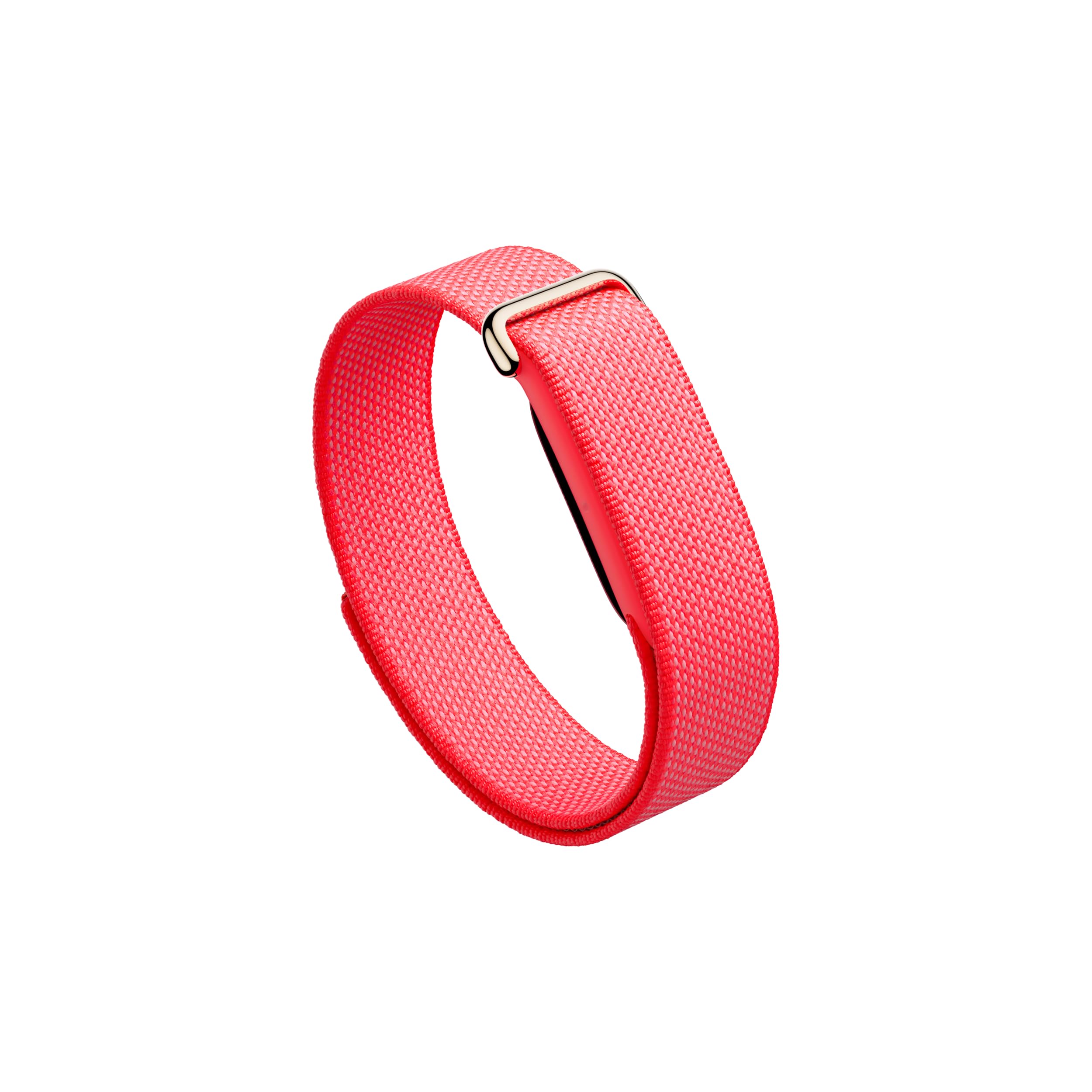
The Fitbit Air takes a radical approach to sleep tracking: remove the screen entirely, so there’s nothing to distract you at night or interrupt your sleep hygiene. The lightweight woven band holds a small pebble-shaped sensor that tracks HR, SpO2, HRV, and sleep stages continuously, feeding data to the Google Health app where a Gemini AI coach analyzes your patterns and suggests improvements. The 7-day battery and 5-minute fast charge (for one day of extra life) solve the charging anxiety problem completely.
The biggest trade-off is that you can’t glance at your sleep score in the middle of the night — everything goes through the phone app. Some users with kinesiology backgrounds criticize the AI coach’s prescriptive commentary as generic and occasionally misleading. The distance tracking for runs is also inaccurate if you’re an outdoor athlete. But for pure sleep tracking with zero screen light exposure, this is the most comfortable option in the lineup.
It requires an Android 11+ or iOS 16.4+ device, and the Google Health Premium coaching features require a subscription after the three-month trial. If you can live without on-wrist feedback, the Air is a uniquely focused sleep companion.
Why it’s great
- Truly screenless — zero distraction during sleep
- 7-day battery with fast charging
- Comfortable, micro-adjustable woven band
Good to know
- No on-device display for quick lookups
- AI coaching insights can feel generic for experienced athletes
6. prxxhri Smart Ring (VR11)
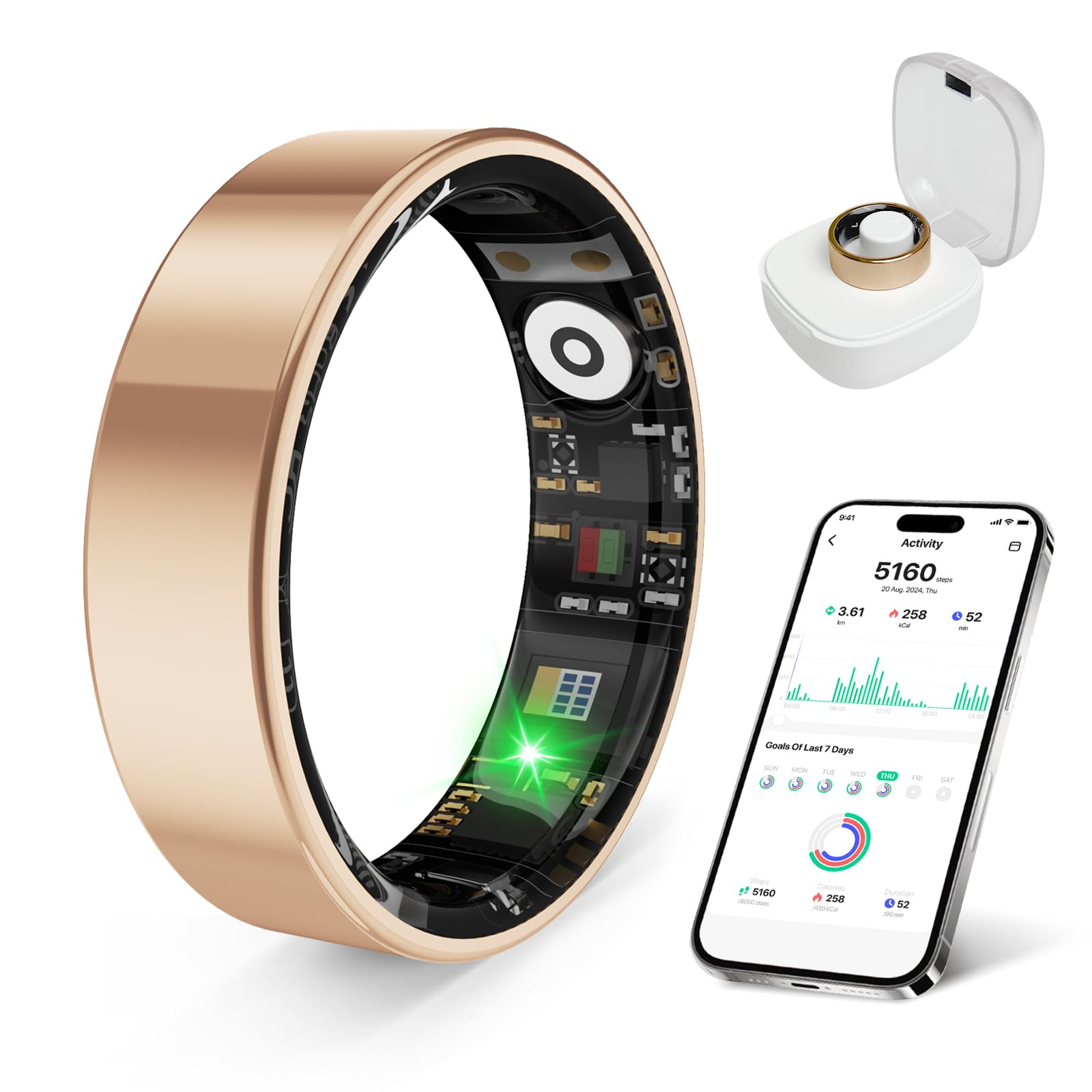
If you dislike wrist wearables, the prxxhri Smart Ring offers an alternative that places the optical sensor directly against your finger’s vascular bed for potentially cleaner sleep signal capture. It tracks sleep cycles, heart rate, step count, and stress levels, outputting data through a straightforward app with zero subscription fees. The IP68 waterproofing to 80 meters exceeds most wrist trackers, and the small round form factor is practically unnoticeable during sleep, which matters for people who toss and turn.
The main compromise is battery life — the ring itself lasts only 2-3 days, though the included charging case extends total use past 10 days without needing to plug in the ring directly. The sensor measures heart rate automatically every 30 minutes, meaning you won’t get the beat-by-beat HRV granularity that Garmin or Samsung users see. The data accuracy is best described as useful for general patterns rather than clinical-grade precision.
For someone who wants a lightweight, waterproof sleep tracker with no monthly fees, this is a strong compact option. Just measure your finger carefully before buying.
Why it’s great
- Small and unobtrusive for side sleepers
- No ongoing subscription costs
- Excellent 80m waterproof rating
Good to know
- Only 2-3 days of battery in the ring itself
- Heart rate sampled every 30 minutes, not continuous
7. prxxhri Smart Ring (VR11 BP)
This variant of the prxxhri ring adds blood pressure and stress monitoring alongside the sleep tracking features, making it the most comprehensive sensor package in the ring form factor at a comparable entry point. The extended 3-5 day battery life — plus the charging case that boosts total use to over 20 days — means you can track sleep for a full work week without touching a charger. Like its sibling, it uses a 4.0 sensor that measures heart rate and BP every 30 minutes during wear, which is adequate for nightly trend data but not continuous readouts.
The blood pressure feature should be treated as a wellness indicator rather than a replacement for a medical-grade cuff, especially given the lack of clinical validation in the Amazon listing. The WiFi connectivity is unusual for a ring tracker, though the app integration is simple to set up. Some users note the ring feels identical to the base model in fit and finish, with the same 80-meter waterproofing and Rose Gold color option.
If you want to monitor both sleep patterns and blood pressure trends on a budget, and you prefer finger-based wear to wrist-based, this ring provides the broadest health dashboard for the money.
Why it’s great
- Blood pressure and stress tracking included
- 3-5 day battery with 20-day total with case
- 80m waterproof and no subscription
Good to know
- BP readings are wellness estimates, not clinical
- Intermittent 30-min sampling misses some data
FAQ
Can a smart ring really track sleep stages as accurately as a wristband?
How long does battery need to last for good sleep tracking?
Do I need a premium subscription to see my sleep data?
What does the sleep score number actually mean?
Final Thoughts: The Verdict
For most users, the best activity tracker for sleep tracking winner is the Garmin vívoactive 5 because it combines detailed HRV-based sleep coaching with 11 days of battery and zero subscription fees. If you want deeper AI-powered sleep analysis and are comfortable charging daily, grab the Samsung Galaxy Watch 8. And for a distraction-free, screenless sleep companion that stays out of your way all night, nothing beats the Google Fitbit Air.