
Our readers keep the lights on and the weekend projects moving. As an Amazon Associate, I earn from qualifying purchases.
When wildfire smoke turns the sky orange and the air outside becomes unbreathable, your home’s air quality can plummet just as fast. An air purifier specifically engineered for smoke must do more than filter dust—it needs a high Smoke CADR (Clean Air Delivery Rate), a dense bed of activated carbon for odor and VOC removal, and a sealed HEPA design that doesn’t leak unfiltered air back into the room.
I’m Rikta — the co-founder and writer behind FitlyFast. I specialize in analyzing clean-air hardware specifications, from CFM ratings to carbon bed weights, distilling what actually matters when you are choosing equipment to protect your lungs from combustion particles.
After combing through third-party lab reports, real-world owner experiences, and filter performance data across nine distinct models, I have identified the specific machines that stand up to the unique challenge of wildfire smoke. This guide breaks down the best air purifier for wildfire smoke by measurable performance and practical ownership factors.
How To Choose The Best Air Purifier For Wildfire Smoke
Wildfire smoke is not like household dust or pollen. It contains a complex mixture of fine particulate matter (PM2.5), toxic gases, and volatile organic compounds released from burning structures and vegetation. A standard dust-catching filter will leave you breathing chemicals. You need a machine built to handle the full spectrum of combustion byproducts.
Smoke CADR Is The Only Number That Matters At First
CADR measures how many cubic feet of air per minute a purifier delivers with zero particulate. For smoke, a CADR of 200 or higher is worth serious consideration for a medium room. Ignore room-size claims that are not backed by a verified Smoke CADR rating. A unit that claims to cover 1,000 square feet but only has a Smoke CADR of 100 will not clear a smoky room quickly enough.
Activated Carbon Mass Determines Gas Removal
Smoke odor and gaseous VOCs require pounds of activated carbon, not a thin adhesive sheet. Look for units that list the actual weight of the carbon filter or use thick, deep-bed carbon panels. Machines with washable pre-filters extend the life of both the HEPA and carbon layers, which is critical during prolonged fire seasons when the unit runs 24/7.
Sealed Construction Prevents Filter Bypass
Many budget purifiers leak air around the filter frame, allowing smoke particles to escape back into the room unfiltered. Premium units use gaskets, foam seals, or compression-fit filter housings. If the manufacturer does not mention bypass protection, assume the unit leaks to some degree—unacceptable when breathing safety is on the line.
Quick Comparison
On smaller screens, swipe sideways to see the full table.
| Model | Category | Best For | Key Spec | Amazon |
|---|---|---|---|---|
| Coway Airmega Mighty2 | Premium Mid-Range | Overall smoke performance | Smoke CADR 240 | Amazon |
| BLUEAIR Blue 3350 | Premium | Large room whisper quiet | 7-stage HEPASilent | Amazon |
| Winix 5520 | Mid-Range | Smart sensor control | Smoke CADR 392 | Amazon |
| Nuwave OxyPure ZERO | Mid-Range | Zero replacement waste | Coverage 2,002 sq ft | Amazon |
| Nuwave Forever | Premium | Never replace filters | 7-Stage Filtration | Amazon |
| Sans True HEPA | Premium | Extra large coverage | Coverage 1,854 sq ft | Amazon |
| AirDoctor AD3500 | Premium | Hospital-grade filtration | Captures 0.003 microns | Amazon |
| Levoit Core 300 | Budget-Friendly | Small bedroom smoke | Smoke CADR 143 | Amazon |
| GermGuardian AC4825 | Budget-Friendly | Entry-level smoke odor | Coverage 743 sq ft | Amazon |
In‑Depth Reviews
1. Coway Airmega Mighty2
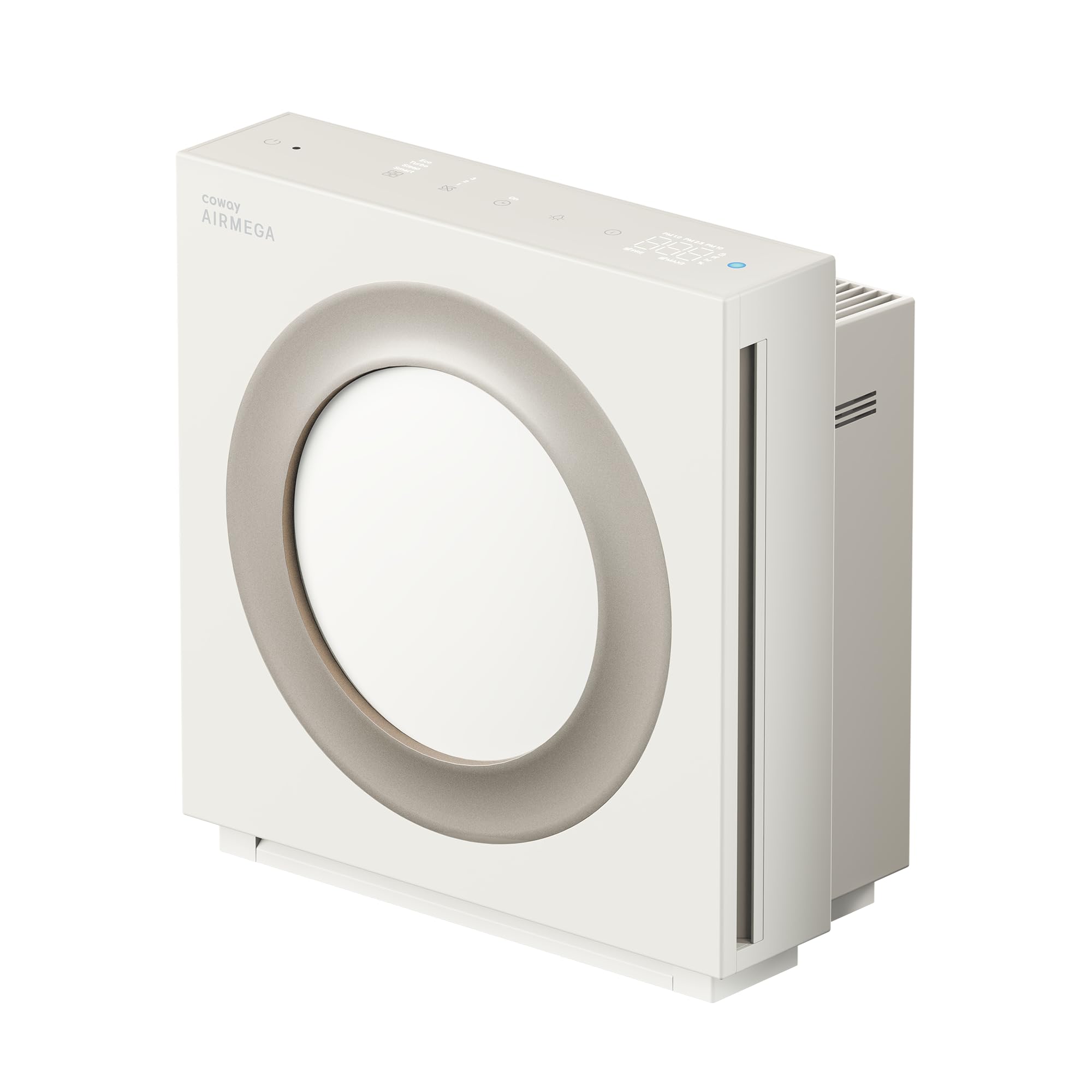
The Coway Airmega Mighty2 is the successor to the model that Wirecutter has consistently ranked as their top pick, and for good reason. Its Smoke CADR of 240 is genuinely high for its price tier, and the IEST-RP-CC007 certified HEPA filter ensures 99.97% capture of particles down to 0.3 microns, including the fine ash and PM2.5 that dominate wildfire smoke plumes.
The real standout feature for smoke scenarios is the MegaScan laser sensor, which gives you a numerical readout of PM1.0, PM2.5, and PM10 levels. This is not a vague colored light—you see the actual particle count drop as the machine works. Owners report that during heavy wildfire smoke events, the sensor shifts from red to blue within minutes, confirming the machine is actually clearing the room.
At 56W max power consumption, it is 20% more efficient than the last generation, and the sleep mode drops to 19 dB—virtually inaudible. The 3-year warranty and available replacement Max2 filter (typically lasting 12 months) make long-term ownership straightforward. The only catch is that the carbon layer is bonded into the Max2 filter, so you cannot replace carbon separately.
Why it’s great
- Highest Smoke CADR in its price class at 240
- Real-time PM1.0, 2.5, and 10.0 numerical display
- Sleep mode at 19 dB is nearly silent
- 3-year warranty and energy efficient at 56W
Good to know
- Carbon and HEPA are combined in one filter, cannot replace separately
- No WiFi or app control on this specific model
- Pre-filter washable but needs periodic cleaning
2. BLUEAIR Blue 3350
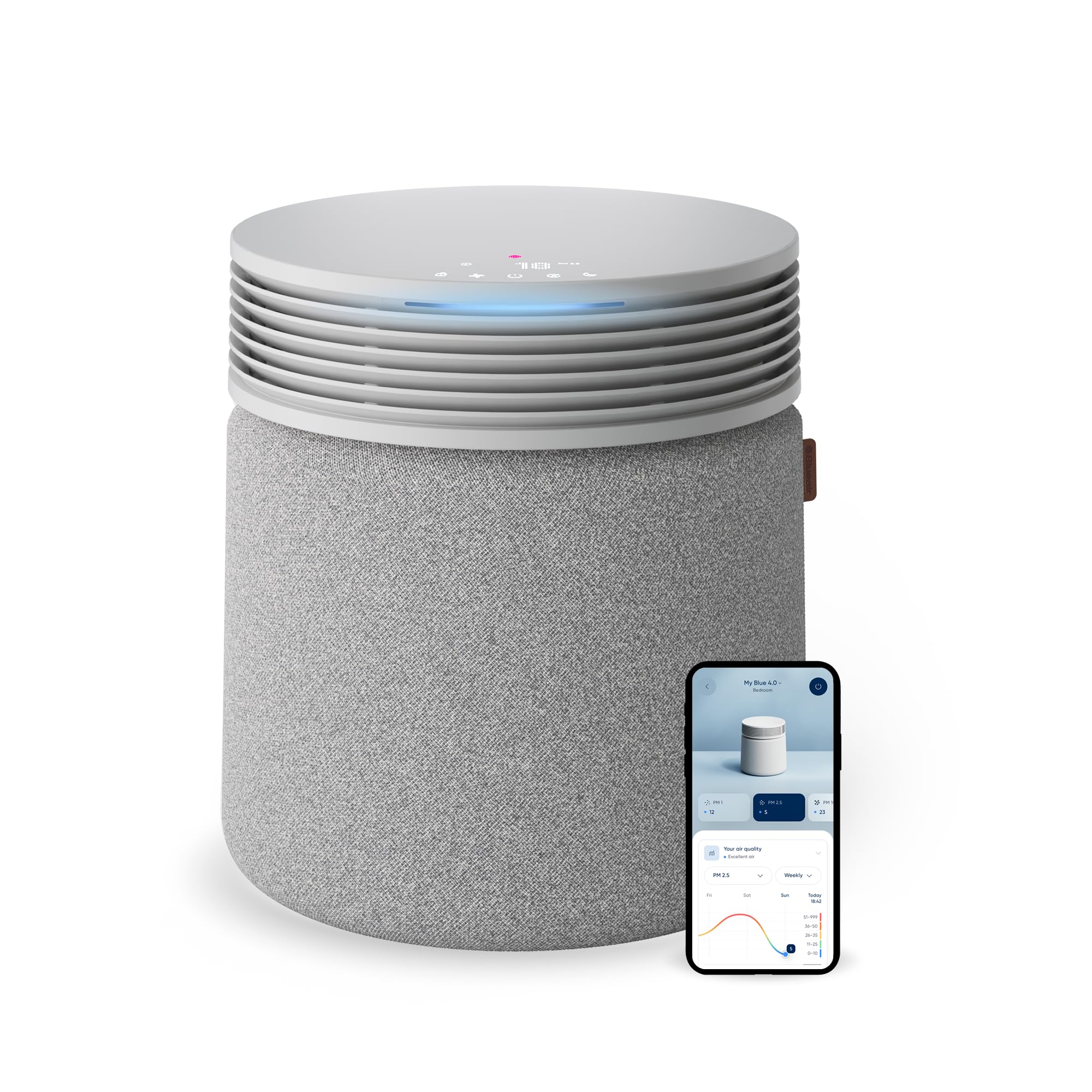
The BLUEAIR Blue 3350 uses a proprietary HEPASilent technology that combines electrostatic charging with mechanical filtration. This approach allows for higher airflow with lower resistance, meaning the unit can push 3,385 square feet of air through its filter per hour while operating as quietly as 23 dB—quieter than a library.
For wildfire smoke, the 7-stage filtration system and OdorFence technology are particularly relevant. OdorFence uses activated carbon embedded in the filter media to break down VOCs and smoke odors, not just trap them. Owners consistently report that cooking smells, pet odors, and smoke residue disappear noticeably faster compared to standard carbon-felt filters.
The design doubles as a side table and comes with interchangeable pre-filters in various colors, which is a nice touch for home aesthetics. The Auto Mode uses a real-time air quality sensor embedded in the air outlet to adjust fan speed. Genuine replacement filters are expensive and need replacement roughly every 6 months under heavy smoke conditions, which adds to the total cost of ownership.
Why it’s great
- HEPASilent technology allows high airflow at low noise
- OdorFence actively breaks down smoke VOCs
- Large coverage up to 3,385 sq ft per hour
- Furniture-style design blends into home decor
Good to know
- Replacement filters are costly
- App connectivity can be sluggish
- No numerical PM display, only color-coded indicator
3. Winix 5520
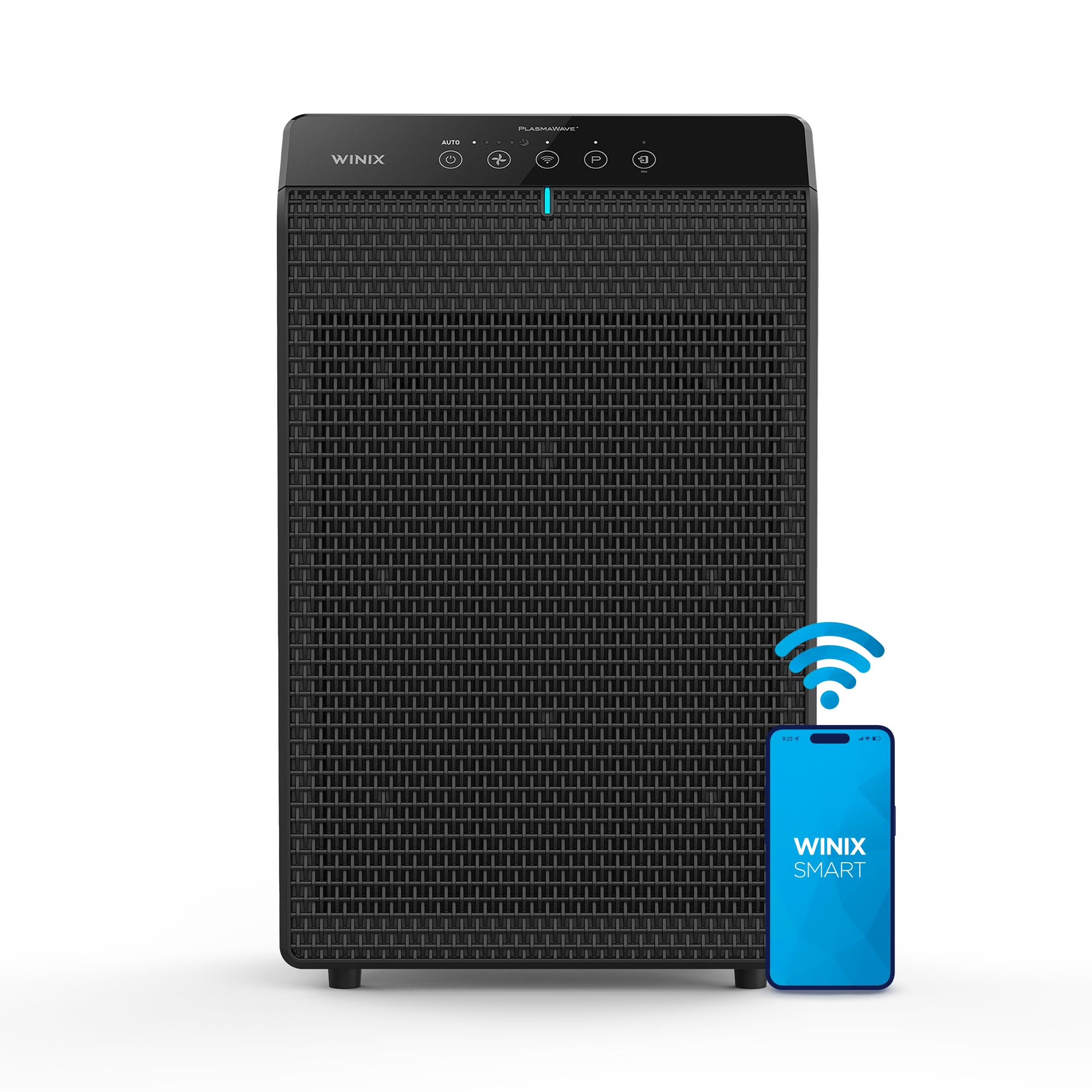
The Winix 5520 brings impressive specs for a mid-range unit, with an AHAM-Verified Smoke CADR of 392 at 392 square feet. This means it can exchange the air in a medium-sized room nearly eight times per hour. For heavy wildfire smoke events, that kind of air exchange rate is the difference between air that smells like a campfire and air that is genuinely clean.
The thick 1-inch True HEPA filter combined with a separate high-deodorization carbon filter gives it a distinct advantage over machines that combine filtration layers into one thin cartridge. The washable fine mesh pre-filter captures the largest smoke ash particles first, prolonging the life of both main filters. Owners report the auto mode sensor detects cooking fumes, smoke, and even methane from flatulence, ramping up fan speed automatically.
WiFi and app control are included, which allows you to check indoor air quality and adjust speed remotely. The sleep mode auto-activates when the room darkens, dropping fan noise to 23.5 dB. PlasmaWave ionization can be toggled off, which is important for buyers concerned about ozone emissions, even though the unit is CARB compliant.
Why it’s great
- High Smoke CADR of 392 provides rapid air exchange
- Washable pre-filter extends HEPA and carbon life
- WiFi app control with real-time air quality monitoring
- Auto sleep mode when room darkens
Good to know
- PlasmaWave can be turned off but default is on
- Air quality light color can seem random to some users
- Replacement filters cost around per set
4. Nuwave OxyPure ZERO

The Nuwave OxyPure ZERO is built around the idea that filter waste is unnecessary. Every filter in the unit except the ozone removal filter is washable and reusable, including the stainless-steel pre-filter, the Bio-Guard 360 filter, and two additional Bio-Guard filters. For long wildfire seasons where you might run a purifier for months straight, this eliminates the recurring expense of replacement cartridges.
Intertek Lab certification confirms it captures up to 100% of particles down to 0.1 microns, including smoke, dust, and pollen. The dual 4-stage filtration system includes an ozone emission removal filter that reduces ozone to less than 1 ppb—70 times lower than the EPA safe level. This makes it a strong choice for buyers who are sensitive to ozone or concerned about ionization side effects.
The adjustable air vent angles (30, 60, and 90 degrees) let you direct airflow where it is needed most. Owners report that the automatic sensor on auto mode shifts from red to green within minutes of cooking or smoke exposure. The unit is heavy at 22 pounds but includes wheels for portability. Night-time sleep mode drops to 21.4 dB. App control is available but some users find it basic.
Why it’s great
- All filters are washable and reusable, zero waste
- Ozone removal filter reduces ozone to below 1 ppb
- Adjustable air vent for directional flow
- Sleep mode at 21.4 dB is very quiet
Good to know
- Heavy at 22 pounds, though wheels help
- Max speed is loud, similar to a stove vent
- No numerical PM display, only color-coded indicator
5. Nuwave Forever

Nuwave Forever takes the washable filter concept from the OxyPure ZERO and refines it into a 7-stage system that the company claims never requires a filter purchase. The stainless-steel pre-filters handle large particulates like ash, while the Bio-Guard filters trap micropollutants down to 0.1 microns. An ozone removal filter ensures CARB compliance by keeping ozone levels at 1 ppb.
For wildfire smoke, the ability to simply wash the filters with hot water and let them dry for 24 hours means you can restore full performance without waiting for a shipment. Owners with multiple pets and heavy smoke exposure report that the auto mode remains sensitive to odor changes, ramping up fan speed automatically. The unit covers a full 2,002 square feet per hour, making it viable for open-plan homes.
The Forever model includes WiFi app control and an adjustable flow panel for directing air. Sleep mode and night lights are included. The major trade-off is that the initial purchase price is higher than many disposable-filter competitors, and the washable filters require a thorough drying period before reinstallation. Some users find the unit loud above speed level 3.
Why it’s great
- No filter replacement costs ever, washable 7-stage design
- Covers 2,002 sq ft, suitable for large open plans
- Auto mode with real-time air quality sensing
- WiFi app control for remote monitoring
Good to know
- Washable filters need 24-hour drying time
- Can be loud above speed level 3
- Heavier unit at nearly 22 pounds
6. Sans True HEPA

The Sans True HEPA air purifier is designed for extra-large rooms up to 1,854 square feet, making it a candidate for main living areas or basements during wildfire events. The 3-in-1 filtration system combines a pre-filter, medical-grade True HEPA filter, and an activated carbon layer. An additional UV-C light layer targets airborne bacteria and mold spores, which can proliferate in the high humidity that sometimes accompanies smoke events.
Owners report the auto mode sensor is particularly good at detecting cooking pollution and bathroom drain smells, ramping up fan speed and clearing the air within an hour. The sleep mode drops to a whisper at 35 dB, and the display dims automatically. The onboard filter replacement indicator eliminates guesswork, and genuine filter swaps take under 60 seconds.
The unit includes a 5-year warranty when registered with Sans, which is one of the longest in this category. The carbon layer is heavy-duty enough to absorb stubborn cooking smells and VOCs, according to user reports. Downsides include a lack of a numerical PM display and no WiFi connectivity for remote monitoring, which feels dated at this price point.
Why it’s great
- Extra-large coverage up to 1,854 sq ft
- UV-C layer adds biological protection
- 5-year warranty with registration
- Smart auto mode detects pollution quickly
Good to know
- No WiFi or app connectivity
- No numerical PM display, only color-coded indicator
- Replacement filters needed, though auto-ship available
7. AirDoctor AD3500
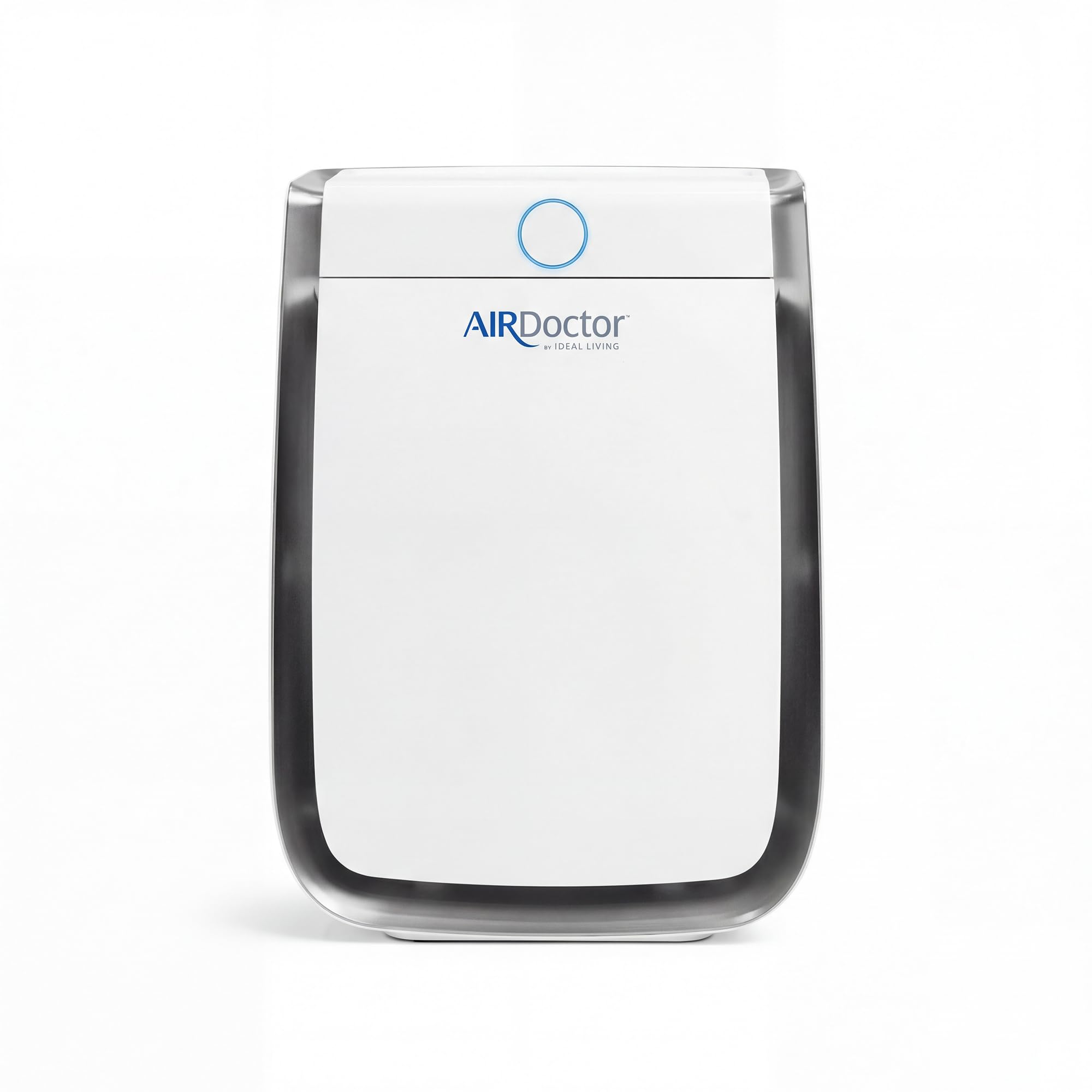
The AirDoctor AD3500 is the most filtration-capable unit on this list, using an UltraHEPA filter that captures 99.99% of airborne particles at 0.003 microns. This is 100 times smaller than the standard HEPA threshold of 0.3 microns. For wildfire smoke, this means it captures not just the PM2.5 particulate but also the ultrafine nanoparticles that can penetrate deep into lung tissue and enter the bloodstream.
The 3-stage system includes a pre-filter, a premium activated carbon filter infused with potassium permanganate for gas absorption, and the UltraHEPA filter. The carbon stage is genuinely thick, not a thin adhesive sheet, which gives it a meaningful capacity for VOCs, smoke odors, and cooking fumes. Owners in Southern California wildfire zones report that the AD3500 dramatically reduces the smoke smell indoors compared to their previous units.
The Halo display provides color-coded air quality feedback, and auto mode adjusts fan speed based on real-time PM2.5 sensor data. Sleep mode is quiet enough for bedroom use. The unit is large and heavy at 24 pounds, and replacement filters are expensive—carbon every 6 months, UltraHEPA every 12 months. It qualifies for FSA and HSA reimbursement, which helps offset the cost.
Why it’s great
- UltraHEPA captures particles down to 0.003 microns
- Thick activated carbon with potassium permanganate for VOCs
- FSA/HSA eligible
- Auto mode with real-time PM2.5 sensor
Good to know
- Replacement filters are expensive and frequent
- Large and heavy at 24 pounds
- High initial purchase price
8. Levoit Core 300

The Levoit Core 300 is a compact, budget-friendly option that is best suited for small bedrooms or home offices during wildfire smoke events rather than whole-home coverage. Its AHAM-Verified Smoke CADR of 143 CFM means it can effectively clean a 222-square-foot room about 4.8 times per hour, which is a decent turnover rate for a small personal space.
Levoit offers specialized replacement filters for this model, including a dedicated Smoke Remover filter engineered for wildfires, smoke, and particulate matter. This modularity means you can swap the standard 3-in-1 filter for a smoke-optimized version when fire season hits. The QuietKEAP technology drops noise to 24 dB in sleep mode, making it unobtrusive for nighttime use.
The Core 300 is rated at 56W, is CARB compliant, and features a timer for 2, 4, 6, or 8 hours. The display lights can be turned off completely for dark bedrooms. However, with a Smoke CADR of 143, it will struggle to clear a large living room or open floor plan where wildfire smoke tends to accumulate. Replacement filters are a recurring cost, though they are reasonably priced compared to premium competitors.
Why it’s great
- AHAM-Verified Smoke CADR of 143 for small rooms
- Compatible with dedicated Smoke Remover filter
- Sleep mode at 24 dB is nearly silent
- Compact size fits small spaces easily
Good to know
- Smoke CADR too low for large rooms or open plans
- Replacement filters needed every 6-8 months
- Max speed is loud, not suitable for TV or conversation
9. GermGuardian AC4825

The GermGuardian AC4825 is an entry-level tower that offers True HEPA filtration and an optional UV-C light layer for a modest investment. It covers a 153-square-foot room in 12.5 minutes and can handle up to 743 square feet per hour on its highest setting. For a single bedroom or small office exposed to drifting wildfire smoke, this unit can make a meaningful difference.
The 3-layer protection includes a pre-filter, a True HEPA filter capturing 99.97% of particles down to 0.1 microns, and a carbon filter for odor reduction. The UV-C light is optional and can be turned off. It is Zero Ozone certified, so there is no ozone emission concern. Owners with asthma report noticeable reductions in symptoms and less dust accumulation on surfaces.
The controls are simple—a 3-speed dial and a UV button—with no WiFi, auto mode, or air quality sensor. On low speed it is quiet enough for a bedroom, but on high it is noticeably loud and better suited as white noise. The filter replacement light is a helpful reminder, and genuine replacement filters (FLT4825 series) are easy to find. This is a capable entry point but lacks the sensor-driven automation that helps during unpredictable smoke events.
Why it’s great
- True HEPA captures 99.97% of particles down to 0.1 microns
- Zero Ozone certified, UV-C optional
- Simple manual controls, easy to use
- Good value for small room smoke mitigation
Good to know
- No auto mode, air quality sensor, or WiFi
- High setting is loud
- Carbon filter is thin, limited VOC capacity
FAQ
What Smoke CADR rating do I need for a bedroom during wildfire season?
Should I use a purifier with ionization or UV-C during a wildfire event?
How often should I replace the filter during a prolonged wildfire season?
Can a single air purifier handle smoke in a multi-room house?
Final Thoughts: The Verdict
For most users, the best air purifier for wildfire smoke winner is the Coway Airmega Mighty2 because it delivers a proven Smoke CADR of 240, a real-time numerical PM display, and whisper-quiet operation at a price that makes long-term ownership practical. If you want zero recurring filter costs and the ability to restore performance by washing filters, grab the Nuwave OxyPure ZERO for its washable 4-stage system and ozone removal. And for hospital-grade particle capture down to 0.003 microns during extreme smoke events, nothing beats the AirDoctor AD3500 despite its higher purchase price and filter maintenance cost.