
Our readers keep the lights on and the weekend projects moving. As an Amazon Associate, I earn from qualifying purchases.
The crunch of fresh snow underfoot is one of winter’s simple joys — until cold toes and a slippery sidewalk kill the mood. Finding a boot that keeps your feet warm, dry, and planted on icy pavement is the real challenge, not the weather itself.
I’m Rikta — the co-founder and writer behind FitlyFast. I spend my time dissecting insulation ratings, rubber compounds, and tread patterns to separate genuine winter performers from fashion traps.
Whether you’re commuting through slush or trekking a snowy trail, this guide breaks down the top boots for walking in winter based on real traction, insulation depth, and waterproofing that actually holds up.
How To Choose The Best Boots For Walking In Winter
Winter walking boots are not one-size-fits-all. The pair that keeps you dry on a wet trail may fail you on black ice, and the warmest boot can be too stiff for a daily commute. Focus on three pillars: traction, insulation, and waterproofing.
Traction: The Outsole is Everything
A smooth rubber sole is dangerous on packed snow. Look for deep, multi-directional lugs made from a softer rubber compound that stays pliable in freezing temps. Some brands add special grip zones or lugs shaped to bite into ice — that’s where the real safety lives.
Insulation: Weight Ratings Explain Everything
Manufacturers list insulation in grams (200g, 400g, etc.) — this is the weight of the insulation layer per boot. 200g is fine for moderate walking down to about 20°F. For deep winter or low activity levels, 400g or more is better. Don’t rely on “fleece lining” alone; the gram rating is the honest spec.
Waterproofing: Membrane vs. Rubber
Seam-sealed membranes (like Omni-Tech or KEEN.DRY) work well for active walking but can leak over time. Full-rubber constructions, like neoprene wellingtons, are bombproof in slush but less breathable. Choose based on your time in standing water versus on your feet all day.
Quick Comparison
On smaller screens, swipe sideways to see the full table.
| Model | Category | Best For | Key Spec | Amazon |
|---|---|---|---|---|
| KEEN Revel 4 | Mid-Height | Cold & icy trails | 400g KEEN.Warm insulation | Amazon |
| SOREL Women’s Tivoli V | Tall Boot | Deep snow & style | Waterproof seam-sealed construction | Amazon |
| Columbia Expeditionist Shield | Hiker | Daily wear & commuting | Omni-Tech waterproof membrane | Amazon |
| Columbia Strata Trail Mid | Hiker | Light snow & hiking | Leather/suede upper, waterproof | Amazon |
| XPETI Crest Thermo | Hiker | Budget-friendly warmth | Thermo insulation, rubber sole | Amazon |
| Trudave Rubber Boots | Wellingtons | Wet mud & deep snow | 6mm neoprene, steel shank | Amazon |
| Hunthor Steel Toe | Work Boot | Heavy-duty job sites | Steel toe, puncture-proof | Amazon |
In‑Depth Reviews
1. KEEN Revel 4 Mid Height Polar Insulated Waterproof
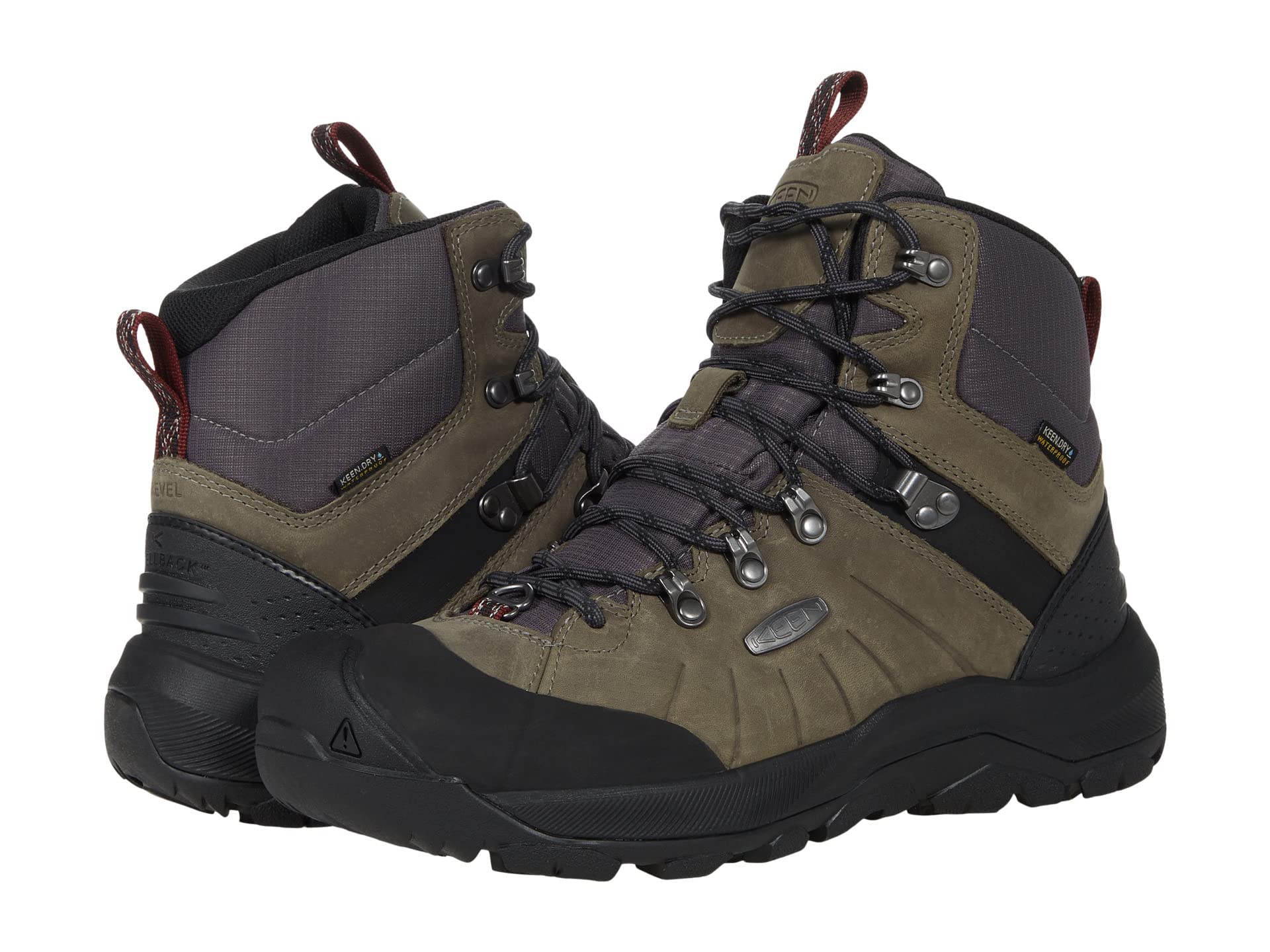
The KEEN Revel 4 is the benchmark for a winter walking boot that does not compromise. Its 400g of KEEN.Warm insulation keeps feet comfortable in subzero temps — one reviewer reported warmth climbing a Colorado 14er with a -5°F wind chill. The KEEN.DRY waterproof membrane has held up through a full season of deep snow and slush without leakage.
Where this boot really shines is traction. Reviewers consistently note its ability to replace crampons on icy trails, and it works seamlessly with snowshoes. The wide toe box is a signature KEEN feature that accommodates thick wool socks without pinching toes, a major plus for all-day winter walks.
The fit runs true to size, and the mid-height collar provides solid ankle support without feeling restrictive. After a year of harsh winter use, owners report the boot remains durable, warm, and reliably waterproof. It is a premium do-everything boot that earns its reputation.
Why it’s great
- Exceptional warmth to -5°F and below
- Phenomenal ice and snow traction
- Roomy toe box fits thick socks
Good to know
- Premium tier pricing
- Heavier than a standard hiker
2. SOREL Women’s Tivoli V Tall Waterproof Boot
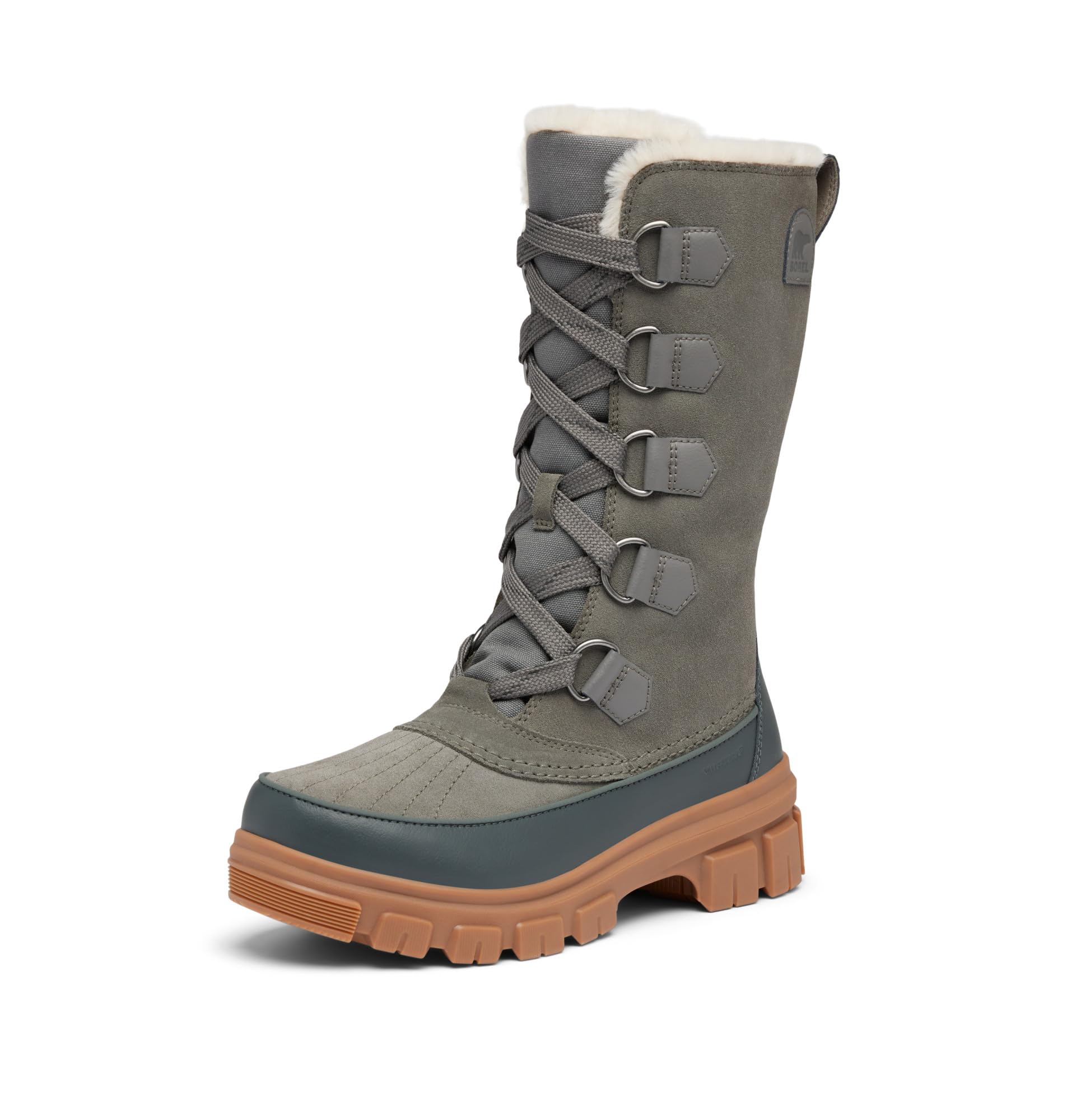
For women who need a tall boot that handles deep snow without sacrificing style, the SOREL Tivoli V is a proven winner. Its seam-sealed waterproof construction keeps feet bone-dry in slush and puddles, and the rubber shell extends high enough to step confidently into drifted snow without moisture sneaking in.
Reviewers praise its warmth down to 0°F with just thin wool socks, thanks to SOREL’s reliable insulation layering. The boot is true to size and offers good arch support out of the box — a rare find in tall winter boots. It also accommodates custom orthotics easily, which is a huge bonus for walking comfort.
The thick, non-freezing laces are a thoughtful detail; they stay flexible in cold temps and don’t ice up. Some users noted minor ankle rubbing when laced tightly, but loosening the laces or adding moleskin solves it quickly. With many owners reporting a decade of use, the Tivoli V is a long-term investment for cold, snowy winters.
Why it’s great
- Excellent deep snow protection
- Warm to 0°F with thin socks
- Orthotic-friendly and supportive
Good to know
- Laces may need loosening for comfort
- Less breathable for high-output activity
3. Columbia Men’s Expeditionist Shield

The Columbia Expeditionist Shield is the definition of a mid-range winter hiker that does everything well. It uses Columbia’s Omni-Tech waterproof membrane, which resists water effectively and dries quickly even if it’s not fully submersible. Reviewers have worn these in deep snow daily and report warm, dry feet down to 10°F.
Where it really wins is as a daily driver. Owners describe it as incredibly comfortable for all-day wear — one even wore them for full workdays. The boot is lightweight and feels more like a hiking shoe than a clunky winter boot, which makes it ideal for commuting and errands. The aggressive tread provides good grip on snow, though it does track salt and sand indoors.
One catch: the fit runs about half a size small, so order up. The removable insole is also thin and benefits from a replacement. Despite these minor quirks, the build quality is solid, and the price-to-performance ratio is excellent. It’s the mid-range pick that punches above its weight.
Why it’s great
- Lightweight and comfy for all-day wear
- Keeps feet warm down to 10°F
- Quick-drying exterior
Good to know
- Runs half size small
- Thin insole; budget for replacement
4. Columbia Men’s Strata Trail Mid Waterproof
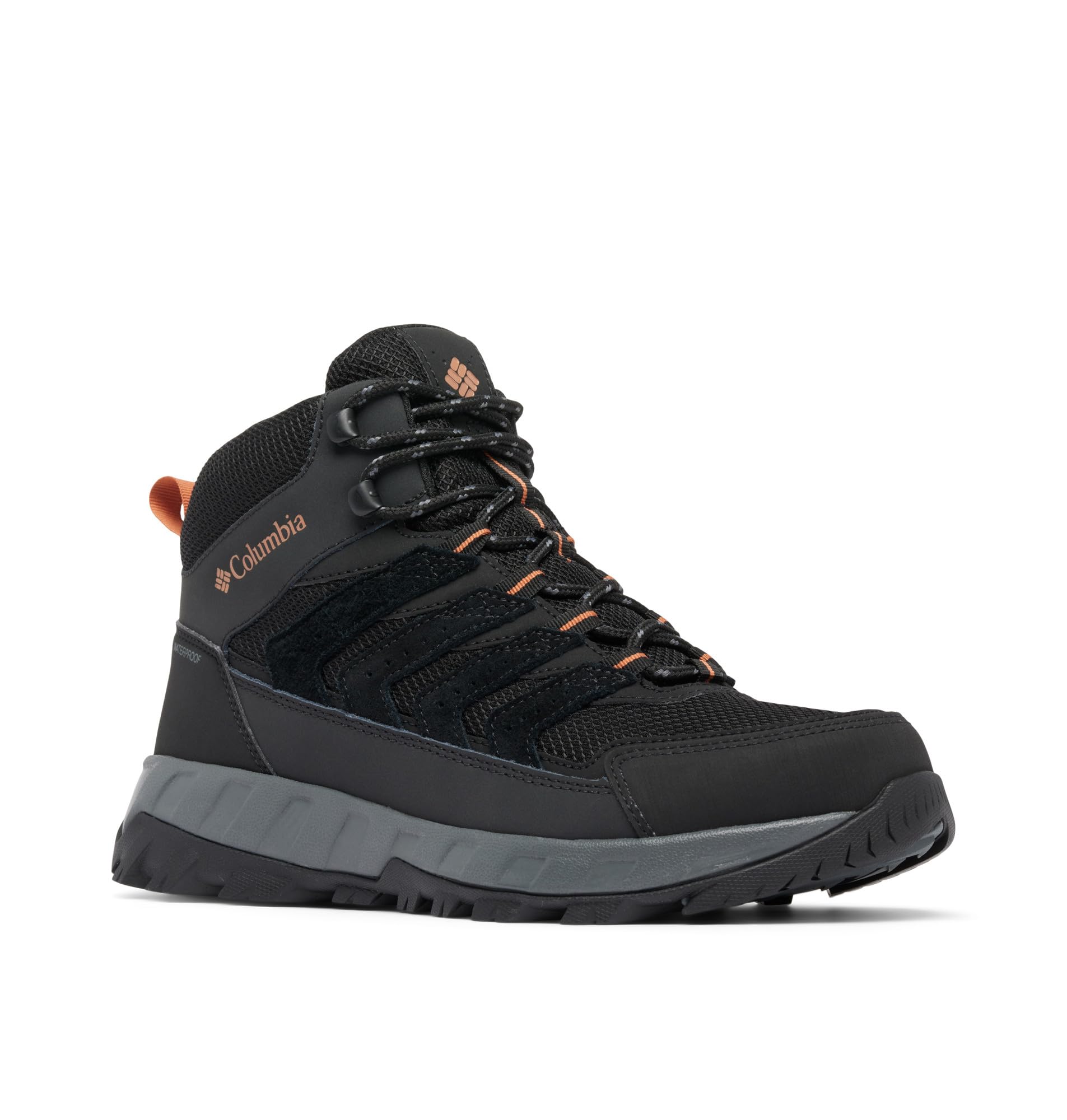
The Columbia Strata Trail Mid is a lightweight, breathable hiker that handles winter conditions well when you’re on the move. Its leather and suede upper is paired with a waterproof membrane that kept reviewers completely dry through glacier hikes in Iceland. The boot is comfortable right out of the box, with no break-in required for most users.
One reviewer noted it was as comfortable as “clouds for the feet” after a 7-mile hike, praising its generous toe box and secure lacing that stays tied. The tread is aggressive enough for loose gravel and light snow, making it a solid choice for winter hiking where you are moving enough to generate your own heat.
A few buyers with wider feet found the boot slightly snug, and the attached tongue design can create a fold that presses on the top of the foot. One reviewer resolved this by snipping the attached stitching. It’s not a deep-snow boot, but for cold-weather hiking on packed trails, it is a fantastic mid-range option.
Why it’s great
- Very comfortable out of the box
- Breathable yet waterproof
- Great traction for light trails
Good to know
- Not for deep snow or extreme cold
- Attached tongue may press on top of foot
5. XPETI Men’s Crest Thermo High-Top Winter Hiking Boots
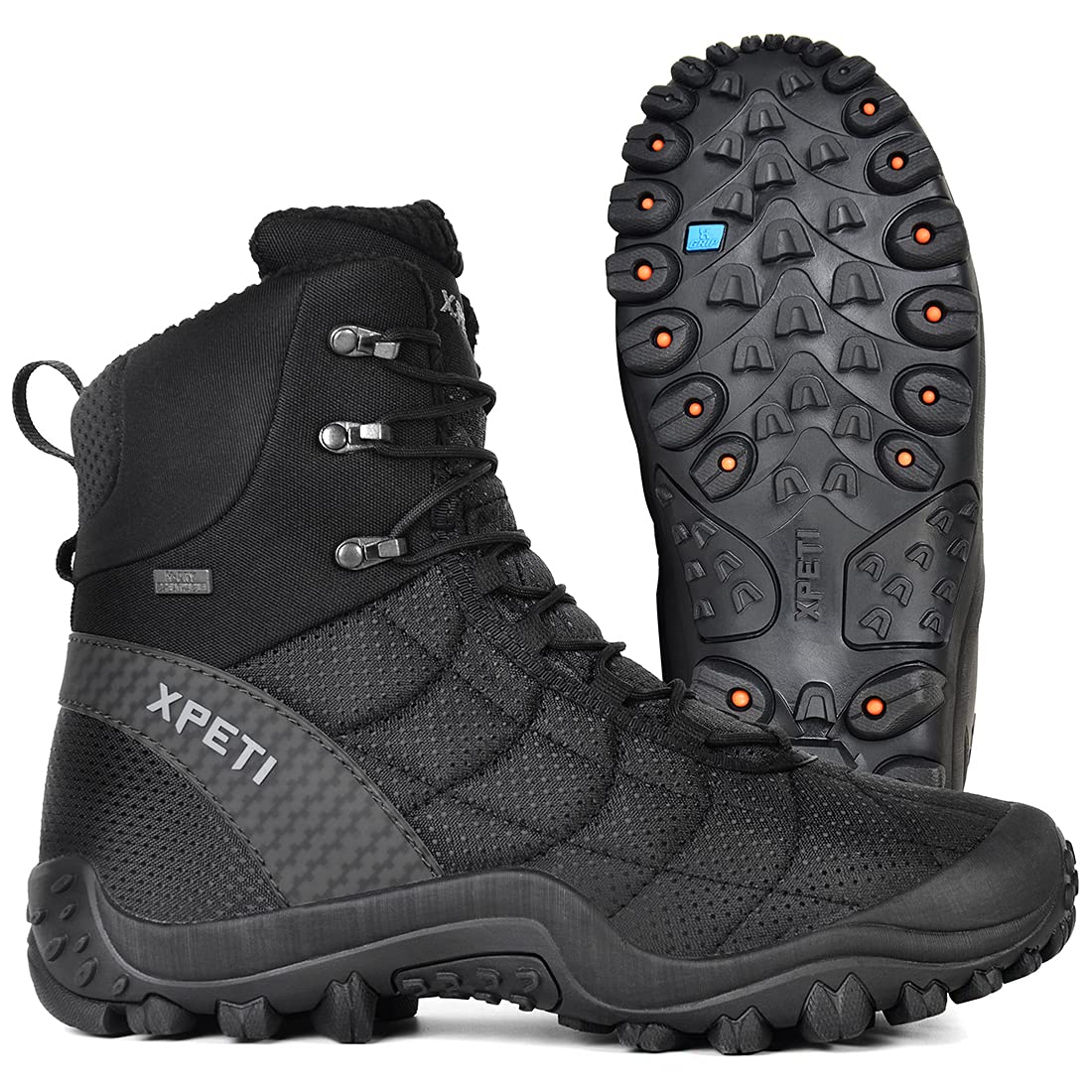
The XPETI Crest Thermo is a surprising value contender that delivers real warmth and comfort for the price. Reviewers consistently praise its warmth in temperatures ranging from 26-39°F, with one user even reporting warm feet at 6°F with wool socks. The all-rubber construction is flexible and easy to clean, and the high-top design offers solid ankle support.
Traction is a standout feature — owners report excellent grip on ice, grass, and mud, which is rare at this tier. The boot fits true to size with enough room for orthotic insoles and thick socks, especially if you size up half a step. It’s lightweight enough for all-day walking, and reviewers call it well-made for the money.
The main tradeoff is waterproofing. Some users found that melting snow can soak through the top of the foot after extended exposure. It is best described as water-resistant rather than fully waterproof. The bottom lace hook can also hit the ankle bone for some wearers. For budget-conscious shoppers needing a capable winter walker, this is a strong choice.
Why it’s great
- Excellent warmth-to-price ratio
- Lightweight and comfortable
- Good traction on ice and mud
Good to know
- Water-resistant, not fully waterproof
- Bottom lace hook may press ankle
6. Trudave Rubber Boots for Men & Women with Steel Shank
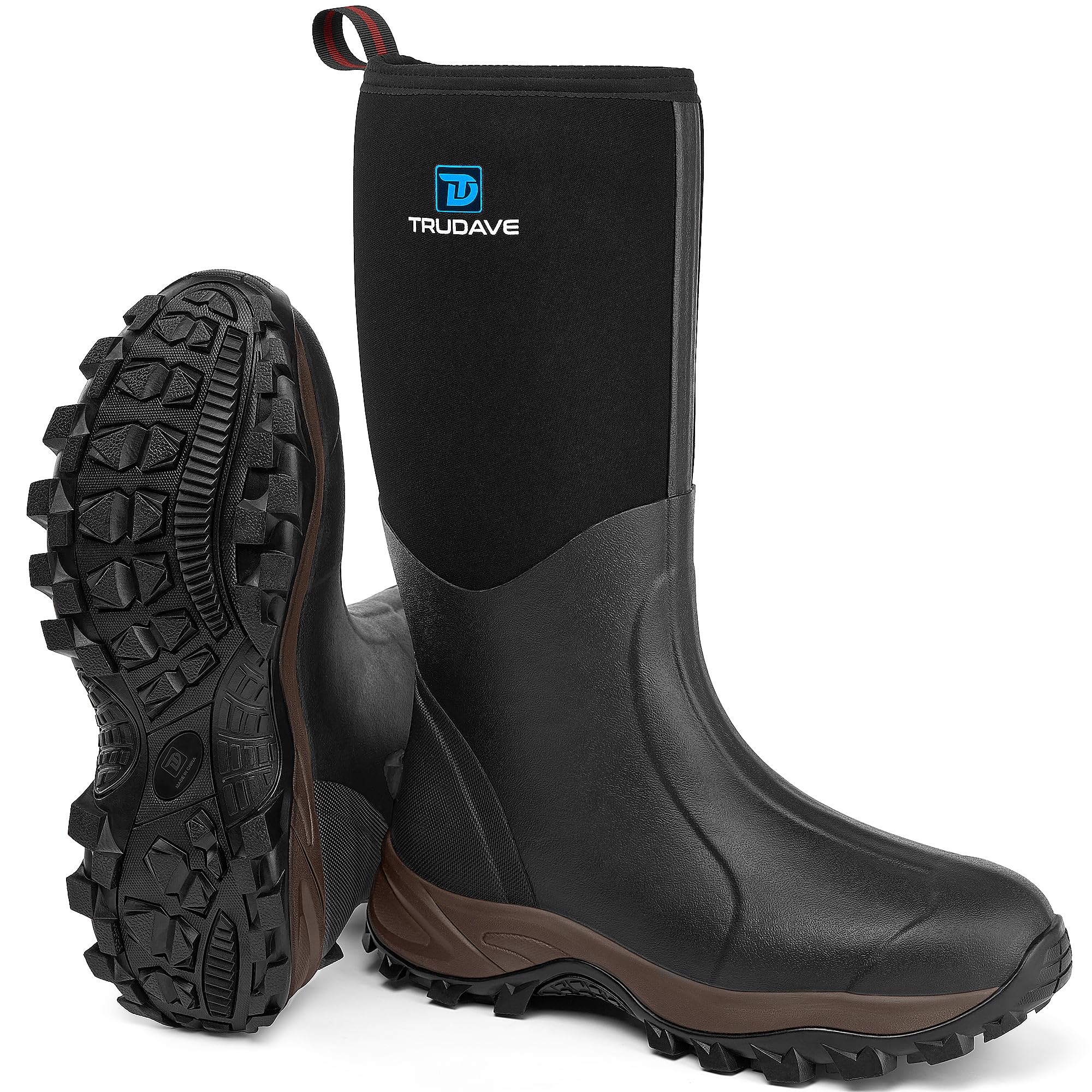
The Trudave rubber boot is purpose-built for wet, messy winter conditions where a standard hiker would fail. Its thick 6mm neoprene upper provides solid insulation, and the steel shank adds stability for walking on uneven ground. Reviewers have worn these in temperatures as low as -20°F with thick socks and reported warm feet, which is remarkable for a rubber boot.
Comfort is a strong point — one reviewer called them the most comfortable rubber boots they’ve ever owned. The tread pattern provides great traction on ice, and the boots are lightweight for their category. They are fully waterproof and easy to hose off, making them ideal for outdoor work, farming, or slogging through deep snow and mud.
A few owners noted that the insulation is thinner than premium muck boots, so active use is fine but standing still for long periods may require thicker socks. The top edge can be a bit stiff when unfolded, and some users noticed foot odor after extended wear. For the price, though, these are a versatile and durable winter boot for wet environments.
Why it’s great
- Amazing warmth for a rubber boot
- Lightweight and comfortable
- Excellent traction and waterproofing
Good to know
- Insulation thinner than premium brands
- Can cause foot odor with extended wear
7. Hunthor Rubber Work Boots, Puncture-Proof with Steel Toe & Shank

The Hunthor work boot is built for the toughest winter jobs. It features a steel toe, puncture-proof sole, and thick rubber/neoprene construction that keeps feet dry even after 12-hour shifts standing in 2-7 inches of water. One reviewer’s husband works in wet seafood packing and praised these boots daily for warmth, comfort, and durability — even surpassing Red Wings.
Insulation is effective thanks to the dense neoprene layer, and the thick, pliable rubber sole resists cracking in cold temps. The boot is true to size and easy to get on and off with the top strap, even with thick socks. Traction is excellent on ice and mud, and the steel shank provides solid support for uneven terrain.
These are not everyday walking boots for the casual commuter. They are heavy (the steel toe adds significant weight) and the calf fit is narrow, so they won’t suit everyone. A couple of reviewers also noted cosmetic imperfections like discoloration from glue. If you need a bombproof work boot for brutal winter conditions, the Hunthor delivers exceptional value.
Why it’s great
- Bombproof waterproofing for standing water
- Excellent warmth and comfort for 12+ hour days
- Durable steel toe and puncture-proof sole
Good to know
- Heavy due to steel toe
- Narrow calf fit
FAQ
How much insulation do I need for casual winter walking?
Can I wear winter boots for hiking on icy trails?
Do I need to size up for winter boots?
Final Thoughts: The Verdict
For most users, the boots for walking in winter winner is the KEEN Revel 4 because it combines 400g insulation, phenomenal traction, and reliable waterproofing in a comfortable, supportive package. If you want deep snow protection with style, grab the SOREL Tivoli V. And for a budget-friendly do-everything winter walker, nothing beats the XPETI Crest Thermo.