
Our readers keep the lights on and the weekend projects moving. As an Amazon Associate, I earn from qualifying purchases.
Finding a running shoe that accommodates a genuinely wide foot without turning into a clown shoe is a frustrating hunt. The wrong fit leads to blisters, collapsed arches, and dead-end returns. For runners needing a 4E width, the challenge is compounded by inconsistent sizing across brands, where one company’s “wide” is another’s standard. This guide cuts through the noise to deliver the specific models that honor the 4E designation with roomy toe boxes and secure midfoot holds.
I’m Rikta — the co-founder and writer behind FitlyFast. My deep market research focuses on the concrete metrics that define a successful wide-fit shoe: internal toe-box volume, outsole width, and the specific last shape used in manufacturing.
After analyzing hundreds of verified customer reports and comparing the design philosophies of seven top contenders, I present the definitive list of the best 4e running shoes for men who demand proper width without sacrificing performance or durability.
How To Choose The Best 4E Running Shoes
Choosing a 4E running shoe is not about picking a bigger size—it’s about finding the correct last that matches your foot’s specific volume and shape. Two shoes marked “4E” can feel radically different because they are built on different lasts.
Last Shape and Toe-Box Geometry
The last is the 3D mold around which the shoe is built. A 4E last should provide a consistent increase in width from the ball of the foot to the toes, not just a wide forefoot with a narrow heel. Brands like New Balance and Brooks use distinct lasts for their 2E and 4E models, while others simply grade up the same last. Look for a last that provides a natural, anatomical shape—one that allows your toes to splay naturally without the shoe looking like a duck.
Cushioning Density and Stability
For a 4E runner, especially those who are heavier or overpronate, cushioning density matters more than overall stack height. A very soft foam, like a thick layer of EVA, can feel plush but may collapse laterally, causing the foot to roll inward. Shoes with a firmer, more resilient foam (like Brooks’s DNA LOFT v3 or New Balance’s Fresh Foam X) or those with a supportive medial post offer better stability. The best 4E shoes balance a forgiving landing with a stable platform that prevents your foot from moving inside the shoe.
Heel Lock and Lacing System
A common problem in 4E shoes is heel slip. A wider heel counter means there is more space, and if the shoe’s design doesn’t account for that, your heel will lift with every stride. Look for a padded heel collar and a heel counter that is sculpted to grip the calcaneus. A secure lacing system—ideally with flat, long enough laces to perform a heel lock—is essential. The Brooks Beast GTS 26, for example, is praised for its padded collar and secure heel lockdown, while some runners have found the laces too short for a reliable lock on a 4E width.
Quick Comparison
On smaller screens, swipe sideways to see the full table.
| Model | Category | Best For | Key Spec | Amazon |
|---|---|---|---|---|
| New Balance 880v15 | Premium | Daily road training | Fresh Foam X, 8mm drop | Amazon |
| Brooks Beast GTS 26 | Premium | Severe overpronation | Medial stability post | Amazon |
| Brooks Glycerin 23 | Premium | Plush neutral cruising | DNA TUNED foam | Amazon |
| New Balance Hierro V9 | Premium | Light trail & hiking | Megagrip outsole | Amazon |
| ASICS GT-1000 14 | Mid-Range | Budget stability training | LITETRUSS support | Amazon |
| FitVille Wide Walking | Budget | Walking & daily wear | Arch support insole | Amazon |
| Under Armour Charged Rogue 4 | Budget | Casual & light use | Charged Cushioning | Amazon |
In‑Depth Reviews
1. New Balance Fresh Foam X 880v15
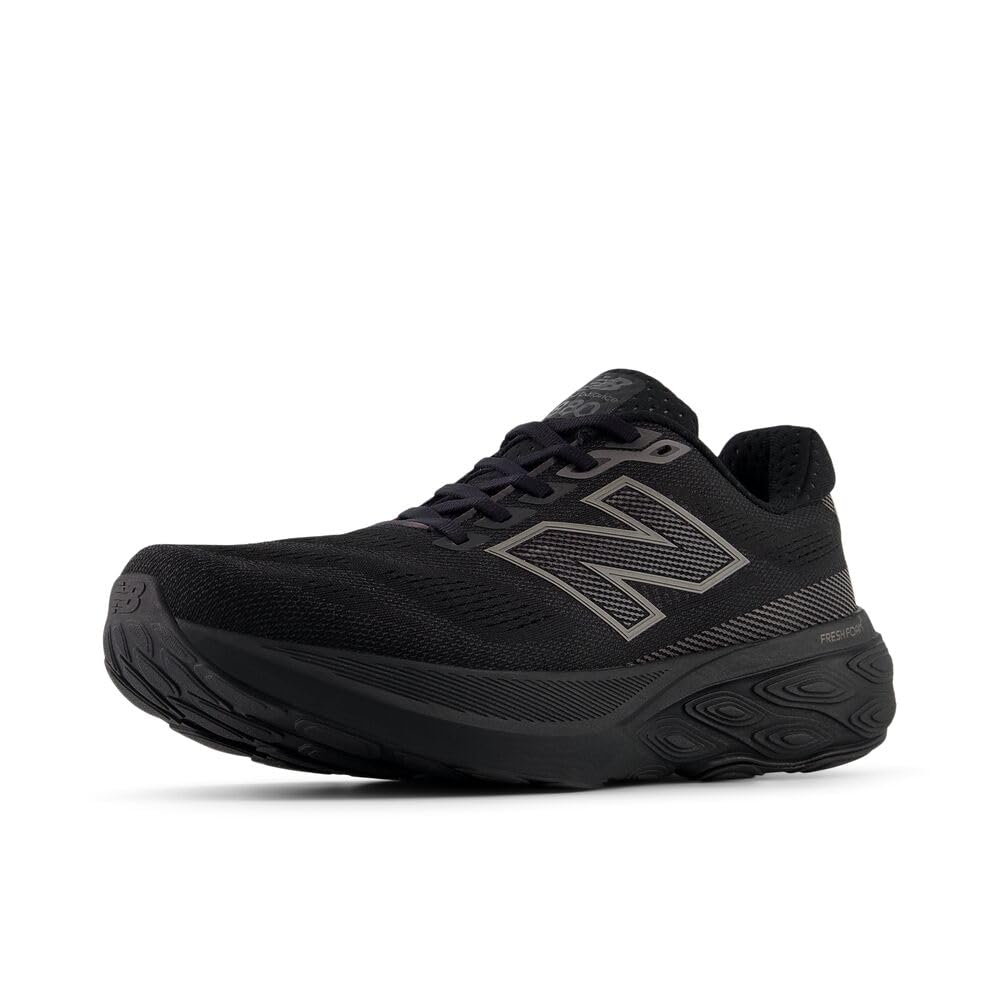
The New Balance 880v15 is the benchmark for a neutral daily trainer that delivers a true 4E fit without excessive weight. The Fresh Foam X midsole provides a balanced ride—plush enough for recovery miles yet responsive enough for tempo efforts. Testers consistently note the “walking on air” sensation, a direct result of the foam’s cell structure that compresses on impact and rebounds cleanly. The engineered mesh upper offers a roomy toe box with a secure midfoot wrap, crucial for preventing slippage inside a wide shoe.
Multiple user reports confirm the sizing runs slightly short, so ordering a half-size up from your standard running shoe length is recommended. At roughly 10.6 ounces for a men’s size 9, it is respectably light for a stability-neutral hybrid. The outsole is built with blown rubber in the forefoot for durability, and the 8mm drop (up from 10mm in previous versions) encourages a more natural midfoot strike. This is the shoe to beat for most runners seeking a reliable, all-purpose trainer in a 4E width.
Where the 880v15 excels is in its consistency. It corners well, transitions smoothly, and does not exhibit the lateral wobble that plagues some wider trainers. The padded upper and wide base provide a stable, neutral platform that works for both high-mileage runners and those on their feet all day. If you wear a size 16 like one verified user, this is one of the few 4E options that doesn’t feel like a boat.
Why it’s great
- Excellent midsole balance of plushness and responsiveness
- True 4E fit with a roomy, anatomical toe box
- Lightweight for a stability-neutral shoe with a wide base
- Durable blown rubber outsole
Good to know
- Runs slightly short; order a half-size up
- Colorways are unappealing to some (gray with green outsole)
- Soft foam may cause inward lean for some walkers without a stable insole
2. Brooks Beast GTS 26
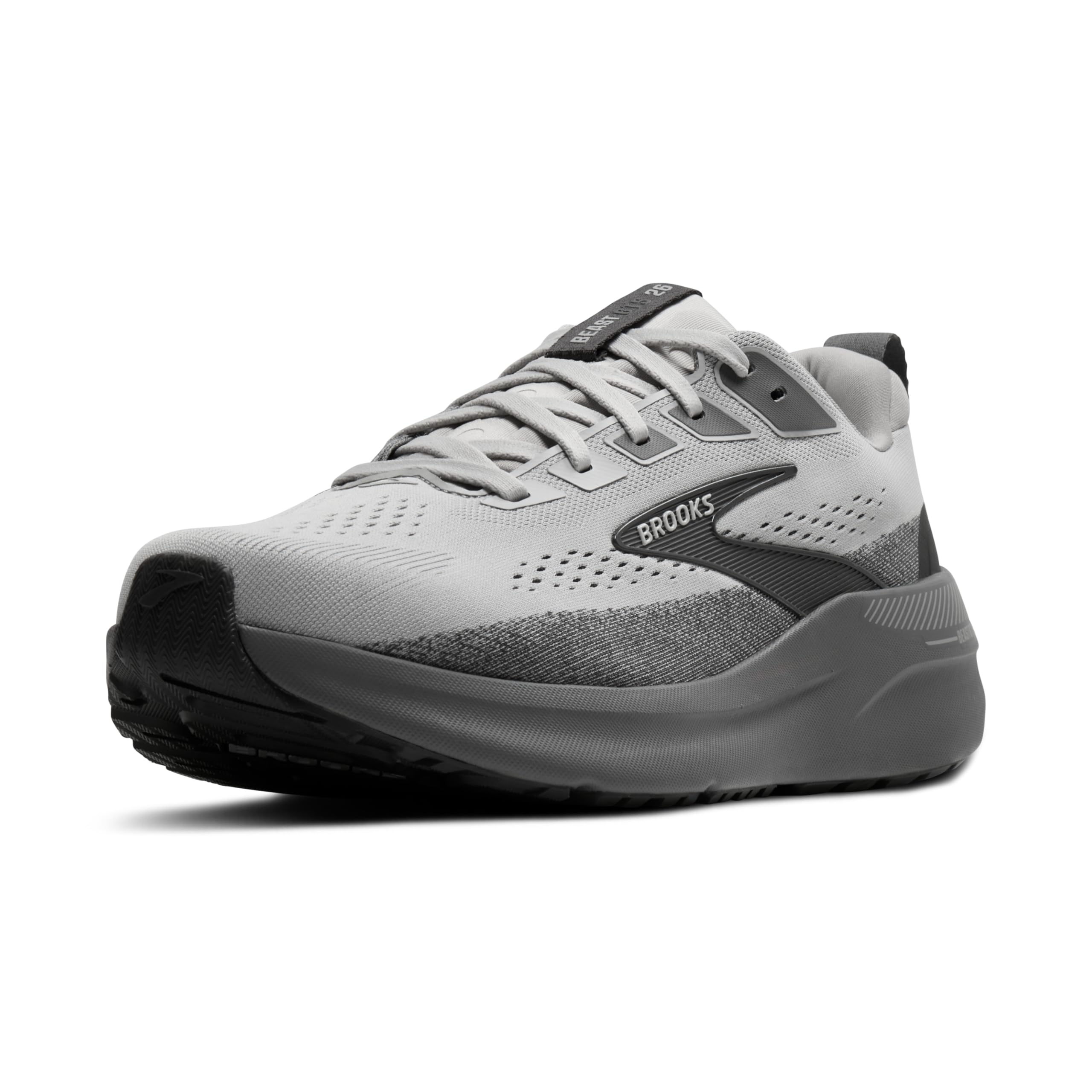
The Brooks Beast GTS 26 is the gold standard for runners who need serious motion control in a 4E width. It is built on a firm, durable platform designed to counter severe overpronation with a medial post that prevents excessive inward roll. The shoe features a padded collar and a rubber toe bump that provides a solid, secure fit around the heel and forefoot. Longtime Beast users consider the GTS 26 the best design in the last six years, noting that the firm insole and flared sole add stability without feeling harsh.
One detail that elevates this shoe is its one-piece outsole with thick tread that handles snow, ice, and mud better than most road shoes. The padding on the tongue and collar is generous, reducing the risk of Achilles irritation during long walks or runs. For runners with a 2E or 4E width, the fit is true to size, though some testers report the laces are too short (48 inches) to execute a proper heel lock on the 4E model, requiring a swap to 57-inch laces.
The Beast GTS 26 is not a lightweight shoe, but its support is unmatched. It is ideal for heavier runners (225 lbs and up) and those with flat feet or bunions. The arch support is structural rather than just an insole, meaning it won’t break down quickly. If you have severe pronation and need a shoe that will keep your stride stable mile after mile, this is the most reliable option in the 4E category.
Why it’s great
- Best-in-class motion control for severe overpronation
- Firm, durable insole that won’t break down
- Excellent traction on varied surfaces (snow, mud, ice)
- Padded collar and tongue for a secure heel lock
Good to know
- Laces are too short for heel lock on 4E width; buy 57-inch laces
- Not lightweight; feels substantial on foot
- More of a walking/light run shoe for heavy runners
3. Brooks Glycerin 23
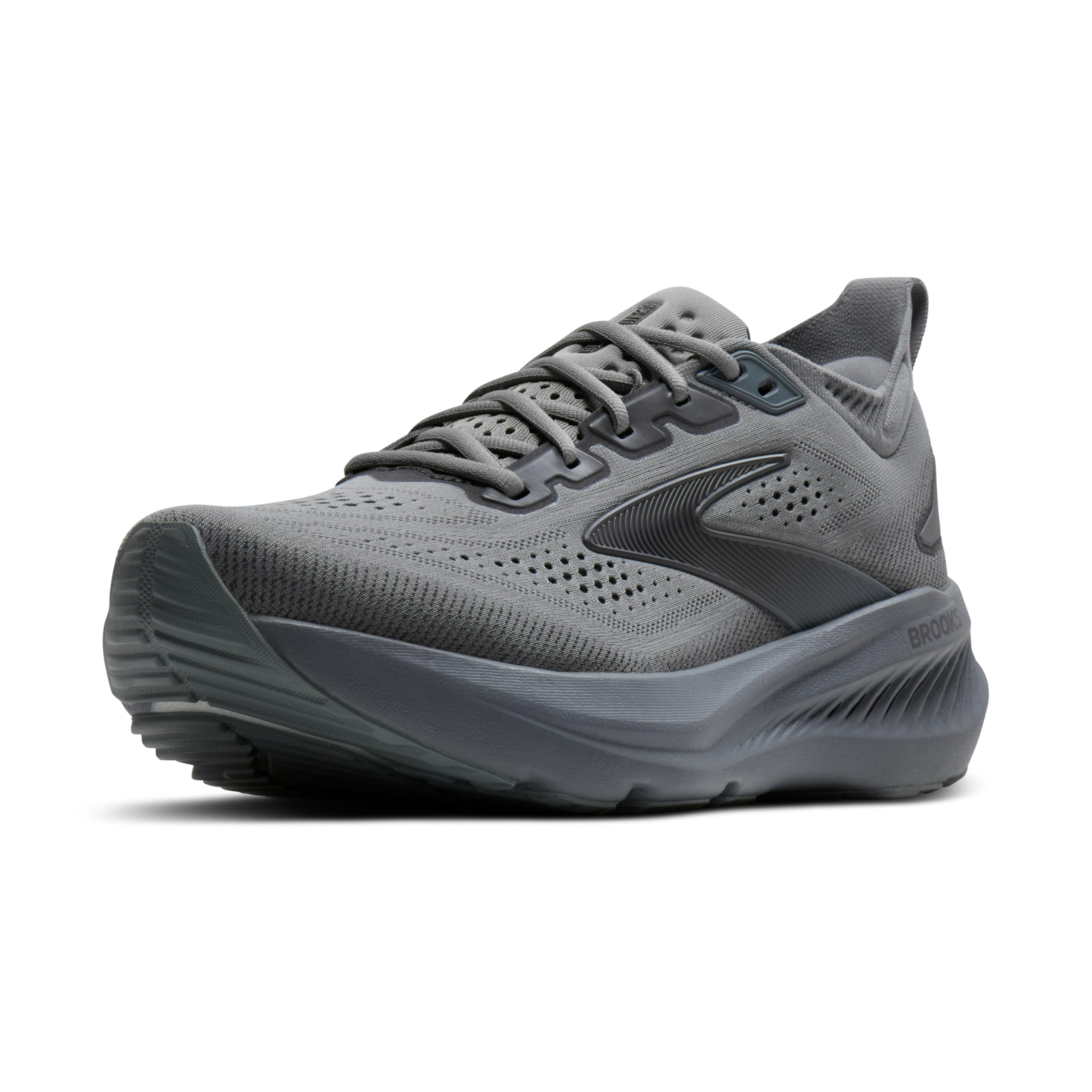
The Brooks Glycerin 23 represents a significant upgrade over its predecessor with the introduction of DNA TUNED foam, a dual-density cushioning system that provides a plush landing on the heel and a more responsive toe-off. For a 4E runner, this zonal cushioning is a game-changer because it prevents the “sinking” feeling that can destabilize a wider foot during the stance phase. The wider base (2mm of extra forefoot foam) creates a stable platform, and the drop has been lowered from 10mm to 8mm for a more natural ride.
User feedback is overwhelmingly positive, with many noting that the toe box is roomy without being sloppy. The shoe has a secure heel lockdown, a common weak point in wide-width shoes, thanks to a sculpted internal heel counter. One reviewer, a size 12 runner, had to go up to a size 13 to get the perfect fit, indicating the shoe runs slightly short. The upper uses a soft, engineered mesh that breathes well and doesn’t cause hot spots.
At approximately 10.6 ounces, the Glycerin is not a speed shoe, but it excels as a daily cruiser for long miles. The outsole is built with a thick layer of solid rubber that promises durability. For a neutral runner who wants the softest possible ride in a 4E width without sacrificing stability, the Glycerin 23 is the top choice. It outshines the Beast in cushioning and aesthetics, though it offers less motion control.
Why it’s great
- DNA TUNED foam for a plush landing with energetic toe-off
- Wider, more stable platform than the previous model
- Roomier toe box with excellent heel lockdown
- High-quality materials and construction
Good to know
- Runs slightly short; consider sizing up by half a size
- Heavier than some neutral trainers (10.6 oz)
- Not suitable for speed work or interval training
4. New Balance Fresh Foam X Hierro V9
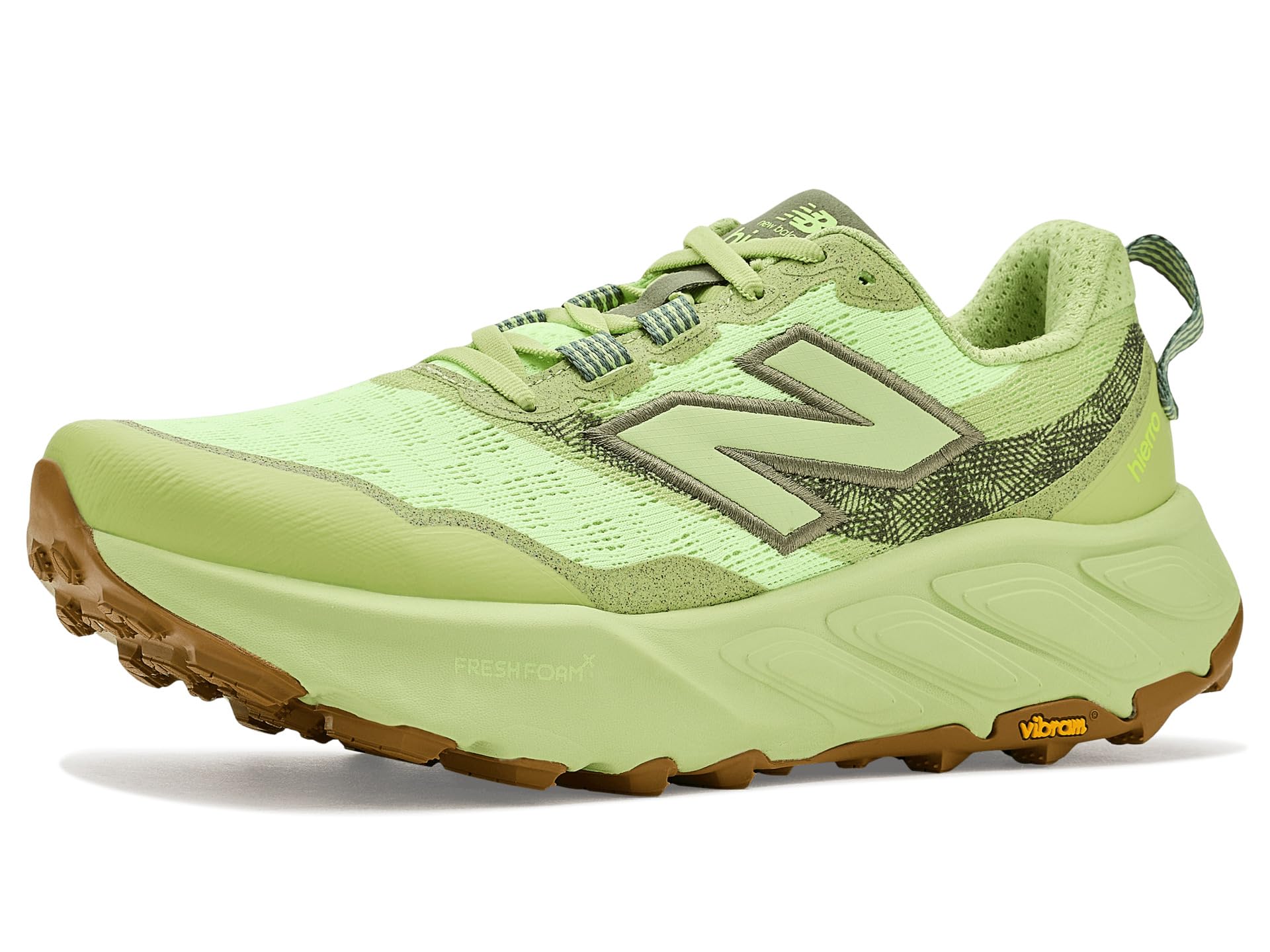
The New Balance Hierro V9 is a purpose-built trail shoe that offers a generous 4E fit in addition to rugged off-road capability. It features a Vibram Megagrip outsole that delivers excellent traction on loose dirt, rocks, and wet roots. The Fresh Foam X midsole provides a cushioned ride that is firm enough for technical terrain but forgiving on long descents, striking a balance between trail protection and road-like comfort.
A common feedback point across users is that the shoe runs short in length, with a tight toe box that can be uncomfortable for those with wider toes. Multiple verified reviews recommend sizing up at least half a size, if not a full size, to avoid pinching. One user who wore the Hierro v7 in size 11 wide found the same size in the v9 too short and had to return them for a larger size. The shoe is also noted for having a snug, supportive fit that may put slight pressure on the sides of the foot during runs, though this can loosen up with wear.
For light trail running and fast hiking, the Hierro v9 is a standout 4E option. It is not designed for heavy trail running or technical scrambling, but it handles maintained paths and gravel roads with ease. The upper is made of a breathable mesh with a protective toe cap. If you need a 4E shoe that can go off-road without the “clown shoe” look, this is the best pick.
Why it’s great
- Excellent Megagrip outsole for trail traction
- Supportive, cushioned midsole that isn’t too squishy
- Roomy 4E width in the forefoot and midfoot
Good to know
- Runs short; order a half to full size up
- Tight toe box for some wider feet
- Not for heavy trail running; better for light trails and hiking
5. ASICS GT-1000 14
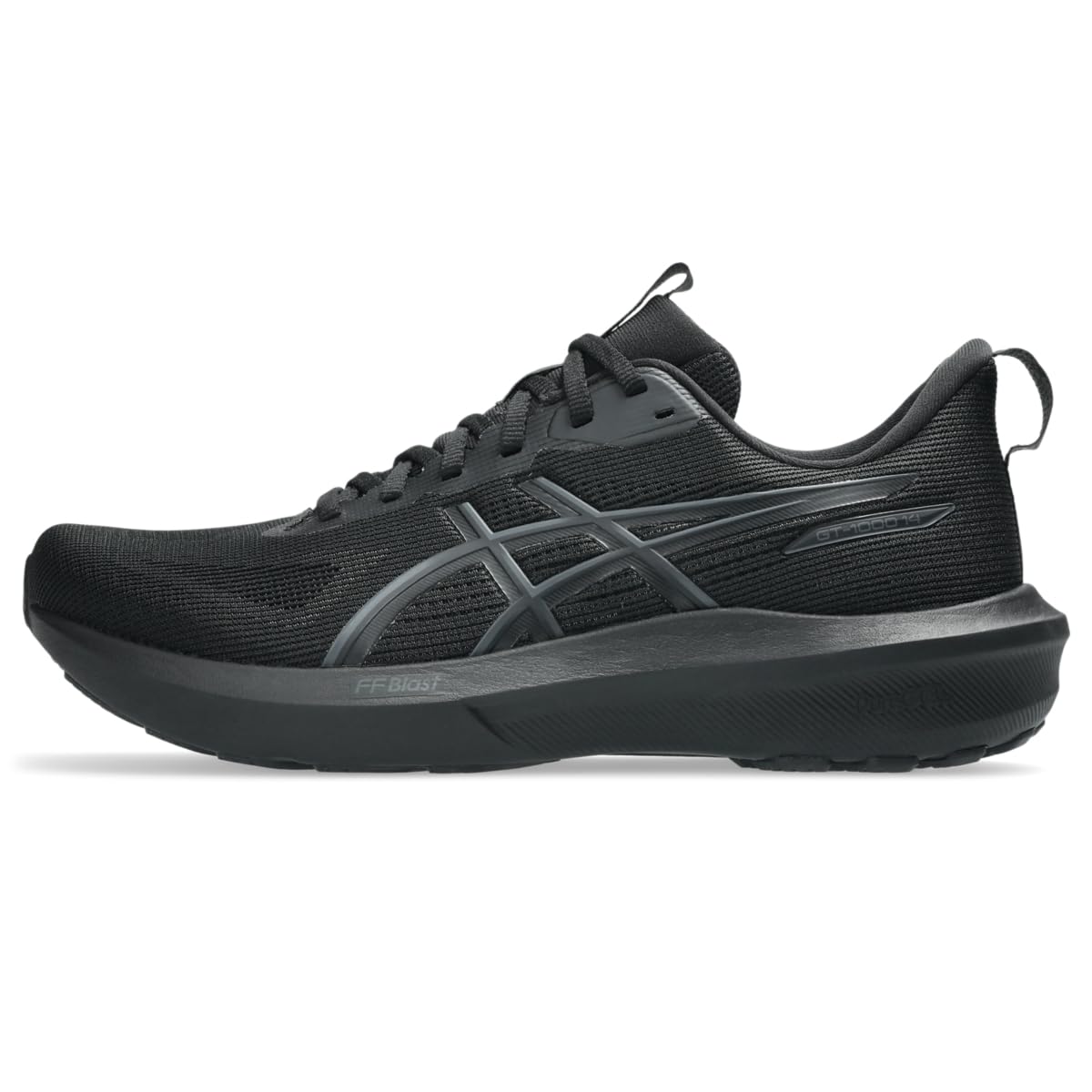
The ASICS GT-1000 14 is the budget-conscious runner’s choice for a stability shoe in a 4E width. It uses LITETRUSS technology, a medial support system that provides moderate pronation control without adding excessive weight or stiffness. The shoe is breathable, lightweight, and versatile enough for road running, gym work, and daily wear. Users have reported that the 4E width is genuinely wide, leaving no pinched toes and providing ample room for bunions.
Several testers have noted that while the cushioning is adequate for general use, it is slightly on the flat side compared to more premium models like the GT-2000 or Kayano. The shoe feels soft and comfortable but lacks the bounce for high-speed training. One reviewer, a high-mileage walker, said he will update his review after a few months to see how the durability holds up. As of now, early impressions are positive, with the shoe showing good structural integrity and a comfortable fit out of the box.
The GT-1000 14 is an excellent entry point into stability running shoes for a runner on a budget. It is lighter than the Brooks Beast and offers enough support for moderate overpronators. The main trade-off is in the longevity of the midsole foam, which may compress faster than the premium options. For the price, it is the best value in the 4E category for daily training and cross training.
Why it’s great
- Genuine 4E fit with no pinched toes
- Good stability for moderate overpronation
- Lightweight and breathable upper
- Versatile for road and gym
Good to know
- Cushioning is flatter and less responsive than premium ASICS models
- Midsole foam may compress faster than high-end options
- Not for runners needing severe stability
6. FitVille Extra Wide Walking Shoes

FitVille has carved a niche in the wide-foot market with a budget-friendly walking shoe that prioritizes arch support. The shoe features a broad toe box, firm arch support, and a balanced sole that is not overly spongy, making it ideal for users with flat feet and heel pain. One verified reviewer called it “my new life choice” after logging 2.5 miles on the first wear without any blistering or discomfort, outperforming a more expensive pair that wore down quickly.
The fit is genuinely wide in the forefoot without being sloppy in the midfoot. The construction is solid, with a durable outsole and a well-padded collar. However, some users with very flat feet noted that the shoe runs large, and a size 14 wide was too roomy even for wide feet, forcing a return. It is also worth noting that the shoe is designed primarily for walking, not high-impact running. The cushioning is supportive but not responsive enough for a running gait.
For a runner who needs a recovery shoe for off-days or a walking shoe for daily comfort, the FitVille offers exceptional value. It is not a performance running shoe, but its focused design for arch support and wide fit makes it a strong alternative for those who spend long hours on their feet. It comes in a sleek, modern style that appeals to users who want a wide shoe that doesn’t look orthopedic.
Why it’s great
- Excellent arch support for flat feet and heel pain relief
- Genuinely wide toe box without midfoot sloppiness
- No break-in period; comfortable out of the box
- Sturdy, well-made construction
Good to know
- Runs slightly large; consider sizing down
- Not designed for running; best for walking and daily wear
- Some returns due to fit mismatch for very flat feet
7. Under Armour Charged Rogue 4

The Under Armour Charged Rogue 4 is a budget-friendly entry into the 4E space, offering a wide fit at a very accessible price point. It uses the brand’s Charged Cushioning midsole, which is a compression-molded foam that provides a good balance of softness and responsiveness for the price. The shoe has a traditional lace-up closure and a padded collar that locks the heel in place. For a casual runner or walker who wants a basic 4E shoe without spending on premium foam, this is a solid choice.
User feedback is mixed but generally positive, with many buyers saying the fit is comfortable for wide and tall feet. One reviewer noted that the shoe felt slightly loose but still comfortable, while another called it a “cheap shoe” with a chemical smell and materials that felt less premium than Brooks. The durability is a concern—some users returned them for better quality. However, for the price, it offers a functional 4E option that allows for a full day on your feet
The Charged Rogue 4 is best for the budget-conscious buyer who needs a 4E shoe for casual wear, walking, or light gym use. It is not built for high-mileage running, and the midsole foam will break down faster than the more premium options. If you are on a tight budget and just need something that fits, this shoe will get the job done, but it is not a long-term investment in performance footwear.
Why it’s great
- Budget-friendly, functional 4E fit
- Comfortable for wide and tall feet
- Decent cushioning for the price
Good to know
- Materials feel cheap and have a chemical smell
- Durability is a concern; midsole breaks down quickly
- Not suitable for serious running or high mileage
FAQ
How do I measure my foot for a 4E running shoe?
Can I use a 4E running shoe if I have a normal-width foot?
Which 4E shoe is best for severe overpronation?
Final Thoughts: The Verdict
For most runners, the best 4e running shoes winner is the New Balance Fresh Foam X 880v15 because it provides the perfect balance of plush cushioning, secure fit, and versatility for daily training in a true 4E width. If you need advanced motion control for severe overpronation, grab the Brooks Beast GTS 26. And for the softest, most cushioned neutral ride, nothing beats the Brooks Glycerin 23.