
Our readers keep the lights on and the weekend projects moving. As an Amazon Associate, I earn from qualifying purchases.
The wrong backpacking rain suit makes you choose between being soaked by the storm or drenched in your own sweat. That trade-off ends with modern fabric engineering that balances waterproof protection with active moisture management. For the trail, you need a suit that seals out rain without turning your hike into a steam bath.
I’m Rikta — the co-founder and writer behind FitlyFast. I track material science and design trends in outdoor gear to help hikers find equipment that performs in variable backcountry conditions.
This guide breaks down the key specs, from membrane breathability to seam sealing, so you can confidently choose the right backpacking rain suit for your hikes, camps, and alpine adventures.
How To Choose The Best Backpacking Rain Suit
Selecting a rain suit for the trail means weighing three competing demands: keeping rain out, letting sweat vapor escape, and stowing small when the sun returns. Here are the specs that separate a soggy burden from reliable protection.
Waterproofing vs. Breathability
A high hydrostatic head rating (10,000mm+) keeps heavy downpours at bay, but without sufficient breathability (measured in g/m²/24h), moisture from your body will condense inside. Look for suits with a membrane like Gore-Tex or DryVent that offers at least 5,000 g/m² breathability for active hiking. A DWR finish helps water bead off rather than soak the face fabric.
Seam and Zipper Construction
Fully taped seams are non-negotiable for backcountry dryness. Exposed stitching creates micro-holes for water ingress. Waterproof zippers with storm flaps add another layer of security, while Velcro cuffs and ankle zippers let you seal openings without restricting movement.
Weight and Packability
Every ounce matters on the trail. A good backpacking rain suit stows into its own pocket or a stuff sack no larger than a Nalgene bottle. Lightweight shells around 12-18 ounces are ideal for minimalists, while heavier, more durable suits suit guides and those expecting sustained exposure.
Quick Comparison
On smaller screens, swipe sideways to see the full table.
| Model | Category | Best For | Key Spec | Amazon |
|---|---|---|---|---|
| Marmot Essential Rain Jacket | Premium Shell | Layering & Alpine Hikes | Gore-Tex membrane, pit zips | Amazon |
| FROGG TOGGS Pilot 2 Guide Jacket | Breathable Jacket | Versatile Layering | 3-layer shell, taped seams | Amazon |
| THE NORTH FACE Antora Rain Pant | Rain Pants Only | Bottoms with Any Jacket | DryVent fabric, 32″ inseam | Amazon |
| FROGG TOGGS Classic All-Sport 3-Layer | Budget Full Suit | Thrifty Hikers & Day Walks | Breathable 3-layer material | Amazon |
| 33,000ft Men’s Rain Suit | Value Set | Golf & Casual Trail Use | Zippered leg openings, 2.5-layer | Amazon |
| KastKing HydroSense Essential | Entry-Level Waterproof | Fishing & Pop-Up Storms | Waterproof zippers, Velcro cuffs | Amazon |
In‑Depth Reviews
1. Marmot Essential Lightweight Rain Jacket
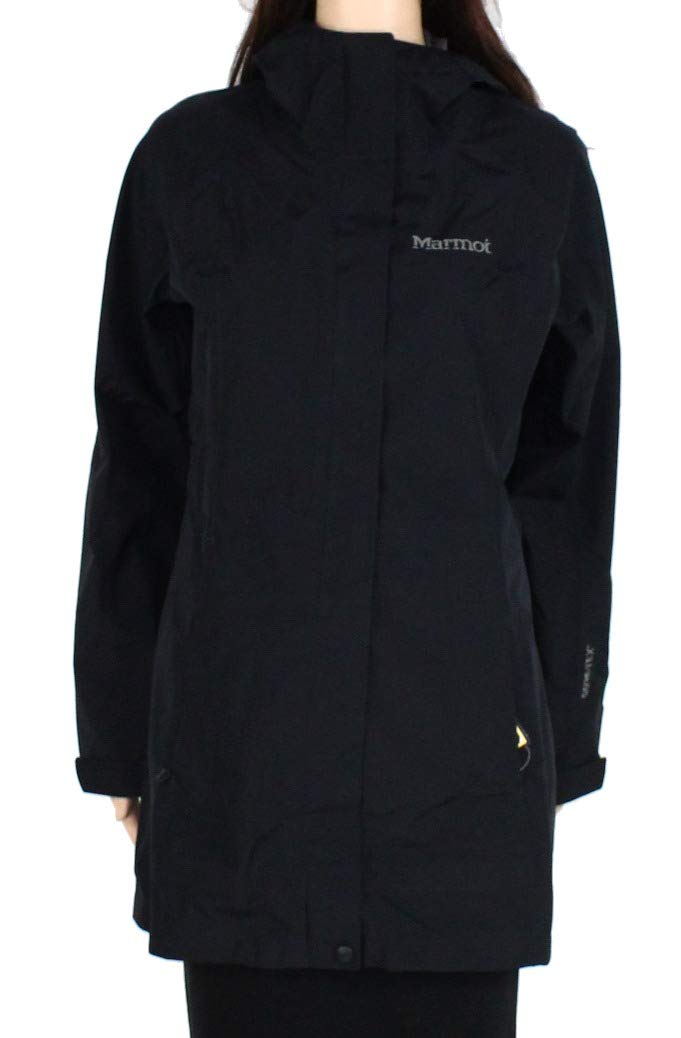
This Marmot jacket uses a genuine Gore-Tex membrane to deliver reliable waterproofing and breathability for multi-day trips. The long cut covers your hips and seat, which is a major advantage when rain runs off your pack. At just over half a pound, it packs down to fist-sized, making it a favorite for lightweight backpackers who refuse to compromise on protection.
Underarm pit zips provide instant ventilation when you’re climbing a pass, addressing the main complaint about rain shells: heat buildup. The adjustable hood fits over a climbing helmet, and the two-way front zipper lets you access your harness or belt pockets without exposing your torso. Reviewers consistently praise the length and the packable weight.
The jacket fits trim — size up if you plan to layer over a thick fleece or puffy. No interior pockets means you’ll rely on your mid-layer for small-item storage. The Velcro cuffs and hem drawcord create solid seals, but the hood’s adjustment needs two hands to tune precisely.
Why it’s great
- Genuine Gore-Tex for dependable weather protection
- Pit zips add crucial breathability for active wear
- Lightweight and highly packable for the trail
Good to know
- Snug fit requires sizing up for layering
- No interior security pockets
2. FROGG TOGGS Pilot 2 Guide 3-Layer Jacket
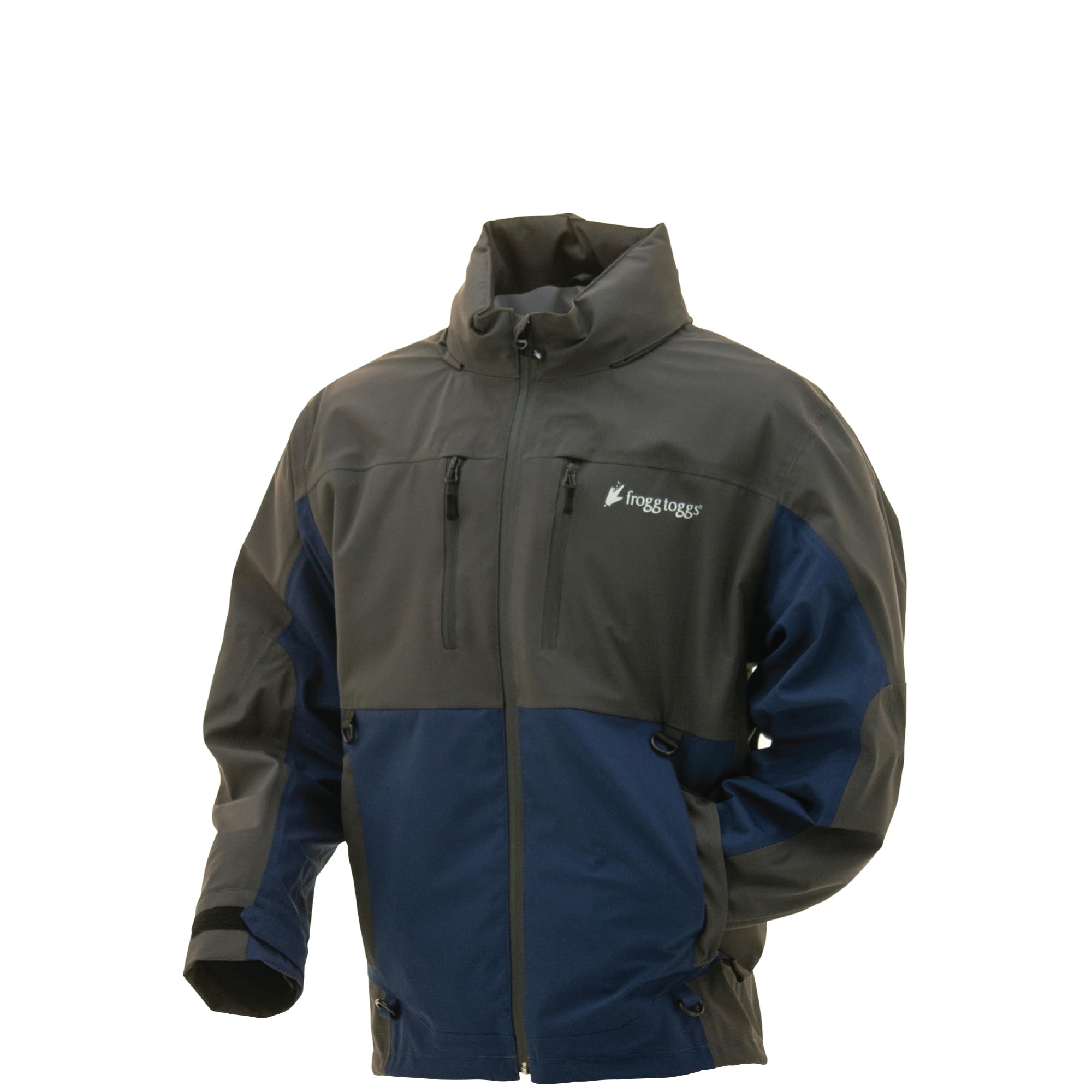
The Pilot 2 Guide is FROGG TOGGS’ answer to hikers who want a durable, breathable jacket that doesn’t break the bank. Its 3-layer construction with fully taped seams prevents water seepage at the stitch lines, a common failure point in cheaper shells. Testers report staying dry through sustained Pacific Northwest drizzle and cold rain alike.
Cuffed inner sleeves stop rain from running down your wrists — a design detail that feels premium at this price tier. The removable hood fits over a ball cap or beanie, and the hand-warmer pockets are lined for comfort in cold weather. Reviewers on long Alaska charters and Michigan fishing trips confirm the jacket’s windproofing and moisture management.
The fit is deliberately generous to allow layering underneath, but sleeve length can feel short for taller frames when reaching overhead. The detachable hood unzips cleanly but lacks a dedicated stow pocket, so it’s easy to misplace. Overall, this jacket offers near-premium features at a mid-range investment.
Why it’s great
- Fully taped seams and cuffed inner sleeves block water
- Removable hood and adjustable cuffs for versatility
- Generous fit allows thick base and mid layers
Good to know
- Sleeves run short for some tall users
- No stow pocket for the removable hood
3. THE NORTH FACE Antora Rain Pant
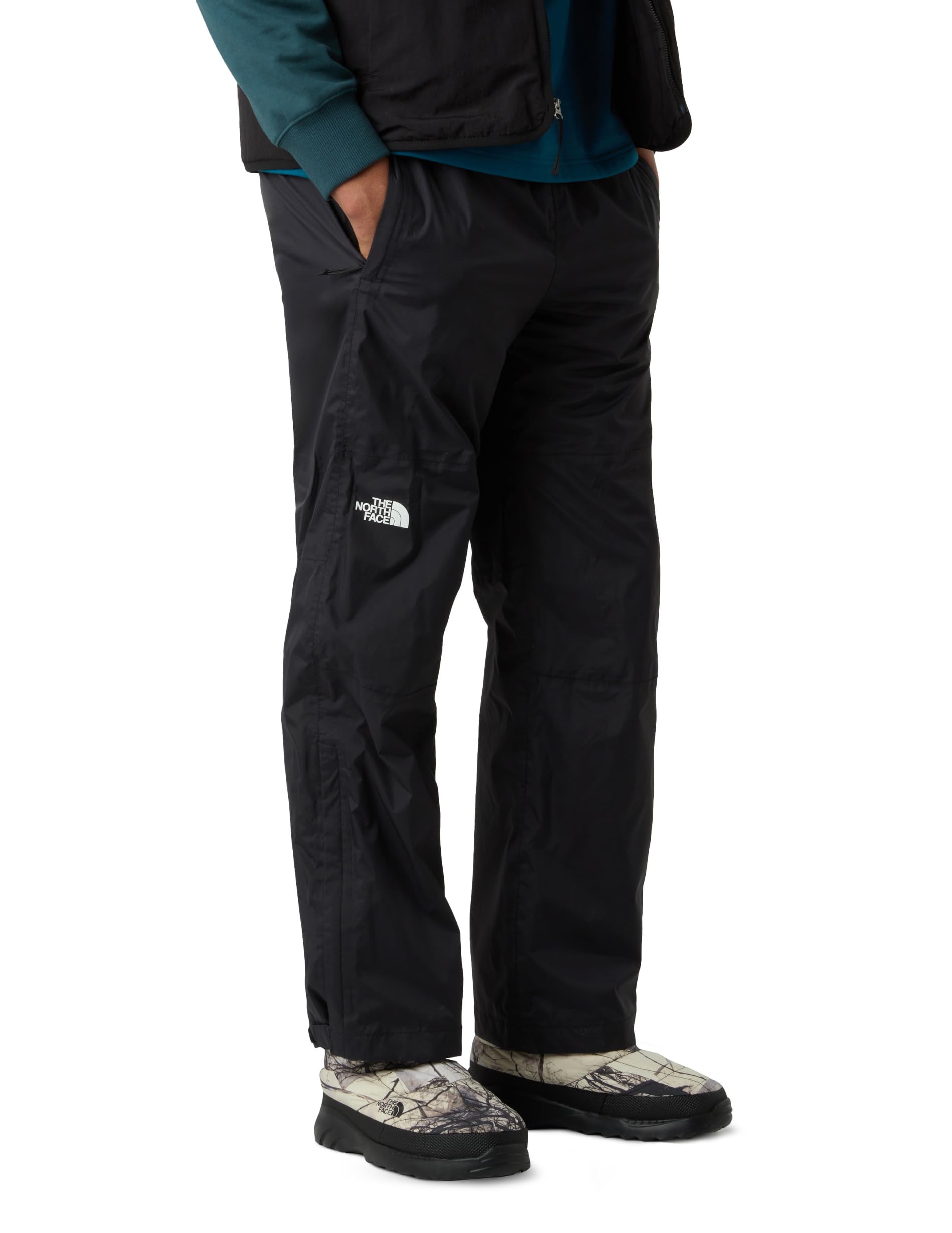
These rain pants from The North Face use DryVent technology to provide reliable waterproofing and breathability without relying on PFC-based DWR. The relaxed fit through the seat and thigh allows full range of motion when scrambling or hiking uphill. An adjustable elastic waistband with an internal drawcord keeps the pants secure even when you strip off a wet layer.
Articulated knees improve mobility and prevent the fabric from binding during deep steps. The 32-inch inseam is a standard length that works well for most builds, and secure-zip hand pockets store small items like a phone or map. Reviewers report these pants hold up to hurricane-force conditions and repeated washings.
These are sold as standalone rain pants, so you’ll need to pair them with a rain jacket for a complete suit. The ripstop polyester face fabric is durable enough for bushwhacking but still packable. If you already own a good rain jacket, these pants are an upgrade that significantly boosts your storm-readiness.
Why it’s great
- Articulated knees for unrestricted hiking movement
- Non-PFC DWR finish is environmentally friendlier
- Durable ripstop fabric handles trail abrasion
Good to know
- Sold as pants only — jacket sold separately
- Standard inseam may be short for tall hikers
4. FROGG TOGGS Classic All-Sport 3-Layer Rain Suit

This full rain suit from FROGG TOGGS has become a staple for budget-minded backpackers who need dependable storm protection without the weight penalty. The 3-layer construction is designed to be breathable, significantly reducing the sauna effect of cheaper plastic rain gear. Reviewers confirm it works as a windbreaker too, adding warmth on blustery ridge walks.
The suit folds up small enough to stash in a daypack or waist pack. The jacket features a hood that fits over a hard hat — good for climbers and anglers — with a Velcro closure at the neck. The pants have an elastic waist and zippered leg openings that fit over boots. Several users report staying completely dry during seven-hour downpours with only a t-shirt beneath.
Sizing runs one full size large, so you’ll likely need to order down. The jacket sleeves can be short for tall torsos, and the crotch seam on the pants is prone to tearing if you squat abruptly. For the price, it’s an outstanding value, but treat it as a reliable companion for fair-weather trips rather than a daily driver.
Why it’s great
- Breathable 3-layer construction limits sweat buildup
- Folds compactly for easy packing
- Great wind resistance for the weight
Good to know
- Runs one full size large — order down
- Crotch seam can tear under sudden tension
5. 33,000ft Men’s Rain Suit (Jacket & Pants)

The 33,000ft rain suit is a lightweight two-piece set designed for active use like golf, hiking, and cycling. The jacket uses a taped interior dry layer to block wind and rain, while the pants feature zippered leg openings and Velcro ankle straps for a secure seal over boots. At under a pound total, it’s easy to justify carrying as an emergency layer.
Reviewers appreciate the suit’s flexibility — the jacket’s hood stows in the collar via a snap/velcro flap, and the adjustable drawstring waist keeps the pants in place during dynamic movement. The material is described as breathable and non-sweaty by most users, though a few note it can retain moisture during high-output exertion. It fits true to size for most body types.
The jacket’s sleeve cuffs lack Velcro adjusters, which means water can run up your forearms if you don’t wear gloves. The hood is adequate but not helmet-compatible. For casual trail walks, fishing trips, or round-of-golf protection, this suit delivers solid performance at a reasonable cost.
Why it’s great
- Lightweight and easy to stow in a daypack
- Zippered leg openings fit easily over boots
- Adjustable waist and ankle straps for a custom fit
Good to know
- Jacket cuffs lack Velcro closures
- Can retain body moisture during heavy exertion
6. KastKing HydroSense Essential Rain Suit

KastKing’s HydroSense suit is built for anglers but works well for hikers wanting a budget-friendly entry into waterproof gear. Waterproof zippers on all pockets and the front closure prevent leaks, while the pass-through trouser pockets let you access your pants pockets underneath without exposing the suit’s interior to rain. Velcro cuffs and ankle straps seal the openings effectively.
Reviewers consistently praise the suit for keeping them dry in pop-up thunderstorms and heavy downpours. The material is lightweight and comfortable over jeans or hiking pants, with a breathability that prevents excessive clamminess during moderate activity. The jacket runs oversized, so consult the size chart — most users order down one size from their normal casual wear.
The suit feels sturdy for its price tier, with double-stitched seams and a solid zipper action. The phone pocket on the chest is a thoughtful addition for quick access. The main trade-off is the lack of advanced breathability membranes — sustained high-output hiking may lead to interior condensation. For casual trail use and fishing, it’s an outstanding value.
Why it’s great
- Waterproof zippers on all pockets and closure
- Pass-through trouser pockets for easy access
- Velcro cuffs and ankle straps seal effectively
Good to know
- Runs large — order down one size
- Breathability lags behind membrane-based shells
7. WindRider Pro Foul Weather Gear Rain Suit

The WindRider Pro is a heavy-duty foul weather suit built for professionals who work long shifts in the rain — freight train conductors, commercial fishermen, and outdoor guides. The shell uses thick, abrasion-resistant fabric with chunky two-way zippers that are easy to operate with gloved hands. Multiple pockets provide tool storage, and the articulated cut allows climbing into truck cabs or boat consoles.
Reviewers report staying completely dry during 8-to-12-hour shifts in continuous rain, with a warmth that reduces the need for heavy mid-layers. The suit runs slightly small, so sizing up is recommended for layering. Testers note the construction is significantly more durable than budget suits, with no crotch ripping or zipper failures even after months of daily abuse.
The trade-off is weight and packability — this suit is heavier and bulkier than backpacking-specific options. It’s best suited for base camp use, paddling trips, or as a dedicated storm layer in a car or truck. If your priority is bombproof protection during sustained exposure rather than ultralight travel, the WindRider Pro delivers unmatched durability.
Why it’s great
- Extremely durable fabric withstands daily abuse
- Chunky two-way zippers work well with gloves
- Multiple pockets for tools and essentials
Good to know
- Heavy and bulky compared to backpacking shells
- Runs slightly small — size up for layering
FAQ
What is the difference between a 2-layer and a 3-layer rain suit for backpacking?
Can I use a backpacking rain suit for mountaineering or winter camping?
How do I maintain the DWR coating on my rain suit?
Final Thoughts: The Verdict
For most users, the backpacking rain suit winner is the Marmot Essential Rain Jacket because its Gore-Tex membrane and pit zips offer the best blend of lightweight storm protection and breathability for backcountry travel. If you want a complete jacket-and-pants suit at a value price, grab the FROGG TOGGS Classic All-Sport 3-Layer. And for heavy-duty professional use, nothing beats the WindRider Pro.