
Our readers keep the lights on and the weekend projects moving. As an Amazon Associate, I earn from qualifying purchases.
When your baby is dealing with a sensitive stomach, every feeding becomes a guessing game. Fussiness, gas, and constant crying are not just uncomfortable for your little one — they are exhausting for you. Finding a baby formula that actually settles instead of stirs things up changes your entire day.
I’m Rikta — the co-founder and writer behind FitlyFast. I have spent years analyzing ingredient panels, digestibility studies, and customer reports on how different protein sources and carbohydrate bases affect infant comfort.
This guide breaks down the top contenders to help you choose the best option. The goal is to identify the most reliable baby formula for sensitive stomach that delivers real relief without sacrificing the complete nutrition your baby needs to thrive.
How To Choose The Best Baby Formula For Sensitive Stomach
Not all “sensitive” formulas work the same way. Some target lactose intolerance, others break down protein for easier digestion, and a few eliminate whole protein groups entirely. You need to know what your baby is reacting to before you can pick the right tool for the job.
Start With the Protein Source
The vast majority of infant digestive issues trace back to cow’s milk protein. Gentle formulas use partially hydrolyzed proteins — chopped into smaller pieces. Hypoallergenic formulas use extensively hydrolyzed proteins or pure amino acids. A2 milk formulas use a different protein variant that some babies tolerate better than standard A1 milk. Soy protein is a separate path for families avoiding animal protein entirely.
Check the Carbohydrate Base
Lactose is the standard carb in breast milk and most standard formulas. Babies with primary or temporary lactose intolerance need a reduced-lactose or lactose-free formula. Many gentle formulas use corn syrup solids or maltodextrin as the primary carb source to reduce the lactose load while still providing energy for growth.
Look for Gut-Supporting Additives
Prebiotics like HMOs (2′-FL, LNnT) feed beneficial gut bacteria. Probiotics add live cultures directly. Both can help regulate bowel movements and reduce gas. DHA and ARA matter for brain and eye development, but they do not directly affect stomach comfort — focus on the digestive ingredients first when choosing for a sensitive tummy.
Quick Comparison
On smaller screens, swipe sideways to see the full table.
| Model | Category | Best For | Key Spec | Amazon |
|---|---|---|---|---|
| Mama Bear Gentle Premium | Gentle | Everyday gas & fussiness | Partially hydrolyzed protein with DHA | Amazon |
| Baby’s Only A2 Organic | A2 Organic | Organic A2 protein tolerance | A2 beta-casein protein, no corn syrup | Amazon |
| Happy Baby Organics A2 | A2 + Pre/Probiotics | Digestive & immune support | Probiotics + prebiotics, EU-made | Amazon |
| Mama Bear Sensitivity Premium | Lactose-Reduced | Lactose sensitivity | Low lactose, dual HMOs, no palm oil | Amazon |
| Nutricia Neocate Infant | Amino Acid | Severe allergies & CMPA | 100% amino acid, dairy-free | Amazon |
| Similac Alimentum | Hypoallergenic | Colic & protein sensitivity | Extensively hydrolyzed, 2′-FL HMO | Amazon |
| Similac Soy Isomil | Soy-Based | Milk protein avoidance | Plant-based protein, no palm olein | Amazon |
In‑Depth Reviews
1. Mama Bear Gentle Premium Baby Formula Powder

This mid-range option delivers exactly what a sensitive tummy needs: partially hydrolyzed proteins that are easier to manage than full-size chains. Users consistently report a noticeable drop in gas, fussiness, and crying within a few days of switching. The inclusion of DHA and choline covers brain development without adding digestive stress.
It compares directly to Enfamil Neuropro Gentlease in formulation but comes at a more accessible price point. The powder mixes cleanly with minimal clumping, and the can design includes a dedicated spot to store the scoop — a small but appreciated detail during late-night bottle prep.
The formula is milk-based with iron and contains corn syrup solids and palm oil, which some babies may still find challenging. If your baby has a true milk protein allergy rather than general sensitivity, you will need to step up to a hypoallergenic or amino acid-based product.
Why it’s great
- Reduces gas and crying effectively
- Excellent value for a gentle formula
- Mixes easily without clumps
Good to know
- Contains corn syrup solids and palm oil
- Not suitable for diagnosed CMPA
2. Baby’s Only A2 Organic Milk Infant Formula

This organic A2 milk formula targets babies who react to the A1 beta-casein protein found in standard cow’s milk. By sourcing milk from cows that produce only A2 protein, the formula mimics the protein structure found in breast milk and goat milk, which some infants tolerate significantly better.
The ingredient panel is clean: no corn syrup, no palm oil, no artificial growth hormones, and no GMOs. The proprietary organic fat blend uses oils that are easier for small digestive systems to process. Parents report no gas issues and normal bowel movements even in pre-term infants who struggled with other formulas.
It is made in small batches in Ohio with rigorous testing. The lack of probiotics is a minor gap — parents of cesarean-delivered babies may want to add a separate probiotic supplement for optimal gut colonization.
Why it’s great
- No corn syrup or palm oil
- Organic with clean label ingredients
- Great transition from breast milk
Good to know
- No added probiotics or prebiotics
- Availability can be inconsistent
3. Happy Baby Organics Stage 1 A2 Infant Formula

Happy Baby Organics is the only USDA organic formula with both probiotics and prebiotics, designed to bring gut bacteria closer to that of breastfed infants. The patented blend has been clinically shown to support softer, more regular poops — a major win for gassy, constipated babies.
The formula is made in Europe under both USDA and EU organic standards, giving it some of the strictest quality oversight in the market. It includes DHA at levels found in breast milk for brain and eye development, and tailors key nutrients as the baby grows, similar to how breast milk composition shifts over time.
Parents report significant reductions in reflux and spit-up, even in babies who failed hypoallergenic formulas. The main drawback is Amazon stocking issues and slower shipping times. Buying directly from the manufacturer’s subscription program can provide more reliable supply.
Why it’s great
- Probiotics plus prebiotics for gut health
- Reduced reflux and spit-up reported
- EU and USDA organic certified
Good to know
- Amazon stock and shipping can be unreliable
- Premium price for organic certification
4. Mama Bear Sensitivity Premium Infant Formula
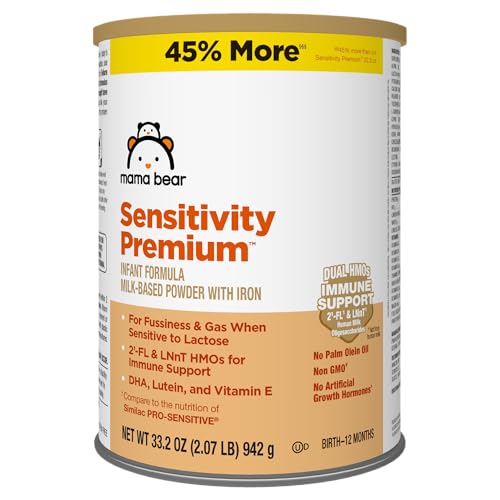
With 99 percent less lactose than standard milk-based formulas, this option is specifically engineered for babies with lactose sensitivity. The dual HMO blend (2′-FL and LNnT) feeds beneficial gut bacteria while supporting immune development — a combination that directly targets the root of lactose-related digestive complaints.
The formula omits palm olein oil, which can contribute to constipation in some infants, and includes lutein alongside DHA and choline for comprehensive development support. Users transitioning from breastfeeding report a smooth switch with minimal resistance or digestive upset.
Some parents note a distinctive odor and bad breath after use, though the digestive results remain positive. It is SNAP-eligible and meets all FDA quality standards, matching the nutritional profile of Similac Pro-Sensitive at a more accessible price.
Why it’s great
- Very low lactose for sensitive babies
- Dual HMOs for immune and digestive support
- No palm olein oil
Good to know
- Can cause bad breath in some babies
- Not suitable for milk protein allergy
5. Nutricia Neocate Infant
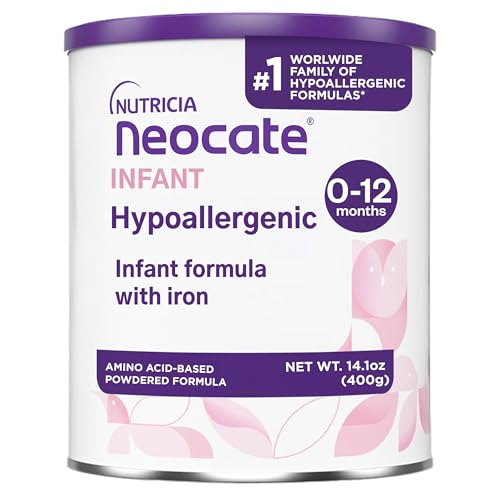
This is the heavy artillery for severe food allergies and CMPA. Neocate is an amino acid-based formula — meaning the protein is broken down to its most basic building blocks — making it virtually impossible for the body to mount an allergic reaction. It is clinically shown to provide relief within three days of starting.
It contains DHA and ARA for brain and eye development, plus nucleotides for immune support. Despite being dairy-free, it supports normal growth with reported height and weight percentiles in the 70th range for babies who previously struggled with standard formulas. It is the #1 amino acid-based formula brand worldwide with over 35 years of clinical use.
The can is small (14.1 oz) and the cost is high, reflecting the specialized manufacturing process. Parents report that nipples can clog in cold weather — rinsing the inside of the nipple before feeding helps prevent this issue.
Why it’s great
- 100% amino acid, completely hypoallergenic
- Effective for severe reflux and CMPA
- Supports normal growth and development
Good to know
- Very expensive for the small can size
- May need special preparation to avoid nipple clogging
6. Similac Alimentum With 2′-FL HMO
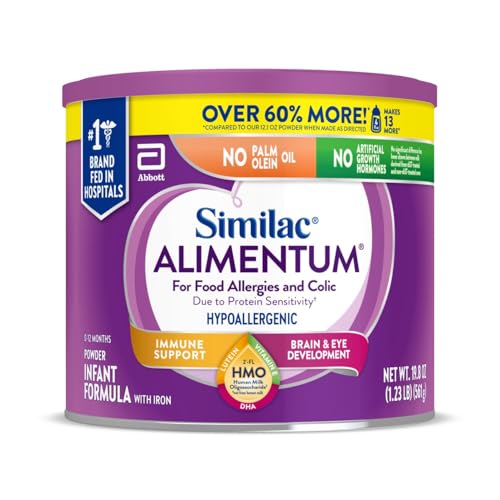
Similac Alimentum uses extensively hydrolyzed protein — broken down into very small pieces to nearly eliminate allergic reactions in most babies with cow’s milk protein sensitivity. It is the first and only hypoallergenic formula to include 2′-FL HMO, an immune-nourishing prebiotic that supports gut health while addressing colic symptoms.
Clinical data shows it starts reducing colic symptoms within 24 hours in most infants. Parents with babies suffering from reflux, fussiness, and general discomfort report that this formula restored both their baby’s comfort and their own sanity. It is available in powder and ready-to-feed formats, with the ready-to-feed option being particularly useful for late-night feeds.
The formula is more expensive than standard options but more accessible than amino acid-based formulas like Neocate. It is the #1 infant formula brand fed in hospitals, and the MySimilac rewards program lets you earn points toward future purchases.
Why it’s great
- Reduces colic symptoms within 24 hours
- Includes 2′-FL HMO for immune support
- Extensively hydrolyzed for protein sensitivity
Good to know
- Higher cost than gentle formulas
- Some babies may still react to trace proteins
7. Similac Soy Isomil Infant Formula

For families who need to avoid cow’s milk protein entirely, this soy-based option provides a plant-based protein source that is lactose-free and clinically shown to help reduce fussiness and gas. It is suitable for infants of families following a vegetarian or plant-based diet, and it contains DHA and lutein for brain and eye development.
The formula uses no palm olein oil, which supports excellent calcium absorption. It includes prebiotics for digestive health and nucleotides that are inherent in soy protein to support the immune system. Parents report that their babies’ stools normalized and fussiness settled down after switching from milk-based formulas.
Soy formulas are not appropriate for all babies — some infants with cow’s milk allergy also react to soy protein. It is available in a multi-pack format that provides good value through subscribe-and-save programs, and the MySimilac app offers additional coupon savings.
Why it’s great
- Lactose-free plant-based protein
- No palm olein oil for better calcium absorption
- Multi-pack offers good value
Good to know
- Some babies with CMPA also react to soy
- Requires pediatrician approval before switching
FAQ
What is the difference between gentle and hypoallergenic formula?
How quickly should I see improvement after switching formula?
Can I switch between brands of gentle formula freely?
Final Thoughts: The Verdict
For most users, the best baby formula for sensitive stomach winner is the Mama Bear Gentle Premium because it delivers reliable digestive relief at a value that makes daily feeding sustainable. If you want organic ingredients with no corn syrup or palm oil, grab the Baby’s Only A2 Organic Milk Formula. And for severe allergies or confirmed CMPA, nothing beats the Nutricia Neocate Infant despite its premium cost.