
A backpacking shoe that feels great in the parking lot can wreck your trip by mile six. The gap between a casual walk and a 15-mile day with a loaded pack is where most trail shoes fail — thin midsoles collapse, toe boxes crimp toes on descents, and traction patterns clog with mud. The right pair disappears under your feet so you can focus on the ridge ahead, not the hot spot forming on your heel.
I’m Rikta — the co-founder and writer behind FitlyFast. I spend my research hours analyzing outsole rubber compounds, midsole stack heights, and last shapes across dozens of models to separate the true backpacking performers from the marketing that sounds good on a box.
This guide breaks down the essential specs — weight, traction, cushioning, and fit — that separate a solid day hiker from a true load‑hauler. Whether you need waterproofing for wet trails or a wide toe box for swollen feet, you will find a shoe built for the distance in this roundup of the best backpacking shoes.
How To Choose The Best Backpacking Shoes
Selecting a backpacking shoe involves more than grabbing the lightest trail runner on the shelf. Your pack weight, typical terrain, and personal foot shape dictate which features matter most. Focus on these three areas to narrow your options.
Stack Height and Cushioning vs. Ground Feel
Higher stack heights (30 mm and above) absorb shock from rocky descents and reduce fatigue on long days with a pack. Lower profiles (under 25 mm) offer better ground feel and stability on technical terrain but transmit more impact through your joints. A mid-range stack with a dense EVA blend gives a good compromise for most backpackers.
Traction: Lug Depth and Rubber Compound
Lugs between 4 mm and 5 mm deep clear mud reasonably well while still biting into loose dirt and scree. Softer rubber compounds like Vibram Megagrip or Altra MaxTrac provide superior wet‑rock grip at the cost of faster wear on abrasive granite. Harder compounds last longer but slip more on damp surfaces.
Fit: Toe Box Volume and Heel Lock
Feet swell after hours of hiking, so a roomy toe box prevents black toenails on descents. A secure heel pocket — often achieved with an external heel counter or lace‑locking eyelets — stops your foot from sliding forward inside the shoe. Unaddressed heel slip is the fastest route to blisters.
Quick Comparison
On smaller screens, swipe sideways to see the full table.
| Model | Category | Best For | Key Spec | Amazon |
|---|---|---|---|---|
| New Balance Dynasoft Tektrel V1 | Mid‑Range | Daily walking and light trails | 8 mm drop / 4 mm lugs | Amazon |
| Merrell Speed Strike 2 | Mid‑Range | Fast day hikes on mixed terrain | 1.5 lb / 4 mm lugs | Amazon |
| Brooks Caldera 8 | Mid‑Range | Max cushion trail runs and hikes | 30 mm stack / DNA LOFT v3 | Amazon |
| The North Face Altamesa 300 | Mid‑Range | All‑day standing and trail walks | Waterproof / high‑rebound midsole | Amazon |
| Altra Lone Peak 9 | Premium | Zero‑drop fans needing toe room | 0 mm drop / MaxTrac outsole | Amazon |
| Altra Lone Peak 8 (Women’s) | Premium | Wide‑footed hikers on rocky terrain | 0 mm drop / MaxTrac outsole | Amazon |
| Oboz Sawtooth II Low B‑Dry | Premium | Support‑focused hikers with arch needs | 15.7 oz / B‑Dry waterproof | Amazon |
| Brooks Cascadia 19 | Premium | Technical terrain with rock protection | Rock plate / Pivot‑Post system | Amazon |
| Danner Trail 2650 | Premium | Mixed terrain with Vibram reliability | 1.68 lb / Vibram 460 outsole | Amazon |
In‑Depth Reviews
1. New Balance Men’s Dynasoft Tektrel V1 Suede Trail Running Shoes
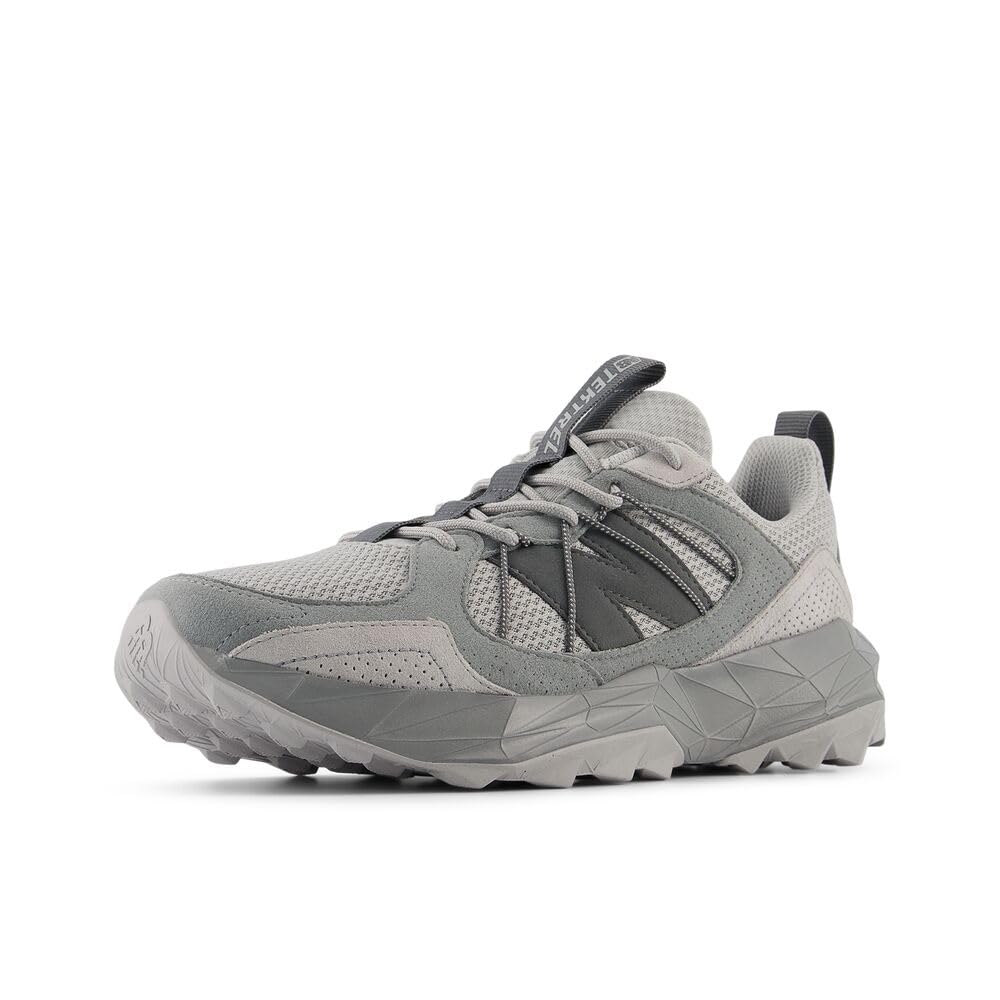
The New Balance Dynasoft Tektrel V1 punches well above its price tier with a suede upper that shrugs off scuffs and a Dynasoft midsole that delivers a balanced ride for both packed dirt and paved approaches. Reviewers consistently report zero break‑in and all‑day comfort even after 8 months of heavy daily use covering up to 11 miles per day — a durability signal that many budget‑friendly trail shoes fail to match.
The 4 mm lug pattern handles loose gravel and dry singletrack without catching too much mud, making it a versatile choice for weekend backpackers who mix trail miles with camp chores. The EE width option accommodates wide forefeet without excessive volume in the heel, a common fit issue in this price segment.
Traction on wet rock is adequate but not exceptional, and the suede upper lacks a waterproof membrane — expect wet feet after stream crossings or sustained rain. For dry‑climate backpackers on moderate terrain, this shoe delivers surprising longevity and comfort at an entry‑level investment.
Why it’s great
- Exceptional durability for the price; multiple reviews report hundreds of miles with minimal wear
- EE width available for wide feet without heel slippage
- Out‑of‑box comfort with no break‑in period on day one
Good to know
- No waterproofing; suede absorbs moisture in wet conditions
- Midsole cushioning feels firmer than premium foam blends like DNA LOFT
- Traction on wet, slick rock is below specialist outsoles like MaxTrac or Vibram Megagrip
2. Merrell Women’s Speed Strike 2
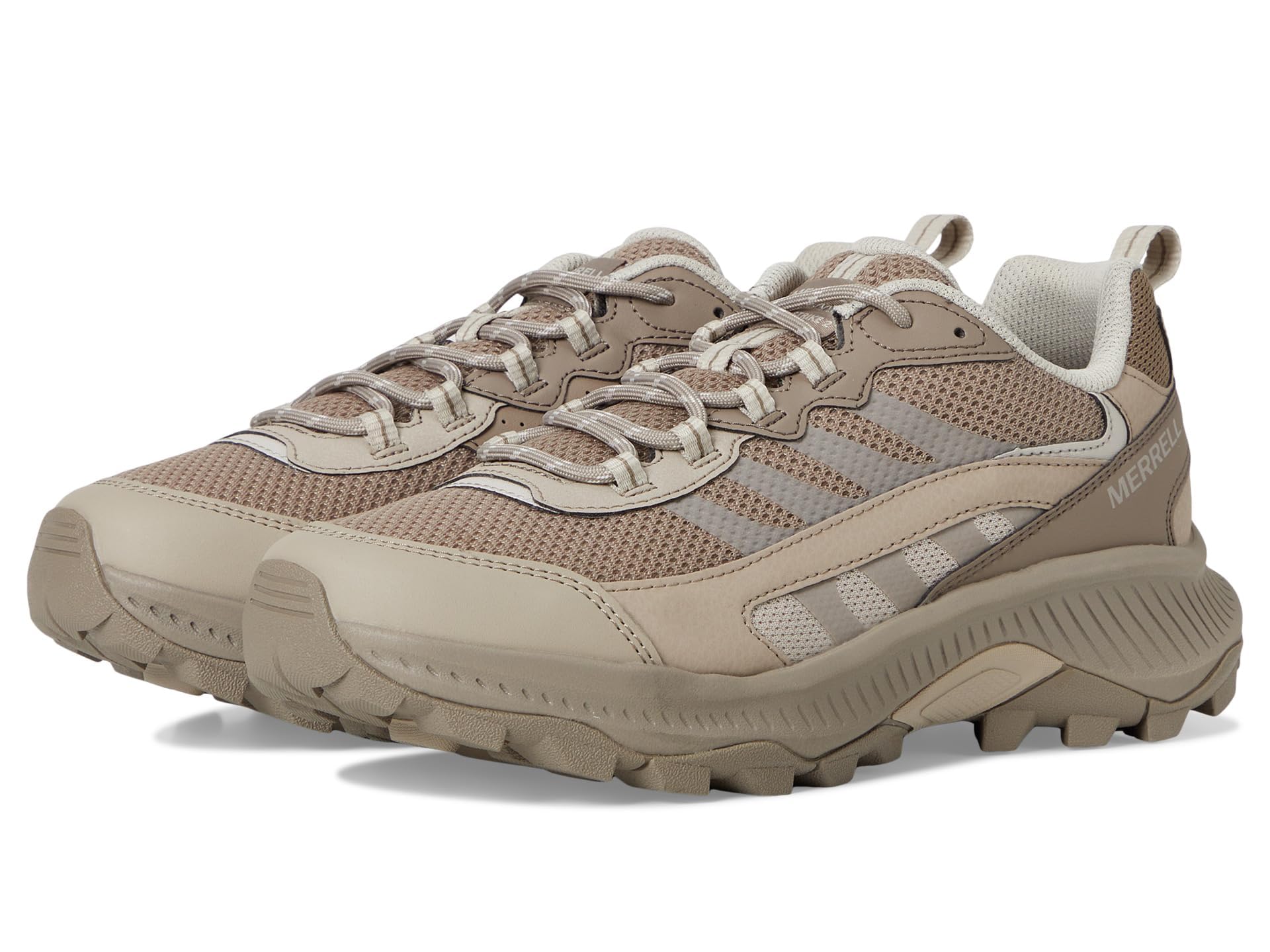
The Merrell Speed Strike 2 is a lightweight, low‑profile trail shoe designed for fast day hikes where every ounce matters. At just 1.5 pounds per pair, it feels closer to a road shoe than a traditional hiker, yet reviewers praise its grip on loose shale and slippery rocks — evidence that the tread pattern and rubber formulation punch above the shoe’s weight.
The wide toe box accommodates natural foot splay on descents, and the moderate arch support suits flat‑footed hikers who need plantar fasciitis prevention without an aggressive orthotic shape. Multiple verified buyers confirm zero break‑in time, and the sporty grey/blue aesthetic blends into everyday wear.
The insole is thin and cheap — most users replace it with a third‑party orthotic within the first month. The shoe is not waterproof, and the mesh upper lets water in freely during stream crossings. After soaking, though, the shoe drains reasonably fast, drying overnight in a dry climate.
Why it’s great
- Excellent grip on wet rock and loose scree; reviewers note confidence on technical descents
- Roomier toe box than average, reducing toe rub on downhills
- No break‑in required; comfortable from the first mile
Good to know
- Stock insole offers minimal cushioning; expect to upgrade for multi‑day trips
- Model is discontinued, so availability may be spotty across sizes
- Not waterproof; mesh upper soaks through quickly in wet conditions
3. Brooks Men’s Caldera 8 Ultra Trail Running Shoe
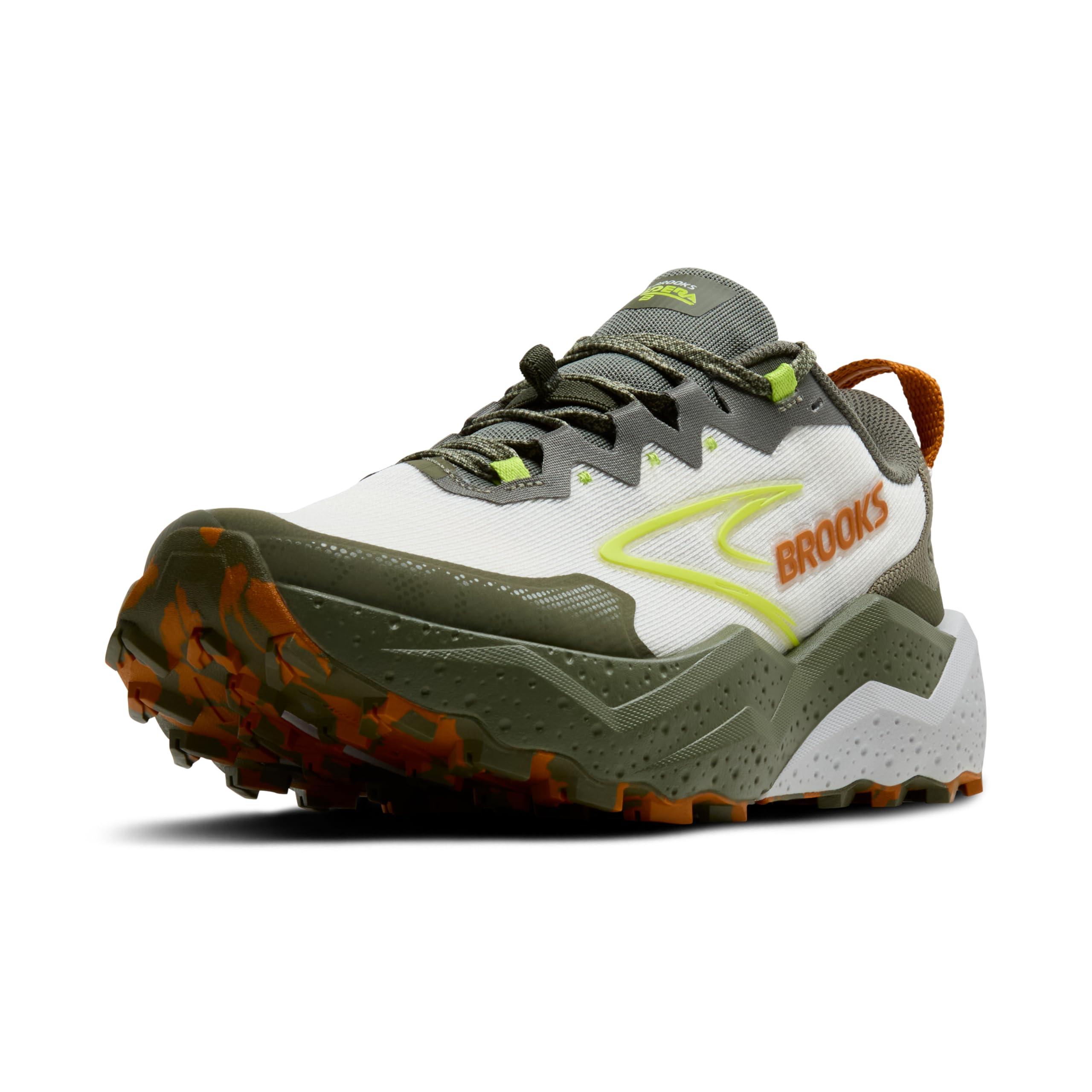
The Brooks Caldera 8 is a maximalist trail shoe built for runners and hikers who prioritize plush cushioning under a heavy pack. Its 30 mm stack of DNA LOFT v3 foam delivers a forgiving, bouncy ride that reduces fatigue on long descents, and the outsole’s aggressive lug pattern bites into loose dirt and wet rock better than most max‑cushion competitors.
Reviewers highlight the stability improvements over earlier versions — the wider base reduces ankle roll on cambered trails, and the rocker shape smooths the transition from heel strike to toe‑off. The shoe runs true to size and provides enough arch support that some flat‑footed users report relief from plantar fasciitis pain during 10‑hour shifts on concrete.
The Caldera 8 is heavier than traditional trail runners due to its thick midsole, and the cushioning mutes ground feel on technical rock gardens. The upper’s mesh breathes well but lacks waterproofing, so wet conditions require gaiters or accept soggy feet. For long, non‑technical miles, this is one of the most comfortable options available.
Why it’s great
- Superior impact protection for heavy packs and rocky descents; reduces joint fatigue
- Wide, stable platform improves balance on uneven terrain
- DNA LOFT v3 foam retains bounce over many miles without packing out quickly
Good to know
- Heavier than average trail runner; not ideal for speed‑oriented hikers
- Thick midsole reduces ground feel on technical terrain
- Upper is breathable but not waterproof; expect wet feet in sustained rain
4. THE NORTH FACE Men’s Altamesa 300 Trail Running Shoe
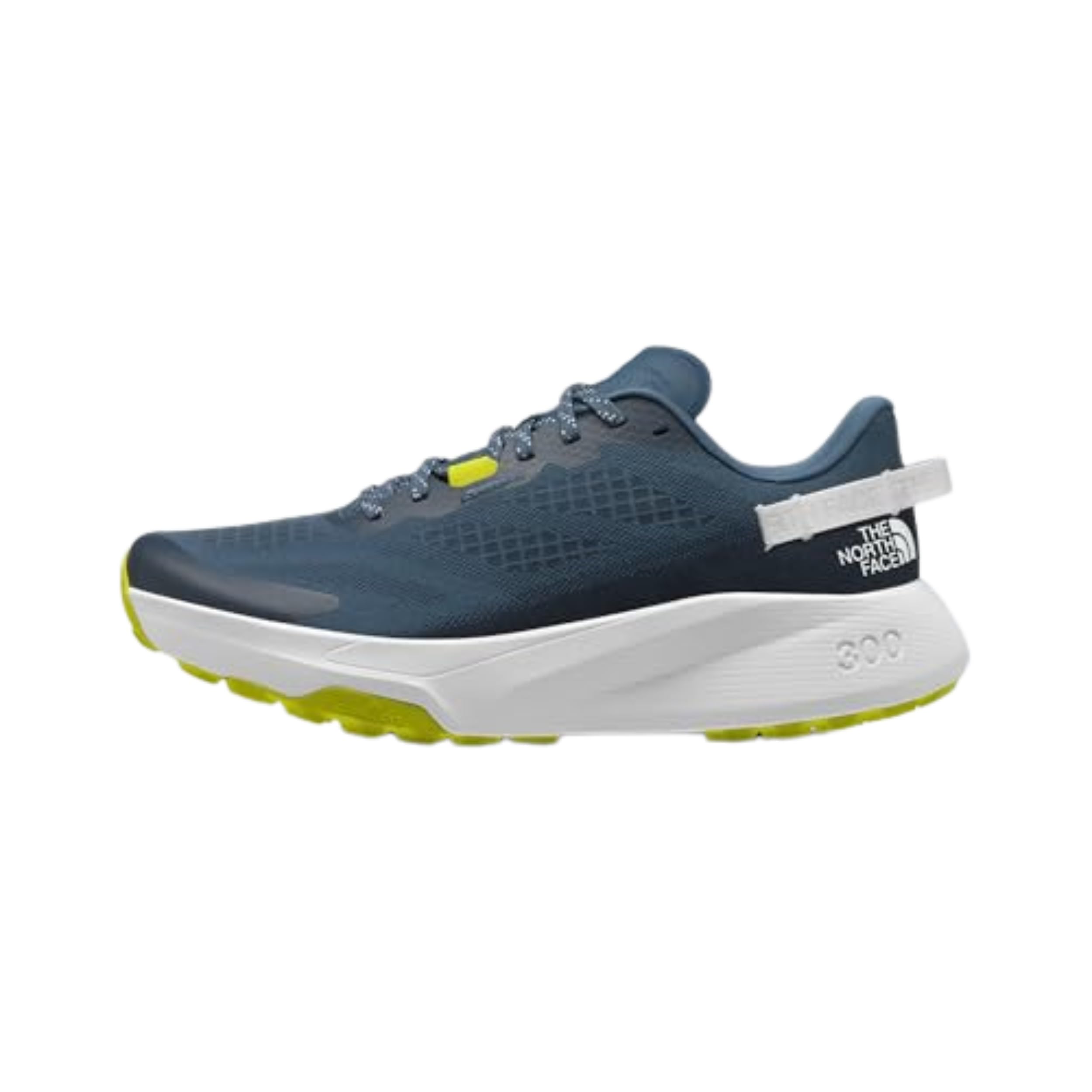
The North Face Altamesa 300 strikes a practical balance between trail performance and everyday wearability. Its high‑rebound midsole provides noticeable energy return on paved approaches and packed trails, while the waterproof membrane keeps feet dry during morning dew and light rain — a rare combination in a shoe that also fits true to size with a wide toe box.
Reviewers who stand all day on concrete praise the wedge taper that encourages a natural walking gait, reducing fatigue in the lower back and hips. The outsole grip is secure on dirt and rocky paths, though it struggles slightly on wet, polished rock where a softer compound would perform better.
The white colorway shows dirt quickly and the styling leans utilitarian — one reviewer reported being denied entry to a bar in Berlin for the look. The waterproofing works well for puddle splashes but cannot handle full submersion. For a travel‑friendly do‑it‑all shoe that transitions from trailhead to town, this is a solid choice.
Why it’s great
- Waterproof membrane handles light rain and wet grass effectively
- High‑rebound midsole supports all‑day standing and walking on mixed surfaces
- Roomier toe box with secure heel lock reduces slip on descents
Good to know
- White colorway stains quickly and looks casual; less suited to dressier settings
- Wet‑rock traction is adequate but not class‑leading compared to pure trail outsoles
- Not designed for deep mud or technical off‑trail use
5. ALTRA Men’s Lone Peak 9 Trail Running Shoe
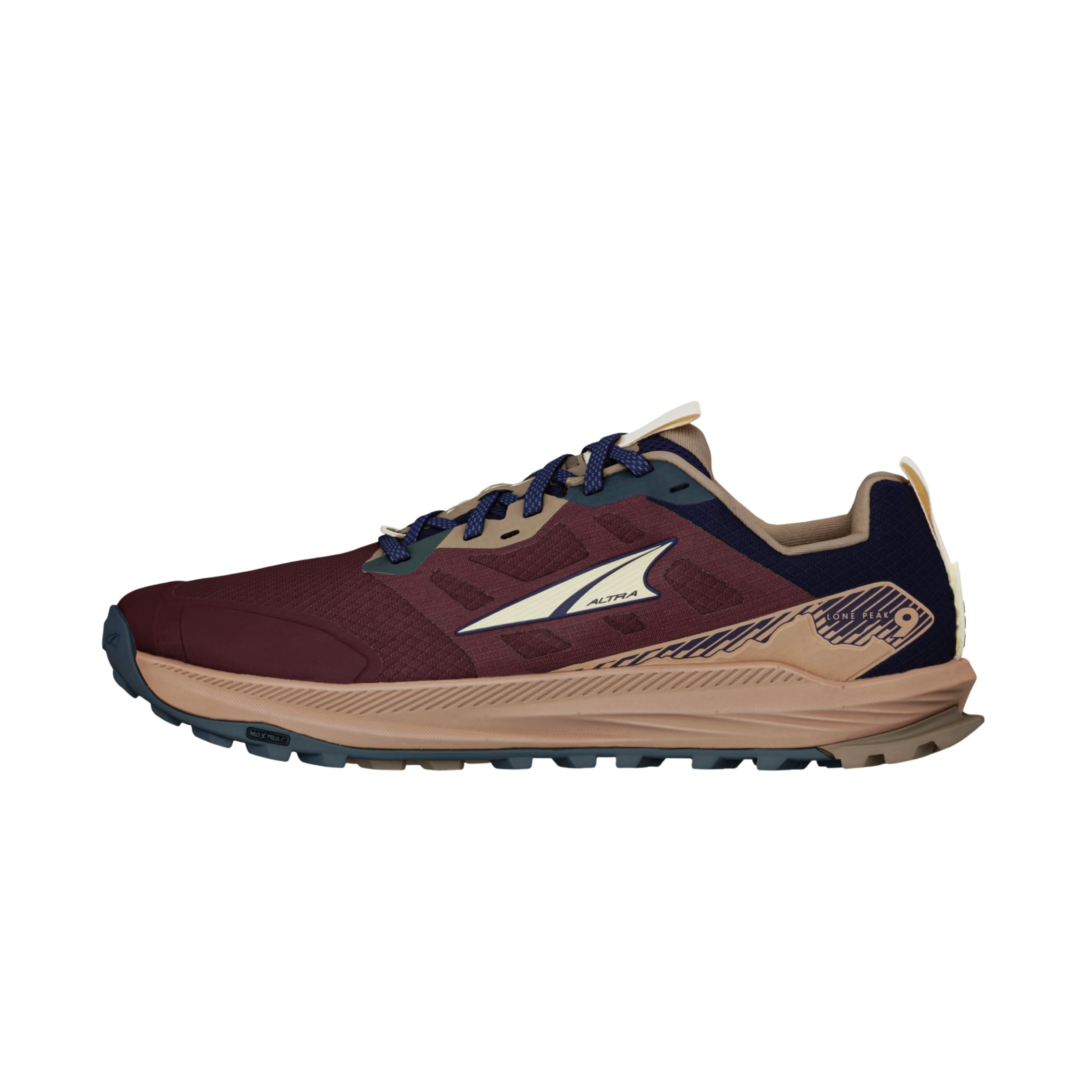
The Altra Lone Peak 9 is the gold standard for backpackers who insist on zero‑drop geometry and a foot‑shaped toe box. The flat platform promotes a midfoot strike that reduces braking impact on descents, and the MaxTrac outsole delivers tenacious grip across snow, ice, dirt, and rock — verified by reviewers who have put hundreds of kilometers through previous versions.
The moderate cushioning (25 mm stack) offers enough protection for rocky trails while preserving ground feel for technical scrambling. The wide toe box allows toes to splay naturally, a critical feature on multi‑day trips when feet swell. Several reviewers report that the Lone Peak 9 fits orthopedic arch supports without volume issues, making it a strong candidate for hikers with custom orthotics.
The zero‑drop platform requires an adjustment period for runners used to a heel‑toe drop, and the shoe runs slightly long — most users size down by half. The upper is breathable but not waterproof, and the foam midsole compresses faster than denser blends from Brooks or Hoka. For zero‑drop devotees, though, the Lone Peak 9 remains the most refined iteration of a legendary line.
Why it’s great
- MaxTrac outsole grips reliably on wet rock, snow, and loose dirt — one of the best all‑terrain outsoles available
- Foot‑shape toe box eliminates toe crowding and reduces black toenails on long descents
- Zero‑drop platform encourages natural gait and strengthens calf/Achilles over time
Good to know
- Zero‑drop requires a transition period for runners accustomed to traditional drops
- Runs half size long; sizing down is recommended for most users
- Not waterproof; breathable mesh upper lets water in during wet crossings
6. ALTRA Women’s Lone Peak 8 Trail Running Shoe
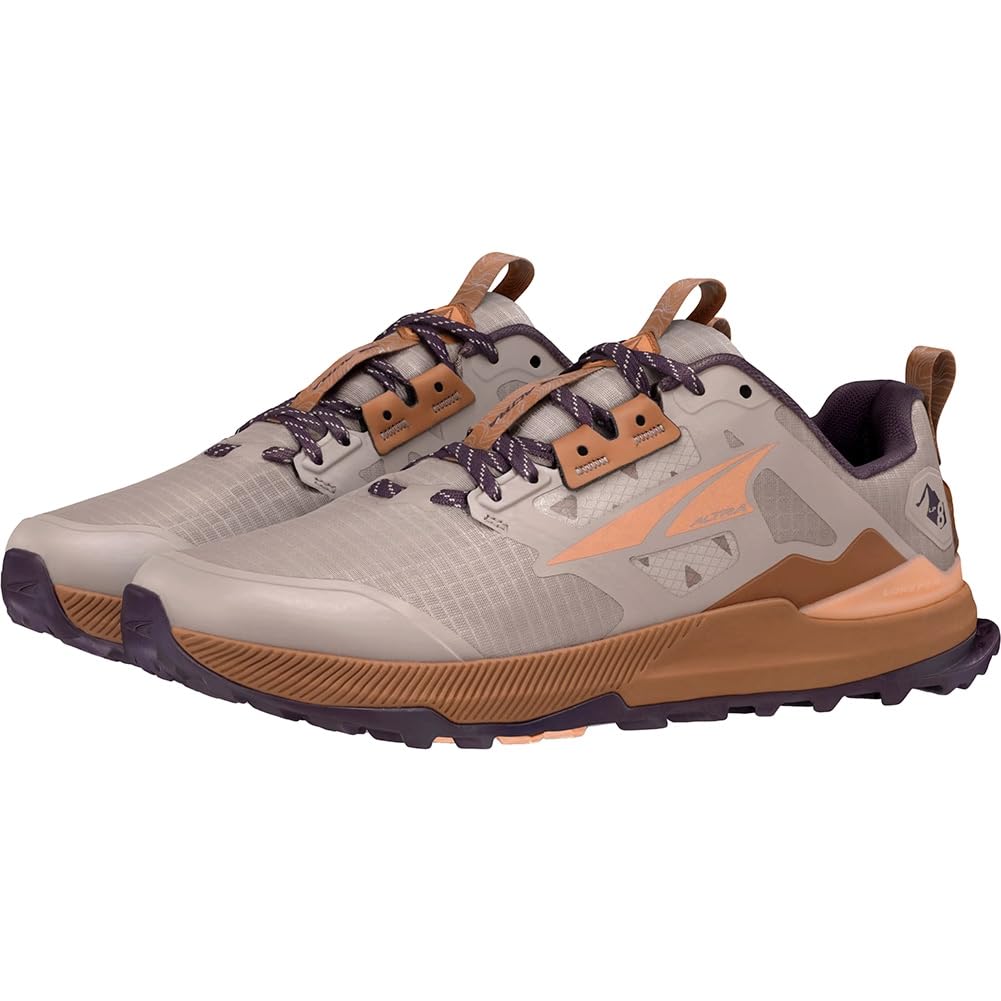
The Altra Lone Peak 8 (women’s) shares the same zero‑drop, wide‑toe DNA as its men’s counterpart, with a specific last shape tuned for female foot geometry. Reviewers consistently return to this model — one user is on their sixth pair — citing the roomy toe box as the decisive factor that eliminates foot pain on steep, rocky hikes up to 5 miles.
The MaxTrac outsole provides stellar grip on loose dirt and rocks, and the toe guard protects against stubs on root‑crossed trails. A Velcro gaiter attachment point is built into the heel, a thoughtful touch for hikers who run gaiters in sandy or snowy conditions. The dark upper resists visible staining after repeated trail use.
Same as the men’s version, the Lone Peak 8 runs long — most women size down half a step. The midsole cushioning is moderate and feels firmer than plush competitors like the Hoka Speedgoat. The mesh upper is not waterproof, and the foam does not offer the same longevity as density‑packed EVA blends from Danner or Oboz. For wide‑footed women who prioritize natural toe splay, this is the benchmark.
Why it’s great
- Wide toe box is life‑changing for hikers with bunions, wide forefeet, or swelling issues
- MaxTrac outsole grips reliably across varied terrain including loose rock and hardpack
- Gaiter attachment Velcro is integrated and works well with standard trail gaiters
Good to know
- Zero‑drop geometry requires a transition period for heel‑strike runners
- Runs long; ordering a half size down improves fit for most foot shapes
- Not waterproof; breathable mesh allows water entry in wet conditions
7. Oboz Women’s Sawtooth II Low B‑Dry Hiking Shoe
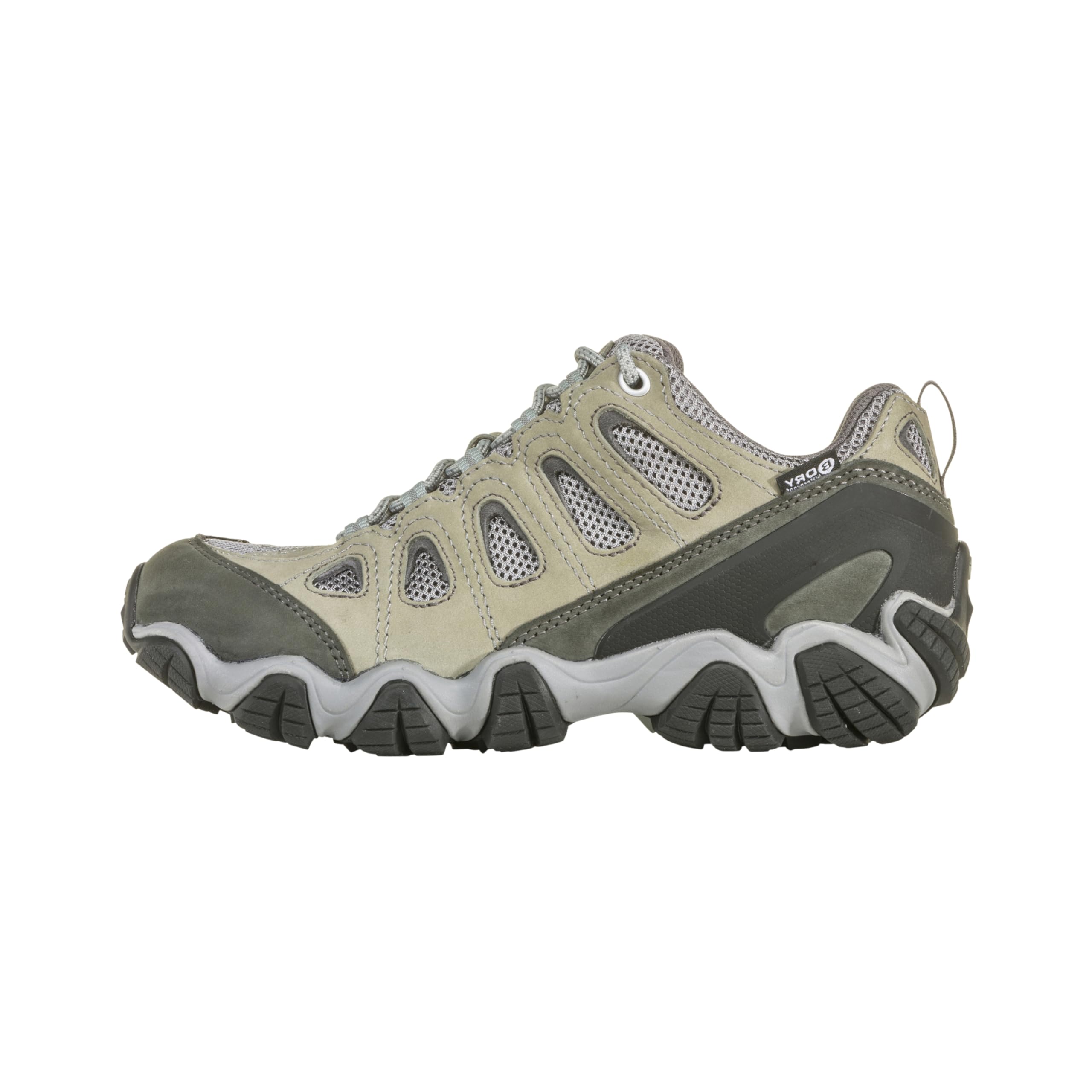
The Oboz Sawtooth II Low B‑Dry is a traditional, supportive hiking shoe built for backpackers who prioritize stability and waterproofing over minimal weight. At 15.7 ounces per shoe, it is heavier than most trail runners, but the B‑Dry membrane keeps feet dry in sustained rain and wet grass, and the sturdy construction resists twisting on uneven loads.
The Oboz insole is notably firm and supportive — reviewers with aging legs and weak arches praise the support that reduces lower‑leg fatigue on long days. The outsole excels on dry rock and packed dirt, and several users report no ankle rolling or blisters even after mild bouldering sections. The shoe runs narrow; many buyers opt for the wide version to accommodate normal‑width feet.
The Sawtooth II is not designed for running or fast hiking — the weight and stiff sole prioritize protection over speed. The waterproof membrane also traps heat, making this a poor choice for desert conditions or summer heat. For wet‑climate backpackers who need a stable, supportive platform for moderate loads, this shoe delivers reliable performance year after year.
Why it’s great
- B‑Dry waterproof membrane keeps feet dry in wet conditions without excessive breathability trade‑offs
- Sturdy construction with excellent arch support; reduces fatigue for hikers with flat feet or weak ankles
- Outsole grips well on dry rock and packed trails; resists rolling on uneven surfaces
Good to know
- Runs narrow; most buyers require the wide size for comfortable fit
- Heavier than average; not suited for fast hiking or trail running
- Waterproof membrane reduces ventilation in hot or dry conditions
8. Brooks Women’s Cascadia 19 Mountain Trail Running Shoe
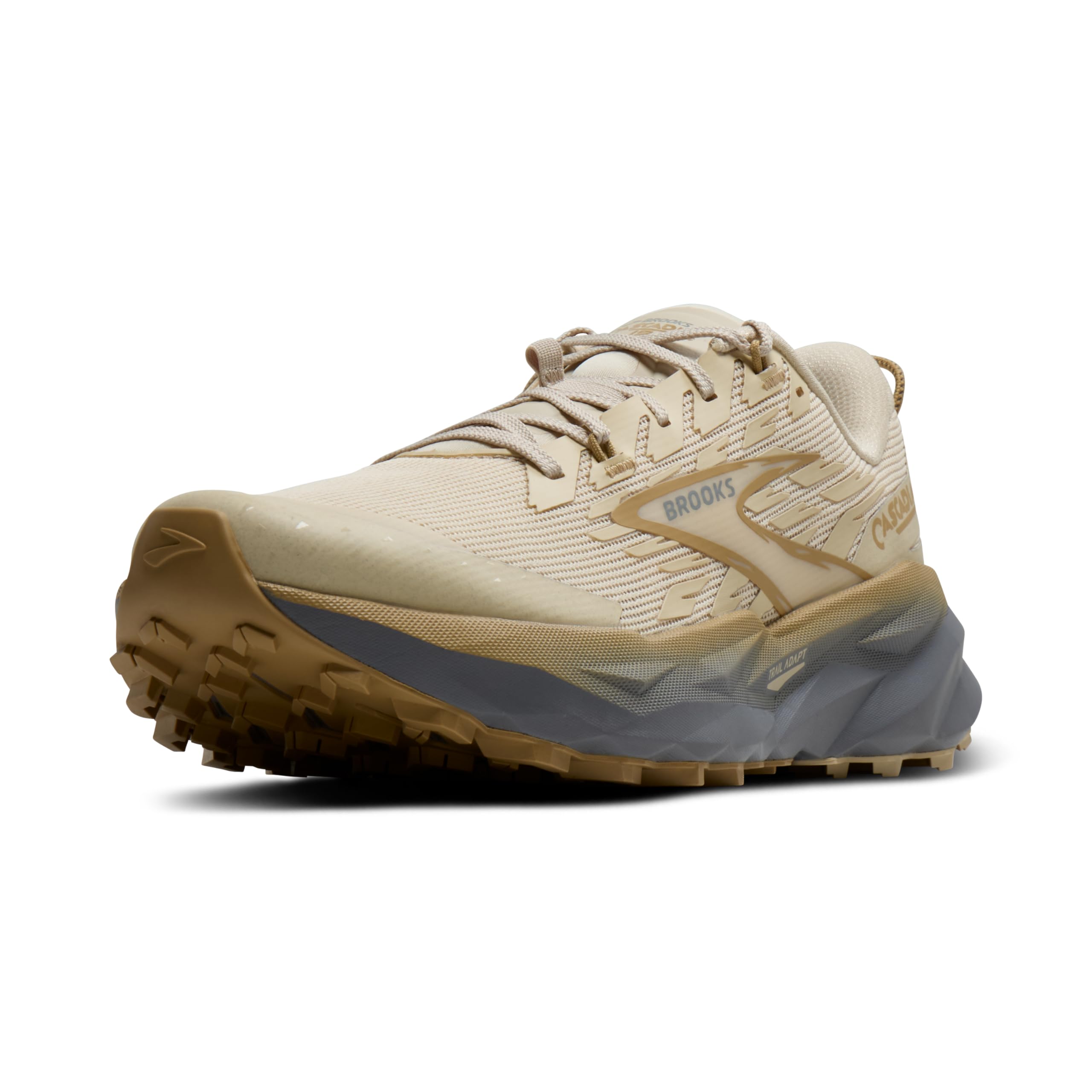
The Brooks Cascadia 19 is a rugged mountain trail shoe designed for technical terrain where rock protection and stability matter more than raw speed. The integrated rock plate shields the forefoot from sharp edges, and the Pivot‑Post system provides a stable platform that reduces ankle fatigue on angled slopes — a feature several reviewers note after a 12.5‑mile hike on technical singletrack.
The fit runs slightly wider than previous versions, allowing for sock layering in cold conditions, and the mesh upper keeps feet cool on hot days. Reviewers with narrow feet find the Cascadia 19 accommodates their shape well, while wide‑footed hikers appreciate the toe box volume. The outsole’s traction is reliable on dirt and gravel but less secure in deep mud or on loose scree.
The shoe is heavier than a typical trail runner — the sturdy midsole and rock plate add noticeable weight — and the cushioning leans firm compared to the plush Caldera from the same brand. The mesh upper is not waterproof, and the outsole’s lugs lack the self‑cleaning channels needed for wet clay. For hikers who value under‑foot protection on rocky trails, the Cascadia 19 earns its premium position.
Why it’s great
- Rock plate provides excellent protection against sharp edges and roots on technical terrain
- Pivot‑Post system enhances lateral stability on cambered trails and angled slopes
- True‑to‑size fit with slightly wider forefoot; accommodates sock layering
Good to know
- Heavier than average trail runner; the protective build sacrifices speed
- Traction in deep mud and loose scree is less reliable than specialist outsoles
- Upper is breathable but not waterproof; wet conditions require gaiters or accept moisture
9. Danner Trail 2650 Hiking Shoes for Men

The Danner Trail 2650 combines a durable suede and textile upper with a Vibram 460 outsole to deliver a robust, stable hiking shoe that bridges the gap between trail runner and traditional boot. The Ortholite footbed and PlyoGo EVA midsole offer moderate cushioning that suits both daily wear and multi‑day trips, while the EXO Heel System locks the heel in place to prevent slip on descents.
Reviewers describe the fit as glove‑like after a short break‑in period, though several note the shoe runs small and requires sizing up — especially for wide feet. A 235‑pound user reports completing 20‑mile hikes without pain after dialing in the fit, praising the grip on wet and dry surfaces. The self‑adapting lugs on the Vibram outsole clear mud reasonably well and provide dependable traction on loose scree.
The suede upper is not fully waterproof despite the “GTX” in the model name — the breathable mesh lining allows some moisture ingress in heavy rain, and the shoe can feel warm in hot conditions. The weight (1.68 pounds per pair) is noticeable compared to minimalist trail runners, but the stability and build quality justify the premium. For hikers who want a do‑everything shoe with a legacy brand behind it, the Trail 2650 is a compelling choice.
Why it’s great
- Vibram 460 outsole with self‑adapting lugs provides reliable traction on wet and dry surfaces
- EXO Heel System locks the heel securely, preventing slip on steep descents
- Ortholite footbed offers solid arch support and resists compression over many miles
Good to know
- Runs small; sizing up half to one full size is common for a comfortable fit
- Suede upper is not fully waterproof; the breathable mesh lining lets in water during sustained rain
- Heavier than minimalist trail runners; not ideal for ultralight backpacking setups
FAQ
What is the ideal stack height for backpacking with a 30‑pound pack?
How do I know if I need a wide toe box for backpacking?
Is a waterproof membrane necessary for backpacking?
How often should I replace backpacking shoes?
Final Thoughts: The Verdict
For most users, the best backpacking shoes winner is the Altra Lone Peak 9 because its zero‑drop platform, wide toe box, and MaxTrac outsole deliver proven performance across the widest range of trail conditions and foot shapes. If you want maximum cushioning for heavy packs on rocky trails, grab the Brooks Caldera 8. And for a stable, waterproof platform that supports aging joints and wet‑climate trips, nothing beats the Oboz Sawtooth II Low B‑Dry.