
Our readers keep the lights on and the weekend projects moving. As an Amazon Associate, I earn from qualifying purchases.
Ankle sprains are stubborn. One wrong step on uneven pavement, a landing after a rebound, or a simple twist on a trail can sideline you for weeks. The difference between healing flat on your back and staying active often comes down to the right brace — a device that delivers compression, restricts inversion, and fits inside a shoe without creating new pressure points.
I’m Rikta — the co-founder and writer behind FitlyFast. I’ve spent years analyzing orthopedic support devices, studying the biomechanics of ankle instability, and breaking down the material science that separates a stabilizing brace from a glorified sock.
Whether you’re recovering from a grade 1 twist or need daily support for chronic instability, the right brace for ankle sprain must lock the joint without cutting off circulation or forcing you to walk like a robot.
How To Choose The Best Brace For Ankle Sprain
Not every brace fits every sprain. A grade 1 sprain with mild swelling needs less structure than a grade 2 tear with ongoing instability. Your decision should match your current recovery stage and the type of movement you plan to resume.
Closure Type: Lace-Up vs. Strap vs. Sleeve
Lace-up braces mimic athletic taping by distributing tension across the entire ankle, preventing pressure hotspots. Hook-and-loop strap braces are quicker to adjust but may loosen during explosive movements. Simple sleeve wraps offer only compression and do not resist inversion — they are useless for actual stabilization.
Side Stabilizers: Removable vs. Fixed
Rigid side splints prevent the foot from rolling inward — the primary mechanism of most sprains. Removable stabilizers give you flexibility: keep them in during early recovery for maximum support, then remove them for lighter protection during exercise. Fixed splints are for severe instability only.
Material and Breathability
Neoprene retains heat, which can increase swelling in acute cases. Nylon and polyester blends with mesh venting wick moisture and reduce odor when worn for long hours. A low-profile construction (ultra-thin fabric under 2 mm) ensures the brace slides into athletic shoes without raising your foot or altering your stride.
Profile and Shoe Fit
Bulky braces may prevent you from wearing your usual footwear, forcing you to size up or switch to slip-ons. If you plan to wear the brace during basketball, running, or daily walking, choose a model with a low-bulk profile that does not compress the toes or rub the Achilles tendon.
Quick Comparison
On smaller screens, swipe sideways to see the full table.
| Model | Category | Best For | Key Spec | Amazon |
|---|---|---|---|---|
| Med Spec ASO Ankle Stabilizer | Stabilizer | Sports recovery & chronic instability | Fig-8 + lace-up closure | Amazon |
| Ultra 360 Lace Up Ankle Brace | Stabilizer | Volleyball / basketball athletes | Lace-up + fig-8 straps | Amazon |
| Velpeau Stirrup Ankle Brace | Splint | Grade 1-2 ligament injury | Bi-injection shell + gel pads | Amazon |
| DRwelland Ankle Brace Side Stabilizers | Strap | Daily compression & plantar fasciitis | Neoprene + adjustable straps | Amazon |
| Fitomo Triple-Lock Ankle Brace | Hybrid | Secure fit during sports | Triple-lock fig-8 + side stabilizers | Amazon |
| AGPTEK Lace-Up Ankle Brace | Hybrid | Post-op / fracture recovery | Detachable aluminum splints | Amazon |
| Fitomo Ultra Thin Ankle Brace | Sleeve | Low-profile everyday wear | 1.5mm microfiber + silicone grip | Amazon |
In‑Depth Reviews
1. Med Spec ASO Ankle Stabilizer
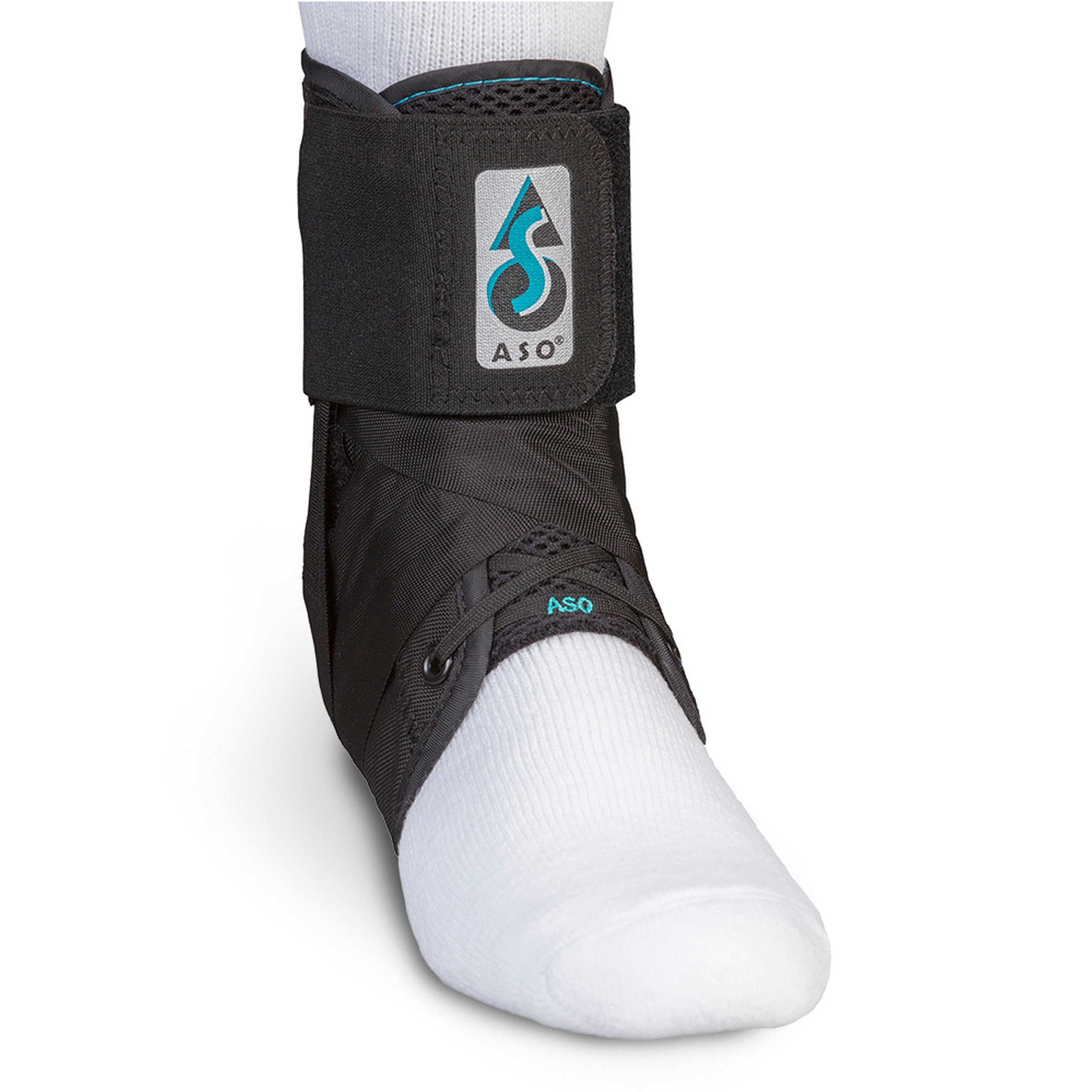
The Med Spec ASO is the gold standard for a reason — it is the brace most recommended by sports medicine doctors and athletic trainers. Its lace-up closure distributes tension evenly from ankle to instep, while the figure-8 straps lock the subtalar joint against inversion without restricting dorsiflexion. The CoolFlex padding and durable nylon shell resist stretch even after months of daily use.
This brace handles everything from grade 2 sprain recovery to peroneal tendonitis support. It fits inside most gym shoes and cleats, though you may need to loosen your laces slightly. The bilateral design means one brace works for either foot, and the hook-and-loop fasteners stay aggressive wash after wash.
Users recovering from serious sprains report feeling immediately stable enough to walk without a limp. The lace-up highway eliminates the pressure ridges that strap-only braces create across the top of the foot. For the price of a single copay, you get a stabilizer that outlives most injuries.
Why it’s great
- PT-trusted lace-up system delivers superior inversion control
- Breathable CoolFlex liner prevents irritation during all-day wear
- Bilateral fit works on left or right foot
Good to know
- Does not fit well inside slip-on or very narrow shoes
- Requires periodic washing to prevent odor buildup
2. Ultra 360 Lace Up Ankle Brace
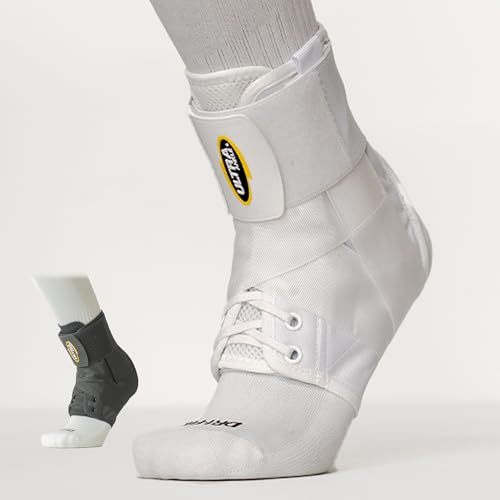
The Ultra 360 replicates athletic trainer taping through a lace-up chassis combined with adjustable figure-8 straps that cross the medial and lateral malleoli. Its slim nylon build fits inside volleyball shoes, basketball high-tops, and cleats without creating the boxy bulk that compromises court feel or boot fit.
Volleyball players and basketball athletes report that this brace reduces the severity of ankle rolls during sudden lateral cuts. The lace tension is independently adjustable from the figure-8 straps, allowing you to fine-tune compression for different movement demands. The low-profile design also fits inside work boots for post-injury walking support.
Some users with very small ankles note that the lace system requires careful tightening to avoid pressure on the dorsal foot, but the trade-off is a stabilizer that does not slip during aggressive pivots. For athletes who need a brace that disappears under a sock during live play, the Ultra 360 delivers.
Why it’s great
- Mimics professional athletic taping with the convenience of lace-up
- Fits inside cleats and high-top shoes without raising the heel
- Lightweight construction that does not restrict jumping or sprinting
Good to know
- Requires precise lace adjustment to avoid top-of-foot pressure
- Not suitable for grade 3 sprains needing rigid immobilization
3. Velpeau Stirrup Ankle Brace
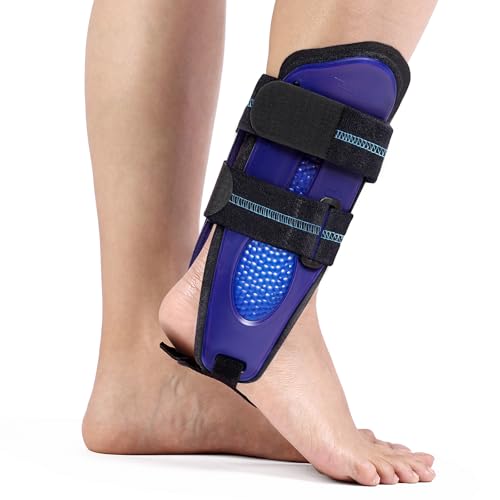
The Velpeau Stirrup uses bi-injection molded plastic shells with gel bumper edges — the shells contour to the malleoli without digging into bone, while the open heel design allows for normal gait flexion. This brace is engineered for grade 1 and 2 ligament injuries where inversion restriction is critical but sustained walking is still needed.
Users praise the Velpeau for its ability to prevent side-to-side rolling while permitting a surprisingly natural stride. The foam pad version breathes better for all-day wear, while the gel pad version can be frozen or heated for contrast therapy. The convertible left/right design works for either foot, and the included heel strap prevents migration inside the shoe.
The main compromise is bulk — the semi-rigid shells add noticeable circumference around the ankle, making it tight in standard sneakers. Pair it with Crocs or wide shoes during early recovery, then switch to tighter footwear as swelling subsides. For a brace that actually blocks inversion mechanics, the Velpeau is hard to beat.
Why it’s great
- Rigid shells with gel edges provide true mechanical inversion resistance
- Gel pad version doubles as a hot/cold compress for acute swelling
- Convertible design fits either foot with included heel strap
Good to know
- Bulky design makes most sneakers feel tight
- Not size-inclusive for very thick or wide ankles
4. DRwelland Ankle Brace with Side Stabilizers
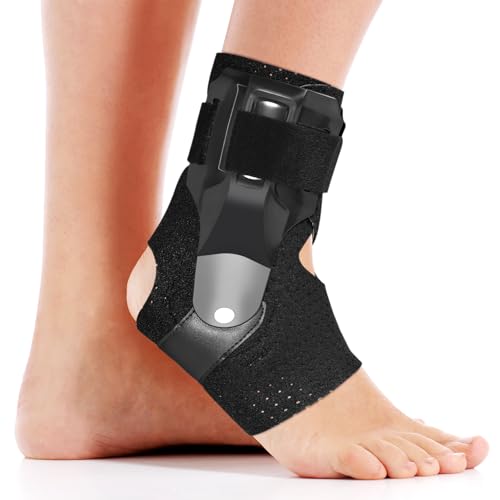
The DRwelland brace uses a neoprene sleeve for compression warmth and two adjustable side straps for customizable tension. It is softer through the ankle joint than rigid splint braces, making it a strong option for users who need support but cannot tolerate hard plastic rubbing against the malleoli. Users with plantar fasciitis report that the soft heel wrap avoids aggravating the fascia.
This brace is orthopedic-surgeon designed, with targeted compression zones that aid blood circulation and reduce swelling. The X-Large size fits bulky ankles comfortably, and the neoprene holds up through repeated hand washing without losing elasticity. Several reviewers noted that it slips into Hoka and other wide athletic shoes without altering their stride.
The trade-off is that the neoprene retains heat, which may increase sweat and odor during long wear. The plastic buckle on the side strap is also a failure point — some users reported breakage after a few months. For daily compression support rather than rigid sport stabilization, the DRwelland delivers a snug, pain-reducing fit.
Why it’s great
- Soft neoprene wrap provides comfortable compression without hard edges
- Adjustable side straps allow custom tension for varying swelling levels
- Fits inside wide athletic shoes without raising the heel
Good to know
- Neoprene can become hot and sweaty during all-day wear
- Plastic buckle may crack under heavy use
5. Fitomo Triple-Lock Ankle Brace
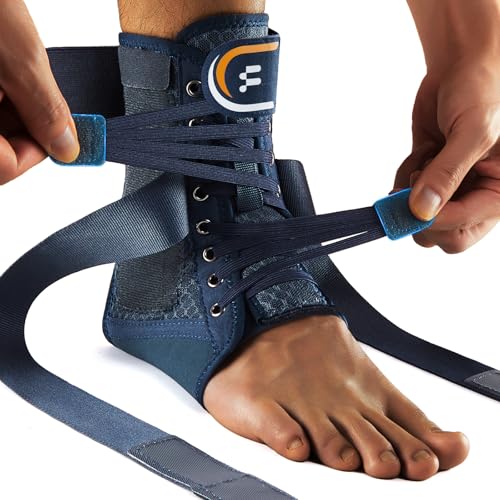
Fitomo’s Triple-Lock system combines a top strap, dual removable side stabilizers, and cross figure-8 straps to create three independent layers of inversion resistance. This design holds the ankle in a neutral position without shifting, even during multi-directional sports like basketball or agility drills. The quick Velcro straps replace the tedious lace-up process of older braces.
Users recovering from ORIF surgery or stroke-related inversion find this brace easier to don than traditional lace-ups, especially with limited hand dexterity. The medium size runs slightly large, accommodating a thick sock without compression overload. The hook-and-loop fasteners remain aggressive after six months of daily wear — a frequent complaint with lower-end braces.
The main downside is that the removable stabilizers add moderate bulk around the ankle, which may press against the shoe’s upper during lateral movements. For users who need a brace that stays locked in place through sweat and sprinting, the Fitomo provides confidence without constant readjustment.
Why it’s great
- Triple-lock design prevents the brace from migrating during explosive movement
- Removable stabilizers let you adjust support level for recovery vs. sport
- Velcro fasteners stay secure after months of regular use
Good to know
- Runs large; medium fits best with thick socks
- Side stabilizers create slight bulk that may feel tight in snug shoes
6. AGPTEK Lace-Up Ankle Brace
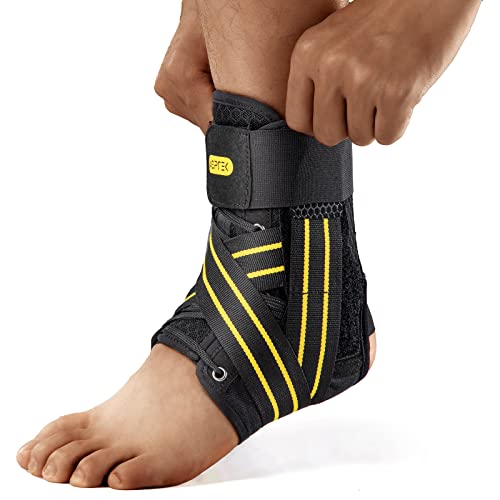
The AGPTEK brace uses a cross-shoelace design that abandons the traditional strap layout, distributing tension across the entire ankle rather than concentrating it at pressure points. The lightweight aluminum side splints provide 360-degree protection while remaining removable for users who transition from immobilization to sport support.
Several buyers report that this brace outperforms the orthotic-grade stabilizer provided by their orthopedic surgeon, especially for post-fracture recovery. The polyester-nylon blend breathes better than neoprene, and the lace-up system accommodates variable swelling throughout the day. It fits inside stretchable shoes with minimal heel lift.
The medium size runs small for larger ankles, so measure carefully. Some users note that the hook-and-loop side straps are slightly short and may not reach around especially thick ankles. For true 360-degree support in a package that grows with your recovery stage, the AGPTEK is a versatile contender.
Why it’s great
- Detachable aluminum splints allow transition from rigid support to sport mode
- Cross-lace design prevents dorsal pressure hotspots common in strap-only braces
- Breathable material prevents heat buildup compared to neoprene
Good to know
- Runs small; size up if you have a wide or thick ankle
- Side straps may not reach around very large ankles
7. Fitomo Ultra Thin Ankle Brace
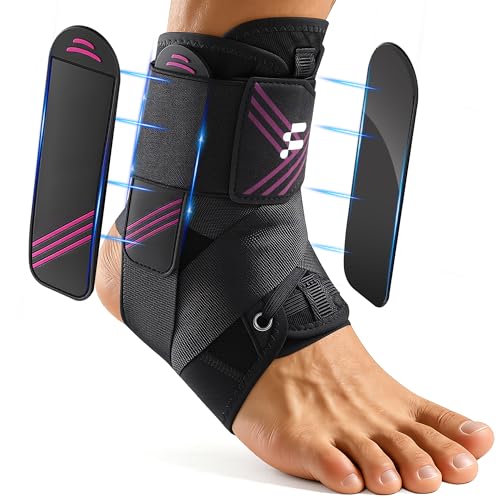
Fitomo’s Ultra Thin brace measures just 1.5 mm in thickness — thin enough to disappear under socks and inside narrow running shoes. The 3-layer system uses an inner silicone grip to prevent slipping, a figure-8 stabilizing strap, and a flexible support panel that moves with the joint rather than locking it rigidly.
This brace is not designed for acute grade 2 sprains that need rigid immobilization. Instead, it shines for users who want proprioceptive feedback and mild compression during return-to-play or daily walking. The visible air vent grid dissipates heat effectively, making it tolerable for all-day wear in hot climates. It slides easily into boots, sneakers, and even dress shoes.
Some users find the figure-8 strap alignment slightly complicated the first few times — the strap must cross at the correct angle to avoid bunching. Once set, the brace provides excellent stability without the bulk of a traditional stirrup. For a brace you can forget you are wearing, the Fitomo Ultra Thin is the clear pick.
Why it’s great
- Ultra-thin 1.5 mm build fits in virtually any footwear without altering stride
- Vented microfiber fabric stays cool even during active sports
- Silicone interior grip prevents the brace from sliding down during movement
Good to know
- Not designed for acute severe sprains needing rigid splinting
- Figure-8 strap requires practice to align correctly
FAQ
Can I wear a brace for ankle sprain inside basketball shoes without them feeling too tight?
How do I know if I need a lace-up brace versus a simple strap brace?
Should I wear the brace all day or only during activity?
Can a brace for ankle sprain help with peroneal tendonitis?
Final Thoughts: The Verdict
For most users, the brace for ankle sprain winner is the Med Spec ASO Ankle Stabilizer because its lace-up and figure-8 system delivers the reliable inversion control that doctors and trainers trust, without the bulk of a rigid splint. If you need a brace that disappears inside sneakers during sport, grab the Ultra 360 Lace Up Ankle Brace. And for rigid, mechanical protection during the early stages of a grade 1 or 2 ligament injury, nothing beats the Velpeau Stirrup Ankle Brace.