
That dull, heavy weight around your forehead and behind your eyes isn’t just discomfort — it’s sinus pressure from allergens inflaming your nasal passages. When pollen, dust, or mold trigger histamine release, the swelling traps mucus, creating that unmistakable head pressure that drains your focus and energy.
I’m Rikta — the co-founder and writer behind FitlyFast. I’ve spent years analyzing clinical data on antihistamines, decongestants, and homeopathic remedies to help readers find targeted relief for specific allergy symptoms rather than guessing at generic solutions.
After evaluating seven top contenders for their ability to specifically target sinus and head pressure, this guide breaks down exactly what works. The best allergy medicine for head pressure depends on whether you need fast symptom relief, long-lasting prevention, or a gentle natural option.
How To Choose The Best Allergy Medicine For Head Pressure
Not every allergy pill tackles sinus pressure effectively. Head pressure typically requires either a targeted antihistamine plus decongestant combo or an anti-inflammatory nasal spray that reduces swelling at the source. Here’s what separates the options that work from those that leave you still feeling stuffed.
Decongestant: The Pressure-Relief Engine
Phenylephrine is the most common OTC oral decongestant, shrinking swollen blood vessels in nasal passages to restore drainage. If you feel that forehead tightness, look for a formula with phenylephrine paired with an antihistamine. Without a decongestant, antihistamines block histamine but don’t mechanically open blocked passages.
Expectorant: Mucus Thinning for Drainage
Guaifenesin thins mucus so it flows out rather than sitting stagnant and building pressure. Products combining guaifenesin with a decongestant and pain reliever are your best bet when head pressure is severe and accompanied by thick congestion that won’t budge.
Anti-Inflammatory Spray vs. Oral Antihistamine
Fluticasone (the active ingredient in Flonase) works differently from pills — it reduces inflammation in nasal passages over several days rather than blocking histamine systemically. For chronic head pressure from allergies, a corticosteroid spray can be more effective than an oral antihistamine alone because it attacks the swelling that causes pressure.
Speed vs. Duration Trade-Off
Cetirizine (Zyrtec) and fexofenadine (Allegra) provide 24-hour systemic antihistamine coverage but don’t relieve existing pressure. Phenylephrine-containing combination products work within 15–30 minutes but last only 4–6 hours. Choose based on whether you need immediate pressure relief from a flare-up or prevention during allergy season.
Quick Comparison
On smaller screens, swipe sideways to see the full table.
| Model | Category | Best For | Key Spec | Amazon |
|---|---|---|---|---|
| Allegra 180 mg Tablets | Oral Antihistamine | Non-drowsy 24-hour coverage | Fexofenadine HCI 180 mg | Amazon |
| Flonase Allergy Relief Spray | Nasal Corticosteroid | Anti-inflammatory pressure relief | Fluticasone Propionate 50 mcg | Amazon |
| Zyrtec 24-Hour Tablets | Oral Antihistamine | Severe seasonal allergies | Cetirizine HCI 10 mg | Amazon |
| Tylenol Sinus Congestion & Pain | Combination Caplet | Multi-symptom sinus headache | Acetaminophen + Phenylephrine + Guaifenesin | Amazon |
| Mucinex Severe Congestion & Pain | Combination Liquid | Max strength congestion + pressure | Acetaminophen + Phenylephrine + Guaifenesin | Amazon |
| MediNatura BHI Sinus Congestion Relief | Homeopathic Chewable | Gentle natural congestion relief | Plant & Mineral-Based 100 tabs | Amazon |
| MediNatura BHI Allergy Relief | Homeopathic Dissolvable | Non-drowsy multi-symptom support | 15 Active Ingredients 100 tabs | Amazon |
In‑Depth Reviews
1. Allegra Adult 24-Hour Allergy Relief, 180 mg
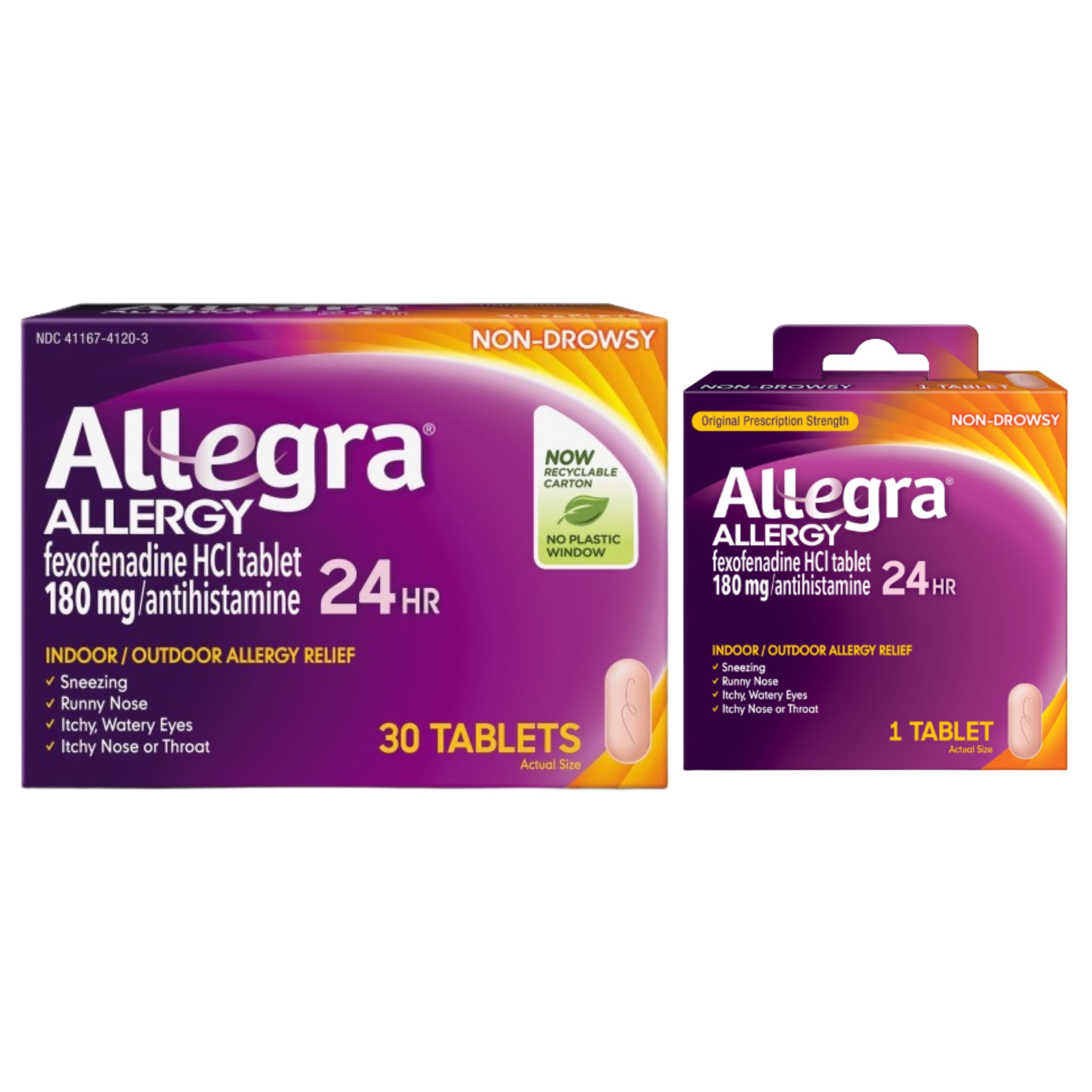
Allegra’s 180 mg fexofenadine formula stands out as the only oral antihistamine that provides full 24-hour systemic coverage without the sedation commonly associated with older antihistamines. For head pressure caused by allergic rhinitis, consistent antihistamine suppression prevents the histamine cascade that inflames sinus tissues and builds pressure in the first place.
Users consistently report relief starting within the first hour and lasting through the full day, with no mention of the brain fog or drowsiness that plagues diphenhydramine-based products. The bonus travel pack with a single tablet is a thoughtful addition for commuters or frequent travelers who need backup relief away from home.
Clinical data supports fexofenadine’s non-drowsy profile — it does not significantly cross the blood-brain barrier, making it the safest bet for daytime use when you need to stay sharp while managing allergy-related head pressure.
Why it’s great
- Genuinely non-drowsy — no brain fog or sedation
- Small, easy-to-swallow tablets with no aftertaste
- Proven 24-hour symptom suppression from hour 1
Good to know
- Does not relieve existing head pressure — best used preventatively
- Bonus single-pill travel pack packaging feels slightly gimmicky
2. Flonase Allergy Relief Nasal Spray, 72 Sprays
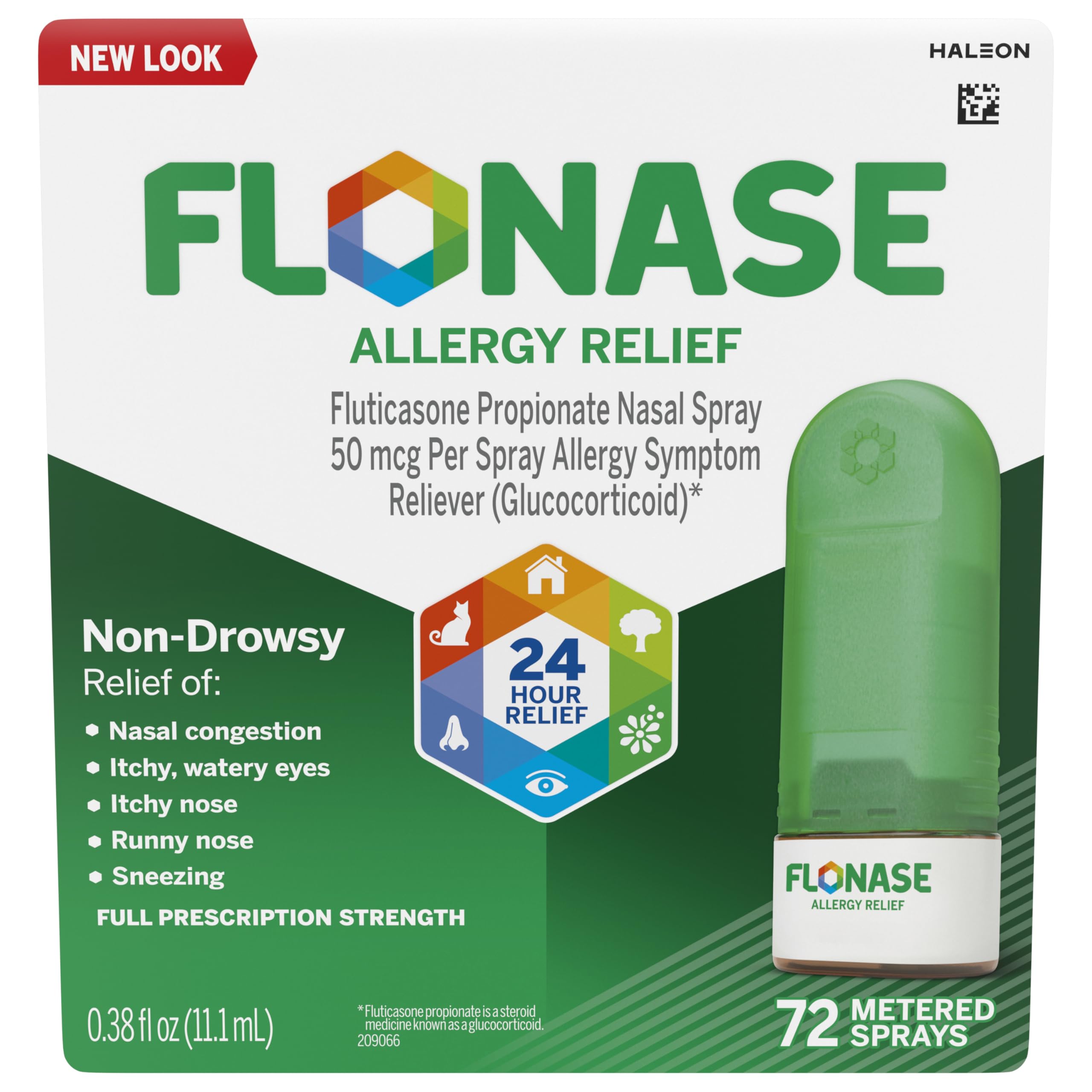
Flonase attacks head pressure at its mechanical source: inflammation in the nasal passages. While oral antihistamines block histamine systemically, fluticasone propionate works locally to reduce the swelling of sinus tissues that physically blocks mucus drainage and creates that heavy forehead sensation. Users report noticeable relief from sinus pressure above the eyes and forehead within 20 to 30 minutes of the first spray.
The metered pump delivers a consistent 50 mcg dose per spray, and the 72-spray count provides nearly two months of twice-daily use. Multiple buyers mention a pleasant, subtle lilac scent without an overpowering medicinal odor, which makes consistent daily use more tolerable than other sprays.
For chronic allergy-related head pressure, Flonase is often the most effective single tool in the arsenal.
Why it’s great
- Directly reduces inflammation causing sinus pressure
- Non-drowsy with no systemic side effects
- Easy metered pump delivers consistent dosage
Good to know
- Full effect may take 3-5 days of consistent use
- Can cause minor nasal dryness or occasional rebound
3. Zyrtec 24-Hour Allergy Relief, Cetirizine, 75 Count
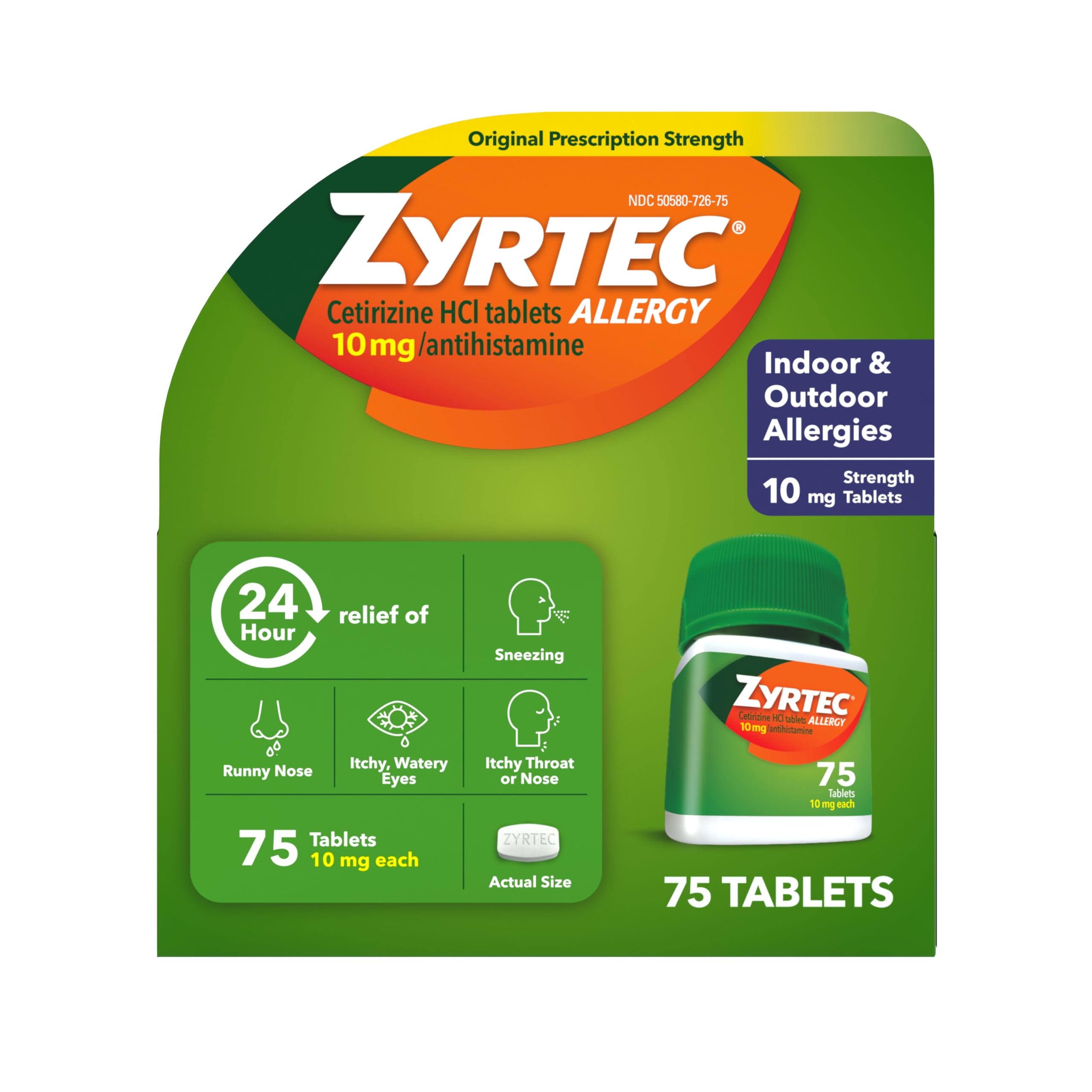
Zyrtec is the most frequently recommended OTC oral antihistamine by allergists, and there’s a reason for that — cetirizine provides robust 24-hour symptom suppression across a broad range of indoor and outdoor allergens. For head pressure specifically, Zyrtec works best as a preventive measure taken daily before symptoms peak, particularly during high-pollen seasons.
The 75-count bottle offers the best cost-per-dose ratio in this lineup, making it a practical choice for families or individuals who need daily coverage through spring and fall. Users consistently praise its fast onset, with many reporting relief from sneezing and runny nose within an hour of taking the tablet. The small, uncoated tablets have no taste or smell and are easy to swallow.
One notable trade-off: a subset of users report mild drowsiness, particularly when taken during the day. While cetirizine is classified as non-drowsy, clinical data shows it crosses the blood-brain barrier more than fexofenadine, so some individuals may feel slightly sedated. Taking it at bedtime can turn this side effect into an advantage.
Why it’s great
- #1 doctor-recommended OTC oral antihistamine brand
- Large 75-count supply for extended season coverage
- Fast-acting relief within one hour of dosing
Good to know
- May cause mild drowsiness in some individuals
- Not ideal for acute head pressure relief — works best daily
4. Tylenol Sinus Congestion & Pain, Severe Caplets, 24 Count (Pack of 3)

Tylenol Sinus Congestion & Pain is the most targeted formula in this lineup for acute head pressure because it combines three distinct mechanisms in a single caplet. Acetaminophen addresses the headache pain component of sinus pressure, phenylephrine constricts blood vessels in nasal passages to open blocked airways, and guaifenesin thins mucus so it drains rather than building pressure.
The “Severe” label is appropriate — this combination is designed for the specific moment when allergy-related sinus congestion turns into a full-blown headache behind the eyes and across the forehead. Users who carry it in their purse or bag for on-the-go relief report that it’s their first line of defense when allergy symptoms spike unexpectedly.
The pack of three provides 72 total caplets, which is a solid value for seasonal allergy sufferers who need rescue therapy several times per week. As a daytime formula, it’s non-drowsy, though the phenylephrine component can cause a mild increase in heart rate or jitteriness in sensitive individuals.
Why it’s great
- Triple-action formula tackles pain, congestion, and mucus
- Pack of 3 provides extended supply for the season
- Non-drowsy formulation suitable for daytime use
Good to know
- Phenylephrine can cause mild jitteriness in some users
- Child-proof packaging is notoriously difficult to open
5. Mucinex Severe Congestion & Pain Relief, Sinus-Max, 6 oz
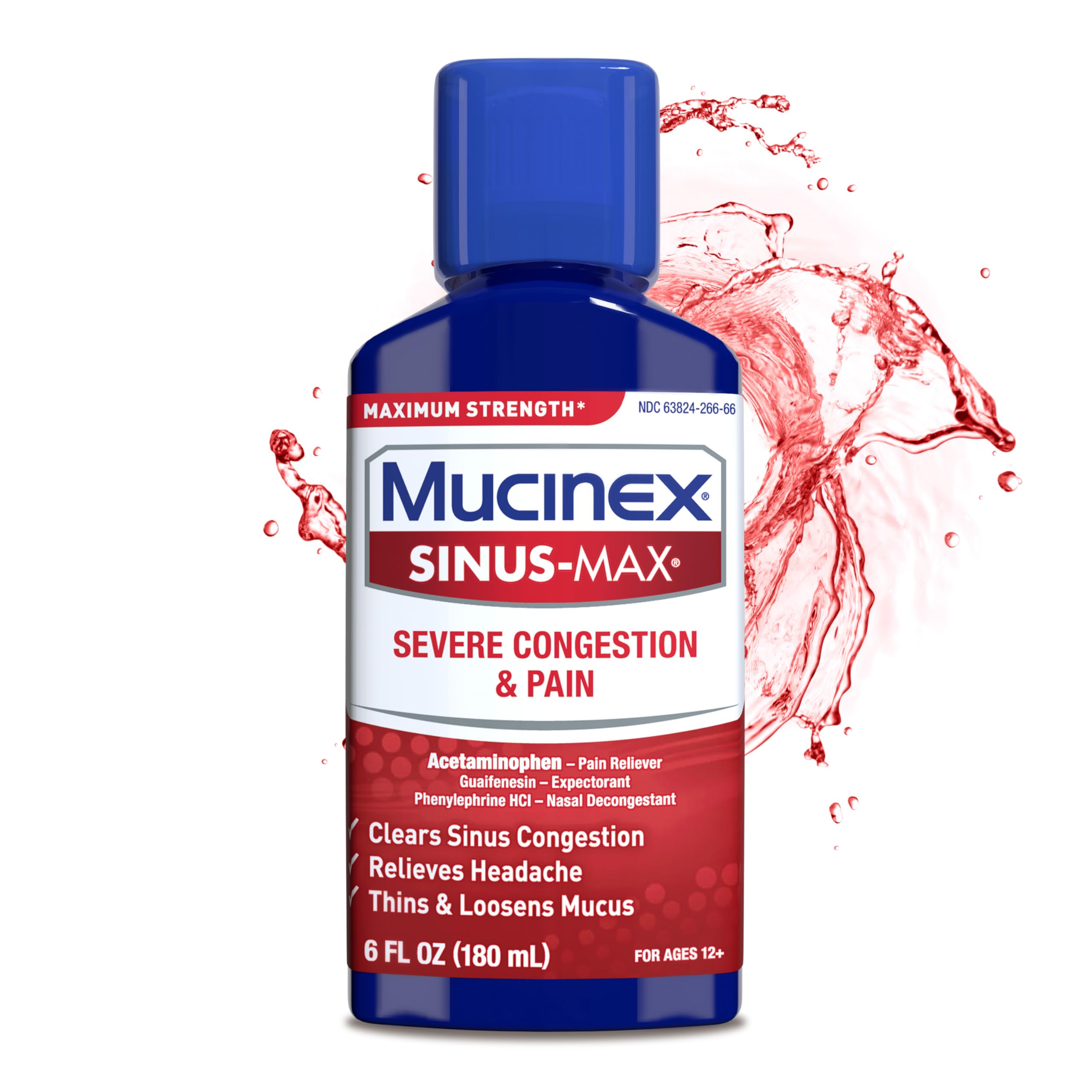
Mucinex Sinus-Max delivers the same active ingredient combination as Tylenol Sinus but in a liquid format that absorbs faster than caplets. For severe head pressure where you need relief in minutes rather than hours, the liquid formulation enters the bloodstream more quickly, making it the best option for acute symptom flares that hit suddenly.
The “Maximum Strength” label reflects the legal OTC limit for each active ingredient — you cannot get more decongestant, expectorant, or pain reliever in a single dose without a prescription. Users consistently describe it as immediate relief, with several noting that it works when nothing else has touched their sinus congestion and associated headache.
The 6-ounce bottle provides approximately 4-5 days of regular dosing. While the liquid format is ideal for speed, it’s less portable than caplets and has a medicinal taste that some users find unpleasant. The brand’s reputation as the #1 doctor-trusted cold and cough brand adds confidence in the formulation.
Why it’s great
- Liquid format absorbs faster than tablets for rapid relief
- Maximum legal OTC strength for each active ingredient
- #1 doctor-trusted cold and cough brand
Good to know
- Liquid has a noticeable medicinal taste
- Shipping times can be longer than for standard tablets
6. MediNatura BHI Sinus Congestion Relief, 100 Chewable Tablets
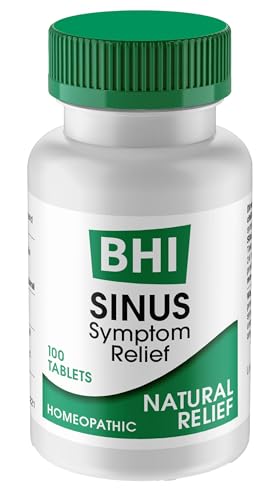
BHI Sinus Congestion Relief takes a fundamentally different approach — homeopathic micro-doses of plant and mineral ingredients designed to stimulate the body’s own defenses against sinus pressure. For users who prefer to avoid synthetic drugs or who experience side effects from standard OTC medications, this chewable tablet offers a viable alternative that users consistently describe as gentle yet effective.
The recommended dosing protocol — one tablet every 30 minutes during acute symptoms, then hourly until relief — is more involved than a simple daily pill, but users report that 3 to 6 tablets are typically enough to clear congestion and reduce sinus pressure. The chewable format has a mild, pleasant taste that makes it easy to take without water.
The formula is gluten-free, non-addictive, and free of artificial sweeteners, flavors, dyes, and preservatives, which aligns with a clean-label lifestyle.
Why it’s great
- Gentle on the body with no known drug interactions
- Clean formula free of artificial additives and preservatives
- FSA and HSA eligible for flexible spending accounts
Good to know
- Requires multiple doses every 30 minutes during flare-ups
- Lacks large-scale clinical trials like conventional drugs
7. MediNatura BHI Allergy Relief Multi-Symptom, 100 Tablets

BHI Allergy Relief casts a wider net than the Sinus-specific formula, incorporating 15 homeopathic active ingredients including Histamine, Selenium, and Sulphur in micro-doses. This broader approach targets not just nasal congestion but also runny nose, sneezing, itchy eyes, watery eyes, and mild skin rashes — making it the best option for users whose head pressure is just one component of a larger allergic response.
The dissolvable tablet format allows sublingual absorption, which users report produces noticeable relief within minutes of taking the initial dose. The natural approach appeals to those who react poorly to the stimulant-like effects of phenylephrine or the sedation potential of antihistamines. Multiple long-term users report using these tablets daily during spring and fall allergy seasons.
One caveat: instructions are not entirely clear on whether the tablets should be dissolved under the tongue or swallowed whole. User reviews suggest sublingual absorption is more effective, and the pleasant taste makes dissolving easy. Like other homeopathic products, individual results vary, and it may not be potent enough for severe, acute head pressure.
Why it’s great
- 15 active ingredients address a wide range of allergic symptoms
- Fast-acting dissolvable format for sublingual absorption
- No known interactions with other medications or supplements
Good to know
- May be too mild for severe acute sinus pressure
- Instructions unclear on dissolving vs. swallowing method
FAQ
Why don’t standard antihistamines always relieve sinus head pressure?
Can I take Flonase and an oral antihistamine together for head pressure?
Is homeopathic allergy medicine safe for chronic sinus pressure?
Final Thoughts: The Verdict
For most users, the best allergy medicine for head pressure winner is the Flonase Allergy Relief Nasal Spray because it targets the root cause of head pressure — inflammation in the sinus tissues — rather than just masking symptoms systemically. If you want immediate relief during an acute flare-up, grab the Tylenol Sinus Congestion & Pain for its triple-action formula. And for a non-drowsy, daily preventive approach, nothing beats the Allegra 180 mg for clean 24-hour coverage without brain fog.