
Our readers keep the lights on and the weekend projects moving. As an Amazon Associate, I earn from qualifying purchases.
Dragging through a morning meeting while your stomach growls is a recipe for low energy and poor focus. A breakfast protein shake should solve that problem — delivering steady fuel without the mid-morning crash, the chalky texture, or the sugar spike that leaves you hunting for a second breakfast before lunch.
I’m Rikta — the co-founder and writer behind FitlyFast. I’ve spent years analyzing nutritional labels, protein bioavailability data, and the real-world texture and satiety feedback across dozens of ready-to-drink shake brands to separate what actually works from what just markets well.
After reviewing the top contenders based on protein content, sugar levels, ingredient transparency, and taste consistency, this guide cuts through the noise to help you find the best breakfast protein shakes that genuinely fit your morning routine and nutritional goals.
How To Choose The Best Breakfast Protein Shakes
Not all breakfast shakes are built for the morning shift. The best ones balance protein density, sugar control, and a texture that doesn’t make you wish you’d just made eggs. Here’s what actually separates a breakfast-worthy shake from a post-workout supplement that happens to come in a bottle.
Protein Type and Bioavailability
Milk-based proteins like whey and casein are absorbed quickly and completely, making them efficient for morning muscle repair and satiety. Plant-based blends using pea, chia, and pumpkin seed protein can match that total gram count but often require a combination of sources to deliver a complete amino acid profile. For breakfast specifically, a shake with high bioavailability means your body actually uses the protein instead of flushing it — check for ultrafiltered milk or a complete plant protein blend rather than a single-source isolate.
Sugar Content and Sweetener Strategy
Breakfast shakes are notorious for hiding sugar under labels like “organic cane sugar” or “brown rice syrup.” A genuinely morning-friendly shake keeps total sugar at or below 5 grams per serving. Watch for sugar alcohols like erythritol that can cause bloating on an empty stomach, and check whether the sweetness comes from stevia, monk fruit, or sucralose — each affects aftertaste differently, and morning palates are especially sensitive to artificial lingering flavors with coffee or tea.
Texture and Morning Mouthfeel
The first sip of a breakfast shake sets the tone for the whole meal. A shake that is too thick coats the mouth unpleasantly, while a watery shake fails to satisfy. Dairy-based shakes generally offer a creamier body, while almond milk and pea protein blends can develop a slightly grainy or chalky finish. Ultrafiltered milk shakes bridge this gap by removing lactose while preserving a smooth, milkshake-like texture — a meaningful difference when your stomach is fresh and expects real food.
Quick Comparison
On smaller screens, swipe sideways to see the full table.
| Model | Category | Best For | Key Spec | Amazon |
|---|---|---|---|---|
| Premier Protein 30g | Whey Blend | Max protein, low sugar | 30g Protein, 1g Sugar | Amazon |
| Slate Milk Chocolate | Ultrafiltered Milk | Dairy lovers, no bloat | 42g Protein, 1g Sugar | Amazon |
| Quest Chocolate | Milk Isolate | Serious protein density | 45g Protein, 2g Sugar | Amazon |
| Spylt Strawberry | Caffeinated Milk | Energy + protein combo | 20g Protein, 60mg Caffeine | Amazon |
| Premier Protein Almondmilk | Plant Almondmilk | Lactose-sensitive stomachs | 20g Protein, 5g Sugar | Amazon |
| OWYN Variety Pack | Vegan Plant | Clean label, no allergens | 20g Protein, 4g Sugar | Amazon |
| Kate Farms Chocolate | Organic Plant | USDA organic nutrition | 16g Protein, Organic | Amazon |
In‑Depth Reviews
1. Premier Protein Shake, Chocolate, 30g Protein

This shake hits the morning sweet spot with 30 grams of protein and only 1 gram of sugar — no added sugar means no insulin spike to fight after your coffee wears off. The whey protein blend provides rapid absorption, which matters when you haven’t eaten in eight hours and your muscles are primed for repair. At 160 calories per bottle, it provides substantial protein density without turning breakfast into a 400-calorie liquid meal.
The chocolate flavor is widely described as almost tasting like chocolate milk, with a smooth texture that avoids the chalky finish common in high-protein shakes. Customers consistently note that the flavor profile stays consistent across bottles — a sign of reliable manufacturing rather than batch-dependent quality. The inclusion of 24 essential vitamins and minerals adds a multi-nutrient foundation that fills gaps for anyone skipping a full breakfast spread.
Some users report a stringy texture if the shake isn’t shaken vigorously before drinking, and a plastic-like aftertaste can surface if the bottle warms up. Keeping it cold is the workaround, and blending with ice or coffee solves both texture and temperature concerns. For a dairy-based shake that balances protein output with taste neutrality, this is the standard the category measures against.
Why it’s great
- 30g protein with only 1g sugar — excellent macros for morning fuel
- Smooth, chocolate-milk-like consistency that is not chalky when cold
- Fortified with 24 vitamins and minerals for complete morning nutrition
Good to know
- Needs vigorous shaking to avoid stringy texture separation
- Can develop a slight aftertaste if not consumed chilled
2. Slate Milk Ultra Protein Shake, Chocolate, 42g Protein
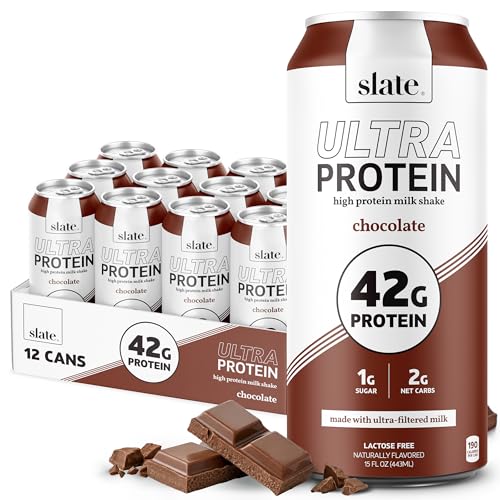
Slate uses ultrafiltered milk to concentrate protein naturally to 42 grams per 15-ounce can while removing the lactose that causes digestive distress for many morning drinkers. The result is a shake that tastes like lightly flavored chocolate milk — no chalky residue, no thick coating on the tongue, just a clean finish that sits well on an empty stomach. Each can delivers 190 calories with only 1 gram of sugar and 2 grams of net carbs, making it one of the most macro-efficient breakfast shake options available.
The ultrafiltration process preserves the creaminess of real milk without the need for gums, carrageenan, or artificial thickeners. Customers consistently rank the chocolate flavor as the standout, noting that it avoids the artificial sweetener aftertaste that plagues many high-protein shakes. The lactose-free formulation means you get dairy’s satiety benefits without the bloating, which is a significant advantage for a breakfast consumed before a workday of sitting in meetings.
Packaging can occasionally arrive damaged due to the can format, and the price point sits at the premium end of the category — roughly double the cost per gram of protein compared to standard whey shakes. Some users report undissolved white chunks in the salted caramel flavor, though the chocolate variant appears free of this issue. If your budget allows and texture is your top priority, this is the most drinkable high-protein breakfast shake tested.
Why it’s great
- 42g protein from ultrafiltered milk — lactose-free without sacrificing creaminess
- Only 1g sugar and 190 calories per can for tight macro control
- Clean, milkshake-like texture with no chalky or artificial aftertaste
Good to know
- Premium pricing compared to standard whey-based shakes
- Some flavor variants have reported undissolved chunks; stick with chocolate
3. Quest Nutrition Chocolate Protein Shake, 45g Protein

Quest pushes the protein ceiling to 45 grams per 14-ounce bottle, which is a meaningful number for anyone using breakfast shakes to support muscle repair after morning training or simply to stay full until lunch. The protein comes from ultrafiltered nonfat milk, providing high bioavailability that the body can rapidly break down and use. With only 2 grams of sugar and 4 grams of net carbs, the shake fits ketogenic and low-carb breakfast frameworks without requiring any dietary adjustment.
The chocolate flavor is described as rich and indulgent — closer to a milkshake than a typical protein drink — though some users detect a slight chalky aftertaste that emerges as the shake warms up. The thick consistency is satisfying for those who want their breakfast to feel like a substantial meal rather than flavored water. Each bottle also contains no added sugar and is gluten-free, which broadens its compatibility across different dietary restrictions.
The aftertaste issue is the main friction point: while the flavor is enjoyable when very cold, letting the shake sit for even 15 minutes can bring out a sucralose-related finish that some drinkers find bothersome. Drinking through a straw helps bypass the aftertaste receptors, and blending with ice or coffee eliminates the problem entirely. For pure protein density, this is the strongest option, but the taste experience demands cold management.
Why it’s great
- 45g protein per bottle — highest on this list for sustained morning fullness
- Ultrafiltered milk protein with high bioavailability for muscle support
- Only 2g sugar and 4g net carbs — fits keto and low-carb breakfast plans
Good to know
- Slight chalky aftertaste emerges if not consumed very cold
- Sucralose-based sweetness may not suit all palates at room temperature
4. Spylt High Protein Strawberry Milk, 20g Protein, 60mg Caffeine
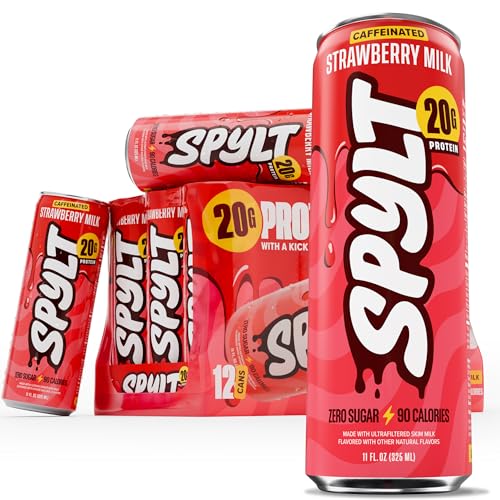
Spylt merges breakfast protein with a caffeine kick — 20 grams of milk protein and 60 milligrams of liquid caffeine per 11-ounce can. This combination replaces the need for a separate coffee run, making it a genuine time-saver for mornings when every minute counts. The strawberry flavor is intentionally nostalgic, mimicking the taste of strawberry milk without the sugar load, and the can is shelf-stable so you can stash it in a bag without refrigeration.
The shake contains zero sugar and zero lactose, which eliminates the two biggest breakfast shake complaints — sugar crashes and stomach bloating. At only 90 calories per can, it is the lowest-calorie option on this list, which is ideal for lighter breakfasts but may not provide enough satiety for those accustomed to a 400-500 calorie morning meal. Customers rave about the genuine strawberry flavor, noting that it avoids the artificial candy taste that plagues fruit-flavored protein drinks.
The caffeine content, while modest compared to a standard coffee, is enough to disrupt sleep if consumed late in the day, so this is strictly a morning or early-afternoon option. The cans are not meant to be shaken — doing so causes the carbonation to spray on opening. If you want your breakfast shake to double as your coffee run, this is the most seamless execution available, but the low calorie count means you may want to pair it with solid food for longer-lasting energy.
Why it’s great
- Integrated 60mg caffeine eliminates the need for separate coffee or tea
- Zero sugar and zero lactose — no crash, no bloat on an empty stomach
- Authentic strawberry flavor that avoids artificial candy aftertaste
Good to know
- 90 calories may not provide enough morning satiety on its own
- Caffeine content can interfere with sleep if consumed after midday
5. Premier Protein Non-Dairy Almondmilk Protein Shake, Chocolate, 20g Protein
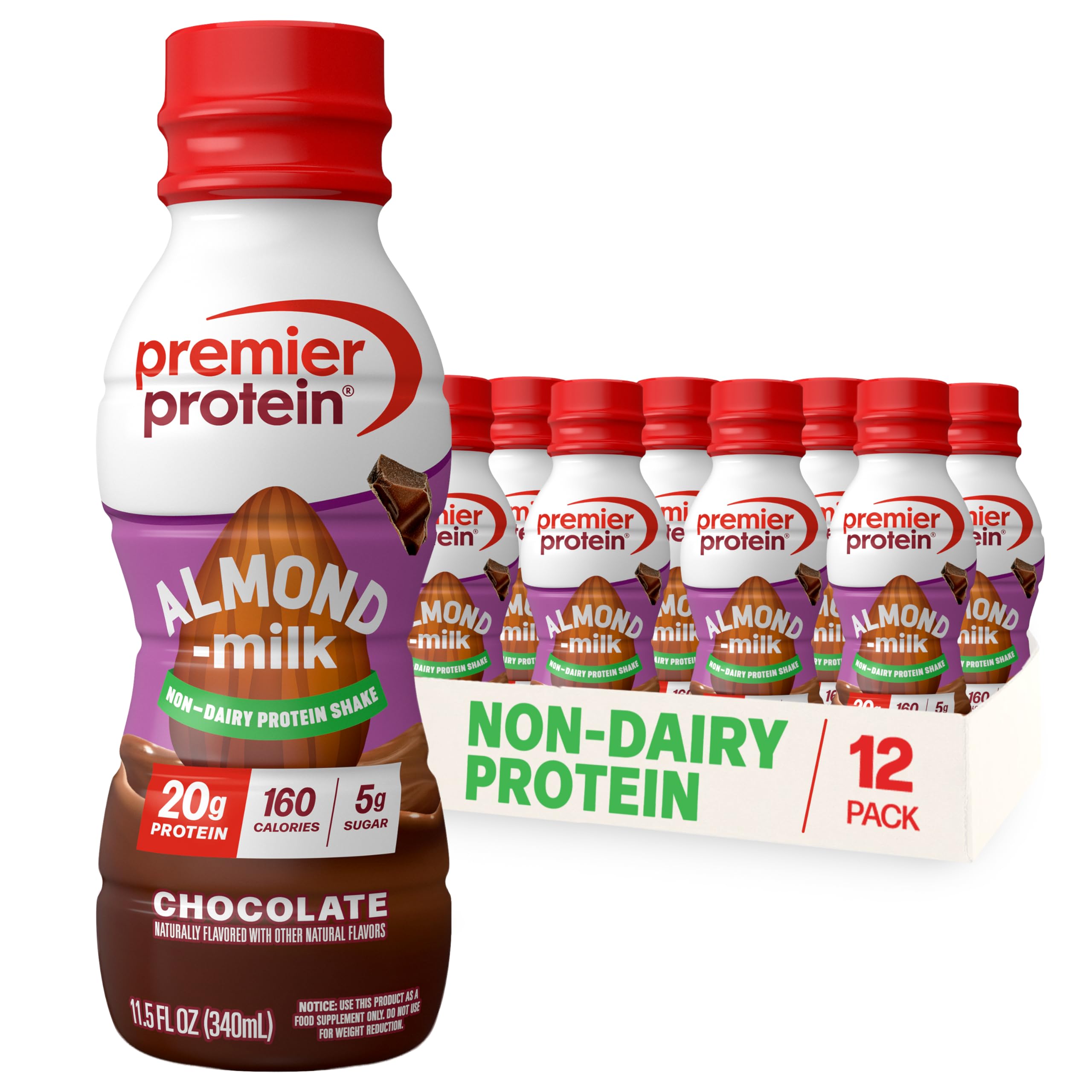
This plant-based variant from Premier Protein uses real almond milk as the base instead of whey, delivering 20 grams of plant protein with a familiar chocolate flavor. For anyone who experiences lactose intolerance symptoms like nausea or bloating after dairy-based shakes, this is a direct swap that eliminates those side effects while maintaining a similar taste profile. Each bottle contains 160 calories and 5 grams of sugar, which is slightly higher in sugar than the dairy version but still within a reasonable morning range.
The texture is noticeably grainer than the whey-based original — a common trade-off with almond milk protein formulations — and the best results come from serving it ice-cold. Customers who switch from the dairy version report that the almond milk variant is less sweet, which some prefer as a cleaner morning taste. The absence of artificial flavors, colors, and sweeteners means the ingredient list is short and recognizable, which matters for anyone scrutinizing what goes into their body first thing in the morning.
The slight graininess is the primary trade-off, and some drinkers find it distracting enough to prefer plant-based options from other brands. Availability can also be spotty in local stores, making the Amazon subscription the most reliable path to consistent supply. For lactose-sensitive drinkers who want the Premier Protein brand experience without the dairy, this is the targeted solution, but the texture compromise is real and worth testing before committing to a full case.
Why it’s great
- Real almond milk base eliminates lactose intolerance symptoms entirely
- No artificial flavors, colors, or sweeteners — clean ingredient profile
- Familiar chocolate taste with lower sweetness than dairy alternatives
Good to know
- Slightly grainy texture compared to whey-based shakes
- 5g sugar per serving is higher than the dairy version of the same brand
6. OWYN Only What You Need Protein Shake Variety Pack, 20g Protein
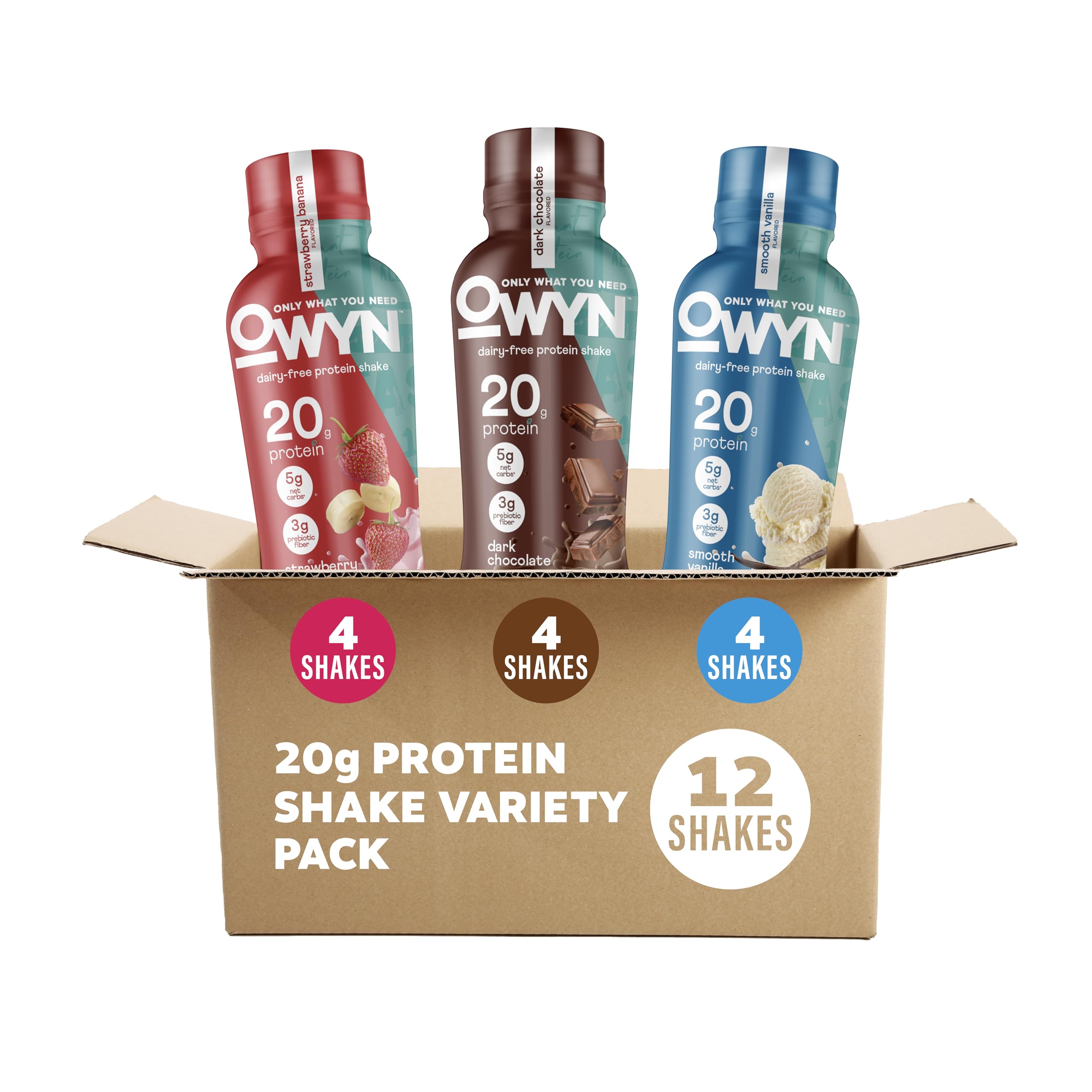
OWYN builds its protein foundation from pea, chia, and organic pumpkin seeds — a three-source plant blend that delivers all nine essential amino acids plus naturally occurring BCAAs and omega-3s. Each bottle provides 20 grams of protein with only 4 grams of sugar and 3 grams of fiber, making it a solid plant-based breakfast option that doesn’t rely on soy or gluten. The shake is also free from dairy, peanuts, tree nuts, and eggs, which makes it one of the most allergen-safe choices for morning consumption.
The variety pack includes Smooth Vanilla, Dark Chocolate, and Strawberry Banana, allowing you to rotate flavors without committing to a full case of one profile. Customer reviews are split: the vanilla is widely praised as clean and refreshing, while the dark chocolate draws complaints of a chalky, chemical aftertaste. The strawberry banana flavor also receives mixed feedback, with some describing it as artificial rather than fruit-forward. This inconsistency across flavors means the variety pack is best approached as a trial sampler rather than a long-term solution.
The inclusion of superfood greens from kale, broccoli, and spinach adds a micronutrient layer that is rare in ready-to-drink shakes, and the prebiotic fiber supports digestive regularity — a benefit that matters for morning gut function. The shelf-stable format means you can keep a case at the office or in a gym bag without refrigeration. If you prioritize a clean, allergen-free, vegan label and plan to rotate flavors based on taste preference, OWYN delivers the nutritional framework, though you may end up buying only vanilla once you identify your favorite.
Why it’s great
- Triple-source plant protein (pea, chia, pumpkin) for complete amino acid profile
- Free from top allergens: dairy, soy, gluten, peanuts, tree nuts, eggs
- Contains prebiotic fiber and superfood greens for digestive and micronutrient support
Good to know
- Dark chocolate and strawberry banana flavors have inconsistent taste reviews
- Best approached as a trial variety pack rather than a guaranteed flavor hit
7. Kate Farms Organic Nutrition Shake, Chocolate, 16g Protein
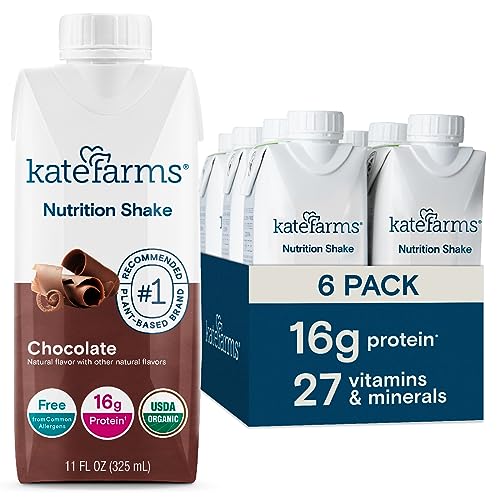
Kate Farms stands apart with USDA Organic certification, Non-GMO Project verification, and a plant-based formula that uses organic pea protein as its primary protein source. At 16 grams of protein per 11-ounce bottle, it delivers less protein than any other option on this list, but the nutritional density comes from elsewhere — 27 essential vitamins and minerals plus phytonutrient extracts from broccoli, kale, berries, and turmeric. For breakfast, this makes it more of a complete meal replacement shake than a pure protein supplement, filling gaps that a standard protein shake ignores.
The chocolate flavor is well-received, with multiple reviews calling it the best-tasting nutritional shake they have ever tried, specifically noting the absence of the metallic or bitter aftertaste common to plant-based shakes. The smooth consistency and gluten-free, dairy-free, kosher certification make it safe for sensitive digestive systems — several customers mention using it during cancer recovery or appetite loss when solid food is difficult to tolerate. The ingredient list is short and recognizable, with no artificial flavors or sweeteners.
The lower protein density is the limiting factor for anyone using breakfast shakes primarily for muscle repair or sustained fullness. At roughly the same price point as 30-gram shakes, you are paying for organic certification and micronutrient breadth rather than protein efficiency. The 11-ounce bottle size also means the calorie-to-protein ratio is less favorable than whey-based competitors. For drinkers who prioritize clean, organic, whole-food nutrition over sheer protein numbers, Kate Farms is the category leader, but it is best paired with a protein-rich solid breakfast if satiety is your goal.
Why it’s great
- USDA Organic certified with no artificial flavors or sweeteners
- 27 vitamins and minerals plus phytonutrient extracts for complete nutrition
- Smooth, well-tasting chocolate that avoids plant-based metallic aftertaste
Good to know
- 16g protein per bottle is lower than most alternatives on this list
- Organic certification creates a higher price per gram of protein
FAQ
Can I use a breakfast protein shake as a complete meal replacement every morning?
What is the difference between ultrafiltered milk and whey protein concentrate in breakfast shakes?
How much sugar is too much for a breakfast protein shake?
Final Thoughts: The Verdict
For most users, the breakfast protein shakes winner is the Premier Protein Shake Chocolate 30g because it delivers the best balance of high protein density, minimal sugar, smooth dairy taste, and reliable affordability. If you want a shake that tastes like real chocolate milk and sits clean on a sensitive stomach, grab the Slate Milk Ultra Protein Shake. And for a caffeine-infused, zero-sugar option that replaces your morning coffee run, nothing beats the Spylt High Protein Strawberry Milk.