
Our readers keep the lights on and the weekend projects moving. As an Amazon Associate, I earn from qualifying purchases.
Hard water spots aren’t just an eyesore—they embed minerals into your paint and glass, etching permanent marks if left unchecked. Standard car soap won’t touch the calcium deposits left by sprinklers, rain, or automatic car washes, so you need a dedicated chemical solution that dissolves the minerals without dulling your clear coat.
I’m Rikta — the co-founder and writer behind FitlyFast. I’ve spent the last several months analyzing pH levels, dwell-time requirements, and surface compatibility across dozens of spot removers to separate the formulations that truly work from those that just foam up and rinse away.
After cross-referencing real user results with chemical composition data, I’ve narrowed the market to the seven most reliable options you’ll find online today, delivering a complete guide to the best auto water spot remover for paint, glass, trim, and marine gelcoat alike.
How To Choose The Best Auto Water Spot Remover
Selecting the right spot remover starts with identifying whether your water spots are surface-level mineral deposits or etched into the clear coat or glass. A spray-on remover works for fresh deposits, while a polish-grade product with cerium oxide or a fine abrasive compound is needed for etched-in spots that you can feel with your fingernail.
Surface Compatibility First
Not all removers are paint-safe. Some heavy-duty formulas contain strong acids that can dull clear coats or strip wax and ceramic coatings. If your vehicle has a ceramic coating, look for a pH-neutral or coating-safe formula. For bare glass, a cerium-oxide polish is the most effective choice, but it requires a backing pad and a bit of elbow grease.
Dwell Time and Application Method
Every remover has a dwell time—the minutes it needs to sit and soften the mineral deposit before you wipe or buff. Products that require only a spray-and-wipe approach are ideal for maintenance washes, while crème or paste formats that demand a foam pad or microfiber cloth are better for heavy, neglected buildup.
Formulation Type: Spray vs. Crème vs. Polish
Sprays are convenient for light water spots on paint, glass, and trim, but they can struggle with stubborn, long-term etching. Crème-based removers (like glass polishes) provide more abrasive cut, making them essential for windshield wiper marks and baked-on calcium. You match the formulation to the severity of the stain—not the other way around.
Quick Comparison
On smaller screens, swipe sideways to see the full table.
| Model | Category | Best For | Key Spec | Amazon |
|---|---|---|---|---|
| Gtechniq W9 | Spray | Ceramic-coated paint & glass | 500ml spray bottle | Amazon |
| P & S Clarity Creme | Crème | Glass restoration & polish | 16 oz. crème | Amazon |
| 3D Glass Polish | Polish | Etched water spots & fine scratches | 16 oz. cerium oxide | Amazon |
| Turtle Wax Hybrid Solutions | Spray Coating | Prevention & light spot removal | 16 oz. ceramic spray | Amazon |
| Bioclean Hard Water Stain Remover | Aerosol | Household glass & fixtures | 20.3 oz aerosol | Amazon |
| Ducky Products Original | Spray | Marine & RV gelcoat | 32 oz. spray bottle | Amazon |
| Boat Candy Speed Gloss | Spray Detailer | Quick maintenance & shine | 32 oz. spray bottle | Amazon |
In‑Depth Reviews
1. Gtechniq W9 Water Spot Remover for Cars

The Gtechniq W9 is built for modern cars with ceramic coatings. Its concentrated formula dissolves both hard water minerals and silica scale that standard washes leave behind, making it one of the few products that’s safe on matte finishes and glossy clear coats alike. Multiple testimonials confirm it removed baked-on sprinkler spots from ceramic-coated dark paint without stripping the coating’s water-beading properties.
Application is straightforward: spray onto a microfiber cloth, wipe over the affected area, buff with a clean cloth, then rinse. For deeply etched spots, three applications with firm rubbing were needed to bring a dark blue van back to pre-spot condition—avoiding a costly professional buff and recoat. It runs unscented, which is a relief if you work in a garage without heavy ventilation.
The main limitation is that it works best on light to moderate spotting before minerals fully etch into the clear coat. For spots you can feel with your fingernail, you may still need a light polish step afterward. That said, for a spray-on solution that protects your coating investment, this is the most versatile pick in the lineup.
Why it’s great
- Safe for ceramic coatings and matte paint
- Dissolves silica scale that weaker removers leave behind
- Fragrance-free formula reduces fume exposure
Good to know
- Requires repeated application for heavy, long-term etching
- Measured 500ml bottle is smaller than budget spray options
2. P & S Professional Detail Products Clarity Creme
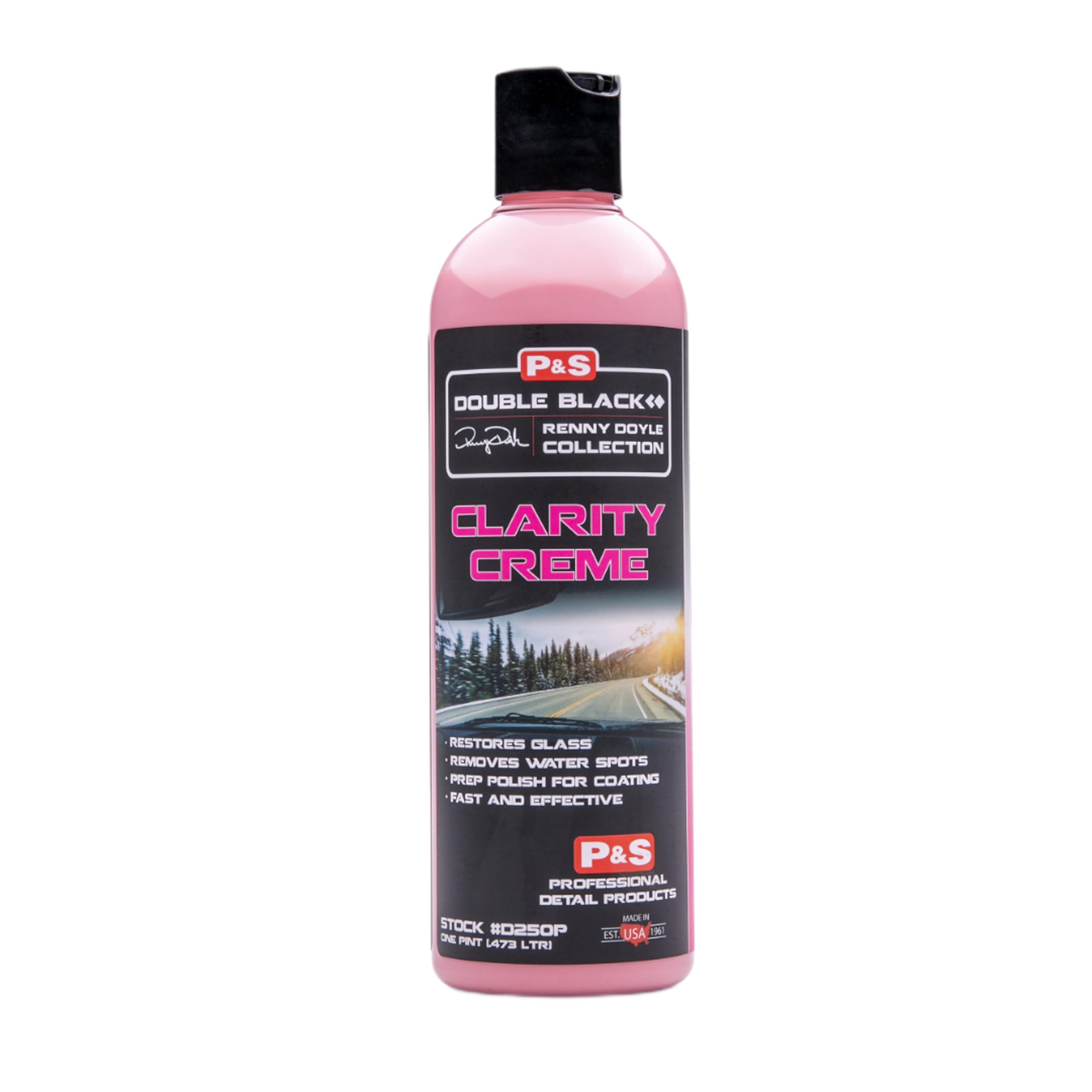
Clarity Creme switches from a spray approach to a crème format that you work into the glass with a foam or wool pad. It’s specifically formulated to restore factory clarity to automotive glass by mechanically removing calcium deposits that have bonded to the surface. Users reported dramatic results on sunroofs, windshields, and rear glass that had been parked under hard-water sprinklers for months.
Because it’s an abrasive crème, you need either a dual-action polisher or a drill-mounted pad for efficient application. Hand buffing is possible but slow. The dusting is notable—it dries fast in direct sun, so you have to work in the shade and keep the pad moist. A single pass with a foam finishing pad took care of mild water spots, while moderate etching required two passes with a wool pad.
It doubles as a prep polish before applying a glass coating, which means you can use it to ensure your hydrophobic coating bonds to a perfectly smooth surface. The 16-ounce bottle goes a long way when using the recommended pea-sized drops. Be careful with the packaging—some units arrive with a loose seal, so check before first use.
Why it’s great
- Restores optically clear glass from heavy mineral etching
- Works well with a standard DA polisher for fast correction
- Excellent prep for ceramic glass coatings
Good to know
- Dusts heavily when drying; requires shade application
- Slow going by hand—a machine pad is nearly mandatory
3. 3D Glass Polish – Cerium-Oxide Based Window Polish
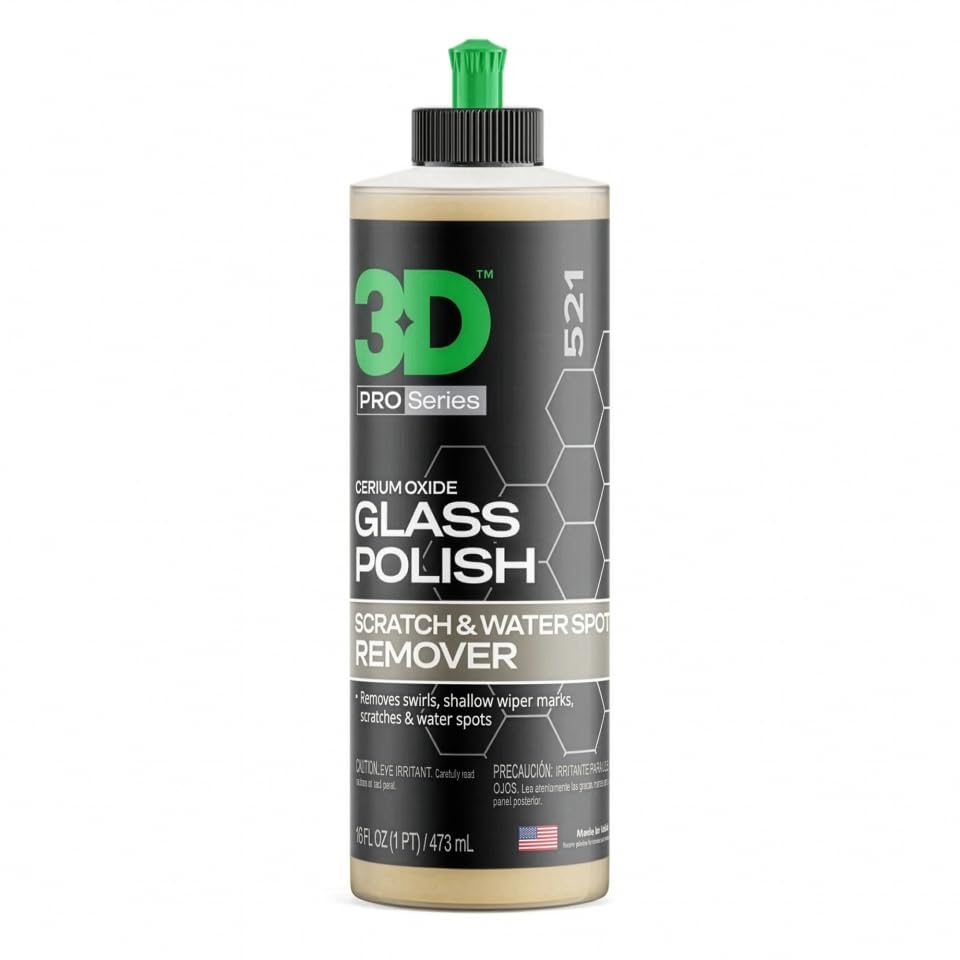
The 3D Glass Polish uses cerium oxide, the industry-standard abrasive for optical glass correction. It’s the choice when water spots have etched deep enough that you can feel them with your fingernail, or when wiper marks and fine swirls are reducing visibility. Users corrected entire Tesla Model S rear windows with just nine pea-sized drops of product, proving the formula’s high cut rate and low waste.
Application requires a rotary polisher with a felt pad for best results, though a drill-backed foam pad also works for smaller sections. The long open time gives you extended workability—critical when you’re working a large windshield section. Mist the pad with water to activate the cerium oxide, keep the speed low, and work in a crosshatch pattern to avoid holograms.
It’s also positioned as a perfect prep step before applying a ceramic or hydrophobic glass coating. The polish leaves a smooth, clean surface that improves bonding. However, it cannot fix deep scratches that catch your fingernail—those require glass replacement. For etched water spots and surface imperfections, this is the most aggressive option in the list.
Why it’s great
- Cerium-oxide formula cuts deeply etched water spots from glass
- Long open time allows methodical polishing without drying out
- High concentration—a few drops cover large panels
Good to know
- Requires a rotary polisher for effective correction; not a hand-applied product
- Cannot fix deep scratches that your fingernail catches
4. Turtle Wax Hybrid Solutions Ceramic Spray Coating
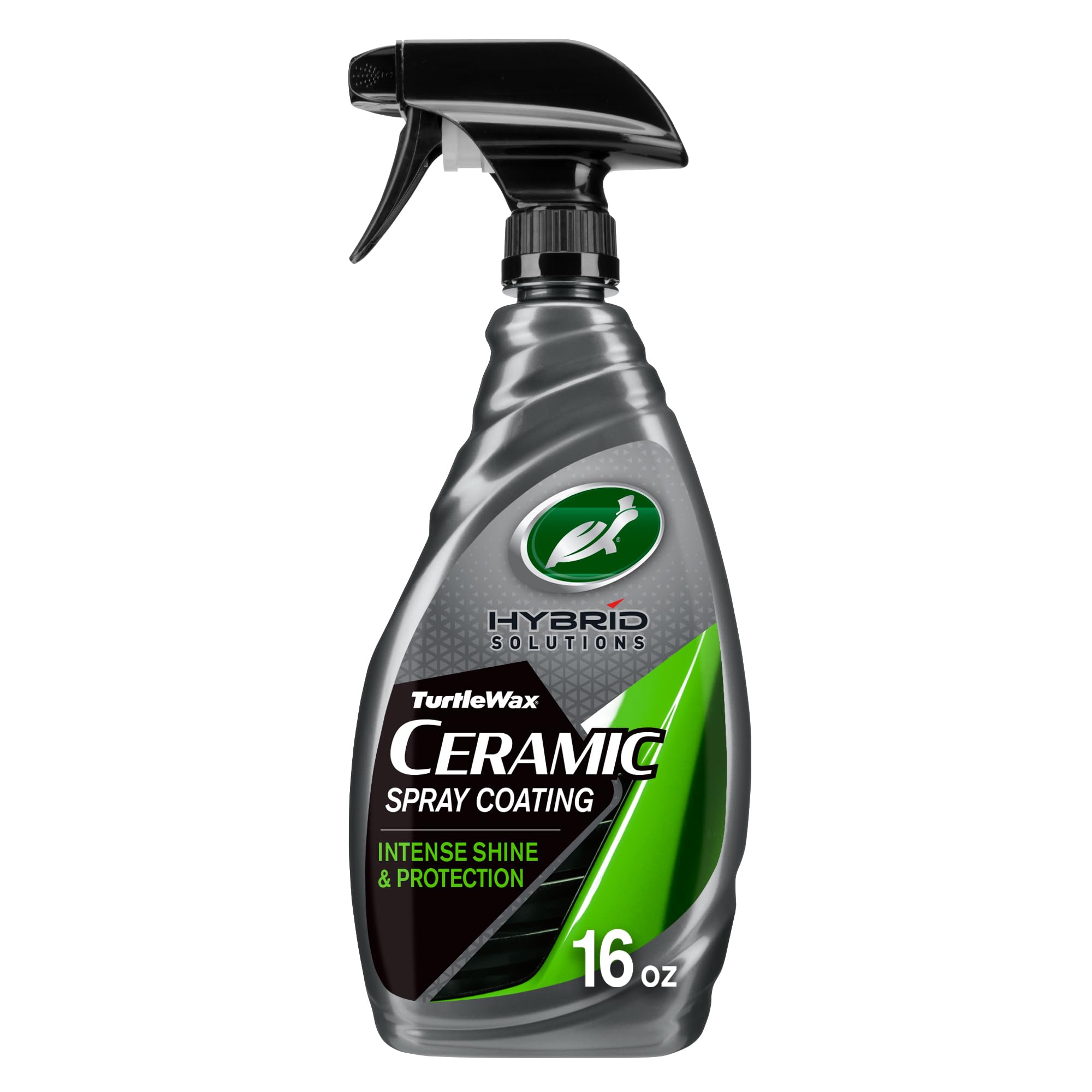
The Turtle Wax Hybrid Solutions spray coating is less a remover and more a preventive ceramic layer that makes future water spots easier to wipe away. It deposits durable ceramic polymers that create extreme water beading—drops roll off rather than drying into mineral deposits. Users reported three-plus months of hydrophobic performance, with the coating keeping cars clean between washes and reducing the need for dedicated spot removers.
Application is simple: spray onto a clean, dry surface and buff with a microfiber cloth. It works on paint, glass, wheels, trim, and even headlights, giving you a single-product solution for full exterior protection. Reviews from 82-year-old enthusiasts and owners of 1996 Miatas alike praised the gloss depth and dirt repellency, noting it outperformed pricier boutique ceramic sprays.
The trade-off is that it does not actively remove existing hard water spots—it seals over them. You need to clay or polish the surface clean before applying this coating. Also, the product carries a reproductive hazard warning, so wearing gloves during application is recommended. For those looking to stop spots before they start, this delivers strong value.
Why it’s great
- Creates extreme water beading that prevents mineral deposits
- Safe on multiple surfaces including glass, trim, and wheels
- Lasts three-plus months with proper surface prep
Good to know
- Does not remove existing spots—only prevents new ones
- Contains a reproductive hazard warning; gloves recommended
5. Bioclean Hard Water Stain Remover, 20.3oz

Bioclean takes an industrial-strength approach to mineral deposits, using a biodegradable aerosol formula that outperformed vinegar, CLR, and Barkeeper’s Friend on stubborn glass shower doors. Multiple reviewers noted it removed deposits those household staples couldn’t touch, with a pleasant minty/wintergreen scent instead of harsh chemical fumes. The aerosol spray makes it easy to target spots without oversaturating the area.
It’s primarily marketed for home use—windows, tile, grout, and glass fixtures—but its hard-water dissolving chemistry works equally well on auto glass and chrome trim. Users recommend multiple applications with an extended dwell time and scrubbing for the heaviest buildup. The product did cause skin peeling in one report after bare-hand use, so gloves are essential.
Compared to automotive-specific sprays, Bioclean is more aggressive, which makes it effective on years-old deposits but also means it may strip wax or sealants. Keep it away from clear-coated paint unless you plan to re-apply protection afterward. For spot-cleaning glass and metal trim, it’s a potent, eco-friendly option.
Why it’s great
- Removes deposits that vinegar and CLR cannot dissolve
- Biodegradable formula with a pleasant mint scent
- Aerosol application provides controlled, targeted coverage
Good to know
- May strip wax or sealants from painted surfaces
- Can cause skin irritation; gloves are mandatory
6. DUCKY PRODUCTS Original Water Spot Remover, 32 oz

Ducky Products has been the go-to water spot remover for marine and RV owners since 1989, and the original formula remains a benchmark for dissolving calcium and mineral deposits without adding wax or gloss enhancers. The spray-on, wipe-off method works on gelcoat, fiberglass, chrome exhaust tips, and auto glass, handling everything from sprinkler spots on cars to transom exhaust deposits on boats.
Users praised its ability to remove tree sap, pollen, and bird droppings alongside hard water spots, making it a versatile all-surface cleaner for vehicles stored outdoors. The non-toxic, biodegradable formula is reassuring for marine environments where runoff hits the water. However, it struggles with heavy, long-term buildup from constant sprinkler exposure—it’s effective but not a magic eraser for etched deposits.
The 32-ounce bottle provides good coverage for the price, and the no-wax formulation means it won’t interfere with existing sealants or coatings. Some users noted a chalky residue on glass after drying, requiring a follow-up with a glass cleaner. If you maintain a boat or RV exposed to hard water, this is the most trusted name in the category.
Why it’s great
- Trusted marine formula with 30+ years of proven results
- Non-toxic and biodegradable for eco-conscious use
- Removes multiple contaminants beyond just water spots
Good to know
- Less effective on deeply etched, long-term mineral deposits
- May leave a chalky film on glass that needs a separate cleaner
7. Boat Candy Speed Gloss Detailer and Water Spot Remover, 32 oz

Boat Candy Speed Gloss fills the niche of a maintenance detailer that removes light water spots while simultaneously leaving a high-gloss finish. It’s designed for fiberglass, metal, plastic, and rubber surfaces, making it a natural choice for boats, personal watercraft, and trucks that see frequent washing. Users reported that a simple spray and wipe after leaving the lake completely eliminated water spots that used to require a weekend of scrubbing.
The formula is biodegradable and works well on surfaces that already have a wax or sealant layer. It outperformed Lucas Speed Wax in side-by-side boat comparisons when it came to removing stubborn mineral deposits from gelcoat. The 32-ounce bottle provides enough coverage for multiple applications on a full-size vessel or several truck details.
Where it falls short is on heavy, etched-in deposits that have been baking in the sun for weeks. For those cases, you’ll need a more aggressive product like the Gtechniq W9 or a glass polish. As a quick between-wash spray that prevents spots from bonding, Speed Gloss is ideal for enthusiasts who wash their watercraft after every use.
Why it’s great
- One-step spray that removes spots and adds gloss simultaneously
- Biodegradable formula safe for marine environments
- Ideal for quick maintenance after every boat or PWC outing
Good to know
- Not effective on heavy, etched mineral deposits
- Designed primarily for waxed or sealed surfaces, not bare paint
FAQ
Will a water spot remover strip my ceramic coating?
Can I use glass polish on my car’s painted surfaces?
How long should I let a spray remover dwell before wiping?
Final Thoughts: The Verdict
For most users, the best auto water spot remover winner is the Gtechniq W9 because its silica-scale dissolving formula works safely on ceramic coatings, matte finishes, and glass while remaining easy enough for weekend detailers. If you need to restore etched glass to crystal clarity, grab the P & S Clarity Creme and pair it with a DA polisher. And for boat or RV owners who want a fast spray-on maintenance solution, nothing beats the Ducky Products Original for its trusted, biodegradable marine formula.