
Our readers keep the lights on and the weekend projects moving. As an Amazon Associate, I earn from qualifying purchases.
You have the itch to get a drone, but the fear of crashing and wasting money is real. Between confusing specs, shaky footage, and worrying about FAA rules, buying your first camera drone can be a gamble. This guide isolates the drones that actually prioritize stability and ease of use over flashy, unreliable features.
I’m Rikta — the co-founder and writer behind FitlyFast. Over the last several years, I’ve analyzed market trends and the mechanical specifications of over 200 consumer drones to identify what truly determines a beginner-friendly experience versus a frustrating one.
Whether you are looking for stable GPS-assisted hovering, a 4K camera that doesn’t require hours of editing, or a sub-250g build that keeps you under federal registration limits, this guide breaks down the only specs that matter. This is a curated list of the absolute best beginner drone with camera options available right now.
How To Choose The Best Beginner Drone With Camera
Picking your first camera drone is overwhelming because every listing mentions “4K,” but not every drone can fly stably enough to make that 4K usable. You need to prioritize safety nets (auto-return) and physical stability (gimbal quality) over raw specs like claimed megapixels.
GPS vs. Optical Flow: Your Safety Net
A drone without GPS is a flying brick in the wind. GPS allows the drone to lock its position in space, making it hover perfectly still without any thumb input. Paired with “Return-to-Home,” GPS ensures your drone won’t fly away if the signal drops. Optical flow is a cheaper system that works by tracking the ground texture below, but it fails over water or low-contrast surfaces. For a true beginner, a drone with a healthy GPS module is mandatory.
Brushless Motors Are Not Optional
Cheap drones use “brushed” motors which wear down after a few hours of flight, eventually losing power and causing crashes. “Brushless” motors are sealed, quieter, far more powerful, and last for hundreds of flight hours. If the description mentions “brushed” or doesn’t specify, keep looking. Every drone on our recommended list uses brushless motors.
Mechanical Gimbal vs. Electronic Stabilization
Camera stabilization is where the cost really separates the entry-level from the capable. Electronic Image Stabilization (EIS) crops your video to reduce shake, which can make the footage look warped. A 2-axis or 3-axis mechanical gimbal uses actual motors to physically hold the camera steady, giving you smooth, cinematic footage. If you want video that looks professional, prioritize a mechanical gimbal over pure EIS.
Quick Comparison
On smaller screens, swipe sideways to see the full table.
| Model | Category | Best For | Key Spec | Amazon |
|---|---|---|---|---|
| Bwine F7MINI | Premium | Ultimate Build Quality | 3-Axis Gimbal + 6KM Range | Amazon |
| Potensic ATOM SE | Premium | Brand Reliability | 4K EIS + 62 Min Flight | Amazon |
| DJI Neo 2 | Premium | Palm Takeoff & Safety | 151g + Obstacle Sensing | Amazon |
| Gleesfun G11PRO | Mid-Range | Professional Grade Gimbal | 3-Axis Gimbal + 70 Min Flight | Amazon |
| Specta Mini Drone | Mid-Range | Long Transmission Range | 3-Axis Gimbal + 10KM Range | Amazon |
| SIMREX GPS Drone | Mid-Range | Smart Tracking Modes | Optical Flow + 2296ft Range | Amazon |
| TOPBLASTERBOX Drone | Mid-Range | Built-In Controller Screen | 4.5″ Screen + 45 Min Flight | Amazon |
| REDRIE HK33 | Value | Best Budget-Friendly Pick | 2-Axis Gimbal + 4K Photo | Amazon |
| Oddire HK11 | Value | Durable Tested Build | 5G FPV + 48 Min Flight | Amazon |
In‑Depth Reviews
1. Bwine F7MINI 4K Drone
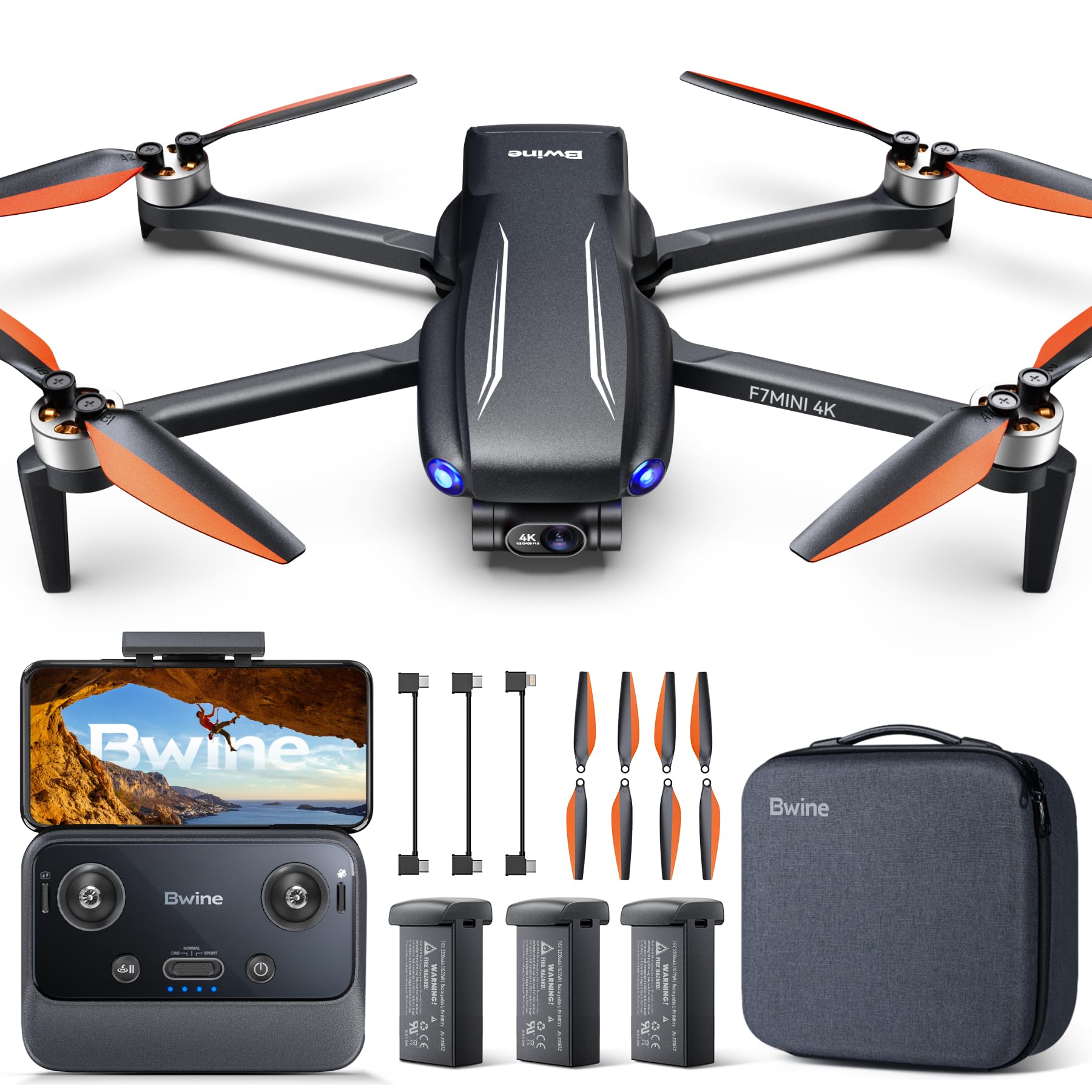
The Bwine F7MINI is the ultimate entry point for a serious hobbyist. It packs a true 3-axis mechanical gimbal, which physically stabilizes the camera to produce buttery-smooth 4K/30fps footage, a feature rarely seen at this level. The built-in 5.5-inch touchscreen on the controller means you don’t have to attach your phone, reducing setup time and interference issues. Under the 249g threshold, it bypasses all FAA registration requirements.
It comes with three high-density batteries, offering a total flight time of 96 minutes, which is double what most competitors offer. The 20,000-foot (6km) digital video transmission range is incredibly generous, giving you confidence that you can explore without losing the signal. The intelligent GPS system includes Follow Me, Waypoint, and Orbit modes, making complex shots accessible to a complete novice.
While the premium package includes a high-quality carrying case and a 2-year warranty, the price reflects the professional-grade hardware. The only minor drawback is that the file transfer from the drone to a phone via the app is slow, but transferring directly to a computer is fast. For anyone who wants to start with a drone that doesn’t feel like a toy, this is the definitive choice.
Why it’s great
- True 3-axis mechanical gimbal for smooth video.
- Built-in controller screen removes phone dependency.
- Total 96-min flight time with 3 batteries.
Good to know
- App transfer of media to phone is noticeably slow.
- Premium asking price is an investment for beginners.
2. Potensic ATOM SE GPS Drone

The Potensic ATOM SE is a ground-up design built for the beginner who wants DJI-level quality without paying the full DJI tax. It uses a Sony 1/3-inch CMOS sensor with Electronic Image Stabilization (EIS) to capture 4K video that is remarkably crisp for the price. The SurgeFly flight control system offers a dedicated “Beginner Mode” that limits altitude and speed while you get your bearings, then drops you into Video, Normal, and Sport modes as you improve.
With two intelligent 2500mAh batteries, you get a total flight time of 62 minutes, which is ample for learning the basics and capturing multiple locations in one trip. The PixSync 2.0 transmission system offers a 4km range with low latency, meaning your FPV feed stays sharp even when the drone is a speck in the sky. The included three phone adapter cables (Micro, Type-C, Lightning) ensure compatibility out of the box.
Reviewers consistently praise the responsive customer support and the ability to handle level-5 winds, a testament to its brushless motor power. The camera tilt is controlled by a wheel on the remote, which some users find a bit jerky rather than smooth. It is an extremely well-built machine that offers a clear upgrade path from toy-grade to enthusiast-grade flying.
Why it’s great
- Dedicated Beginner Mode with altitude limits.
- Excellent long 4km video transmission range.
- Rugged, wind-resistant build quality.
Good to know
- Camera tilt adjustment feels slightly jerky.
- Requires firmware updates and calibration before first flight.
3. DJI Neo 2
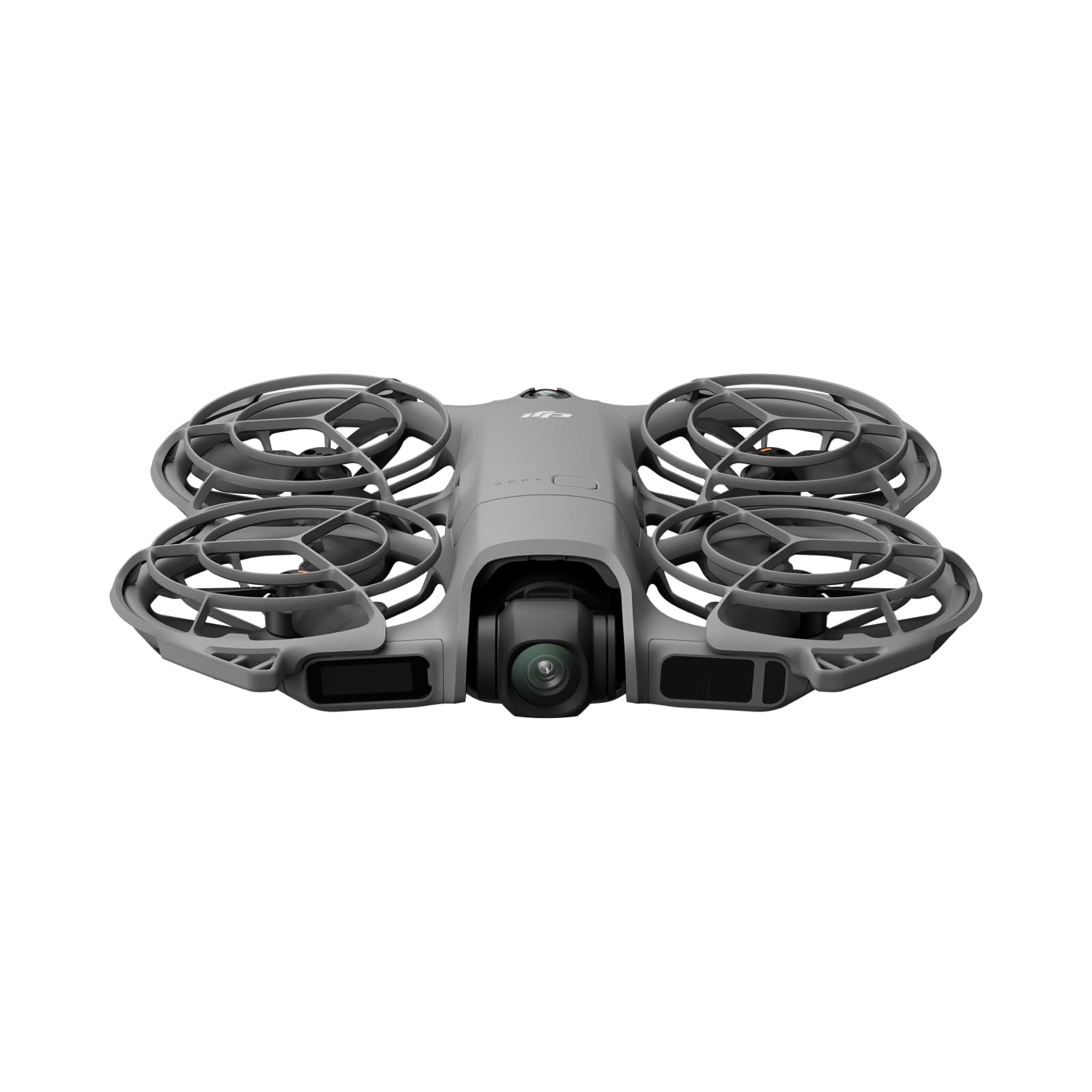
DJI, the market leader, designed the Neo 2 with one primary philosophy: eliminate the fear of crashing. Weighing just 151 grams, it is the lightest drone on this list and is certified C0, meaning it has the most relaxed flying regulations. The standout feature is omnidirectional obstacle sensing, which uses multiple sensors to detect objects around the drone and automatically stop or redirect it, a literal life-saver for new pilots. Palm takeoff and landing means you can launch it from your open hand, no flat ground required.
Gesture control is intuitive; wave at the drone to take a selfie or signal it to follow you. The ActiveTrack technology locks onto a subject (you or a friend) and keeps them perfectly framed in the 4K video, even as they move. The DJI Fly app is generally considered the industry standard for stability and ease of use, although it must be downloaded from the official DJI website for Android users. It includes full-coverage propeller guards to prevent damage if you bump into a wall.
The biggest trade-off is the flight time, with single battery lasting about 18-19 minutes, which is the lowest on this list. Also, the “Drone Only” package means you’ll need to purchase the remote controller separately if you don’t want to rely solely on your phone. However, for sheer safety and ease of capturing content without any piloting skill, nothing else comes close.
Why it’s great
- Omnidirectional obstacle sensing prevents crashes.
- Palm takeoff/landing and intuitive gesture control.
- Extremely lightweight, no registration required.
Good to know
- Flight time of ~18 minutes is very short.
- “Drone Only” option means buying a controller separately.
4. Gleesfun G11PRO 6K Drone

The Gleesfun G11PRO is a feature-rich package that tries to give you professional-level hardware without the professional price tag. It boasts a genuine 3-axis brushless gimbal, which is the gold standard for eliminating camera shake, allowing it to shoot stable 4K/30fps video and 6K photos. The GQ2.0 digital transmission system provides a stable 10,000-foot (3km) range, and the wired connection to the remote controller ensures a lag-free FPV feed.
The GL2.0 Smart Battery Management System uses two 3200mAh batteries, which fast-charge in around 2.5 hours and provide up to 70 minutes of total flight time. It also supports over 300 charge cycles, greatly extending battery lifespan. The Cruise Control mode is a clever addition that allows you to take your hands off the sticks for a set speed and direction, making it easier to focus on camera composition. It comes with an incredibly thorough 40-piece kit, including a hard-shell carrying case.
Reviewers note that the customer support is exceptionally responsive, often replacing crashed drones. The drone is FAA compliant with Remote ID built-in, so it’s perfectly legal for commercial or advanced usage. It is technically under 250g but just barely, and some users note the build feels slightly less premium than the DJI or Potensic. It is a fantastic value for the hardware included, especially the 3-axis gimbal.
Why it’s great
- High-end 3-axis brushless gimbal for stabilization.
- Exceptional 70-minute total flight time.
- Full FAA compliance with Remote ID built-in.
Good to know
- Build plastic feels slightly less premium.
- Kit is large, setup requires reading the manual thoroughly.
5. Specta Mini Drone 4K
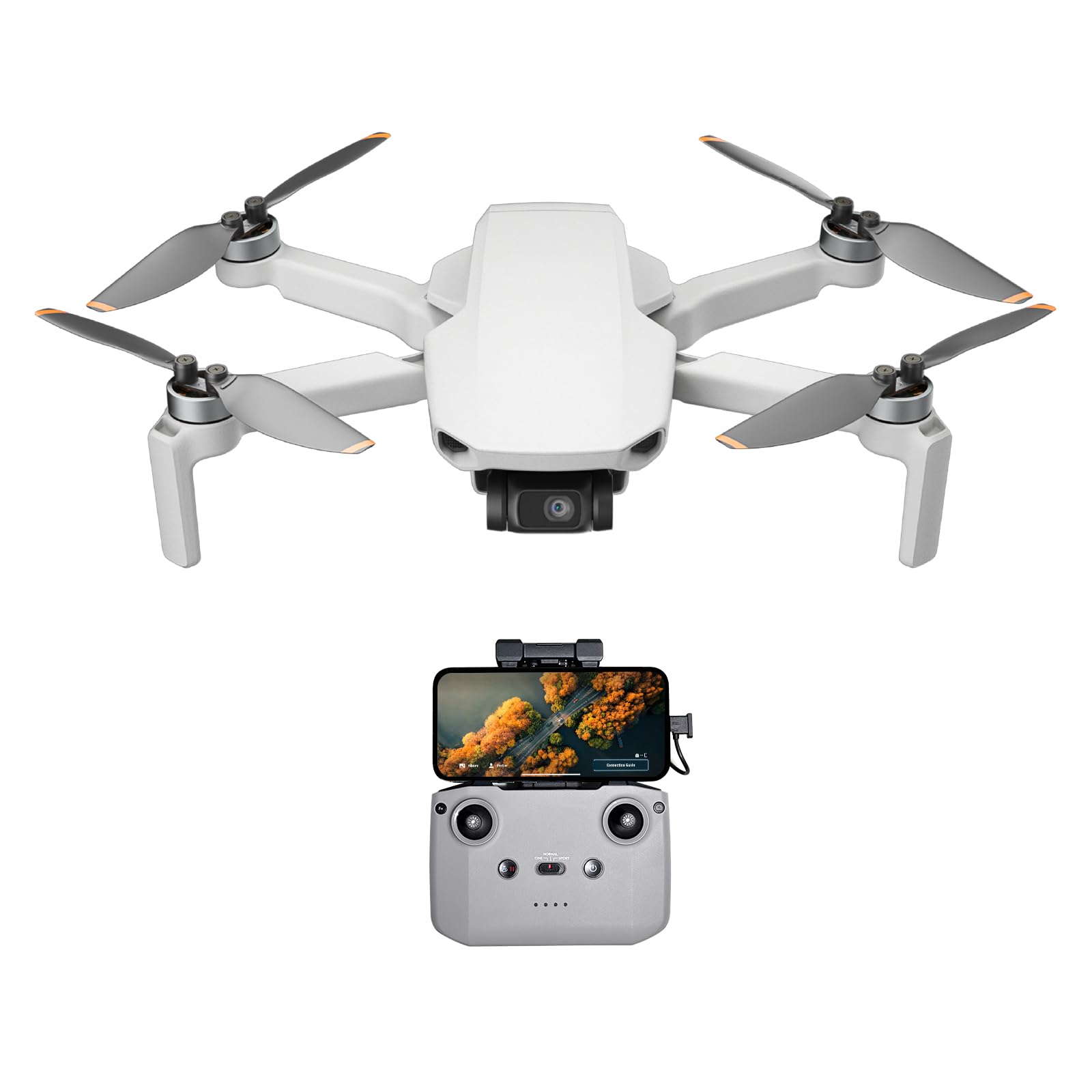
The Specta Mini Drone stands out because it offers a 3-axis mechanical gimbal, making it one of the most affordable ways to get physically stabilized aerial video. It shoots true 4K footage at 30fps, and the gimbal ensures the footage is smooth without the warping artifacts you get from electronic stabilization. It is rated for level-5 wind resistance, meaning it can fly steadily in a 20-30 mph breeze, a common challenge for lightweight drones.
The advertised 32,800-foot (10km) video transmission range is immense and provides huge freedom, although real-world results in suburban areas with interference will be lower. The 31-minute maximum flight time is respectable for a single battery. The one-button takeoff/landing and GPS Return-to-Home make the piloting anxiety-free, even for a complete beginner. It comes in a compact, foldable design that fits easily into a backpack.
While the hardware is impressive for the price, the most significant risk is the app and software support. Some users have reported the app being discontinued or incompatible with the latest Android versions, which could render the drone’s smart features useless. Additionally, the batteries are proprietary and somewhat expensive to replace. If you are willing to risk the software ecosystem for the sake of hardware capabilities, this is a compelling pick.
Why it’s great
- Affordable entry to a 3-axis mechanical gimbal.
- Massive 10km theoretical transmission range.
- Strong level-5 wind resistance.
Good to know
- App and software support is a known risk.
- Proprietary batteries are expensive to replace.
6. SIMREX GPS Drone

The SIMREX is a very well-regarded entry-level GPS drone that balances features with a lower asking price. It utilizes 5G WiFi FPV with a 90-degree electrically adjustable 4K camera, streaming a real-time view to your phone. It combines GPS with Optical Flow and Altitude Hold, which creates a very stable hover, especially useful when you are learning to control the throttle. The brushless motors are quiet but powerful, giving it solid wind resistance.
The intelligent flight modes are a major selling point. The Follow Me mode tracks a moving subject, Waypoint Flight lets you draw a path on the map for the drone to follow automatically, and Circle Fly orbits a set point for cinematic shots. The Gesture Control works reliably for hands-free selfies, and the “Find My Drone” feature in the app is a nice safety net. The flight distance is rated at 2,296 feet, which is sufficient for beginners.
Customer reviews almost universally praise it as a “solid starter drone.” It folds down compactly and charges via USB-C, which is a convenient modern standard. The camera quality is described as “decent” for the price level, but not pro-grade. For a teenager or a new pilot looking to master the basics without a huge financial commitment, the SIMREX is a very low-risk, high-fun option.
Why it’s great
- Easy GPS stabilization and optical flow system.
- USB-C charging for batteries is very convenient.
- Reliable Gesture Control and Follow Me modes.
Good to know
- Camera quality is decent, not pro-level.
- Transmission quality can degrade in heavy interference.
7. TOPBLASTERBOX GPS Drone
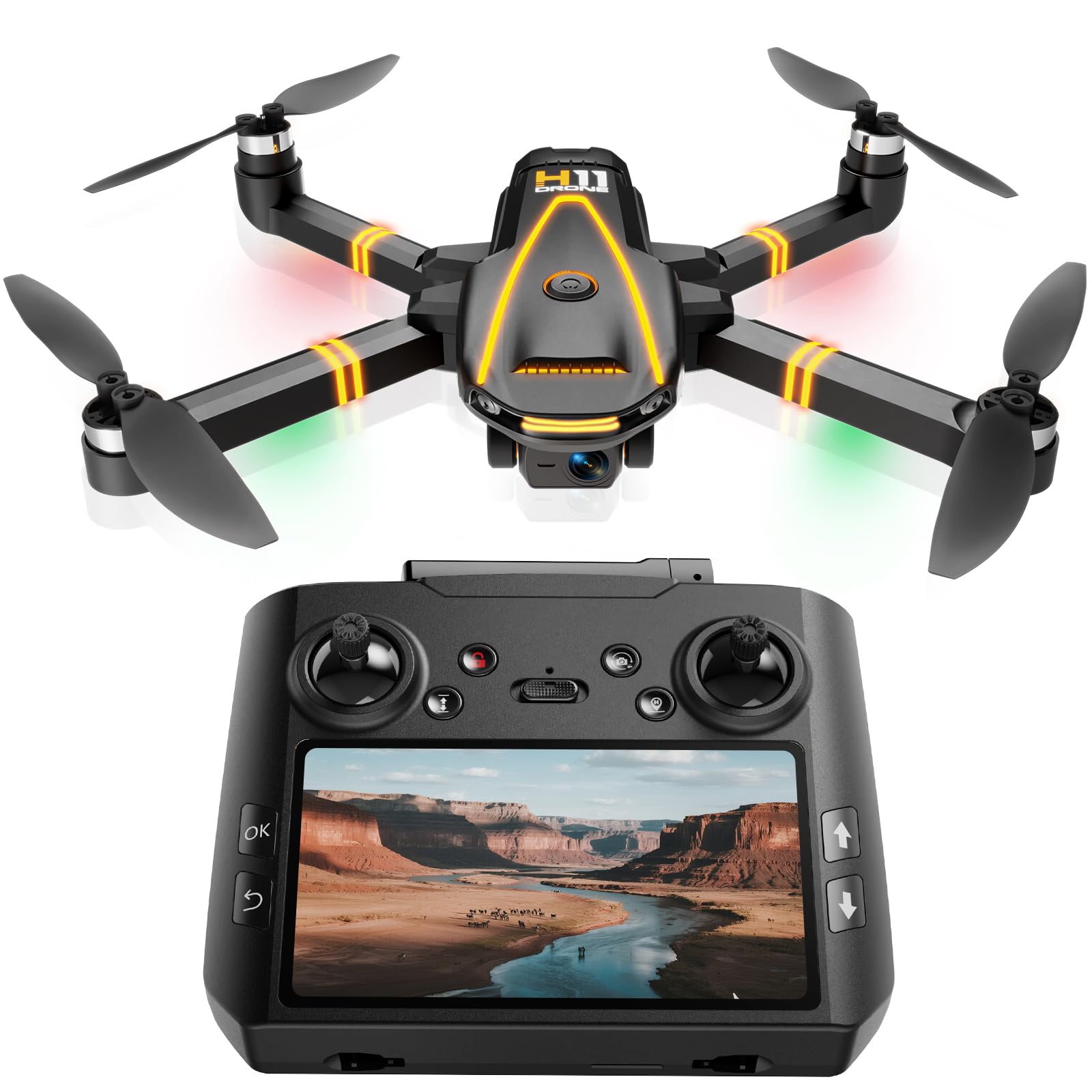
The TOPBLASTERBOX drone solves one of the biggest headaches for beginners: phone interference with the controller. This model features a 4.5-inch HD screen built into the radio controller, allowing for zero-latency FPV flying without the need to connect your smartphone. This not only simplifies the pre-flight process but also ensures a stable video feed without the risk of a phone call interrupting your flight. The camera is a 4K UHD unit with a 90-degree adjustable lens.
GPS positioning provides stable hovering and precise GPS Auto Return, which activates on signal loss or low battery. It includes two batteries (2200mAh each) for a total flight time of up to 45 minutes. The package is extremely complete, including a portable carrying bag, spare propellers, a screwdriver, and even an 8GB SD card. The Follow Me and Point-of-Interest (POI) flight modes are functional and easy to activate.
Weighing under 249g, it requires no FAA registration. Be aware that despite the product description claiming otherwise, the aircraft requires FAA registration and the RID safety test, as noted by several buyers. The remote has a setup which feels solid, but the phone holder area is a bit finicky if you choose to use it. For the beginner who just wants to fly without messing with a phone, this is a great solution.
Why it’s great
- Built-in 4.5″ screen removes phone dependency.
- Comes with an SD card and full accessory kit.
- Reliable GPS return-to-home function.
Good to know
- Contradicts itself about FAA registration requirements.
- Some buyers reported battery charging issues.
8. REDRIE HK33 4K Drone
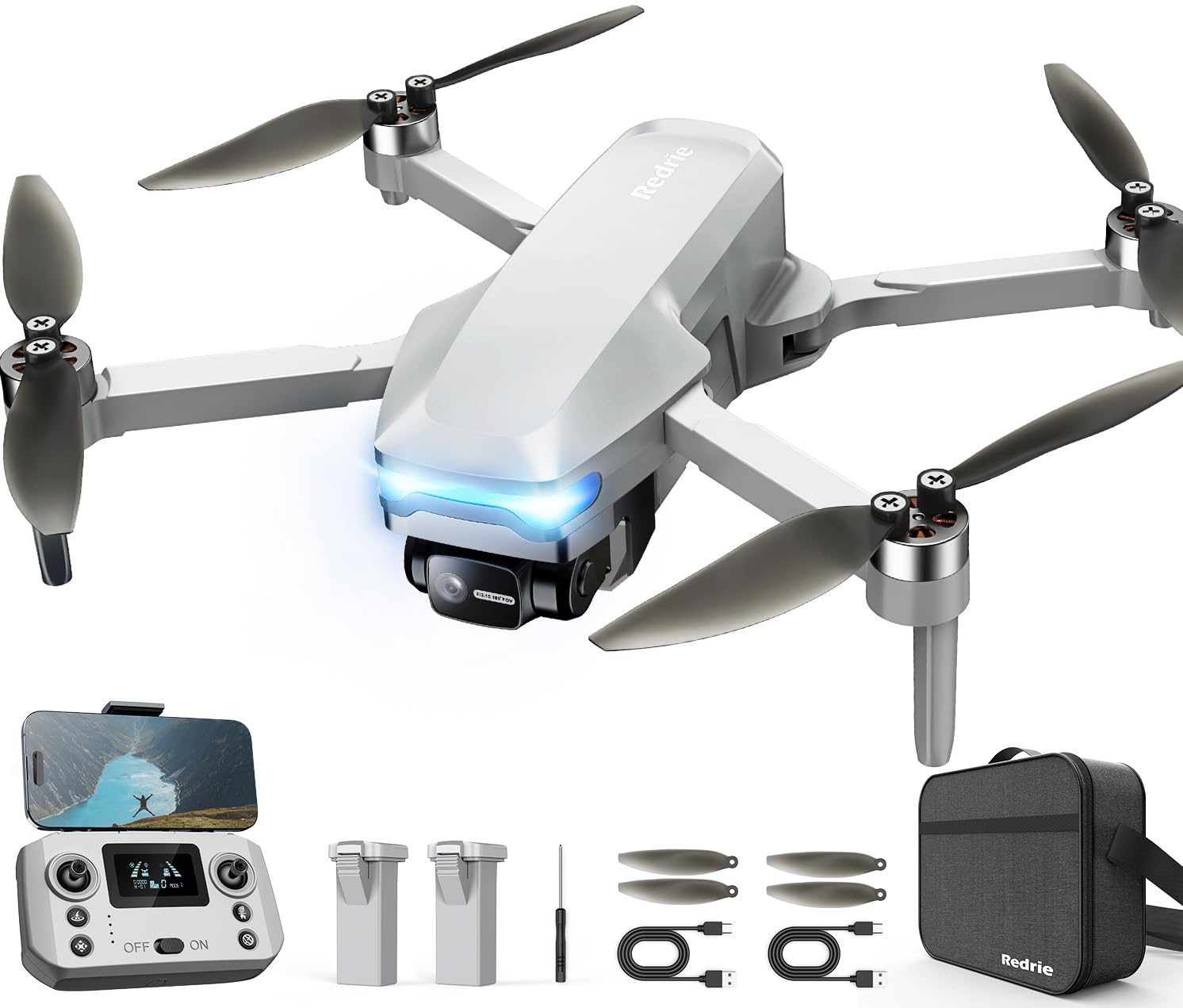
The REDRIE HK33 is the best value proposition for the budget-constrained beginner. It is one of the few sub- drones that includes a 2-axis mechanical gimbal, which physically counteracts tilt and pitch to deliver genuinely stable 4K photos (4096x3072P). This mechanical stabilization is a huge step up from the shaky footage produced by pure electronic stabilization on other drones at this price point. It includes brushless motors, a premium feature usually found on more expensive models.
The drone uses a high-precision GPS module for intelligent flight modes including Follow, Waypoint, and Circle Fly. The Auto Return function works reliably to bring it home when the battery is low or the signal is lost. It comes with two 1800mAh batteries for a combined flight time of 40-45 minutes. Despite its low cost, the build quality is decent, and the included carrying case is nice for transport. The controller is comfortable and has a phone holder that is good, but not great, for large devices.
Customer reviews consistently note that it is “better than expected” and incredibly durable, surviving multiple crashes. The 5G WiFi FPV transmission is stable out to 300 meters, with a 500-meter control range. The main trade-off is that the video resolution is 2K, not true 4K, though the still photos are 4K. For the price, it is an easy recommendation for a first drone.
Why it’s great
- Impressive 2-axis mechanical gimbal for the price.
- Durable build that withstands beginner crashes.
- Includes carrying case and two batteries.
Good to know
- Video recording is 2K, not 4K.
- Phone holder is not great for larger phones.
9. Oddire HK11 Drone

The Oddire HK11 is a direct competitor to the REDRIE, offering a very similar spec sheet at a slightly higher price point with some key upgrades. It features the same powerful 7.7V battery system, which is more powerful than the standard 3.7V or 7.4V batteries, providing strong and sustained thrust. The 5G WiFi FPV transmission is stable up to 500 meters, and the brushless motors provide a very quiet flight profile. It provides a total flight time of 48 minutes across two batteries.
Intelligent GPS features are fully integrated, including Waypoint Flight, Circle Fly, and GPS Follow. The 4K camera is adjustable within a 90-degree range via the remote or app, capturing 4096x3072P photos. The Headless Mode is excellent for absolute beginners who haven’t yet mastered the drone’s orientation. The build is quite sturdy, and the included hard case is better than most fabric bags.
One unique feature is the VR compatibility, which lets you use a VR headset for a truly immersive FPV experience (though you’ll need to buy the headset). Reviews consistently mention it is “instant fun” and easy to use right out of the box. The main downside, like many budget drones, is that the main app can be finicky; users recommend using the “XDRONE GO” app instead of the default one. It is a safe, durable pick for family fun.
Why it’s great
- Stronger 7.7V battery system for better power.
- VR compatibility for immersive flying experience.
- Very forgiving Headless Mode for beginners.
Good to know
- Default app works poorly; must use alternate app.
- Requires compass recalibration on every start-up.
FAQ
Do I need an FAA license to fly a sub-250g drone?
Can I fly a beginner drone indoors safely?
What does 4K resolution actually mean for a beginner drone?
Final Thoughts: The Verdict
For most users, the best beginner drone with camera winner is the Bwine F7MINI because it offers professional-grade stabilization via its 3-axis gimbal and a built-in controller screen that simplifies the flying experience. If you want a trusted brand with exceptional safety features for flying near people, grab the DJI Neo 2. And for the budget-conscious shopper who still wants a mechanical gimbal and good flight times, nothing beats the value of the REDRIE HK33.