
Our readers keep the lights on and the weekend projects moving. As an Amazon Associate, I earn from qualifying purchases.
An arctic jacket isn’t a stylish fashion piece—it’s a survival tool designed to lock body heat in and keep sub-zero wind, snow, and ice out. The wrong choice means shivering through the day, cold spots that won’t warm up, or a heavy shell that soaks through after an hour in wet snow.
I’m Rikta — the co-founder and writer behind FitlyFast. I’ve analyzed insulation fill power, waterproof membrane specifications, and seam construction from over a hundred arctic-class coats to identify which models actually deliver on their extreme-cold promises.
This guide breaks down the critical differences in fill types, waterproof ratings, and layering needs so you can confidently choose the best arctic jacket for your specific winter conditions and activity level.
How To Choose The Best Arctic Jacket
Choosing an arctic jacket means understanding the specific environment you’ll be in and how your body generates heat. A jacket built for standing on a frozen jobsite is very different from one made for climbing a windswept ridge. Before you compare models, get clear on these three decision factors.
Insulation Type: Down vs. Synthetic
Down insulation—measured in fill power like 700 or 800—offers the best warmth for the lightest weight. It compresses well for packing but loses almost all insulating value when wet. Synthetic insulation, such as the polyfill used in work-grade coats, retains warmth even when damp and is generally more durable against compression, but it is heavier and bulkier per unit of warmth. For dry, extremely cold conditions, down wins. For wet or highly active environments, synthetic is safer.
Waterproofing and Windproofing
An arctic jacket needs to block wind completely to prevent convective heat loss. Look for a shell that uses a waterproof membrane like DryVent or a fully taped waterproof construction. A simple DWR (durable water repellent) coating is enough for light snow but fails under sustained rain or melting snow. Check the product details for terms like “waterproof” versus “water-resistant”—this single spec determines whether you stay dry and warm in a real storm.
Fit and Layering Space
Arctic jackets should have room for at least a mid-layer beneath without restricting movement. A slim fit works for standalone urban wear, but a relaxed or loose fit allows you to add a fleece or down vest when temperatures drop further. Pay attention to sleeve length, collar height, and whether the hood accommodates a helmet or hat. A jacket that’s too tight around the arms or chest will force you to move less and lose heat through compressed insulation.
Quick Comparison
On smaller screens, swipe sideways to see the full table.
| Model | Category | Best For | Key Spec | Amazon |
|---|---|---|---|---|
| Alpha Industries Slim Fit N-3B Parka | Premium Parka | Military-style urban cold | Metal zippers, orange emergency lining | Amazon |
| Helly-Hansen Men’s Reine Parka | Premium Parka | Urban commuting in deep cold | YKK zipper flap, detachable faux fur hood | Amazon |
| The North Face Jump Down Parka | Premium Down | Women’s everyday extreme cold | 550 fill goose down, DryVent waterproofing | Amazon |
| The North Face McMurdo Bomber | Premium Bomber | Men’s all-around extreme cold | Waterfowl down insulation, removable fur ruff | Amazon |
| Rab Electron Pro 800-Fill Down Hooded | Technical Down | Climbing and mountaineering | 800-fill down, ultralight 1.16 lbs | Amazon |
| Carhartt Yukon Extremes Insulated Coat | Mid-Range Work | Extended outdoor work in extreme cold | Rated to -20°F without layering | Amazon |
| Marmot Ithaca Jacket | Mid-Range Down | Stylish daily winter wear | 700 fill RDS down, Down Defender treatment | Amazon |
| Fitouch Women’s Waukee Down Parka | Mid-Range Parka | Full-length coverage in severe cold | 750+ fill power, mid-calf length | Amazon |
| Helly-Hansen Berg Insulated Jacket | Entry-Level Work | Barn and outdoor work in moderate cold | Waterproof scuff-proof shell | Amazon |
In‑Depth Reviews
1. Alpha Industries Mens Slim Fit N-3B Parka

The Alpha Industries Slim Fit N-3B Parka is the gold standard for a reason—it combines military-grade durability with a tailored silhouette that doesn’t look like a sleeping bag. The shell uses heavy-duty nylon that blocks wind entirely, and the insulation keeps you warm into the mid-twenties with just a t-shirt underneath. The slim fit is notably athletic; at 5’9″ and 180 pounds, users find that a size Medium or Large works depending on how much layering they want. The metal zippers are robust and the high-set hand pockets follow the military pattern—annoying for some, but authentic to the design.
This parka uses a synthetic insulation blend that retains warmth even in damp conditions, making it more versatile than a pure down coat for wet snow or freezing rain. The interior is lined with the signature orange emergency fabric, a detail that adds genuine utility if you ever need to signal for help. Wearers consistently report that the jacket holds its shape and stitching after years of use, which speaks to the build quality. A minor downside is the lack of internal zippered pockets; the single interior pocket has no closure, so small items can slip out.
In real-world usage, this coat shines in urban environments and daily commutes where you need reliable warmth without the bulk of a full expedition parka. The slim cut means it layers well under a shell for extreme cold, but the breathable construction prevents overheating during active walking. Most users find it warm enough for temperatures down to around 10°F with a light mid-layer. The stiff collar, a feature of the military design, takes some getting used to and can feel restrictive when the hood is fully rolled up.
Why it’s great
- Superior build quality with metal zippers and thick stitching that lasts for years
- Slim athletic fit avoids the baggy look of traditional arctic parkas
- Breathable enough for active wear; synthetic insulation handles damp conditions better than down
Good to know
- Hand pockets are set high in military style, not ideal for slipping hands in casually
- No internal zippered pockets; the only interior pocket lacks a closure
- Stiff collar can be uncomfortable when the hood is up; expect a break-in period
2. Helly-Hansen Men’s Reine Parka
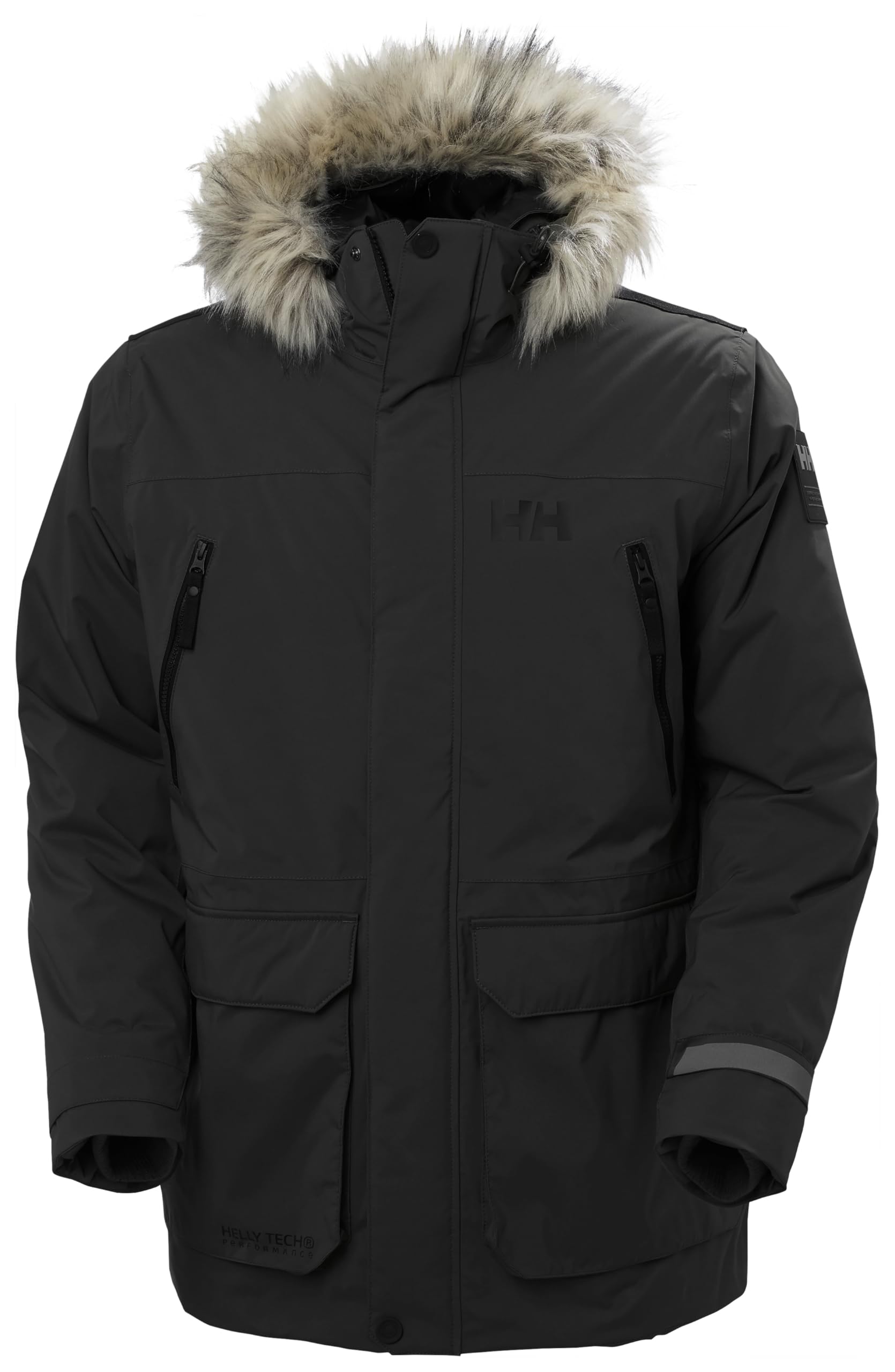
The Helly-Hansen Reine Parka is a premium urban insulation coat that delivers exceptional warmth without the exaggerated bulk of a technical mountaineering jacket. It uses a combination of synthetic insulation and a waterproof outer shell that has proven effective down to 0°F with just a tee shirt. The YKK zipper is protected by a full storm flap, and the neck gusset adds crucial draft protection around the collar—a common failure point in lesser jackets. At roughly 2.85 pounds, it’s reasonably light for its warmth level, making it comfortable for all-day wear during city commutes or casual outdoor picnics.
The detachable faux fur hood is a notable feature, though some users note the hood lacks a wire brim to hold its shape, which means it can flop forward in wind. The exterior pockets are large and accessible, while interior mesh pockets provide secure storage for valuables. Sizing runs large; at 5’10” and 195 pounds, an XL fits with room for a base layer, but shorter or slimmer individuals should size down. The lack of an internal waist drawstring is a notable omission—users report cold air leaking from below in windy conditions, which can be mitigated with a stretchy belt but is a design shortfall.
This jacket is ideally suited for people who want a single coat that handles everything from a 20°F morning commute to a 0°F evening walk. The waterproof fabric sheds rain and wet snow effectively, but the jacket is not designed for high-output activities like snowshoeing or skiing—it’s too warm for that and the breathability is modest. The stylish cut in black looks sharp for office-to-outdoor transitions. Overall, it’s a very warm, well-made parka with one significant cold-air vulnerability at the waist that buyers should be aware of.
Why it’s great
- Very warm down to 0°F with minimal layering; synthetic insulation handles damp cold well
- Full storm flap over YKK zipper and neck gusset block wind effectively
- Lightweight for its warmth; comfortable for extended urban wear
Good to know
- No internal waist drawstring; cold air can leak from below in windy conditions
- Hood lacks a wire brim, so it may flop forward and limit visibility in wind
- Runs large; sizing down is recommended unless you plan on heavy layering
3. The North Face Jump Down Parka – Women’s
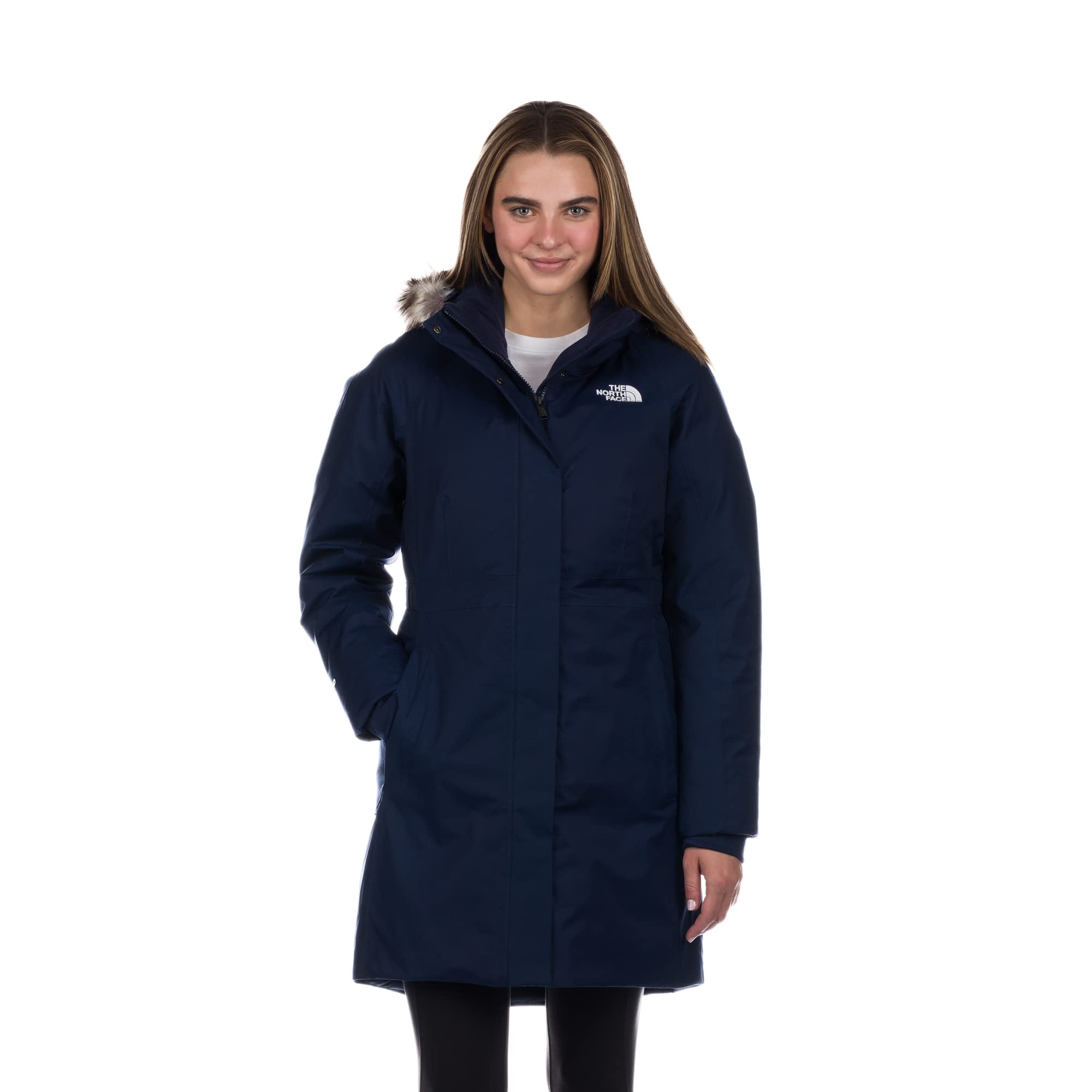
The North Face Jump Down Parka is a women’s-specific arctic coat that delivers serious warmth through 550 fill goose down certified to the Responsible Down Standard. The DryVent membrane on the outer shell is fully waterproof and windproof, making this jacket a reliable shield against wet snow and freezing rain. Users consistently report it as the warmest jacket they’ve ever worn, comfortable in temperatures as low as 17°F with no additional layering. The standard fit allows for a light sweater underneath without feeling restrictive.
One of this parka’s strongest attributes is its weight—at just 2 pounds, it’s surprisingly light for a long-length down coat. This makes it easy to pack for travel and comfortable for extended daily wear. The exterior pockets are well-placed and provide enough storage for phone, wallet, and keys, and the matte finish resists dirt and salt stains effectively. However, the length is a consideration for shorter women; at 5’2″, the parka hits above the knee in front and is longer in the back, which may not be the ideal proportion for everyone.
This jacket is best suited for daily winter wear in very cold climates, where it truly excels as a single winter coat. It’s warm enough for standing at a bus stop in single-digit temperatures but not so bulky that you can’t move freely. The lack of petite sizing is a consistent complaint among shorter buyers, and the 550 fill power is on the lower end of the down spectrum—adequate for most winter conditions but not the top-tier warmth that 700 or 800 fill provides. For the price, it offers excellent value as a durable, warm, and stylish option.
Why it’s great
- Lightweight at 2 pounds for a long down parka, easy to pack and wear all day
- DryVent shell is fully waterproof and windproof, reliable in wet snow and freezing rain
- RDS-certified down and matte finish resist dirt and salt stains
Good to know
- 550 fill power is moderate; extreme cold below -20°F may require layering
- Long back panel may not suit shorter frames; no petite sizing available
- Length may be too long for women under 5’4″ and feel disproportionate
4. The North Face Men’s McMurdo Bomber Jacket
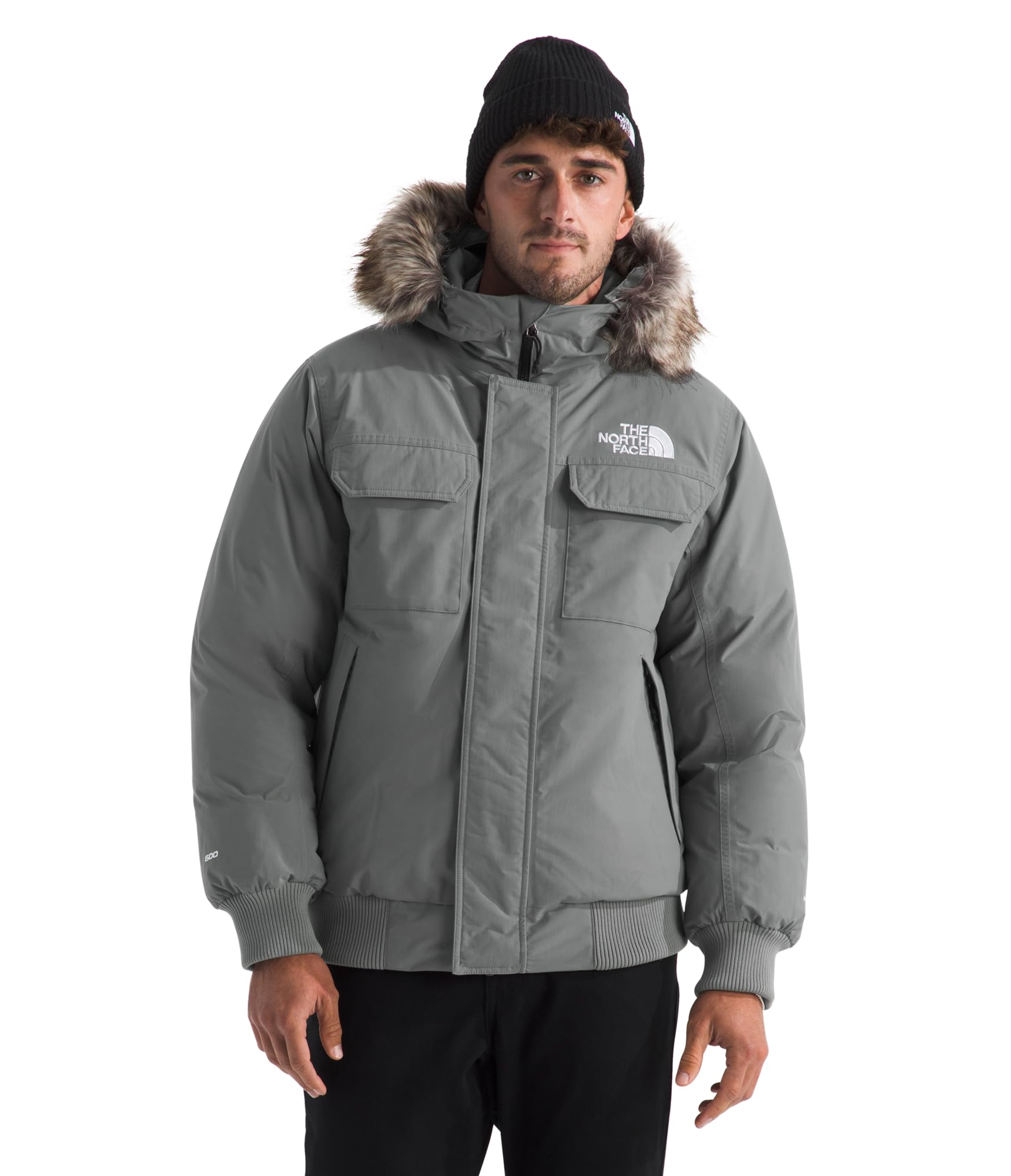
The North Face McMurdo Bomber is a heavyweight contender in the arctic jacket category, combining a waterproof shell with waterfowl down insulation for exceptional warmth. Users report that this jacket is “insanely warm,” comfortable in the harshest winter conditions including lake-effect snow bands and sub-zero wind chills. The bomber cut is shorter than a traditional parka, which improves mobility and looks more stylish, but still provides ample coverage for the torso. The removable faux fur ruff around the hood blocks wind from the face and can be detached for a cleaner look.
This jacket is built with a thick yet lightweight construction that avoids the heavy, restrictive feel of some work-grade coats. The multiple pockets are well-designed: two exterior zippered handwarmer pockets, interior pockets, and a sleeve pocket. Users appreciate that the jacket has no velcro closures (a common complaint on older models was noisy or snag-prone velcro). The fit runs slightly large, which is intentional to allow for layering. A man who is 6′ tall and 190 pounds can comfortably wear a base layer and a fleece underneath a size Large.
The primary trade-off is that the McMurdo is a bomber, not a parka—it ends at the hip, so it doesn’t provide the thigh coverage that some arctic users want for sitting on cold surfaces or standing in deep snow. It’s also relatively bulky for packing into a backpack, making it less suitable for travel-heavy use cases. For daily winter wear in regions like Indiana, Chicago, or the Northeast, this jacket is a top-tier choice that combines warmth, style, and the trusted North Face warranty. The down insulation loses effectiveness when wet, so it’s best in dry cold conditions.
Why it’s great
- Exceptional warmth from waterfowl down; comfortable in sub-zero wind chills
- Waterproof shell with removable faux fur ruff; blocks wind and precipitation effectively
- Runs slightly large for easy layering; stylish bomber cut looks modern
Good to know
- Bomber length ends at the hip, offering no thigh coverage for sitting in deep snow
- Bulky; not easily packable into a backpack for travel
- Down insulation loses warmth when wet; best for dry cold conditions
5. Rab Men’s Electron Pro 800-Fill Down Hooded Jacket
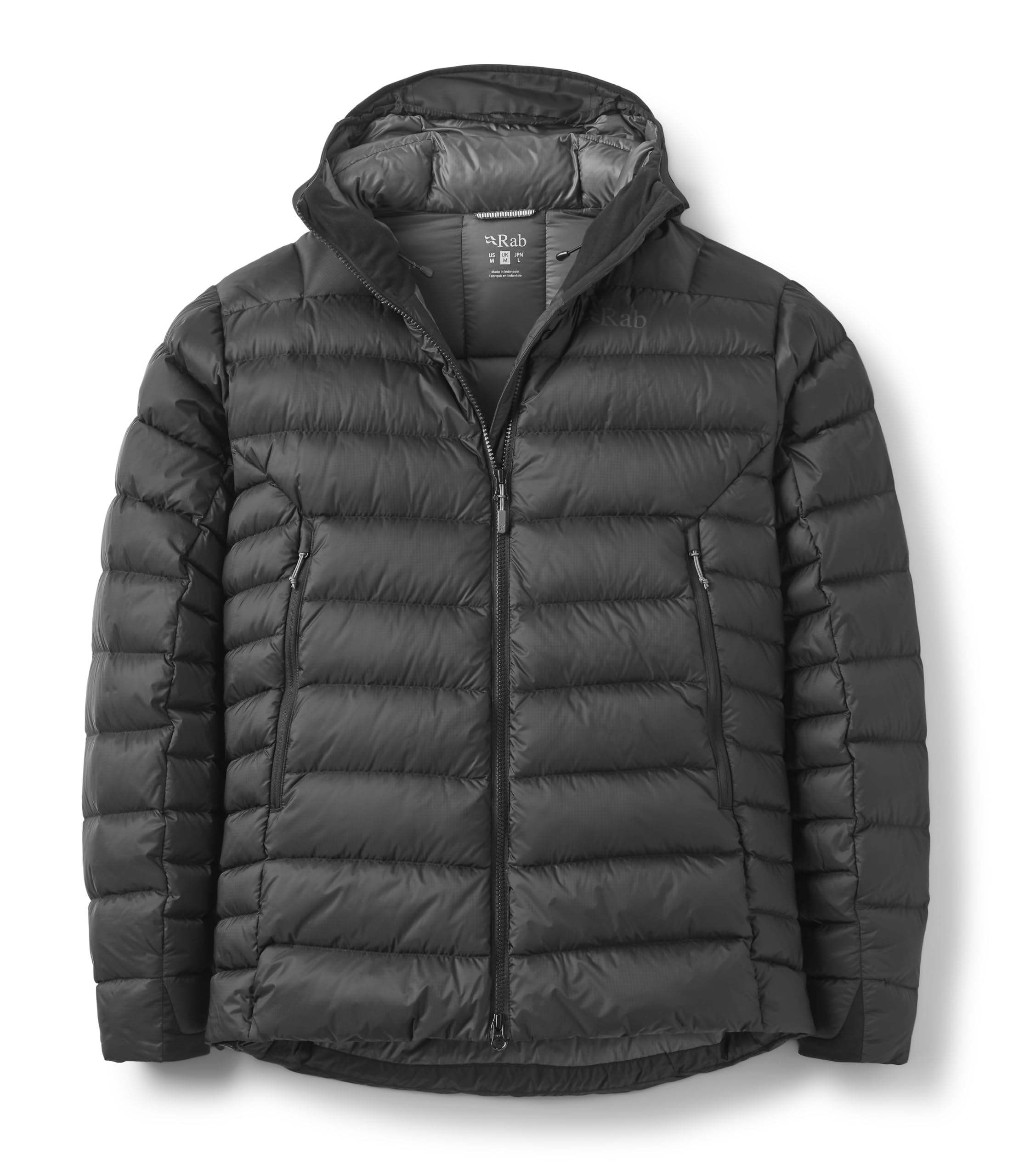
The Rab Electron Pro is a high-performance technical down jacket built for climbing and mountaineering in extreme cold. Its 800-fill down offers an outstanding warmth-to-weight ratio, weighing just 1.16 pounds while providing warmth that rivals much heavier coats. Users report it comfortable at 20°F with just a t-shirt and at 0°F with a fleece and hat underneath. The slim athletic fit is designed to layer under a hard shell, and the elastic cuffs and hem seal out drafts effectively. The hood is helmet-compatible and provides excellent peripheral vision.
This jacket uses Pertex Quantum Pro fabric for the outer shell, which is highly wind-resistant and treated with a DWR coating for light moisture protection. The 800-fill European goose down is treated with a hydrophobic finish, giving it some resistance to damp conditions—important for mountaineers who may encounter condensation or light precipitation. The interior has a single zippered chest pocket and two hand pockets that double as stuff sacks for packing the jacket into its own pocket. At 6’1″ and 190 pounds, a size Large fits well with room for a thin mid-layer.
The Rab Electron Pro is not designed for casual urban wear or static use in extremely cold conditions; it’s optimized for active use where you generate body heat. Users who tried it for very heavy activity found it too warm. The fit is intentionally slim—if you are between sizes or plan to wear thick layers underneath, sizing up is critical. This jacket is expensive but built to last a decade or more with proper care. It is the best choice for climbers, skiers, and anyone who needs lightweight, compressible extreme cold protection for the backcountry.
Why it’s great
- Exceptional 800-fill down with hydrophobic treatment; outstanding warmth for its weight
- Weighs just 1.16 pounds; packs into its own pocket for easy backpacking carry
- Helmet-compatible hood and elastic cuffs seal out drafts for alpine use
Good to know
- Slim athletic fit; may be too tight for heavy layering if you size normally
- Expensive; designed for technical use, not daily urban commuting
- DWR coating only; not fully waterproof in sustained rain
6. Carhartt Men’s Yukon Extremes Loose Fit Insulated Coat

The Carhartt Yukon Extremes is built for one purpose: keeping outdoor workers warm and protected in brutal cold. This coat is rated effective down to -20°F without additional layering, making it one of the warmest options for stationary outdoor use. The shell is made from Carhartt’s signature durable fabric that resists tears and abrasion, while the insulation is a heavy polyfill that retains warmth even if it gets damp from sweat or light precipitation. The loose fit is generous enough to accommodate a hoodie or heavy sweater underneath without restricting arm movement for shoveling or lifting.
This coat is packed with functional features: multiple exterior pockets including handwarmer pockets (though they lack closures), a large chest pocket with a horizontal velcro flap, and an interior pocket for secure storage. The wrist cuffs with thumbholes seal out drafts effectively. The three-piece hood is adjustable and helmet-compatible, though the coat is available without a hood—a detail some users prefer for jobsite safety. The two-way zipper is easy to operate with work gloves, and the drawstring waist allows for some fit adjustment, though users have noted the lack of an internal cinch makes sitting in the coat less comfortable.
The biggest limitation of the Yukon Extremes is its weight and stiffness—it’s a heavy coat that rides up when you sit, and the fabric takes some breaking in to become flexible. The outer hand pockets not having zippers or snaps is a notable oversight for a work coat, as tools or gloves can fall out during active movement. For anyone who works outside in extreme cold—construction, farming, utility work, or outdoor recreation—this coat is a reliable workhorse. It runs true to size per Carhartt’s chart, but expect it to feel stiff initially until it conforms to your body shape.
Why it’s great
- Exceptional warmth rated to -20°F without layering; heavy polyfill retains heat even when damp
- Durable, abrasion-resistant outer shell handles worksite abuse and rough use
- Loose fit allows for thick layering without restricting movement; adjustable hood and cuffs
Good to know
- Outer hand pockets have no zippers or snaps; small items can fall out during activity
- Heavy and stiff; takes break-in time and rides up when sitting
- No internal waist drawstring; can feel bulky when seated for long periods
7. Marmot Ithaca Jacket
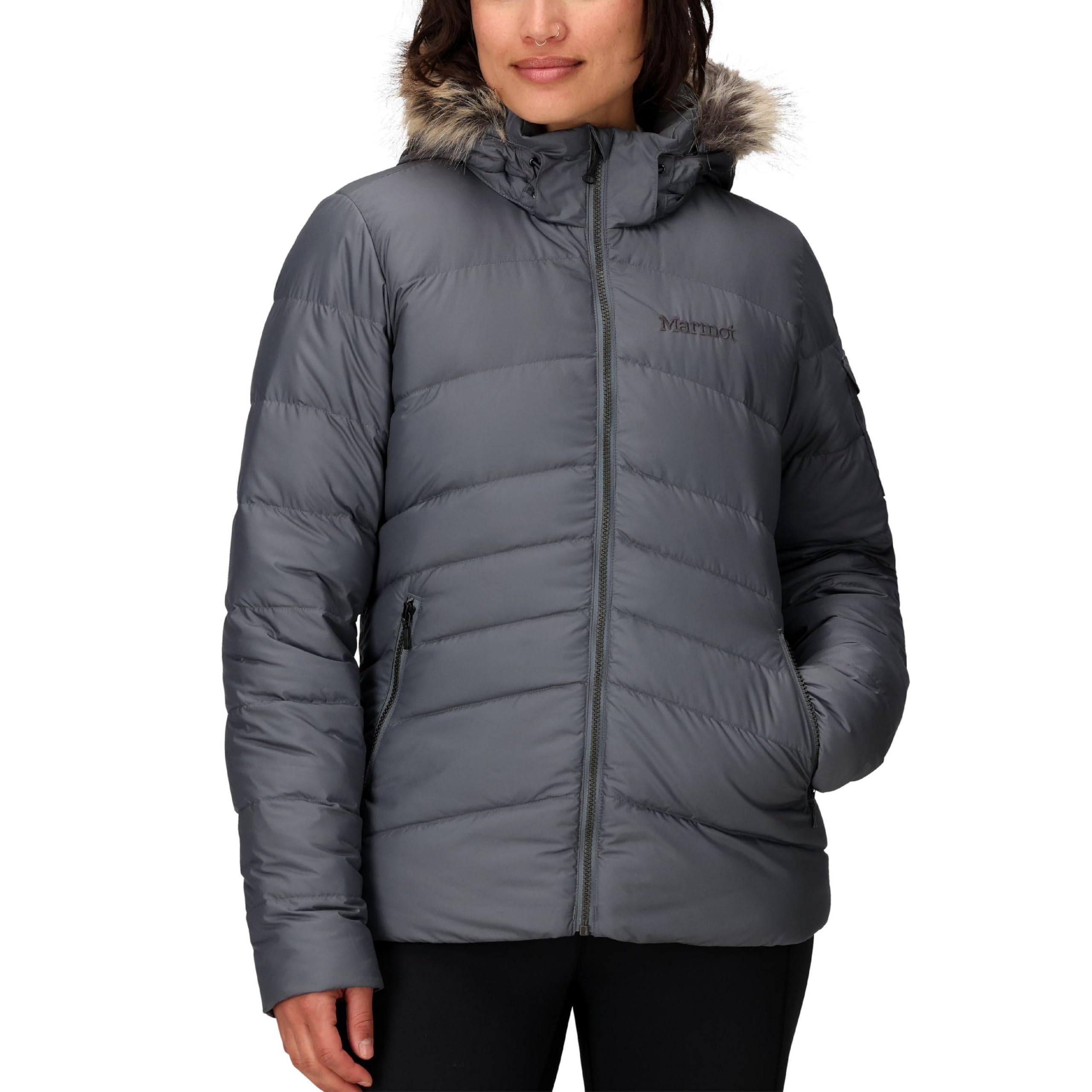
The Marmot Ithaca Jacket is a sleek, city-ready down coat that prioritizes style and lightweight comfort without sacrificing real warmth. It’s insulated with 700 fill RDS-certified duck down that has been treated with Marmot’s Down Defender technology, which adds an extra layer of moisture resistance—helping the down retain loft in damp conditions longer than untreated down. The shell is made from 100% post-consumer recycled polyester plain weave, and the removable faux fur hood adds a premium urban aesthetic. Users consistently describe the fit as “slimming” and “like a cloud,” noting the jacket is true to size with enough room for a light sweater.
The features are thoughtful for daily use: a zip-off hood with removable faux fur that blocks wind, zippered handwarmer pockets, a sleeve pocket, and an interior zippered pocket for valuables. The micro fleece interior cuffs add comfort against the wrists, a small touch that makes a difference during long cold commutes. At 5’3″ and 125 pounds, a size small fits snugly with long sleeves reaching the knuckles. The jacket is lightweight enough to wear to the gym or on a cold walk without feeling like you’re carrying extra bulk.
The primary drawbacks are related to the outer shell’s durability and weather resistance. While the jacket is warm, users report that it is not fully windproof or waterproof—the outer shell is thin and some have experienced feathers pulling through the fabric, which can compromise long-term performance. The price point is in the mid-range for a down jacket, but some users feel the construction quality doesn’t justify the cost relative to more robust options. This jacket is best for mild to moderate winter conditions (above 30°F) and stylish daily wear, not for extreme arctic exposure or heavy precipitation.
Why it’s great
- Lightweight, slimming fit with 700 fill down; comfortable and stylish for daily wear
- Down Defender treatment adds moisture resistance for better performance in damp cold
- Removable faux fur hood and micro fleece cuffs provide comfort and wind protection
Good to know
- Outer shell is thin and not fully windproof or waterproof; not for wet heavy snow
- Feathers may pull through the fabric over time, potentially reducing warmth and durability
- Best for temperatures above 30°F; insufficient below freezing for cold-natured individuals
8. Fitouch Women’s Waukee Long Down Coat Parka Jacket

The Fitouch Waukee Parka is a full-length down coat that punches well above its price tier in terms of warmth. With 750+ fill power down, it provides insulation comparable to much more expensive brands, with users reporting comfort in temperatures as low as -20°F with wind chill. The mid-calf length is a standout feature for women who want coverage that warms the legs and feet during extended exposure. The shell is wind and rain resistant, and the double zipper allows for a greater range of motion and the ability to take longer strides without hitching up the coat.
This parka is loaded with thoughtful details: fuzzy-lined hand pockets, deep interior pockets, a hood with a visor that folds back using magnets, and even built-in backpack straps for carrying the coat when you’re indoors. The fit is body-hugging with an A-line shape that flatters a range of body types, though some users with larger arms find the sleeves narrow. The hood is large and adjustable with a reflective stripe and elastic cord, but some users note it doesn’t fully close at the chin, leaving a gap in extreme wind. Sizing is generous; a size small fits approximately 100-125 pounds, and XL fits size 14/16 with layering room.
The biggest downside reported by users is the arm decal reading “COMFORT IS BETTER FITOUCH,” which some find distracting and would prefer removable or absent. The zipper on earlier versions was problematic, but the updated model includes an improved zipper with a storm flap. After a few years of use, the parka holds up well in terms of warmth but the outer fabric shows some wear. For anyone needing extreme cold protection on a budget—especially taller women or those who prioritize leg warmth—this parka is an excellent value. The heavy weight means it’s not for packing light, but for daily winter duty, it’s hard to beat.
Why it’s great
- 750+ fill down provides warmth comparable to premium brands at a budget-friendly price; tested in -20°F
- Full mid-calf length keeps legs and feet warm during extended outdoor exposure
- Double zipper, backpack straps, magnetic visor, and deep pockets offer exceptional functionality
Good to know
- Arm decal “COMFORT IS BETTER FITOUCH” is permanent and visible; may affect style preference
- Hood doesn’t fully close at the chin, leaving a cold-air gap in strong wind
- Heavy coat; not ideal for travel packing
9. Helly-Hansen Men’s Workwear Berg Insulated Winter Jacket

The Helly-Hansen Workwear Berg Insulated Jacket is a no-nonsense, rugged winter coat designed for outdoor labor and farm work rather than fashion. The outer shell is a heavy-duty fabric that is genuinely snag-proof—users report that carrying small dogs with sharp nails doesn’t damage the fabric at all. The jacket is fully waterproof, not just water-resistant, making it suitable for working in wet snow and freezing rain. The insulation is synthetic and provides reliable warmth in the 40°F to 20°F range, though users consistently report that it needs a mid-layer like a fleece or hoodie when temperatures drop below freezing.
This jacket is built with functional work-specific features: adjustable cuffs and waistband, a hood that stores in the collar when not needed, and good arm movement for reaching and lifting. It is significantly less bulky than a Carhartt of similar warmth, making it easier to move in. The first wash and dry cycle significantly softens the initially stiff fabric, which is a common complaint that resolves quickly. All hardware—zippers, pulls, buttons—has held up through multiple seasons of heavy use and repeated washing. The fit is athletic and true to size, not oversized like some work brands.
The main limitation is that the Berg jacket is not a standalone arctic coat for extreme cold. It’s a moderately insulated work jacket that excels in the 30°F to 40°F range and requires layering for anything below 20°F. The collar is stiff when the hood is rolled up, and users note that the jacket is not fully windproof—a strong wind can cut through the shell. For anyone who needs a durable, waterproof, snag-resistant coat for outdoor chores, barn work, or commuting in wet conditions, this is a solid choice. It’s not the warmest option on this list, but it’s one of the toughest.
Why it’s great
- Extremely durable, snag-proof fabric handles rough use like barn work and tool handling
- Fully waterproof shell keeps you dry in wet snow and freezing rain
- Less bulky than comparable work coats; good arm movement for active labor
Good to know
- Requires a mid-layer for temperatures below freezing; not a standalone arctic coat
- Stiff collar when hood is rolled up; can be uncomfortable for some users
- Not fully windproof; strong wind can penetrate the shell fabric
FAQ
Can I use an arctic jacket for high-intensity activities like skiing or snowshoeing?
How do I choose between down and synthetic insulation for an arctic jacket?
What does 550 fill down mean and is it warm enough for an arctic jacket?
My arctic jacket feels cold in the wind even though it’s rated for low temperatures. Why?
How should an arctic jacket fit for proper insulation?
Final Thoughts: The Verdict
For most users, the arctic jacket winner is the Alpha Industries Slim Fit N-3B Parka because it balances military-grade durability, reliable warmth, and a slim profile that works for both urban commutes and outdoor exposure. If you want maximum warmth for stationary outdoor work in extreme cold, grab the Carhartt Yukon Extremes Insulated Coat. And for lightweight technical performance in the backcountry, nothing beats the Rab Electron Pro 800-Fill Down Hooded Jacket.