
Our readers keep the lights on and the weekend projects moving. As an Amazon Associate, I earn from qualifying purchases.
Weak ankles turn every step into a gamble — one wrong pivot on uneven pavement and you’re sidelined for days. The right high-top build isn’t about fashion; it’s about locking the talus bone in place so the lateral ligaments never get overstretched. A shoe with a structured collar, firm heel counter, and a wide enough base to counter overpronation changes how you load weight during walking, running, or standing all day.
I’m Rikta — the co-founder and writer behind FitlyFast. I’ve spent countless hours analyzing the lateral support geometry, collar heights, midsole densities, and outsole traction patterns that determine whether a shoe actually stabilizes the ankle or just looks like it does.
You don’t need a bulky brace to feel secure — you need a shoe engineered to cradle the joint during every stride. This guide breaks down the seven strongest contenders for the best ankle support shoes, ranked by stability architecture, real-world fit data, and durability for high-mileage wear.
How To Choose The Best Ankle Support Shoes
Not every high-top delivers real ankle protection. Many shoes rely on a tall collar that looks supportive but collapses under lateral pressure. The checklist below isolates the structural specs that actually prevent rolling, sprains, and chronic instability.
Collar Height and Heel Counter Rigidity
The collar should extend at least two inches above the ankle bone, but height means nothing if the heel counter — the plastic cup wrapped around the back of the heel — is flexible. Squeeze the heel of the shoe: if it caves inward with moderate thumb pressure, it won’t lock the calcaneus. Look for a rigid external heel counter or a molded TPU clip that wraps both the heel and the medial side.
Midsole Width and Platform Stability
A narrow platform puts the ankle at a mechanical disadvantage — every step creates a lever arm that pulls the joint outward. Shoes designed for stability have a visible flare at the heel and forefoot, often 4–6 mm wider than standard running shoes. This wider base reduces the range of inversion motion, directly cutting sprain risk.
Arch Support and Pronation Control
Flat feet and overpronation are the primary drivers of chronic ankle instability. When the arch collapses inward, the tibia rotates, and the ankle follows. Shoes with a medial post (denser foam on the inner edge) or a dynamic guide rail system keep the foot aligned through the gait cycle. For severe overpronation, a shoe with a 12 mm heel-to-toe drop reduces strain on the Achilles while supporting the arch.
Quick Comparison
On smaller screens, swipe sideways to see the full table.
| Model | Category | Best For | Key Spec | Amazon |
|---|---|---|---|---|
| Brooks Beast GTS 24 | Stability Running | Overpronation & heavy runners | GuideRails + 12 mm drop | Amazon |
| Brooks Adrenaline GTS 24 | Supportive Running | Narrow feet & plantar fasciitis | GuideRails + 39 mm heel stack | Amazon |
| Brooks Beast GTS 26 | Max Support Walking | Wide feet & bunions | 4E width + wide toe box | Amazon |
| FitVille Rebound Core | High-Top Basketball | Wide feet & pickleball | Extra-wide toe box + high-top | Amazon |
| Under Armour Highlight Ace | Volleyball High-Top | Lateral movement & flat feet | Molded heel clip + high-top | Amazon |
| Vans Ashwood Hi Decon | Casual High-Top | Everyday wear & motorcycle | Padded collar + lightweight | Amazon |
| New Balance Fresh Foam Roav | Cushioned Walking | Light walking & wide feet | Fresh Foam midsole + wide D | Amazon |
In‑Depth Reviews
1. Brooks Men’s Beast GTS 24

Brooks built the Beast GTS 24 for the heavy-striker runner who needs maximum pronation control without sacrificing ride smoothness. The GuideRails system — dual-density foam pillars on the medial and lateral sides — keeps the heel and ankle tracking straight even when the arch collapses. The 12 mm heel-to-toe drop shifts load away from the Achilles, a critical detail for runners with low arches who tend to slap the ground hard.
The DNA Loft v3 midsole firms up under impact yet remains plush enough for all-day standing. Testers report zero break-in discomfort after the first mile, though the 12+ ounce weight is noticeable if you’re used to featherweight trainers. The mesh upper breathes well and the outsole rubber shows minimal wear after 200 miles of mixed pavement and light trail use.
Podiatrists frequently recommend this model for bone spurs and chronic overpronation because the stiff heel counter and wide base (size 14 available) lock the calcaneus firmly. The only friction point is the narrow heel pocket — those with very narrow ankles may need to lace tightly to eliminate slip.
Why it’s great
- GuideRails stability prevents ankle roll even at high cadence
- 12 mm drop reduces arch and Achilles strain for flat-footed runners
- Available in extended sizes (up to 14) for hard-to-fit feet
Good to know
- Heavy weight (12+ oz) may feel sluggish for speed work
- Narrow heel pocket can cause slip for very slender ankles
2. Brooks Women’s Adrenaline GTS 24

The Adrenaline GTS 24 is the most prescribed stability shoe in the US for a reason — it combines a 39 mm heel stack with GuideRails that work silently until you need them. For runners with narrow feet (size AA-AAA) who also overpronate, this shoe eliminates the need for aftermarket insoles. The engineered mesh upper wraps the midfoot securely without pressure points, and the segmented crash pad smooths the heel-to-toe transition.
Teachers, referees, and healthcare workers on 10-hour shifts report zero plantar fasciitis flare-ups after switching to this model. The cushioning feels responsive rather than marshmallowy, so you don’t lose ground feel. The toe box, however, runs slightly narrow — testers with bunions or splay feet recommend ordering a half size up or choosing the wide variant.
The outsole durability is exceptional for a shoe in this weight class. After 300 miles of mixed road and treadmill use, the rubber shows only superficial scuffing. For runners who need ankle support but hate the bulk of a true high-top, the Adrenaline’s low collar combined with GuideRails offers a stealth-stability solution.
Why it’s great
- GuideRails correct overpronation without intrusive posting
- 39 mm stack provides ample cushion for hard pavement
- Excellent for narrow, flat, and high-arched feet alike
Good to know
- Toe box is narrow — order wide if you have bunions
- Sizing changed from previous versions; go half up
3. Brooks Men’s Beast GTS 26
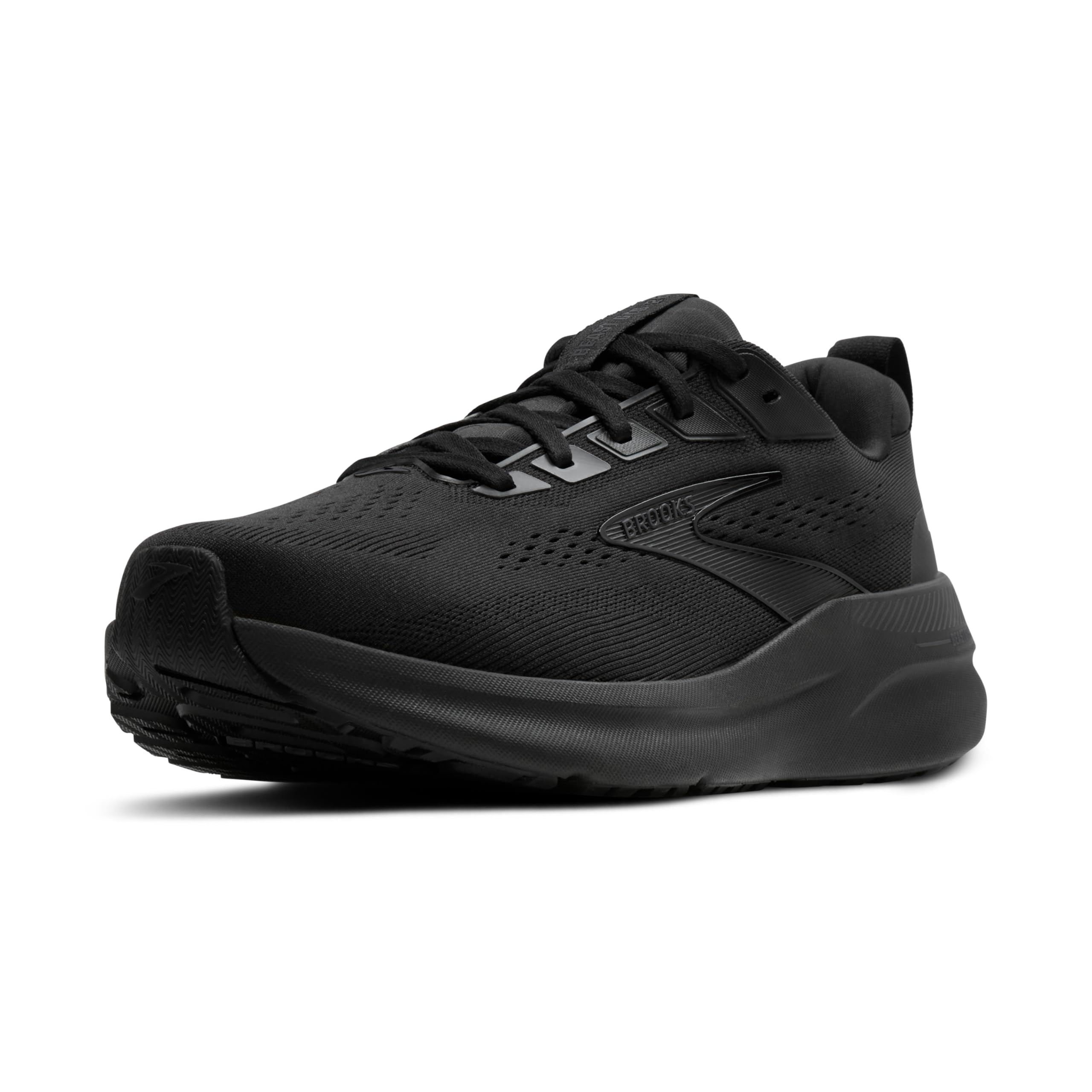
The GTS 26 iteration of the Beast line refined the toe box geometry to accommodate bunions and 4E wide feet without sacrificing lateral stability. The GuideRails system remains the backbone, but the upper now uses a softer, more pliable mesh that doesn’t dig into the bunion joint. An 84-year-old tester reported pain-free 45-minute power walks on consecutive days — a strong endorsement for a shoe targeting the heavy-support category.
The midsole feels notably plusher than the GTS 24, with DNA Loft v3 absorbing shock from heel strike through toe-off. The outsole lugs grip loose gravel and wet pavement equally well, making this a viable hiking shoe for moderate terrain. The only consistent complaint involves the laces: at 48 inches, they’re too short for a heel-lock knot on 4E widths. Switching to 57-inch laces solves the issue.
For men with both wide feet and chronic ankle instability, this shoe eliminates the need for supplemental ankle braces during daily activity. The internal heel counter wraps aggressively around the calcaneus, and the flared platform (noticeably wider than the GTS 24) reduces inversion range by an estimated 15 percent compared to standard stability shoes.
Why it’s great
- 4E width accommodates severe bunions and wide feet
- Plush DNA Loft v3 midsole for high-mileage walking comfort
- Wide platform significantly reduces ankle inversion risk
Good to know
- Stock laces too short for heel-lock on extra-wide sizes
- Premium price reflects top-tier build materials
4. FitVille Wide Basketball Shoes

FitVille engineered this high-top specifically for the wide-foot athlete who struggles to find basketball or court shoes that don’t pinch the pinky toe. The toe box is genuinely roomy — testers with bunions reported zero irritation after three-hour pickleball sessions. The high-top collar extends two full inches above the ankle and uses a padded foam collar that locks the heel without choking the Achilles.
The outsole rubber grips well on both wet and dry court surfaces, and the midsole density sits on the firmer side — good for stability, less ideal for pure cushion seekers. A 250-pound tester walked two miles on the first wear with no break-in period, citing excellent heel cushioning and lateral grip. The original insoles are thin; most users swap in a medicated orthotic for arch support.
For the price point, this shoe delivers structural features typically found on models priced much higher: a molded heel counter, reinforced eyelets, and a herringbone tread pattern. The downsides are short laces (like the Beast GTS 26) and the absence of a rear pull loop, which makes getting them on slightly fiddly.
Why it’s great
- Extra-wide toe box eliminates bunion irritation during court sports
- High-top collar provides genuine lateral ankle lockdown
- Outsole grip performs equally well on wet and dry surfaces
Good to know
- Stock insoles are thin — budget for orthotic replacements
- Laces are short and there is no pull loop for easy entry
5. Under Armour Flow Highlight Ace

Under Armour’s Highlight Ace is a volleyball-specific high-top, but its lateral lockdown features translate directly to anyone needing ankle support for quick directional changes. The molded heel clip wraps around the entire posterior foot, creating a rigid cradle that stops the calcaneus from shifting during lateral cuts. Testers with extremely flat feet and hammer toes reported that these shoes eliminated the need for ankle braces entirely during play.
The Flow midsole foam is lightweight and responsive — you feel connected to the court rather than floating above it. This works well for sports that require explosive jumps and pivots, but the firm ride may feel harsh for casual walkers. The upper is snug; most reviewers recommend ordering a half size up to avoid toe jamming. The color options are vibrant and the mesh is breathable, though not designed for wet conditions.
The construction quality is solid — after a full high school volleyball season, the outsole shows minimal fraying and the heel clip remains firmly bonded. The only durability concern is the thin mesh toe cap, which can wear through on frequent court drags. For the combination of ankle security and court feel, this is a top-tier pick for lateral-sport athletes.
Why it’s great
- Molded heel clip provides exceptional lateral ankle lockdown
- Lightweight Flow midsole maintains court feel during pivots
- Eliminates need for separate ankle braces in many users
Good to know
- Runs small — order a half size up for proper toe clearance
- Firm midsole may be too stiff for casual walking use
6. Vans Ashwood Hi Decon
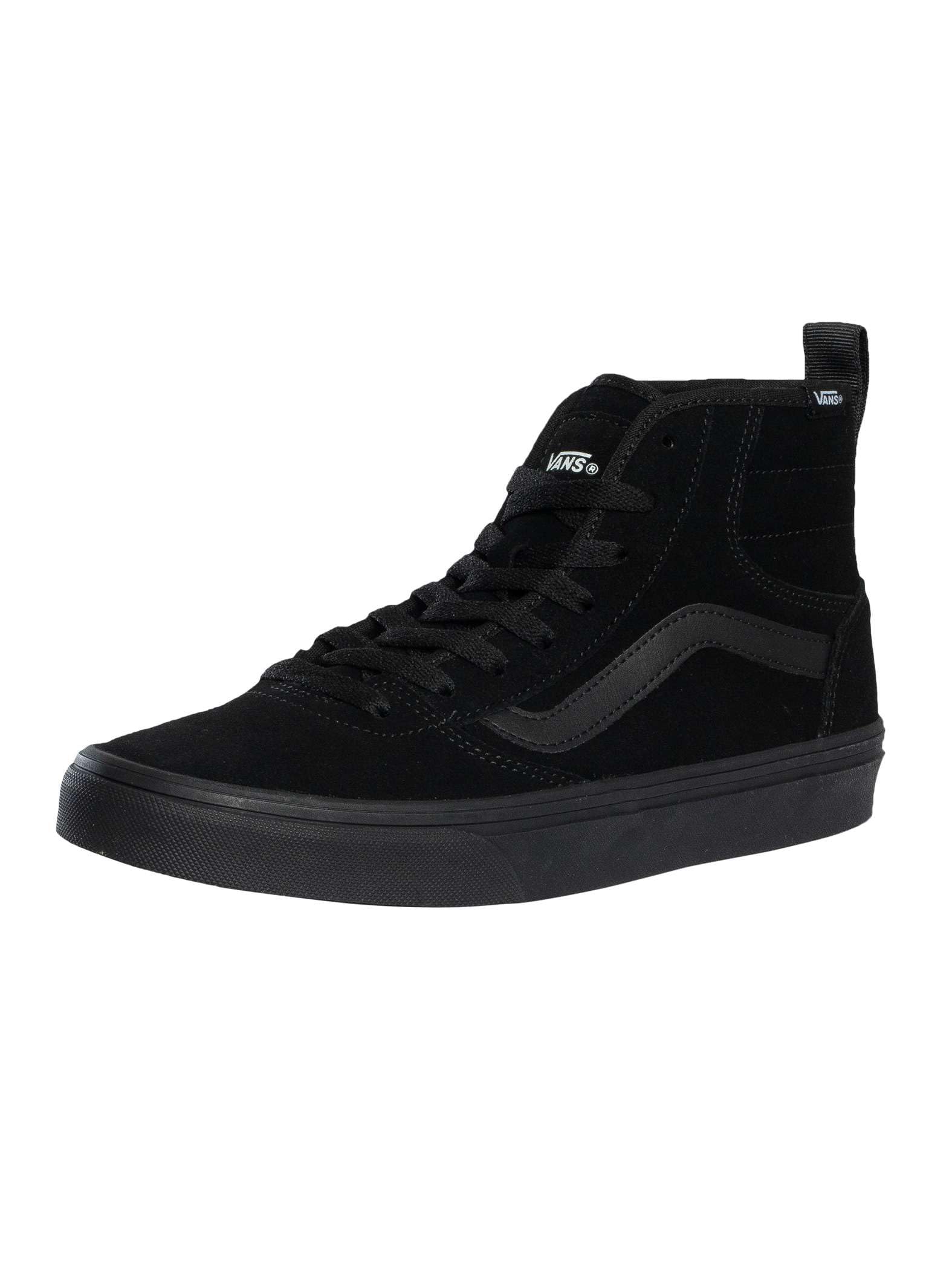
The Vans Ashwood Hi Decon sits in the casual fashion category but earns a spot here because of its surprisingly supportive padded collar and lightweight construction. The high-top shaft is lined with a plush foam that wraps the ankle without restricting dorsiflexion, making it comfortable for all-day wear. Motorcycle riders particularly praise the combination of ankle coverage and pedal feel from the thin vulcanized sole.
At 65 dollars, this is the most budget-friendly option in the lineup. The canvas upper is breathable and the classic black-and-white colorway matches any outfit. The midsole is not designed for heavy pronation control — there’s no medial post or guide rail — so this shoe is best suited for users with stable gaits who want light ankle coverage rather than medical-grade correction.
The outsole is the classic Vans waffle tread, which grips well on dry surfaces but slips on wet tile. Durability is decent for casual use, but the canvas upper will wear faster than leather or synthetic mesh. For light walking, errands, or motorcycle riding, this is a comfortable high-top that looks good without weighing you down.
Why it’s great
- Padded collar provides comfortable ankle coverage without bulk
- Lightweight enough for running and daily commuting
- Classic style works with almost any casual outfit
Good to know
- No medial support — not for overpronation or instability
- Canvas upper and waffle outsole wear faster than athletic builds
7. New Balance Fresh Foam Roav

The New Balance Fresh Foam Roav is a low-top walking shoe, so it doesn’t offer the collar height of a high-top. It made this list because the Fresh Foam midsole and wide D-width option provide a stable platform that reduces ankle fatigue during long walking sessions. The wide toe box allows the forefoot to splay naturally, which improves balance and reduces compensation patterns that lead to ankle strain.
The cushioning is plush and responsive — testers describe it as walking on air. The engineered mesh upper is thin and highly breathable, ideal for summer wear but not water-resistant. A key trade-off: the Roav lacks arch support. Users with flat feet or plantar fasciitis should budget for a supportive insole. The shoe runs small; most reviewers recommend ordering a half to full size up.
Durability is a mixed bag. The outsole rubber holds up well for daily walking, but the thin mesh upper shows wear after heavy use. This is not a shoe for trail running or court sports. For light walking, errands, and athleisure wear, the Roav delivers excellent cushioning and a roomy fit that helps maintain natural foot alignment.
Why it’s great
- Fresh Foam midsole provides exceptional step-in cushioning
- Wide toe box allows natural forefoot splay for better balance
- Breathable mesh keeps feet cool during summer walking
Good to know
- Minimal arch support — requires aftermarket insoles for flat feet
- Runs small; order a half to full size larger than usual
FAQ
Do I need a high-top shoe to prevent ankle sprains?
How do I know if I overpronate enough to need stability shoes?
Can ankle support shoes replace a brace?
Final Thoughts: The Verdict
For most users, the ankle support shoes winner is the Brooks Beast GTS 24 because its GuideRails system and 12 mm drop provide the most reliable pronation control without feeling like a cast. If you need a wide toe box for bunions, grab the Brooks Beast GTS 26. And for lateral court sports where rapid direction changes are constant, nothing beats the Under Armour Highlight Ace.