
Our readers keep the lights on and the weekend projects moving. As an Amazon Associate, I earn from qualifying purchases.
A small mouth turns anti-snoring into a geometry problem — standard trays are too wide, too bulky, or trigger your gag reflex before you even fall asleep. If you have a narrow arch, crowded teeth, or a petite jawline, most over-the-counter guards are designed for average-sized mouths and simply do not fit.
I’m Rikta — the co-founder and writer behind FitlyFast. I have spent hundreds of hours poring over dental material data, FDA clearance documents, and user-fit reports to find the devices that genuinely accommodate smaller oral anatomy without sacrificing effectiveness.
This guide breaks down the compact-fitting, narrow-arch, and low-profile options on the market so you can find a truly effective anti snoring device for small mouth that actually stays put at night without causing pain or displacement.
How To Choose The Best Anti Snoring Device For Small Mouth
Small mouths are not a niche problem — they are the norm for many women, teens, and men with narrow dental arches. The wrong device will slide off, press against the roof of your mouth, or create an air seal that feels suffocating. Here is what to prioritize.
Device Type: MAD vs. TSD vs. Positional
Mandibular Advancement Devices (MADs) pull the lower jaw forward and require enough arch width to seat the tray. Tongue Stabilizing Devices (TSDs) use suction to hold the tongue forward and tend to be more compact because they sit only on the tongue tip. Positional aids like the back-clip method require no mouth insertion at all — ideal if your gag reflex is strong or your mouth is exceptionally small.
Adjustment Range and Vertical Dimension
A device with a small vertical dimension (under 4mm) is preferable for small mouths because it allows your lips to close naturally. Large vertical openings force mouth breathing and increase drooling. Look for models offering incremental jaw advancement in 1mm steps — coarse adjustments at 3mm or more risk overcorrection and joint pain in a small jaw.
Material Thickness and Arch Width
EVA-based boil-and-bite guards shrink slightly during molding, but their base thickness (usually 2-3mm) determines final bulk. Soft silicone TSDs have no rigid outer shell and conform more easily to narrow palates. If the product description mentions “standard” or “medium” sizing for average mouths, it is likely too wide; seek out models explicitly designed for smaller anatomy.
Quick Comparison
On smaller screens, swipe sideways to see the full table.
| Model | Category | Best For | Key Spec | Amazon |
|---|---|---|---|---|
| Good Morning Snore Solution | TSD | Small mouths, young adults | 0.4 in profile; 1.13 oz | Amazon |
| SilentZPro 2.0 | MAD | Jaw adjustability | 5 adjustment settings | Amazon |
| REAZEAL Dual-Layer | MAD | Custom comfort | 6mm adjustment range | Amazon |
| New Age Performance Recovery | MAD | Jaw alignment & clenching | 4mm+ vertical dimension | Amazon |
| Upverxi Snore Mouthguard | MAD | Uneven teeth, first-time users | BPA-free EVA construction | Amazon |
| Somnos Anti Snore Mouthguard | MAD | Budget entry-level trial | 1-10mm jaw advancement | Amazon |
| Calma Clip v2 by Whole Nights | Positional | Back-sleeping snorers | 3 x 3 x 3 in; 2.3 oz | Amazon |
In‑Depth Reviews
1. Good Morning Snore Solution
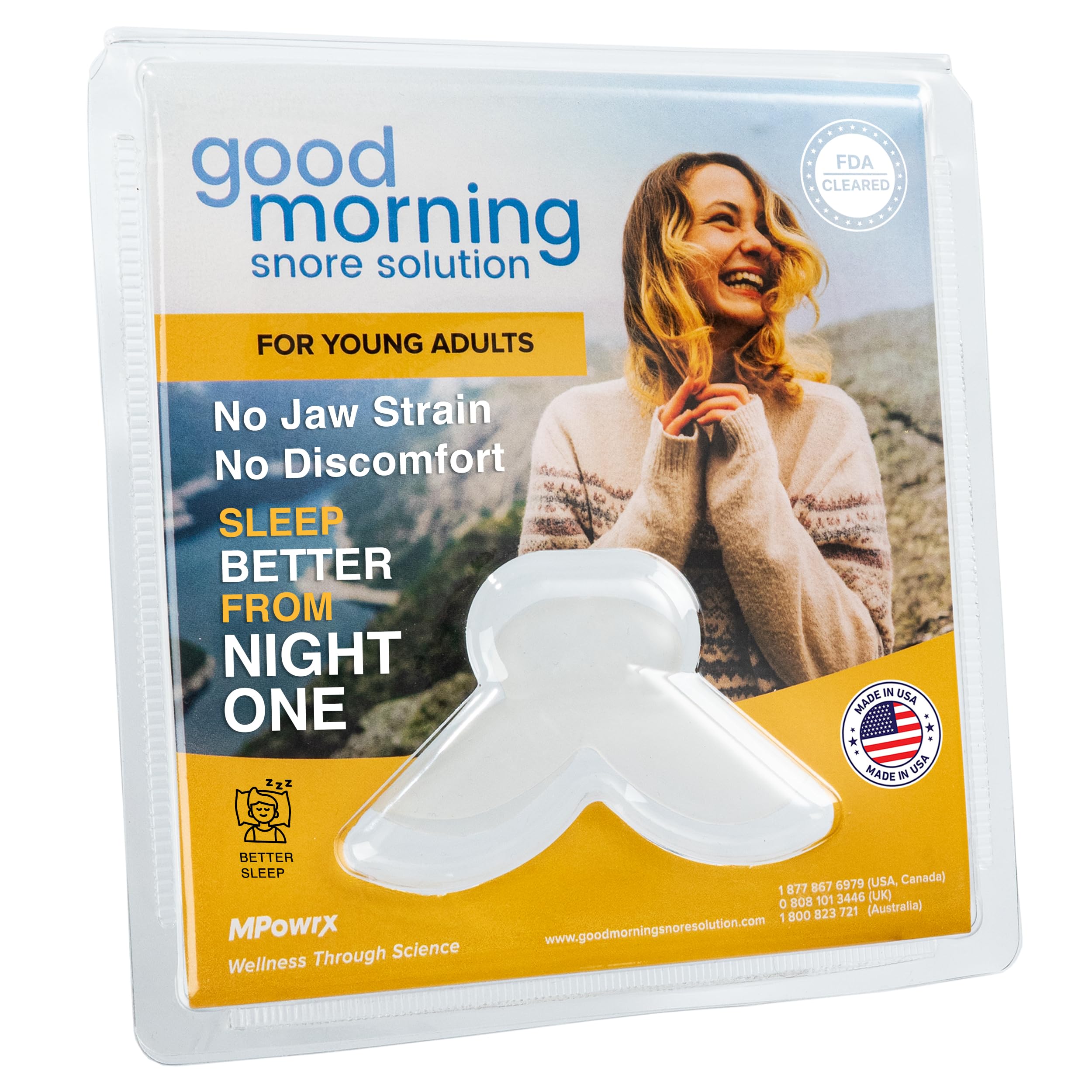
This is the only device on this list explicitly designed for smaller mouths — and it shows. The one-piece tongue-stabilizing design is only 0.4 inches thick, so it does not force your lips apart or push against a narrow palate. Users with petite jaws or crowded teeth report that the soft suction cup stays seated without the bulk of a mandibular tray.
FDA cleared and made in the USA, the Good Morning Snore Solution uses a flexible material that conforms to the tongue tip without requiring precise arch measurements. Experienced users report using the same unit for up to six months before replacement, and the manufacturer offers free size exchanges if the standard small feels off.
The trade-off is suction consistency — some users find their tongue slips out after falling asleep, and the negative pressure can cause a tingling sensation or excessive saliva. Those who adapt, however, report complete snoring cessation within one to two weeks. It is the least invasive route for a truly small mouth.
Why it’s great
- Ultra-low profile designed for small oral anatomy
- FDA cleared with proven long-term user track records
- No boil-and-bite fitting required
Good to know
- TSD suction can cause tongue tingling or drooling
- Not effective if tongue-pulling does not address your specific airway collapse
2. SilentZPro 2.0
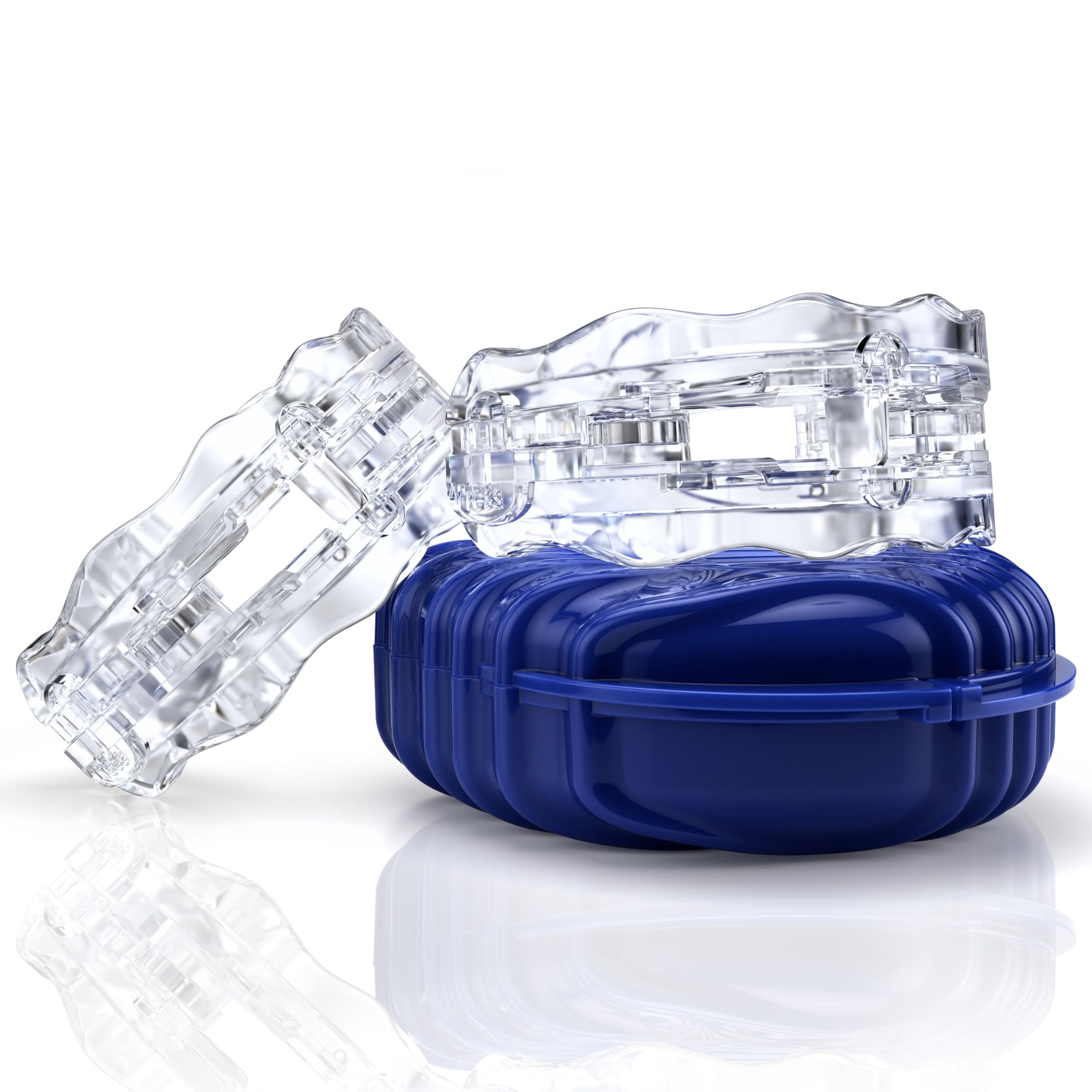
Designed by a small family business in Oregon, the SilentZPro 2.0 is a medium-sized tray that fits narrower arches better than generic guards thanks to its patented design allowing both vertical and lateral jaw movement. Users with small mouths often find that the ability to move the jaw side-to-side reduces the locked-in feeling that triggers claustrophobia.
The five-setting adjustment system gives granular control — most small-jaw users start at the minimal advancement and work up by 1mm increments over the recommended 3-4 week adjustment period. Fitness tracker data from verified buyers confirms measurable sleep improvement after the adaptation phase.
The main drawback for petite users is jaw soreness during the first week; some report that the tray still feels too wide if their arch is especially narrow. U.S.-based customer support offers direct messaging for sizing issues, which adds a safety net for hard-to-fit buyers.
Why it’s great
- Patented multi-directional jaw movement reduces rigidity
- Fine 1mm-step adjustments
- Responsive U.S. support for fit issues
Good to know
- Medium sizing may still overwhelm very narrow dental arches
- Week-long jaw adaptation period expected
3. REAZEAL Dual-Layer Adjustable
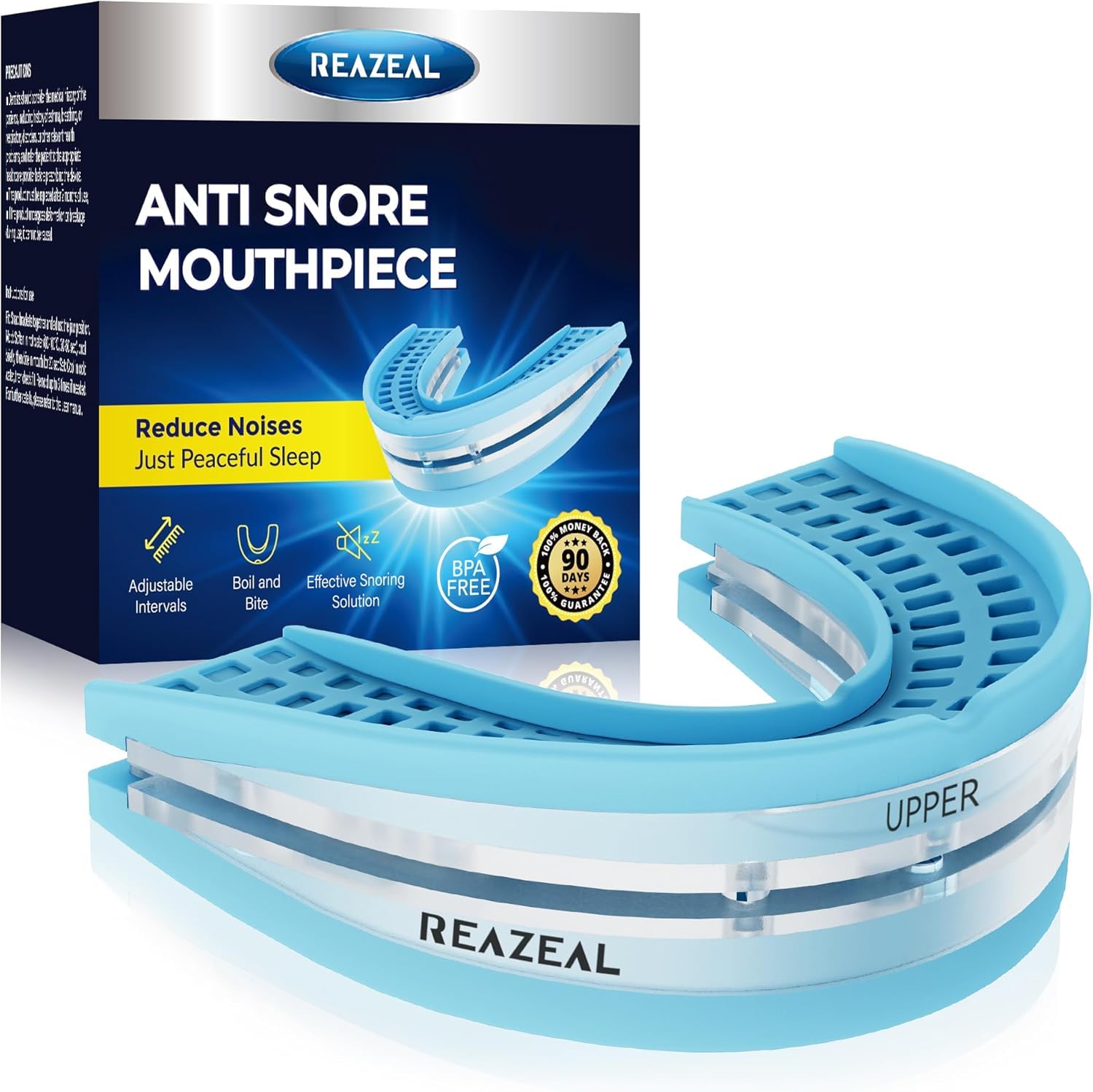
The dual-layer construction of this MAD uses a hard outer shell for structural hold and a soft inner liner that is gentler on sensitive gum tissue, which is a common complaint among small-mouth users who cannot tolerate rigid plastic scraping their cheeks. The thermal-sensitive boil-and-bite material shrinks during molding, so a careful fitting can produce a surprisingly compact tray.
With up to 6mm of jaw advancement in incremental settings, the REAZEAL gives enough range for moderate snorers while keeping the vertical dimension lower than many competitors. The included replacement pads extend the life of the device, and the set of two guards means one can be stored as a backup while traveling.
The soft inner liner can tempt you to overtighten the fit during molding. If you push too hard, the material can thin out and lose retention on a small arch. Follow the instructions closely, and avoid over-biting during the boil phase.
Why it’s great
- Soft inner layer reduces gum irritation
- Comes with two guards and replacement pads
- 60-day return policy adds peace of mind
Good to know
- Boil-and-bite requires precision to avoid thinning on small teeth
- Dual-layer design is slightly thicker than single-material guards
4. New Age Performance Recovery Guard
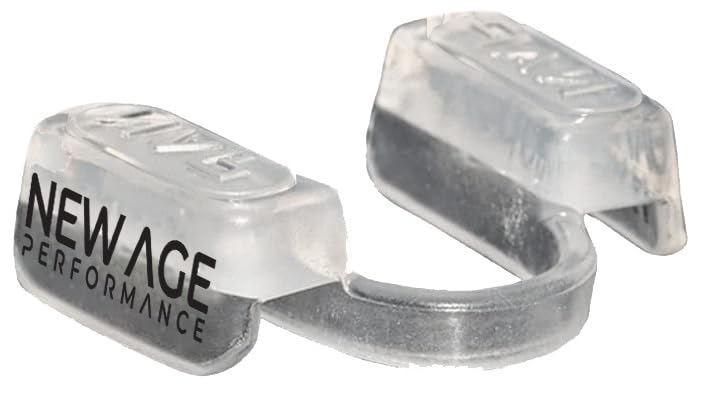
This MAD is engineered around a 4mm+ vertical dimension, which is notably taller than the 2mm standard found in most generic guards. For a small mouth, this added height can be a double-edged sword: it stabilizes the jaw and reduces clenching, but it also forces the lips apart, which may increase mouth breathing and morning dryness.
Users with small jaws who also grind their teeth report that the Recovery Guard’s thicker build actually relieves TMJ-related pain by preventing full molar contact. The boil-and-bite process shrinks the material during molding, and several buyers noted that the connector narrows enough to fit a smaller arch after proper heating and cooling.
The primary drawback for petite users is the overall footprint — the guard extends further back in the mouth, which can trigger a gag reflex in those with a sensitive palate. If you have a strong gag reflex, the extra length may be a dealbreaker regardless of the alignment benefits.
Why it’s great
- Thick build provides superior jaw stabilization
- Reduces teeth clenching and TMJ discomfort
- Boil-and-bite shrinks to accommodate narrower arches
Good to know
- 4mm+ vertical height forces mouth slightly open
- Extended rear design may trigger gag reflex
5. Upverxi Snore Mouthguard

The Upverxi mouthguard is a straightforward MAD made from BPA-free EVA, a material that stays flexible at room temperature and becomes more forgiving when molded to irregular dental profiles. Buyers with crooked or overlapping teeth — a common trait in small mouths — reported that the EVA filled in the gaps without creating painful pressure points.
Its compact structure is noticeably smaller than many boil-and-bite trays, and multiple users described it as “barely noticeable” after a few minutes of wear. For first-time anti-snoring users who are put off by bulky devices, this low-profile fit significantly lowers the psychological barrier to nightly use.
The lack of a progressive adjustment mechanism is the main limitation. The Upverxi relies on a fixed forward position molded during the bite step, which means you cannot fine-tune advancement after fitting. If the initial position is too aggressive or too mild, you have to re-mold the entire tray.
Why it’s great
- Forgiving EVA material works well with uneven teeth
- Very compact profile for easy first-night adoption
- Includes a storage case for travel hygiene
Good to know
- Fixed advancement — no post-mold adjustability
- Requires careful initial molding for proper fit
6. Somnos Anti Snore Mouthguard
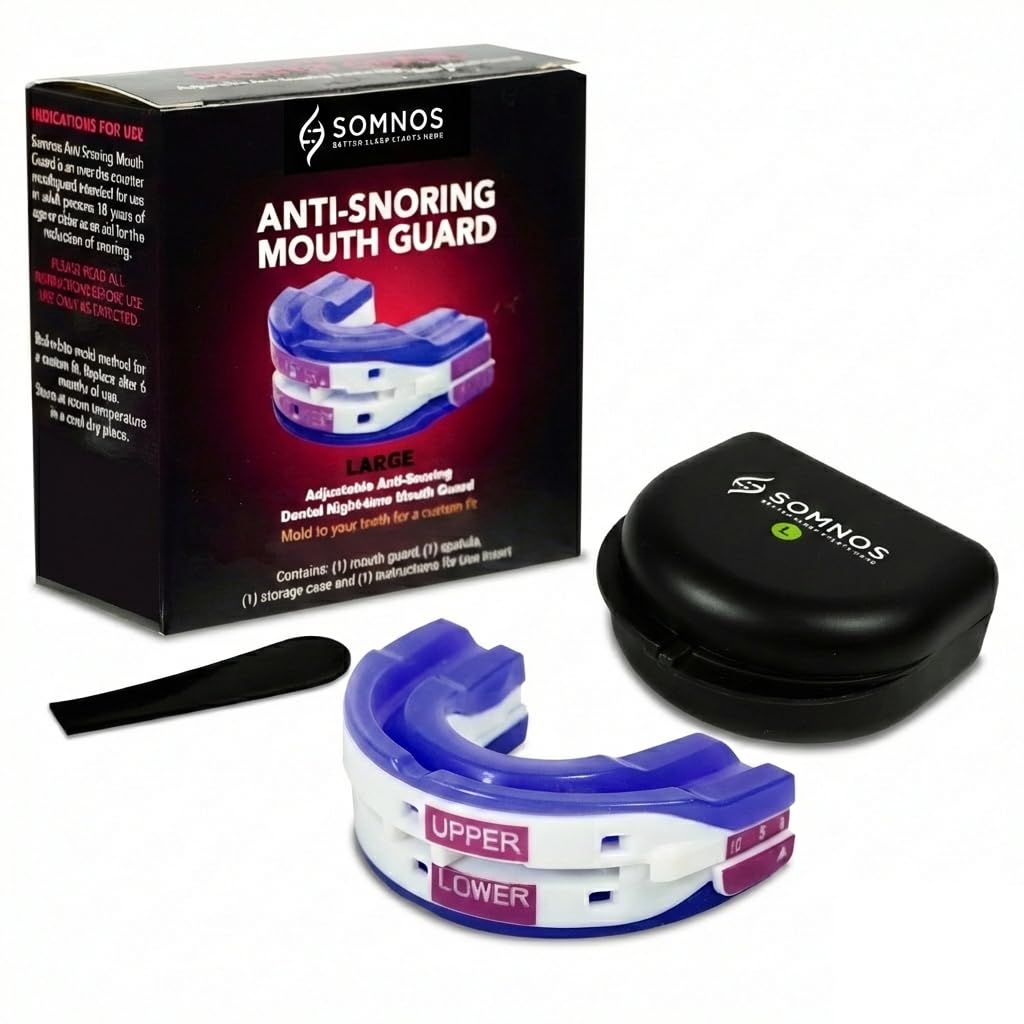
The Somnos is a two-piece adjustable MAD with a wide 1-10mm advancement range that gives even small-jaw users room to find their minimal effective setting — crucial because over-advancing a petite jaw can cause joint pain. The boil-and-bite material molds to your teeth, and the separate upper and lower trays allow each arch to fit independently, which helps accommodate narrower dental spacing.
For an entry-level price, the Somnos offers genuine adjustability rather than a fixed tray. Several users reported that starting at the 1mm setting and working up by 1mm each night helped them adapt without the sharp jaw soreness common with cheaper single-piece guards.
The trade-off is material thickness. The plastic is substantial, and some users with small mouths found that the tray prevented their lips from sealing naturally, leading to increased drool. A smaller percentage reported that the guard simply would not stay on their teeth despite proper molding — suggesting the base arch width is still aimed at average-sized mouths.
Why it’s great
- Genuine 1-10mm incremental adjustment for fine-tuning
- Two-piece design fits each arch separately
- Budget-friendly for testing if MAD works for you
Good to know
- Thick plastic may prevent lip closure on very small mouths
- Some users report the guard slips off despite molding
7. Calma Clip v2 by Whole Nights
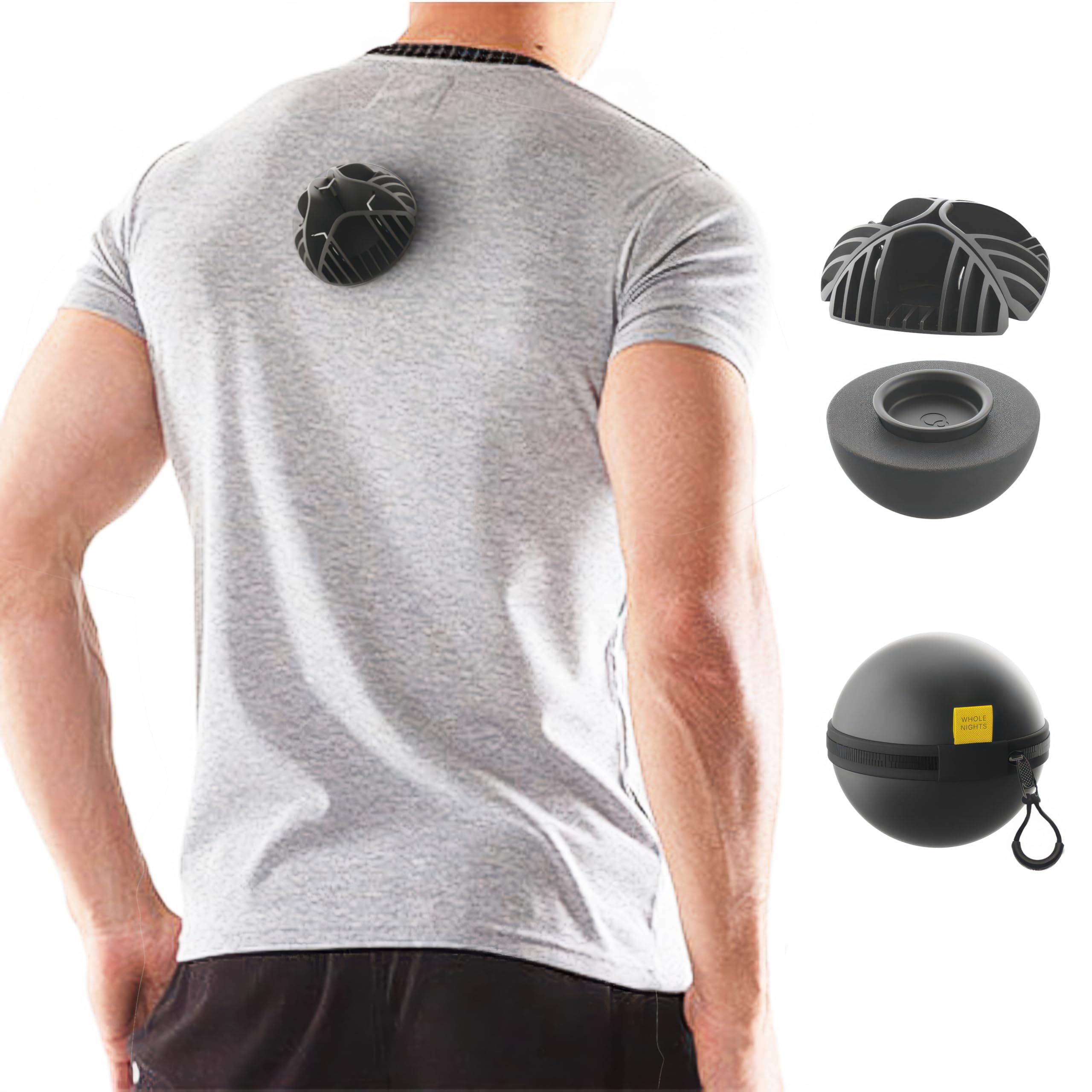
The Calma Clip sidesteps the entire mouth-fit problem by clipping onto the back of your shirt rather than inserting anything into your mouth. A soft foam ball sits between your shoulder blades and gently reminds you to stay off your back — the most common snoring trigger for positional back-sleepers. This is the only solution on this list that works regardless of arch width, tooth alignment, or jaw size.
Users with severe snoring linked exclusively to back-sleeping reported dramatic improvements after just one week, with some achieving complete snoring cessation. The device weighs only 2.3 ounces and travels easily. Because it does not touch your teeth or tongue, there is zero risk of gagging, gum irritation, or jaw soreness.
The limitation is straightforward: if you snore on your side or stomach, the Calma Clip will not help. It is also a training aid, meaning some users knock the clip off during the first few nights until their body adapts to side-sleeping. But for the small-mouth back-snorer who cannot tolerate any intraoral device, this is the most comfortable path to quiet sleep.
Why it’s great
- Zero mouth contact — ideal for sensitive palates and strong gag reflexes
- Lightweight, travel-friendly, and non-invasive
- Highly effective for back-sleeping positional snorers
Good to know
- Only works if snoring is caused by back-sleeping
- Clip may fall off during the initial habit-forming period
FAQ
Will a mandibular advancement device feel too wide for my small mouth?
How do I know if a tongue stabilizing device will work for my snoring?
What is the best anti-snoring device for someone with a strong gag reflex?
Final Thoughts: The Verdict
For most users, the anti snoring device for small mouth winner is the Good Morning Snore Solution because it is the only device built specifically for smaller oral anatomy, needs no boil-and-bite fitting, and avoids the bulk that plagues standard MADs. If you prefer adjustable jaw advancement with multi-directional movement, grab the SilentZPro 2.0. And for back-sleeping snorers who cannot tolerate any mouthpiece, nothing beats the Calma Clip v2 for its completely non-invasive approach.