
Our readers keep the lights on and the weekend projects moving. As an Amazon Associate, I earn from qualifying purchases.
Finding a boot that doesn’t force your arch inward or leave your heel slipping after a mile is the real challenge when you have flat feet and overpronation. Most standard boots lack the medial support and stable platform your gait demands, turning a simple walk into a source of knee, hip, or lower back strain.
I’m Rikta — the co-founder and writer behind FitlyFast. After hundreds of hours analyzing gait biomechanics, stability technologies, and cushioning densities across dozens of models, I built this guide around the few boots that genuinely counteract overpronation without sacrificing comfort.
Whether you need a work boot for eight-hour shifts or a rugged hiker for weekend trails, this guide breaks down the key support features that define the best boots for flat feet and overpronation.
How To Choose The Best Boots For Flat Feet And Overpronation
Choosing the wrong boot can aggravate plantar fasciitis, shin splints, and IT band syndrome. Focus on three structural elements: the stability system that controls excessive inward rolling, the midsole density that provides a firm platform, and the heel fit that locks your foot in place.
Stability Features
Look for a medial post, dual-density foam, or a guide rail system that runs along the inner midsole. These features reduce the collapse of your arch during the stance phase. A wide base and a firm heel counter also prevent your foot from sliding over the edge of the sole.
Cushioning vs. Support
Cloud-like cushioning alone can worsen overpronation by allowing your foot to sink unevenly. The ideal boot balances a responsive, supportive chassis with enough foam to absorb impact. High-density EVA or polyurethane midsoles strike this balance better than soft memory foam.
Removable Insoles
Most users with flat feet need prescription or over-the-counter orthotics. A boot with a removable insole gives you the freedom to swap in a custom arch support. Check the depth of the interior — shallow toe boxes can pinch when orthotics are added.
Quick Comparison
On smaller screens, swipe sideways to see the full table.
| Model | Category | Best For | Key Spec | Amazon |
|---|---|---|---|---|
| Brooks Glycerin GTS 23 (Men’s) | Stability Running | Max cushion & support | GuideRails support system | Amazon |
| Saucony Hurricane 24 (Men’s) | Max Stability | Long-distance runs | Center Path Technology | Amazon |
| New Balance Vongo V6 (Women’s) | Stability Running | Wide feet & orthotics | Fresh Foam X midsole | Amazon |
| Brooks Glycerin GTS 23 (Women’s) | Stability Running | Plush arch support | GuideRails holistic support | Amazon |
| Saucony Hurricane 24 (Women’s) | Max Stability | Overpronation & PF relief | PWRRUN PB cushioning | Amazon |
| New Balance Vongo V6 (Men’s) | Stability Running | Everyday stability runs | Fresh Foam X midsole | Amazon |
| Saucony Guide 18 | Lightweight Stability | Daily walking & light runs | Center Path Technology | Amazon |
| ASICS GT-1000 14 | Entry Stability | Budget-friendly support | LITETRUSS stability | Amazon |
| Saucony Omni 21 | Value Stability | Long-lasting daily trainer | Medial post stability | Amazon |
In‑Depth Reviews
1. Brooks Men’s Glycerin GTS 23
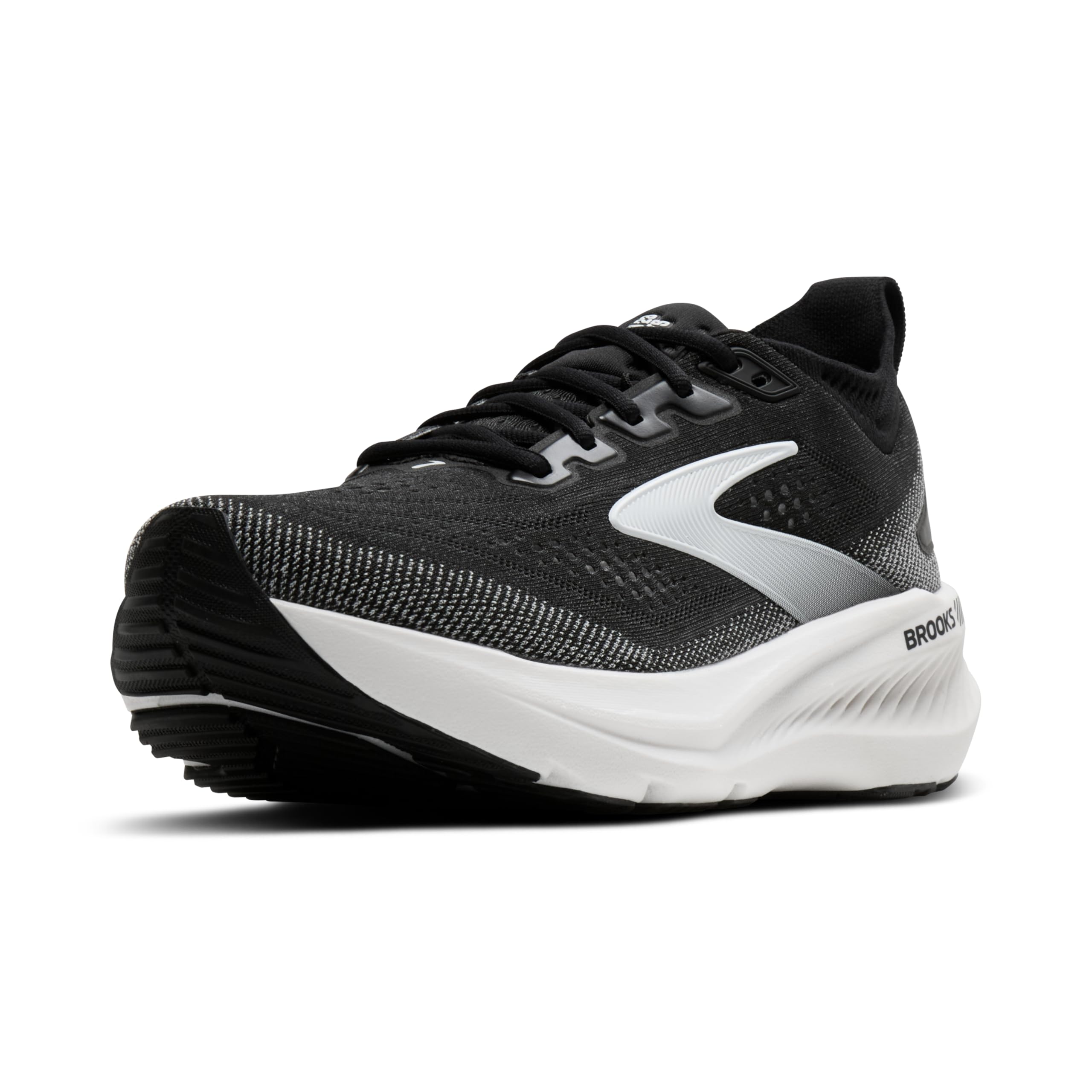
The Glycerin GTS 23 delivers the most balanced blend of plush cushioning and pronation control we tested. Brooks’ GuideRails holistic support system gently redirects excessive inward motion without feeling intrusive — a rare achievement in the max-cushion stability category. Testers noted a noticeable spring in their step and reduced knee fatigue during long walking sessions.
The lower heel-to-toe drop (10mm) compared to the previous generation helped reduce Achilles tension for several reviewers. The engineered mesh upper is breathable yet structured enough to hold the midfoot securely. The wider fit option received high marks from users who need to splay their toes naturally during longer stints.
Some users with very wide feet reported the standard width runs slightly snug, so ordering a wide size is advisable if you fall into that group. The price point sits above entry-level models, but the combination of GuideRails technology and nitrogen-infused DNA LOFT v3 cushioning justifies the investment for daily wear.
Why it’s great
- GuideRails system corrects overpronation without feeling stiff
- Nitrogen-infused cushioning stays responsive mile after mile
- Lower drop reduces strain on tight calves and Achilles
Good to know
- Standard width can feel narrow for wide-footed users
- Premium price — best value found during seasonal sales
2. Saucony Men’s Hurricane 24
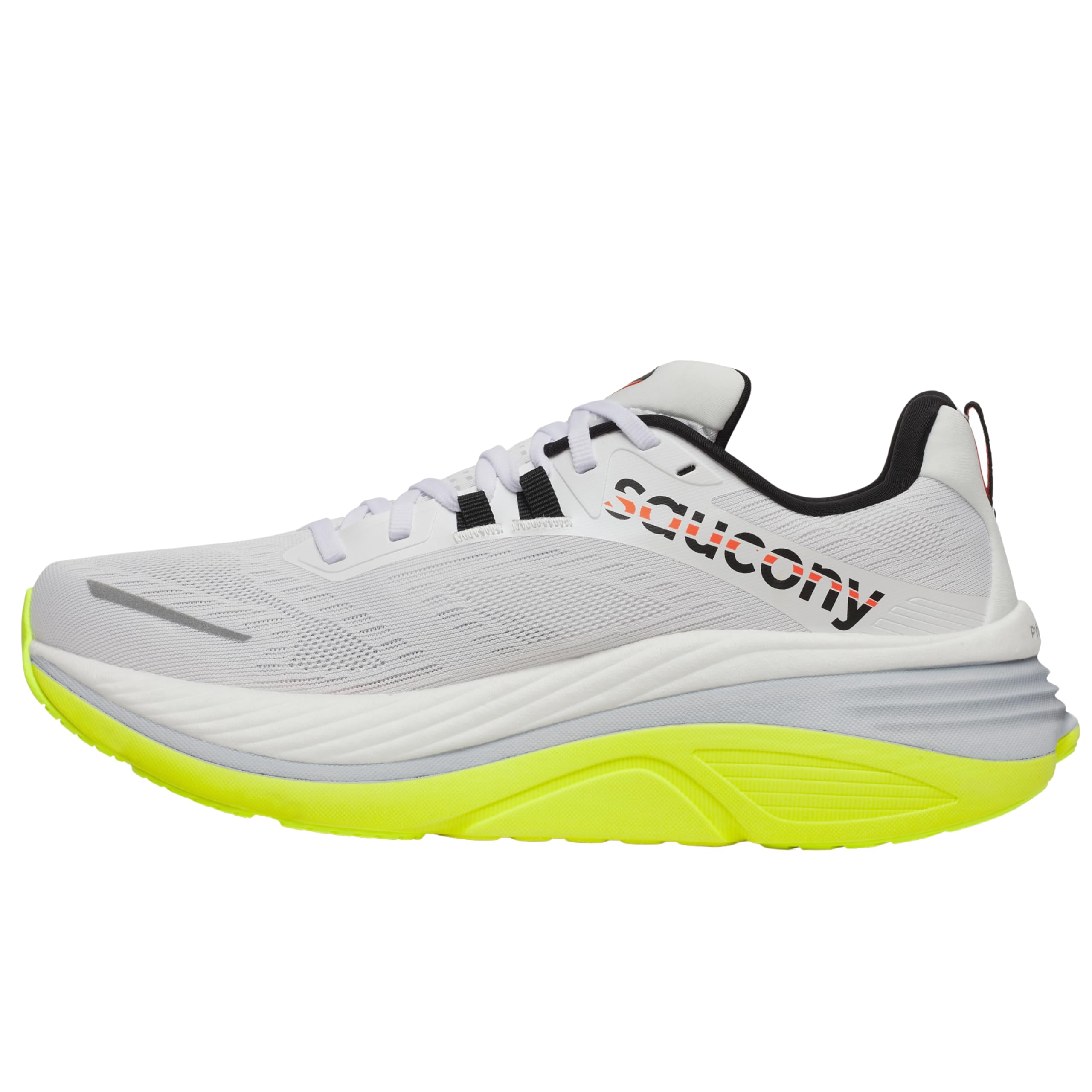
The Hurricane 24 is Saucony’s max-stability flagship, updated with Center Path Technology that replaces the traditional medial post with a broader, more balanced platform. The PWRRUN PB foam is noticeably softer than the standard PWRRUN found in the Guide, yet it never bottoms out — even during 20-mile efforts. Reviewers praised its ability to handle both recovery runs and long-distance training without causing hot spots.
The aggressive toe rocker aids a smooth heel-to-toe transition, which is especially helpful for flat-footed runners who tend to drag their toes. The heel counter is rigid and well-padded, locking the rearfoot securely in place. Multiple users reported that the Hurricane 24 significantly reduced their foot and knee pain compared to previous stability shoes they had tried.
The primary trade-off is weight — at nearly 11 ounces, it’s not built for speed work or tempo runs. A few users also noted manufacturing inconsistencies between pairs made in different countries, with one batch feeling narrower than the other. For pure daily training and walking, however, the Hurricane 24 offers unmatched long-haul comfort.
Why it’s great
- Center Path Technology provides broad, balanced stability without a rigid post
- PWRRUN PB foam offers exceptional energy return for long runs
- Toe rocker aids smoother gait transitions for flat-footed walkers
Good to know
- Heavier than most stability trainers — not for speed work
- Manufacturing batch variations may affect fit consistency
3. New Balance Women’s Fresh Foam X Vongo V6
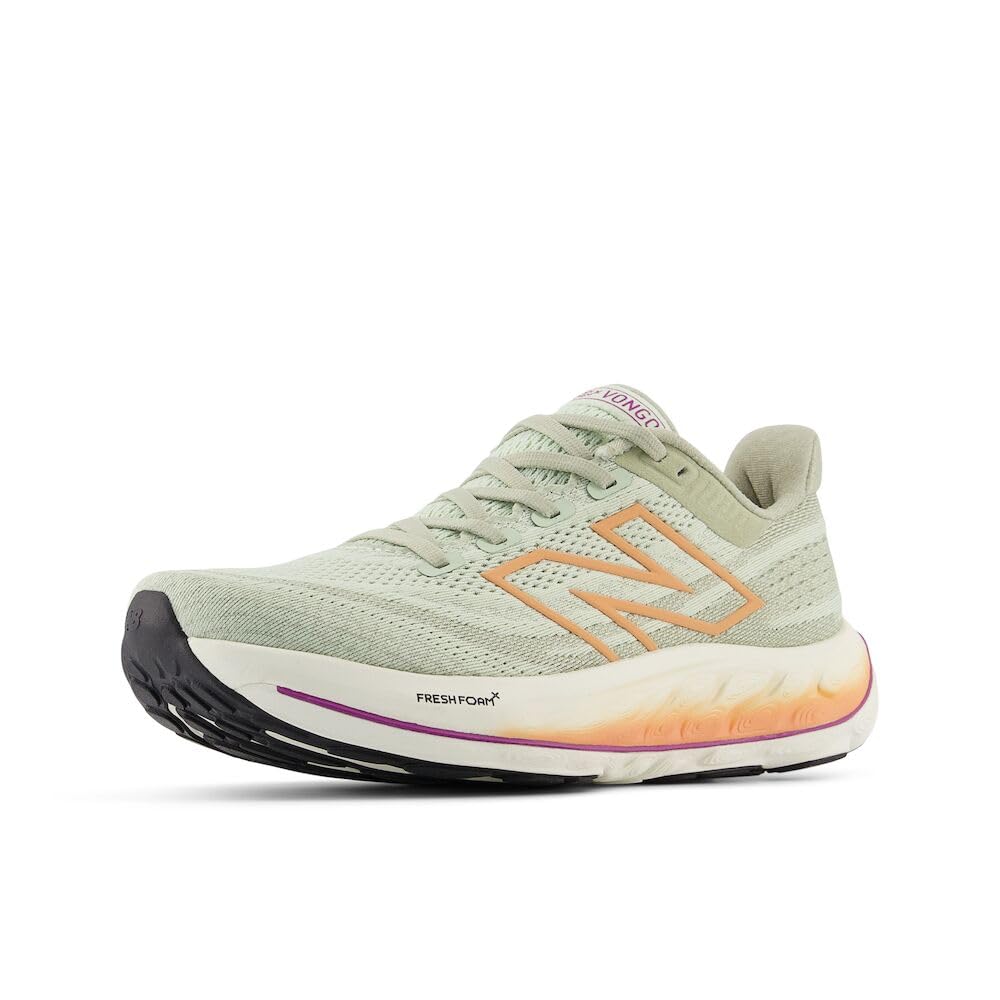
The Vongo V6 is a standout for women who need a supportive boot that accommodates custom orthotics. The Fresh Foam X midsole delivers a soft, plush step without feeling mushy — testers described it as “pillowy but responsive.” The removable insole allows you to drop in prescription arch supports, and the toe box offers generous room for splaying toes, a must for long shifts or hikes.
Reviewers wearing the Vongo V6 for 12-hour nursing shifts reported zero break-in period and noticeable relief from arch fatigue. The wide fit options are genuinely wide, not just a volume increase, which helps prevent heel slippage in motion-control designs. The outsole features firm flex grooves that maintain a natural foot strike while still providing a stable platform.
Some users found the regular width ran slightly large and recommended sizing down if you have a narrow foot. The heel counter, while supportive, can feel a bit loose for users with very narrow heels — lacing techniques help, but a true heel-lock loop would be a welcome addition. Overall, the Vongo V6 is a versatile stability boot that works equally well for running and all-day standing.
Why it’s great
- Removable insole accommodates orthotics without raising the foot too high
- Generous toe box and wide width options for foot splay
- Fresh Foam X balances softness with supportive rebound
Good to know
- Regular width may fit large — check sizing carefully
- Heel counter could be tighter for narrow-footed users
4. Brooks Women’s Glycerin GTS 23
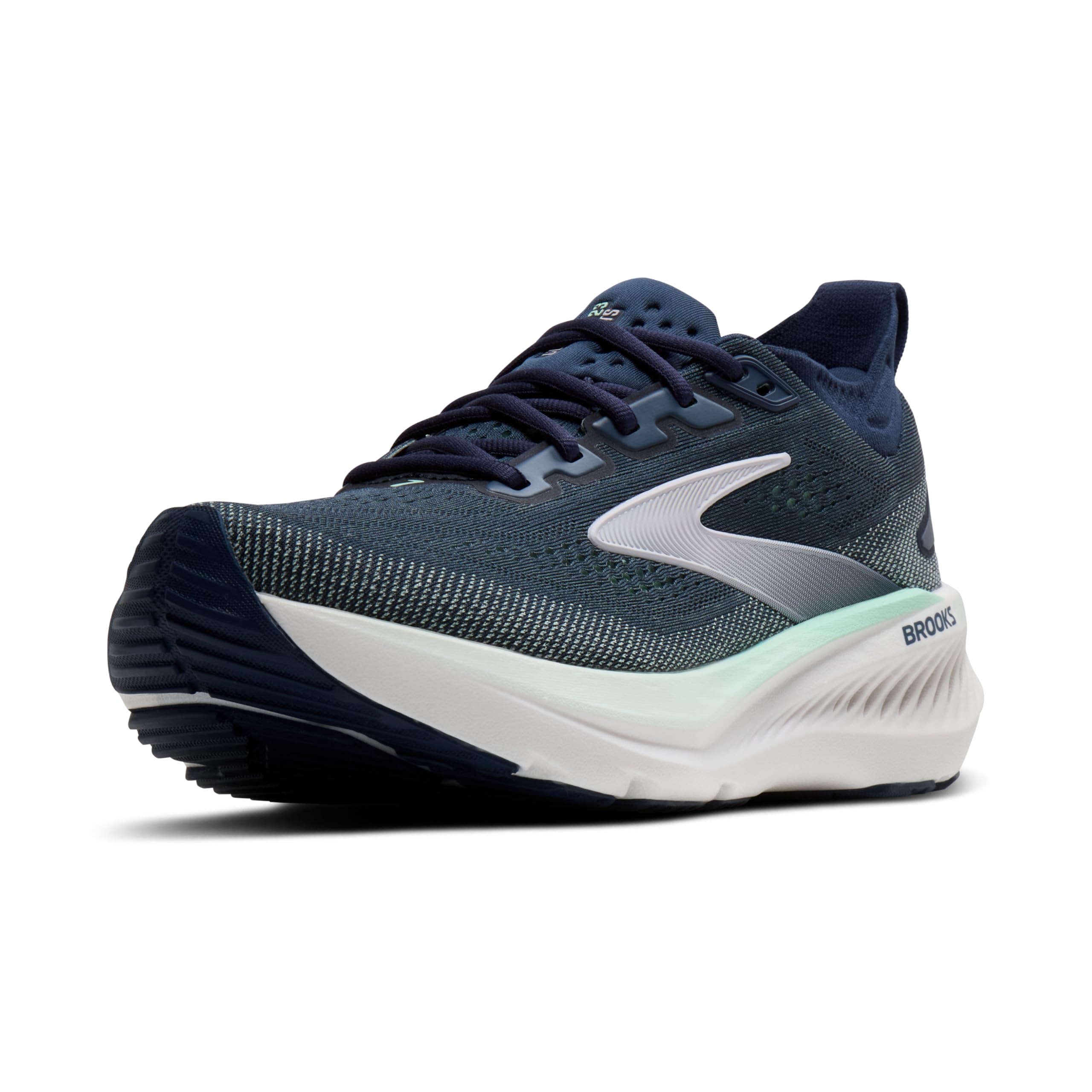
The women’s Glycerin GTS 23 mirrors the men’s version in its GuideRails technology but is tuned differently for lighter body weights and narrower heel pockets. The DNA LOFT v3 cushioning is the softest Brooks has ever produced, yet the GuideRails prevent the overpronation that typically worsens with ultra-soft foam. Testers walking 4-mile routes reported no heel or arch discomfort afterward.
The wide width option is a real game-changer for women with flat feet who also need extra forefoot volume. The upper is constructed with a plush, padded tongue that eliminates lace bite, a common complaint in stability shoes with aggressive lacing. Several long-distance runners reported retiring a pair after two half-marathons and continuing to use them for daily errands.
The fit runs true to size, though users with very narrow feet may experience some heel slippage unless they use a runner’s lock lacing technique. The color options in the GTS line are somewhat limited compared to the neutral Glycerin — a minor grievance given the shoe’s stellar performance. For women seeking a plush, stable ride that works from the office to the trail, this is an excellent choice.
Why it’s great
- DNA LOFT v3 provides the softest Brooks cushioning with stability
- Wide width accommodates orthotics and flat feet comfortably
- Padded tongue and collar eliminate lace pressure
Good to know
- Color options in GTS line are more limited than neutral version
- Narrow-footed users may need to adjust lacing for heel lock
5. Saucony Women’s Hurricane 24
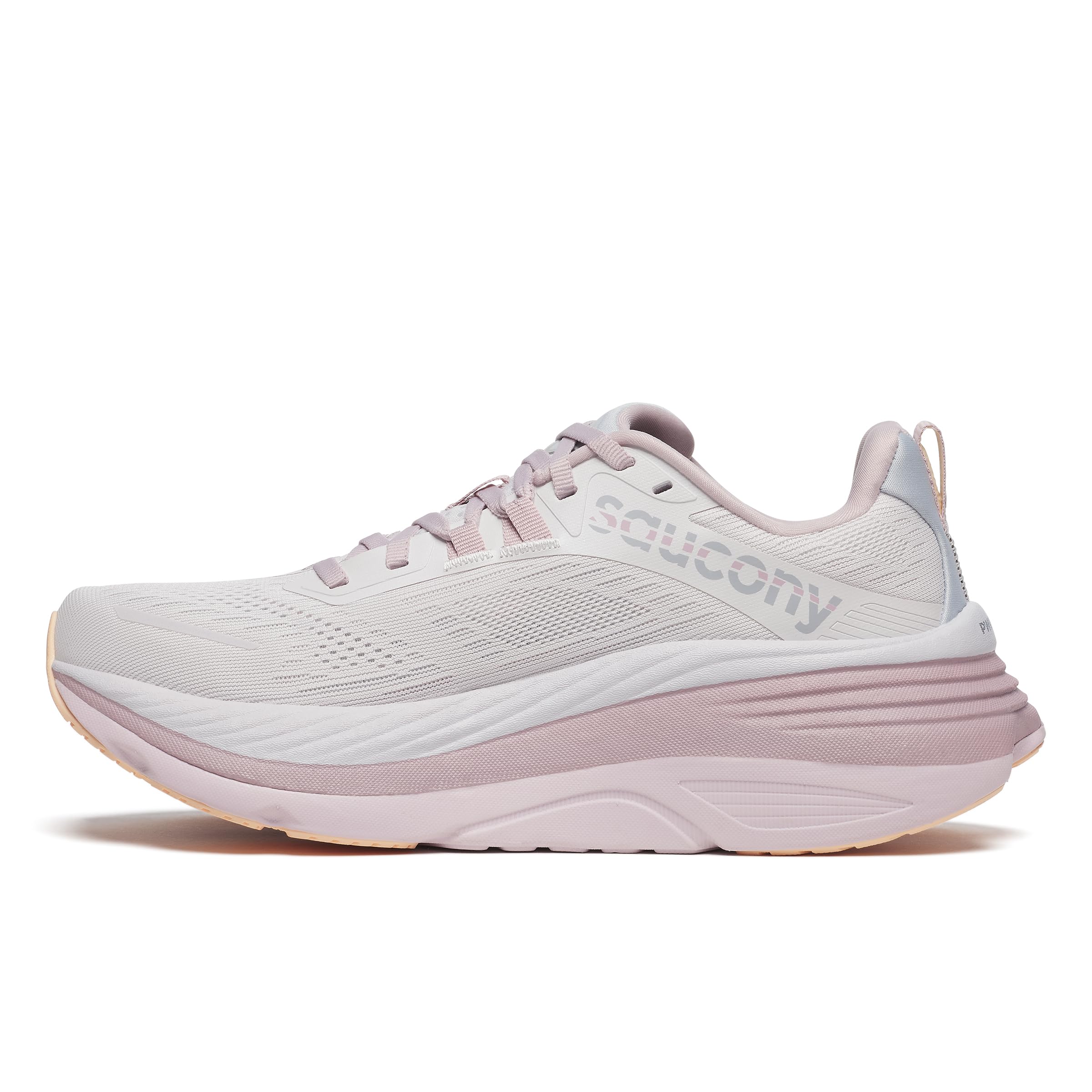
The women’s Hurricane 24 brings the same Center Path Technology and PWRRUN PB foam as the men’s version, but with a women-specific last that accommodates a narrower heel and higher instep. Multiple reviewers with plantar fasciitis and hammer toe issues reported significant pain reduction after switching to this model. The aggressive toe rocker helps take pressure off the forefoot during push-off.
The midsole is noticeably thick — 36mm in the heel — but the wide platform keeps the foot centered and stable. Testers described the feel as “walking on clouds” while still having enough structure to avoid the wobbly sensation common in high-stack shoes. The durable outsole rubber holds up well on pavement and packed trails, making it a versatile option for varied terrain.
Some users noted that the upper mesh showed staining from insole color transfer within the first week and that the reflective heel strip began peeling prematurely. These cosmetic and minor durability concerns don’t affect the structural performance, but they’re worth noting for buyers who expect premium finish at this price point. The shoe is heavy — reviewers switching from lighter models felt leg fatigue during faster runs.
Why it’s great
- Women-specific last fits narrow heels and higher arches better than unisex designs
- Thick PWRRUN PB cushioning reduces impact on sore feet and knees
- Toe rocker aids smooth gait for flat-footed runners
Good to know
- Upper mesh staining reported from insole color transfer
- Heavy weight — not ideal for tempo or speed workouts
6. New Balance Men’s Fresh Foam X Vongo V6

The men’s Vongo V6 is a podiatrist-recommended stability trainer that excels for flat-footed users with wide feet. The Fresh Foam X midsole uses a softer blend than the standard Fresh Foam, but the deeper heel bevel and wider landing platform keep the foot aligned. Reviewers with high arches and plantar fasciitis praised the removable insole that allows cheap orthotics to fit without raising the foot uncomfortably high.
The boot offers a smooth heel-to-toe transition that feels natural even for walkers who don’t run. The outsole flex grooves are positioned to follow the foot’s natural bending points, reducing resistance during toe-off. Long-time New Balance wearers noted that the Vongo V6 maintains the brand’s signature consistent fit across generations, making it a reliable repeat purchase.
Some users experienced heel slippage unless the laces were cinched very tightly, as the heel counter lacks a pronounced lockdown shape. The midfoot also runs slightly narrower than previous Vongo versions, so users with very flat, wide feet may need to order a wide size. The upper material collects dust and dirt quickly, though the performance remains unaffected.
Why it’s great
- Podiatrist-recommended for wide flat feet and plantar fasciitis
- Removable insole simplifies orthotic use
- Consistent fit across model generations for repeat buyers
Good to know
- Heel slippage reported unless laced tightly
- Midfoot runs slightly narrower than earlier Vongo editions
7. Saucony Men’s Guide 18
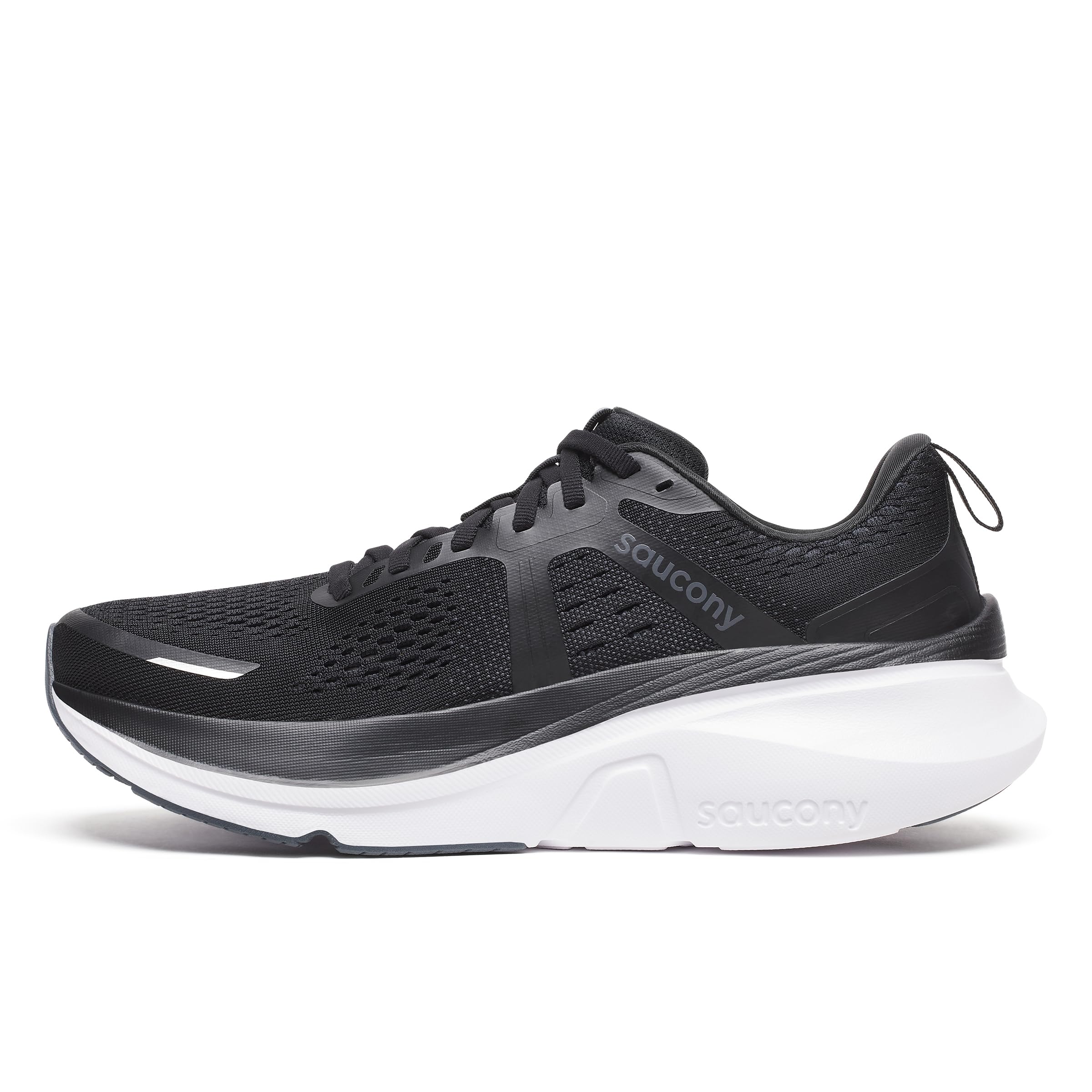
The Guide 18 is Saucony’s lightweight stability offering that feels closer to a neutral daily trainer than a traditional motion-control shoe. The Center Path Technology provides gentle guidance rather than aggressive correction, making it ideal for mild to moderate overpronators who found previous Guide models too firm. Reviewers described the step-in feel as “cloud-like” with a surprising level of stability for its weight (under 10 ounces).
The midsole uses a PWRRUN blend that is denser than the Hurricane’s PWRRUN PB but still offers plenty of rebound for daily walking and light jogging. The upper is engineered mesh that breathes well and holds the foot securely without creating pressure points. The toe box is slightly more tapered than the Guide 14/15, so users who need extra forefoot space should try a wide size.
Some long-time Guide fans noted that the Guide 18 lacks the hard plastic medial post found in earlier versions, which may disappoint heavy overpronators who rely on that rigid structure. The outsole rubber collects debris and shows wear patterns faster than competitors. For someone looking for a stable but lightweight boot for casual daily use, the Guide 18 is an excellent middle-ground option.
Why it’s great
- Lightweight design (under 10 oz) belies its stability capabilities
- Center Path Technology provides gentle, unobtrusive pronation control
- Breathable mesh upper with secure midfoot hold
Good to know
- Toe box is narrower than previous Guide versions
- Not enough rigidity for severe overpronation cases
8. ASICS Men’s GT-1000 14
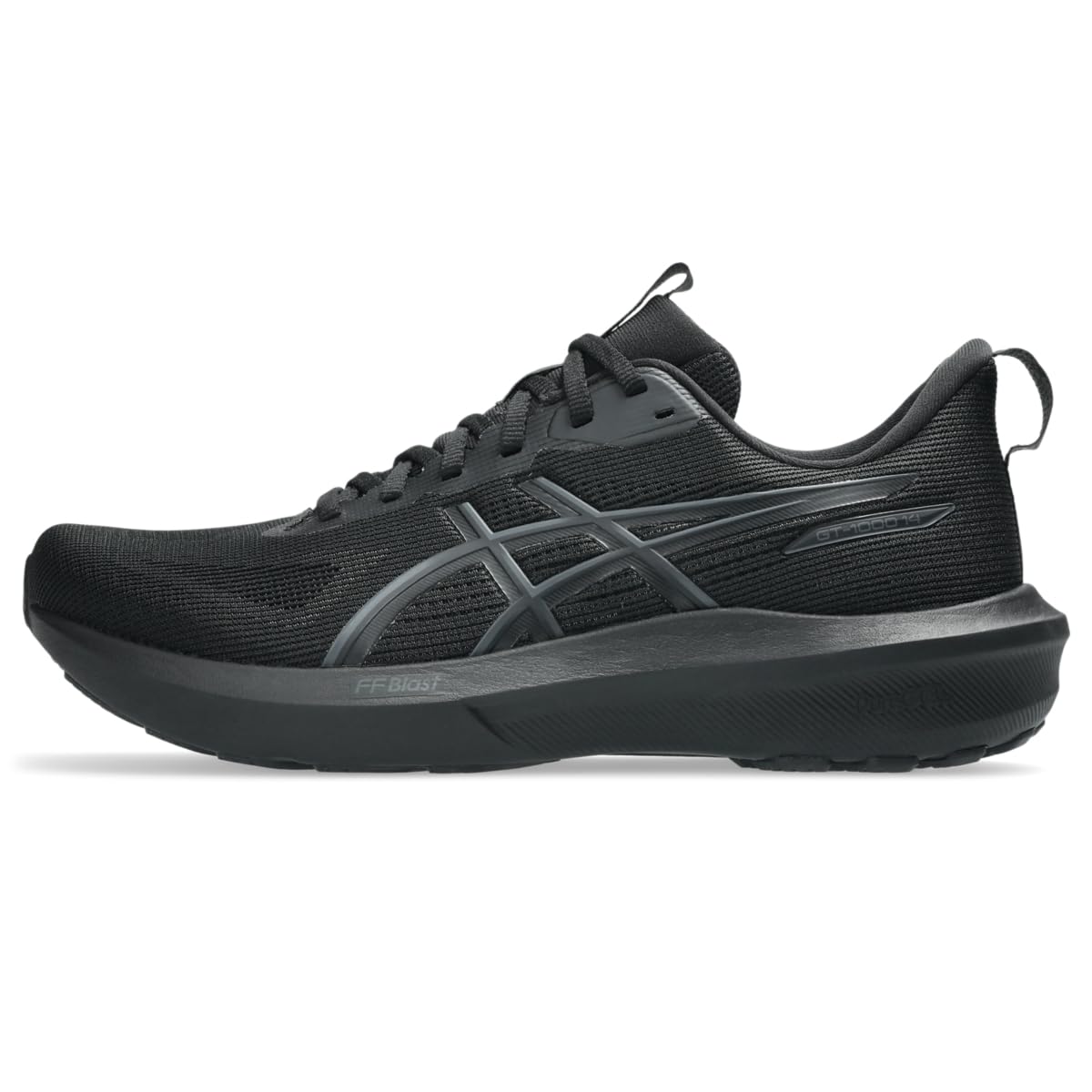
The GT-1000 14 is ASICS’ entry-level stability trainer that delivers impressive motion control at a budget-friendly price point. The LITETRUSS system — a lightweight foam block on the medial side — reduces excessive pronation without adding the bulk of a traditional plastic post. Several users with neuropathy reported that these boots significantly reduced their foot pain during daily wear and gym sessions.
The Ortholite sockliner adds a layer of plushness that makes the boot comfortable right out of the box, with zero break-in period noted by multiple reviewers. The outsole is durable enough to handle road and light trail use, and the breathable mesh upper keeps the foot cool during warmer months. Many users switched from the more expensive GT-2000 and found no noticeable difference in support, making the GT-1000 the smarter buy.
Some reviewers noted that the cushioning is firmer than the plush feel of nitrogen-infused foams found in higher-end models. The heel counter is less structured than the Hurricane or Vongo, which may allow slight heel movement for users with very flat arches. For a walker or casual runner on a budget who still needs reliable overpronation control, the GT-1000 14 is hard to beat.
Why it’s great
- LITETRUSS provides effective pronation control without weight or bulk
- Ortholite sockliner offers immediate out-of-box comfort
- Excellent value compared to GT-2000 and Kayano lines
Good to know
- Cushioning is firmer than premium nitrogen-infused foams
- Heel counter could be more structured for severe overpronators
9. Saucony Men’s Omni 21

The Omni 21 is a reliable workhorse stability boot that has earned a loyal following for its combination of support and longevity. Unlike the newer Center Path Technology, the Omni uses a traditional medial post — a firmer density foam insert along the arch side — that effectively blocks excessive inward rolling. Multiple reviewers reported getting over 1,000 miles of use from a single pair, with some on their third consecutive purchase.
The cushioning is softer than the Omni 20, making the 21 version more comfortable for daily training and brisk walking. The boot fits true to size and accommodates mild to moderate overpronation without feeling overly rigid. Users with pronation issues who wear size 11.5 specifically noted the perfect fit and excellent color options.
A common complaint is an audible squeaking sound during walking, which several reviewers found annoying enough to reduce usage. The medial post design also feels less refined than modern guide rail systems, offering more of a “block” sensation rather than subtle guidance. For the budget-conscious buyer who needs durable motion control and doesn’t mind a more traditional stability feel, the Omni 21 remains a compelling choice.
Why it’s great
- Traditional medial post provides reliable, consistent overpronation control
- Exceptional durability — many users exceed 1,000 miles per pair
- Comfortable cushioning upgrade over previous Omni models
Good to know
- Audible squeaking reported during walking gait
- Medial post feels less natural than modern guide rail systems
FAQ
Can I use these stability running boots for hiking or work?
How do I know if I need a stability boot vs a neutral boot?
Will a heavier boot provide better pronation control?
Final Thoughts: The Verdict
For most users, the boots for flat feet and overpronation winner is the Brooks Glycerin GTS 23 (Men’s) because it perfectly balances plush cushioning with the GuideRails system that corrects overpronation without feeling stiff. If you want a lighter, more versatile daily boot, grab the Saucony Guide 18. And for a budget-friendly option that still delivers reliable motion control, nothing beats the ASICS GT-1000 14.