
Our readers keep the lights on and the weekend projects moving. As an Amazon Associate, I earn from qualifying purchases.
Falling on packed snow at speed doesn’t just bruise—it drives force straight into your vertebrae. A direct hit to the spine can end a season in a split second, yet many skiers still rely on a puffy jacket as their only defense. The difference between a hard landing that stings and one that sends you to the clinic is a properly rated back protector that stays in place during a tumble.
I’m Rikta — the co-founder and writer behind FitlyFast. After hours of digging into EN1621 impact ratings, materials like honeycomb polymer and viscoelastic foam, and real-world user reports on fit and breathability, I’ve sorted the options for winter-sports-specific spine protection.
Whether you are carving groomers or dropping into the backcountry, choosing the right back protection for skiing means understanding certification levels, coverage zones, and how the gear integrates with your jacket and backpack system.
How To Choose The Best Back Protection For Skiing
Not all spine protectors are built for the wide range of motion and cold temperatures of skiing. A motocross vest might offer high protection but restrict your torso twist on a mogul field. Focus on these three factors to narrow the field.
Impact Certification: Level 1 vs. Level 2
The CE EN1621-2 standard is the benchmark for back protectors in European markets and is widely respected globally. Level 1 means the armor transmits no more than 18 kN of force, while Level 2 cuts that to 9 kN. For skiing, especially at higher speeds or in trees, Level 2 provides a thicker margin of safety without always adding prohibitive bulk, though the softest Level 2 options use advanced foams.
Fit and Mobility Under a Ski Jacket
A protector that shifts during a crash is a false sense of security. Look for segmented plates—articulated foam or honeycomb designs that bend with your spine. The best ski protectors also have adjustable shoulder straps or a four-point harness system that lets you cinch the gear tightly without restricting breathing or rotation.
Coverage Area and Additional Protection
Should the guard cover just the thoracic spine or extend down to the coccyx and up to the shoulders? Ski falls often involve backward slides and tailbone impacts, so a guard that reaches the lower back and includes chest or side padding adds valuable coverage. Ventilation also matters—a closed-cell foam vest can trap sweat, leading to cold chills on the chairlift.
Quick Comparison
On smaller screens, swipe sideways to see the full table.
| Model | Category | Best For | Key Spec | Amazon |
|---|---|---|---|---|
| USWE Pow 16L Backpack | Hybrid Pack | Backcountry skiers needing gear storage | CE Level 1 SAS-TEC insert | Amazon |
| EVS Sports Sport Vest | Protective Vest | All-mountain skiers wanting full torso coverage | Articulating spine + chest foam | Amazon |
| Alpinestars Nucleon Kr-Cell | Insert | Riders integrating into a jacket | CE Level 2 honeycomb polymer | Amazon |
| Troy Lee Designs Rockfight | Chest Protector | Aggressive riders needing chest + back combo | CE EN14021 shoulder/back plate | Amazon |
| ALPINA Proshield Vest | Vest | Lightweight spine and shoulder blade coverage | Flexible foam spine shield | Amazon |
| Alpinestars Nucleon Kr-Celli | Insert | Adding slim Level 1 defense to a compatible jacket | CE Level 1 honeycomb design | Amazon |
| Dialudon Padded Shirt | Impact Shirt | Budget-conscious skiers wanting multi-zone padding | Half-inch EVA foam on back/chest | Amazon |
In‑Depth Reviews
1. USWE Pow 16L Backpack with Back Protector

The USWE Pow is the only hybrid on this list that combines a 16-liter daypack with a removable CE Level 1 SAS-TEC back protector. That means you get a single system for carrying avalanche gear, extra layers, and a water bladder while still having certified spine armor on your back. The four-point NDM harness distributes weight tightly against your torso so the pack does not bounce during aggressive runs.
At 3.3 pounds, it is heavier than a stand-alone protector, but the trade-off is the integrated storage and the fact that the SAS-TEC insert is a high-quality viscoelastic foam that stays flexible in cold weather. The dedicated goggle pocket and ski-carry loops make it a complete backcountry solution, though users note the goggles pocket zipper can be delicate.
This is a premium product aimed at the skier who wants to consolidate their gear into one carry system without sacrificing impact protection. For anyone spending full days in the backcountry or resort sidecountry, it is the most versatile pick.
Why it’s great
- CE Level 1 certified removable back protector
- Rock-solid NDM harness prevents bounce
- Fits torso 17-22 inches with adjustable straps
Good to know
- Goggle pocket zipper is small and can fail
- Water reservoir not included
2. EVS Sports Sport Vest

The EVS Sport Vest brings a motocross-derived design into the ski world with a segmented spine protector that flexes independently as you squat, twist, and lean. It includes impact-absorbing foam panels on the chest, which is rare in ski-specific gear, and uses a Velcro-adjustable kidney belt to lock the vest in place. The entire setup weighs roughly three pounds and fits under a loose-fitting ski jacket without creating a hump.
Build quality is strong—hard ABS plastic covers the main back plate with a foam liner underneath. Reviewers consistently praise the range of motion and the breathability at speed. One common note is that the vest runs shorter than expected and does not cover the tailbone, so if coccyx protection is a priority, you may want a longer guard or a separate shorts insert.
For skiers who want hard-shell confidence on the spine plus chest coverage, this is the best mid-layer replacement. The padded synthetic shoulders and kidney belt also provide a reassuringly secure fit that does not shift during hard falls.
Why it’s great
- Articulating spine plates for natural movement
- Adjustable kidney belt for a locked-in feel
- Low-profile enough for most ski jackets
Good to know
- Does not cover the tailbone
- Velcro can wear over heavy use
3. Alpinestars Nucleon Kr-Cell Back Protector
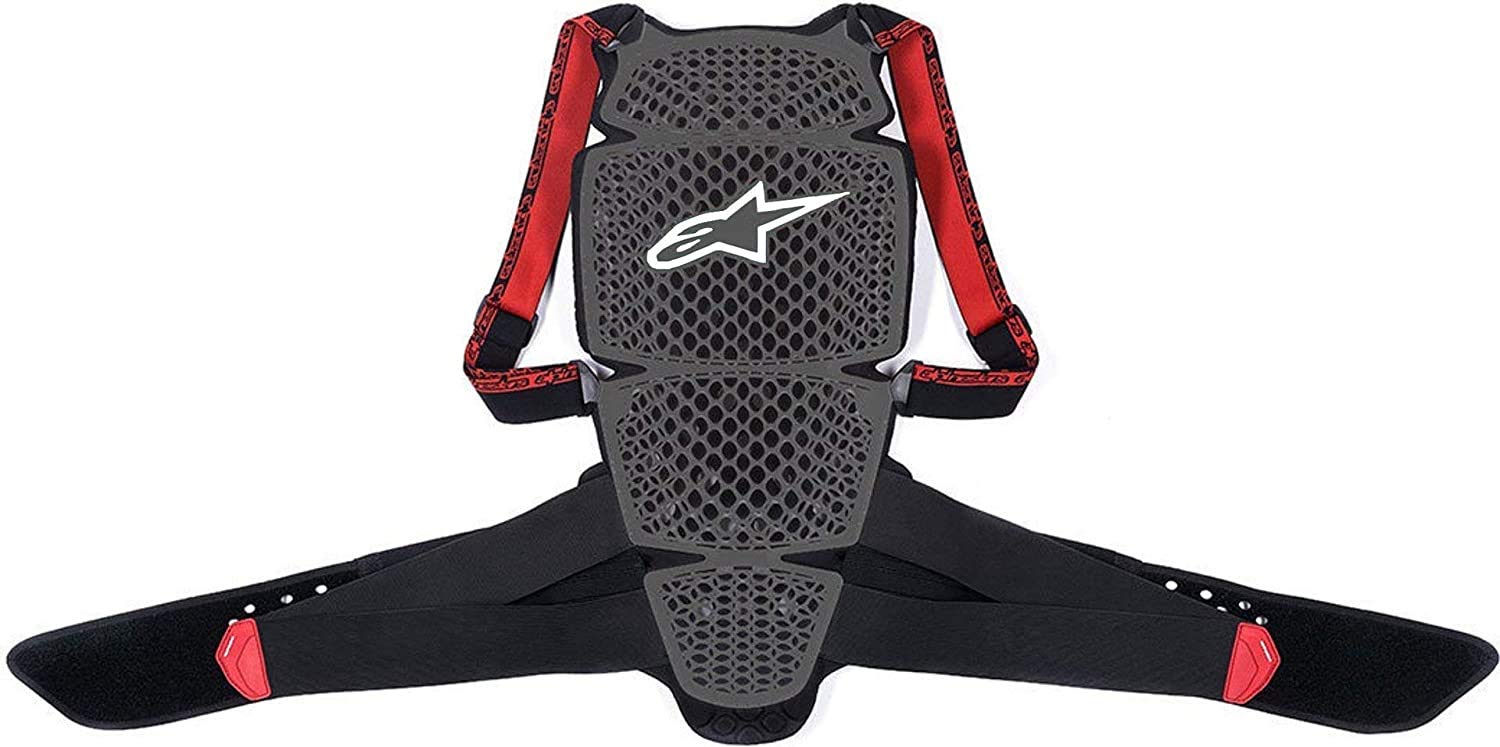
This insert from Alpinestars achieves CE Level 2 certification—transmitting half the impact force of Level 1—using a single-injected honeycomb polymer structure. The lattice design absorbs energy through progressive cell collapse while remaining lightweight at 1.76 pounds. It is flexible enough to curve with your back but rigid enough to stop a sharp rock or ski edge.
The Kr-Cell is an insert, meaning it is designed to slide into a compatible jacket pocket or be worn under a loose shell using the included harness straps. The three available sizes (waist to shoulder) allow a customized fit, and the ergonomic plate accommodates the natural thoracic curve. Some users find the arm straps chafe after long days, and a few report the shoulder strap clips pop out when the gear is removed hastily.
If your priority is maximum certified impact absorption for high-speed skiing or tree runs, this Level 2 shell delivers the highest safety rating in a fairly slim package. It is not a full vest, so pair it with chest or side armor if you need broader coverage.
Why it’s great
- CE Level 2 means 9 kN max transmitted force
- Honeycomb structure is breathable and light
- Ergonomic shape conforms to the back
Good to know
- Strap clips can disconnect under aggressive use
- Not a stand-alone vest—needs a jacket or harness
4. Troy Lee Designs Rockfight Chest Protector
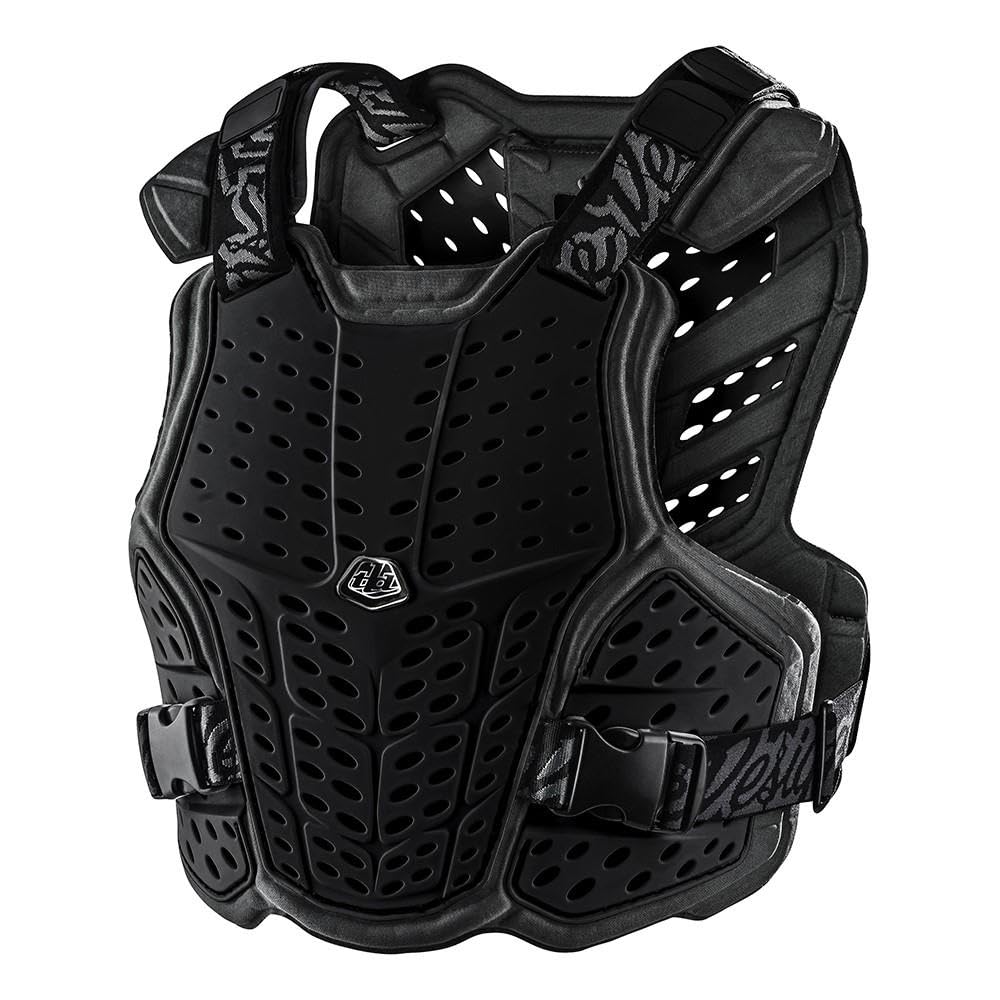
The Rockfight is a protective vest that covers the chest, back, sides, and shoulders using a polyethylene and polypropylene shell. It carries the CE EN14021 certification, which is a stone-impact standard for off-road cycling, but its coverage area and adjustable straps make it a viable option for skiing where a backward fall or a collision with a tree branch threatens the entire torso. The 1.7-pound weight is relatively light for the coverage it provides.
Ventilation slots run through the front and back panels, allowing airflow during high-exertion runs. The vest uses a hook-and-loop closure and a buckle at the waist to ensure it stays in place. Riders report that the length is optimized for an active riding position—it will protect the collarbone area and upper back, but does not extend far down the lower spine.
For the skier who wants robust all-around torso protection in a breathable, adjustable vest, the Rockfight delivers solid peace of mind. It is best suited for park skiing or aggressive downhill where impacts are likely from multiple angles.
Why it’s great
- CE-certified stone-impact protection for shoulders and spine
- Large ventilation channels reduce sweat buildup
- Adjustable shoulder and chest straps for a custom fit
Good to know
- Short cut does not protect the tailbone
- Designed for upright riding—may restrict deep squats
5. ALPINA Proshield Back Protector Vest

The ALPINA Proshield is a lightweight vest designed specifically for winter sports—skiing, snowboarding, and mountain biking—with a flexible foam back shield that covers the spine and shoulder blades. It weighs very little and sits close to the body, making it one of the most forgettable options to wear under a jacket. The adjustable side straps allow the wearer to fine-tune the tightness so it does not ride up during a fall.
User feedback is strongly positive for comfort and range of motion. Multiple reviews mention wearing it all day without noticing it, and that it stays securely in place even after repeated tumbles. The trade-off for that slimness is softer foam that does not carry a CE impact rating—it provides confidence for low-to-moderate speed falls but may not stop a high-energy hit as well as a hard-shell or certified insert.
This is an excellent entry-level option for the skier who wants baseline spine protection without the bulk or cost of a full vest. It works best for resort cruising and intermediate terrain where the risk of a high-speed impact is lower.
Why it’s great
- Very lightweight and flexible for all-day wear
- Specifically sized for men with adjustable side straps
- Disappears under a standard ski jacket
Good to know
- Soft foam lacks a formal CE impact certification
- Does not cover the tailbone or ribs
6. Alpinestars Nucleon Kr-Celli Back Protection Insert
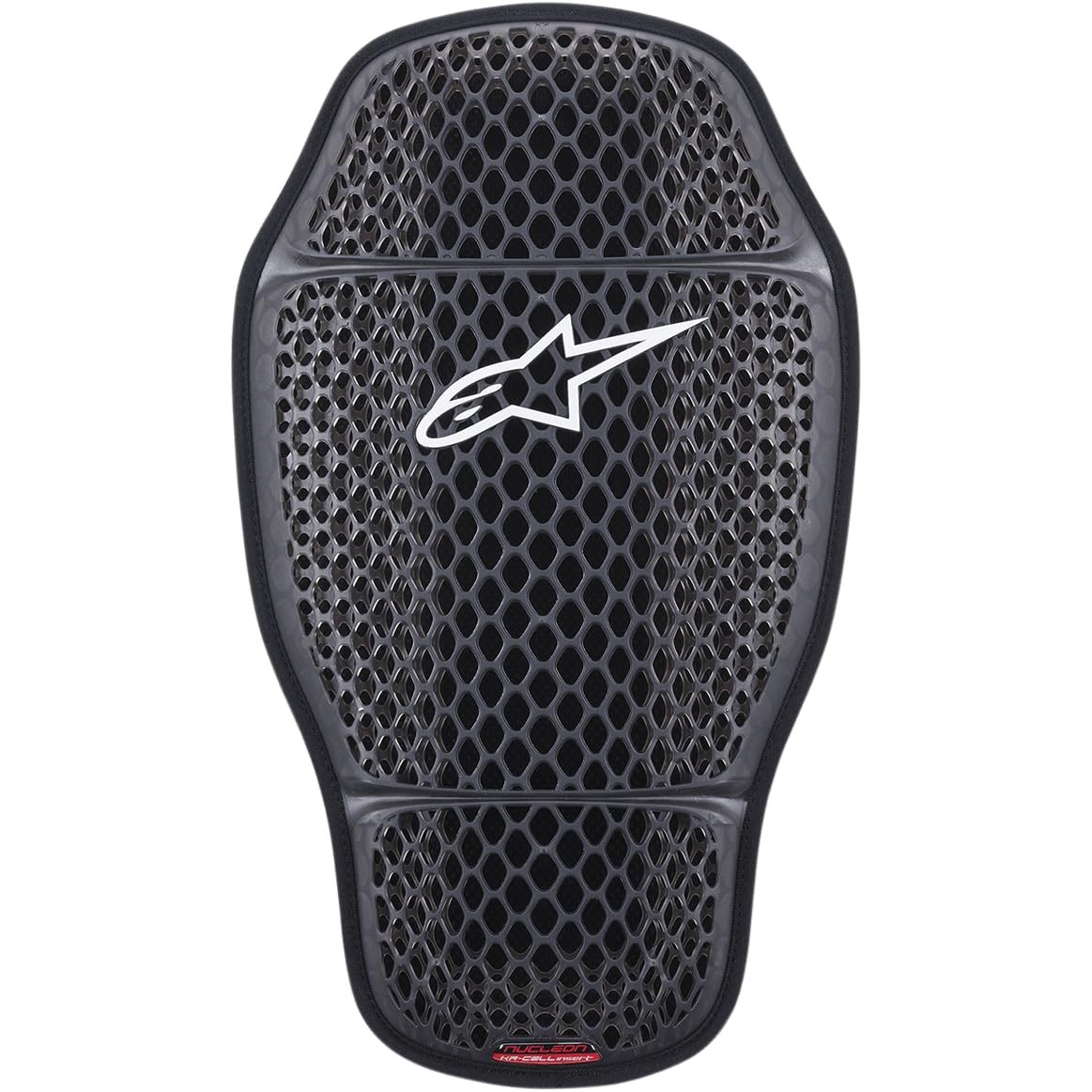
The Kr-Celli is the lighter sibling of the Kr-Cell, offering CE Level 1 certification in a slim honeycomb polymer form. It is designed as an insert that fits into Alpinestars-compatible jackets or can be worn with the included pull-on straps. At 0.65 pounds, it is a featherweight option that adds minimal bulk while still providing a tested level of spine protection.
The honeycomb lattice structure allows air to pass through the protector, keeping the rider cool, and the flexible material bends with the natural curve of the back. Users consistently say it fits well inside their existing jackets and does not restrict movement. A common note is that the insert can shift slightly inside a jacket that lacks a dedicated pocket, so a snug jacket fit is important.
Skiers who already own a jacket with a back protector pocket will find the Kr-Celli an affordable and effective upgrade over the thin foam pads some jackets ship with. It is not a standalone vest, so it is best for those who want certified protection without layering extra clothing.
Why it’s great
- CE Level 1 certified in an ultralight package
- Honeycomb construction maximizes airflow
- Flexible ergonomic shape fits most spines
Good to know
- Requires a compatible jacket or the pull-on strap kit
- No chest or side protection
7. Dialudon Snowboard Padded Shirt
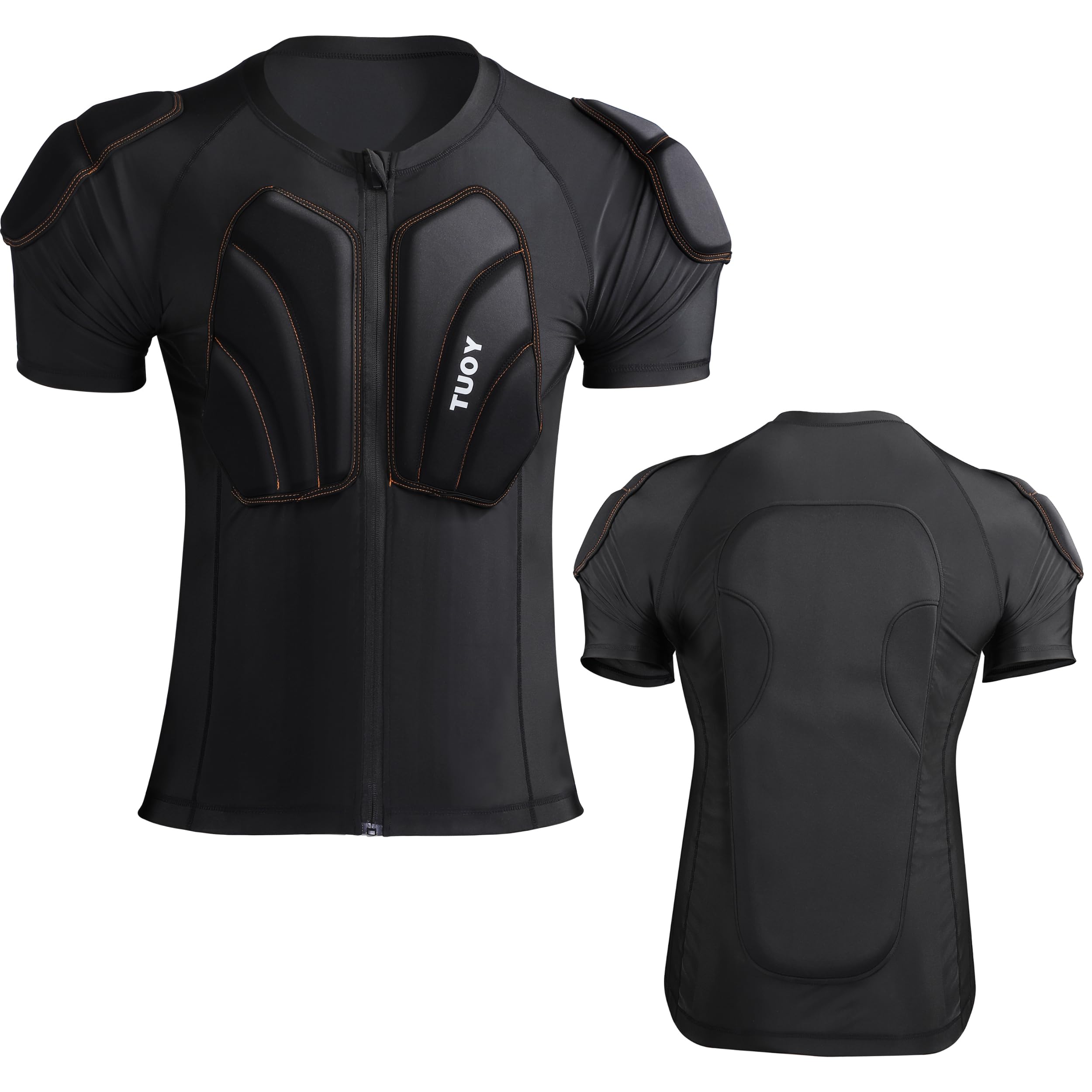
The Dialudon impact shirt is a one-piece base layer with half-inch EVA foam pads sewn into the back, spine, shoulders, and chest. It is designed as a budget-friendly all-in-one solution for snowboarding, skiing, and skating. The polyester-spandex blend is stretchy and fits like a compression shirt, keeping the pads held tightly against the body without shifting around.
The segmented back pads allow the spine to flex during forward bends, and the EVA foam provides decent impact absorption for slower-speed falls. Multiple users confirm the sizing runs small, so ordering one size up is recommended. The padding does not extend to the ribs, and the thin outer fabric is not durable enough for machine washing—hand wash only to keep the foam from degrading.
For the recreational skier who wants multi-zone coverage at an entry-level price, this padded shirt gets the job done. It is not certified, and the foam is softer than higher-end options, but it offers a lot of protection for the cost and works well under a shell jacket.
Why it’s great
- Dual back and chest padding in a single shirt
- Stretchy fabric conforms snugly for no-slip fit
- True pocket-friendly introduction to back protection
Good to know
- Runs small—measure chest before ordering
- No CE certification on the foam padding
FAQ
Do I need CE-certified back protection for skiing?
Can I wear a motocross back protector for skiing?
How should a back protector fit under a ski jacket?
Is a backpack with a built-in protector as safe as a dedicated vest?
Final Thoughts: The Verdict
For most skiers, the back protection for skiing winner is the USWE Pow 16L Backpack because it combines a certified Level 1 back protector with practical 16-liter storage for a day on the mountain. If you want Level 2 certified impact absorption in a slim package, grab the Alpinestars Nucleon Kr-Cell. And for the skier seeking a budget-friendly multi-zone padded shirt, the Dialudon Padded Shirt offers surprisingly broad coverage for the cost.