
Our readers keep the lights on and the weekend projects moving. As an Amazon Associate, I earn from qualifying purchases.
The water you drink daily shapes your hydration, digestion, and even your skin clarity — yet most bottled options come from treated municipal sources or plastic-leaching wells. Artesian water, drawn from protected underground aquifers under natural pressure, offers a mineral-rich profile that standard filtered water simply cannot replicate.
I’m Rikta — the co-founder and writer behind FitlyFast. I’ve spent hundreds of hours analyzing water source certifications, pH stability, mineral composition, and third-party testing reports to build this guide around real artesian aquifer performance.
Whether you need everyday hydration without microplastics or a naturally alkaline boost for recovery, the right artesian water comes down to source integrity, silica content, and bottle safety — factors I break down in full detail below.
How To Choose The Best Artesian Water
Not all artesian water is equal. Source depth, rock mineralogy, and bottling method drastically change what ends up in your glass. Focus on these four pillars to make the right call.
Source Origin and Aquifer Protection
True artesian water flows from a confined aquifer under natural pressure, meaning no pumping is required. Look for brands that name their specific spring or well and disclose third-party testing for contaminants like heavy metals, nitrates, and bacteria. Protected sources on remote volcanic islands or deep mountain watersheds typically offer the cleanest starting points.
Mineral Profile and Silica Content
Silica is the standout mineral in premium artesian water — levels above 50 mg/L contribute to a silky mouthfeel and may support collagen synthesis and joint health. Calcium, magnesium, and potassium round out the electrolyte profile. Avoid waters with added minerals; true artesian water earns its composition through natural rock contact underground.
pH and Alkalinity Range
Natural artesian waters typically fall between pH 7.6 and 8.4. This mild alkalinity can help buffer stomach acid and improve hydration efficiency during exercise. Be wary of brands that artificially raise pH through electrolysis — natural alkalinity from volcanic rock filtration is far more stable and bioavailable.
Packaging Integrity
Plastic bottles can leach microplastics and antimony over time, especially when stored in warm conditions. Glass bottles offer the safest vessel for long-term storage, though they add weight and shipping fragility. For plastic-packed artesian water, choose BPA-free, rPET (recycled) bottles with UV-protected packaging to preserve mineral stability.
Quick Comparison
On smaller screens, swipe sideways to see the full table.
| Model | Category | Best For | Key Spec | Amazon |
|---|---|---|---|---|
| FIJI Natural Artesian | Mid-Range | Balanced everyday hydration | 91 mg/L silica, pH 7.7 | Amazon |
| Icelandic Glacial Alkaline | Mid-Range | High-pH mineral water | pH 8.4, BPA-free rPET | Amazon |
| Waiakea Hawaiian Volcanic | Mid-Range | Sustainable eco-conscious buyers | pH 7.6–8.2, CarbonNeutral | Amazon |
| Hawaiian Springs 500mL | Premium | Pure volcanic artesian taste | pH 7.7, BPA-free | Amazon |
| Hawaiian Springs 750mL | Premium | Larger volume artesian drinking | 750mL bottles, pH 7.7 | Amazon |
| Mountain Valley Spring | Premium | Minimal microplastic intake | Glass bottles, 16.9 oz | Amazon |
| S.Pellegrino Sparkling | Premium | Carbonated mineral refreshment | Natural carbonation, glass | Amazon |
In‑Depth Reviews
1. FIJI Natural Artesian Bottled Water 1.5L (Pack of 12)
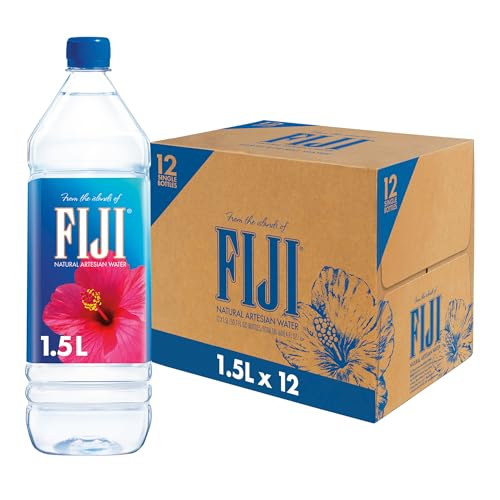
FIJI draws from a protected artesian aquifer in the remote Yaqara Valley on Viti Levu, where rainwater slowly filters through ancient volcanic rock for years before extraction. The result is a stable pH of 7.7 and a silica concentration of 91 mg/L — the highest among the artesian waters reviewed here. That silica content is what gives FIJI its signature soft, smooth texture that many drinkers describe as uniquely satisfying compared to other premium bottled waters.
Customers consistently praise its clean taste and absence of any metallic or plastic aftertaste. Multiple verified reviews mention using FIJI in fabric steamers without mineral buildup — a practical testament to its purity. The 1.5L bottles are the largest in the FIJI lineup, making this pack ideal for kitchen-counter hydration or office fridge stocking.
On the downside, the plastic bottles are not made from recycled material, and some long-time drinkers note the price has crept upward over the years. Still, for a widely available artesian water with a verified mineral profile and a loyal following, FIJI remains the benchmark against which most competitors are measured.
Why it’s great
- High natural silica for smooth mouthfeel
- Stable pH 7.7 with no chemical additives
- Proven purity from remote volcanic aquifer
Good to know
- Plastic bottles not rPET
- Premium pricing for a mid-range pack
2. Icelandic Glacial Natural Spring Alkaline Water 330mL (Pack of 30)

Sourced from the legendary Ölfus Spring in Iceland, this water emerges with a naturally alkaline pH of 8.4 — the highest baseline of any product on this list. That elevated alkalinity comes from the spring’s contact with young bedrock, not from artificial electrolysis. The water is bottled in high-grade rPET plastic, which reduces virgin plastic use significantly and keeps BPA out of the equation.
Buyers consistently describe the taste as crisp, clean, and refreshing with zero aftertaste. Multiple verified reviews call it the best-tasting water they’ve ever tried, with one switching from FIJI specifically because Icelandic Glacial felt smoother and more quenching. The 330mL size is ideal for lunchboxes or desk hydration where you want a small, portable serving.
The main drawbacks are availability and price volatility — the product frequently goes out of stock on Amazon, and the per-case cost can spike suddenly. The smaller bottle size also means you need multiple cases to match the total volume of a 1.5L pack from FIJI or Hawaiian Springs.
Why it’s great
- Highest natural pH at 8.4 for alkalinity seekers
- BPA-free rPET bottles reduce plastic waste
- Zero aftertaste or mineral residue
Good to know
- Frequent stockouts and price fluctuations
- Small 330mL bottles require bulk ordering
3. Waiakea Hawaiian Volcanic Water 1L (Pack of 12)

Waiakea sources its water from a sustainable aquifer on the slopes of Mauna Loa, where trade-wind rain filters through 14,000 feet of porous lava rock. The water emerges with a naturally alkaline pH of 7.6–8.2 and a balanced electrolyte profile including silica, calcium, and magnesium. The brand’s CarbonNeutral certification and 100% recycled bottles make it the most environmentally intentional option in this category.
Customers love the crisp, clean taste and consistently mention it as their go-to for pure hydration without any plastic-smell or chemical notes. One reviewer specifically noted the water tasted amazing with no bottle damage on arrival, praising the reliability of the packaging. The 1-liter size hits a sweet spot between individual serving and carafe refill.
A small number of buyers have reported occasional off-taste batches, possibly from shipping or storage variables. The price is slightly above entry-level, though the eco-credential alone may justify the premium for sustainability-focused drinkers.
Why it’s great
- CarbonNeutral with 100% recycled rPET bottles
- Natural alkalinity from volcanic rock filtration
- Donates clean water for every case sold
Good to know
- Occasional quality variance between batches
- Mid-tier price per ounce
4. Hawaiian Springs Natural Artesian Water 500mL (Pack of 24)
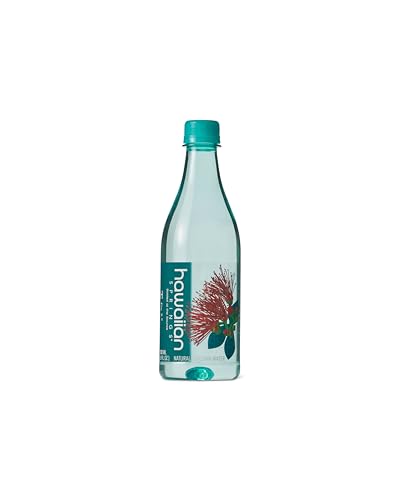
Hawaiian Springs draws from a deep artesian aquifer embedded within ancient volcanic rock on the Big Island’s Mauna Loa system — the same source region that makes Hawaiian artesian water so distinctive. The water undergoes natural filtration through 13,000 feet of porous lava, picking up calcium, magnesium, potassium, and silica along the way. The pH settles around 7.7, offering a neutral-to-slightly-alkaline profile that feels smooth and quenching without tasting minerally.
Verified reviewers consistently call it the best-tasting premium water they’ve tried, with one long-time buyer stating it outperforms FIJI, Icelandic, and Waiākea in direct taste tests. Another reviewer who switched from Gatorade to this water for daily hydration in hot Florida weather found it more satisfying and faster to quench thirst. The BPA-free bottles are fully recyclable, though the brand has not adopted rPET yet.
The biggest drawback is cost — even at Amazon pricing, Hawaiian Springs sits at a higher per-ounce price than the mid-range competitors. The 500mL size is convenient for lunchboxes and on-the-go drinking but requires buying larger cases for home use.
Why it’s great
- Superior taste praised over FIJI and Icelandic
- Rich volcanic mineral profile with silica
- BPA-free recyclable packaging
Good to know
- Higher per-ounce cost than bulk options
- Shipping weight adds up with 24-pack
5. Hawaiian Springs Natural Artesian Water 750mL (Pack of 15)
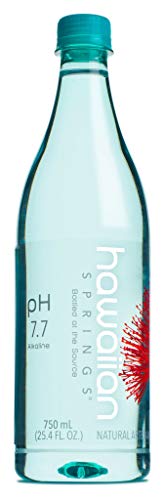
This is the same Hawaiian Springs water found in the 500mL pack, upgraded to a 750mL bottle for those who want a larger single-serving size. The source and mineral profile are identical — the N.E. Mauna Loa aquifer delivers the same naturally filtered artesian water with a pH around 7.7 and its characteristic clean, smooth taste. The 15-count case is lighter and easier to store than the 24-count 500mL version.
Customer feedback matches the smaller format: consistent praise for being the best-tasting water among premium brands, with multiple users specifically preferring it over FIJI, Icelandic, and Waiākea. One buyer in Florida reported switching to this water from Gatorade for daily hydration in high heat and found it more effective at quenching thirst without the sugar. The BPA-free bottles are a must for those avoiding plastic chemicals.
The main consideration is value — this is a premium-tier product with a corresponding per-ounce cost that is noticeably higher than mid-range options like FIJI or Waiakea. The 750mL size also means fewer total servings per case compared to the 500mL 24-pack, so factor your daily consumption needs before committing.
Why it’s great
- Identical high-quality artesian water in larger bottle
- Preferred taste over multiple premium competitors
- BPA-free recyclable plastic
Good to know
- Premium per-ounce pricing
- 15-pack provides less total volume than 24-pack
6. Mountain Valley Spring Water Glass Bottles 16.9 oz (Pack of 12)
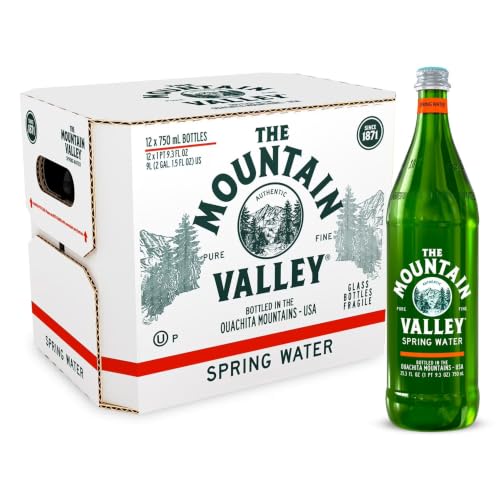
Mountain Valley comes from a natural spring in the Ouachita Mountains of Arkansas, bottled in glass rather than plastic. Glass eliminates any risk of microplastic or antimony leaching into your water, making this the safest vessel for daily hydration. The water itself has a clean, natural taste with a crisp texture that reviewers describe as refreshing and pure — exactly what you expect from a protected spring source.
Buyers who switched to glass-bottled water specifically to avoid plastic chemicals praise Mountain Valley for its taste and peace of mind. One reviewer noted the water is excellent for health-conscious drinkers who are concerned about microplastics from standard PET bottles. The 16.9 oz size is a standard single serving, perfect for lunch or a workout companion.
Shipping glass bottles on Amazon has been inconsistent — a small number of buyers report broken bottles on arrival, though many others say the packaging was superb. The per-bottle cost is higher than plastic-packed options, and the 12-pack provides limited total volume compared to larger cases. However, if glass purity is your top priority, this is the strongest option available.
Why it’s great
- Zero plastic contact — pure glass bottle
- Clean, crisp natural spring taste
- No microplastic or chemical leaching risk
Good to know
- Shipping fragility with glass bottles
- Limited 12-count case at higher per-ounce cost
7. S.Pellegrino Sparkling Natural Mineral Water Glass Bottles 8.45 oz (24 Count)
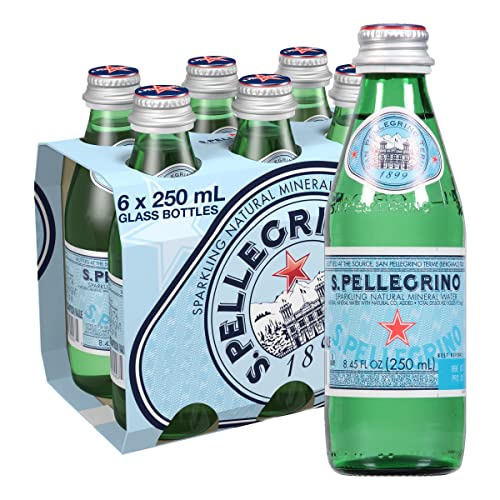
S.Pellegrino is not an artesian water in the strict sense — it is a naturally carbonated mineral water from the San Pellegrino Terme spring in Italy. The natural carbonation and mineral salts (calcium, magnesium, bicarbonates) give it a crisp, clean sparkle that pairs well with meals and serves as a sugar-free soda alternative. Bottled in glass, it avoids plastic altogether.
Verified buyers consistently praise the packaging: heavy-duty bubble wrap and sturdy boxes ensure the glass bottles arrive intact, even for 24-count cases. The expiration dates are typically two years out, reflecting excellent inventory management. Reviewers who rely on S.Pellegrino as a daily sparkling water note that the carbonation level is consistent and the taste never falls flat.
The 8.45 oz size is small — roughly one standard serving — so heavy sparkling water drinkers will need multiple cases. It is also the highest-priced option per ounce in this roundup, making it a premium indulgence rather than a daily hydration workhorse. For still-water drinkers, this is not a replacement for artesian water; for sparkling fans, it is the gold standard.
Why it’s great
- Natural carbonation with mineral enrichment
- Glass bottle eliminates plastic concerns
- Excellent shipping protection reported
Good to know
- Small 8.45 oz bottles for the price
- Not suitable as a still water replacement
FAQ
What makes artesian water different from spring water?
Does the 91 mg/L silica in FIJI water really benefit joints?
How does natural alkalinity differ from artificial alkaline water?
Is plastic or glass better for artesian water storage?
Final Thoughts: The Verdict
For most users, the artesian water winner is the FIJI Natural Artesian 1.5L Pack because it delivers high silica content, a stable pH of 7.7, and consistently pure taste at a reasonable per-ounce cost for a premium water. If you want the highest natural alkalinity with sustainable packaging, grab the Icelandic Glacial 330mL 30-Pack. And for glass-bottle safety and zero plastic exposure, nothing beats the Mountain Valley Spring Water.