
Our readers keep the lights on and the weekend projects moving. As an Amazon Associate, I earn from qualifying purchases.
For years, lifting shoes and running trainers have numbed your feet with thick foam and narrow toe boxes, weakening your natural arch muscles and destabilizing every squat or lunge you perform. The solution is straightforward: a zero-drop platform with a wide toe box that lets your toes splay naturally and a flexible sole that demands your foot’s intrinsic muscles work as intended.
I’m Rikta — the co-founder and writer behind FitlyFast. I’ve analyzed dozens of materials, outsole flex patterns, and third-party wear-test data to separate actual barefoot mechanics from shoes that just look minimalist but still compress your toes.
Whether you are transitioning from traditional footwear or want to sharpen your lifting and bodyweight form, the right construction keeps your metatarsals grounded and your 0mm drop consistent under load. This guide breaks down the best barefoot workout shoes by ground feel, durability, and toe-room geometry so you stop buying foot casts disguised as performance shoes.
How To Choose The Best Barefoot Workout Shoes
Every barefoot shoe is sold on the promise of natural movement, but the deciding differences lie in three measurable factors: stack height, toe-box volume, and outsole flexion pattern. Ignoring these leads to buying a shoe that looks barefoot but feels like a stiff plank with a pointy front.
Stack Height and Ground Feel
Stack height is the distance from the ground to your footbed. A true barefoot shoe sits under 10mm of stack — many minimalist models hover around 5–7mm. Every millimeter you add reduces proprioception, making your ankles lazier and your squat depth less stable. For deadlifts and overhead presses, you want as close to zero stack as possible to keep your center of mass directly over your midfoot.
Toe Box Width and Shape
Look for a “foot-shaped” toe box — rounded on the medial side with enough lateral volume to let the pinky toe spread fully. A common trap is measuring width only by letter (D, E, 2E) without checking the actual interior shape: many wide shoes taper aggressively at the front, crushing toes under load. The best shoes in this category provide at least 20mm of internal width across the widest part of the forefoot.
Outsole Flex and Traction Pattern
Outsole flexibility means the shoe should bend easily at the ball of the foot (45–55 N force to flex is ideal) while remaining torsionally stiff enough to stabilize side-to-side movement in lunges and lateral work. Cheaper outsoles use a single rubber compound that hardens in cold — premium models use segmented lugs or high-friction blown rubber that grips gym mats and pavement without sacrificing pliability.
Quick Comparison
On smaller screens, swipe sideways to see the full table.
| Model | Category | Best For | Key Spec | Amazon |
|---|---|---|---|---|
| Vivobarefoot Primus Lite III | Premium Barefoot | Lifting & running transitions | 3mm stack, 0mm drop, 200g weight | Amazon |
| FLUX FOOTWEAR Adapt Runners | Premium Minimalist | All-day wear + gym | 6mm stack, removable insole | Amazon |
| ALTRA Lone Peak 8 | Premium Trail | Hiking & trail running | 25mm stack, FootShape™ toe box | Amazon |
| Xero Shoes Prio Neo (W) | Mid-Range | Transitioning to barefoot | 5.5mm stack, removable insole | Amazon |
| Xero Shoes Prio Suede (M) | Mid-Range | City walking & light gym | 5.5mm FeelTrue® sole | Amazon |
| New Balance Minimus Tr V2 | Mid-Range | Cross-training & P90x | Zero drop, 4mm sole | Amazon |
| NORTIV 8 Whitney | Entry-Level | Budget trail & walking | 5mm drop, wide toe box | Amazon |
In‑Depth Reviews
1. Vivobarefoot Primus Lite III

The Vivobarefoot Primus Lite III sets the standard for a barefoot shoe that does not feel flimsy. With a 3mm outsole stack and zero drop, it delivers the most direct ground connection you can get while still offering enough rubber for gym floor grip and treadmill transition. The ultra-thin construction (about 200g per shoe) means your foot moves freely during lunges, squats, and box jumps without the sensation of strapping planks to your soles.
Users who logged over 750 running miles in a single pair report that shin splints and patella pain vanished after adapting to the barefoot stride. The upper is a breathable, lightweight recycled mesh that fits snugly around the midfoot, but the toe box provides genuine anatomical splay — no taper at the pinky toe. The only durability complaint is that the big toe area can wear through after high mileage, though owners fix this with simple thread stitching.
For heavy-duty gym sessions, this shoe excels because it forces your foot to handle stabilization internally rather than relying on foam to correct your mechanics. If you want a single pair that works for daily training, running, and casual wear, the Primus Lite III is the most performance-oriented choice in this category.
Why it’s great
- Zero-drop and 3mm stack for maximum proprioception.
- Anatomical toe box with no lateral taper for natural splay.
- Eliminates shin and knee pain after adaptation.
Good to know
- Big toe area can wear through after extended use.
- Premium price reflects the specialized design.
- Requires a transition period for calf strength.
2. FLUX FOOTWEAR Adapt Runners
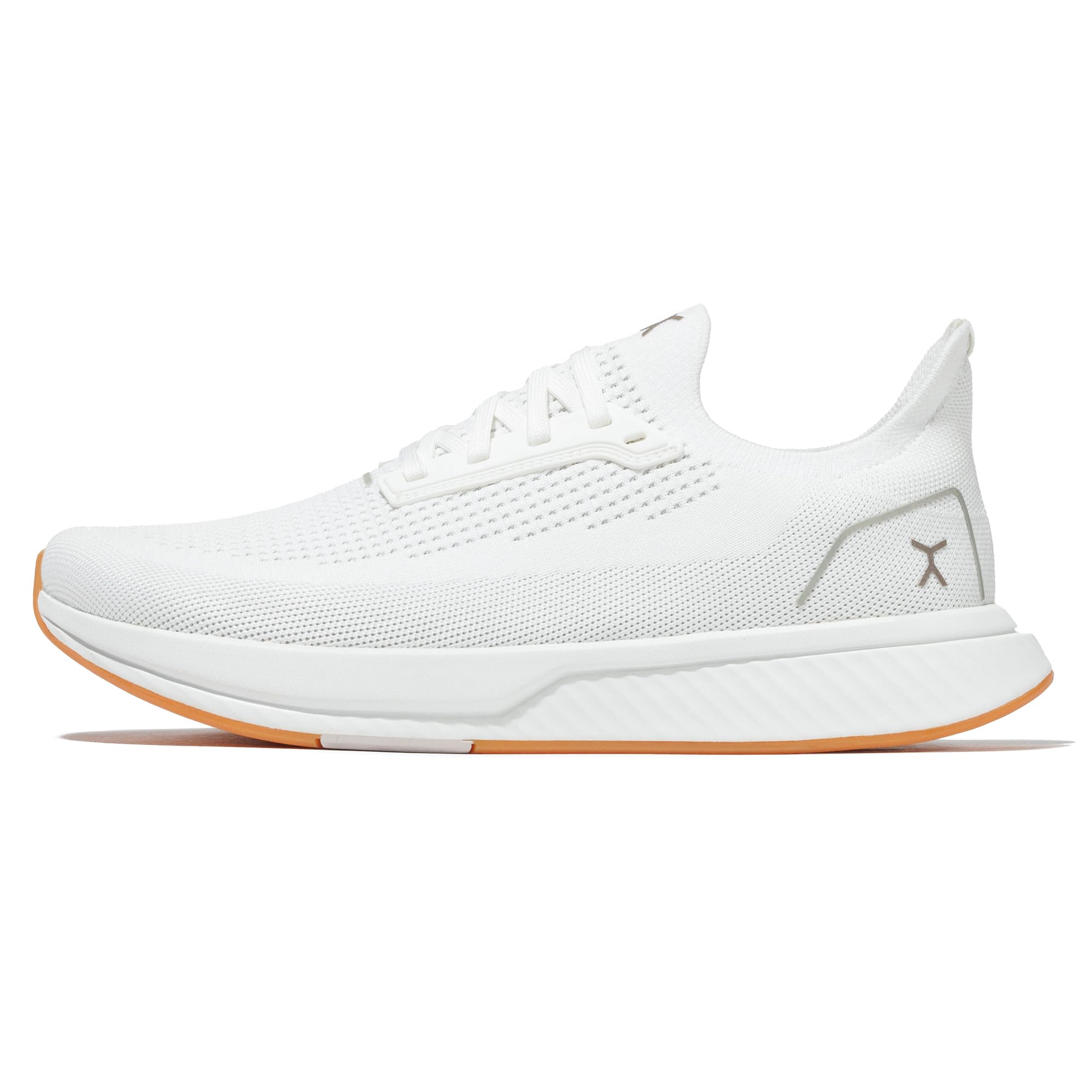
The FLUX FOOTWEAR Adapt Runners strike a rare balance between barefoot ground feel and year-round wearability. Its 6mm stack is slightly thicker than ultraminimalist options, but the zero-drop platform and removable insole let you dial in exactly how much ground feedback you want. Many runners report the shoe feels supportive for flat feet and post-surgery recovery because the wide toe box eliminates pressure on the metatarsal heads.
Users who walk 15,000 steps a day in these shoes note that they break in quickly — within two weeks the outsole relaxes and conforms to the foot’s natural gait cycle. The outsole uses a high-durability compound that holds up well on pavement; multiple reviewers have worn their pairs for four years without delamination. One common caution is that the shoes run about half a size small, so sizing up is advisable for proper toe room.
This is the best option for anyone who needs a barefoot shoe that transitions seamlessly from the gym to a full workday on their feet. The construction is durable enough for high-volume walking but flexible enough for dynamic lunges and light resistance training.
Why it’s great
- Removable insole allows customization of ground feel.
- Durable outsole holds up for years of daily wear.
- Wide toe box ideal for flat feet and metatarsal relief.
Good to know
- Runs half a size small; size up for proper fit.
- Initial stiffness requires a short break-in period.
- Higher price point but justified by longevity.
3. ALTRA Lone Peak 8
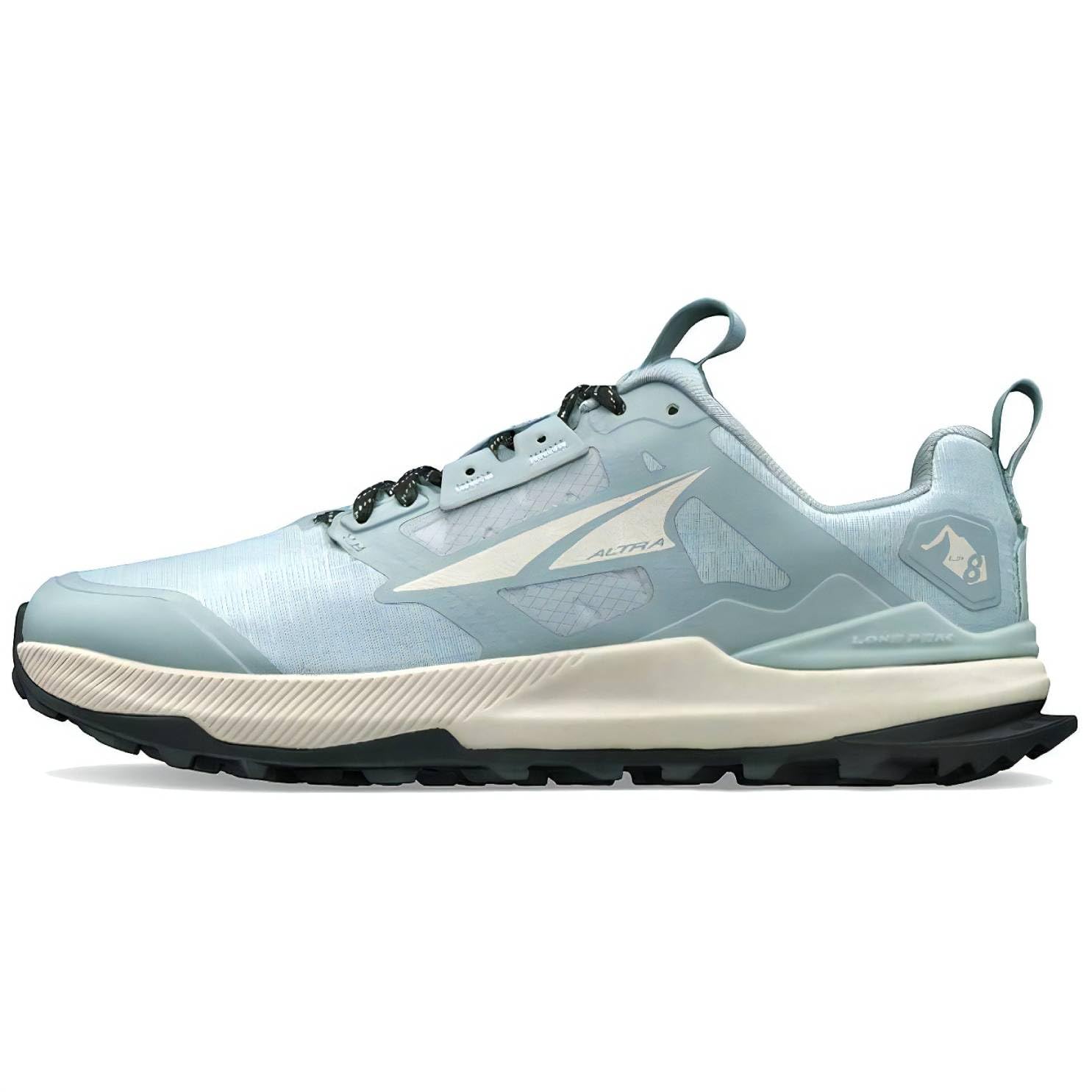
The ALTRA Lone Peak 8 is not a true barefoot shoe by stack height (it sits at 25mm), but its zero-drop platform and FootShape™ toe box make it the most foot-friendly option for trail running and hiking without sacrificing underfoot protection for rockier terrain. The wide toe box prevents “hiker’s toe” — blackened or bruised toenails from repetitive downhill jamming — and many users report no foot fatigue after 5+ miles of steep, technical trails.
The MaxTrac outsole compound delivers excellent traction on loose dirt, gravel, and rock slabs, and the toe guard strip improves durability against snags. Multiple long-term fans have purchased the Lone Peak as their sixth consecutive pair because the internal volume accommodates custom orthotics without compressing the arches, making it a reliable choice for high-volume feet.
If your primary workout environment is outdoor trails rather than a gym floor, this shoe provides the ground feel of zero drop with the extra stack needed for sharp rocks and long descents. It is the most protective option in this list while still encouraging natural foot strike patterns.
Why it’s great
- FootShape™ toe box eliminates toe jamming on descents.
- MaxTrac outsole provides stellar grip on loose and wet trails.
- Durable toe guard and gaiter-compatible design.
Good to know
- 25mm stack reduces ground feel compared to true barefoot shoes.
- Best suited for trail use, less ideal for gym lifting.
- Some users prefer half a size up for toe room.
4. Xero Shoes Women’s Prio Neo
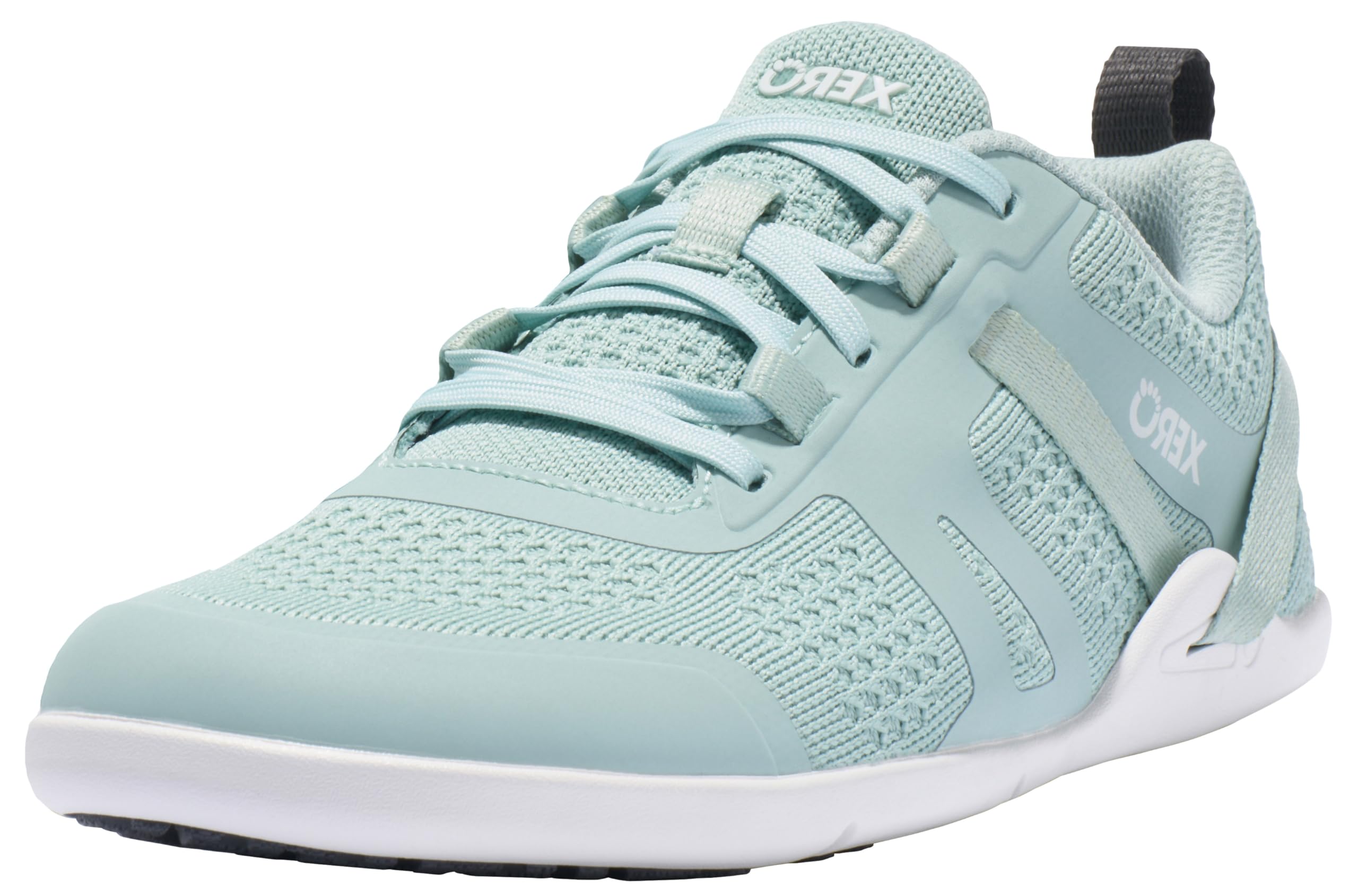
The Xero Shoes Women’s Prio Neo is engineered as a bridge from heavily cushioned trainers to barefoot mechanics. Its 5.5mm FeelTrue® sole provides just enough protection for pavement and indoor surfaces while still allowing you to feel the floor during deadlifts. Users who transitioned from Brooks Glycerine models report that the zero-drop platform forced them to shift from heel-striking to midfoot landing, which resolved chronic hip and knee pain over several weeks.
The upper is a stretchy, breathable knit that wraps the midfoot securely without pressure points, and the removable insole allows you to progress from partial to full barefoot feel. The wide toe box accommodates Morton’s toe and hammer toes without irritating the dorsal surface. One practical note: the shoelaces are excessively long, which can trip the wearer if not double-knotted or trimmed.
This is the smartest choice for first-time barefoot shoppers who know they need a gradual transition rather than jumping straight to a 3mm stack. The Prio Neo strikes an excellent compromise between protection, adaptability, and style for both gym floors and daily errands.
Why it’s great
- Removable insole enables a gradual transition to barefoot.
- Stretchy knit upper wraps comfortably without rubbing.
- Wide toe box accommodates Morton’s toe and hammer toes.
Good to know
- Shoelaces are very long; needs double-knot or trim.
- Appears smaller than same-size traditional shoes but fits correctly.
- Limited to warm-weather use due to breathable upper.
5. Xero Shoes Men’s Prio Suede
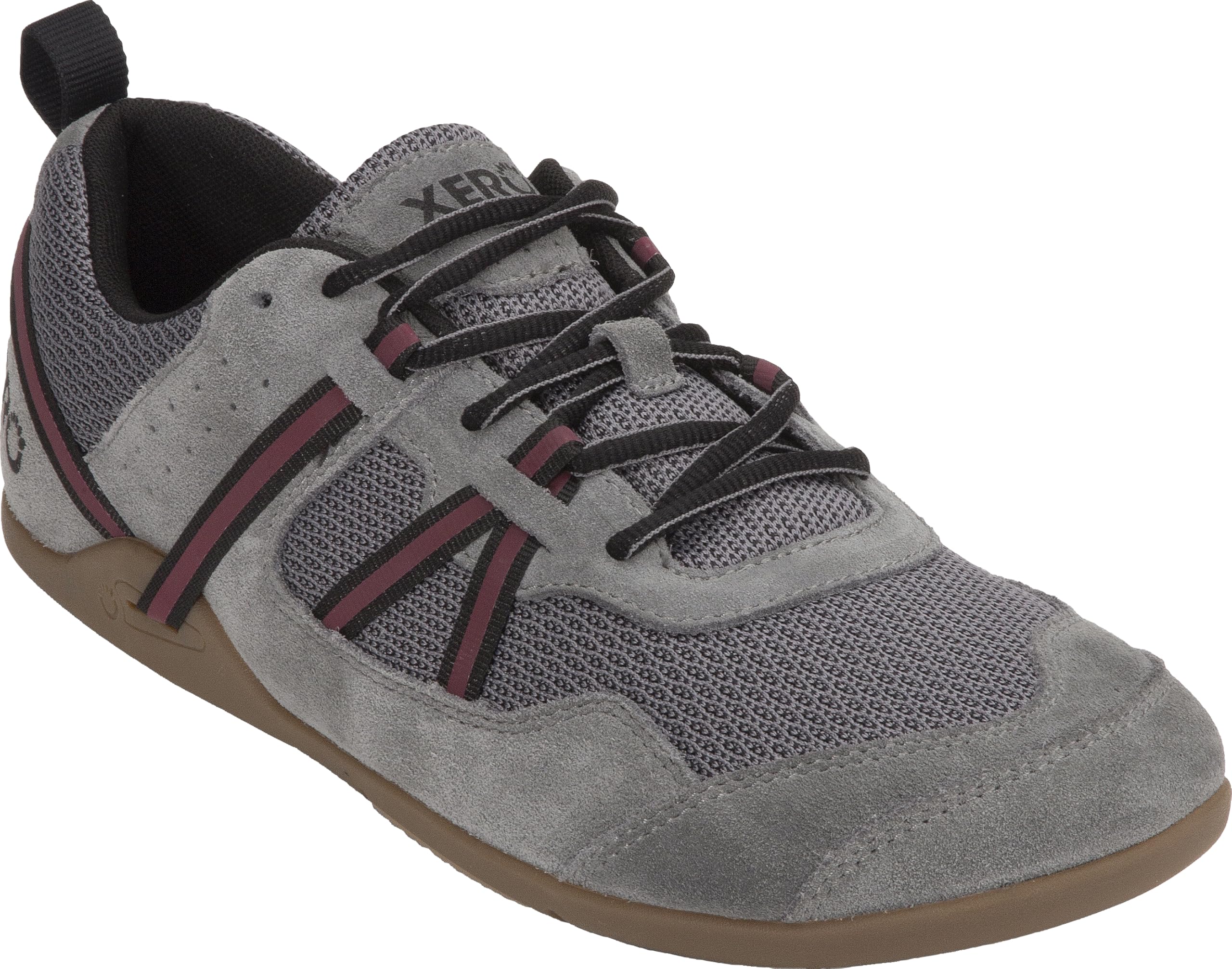
The Xero Shoes Men’s Prio Suede merges the zero-drop, barefoot platform with a suede upper that hides its minimalist nature in plain sight. The 5.5mm FeelTrue® sole delivers enough ground feedback for proper squat mechanics while the suede material adds a layer of durability and style that works in casual settings. Users who wore them for daily city walking report improved posture and reduced limping after extended use.
The wide toe box is especially generous for high-volume feet, but the huarache-style strap system can feel weak under heavy lateral load — some reviewers note the webbing lacks the rigidity needed for aggressive cutting or side-to-side drills. The outsole grip is sufficient for gym mats and dry pavement, but the rubber is notably slippery on oily or wet vinyl surfaces, so caution is advised in commercial gyms with polished floors.
This shoe is best for those who want an unobtrusive barefoot shoe for moderate gym work (deadlifts, pull-ups, bodyweight exercises) and comfortable daily wear rather than high-impact running or heavy cross-training. It offers excellent value for the quality of its upper construction.
Why it’s great
- Suede upper blends barefoot function with everyday style.
- Wide toe box accommodates high-volume and orthotic feet.
- Zero-drop platform improves posture and gait mechanics.
Good to know
- Strap system is weak for lateral movements and cutting drills.
- Outsole is slippery on wet or oily smooth surfaces.
- Not suitable for long-distance running or cold weather.
6. New Balance Minimus Tr V2

The New Balance Minimus Tr V2 is a purpose-built cross-trainer that returns to the barefoot roots of the original Minimus lineage. With a zero-drop platform and a thin, flexible 4mm outsole, it provides excellent ground feel for deadlifts, squats, and P90x-style routines. The Vibram outsole delivers reliable traction on gym mats, and the lightweight construction (around 170g) keeps the shoe unobtrusive during burpees and box jumps.
Sizing is the most critical detail: the Tr V2 runs about half a size small, and many users recommend ordering a full size up with a wide width to match the toe box dimensions of earlier versions. The neoprene tongue can slide during aggressive movements, and some reviewers note that the internal volume is less accommodating for those with very wide forefeet compared to the original model. However, the grip and stability for lateral work are excellent for the price range.
This shoe is ideal for the gym-goer who wants a dedicated training shoe that does not double as a road runner. It prioritizes flexibility and traction over cushioning, making it a solid mid-range pick for strength-focused barefoot training.
Why it’s great
- Zero-drop and thin 4mm sole provide excellent ground feedback.
- Vibram outsole offers reliable grip on gym surfaces.
- Very lightweight for dynamic training movements.
Good to know
- Runs half a size small; must order up and/or wide.
- Neoprene tongue can slide during lateral exercises.
- Not appropriate for long-distance running or hiking.
7. NORTIV 8 Men’s Wide Toe Box Trail Running Shoes Whitney
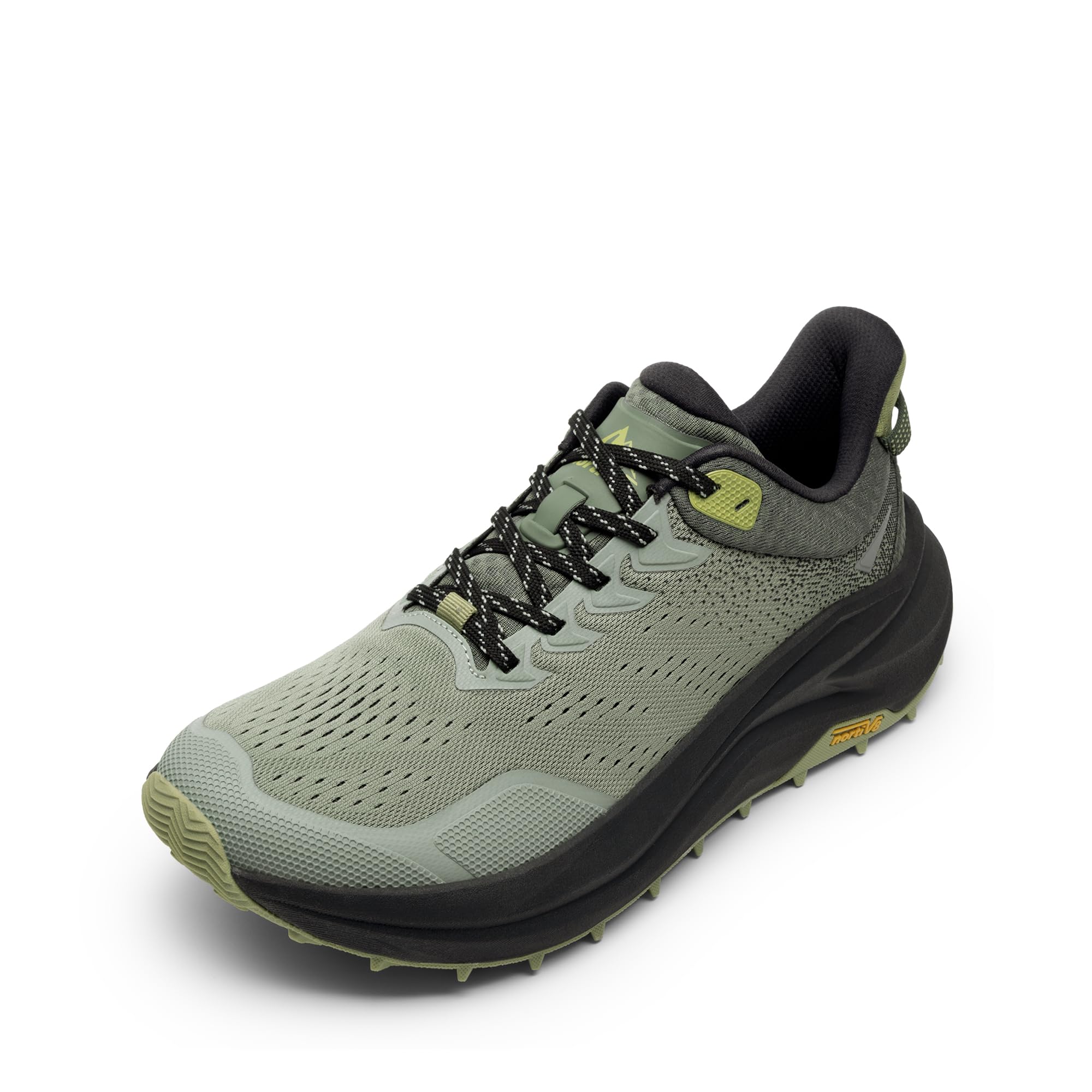
The NORTIV 8 Whitney is not a true zero-drop barefoot shoe (it has a 5mm drop), but it offers an extremely wide toe box at an entry-level price point that reduces toe friction and allows natural splay for walkers and hikers. Users in healthcare or retail who stand 8+ hours daily report that the roomy forefoot cuts toe irritation by over 75% compared to conventional shoes, and the outsole lugs provide solid grip on loose dirt and mud.
The midsole has more firmness than minimalist purists want — it is not designed to flex like a 3mm barefoot shoe — but the stability for hiking and walking is impressive for the cost. Multiple reviewers have logged 300+ trail miles on a single pair, noting that the tread and upper construction hold up well. The main trade-offs are the heavy overall weight (it feels clunkier than true barefoot models) and a design that some call visually unrefined.
If you are curious about barefoot footwear but need a budget-friendly starting point, or if you simply need a wide toe box for foot pain relief without committing to zero drop, the NORTIV 8 is a functional gateway shoe.
Why it’s great
- Extremely wide toe box reduces friction and toe pain.
- Aggressive outsole lugs grip well on trails and mud.
- Long-lasting construction for the entry-level price.
Good to know
- 5mm drop and thick midsole reduce ground feel.
- Heavier than dedicated minimalist or barefoot models.
- Limited to walking, hiking, and light gym use.
FAQ
Can I use barefoot shoes for heavy squats and deadlifts?
How long does it take to transition to barefoot workout shoes?
What is the difference between barefoot and minimalist shoes?
Final Thoughts: The Verdict
For most users, the best barefoot workout shoes winner is the Vivobarefoot Primus Lite III because it combines a 3mm stack, zero drop, and an anatomical last that does not sacrifice durability for ground feel — ideal for lifting, running, and daily wear. If you want all-day comfort with the option to customize ground feedback, grab the FLUX FOOTWEAR Adapt Runners. And for heavy trail mileage where protection and zero drop both matter, nothing beats the ALTRA Lone Peak 8.