
Our readers keep the lights on and the weekend projects moving. As an Amazon Associate, I earn from qualifying purchases.
Long hours on concrete, linoleum, or tile can leave your lower back aching and your arches feeling flattened by midday. The right pair of work shoes doesn’t just soften the blow—it realigns your stance so standing eight to twelve hours becomes something you can manage without counting minutes until your next sit-down.
I’m Rikta — the co-founder and writer behind FitlyFast. I’ve spent countless hours combing through customer feedback and technical specs to separate shoes that merely look supportive from those that genuinely reduce fatigue for all-day standing.
After evaluating arch support systems, midsole density, and real-world endurance across dozens of models, the list of truly effective affordable shoes for standing all day is surprisingly short—and these seven earn their place.
How To Choose The Best Affordable Shoes For Standing All Day
Cheap cushioning that collapses after two weeks is a waste, but so is overpaying for a brand name when a mid-range shoe with proper foam density and arch geometry does the same job. Focus on how the shoe handles compressive force hour after hour, not just how plush it feels in a store.
Arch Support That Matches Your Foot
Flat feet need firm medial support to prevent the arch from collapsing inward, while high-arched feet require a pronounced curve to distribute load evenly. Removable insoles let you swap in orthotics, but the shoe’s internal shape must already provide a stable platform—mushy footbeds that flatten under body weight are useless for standing.
Midsole Composition and Density
EVA foam is lightweight but can compact within months; polyurethane or dual-density foams retain rebound longer. For standing, look for a midsole that feels firm under thumb pressure—too soft means your foot sinks and stabilizer muscles work overtime to keep you upright.
Outsole Grip for Wet Floors
Kitchens, hospitals, and warehouses demand slip resistance. A rubber outsole with a textured tread pattern (not smooth or shallow logos) grabs linoleum and tile. If your work involves liquids or polished concrete, skip lifestyle sneakers and look for models marketed with slip-resistant outsoles.
Quick Comparison
On smaller screens, swipe sideways to see the full table.
| Model | Category | Best For | Key Spec | Amazon |
|---|---|---|---|---|
| Gravity Defyer G-Defy Energiya | Premium | Arch pain & plantar fasciitis relief | VersoShock spring system / 2.1 lb | Amazon |
| Skechers Max Cushioning Premier Vantage 2.0 | Premium | Maximum soft-step cushioning | Ultra-soft EVA midsole / 9.5 oz | Amazon |
| Dansko Pearson Clogs | Premium | Hospital & kitchen all-day shifts | Rocker sole + arch support / 1.5 lb | Amazon |
| Skechers Max Cushioning Glide Step Slip-ins | Mid-Range | Hands-free convenience + impact absorption | Glide-Step motion / 2.1 lb | Amazon |
| New Balance 608 V5 | Mid-Range | Wide feet and orthotic-friendly fit | PU midsole / 2.4 lb | Amazon |
| Skechers Uno – Stand On Air | Mid-Range | Budget-friendly all-day style | Air-cushioned heel / 2.16 lb | Amazon |
| Dr. Scholl’s Be True Court | Budget | Machine-washable everyday walking | Insole Technology / wide toe box | Amazon |
In‑Depth Reviews
1. Gravity Defyer G-Defy Energiya

Gravity Defyer’s patented VersoShock system uses a spring-like mechanism in the heel that compresses on impact and releases stored energy to push your foot forward, changing how your skeleton absorbs ground force. Multiple users report that arch and heel pain subsided within days, even for those with flat feet who previously required custom orthotics. The wide toe box gives toes room to splay naturally, which reduces pressure on the metatarsal heads during long stationary stands.
At nearly 2.2 pounds per shoe, these aren’t ultralight, but the weight is distributed evenly through a thick, firm sole that doesn’t bottom out. The outsole’s fine crosshatch pattern is the one functional flaw—it picks up gravel and small debris that get lodged in the tread, reducing grip on smooth indoor floors until you pick the pebbles out. For warehouse or outdoor mixed use, the traction remains adequate, but hospital staff may find the debris-trapping annoying.
Order a half size up compared to your usual sneaker size, as the toe box runs snug for some foot shapes despite its width. Users at 215 pounds and above praise the shoe’s ability to support standing 10-hour shifts without foot fatigue, and multiple buyers reported their second pair after the first wore out through daily use.
Why it’s great
- VersoShock spring system dramatically reduces heel and arch pain
- Wide toe box accommodates splay and orthotics
- Firm arch support relieves plantar fasciitis in days
Good to know
- Sole grid pattern traps small stones and gravel
- Heavier than typical cross-trainers at 2.1+ lb per shoe
- Size up half a full size for best fit
2. Skechers Max Cushioning Premier Vantage 2.0

Skechers Max Cushioning lives up to its name with an extra-thick layer of lightweight EVA foam that delivers a plush, cloud-like landing with every step. Several long-term wearers compare the comfort directly to Hoka’s premium cushioning, noting zero break-in period needed. The breathable mesh upper keeps feet cool during extended wear in warm environments, and the weight is notably low for the amount of foam underfoot.
The durability concern emerges around month seven, with multiple reports of stitching separating at the pinky toe area on both shoes. This suggests the upper construction isn’t equally robust to the midsole, which still feels supportive even after the cosmetic failure. For buyers who rotate shoes or don’t exceed 6-8 hours daily, the lifespan may stretch longer, but heavy daily users should inspect the toe stitching periodically.
Fit runs true to length, but the standard width may feel snug for wide feet—buyers with broad forefeet are advised to select the wide size option. The outsole uses a smooth carbon rubber pattern that handles dry pavement and indoor floors well but lacks aggressive tread for wet or slippery surfaces. Overall, it’s a excellent choice for those who prioritize soft-step feel over midfoot arch rigidity.
Why it’s great
- Ultra-plush EVA midsole rivals premium brands like Hoka
- Lightweight despite thick cushioning layer
- Breathable mesh upper reduces heat buildup
Good to know
- Toe stitching may separate after several months of daily use
- Not ideal for wet or slick floor traction
- Wide footers should order the wide size option
3. Dansko Pearson Clogs
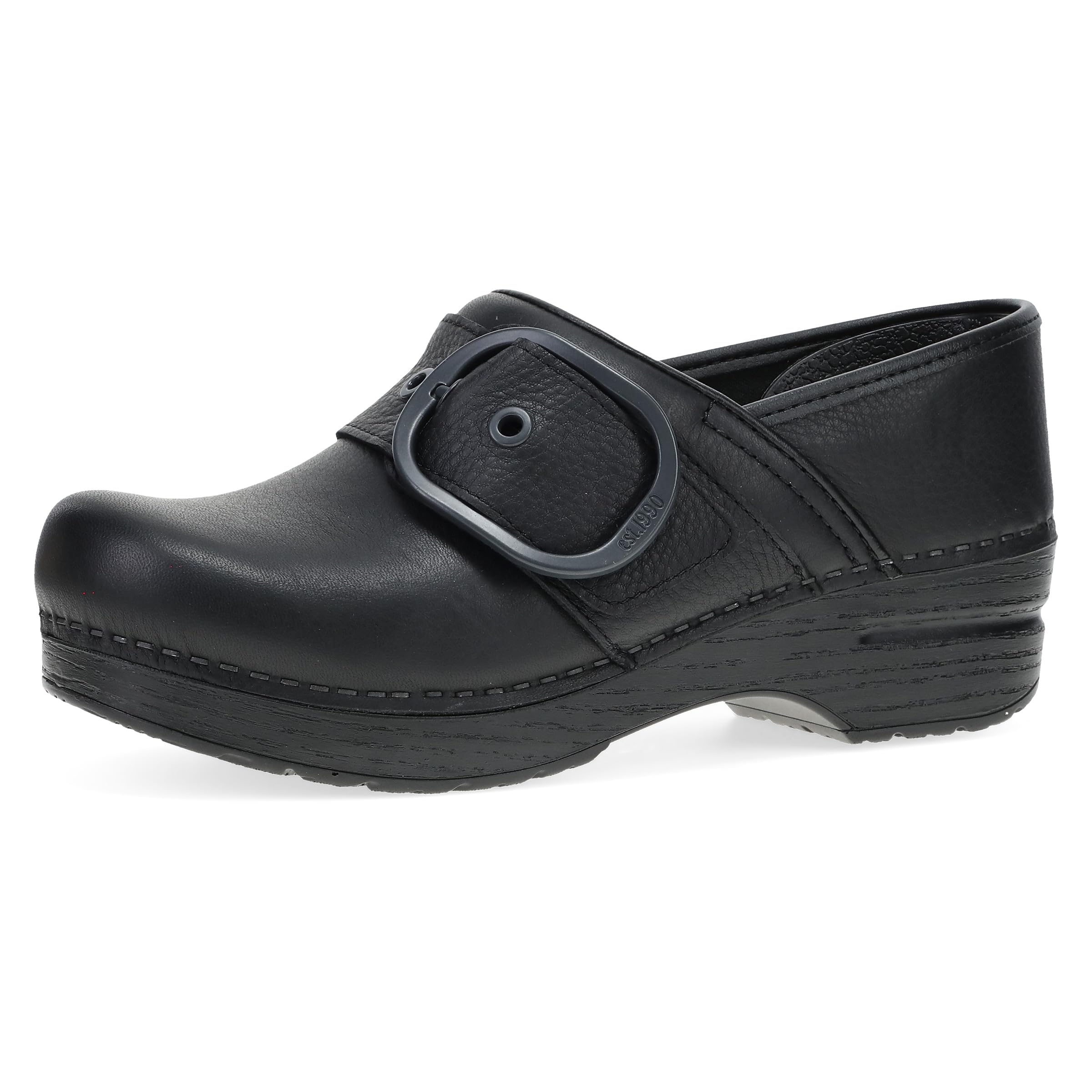
Dansko’s rocker sole design is engineered for the standing professional—the curved bottom gently rolls your foot forward with each step, reducing the work your calf and shin muscles do to maintain forward momentum. Hospital workers in particular report completing full 12-hour shifts without the lower-back ache typical of flat-soled footwear. The arch support is firm and built into the footbed, delivering acupressure-like sensation that effectively counteracts plantar fasciitis pain.
The leather upper is high-quality but runs large—most buyers need to size down a full size from their typical sneaker size. The adjustable buckle offers some width accommodation, but reviewers note these are best for medium-width feet; wide or very narrow feet may find the fit either too sloppy or too compressed. The open heel allows the foot to move naturally while the rocker controls the step, but some users find the heel feels too roomy even when sized down.
After break-in, the stiff leather softens slightly but retains its structured shape, making these a long-term investment rather than a quick comfort fix. The outsole provides solid grip on tile and linoleum, though the leather upper is not waterproof and scuffs easily on rough surfaces. For anyone spending most of their shift standing on hard flooring, this is a premium option that pays for itself in reduced joint fatigue.
Why it’s great
- Rocker sole reduces calf and back fatigue during long stands
- Firm arch support provides acupressure-like plantar fasciitis relief
- High-quality leather with adjustable buckle for secure fit
Good to know
- Runs a full size large—size down
- Best for medium-width feet; not ideal for wide or narrow
- Leather scuffs easily and is not waterproof
4. Skechers Max Cushioning Glide Step Slip-ins
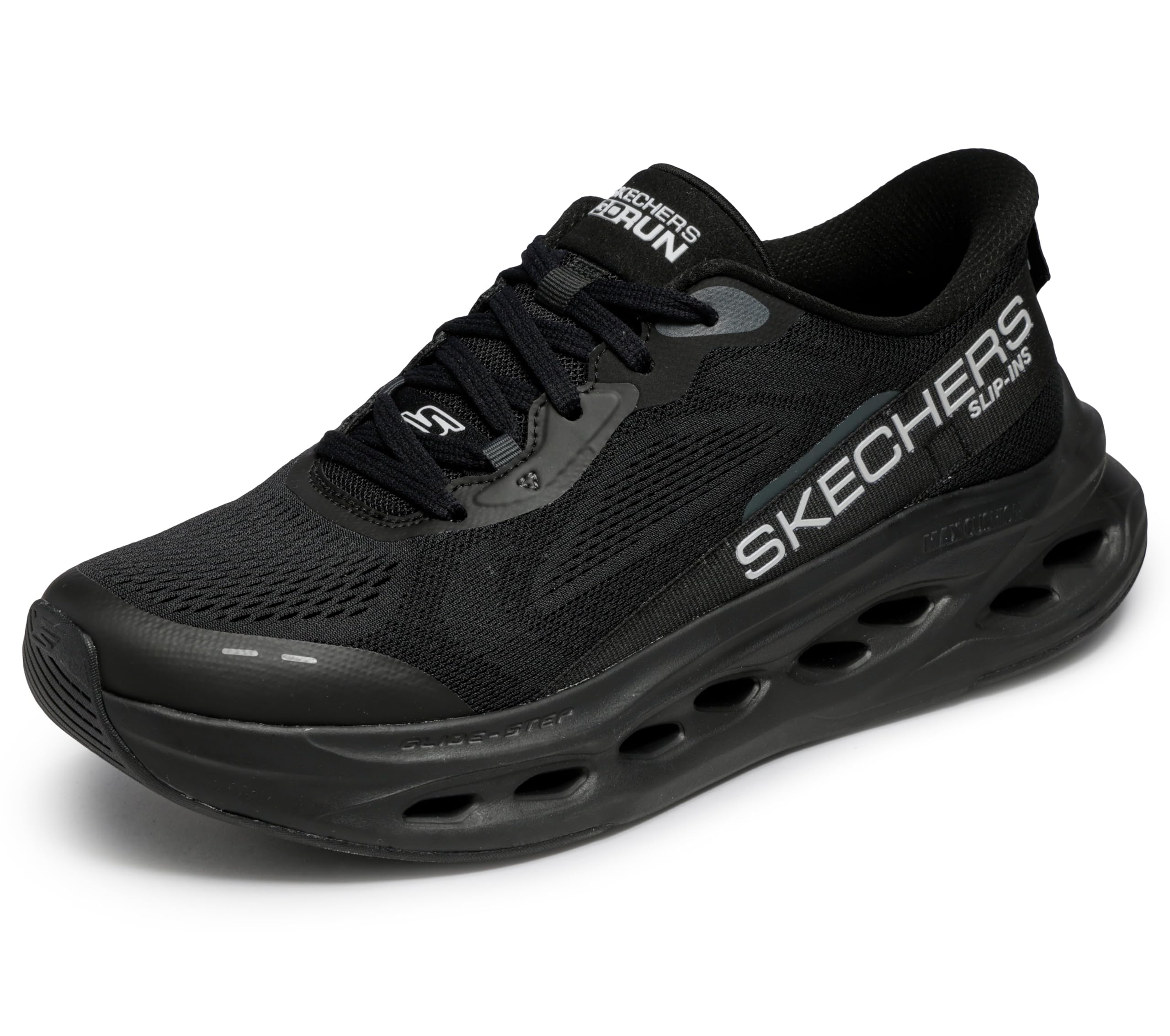
Skechers’ hands-free slip-in design uses a molded heel panel that collapses under foot pressure and springs back, allowing you to step in without bending over or touching the shoe. This is a legit convenience feature for healthcare workers who change into work shoes multiple times per shift or for anyone with back mobility limitations. The Max Cushioning layer and Glide-Step motion promote a smooth heel-to-toe transition that reduces the jarring impact of walking on hard floors.
The construction is breathable and lightweight, with a knit upper that adapts to foot shape without creating pressure points. Multiple OR nurses report these as their go-to for 12-hour standing shifts, with zero break-in and full-foot comfort even on concrete subfloors. The fit is snug through the midfoot, giving a secure feel despite the laceless design, and real laces are hidden inside for those who want to tighten further.
The outsole uses a rubber compound that offers moderate slip resistance on dry indoor surfaces but is not certified as slip-resistant for wet conditions. A few users added high-arch insoles to increase midfoot support, as the stock footbed is more about cushioning than active arch correction. At roughly 2.1 pounds per shoe, they’re not the lightest slip-ins, but the weight is well-balanced.
Why it’s great
- Hands-free slip-in design saves time and reduces bending
- Max Cushioning foam provides all-day impact absorption
- Breathable knit upper with hidden laces for adjustable fit
Good to know
- Not certified slip-resistant for wet surfaces
- Stock insole leans soft over firm arch support
- Some users need to add aftermarket arch insoles
5. New Balance 608 V5
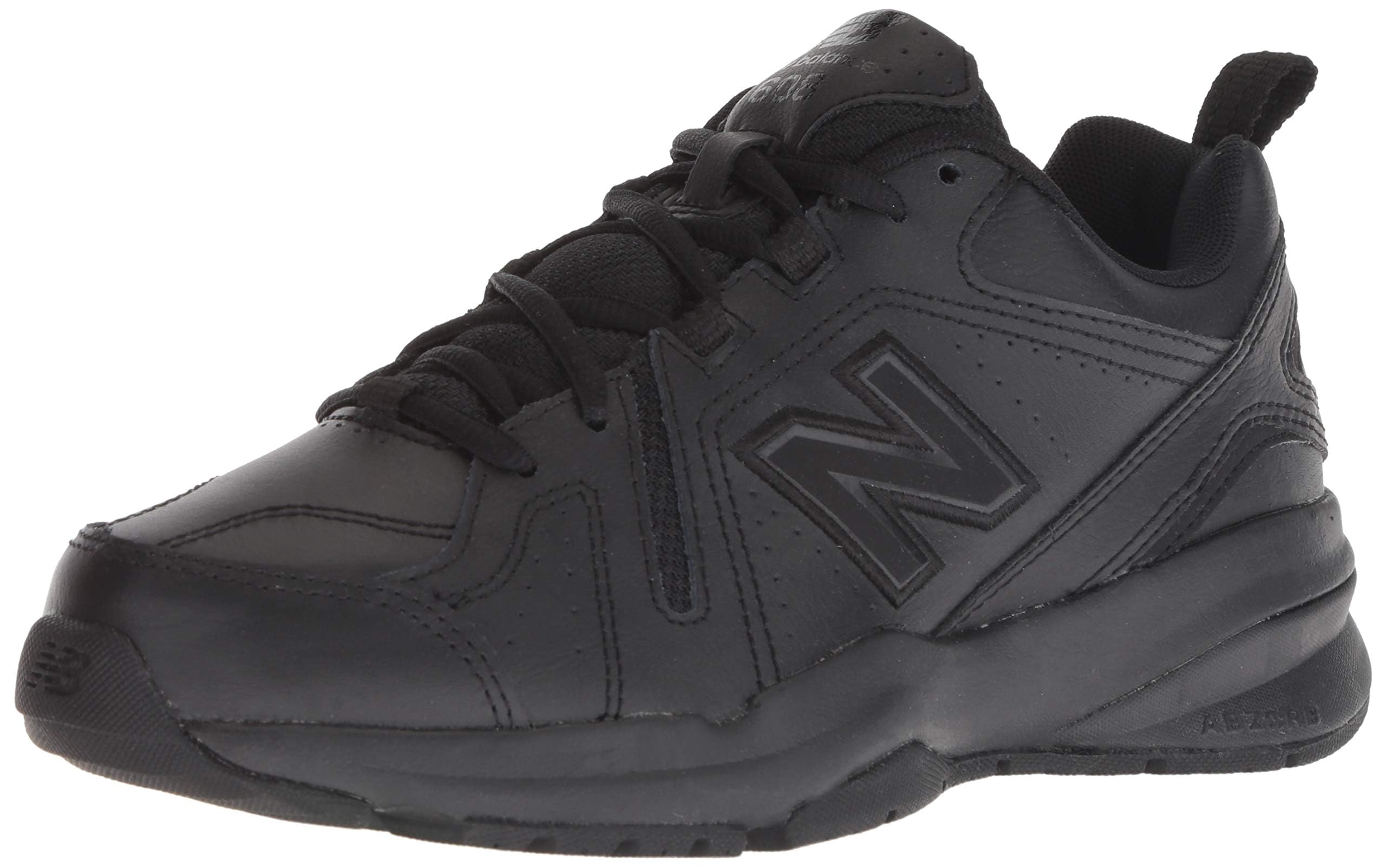
New Balance’s 608 V5 has built a loyal following among people who need a stable, orthotic-friendly platform that doesn’t break the bank. The polyurethane midsole is denser and more durable than typical EVA, holding its shape and rebound long after cheaper foams have compressed. Users with wide calves, bunions, and custom orthotics consistently report that the 608 offers enough depth and width to accommodate inserts without causing the shoe to feel tight or cramped.
The leather and mesh upper is sturdy enough for light outdoor use, and multiple repeat buyers are on their third or fourth pair, praising the consistent sizing and long-term support. The break-in period takes a few days of bending the material at the flex points, but once softened, the upper conforms without pinching. While the outsole lacks aggressive tread, its flat pattern works fine for dry pavement and indoor standing.
One notable limitation is the toe-box shape—several reviewers with wider forefeet describe it as extremely narrow, even in standard D width, suggesting that true wide-footers should go straight to the 2E or 4E width options. At roughly 2.4 pounds, these are among the heavier shoes on this list, but the weight comes from denser materials that pay off in durability. For those who prioritize insert compatibility and long-lasting support over featherlight weight, this is a reliable workhorse.
Why it’s great
- PU midsole holds shape longer than EVA—great for heavy use
- Excellent depth and width for custom orthotics and bunions
- Durable leather/mesh upper survives daily wear for years
Good to know
- Standard width toe box is narrow—order 2E or 4E if needed
- Heavy at 2.4 pounds per shoe
- Requires short break-in period at flex points
6. Skechers Uno – Stand On Air
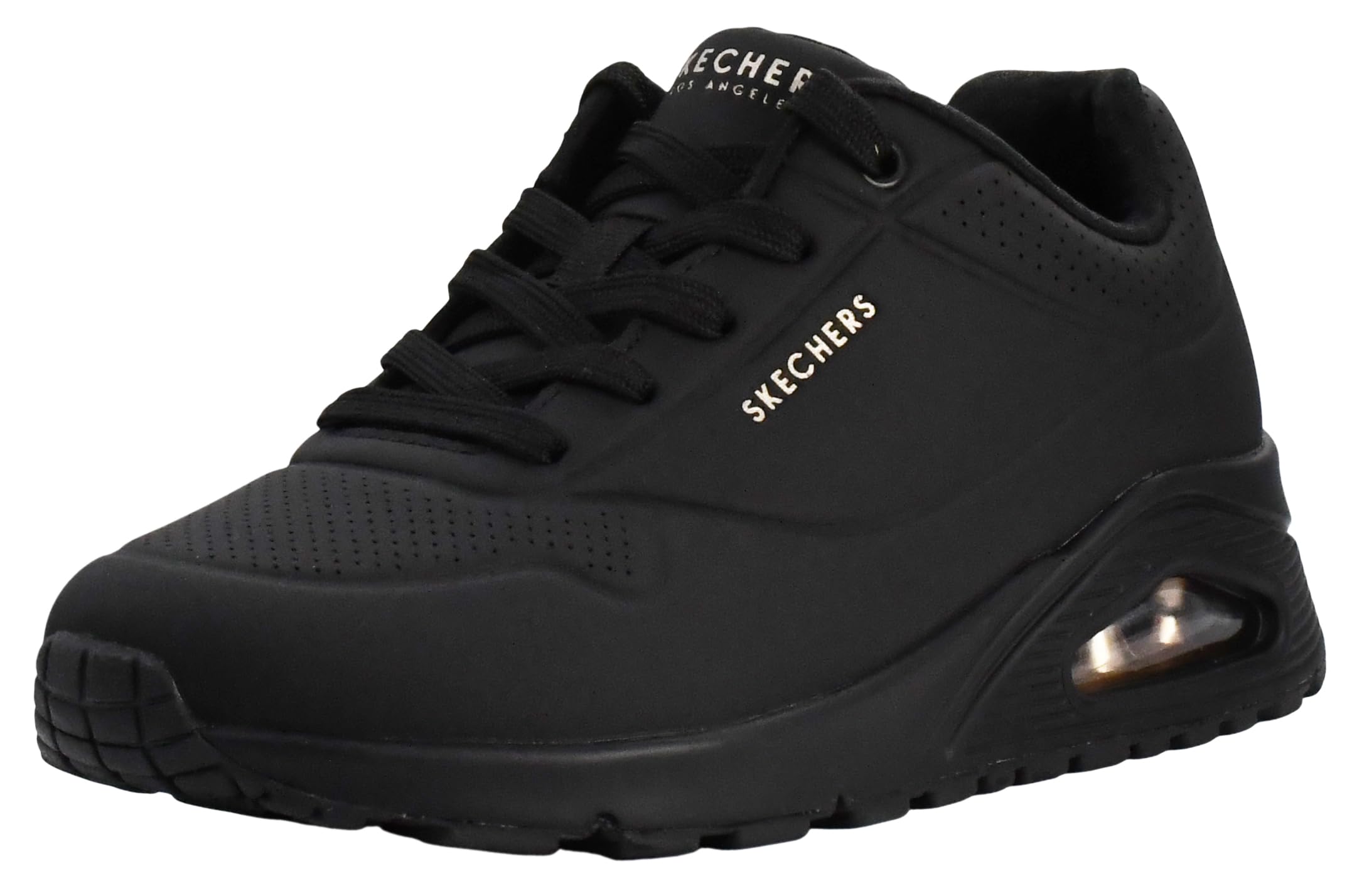
The Skechers Uno brings a retro chunky silhouette that looks more fashion-forward than typical work shoes, making it a solid option for jobs where appearance matters alongside comfort. The air-cushioned heel provides noticeable shock absorption on initial impact, which helps during the walking portions of mixed standing-and-mobile shifts. Reviewers working in dialysis and nursing report that the outsole’s pattern is easy to clean when exposed to fluids, and the synthetic upper wipes down quickly.
Fit runs a half size small for many buyers, so ordering up a half size is recommended, especially if you plan to wear thicker socks. The cushioning is described as moderately firm rather than pillowy soft—adequate for 8-hour standing shifts but may feel insufficient during longer 12-hour days on concrete. The breathable upper allows some airflow, but the internal padding reduces ventilation in warm conditions.
Users with plantar fasciitis found these comfortable for walking, though the midfoot arch support is less pronounced than in the Gravity Defyer or Dansko options. The outsole grips dry tile and linoleum effectively but has not been tested for wet-slip resistance. For the price point, the Uno delivers a balanced mix of style and basic standing comfort, but it’s best seen as a budget work companion rather than a heavy-duty shift solution.
Why it’s great
- Retro chunky design works for jobs with dress code flexibility
- Air-cushioned heel provides decent shock absorption
- Easy to clean synthetic upper—good for medical settings
Good to know
- Runs half size small—size up
- Arch support is moderate, not corrective
- Breathability is limited by internal padding
7. Dr. Scholl’s Be True Court
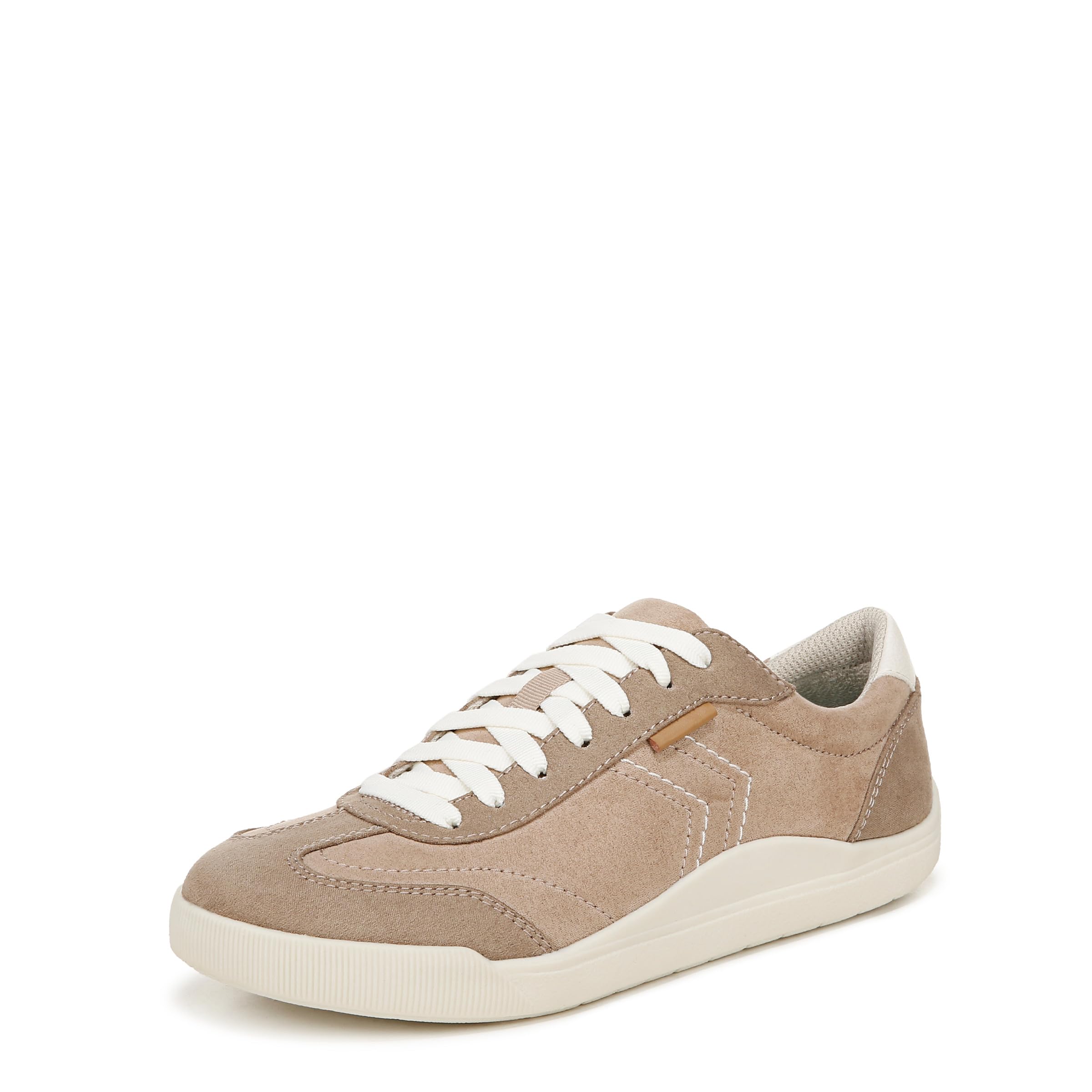
Dr. Scholl’s Be True Court sneaker offers a rare combination for standing shoes: it’s machine washable, which is a major convenience for anyone whose footwear accumulates dirt, spills, or odors during a work week. The shoe features a low heel with a natural rocker motion that encourages a more efficient gait, and users on month-long walking trips confirm it feels great from the first wear without break-in. The wide toe box accommodates foot swelling that naturally occurs during long standing sessions.
Cushioning is provided by a supportive insole that’s firmer than typical memory foam, helping maintain arch integrity over extended periods. Buyers with narrow feet (size 8.5 narrow) report the fit is true to size, while others with wider feet appreciate the generous forefoot room. The upper uses a knit fabric that is flexible and breathes reasonably well, though it lacks the structure of leather for lateral support during quick movements.
The outsole pattern is designed for dry conditions and indoor use; it offers decent grip on hardwood and tile but shouldn’t be relied upon on wet surfaces. After multiple washes, the shoe holds its shape and color well, though the insole may eventually lose some resilience. For the price, the Be True Court delivers solid fundamentals—comfort, washability, and a roomy fit—making it a smart pick for casual standing environments rather than heavy industrial settings.
Why it’s great
- Machine washable design simplifies maintenance and hygiene
- Wide toe box reduces pressure during long standing sessions
- No break-in required, comfortable straight out the box
Good to know
- Outsole not suitable for wet or slippery floors
- Knit upper lacks lateral support for quick pivots
- Insole may compress after repeated washing cycles
FAQ
Can I use running shoes for standing all day?
How much arch support do I actually need for standing work?
Why do my feet hurt more when standing still than when walking?
How often should I replace shoes used for standing all day?
Final Thoughts: The Verdict
For most users, the affordable shoes for standing all day winner is the Gravity Defyer G-Defy Energiya because its VersoShock spring system actively reduces impact force and its firm arch support relieves plantar fasciitis faster than any other shoe at this price point. If you want maximum soft-step cushioning with minimal weight, grab the Skechers Max Cushioning Premier Vantage 2.0. And for all-day hospital shifts where rocker sole comfort and leather durability matter most, nothing beats the Dansko Pearson Clogs.