
Our readers keep the lights on and the weekend projects moving. As an Amazon Associate, I earn from qualifying purchases.
Cold feet don’t just ruin a hike, a hunt, or a commute—they drain your will to be outside. The right pair locks warmth against your skin while sealing out slush, snow, and freezing wind, turning a miserable trudge into a comfortable day in the elements. But with insulation ratings, waterproof membranes, and traction compounds varying wildly, picking the wrong boot means shivering through the season.
I’m Rikta — the co-founder and writer behind FitlyFast. I’ve spent countless hours analyzing insulation density, outsole rubber compounds, and waterproofing ratings to separate the truly warm boots from the marketing hype.
Whether you face single-digit mornings, wet work environments, or deep powder, your search for the right footwear ends here with this focused guide to the boots to keep feet warm that actually deliver on their promises.
How To Choose The Best Boots To Keep Feet Warm
Buying a winter boot is a multi-season investment. Focus on three pillars — insulation, waterproofing, and fit — and you’ll avoid the cold-foot trap that sends lesser boots to the back of the closet.
Insulation Weight — The Real Warmth Number
Manufacturers list insulation in grams (200g, 400g, 800g, 1200g). That number refers to the fill weight of the synthetic insulation, not the boot’s overall heft. For light winter activity above freezing, 200g-400g is enough. For standing around in single digits or ice fishing, you need 800g or higher. Higher gram ratings trap more dead air, but they also reduce breathability — a trade-off you must match to your activity level.
Waterproofing vs. Water Resistance — Know the Difference
A truly warm foot is a dry foot. Look for sealed seams, rubber lower shells, or a waterproof membrane like a neoprene liner. Water-resistant boots will wet through in deep snow or standing water. If your day involves slush, puddles, or wet grass, prioritize a boot with a dedicated waterproof construction, not just a DWR spray coating.
Fit and Socks — The Half-Size Rule
Warm boots need room for a thick merino or synthetic sock without compressing the insulation. Compressed insulation loses its ability to trap heat. Most brands recommend sizing up a half to a full size from your street shoe. Your toes should wiggle freely inside the boot, and your heel should stay locked without slipping.
Quick Comparison
On smaller screens, swipe sideways to see the full table.
| Model | Category | Best For | Key Spec | Amazon |
|---|---|---|---|---|
| Helly Hansen V3 | Premium Insulated | Extreme cold & all-day wear | Waterproof leather, rated to -11°F | Amazon |
| ROCKY Blizzard Stalker | 1200G Insulated | Ice fishing & stationary cold | 1200g Thinsulate insulation | Amazon |
| TIDEWE Hunting Boots | 7mm Neoprene | Hunting & wet conditions | 7mm neoprene, 800g insulation | Amazon |
| Columbia Expeditionist Shield | Lightweight Hiker | Daily wear & light snow | Warm to 10°F, lightweight build | Amazon |
| Hunthor Rubber Work Boots | Steel Toe Utility | Wet industrial & farming | 6mm neoprene, steel toe & shank | Amazon |
| XPETI Crest Thermo | Mid-Range All-Rounder | Cold hiking & light snow | All-rubber construction, warm to 6°F | Amazon |
| XPETI Thermator Tactical | Budget Tactical | Duty use & rough terrain | Aggressive self-cleaning tread | Amazon |
In‑Depth Reviews
1. Helly Hansen V3 Winter Boots
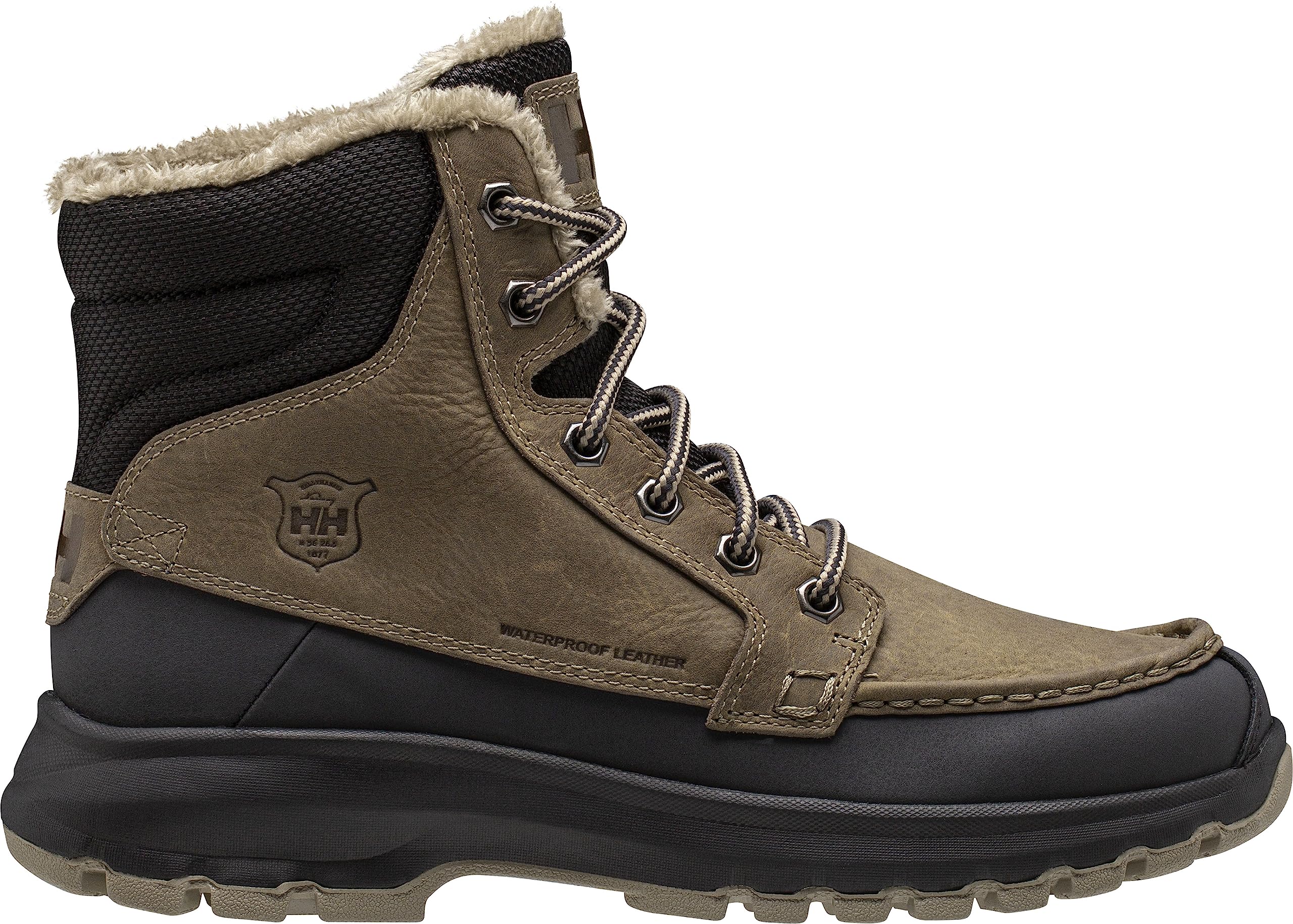
The Helly Hansen V3 is the gold standard for anyone who demands warmth without sacrificing style or mobility. With a waterproof leather upper and a firm rubber outsole that bites into packed snow, this boot handles harsh alpine winters while looking sharp enough for a dinner stop after the slopes. Owners consistently report comfort down to -11°F, a testament to the quality of its insulation and build.
Breathability is a standout feature here. Unlike many boots that overheat indoors or during high-exertion walks, the V3 regulates temperature effectively, keeping feet warm without drenching them in sweat. The lace-up closure provides a secure, customizable fit that stays tied through a full day of activity, and the sole’s traction is excellent on both snow and ice.
The premium price reflects genuine durability. After a full year of Michigan winters, testers report the stitching holds, the leather stays waterproof, and the boots clean up easily with a simple wipe. If you want a single pair that bridges brutal cold and casual wear without compromise, this is the one.
Why it’s great
- Proven warmth in sub-zero temperatures
- Breathable construction prevents sweaty feet
- Durable waterproof leather with great traction
Good to know
- Premium-tier investment
- Shipping can be slow in peak season
2. ROCKY Blizzard Stalker Waterproof 1200G Insulated Boot

The ROCKY Blizzard Stalker is built for one thing: keeping your feet warm when you’re standing still in the cold. With 1200 grams of Thinsulate insulation, it’s designed for ice fishing, hunting blinds, and snow removal shifts where motion generates minimal heat. Wearers confirm it stays comfortable and warm on frozen concrete and in sub-zero wind chills all day long.
The boot runs large — about a half to full size bigger — which is intentional. That extra volume accommodates thick wool socks without compressing the insulation, preserving its thermal efficiency. The waterproof shell and aggressive outsole provide solid traction on light snow and packed trails, though the lugs are less reliable on glare ice without supplemental traction aids.
Some users experienced breakage of the bootlace hooks after several wears, a point to note if you lace tightly. The build quality is otherwise robust, with owners reporting two-plus years of heavy use without insulation breakdown. For pure, no-excuses warmth in the harshest conditions, this boot is hard to beat.
Why it’s great
- Extremely high 1200g insulation for stationary cold
- Roomy fit allows thick sock layering
- Proven durability over multiple winters
Good to know
- Lace hooks can be a failure point under tension
- Overkill for highly active winter use
3. TIDEWE Rubber Hunting Boots (800g Insulated)

The TIDEWE Hunting Boots combine a rugged rubber exterior with a 7mm neoprene lining and 800g of insulation to create a barrier against cold and wet that few boots in this range can match. Hunters and outdoor workers praise their ability to keep feet dry and warm in single-digit temperatures for hours, making them a top choice for long sits in damp environments.
The rubber-to-neoprene transition at the ankle is engineered for natural walking motion, which sets these apart from stiffer all-rubber boots. Adjustable top buckles seal out snow and debris, while the heel lugs make removal easy — though those same lugs can be slippery when wet. Buyers with wide feet appreciate the roomy toe box, especially when layered with thick wool socks.
Initial outgassing of a rubber smell is common, fading after a few wears. Some units show minor glue residue, but performance remains uncompromised. For the combination of insulation, waterproofing, and flexibility at this price point, the TIDEWE boot is a standout value for cold, wet conditions.
Why it’s great
- Excellent warmth and waterproofing for wet cold
- Flexible neoprene upper aids natural walking
- Roomy toe box for thick sock layering
Good to know
- Initial rubber smell needs ventilation time
- Sizing can run a half size large for some feet
4. Columbia Men’s Expeditionist Shield
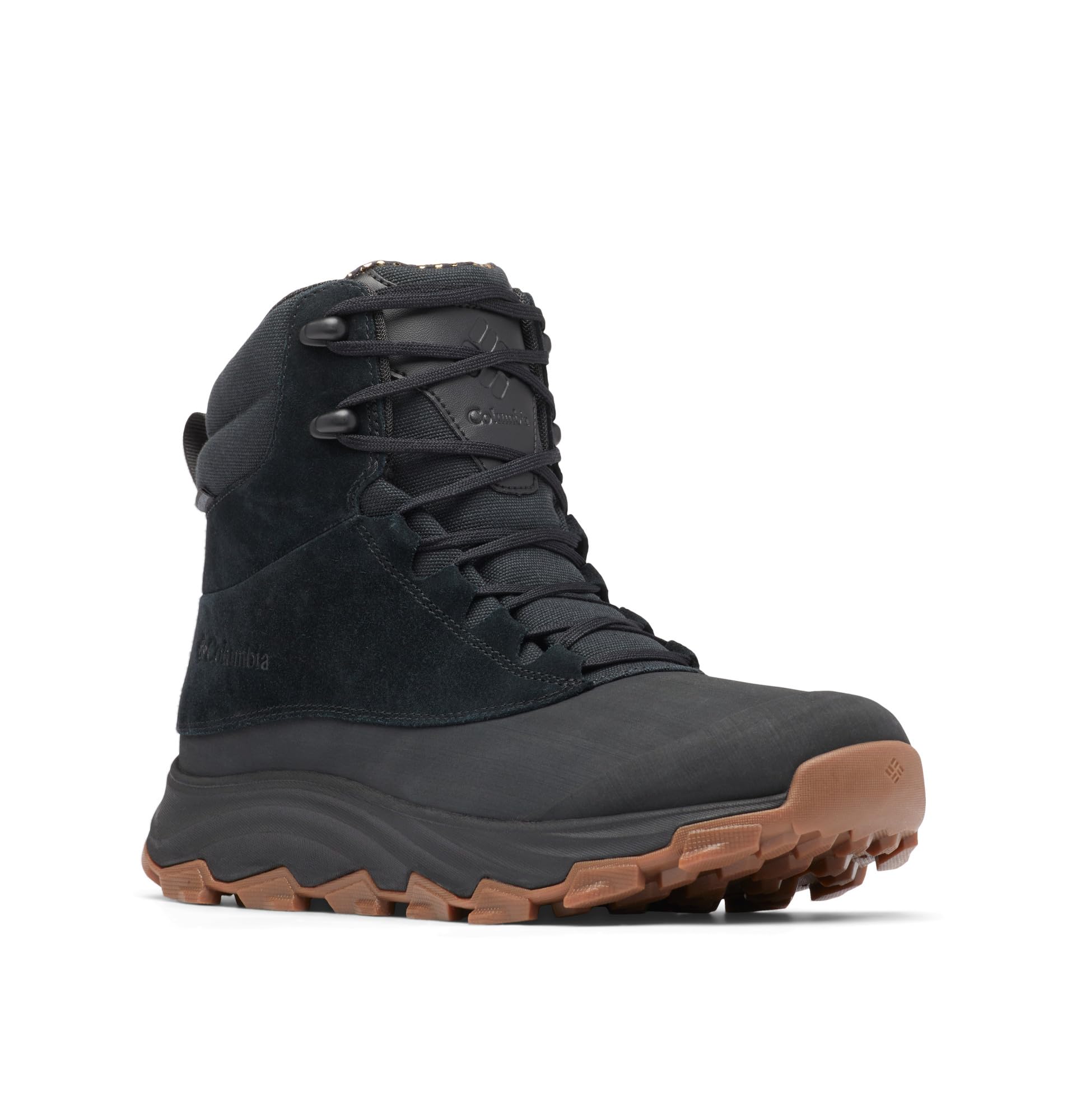
The Columbia Expeditionist Shield is the boot you wear when you need warmth but don’t want the bulk of a traditional winter boot. It weighs noticeably less than competitors while still keeping feet comfortable down to 10°F. The combination of decent water resistance and a quick-drying build makes it ideal for commuting, errands, and light snow days where you’re constantly moving between indoors and out.
Fit runs a half size small, so sizing up is recommended — especially if you plan to wear mid-weight wool socks. The outsole provides sturdy ground feel and solid grip on packed snow, though the aggressive tread pattern tracks snow and sand indoors, a minor annoyance for daily drivers. Testers found the boot comfortable after a short treadmill break-in period, with no blistering or hot spots.
Some aesthetic choices — gold trim and a glittery liner — feel juvenile for a boot at this price, but performance overshadows styling complaints. The thin stock insole benefits from an aftermarket replacement for all-day comfort. For anyone needing a lightweight, warm boot for variable winter conditions, this is a smart pick.
Why it’s great
- Very lightweight for a warm winter boot
- Comfortable out of the box with minimal break-in
- Excellent water resistance and quick drying
Good to know
- Runs a half size small — size up
- Aggressive tread tracks snow and debris inside
5. Hunthor Rubber Work Boots (Steel Toe)

The Hunthor Rubber Work Boots are built for the toughest wet environments — seafood packing, wastewater treatment, farming, and construction. The 6mm neoprene lining combined with a steel toe and puncture-proof shank delivers warmth, safety, and waterproofing in one heavy-duty package. Workers standing in inches of water for 12-hour shifts report consistently dry, warm feet with these boots.
The thick rubber upper resists cracking from repeated crouching and bending, a common failure point in cheaper rubber boots. The steel toe meets workplace safety standards without adding excessive weight, though the boots are undeniably heavier than non-steel-toe alternatives. The calf opening runs narrow, so those with thicker calves should try before committing.
Some units arrive with cosmetic imperfections — discoloration or glue residue on the rubber — but these do not affect performance. At this price point, the combination of ANSI-rated protection, genuine waterproofing, and reliable warmth for industrial cold is exceptional. If your work day involves standing in cold water, these are the boots to buy.
Why it’s great
- Full waterproofing for standing water work
- Steel toe and shank for job site safety
- Excellent warmth in cold, wet industrial settings
Good to know
- Narrow calf opening may not suit all leg shapes
- Heavier than standard winter boots
6. XPETI Men’s Crest Thermo High-Top Winter Hiking Boots
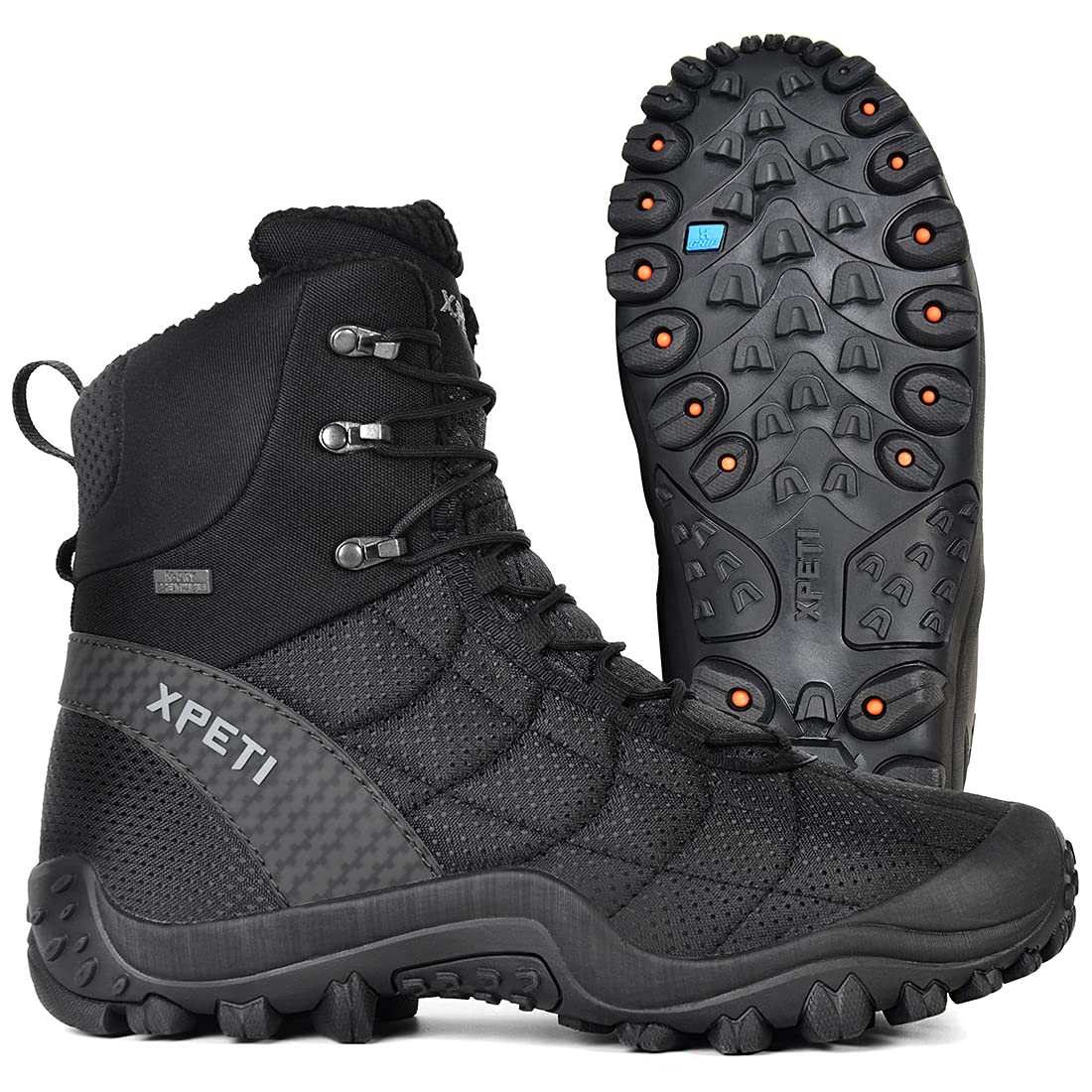
The XPETI Crest Thermo is a well-rounded winter hiker that punches above its price bracket. The all-rubber construction is flexible and easy to clean, while the insulation keeps feet warm in temperatures as low as 6°F — a range that covers most winter hiking and daily commutes. Buyers note the boot provides excellent ankle support and a comfortable fit straight out of the box with no break-in period.
Sizing is straightforward: go up a half to a full size if you plan to wear thick socks or use orthotic insoles. The sole provides good grip on icy grass, mud, and light snow, though the bottom lace hook can press against the ankle bone when bending deeply. Waterproofing is effective for most conditions, but persistent snowmelt on the top of the foot can seep through the lace area over extended exposure.
These boots slip on and off easily thanks to the rubber collar design, a convenience that matters when you’re constantly moving between outdoor and indoor environments. While not built for sub-zero expeditions, the Crest Thermo nails the sweet spot for moderate winter activity — warm, comfortable, and affordable.
Why it’s great
- Zero break-in required for immediate comfort
- Solid warmth for typical winter conditions
- Easy on/off rubber collar design
Good to know
- Lace area can leak with melting snow exposure
- Bottom lace hook may irritate during deep bends
7. XPETI Men’s Mid-Ankle Thermator Waterproof Tactical Boot

The XPETI Thermator Tactical Boot is the entry-level specialist for those who need warmth, durability, and aggressive traction on a budget. Designed for duty use and rough terrain, the boot features a self-cleaning tread that sheds mud effectively and a waterproof build that also resists chemical spills — gasoline wiped clean without damage during testing. The comfort level out of the box is exceptional, with multiple users reporting no break-in period at all.
Warmth is adequate for cold weather in the 30s and 40s Fahrenheit, but this boot is not built for extreme sub-zero temperatures. It shines in wet, muddy conditions where other budget boots would slip or soak through. The rubber toe cap has a slightly odd contour that doesn’t extend full width, which some users find visually distracting but functionally irrelevant.
Long-term durability and waterproofing endurance remain unverified by long-term tests, but initial construction quality is solid for the price. If you need a warm, waterproof boot for fieldwork, tactical use, or outdoor labor without spending into the triple digits, the Thermator delivers essential performance where it counts.
Why it’s great
- Remarkable out-of-box comfort with zero break-in
- Excellent traction on mud and wet terrain
- Chemical-resistant build for tough work environments
Good to know
- Not suited for extreme sub-zero cold
- Long-term waterproofing remains unproven
FAQ
Should I size up for winter boots with thick socks?
What is the difference between 800g and 1200g insulation?
Can I use waterproofing spray on neoprene boots?
Final Thoughts: The Verdict
For most users, the boots to keep feet warm winner is the Helly Hansen V3 because it balances extreme cold capability with all-day comfort and style. If you want maximum insulation for stationary cold, grab the ROCKY Blizzard Stalker. And for wet work environments that demand safety and waterproofing, nothing beats the Hunthor Rubber Work Boots.