
Nothing ruins a winter day faster than cold, wet feet. Whether you’re shoveling the driveway, walking the dog through a blizzard, or heading out for a weekend in the mountains, the right pair of boots means the difference between enjoying the season and counting the minutes until you’re back inside. A great snow boot needs to balance three things that usually fight each other: insulation that keeps you warm without making you sweat, a waterproof membrane that keeps slush out, and a sole that bites into ice and hard-packed snow so you don’t end up on your back. Most boots nail one of these at the expense of the others — the best ones don’t make you choose.
I’m Rikta — the co-founder and writer behind FitlyFast. I’ve spent hundreds of hours analyzing boot specifications, reading through verified buyer experiences, and comparing the thermal performance and traction patterns that actually matter when the temperature drops below freezing.
This guide cuts through the marketing noise to recommend the six pairs that earned their spot with real-world performance. If you’re looking for the best snow boots for men, these models prove you don’t have to sacrifice comfort for durability or warmth for weight.
How To Choose The Best Snow Boots For Men
Choosing a snow boot isn’t like buying a regular shoe. You’re selecting a system that has to keep your feet warm, dry, and stable in conditions that can change hour by hour. The three specifications that determine whether a boot will actually work for you are insulation weight, waterproofing construction, and outsole traction. Ignore the marketing claims and focus on these measurable details.
Insulation Weight — Match It to Your Activity Level
Insulation is measured in grams per boot. A 200g boot is comfortable for active use like shoveling or hiking, where your body generates heat. A 400g boot is better for standing around in extreme cold, like ice fishing or watching a parade. Go too heavy for active use, and your feet will sweat — wet feet get cold faster than dry ones. Choose your insulation based on what you’re actually doing, not how cold you think it is.
Waterproofing Construction — The Shell Matters Most
There are three common waterproofing approaches in this category: a rubber shell that runs up the lower boot, a waterproof membrane like Omni-Tech, or treated leather with a sealed tongue. Rubber shells are the most bombproof for deep slush but can be stiff. Membranes offer better breathability but can fail over time. Treated leather needs regular maintenance with wax or oil. For serious wet snow, look for a boot with a rubber lower section that extends above the ankle.
Traction — Look at the Lugs, Not the Logo
The outsole is what keeps you upright. Deep, widely spaced lugs handle soft snow and mud by shedding debris as you walk. Softer rubber compounds grip better on ice but wear faster on pavement. Some boots use a specific winter-compound rubber that stays flexible in freezing temperatures — this is critical because hard, frozen rubber can be as slippery as the ice itself. A boot with a shallow tread pattern is a walking hazard once the snow turns to ice.
Quick Comparison
On smaller screens, swipe sideways to see the full table.
| Model | Category | Best For | Key Spec | Amazon |
|---|---|---|---|---|
| Sorel Men’s 1964 Pac Nylon | Premium | Extreme cold, standing still | Removable felt liner | Amazon |
| The North Face Chilkat V Lace-up | Premium | Daily wear in deep snow | 200g Heatseeker insulation | Amazon |
| Columbia Men’s Expeditionist Shield | Mid-Range | Light hiking, daily driver | Omni-Grip traction outsole | Amazon |
| Columbia Men’s Gunnison II Omni-Heat | Mid-Range | Moderate cold, value balance | Omni-Heat reflective lining | Amazon |
| Kamik Men’s Forester | Mid-Range | Heavy farm/outdoor work | Removable felt liner | Amazon |
| Timberland White Ledge Mid Waterproof | Mid-Range | 3-season hiking with snow | Leather and mesh upper | Amazon |
| XPETI Crest Thermo High-Top | Budget | Light snow, casual winter | 200g insulation | Amazon |
In‑Depth Reviews
1. Sorel Men’s 1964 Pac Nylon Waterproof Boot
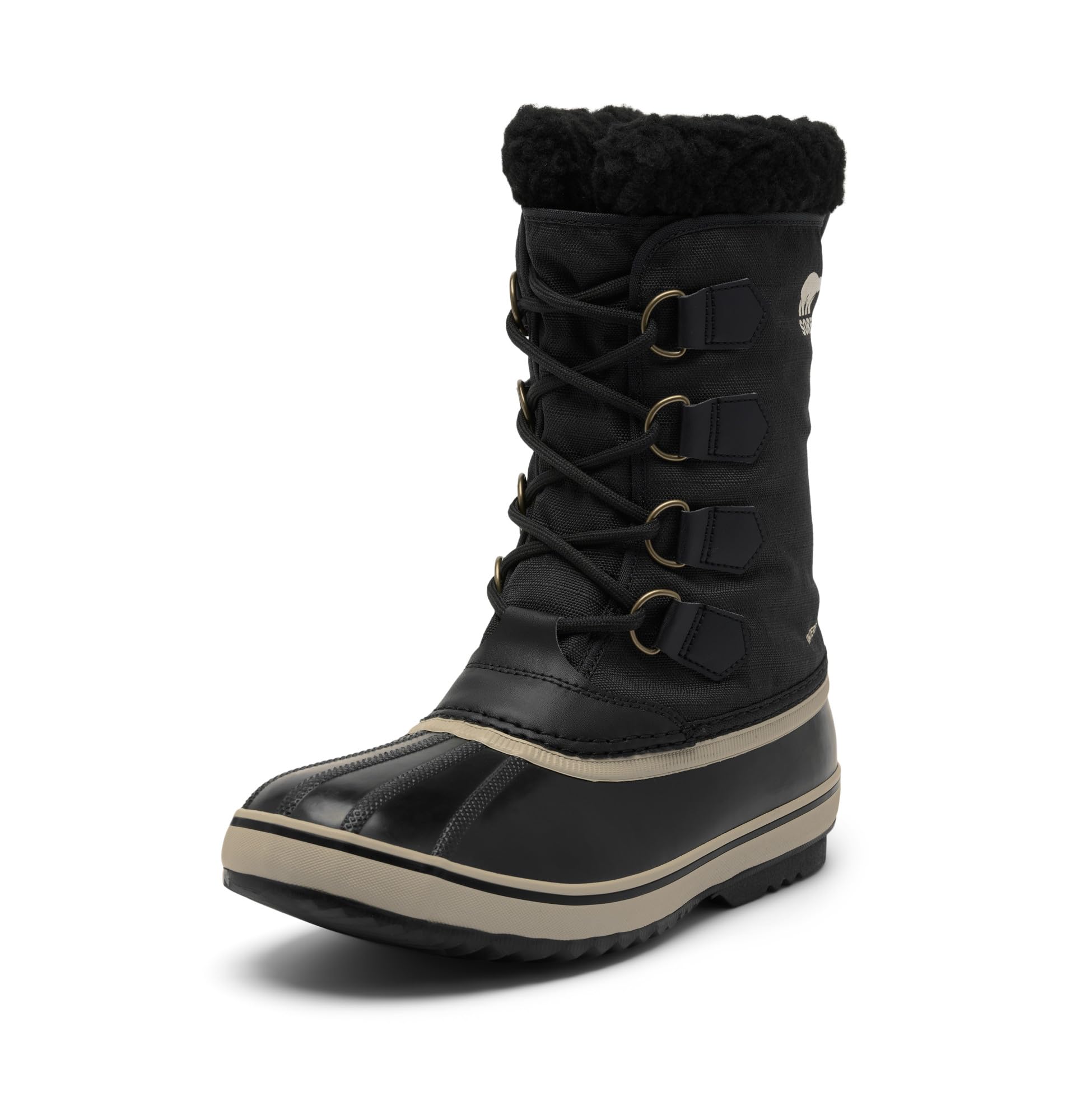
The Sorel 1964 Pac Nylon is the benchmark for extreme-cold snow boots. Its construction is simple and effective: a waterproof rubber shell wraps around the entire lower boot, and a thick removable felt liner handles the insulation. This two-piece system means you can dry the liner separately if your boots get wet from the inside (from sweat or a slush overflow), which is a huge advantage over fixed-liner boots. The felt liner is plush and roomy, and the rubber shell extends high enough to handle deep drifts without water sneaking in over the top.
Users consistently report warm feet in temperatures well below zero Fahrenheit, including one buyer who wore them while watching the Northern Lights in Fairbanks, Alaska. The boot fits true to size and accommodates wide feet well, which is often a problem with narrower premium boots. The sole is thick and chunky, providing solid stability on uneven snow, though it’s not the most nimble boot for long walks — it’s built for standing around and short treks in brutal cold.
The main trade-off is weight. These boots are heavy compared to insulated hiking-style boots, and the thick felt liner makes them feel clunky. They’re not ideal for driving or for activities where you need to feel the ground beneath you. But if your priority is keeping your feet warm while you’re stationary in deep winter, this is the pair that earned its reputation among Sorel’s loyal following.
Why it’s great
- Genuine extreme-cold protection in sub-zero temps
- Removable felt liner dries separately, extends boot life
- High rubber shell sheds deep slush effectively
Good to know
- Heavy and somewhat clunky for walking
- Felt liner needs full drying between heavy use days
2. The North Face Men’s Chilkat V Lace-up Waterproof Snow Boot

The North Face Chilkat V is the modern all-rounder in the premium snow boot category. It uses 200 grams of Heatseeker insulation, which strikes the sweet spot between warmth and breathability for daily use — you can wear these to commute, walk the dog, and then keep them on while you run errands without your feet overheating. The waterproof membrane is paired with a rubberized lower section that handles slush and wet snow, and the lace-up closure lets you dial in the fit more precisely than pull-on styles.
The outsole features North Face’s IcePick lugs made from a rubber compound that stays flexible and grippy in freezing temperatures. Buyers who tested these during Northeast snowstorms reported excellent traction on icy sidewalks and packed snow. The boot is noticeably lighter than the Sorel, making it a better choice for longer walks or for wearing all day. Heel and toe pull loops make them easy to get on, though the top loops on some pairs have been reported to tear early.
One important note on sizing: the Chilkat V runs small, especially across the top of the foot. Most buyers recommend going up a full size, particularly if you plan to wear thick merino wool socks. The 200g insulation is sufficient for most winter days down to about 10°F with moderate activity, but if you need extreme cold protection, North Face offers a 400g version of the same boot. The build quality is solid, though a few long-term users noted rubber separation on older North Face models — something to watch for if you’re hard on your gear.
Why it’s great
- Lightweight feel with genuine warmth for daily active use
- IcePick rubber outsole grips well on ice and packed snow
- Heel D-ring compatible with snowshoes and crampons
Good to know
- Runs small; order a full size up
- Top pull loops can tear under stress
3. Columbia Men’s Expeditionist Shield
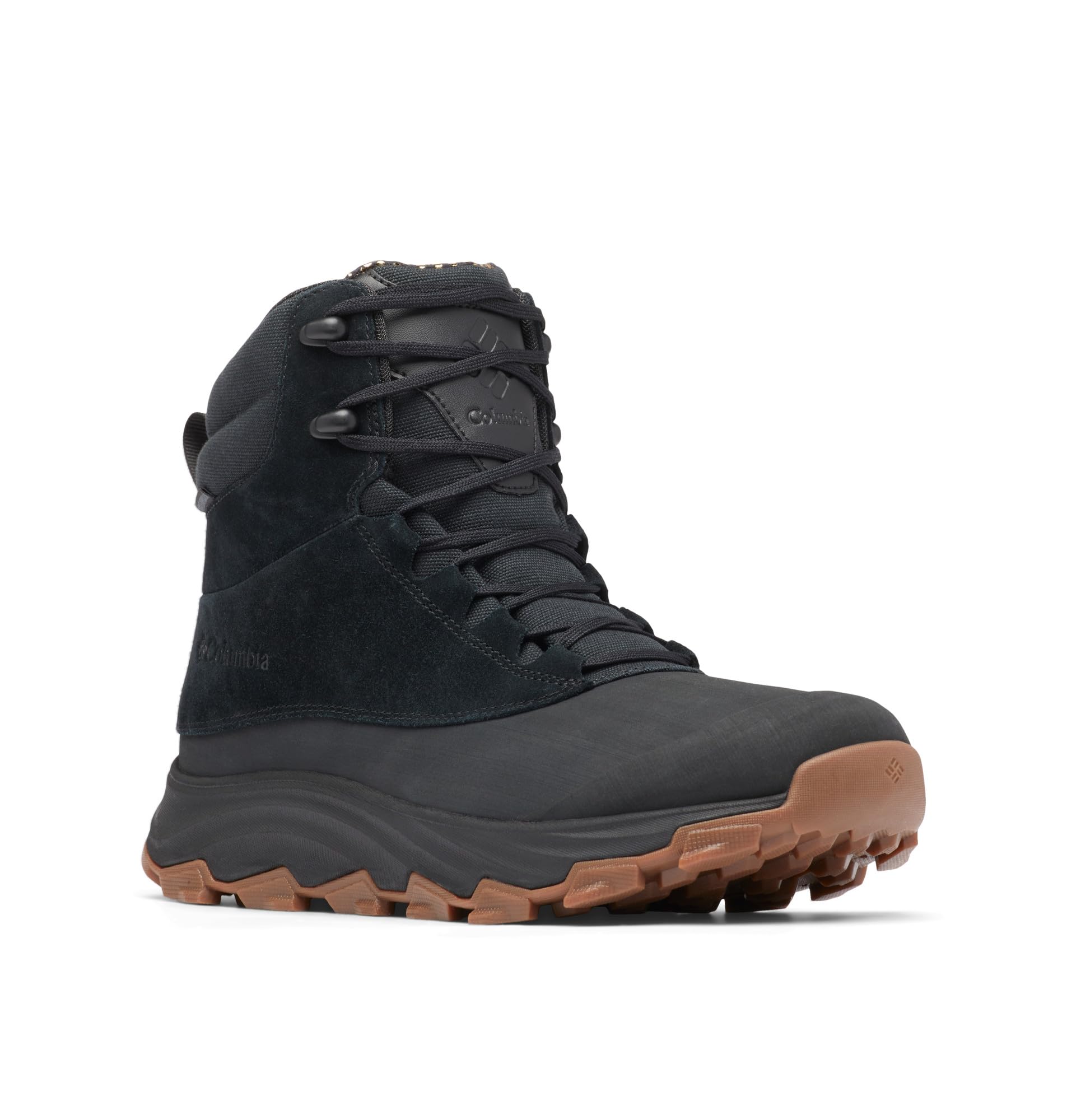
The Columbia Expeditionist Shield bridges the gap between a snow boot and a hiking boot. It’s lightweight enough to wear as a daily driver through winter, but the Omni-Grip outsole and waterproof construction give it real snow capability. The boot uses Columbia’s proprietary Omni-Shield waterproofing, which handles rain and slush well but isn’t fully submersible — users reported it kept their feet dry through deep snow and wet conditions, though one long-term tester noted the boot isn’t fully waterproof over the long haul, just highly water-resistant.
The outsole is the standout feature here. The aggressive tread pattern is deep and widely spaced, which means it sheds mud and snow instead of packing up and turning your boot into a slick platform. Buyers consistently mention good ground feel and stability on uneven terrain. The boot is comfortable enough for full-day wear right out of the box, with minimal break-in required. Several buyers said they wear these boots every day and have stopped reaching for their other winter footwear.
The downsides are minor but worth noting. The boot runs about half a size small, so order up. The included insole is thin and low-quality — you’ll want to swap it for a supportive orthotic if you’re on your feet all day. And the gold trim around the collar is a divisive design choice that one buyer described as “juvenile.” If you can see past the styling, this is a genuinely capable, comfortable boot that punches above its weight class.
Why it’s great
- Hiker-level comfort with winter-ready traction
- Deep, self-cleaning lugs handle mud and slush
- Lightweight enough for all-day wear
Good to know
- Runs a half size small
- Stock insoles are thin; plan to replace them
4. Columbia Men’s Gunnison II Omni-Heat Snow Boots

The Gunnison II is Columbia’s long-running entry in the dedicated snow boot space, and for good reason. It uses Omni-Heat reflective lining — a metallic dot pattern that reflects your body heat back toward your foot — which adds warmth without adding bulk. The boot is fully waterproof with a sealed construction, and the outsole uses Columbia’s Omni-Grip rubber for reliable traction on snow and ice. Multiple buyers confirmed the boot is waterproof at least to ankle depth after testing it in standing water.
Where this boot really shines is availability in large and wide sizes. Buyers with size 16 and 17 feet reported that these fit comfortably without needing a special order, and the boot offers enough width to accommodate orthotic insoles. The design is more traditional than the Expeditionist Shield, with a lower profile that looks at home with jeans or work pants. It’s warm enough for temperatures around 25°F during active use, though some users noted that cold seeps in if you’re standing still in wet snow for extended periods.
The Gunnison II isn’t the most exciting boot in this list, but it’s proven and reliable. The main complaint is that it runs slightly narrow, so wide-footed buyers should either size up or look at the wide-specific version. It’s also less effective in extreme cold than the Sorel or the heavier North Face models — this is a solid moderate-cold boot for everyday winter, not an arctic expedition boot. For the price, it delivers consistent warmth and waterproofing without demanding a premium.
Why it’s great
- Omni-Heat lining boosts warmth without extra weight
- Available in large and wide sizes
- Proven waterproof construction at a fair price
Good to know
- Runs slightly narrow
- Cold leaks in when standing still in wet snow
5. Kamik Men’s Forester
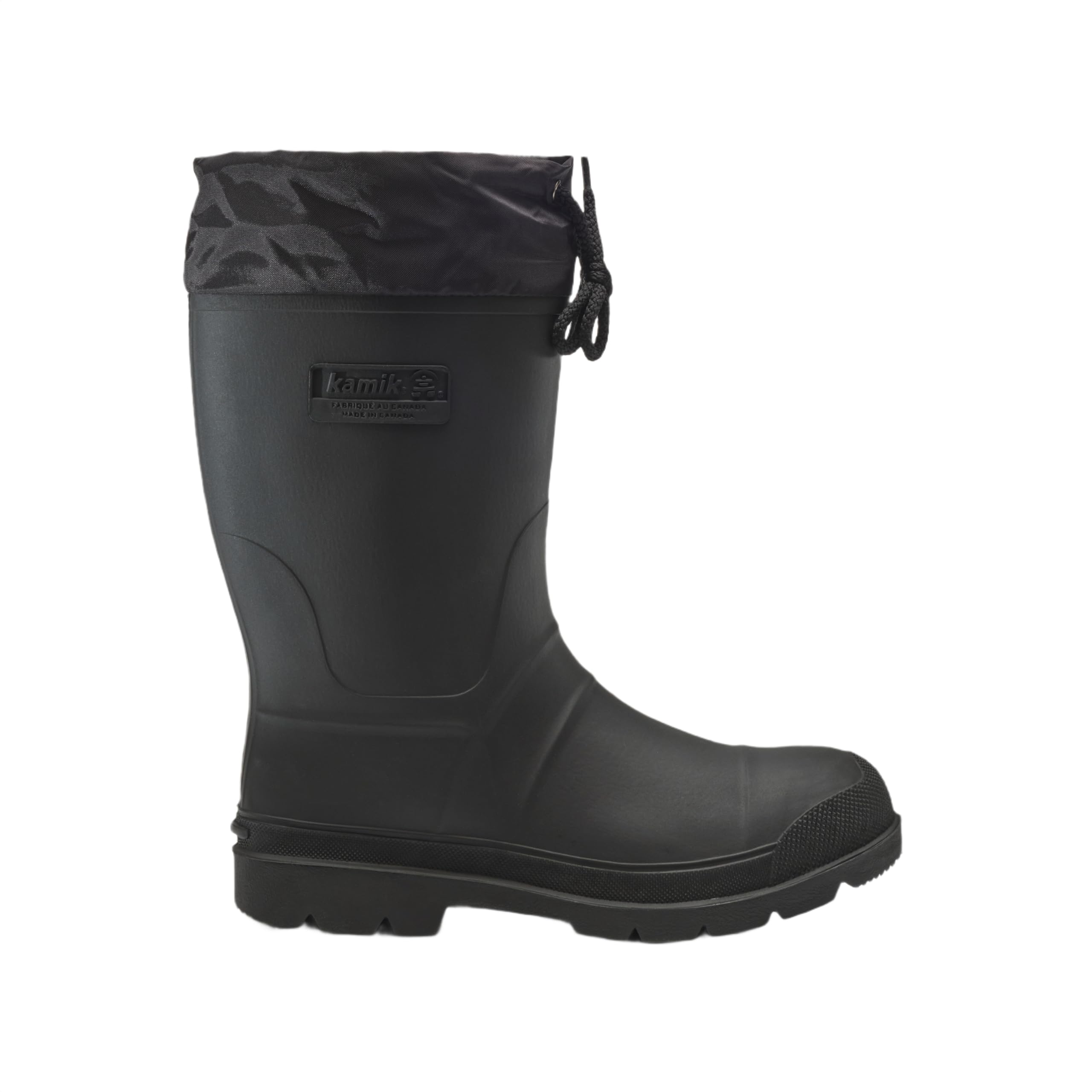
The Kamik Forester is the boot you buy when you need something that can survive a Canadian farm winter and still look decent. It uses the same basic formula as the Sorel — a rubber shell paired with a removable felt liner — but at a more accessible price point. The rubber is thick and durable, the felt liner is substantial, and the cinch-top closure at the collar keeps snow and debris from working their way down into the boot. This is a no-nonsense design that prioritizes function over fashion.
Buyers who put these through daily farm use reported that the boots kept their feet warm in negative temperatures, even while standing around in barns and outdoor lots. The boot is wide-friendly, with several buyers noting that it fits EEE-width feet without pinching. The removable liner is a practical touch: when the felt gets damp from sweat or snow, you can pull it out and let it dry instead of waiting days for the whole boot to air out. One long-term user reported that a previous pair lasted five years of the same abuse before giving out.
The trade-off for that durability is comfort at first. Multiple buyers reported that the Forester feels stiff and odd-fitting out of the box, requiring a break-in period before the boot molds to your foot. The liner can also shift during initial wear, requiring manual adjustment to sit correctly. The boot is heavy, and the thick felt reduces ground feel significantly — it’s not a boot you’d choose for a long hike. But for wet, cold, dirty work, the Kamik Forester is tough to beat.
Why it’s great
- Extremely durable for heavy outdoor work
- Removable felt liner for quick drying
- Wide-friendly fit accommodates EEE widths
Good to know
- Needs a break-in period for comfort
- Heavy and clunky for long walks
6. Timberland Men’s White Ledge Mid Waterproof Hiking Boots

The Timberland White Ledge is a classic hiking boot that crosses into snow boot territory if you treat it right. The upper is a combination of waterproof leather and mesh, with a sealed tongue and gusseted construction that keeps moisture out. It’s not insulated, so warmth depends entirely on your sock choice — wear thick wool socks and this boot works in light snow and cold conditions. The outsole features Timberland’s signature lug pattern, which provides reliable grip on grass, gravel, packed snow, and light ice.
Buyers report that the White Ledge holds up for years of regular use, with the leather developing a patina instead of falling apart. The large toe box is a standout feature for anyone who needs room for toe splay or orthotic inserts. The boot is comfortable right out of the box with minimal break-in, and the mid-height cut provides good ankle support for uneven terrain.
The catch is that this is not a dedicated snow boot. If you’re standing in deep slush or walking through heavy wet snow for hours, the leather upper will eventually saturate unless you apply waterproofing treatment (like mink oil) regularly. The uninsulated construction means your feet will get cold if you’re sitting still in sub-freezing temperatures. This is a boot for active use in variable winter conditions — shoveling, hiking on packed trails, commuting — not for standing around in a blizzard.
Why it’s great
- Comfortable right out of the box with a generous toe box
- Proven durability over years of regular use
- Versatile enough for 3-season hiking plus light snow
Good to know
- Not insulated; warmth depends on sock thickness
- Requires regular leather treatment to stay waterproof
7. XPETI Men’s Crest Thermo High-Top Winter Hiking Boots

The XPETI Crest Thermo is the budget-friendly entry in this list, and it performs better than its price point suggests. It features 200g of insulation, a waterproof membrane, and a high-top design that provides good ankle support. The outsole uses a multi-directional lug pattern that handles icy grass and muddy trails well, and the boot is lightweight enough to wear all day without fatigue. Several buyers noted that the boot required zero break-in — it was comfortable straight out of the box.
The most impressive feedback came from a buyer who wore these in 6°F weather with wool socks and reported warm, dry feet. Another user praised the all-rubber construction that’s easy to clean and stays flexible in cold temperatures. The boot is well-made for the money, with solid stitching and materials that don’t feel cheap. The design is modern and sleek, which is a nice bonus at this price level.
The realistic limitation is waterproofing. Multiple buyers noted that while the boot is water-resistant, it is not fully waterproof. Snow melted on the top of the foot and eventually seeped through the membrane. For light snow and dry cold conditions, this is a fantastic value. For slushy, wet conditions or all-day exposure to standing water, you’ll want something with a rubber shell. The laces are also longer than necessary, and the bottom lace hook can dig into your ankle bone when squatting — a minor but annoying fit issue.
Why it’s great
- Lightweight and comfortable with zero break-in
- Good insulation for dry cold down to single digits
- Excellent ankle support for a budget boot
Good to know
- Water-resistant, not fully waterproof for deep slush
- Bottom lace hook can press into ankle bone
FAQ
How much should I size up for snow boots with thick socks?
Can I wear my snow boots for everyday walking or hiking?
How do I maintain my snow boots to extend their lifespan?
What’s the difference between 200g and 400g insulation in practice?
Final Thoughts: The Verdict
For most users, the best snow boots for men winner is the Sorel Men’s 1964 Pac Nylon because its combination of a bombproof rubber shell and a removable felt liner offers the most reliable protection in deep snow and extreme cold. If you want a lightweight boot for daily winter wear and lighter snow conditions, grab the The North Face Chilkat V Lace-up. And for a budget-friendly entry-level boot that handles dry cold well without breaking the bank, nothing beats the XPETI Crest Thermo High-Top.