
Our readers keep the lights on and the weekend projects moving. As an Amazon Associate, I earn from qualifying purchases.
Winter footwear has long forced a compromise between warmth and the natural foot posture that barefoot enthusiasts rely on. Bulky insulation, narrow toe boxes, and rigid soles dominate the market, leaving you with cold, cramped toes that never feel the ground. That compromise ends with a new generation of boots designed specifically for the cold months.
I’m Rikta — the co-founder and writer behind FitlyFast. I spend my days analyzing product specs, durability reports, and real user reviews so you can skip the trial and error when buying specialty footwear.
Whether you need deep snow coverage or a stylish city boot that keeps you warm without losing ground feel, this guide breaks down the top contenders for the best barefoot winter shoes available right now.
How To Choose The Best Barefoot Winter Shoes
Finding a pair that keeps your feet warm without compromising the barefoot principles of zero drop, wide toe splay, and flexible ground feel requires a close look at three specific areas. Most winter boots fail on at least one of these fronts, so knowing what to check saves you from a cold, disappointing purchase.
Insulation and Lining
Not all insulation is created equal. Fleece lining, wool blends, and synthetic shearling all add warmth, but they also add bulk inside the toe box. The best barefoot winter boot uses a thin insulating layer so your toes can still spread naturally. Avoid anything that packs the front of the boot tightly, as compression restricts blood flow and actually makes your feet colder.
Waterproofing and Seam Sealing
Look for boots with a waterproof membrane like the one found in the Vivobarefoot Tracker series, or a tightly woven leather upper treated with DWR (durable water repellent). Seam-sealed construction keeps slush and standing water out, but remember that any boot has a height limit — deep snow can still enter through the top. Pairing a mid-height boot with gaiters is a common strategy among barefoot winter hikers.
Outsole Grip and Sole Flexibility
A true barefoot winter boot must let your foot bend naturally at the metatarsal joint while still providing reliable traction on ice and packed snow. Look for outsoles with deep lugs spaced widely apart so snow sheds easily rather than caking in the tread. Some models, like the Vivobarefoot Magna Forest ESG, use a Michelin sole designed specifically for soft ground, which handles slippery winter surfaces far better than a flat street shoe outsole.
Quick Comparison
On smaller screens, swipe sideways to see the full table.
| Model | Category | Best For | Key Spec | Amazon |
|---|---|---|---|---|
| Vivobarefoot Tracker Textile AT | Waterproof Hiker | Deep snow & wet conditions | Waterproof membrane + puncture-resistant sole | Amazon |
| Vivobarefoot Tracker Leather AT | Leather Hiker | All-terrain hiking & cold weather | Full-grain leather, zero drop, waterproof | Amazon |
| Vivobarefoot Magna Forest ESG | Wool-Lined Boot | Cold & soft ground hiking | Leather and wool upper, Michelin sole | Amazon |
| JIM GREEN Barefoot African Ranger | Work Boot | Rugged terrain & cold weather durability | Full-grain leather, stitch-down construction | Amazon |
| Belleville Mini-Mil TR102 | Tactical Boot | All-day wear & wet surfaces | Slip-resistant outsole, zero-drop | Amazon |
| Vivobarefoot Magna Lite WR | Lightweight Hiker | Wet ground hiking & daily wear | Water-repellent upper, low profile | Amazon |
| Vibram FiveFingers V-Trek Insulated | Toe Shoe | Max ground feel & moderate cold | Fleece lining, Vibram TC1 outsole | Amazon |
| Xero Shoes Breckenridge | Leather Boot | City cold & active wear | Zero drop, wide toe, cute silhouette | Amazon |
| Xero Shoes Alpine | Snow Boot | Light snow & everyday barefoot | Water-resistant, flexible sole | Amazon |
In‑Depth Reviews
1. Vivobarefoot Tracker Textile AT
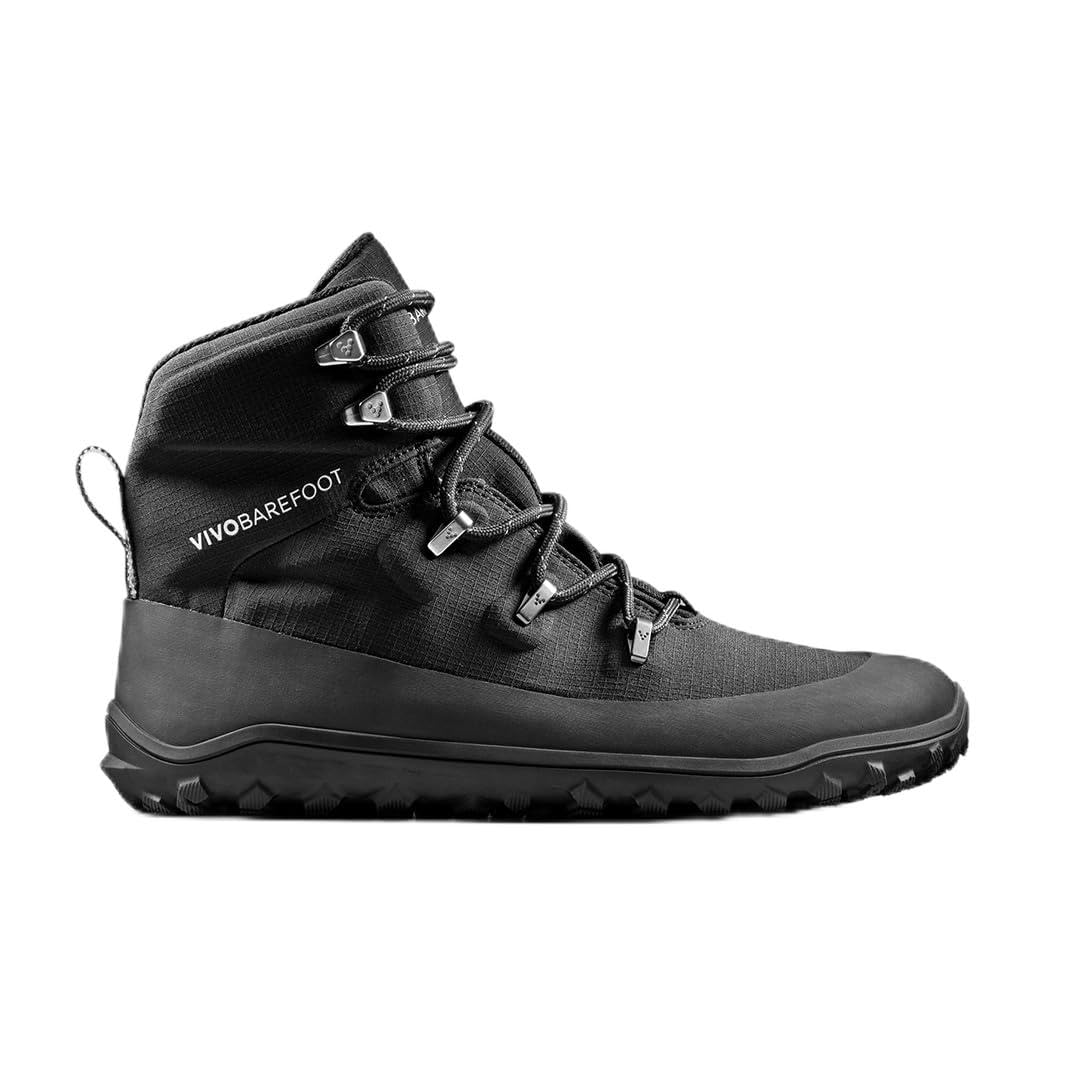
This boot proves you can have full waterproof protection and a genuinely barefoot experience. The woven textile upper is paired with a waterproof membrane, keeping feet dry even after walking through knee-deep snow and slush for an entire day. The puncture-resistant sole offers protection on sharp winter ground without sacrificing the flexibility that lets your foot move naturally.
The outsole delivers excellent traction on snow, mud, and dirt, though some users note it can feel slightly slick on wet icy stone. Sizing can be tricky — several buyers recommend ordering a full size up from your usual US size to accommodate thicker winter socks without compressing the toe box. The build quality is high enough that multiple reviewers mention wearing them daily in the Canadian Rockies with no issues.
A few durability concerns surface around the sole edge separating after a few months of heavy use, which is worth monitoring if you plan to wear these every day. Overall, this is the most complete all-weather barefoot boot available, offering a rare combination of warmth, dryness, and natural foot function.
Why it’s great
- Genuinely waterproof, tested in deep snow all day
- Puncture-resistant sole adds protection on rough winter ground
- Lightweight and flexible, true barefoot feel
Good to know
- Traction is weaker on wet ice compared to soft ground
- Sizing can be inconsistent, try half to full size up
- A few reports of sole separation after 1-3 months of wear
2. Vivobarefoot Tracker Leather AT
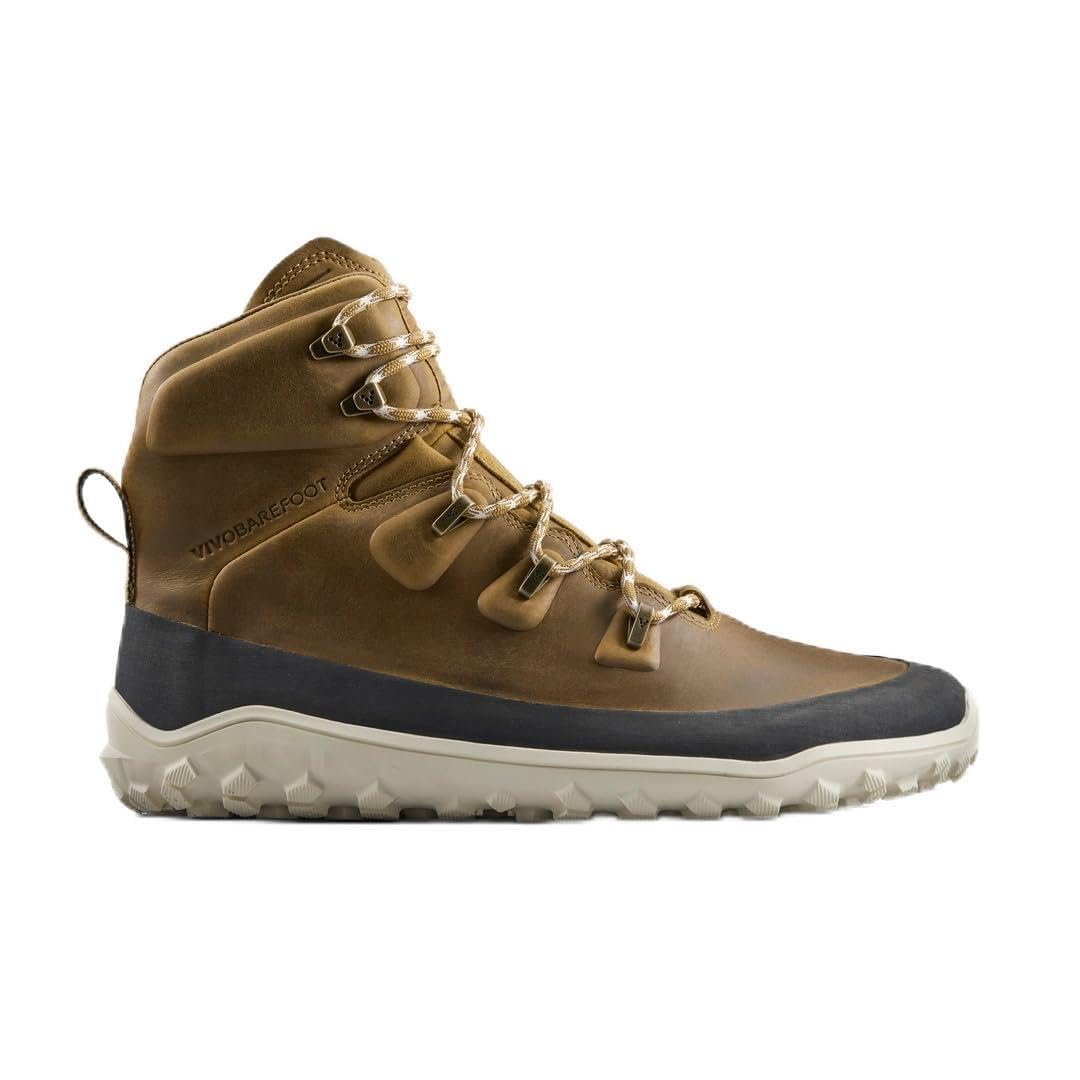
This is the leather version of Vivobarefoot’s flagship winter hiker, and it brings a more traditional aesthetic without sacrificing the zero-drop platform. The full-grain leather upper is soft yet durable, and the boot is fully waterproof, making it ideal for wet snow, rain, and muddy trails. Users consistently praise how light it feels compared to conventional leather hiking boots.
The wide toe box allows natural splay even with a thick wool sock, and the flexible sole gives you excellent ground feel while still providing enough protection to walk on sharp rocks without discomfort. Reviewers report no break-in period required, which is rare for a leather boot. The tread grips well on wet rocks, loose dirt, and packed snow, though it is not designed for deep ice.
A small number of buyers experienced an eyelet ripping off after a week, and customer service response was mixed. This appears to be an isolated manufacturing issue rather than a design flaw, but it is worth buying from a retailer with a solid return policy. The leather requires occasional conditioning to prevent drying in cold weather.
Why it’s great
- Soft, durable full-grain leather with zero break-in
- Waterproof performance reliable in wet conditions
- Excellent balance of ground feel and underfoot protection
Good to know
- Rare reports of eyelets failing early
- Leather needs regular conditioning for longevity
- Traction on solid ice is limited
3. Vivobarefoot Magna Forest ESG
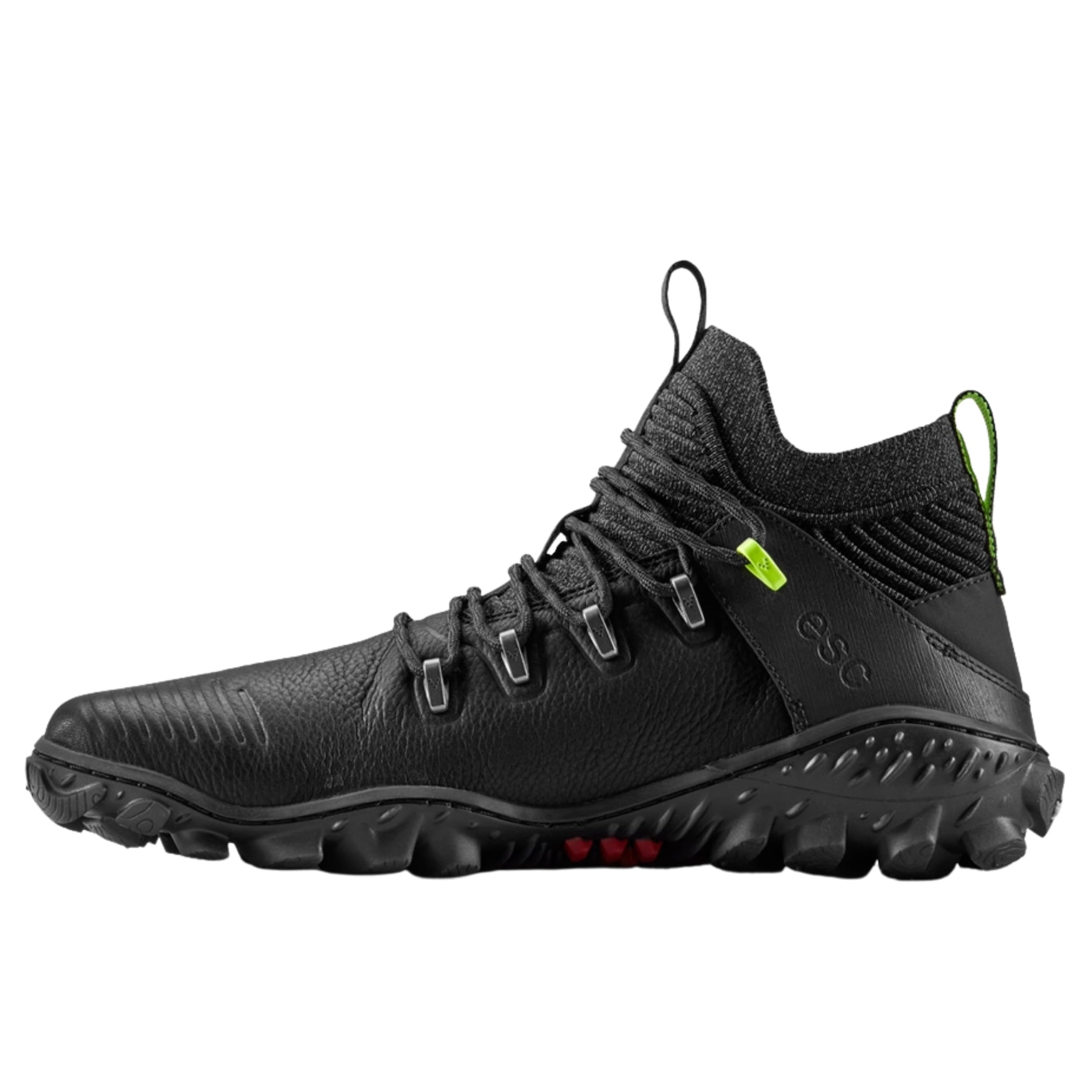
The Magna Forest ESG combines a leather and wool upper with Vivobarefoot’s barefoot sole, creating a boot that feels like a trail runner but performs like a heavy-duty winter boot. The wool lining provides natural warmth and moisture-wicking, and it does not add enough bulk to crowd the toe box. The Michelin outsole is the star here — its deep, widely spaced lugs excel on soft ground, mud, and unpacked snow.
Users highlight that the boot is odorless even after long hikes, which is a testament to the natural wool and leather materials. The boot is flexible and lightweight, making it easy to use for everything from daily errands to challenging winter hikes. The pull tab on the back is large and easy to grab, which helps when putting them on with cold fingers.
The biggest downside is the fit for those with truly wide feet. Several buyers report that the toe box is not as wide as other Vivobarefoot models, and the stiff sole initially feels uncomfortable for some. Sizing down rather than up tends to work better. Also, this is not a fully waterproof boot, so standing water can eventually seep in.
Why it’s great
- Michelin sole provides excellent grip on soft, snowy ground
- Wool lining keeps feet warm without bulk
- Lightweight and flexible like a running shoe
Good to know
- Toe box is narrower than other barefoot boots
- Not fully waterproof, avoid deep standing water
- Some users find the sole too stiff initially
4. JIM GREEN Barefoot African Ranger
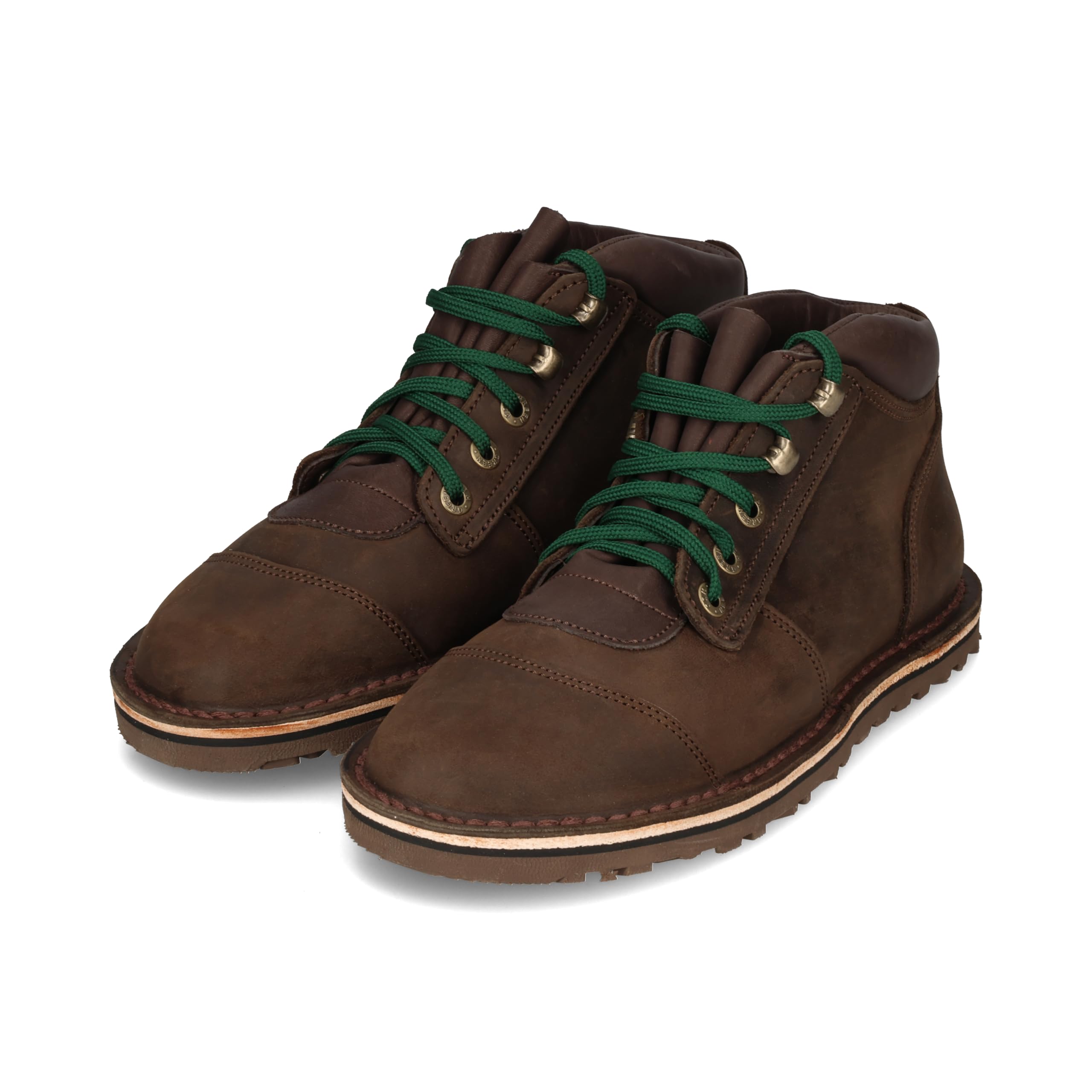
JIM GREEN has built a serious reputation for durable work boots, and their barefoot version is no different. The African Ranger uses thick full-grain leather with a classic stitch-down construction that allows the sole to be replaced when it wears out. This makes it one of the most sustainable and long-lasting options in the barefoot category. The toe box is extremely wide, giving your toes all the room they need to splay naturally.
The outsole is soft and grippy, providing good traction on most surfaces. The boot is designed without a cushioned midsole, which is exactly what barefoot purists want — you feel the ground clearly while still having a protective layer underfoot. Many users report that these boots cured foot problems like bunions and metatarsal pain because of the unrestricted toe space.
The break-in period is significant, with some users experiencing blisters before the leather softens. The boot runs high volume, so those with low-volume feet may need to size down. It also lacks significant insulation, so for deep winter use, you will need a thick wool sock. The laces are also difficult to adjust quickly.
Why it’s great
- Stitch-down construction makes it fully resoleable
- Extremely wide toe box for natural splay
- High-quality full-grain leather is durable
Good to know
- Long break-in period, can cause blisters
- No insulation, needs thick socks for winter
- High volume fit may not suit low-volume feet
5. Belleville Mini-Mil TR102

The Belleville TR102 is a true minimalist tactical boot designed for military and EMS use, meaning it prioritizes ground feel, stability, and hours of continuous wear. The zero-drop platform and wide toe box make it a solid choice for anyone who needs a boot that performs well on wet floors, rocky terrain, and long shifts. Reviewers who wore them for 12-hour shifts or intense hunting trips report zero foot fatigue.
The boot is extremely lightweight compared to standard tactical boots, and the slip-resistant outsole performs well on wet concrete and loose dirt. The upper is made from a combination of leather and nylon, making it breathable yet durable. Users note that the boot requires no break-in and molds to the foot quickly.
The downsides include a lack of true Gore-Tex waterproofing despite some listing claims, though the boot is still highly water-resistant. The leather coating can scuff and flake with extended use, and the lace loops can dig into the top of the foot if laced too tightly. Traction on ice and packed snow is poor, so this is better for cold-weather work environments than deep snow hiking.
Why it’s great
- Exceptional stability for long hours on feet
- No break-in needed, comfortable immediately
- Very lightweight for a boot with tactical durability
Good to know
- Not fully waterproof despite some claims
- Poor traction on ice and snow
- Leather coating can scuff and flake
6. Vivobarefoot Magna Lite WR
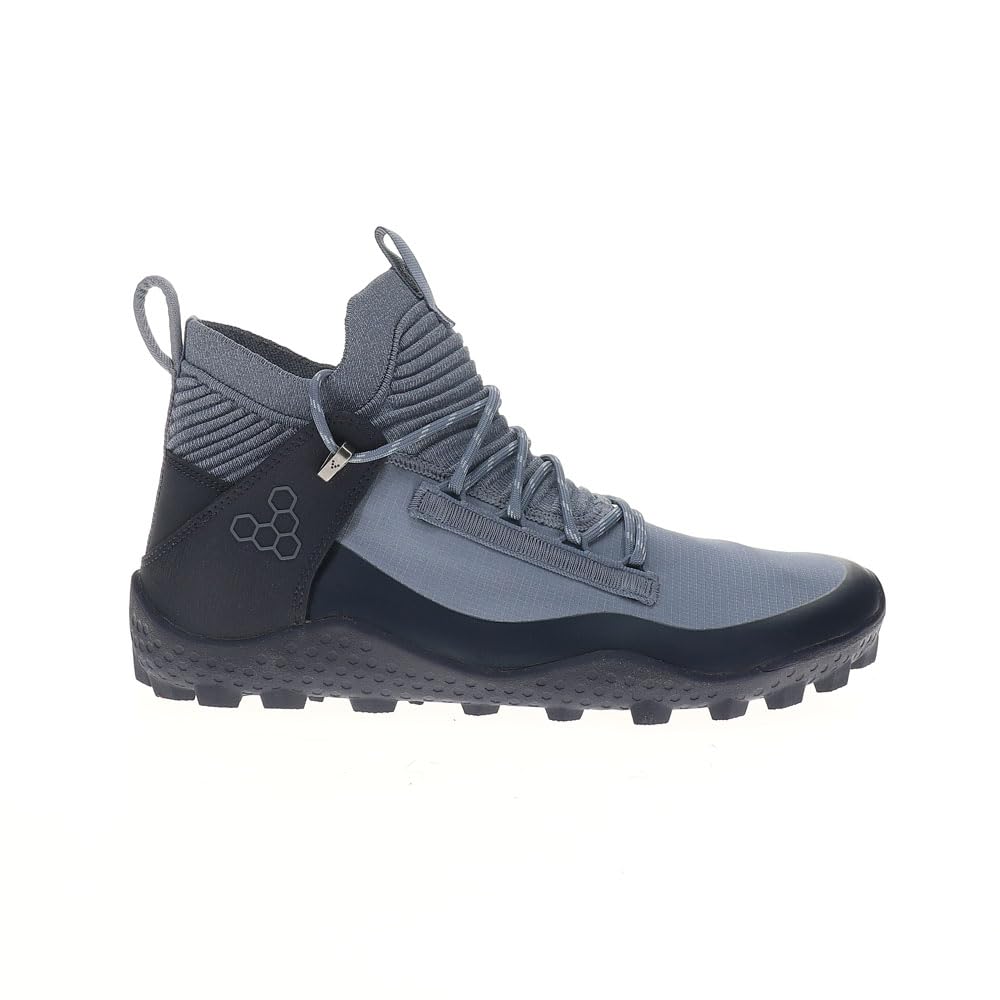
The Magna Lite WR is the lightweight sibling in Vivobarefoot’s winter lineup, designed for those who want a low-profile boot that handles wet conditions without the bulk of a full winter hiker. The water-resistant upper keeps morning dew and light rain at bay, and the flexible sole provides exceptional ground feel. Multiple reviewers describe it as the best hiking shoe they have ever worn.
The boot is extremely comfortable right out of the box, requiring no break-in. It works well for both daily wear and moderate hiking, and the zero-drop platform helps prevent the knee and hip pain that often comes with traditional cushioned boots. The outsole offers good grip on a variety of surfaces, and the boot is light enough to feel like a trail runner.
The main issue is that the water resistance is not sufficient for true winter conditions. One reviewer reported that a steady drizzle soaked through the top of the boot after just half a mile. Also, the sole can wear down faster than expected, and the upper material is prone to ripping if you accidentally scrape your foot on a sharp object.
Why it’s great
- Very lightweight and comfortable, no break-in
- Excellent ground feel for a hiking boot
- Zero-drop design helps reduce joint pain
Good to know
- Not fully waterproof, water seeps in during steady rain
- Sole wears faster than full-grain alternatives
- Upper material can tear on sharp objects
7. Vibram FiveFingers V-Trek Insulated
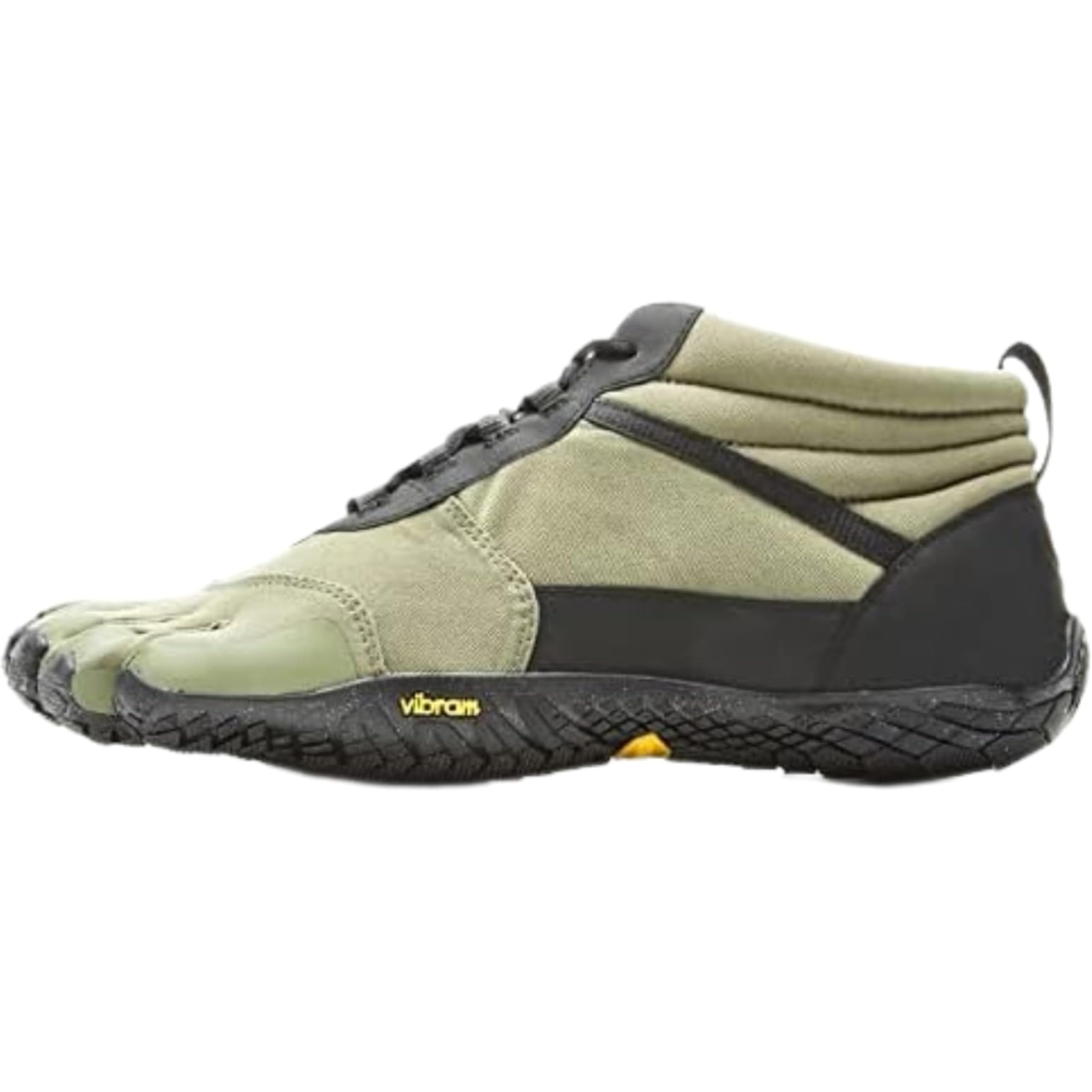
For those who refuse to give up individual toe movement even in winter, the V-Trek Insulated is the clear answer. The fleece lining adds warmth without bulk, and the individual toe pockets allow each toe to grip and articulate naturally. This is the closest you can get to being barefoot in the cold without frostbite. The Vibram TC1 outsole provides solid traction on dirt, leaves, and rocks.
Users recovering from injuries report that these shoes dramatically improve proprioception and balance. One reviewer used them to transition off a walker after a spinal cord injury. The boots are machine washable, which is a huge convenience. They dry quickly after getting wet, and the minimal insulation is enough to keep feet warm down to about freezing with thin socks.
The biggest hurdle is the learning curve. Putting them on requires patience and following instructions. They also require a period of foot strengthening — wearing them for long walks on concrete or hard gravel can be painful for those new to toe shoes. The fleece insulation is minimal, so these are not suitable for deep snow or prolonged sub-freezing exposure.
Why it’s great
- Individual toe pockets for maximum proprioception and splay
- Fleece lining adds warmth without bulk
- Machine washable and quick-drying
Good to know
- Steep learning curve to put on and adapt to
- Not warm enough for deep snow or extreme cold
- Thin sole can feel every sharp rock
8. Xero Shoes Breckenridge
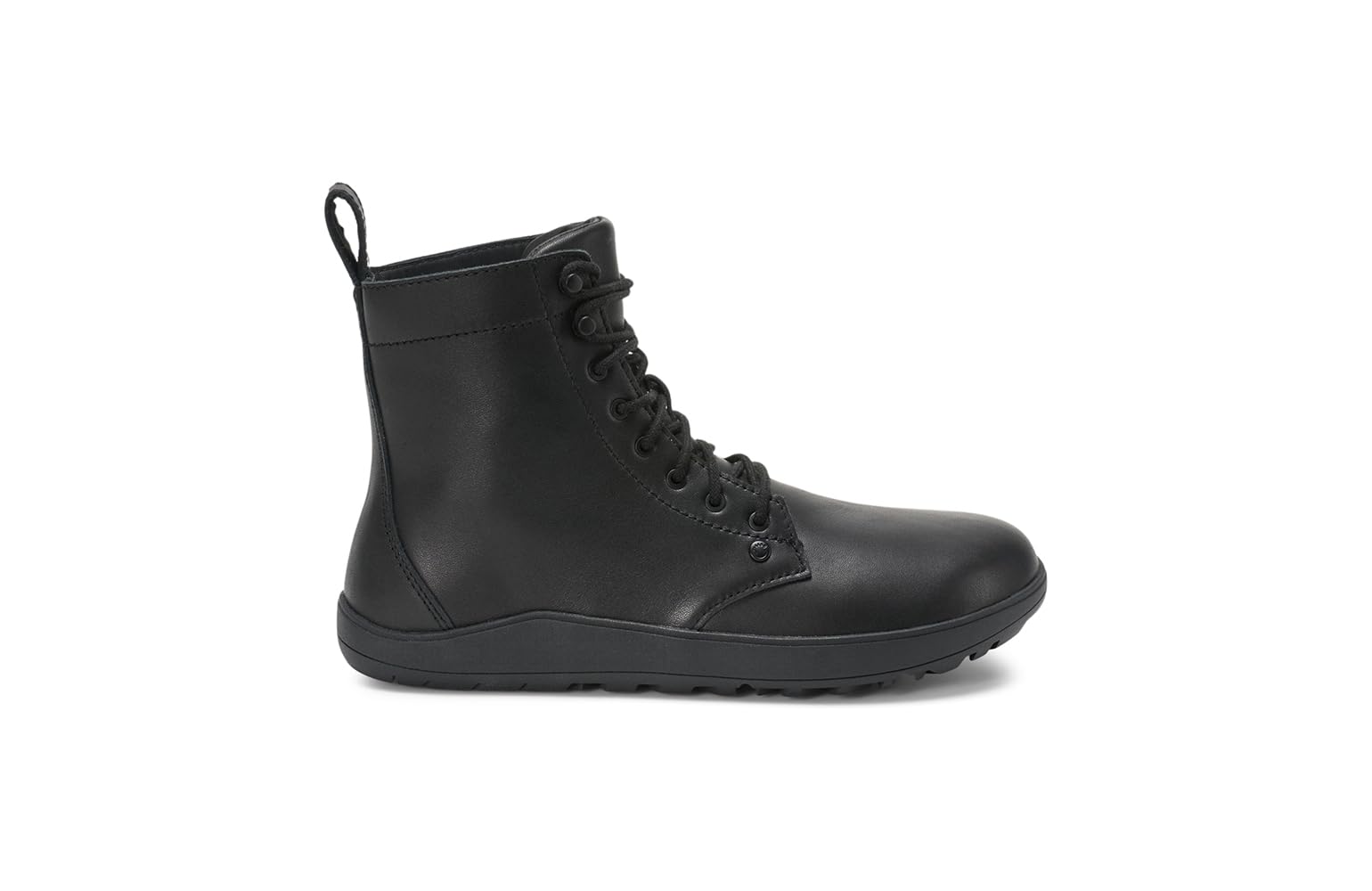
The Breckenridge is Xero Shoes’ first true winter fashion boot that does not compromise on barefoot function. The leather upper is classic and stylish enough to wear with skinny jeans or wide-leg pants, and the zero-drop platform keeps your posture aligned. The wide toe box is generous, allowing thick socks to fit without bunching your toes. Users describe them as the most comfortable leather boots they have ever owned.
One standout feature is that the boot can easily accommodate an ankle brace, making it a great choice for those recovering from injuries. The adjustable laces allow a custom fit around the heel and arch, preventing the slippage that plagues many wide-toe boots. Several reviews mention wearing them for long distances and forgetting they have boots on.
However, the fit can be polarizing. While many love the wide toe box, a few users with very wide feet find the toe box still too narrow for true barefoot needs. There are also complaints about the sole not being flexible enough for some, and one reviewer experienced consistent pain in the ball of the foot. The boot also lacks serious insulation, so it is best for cool city temps rather than deep winter hikes.
Why it’s great
- Stylish design works with various outfits
- Wide toe box accommodates socks and braces
- Comfortable for all-day wear and long walks
Good to know
- Not all users find the toe box wide enough
- Sole flexibility may not satisfy barefoot purists
- Minimal insulation, not for deep snow
9. Xero Shoes Alpine
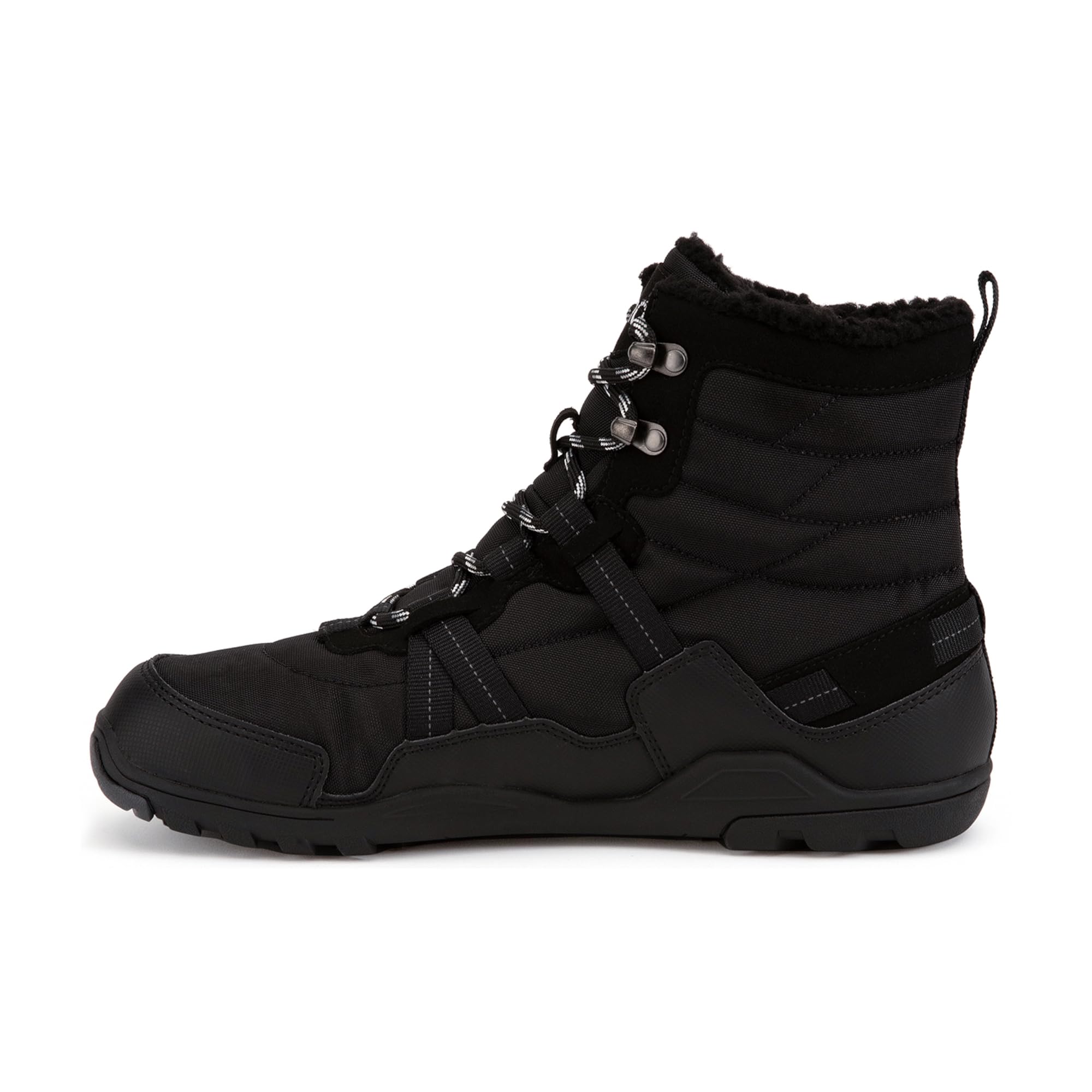
The Xero Alpine is the entry-level snow boot for the barefoot crowd, offering a wide toe box and flexible zero-drop sole at a price that makes it easy to test the waters. The boot is lightweight and provides solid traction on snow and ice thanks to a well-designed outsole. Users consistently mention how comfortable they are for moderate cold with a good pair of wool socks.
The boot is water-resistant rather than fully waterproof, but it handles light snow and slush well. The quick-lace system makes putting them on and taking them off easy, and the ankle support is surprisingly good for a flexible boot. Many reviewers note that after a full winter of use, the boots held up well and remained comfortable for long walks.
For true barefoot devotees, the toe box may not be wide enough. Some users with very wide feet found the toe box too narrow and the sole not flexible enough compared to other barefoot options. The boot also lacks serious insulation, so it is best suited for temperatures above freezing unless you add a thick sock. For its price, it is a solid starting point for anyone curious about barefoot winter footwear.
Why it’s great
- Affordable entry into barefoot winter boots
- Good traction on snow and ice
- Lightweight and easy to put on
Good to know
- Toe box may not be wide enough for very wide feet
- Not fully waterproof, avoid deep slush
- Minimal insulation, needs thick socks below freezing
FAQ
Can I wear barefoot winter boots in deep snow?
How do I size barefoot winter boots for thick socks?
Are barefoot winter boots warm enough for freezing temperatures?
Final Thoughts: The Verdict
For most users, the best barefoot winter shoes winner is the Vivobarefoot Tracker Textile AT because it delivers genuine waterproof protection, puncture resistance, and a flexible barefoot sole that handles deep snow and daily wear with equal confidence. If you want the tactile feedback of individual toe movement, grab the Vibram FiveFingers V-Trek Insulated. And for a rugged, resoleable boot that will last for years of cold-weather work and hiking, nothing beats the JIM GREEN Barefoot African Ranger.