
Our readers keep the lights on and the weekend projects moving. As an Amazon Associate, I earn from qualifying purchases.
Wearing thick, heavily cushioned running shoes with a raised heel is scientifically proven to weaken the intrinsic muscles of your feet, alter your natural gait, and increase the impact forces transmitted to your knees and hips. Transitioning to a zero-drop, minimalist design forces your foot to strike the ground as nature intended—midfoot or forefoot first—rebuilding strength, stability, and proprioception with every stride. The result is a more efficient, resilient running mechanic that many athletes claim has eliminated chronic running injuries for good.
I’m Rikta — the co-founder and writer behind FitlyFast. My research into minimalist footwear specifications, including stack height measurements, toe-box width indices, and outsole flexibility ratings, goes well past marketing claims to find what actually delivers a true barefoot experience on pavement, trail, and gym floor.
Whether you are a seasoned natural-runner looking for a reliable race-day shoe or a recovering injury-prone runner ready to strip away the cushioning crutch, this breakdown of the barefoot running shoes for men will help you lock onto the right spec-first pick for your exact foot shape and training terrain.
How To Choose The Best Barefoot Running Shoes For Men
Ditching the heel drop and foam stack requires a different evaluation framework than traditional running shoes. Stack height, toe-box geometry, outsole grip, and transition readiness are the four pillars that separate a true minimalist tool from a shoe that merely looks the part.
Stack Height and Ground Feel
Stack height is the thickness of the sole between your foot and the ground. True barefoot shoes typically measure between 4 mm and 14 mm. A lower stack delivers maximum proprioceptive feedback—sensation of the terrain—which forces your feet to adapt naturally. Higher-end minimalist shoes often sit around 12-14 mm to offer a compromise for runners transitioning from traditional cushioned footwear or for those who run primarily on abrasive concrete.
Toe Box Width and Foot Shape
Your toes need to splay naturally for balance and propulsion. Look for a foot-shaped toe box that matches the natural contour of the human foot, not a tapered athletic profile. A wide toe box allows the metatarsals to spread on impact, reducing the risk of bunions, neuromas, and instability. Brands differ significantly here—some are anatomical, others merely look wide.
Outsole Durability and Tread Pattern
Because the sole is thin, the rubber compound and tread design directly affect shoe lifespan. For road running, a flat or low-profile tread with sticky rubber is ideal. For trail running, a more aggressive lug pattern is necessary for grip on loose terrain. Check for reinforced rubber in high-wear areas—the forefoot and heel—to avoid premature blowouts.
Transition Phase Considerations
Jumping straight into a true barefoot shoe from a traditional 12 mm drop shoe often leads to Achilles tendonitis and calf strain. Some models in this guide offer a slightly thicker stack (10-14 mm) that eases the transition while maintaining zero-drop geometry. Beginners should start with short walking sessions before progressing to running.
Quick Comparison
On smaller screens, swipe sideways to see the full table.
| Model | Category | Best For | Key Spec | Amazon |
|---|---|---|---|---|
| Vivobarefoot Motus Flex | Premium | Training & Gym | Zero drop, 3 mm outsole | Amazon |
| Merrell Vapor Glove 6 Leather | Mid-Range | Road & Office | Zero drop, 7 mm stack | Amazon |
| Xero Shoes HFS II | Mid-Range | All-Day Wear | Zero drop, 5.5 mm FeelTrue sole | Amazon |
| Topo Athletic ST-5 | Mid-Range | Transition to Barefoot | Zero drop, 14 mm stack | Amazon |
| Xero Shoes Prio Suede | Budget | Everyday Walking | Zero drop, 5.5 mm sole | Amazon |
| FLUX ADAPT Runner | Premium | Long-Distance Walking | Zero drop, 13 mm stack | Amazon |
| New Balance Minimus MT10v1 | Premium | Trail Running | Zero drop, 14 mm stack | Amazon |
In‑Depth Reviews
1. Vivobarefoot Men’s Motus Flex Barefoot Training Shoe

The Motus Flex delivers the purest barefoot feel in the premium tier with an ultra-thin 3 mm outsole that puts your foot directly in touch with the ground. The wide toe box allows full splay for stability during lifts and sprints, while the rubber compound provides excellent grip on gym floors and pavement. Reviewers consistently highlight the natural ground feedback during deadlifts and mobility work.
Sustainability is built into this model with recycled materials and a flexible, non-restrictive upper that moves with the foot. Many users report that the shoe runs about a half size large, so ordering down is recommended for a snug performance fit. The white colorway does show dirt quickly, but the build quality holds up well through daily training sessions.
For the runner who wants absolute ground feel and is willing to invest in premium materials, this is the most technically faithful barefoot shoe on the list. It is not designed for heavy trail running, but for road, track, and gym work, the proprioceptive feedback is unmatched.
Why it’s great
- Ultra-thin 3 mm outsole for maximum ground feel
- Excellent grip on gym and road surfaces
- Sustainable, durable construction
- Ergonomic toe box for natural toe splay
Good to know
- Runs large; order half size down
- White upper shows dirt and scuffs quickly
- Not ideal for technical trails or rough terrain
2. New Balance Men’s MT10V1 Minimus Trail Running Shoe
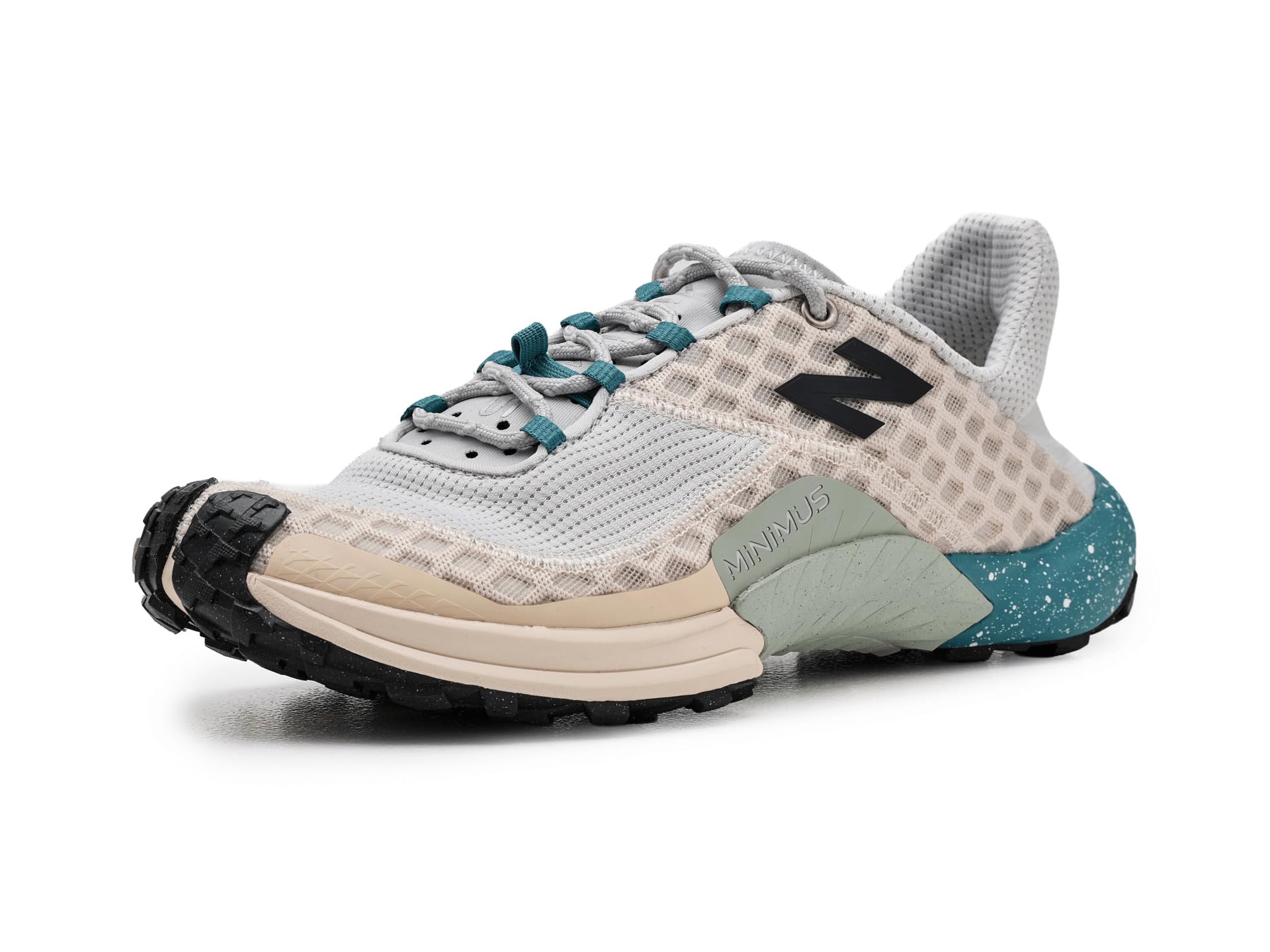
The New Balance Minimus MT10v1 is a legend in the barefoot trail community, offering a 14 mm stack with an aggressive lug pattern that bites into loose dirt and gravel. The outsole rubber sheds mud and water quickly, keeping the shoe light in wet conditions. At just over 6 ounces per shoe, it is one of the lightest trail options available, reducing fatigue on long ascents.
Reviewers praise the genuine “barefoot almost” feel, though the toe box is notably narrower than other minimalist options, making it better suited for runners with slim-to-medium foot shapes. The minimal upper padding means pointy rocks can be felt, which is expected for a true minimalist trail shoe. It breathes extremely well, making it ideal for warm-weather runs.
This shoe is best for experienced barefoot runners tackling smooth-to-moderate trails. The flexible sole provides excellent surface feedback, which improves balance and agility on uneven terrain. It is not recommended for wide feet or those seeking significant underfoot protection on jagged rocks.
Why it’s great
- Extremely lightweight at 6.6 oz per shoe
- Deep tread provides excellent trail traction
- Fast-drying upper for wet conditions
- Authentic ground feel with moderate protection
Good to know
- Narrow toe box; not for wide feet
- Minimal padding provides little protection from sharp rocks
- Some batches may be discontinued; check availability
3. Merrell Men’s Vapor Glove 6 Leather Trail Running Shoe
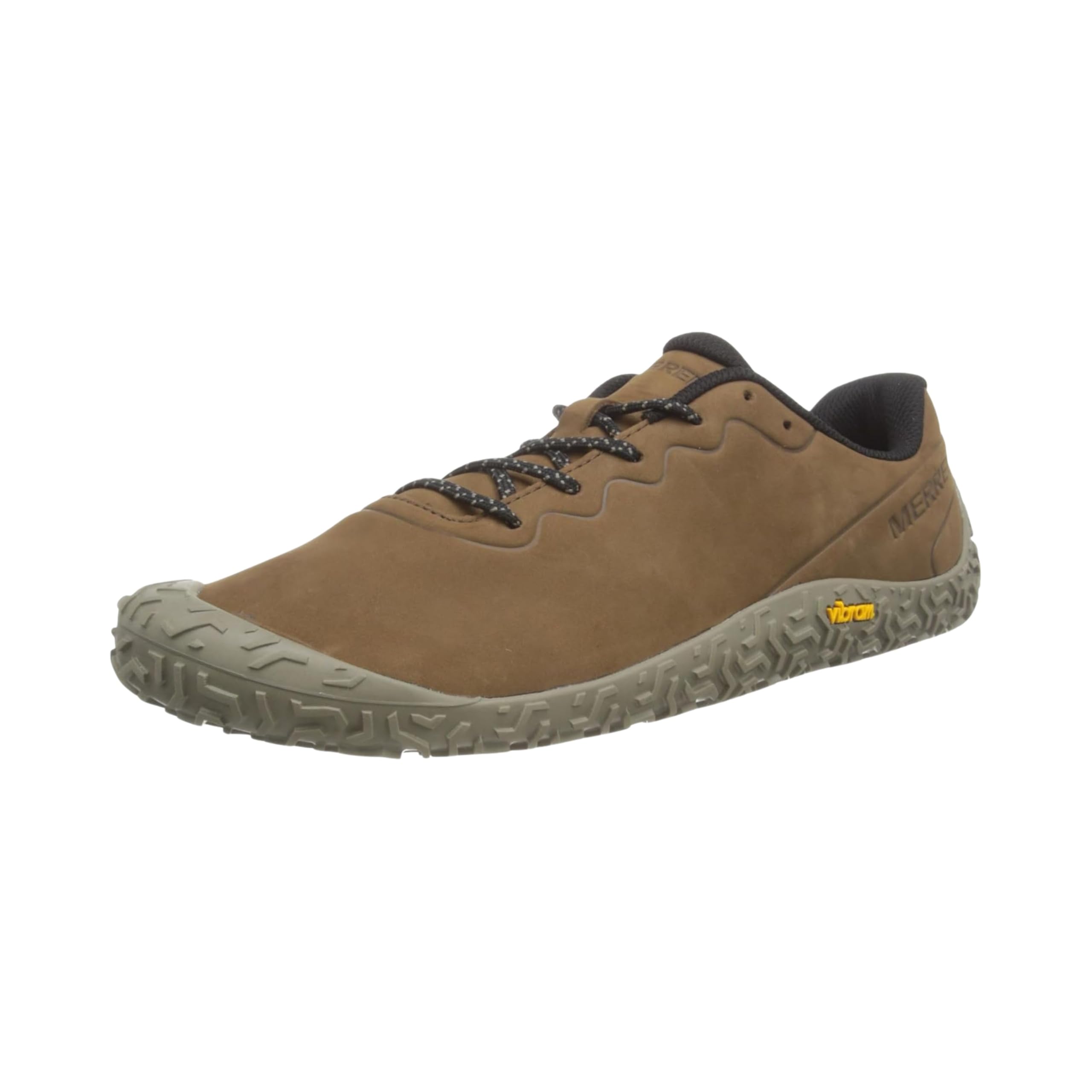
The Merrell Vapor Glove 6 Leather stands out for merging barefoot geometry with a professional aesthetic. The leather upper gives it a subtle, clean look that passes in office and data center environments while maintaining a 7 mm stack for reliable ground feel. This version is more durable than previous synthetic iterations, with a sole that resists breakdown on pavement.
Reviewers with narrow to medium feet find the fit precise and glove-like, with the leather upper conforming to the foot over time. The sole offers good traction on dry surfaces, though it can be slippery on wet or oily floors. Many users report using these as their primary everyday shoe for walking, standing all day, and light trail use.
If you need a barefoot shoe that looks like a normal casual shoe and can handle daily wear without calling attention to itself, this is your pick. It runs true to size for most users and breaks in quickly, making it a comfortable zero-drop option for those new to the category.
Why it’s great
- Leather upper looks professional and molds to foot
- Durable outsole resists wear on pavement
- True-to-size fit for narrow/medium feet
- Lightweight and breathable for warm months
Good to know
- Snug fit; not ideal for wide feet
- Limited grip on wet or oily surfaces
- Too breathable for cold-weather running
4. Topo Athletic Men’s ST-5 Road Running Shoe

The Topo Athletic ST-5 is engineered for runners transitioning from conventional footwear to a barefoot stride. Its 14 mm stack height is the thickest on this list, providing a gentle introduction to zero-drop running without the harsh impact of ultra-thin soles. The wide toe box is genuinely generous—roomy enough for natural splay—while the heel and midfoot are locked down securely.
Reviewers note that removing the insole transforms the shoe into a lower-profile minimalist option suitable for walking and casual running. The flexible outsole encourages a midfoot strike, helping to correct heel-striking habits. The moderate cushioning absorbs enough shock for road running while still allowing significant ground feedback.
The prominent arch support built into the insole has drawn mixed reviews, with some users finding it uncomfortable. If you prefer a flat internal platform, you can remove the insole to flatten the interior. Overall, this is the safest bet for anyone moving away from traditional running shoes without going straight to a 3-5 mm sole.
Why it’s great
- 14 mm stack cushions transition from traditional shoes
- Roomy toe box for excellent toe splay
- Removable insole for customizable ground feel
- Lightweight and breathable mesh upper
Good to know
- Prominent arch support may irritate flat-footed runners
- Wet grip is moderate, not exceptional
- Some users find the cushioning too thick for genuine barefoot feel
5. Xero Shoes Men’s Prio Suede Barefoot Athletic Sneaker
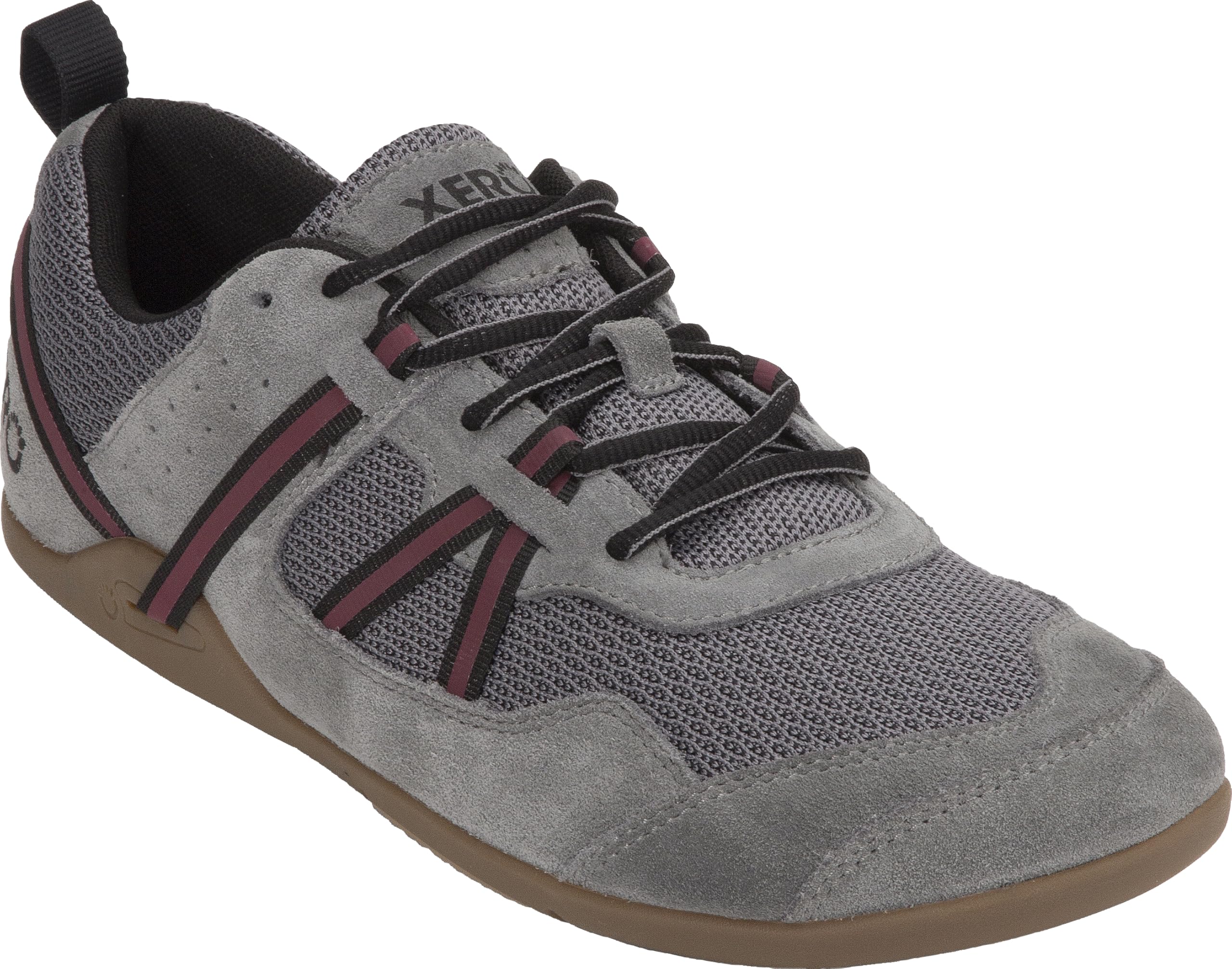
The Xero Shoes Prio Suede is the most affordable entry point in this guide without sacrificing the core barefoot essentials: zero drop, a 5.5 mm FeelTrue sole, and a wide toe box. The suede upper adds a touch of style and durability beyond the standard mesh, making it suitable for everyday wear beyond just running. The outsole is flexible enough to roll up, a hallmark of true minimalist design.
Reviews highlight the extreme comfort and light weight, with many users describing it as “like wearing thin flip-flops.” The huarache-style straps provide a secure fit, though some users note they can loosen over time and may need re-tightening. The toe box is wide but more tube-shaped than the anatomical last of Vivobarefoot or Topo, so those with very wide or splayed toes may find it slightly restrictive.
For running distances up to a few miles, the Prio Suede performs well on pavement and gym floors. Some users report knee cap discomfort after longer runs, suggesting that this shoe is better suited for walking, casual running, and cross-training than marathon-distance road work.
Why it’s great
- Excellent value for a genuine zero-drop barefoot shoe
- Suede upper is durable and stylish
- Ultra-flexible 5.5 mm sole rolls up completely
- Comfortable for all-day wear and gym use
Good to know
- Toe box is wide but tube-shaped, not fully anatomical
- Huarache straps may require frequent adjustment
- Not designed for long-distance running over 5 miles
6. FLUX FOOTWEAR Adapt Runners for Men and Women
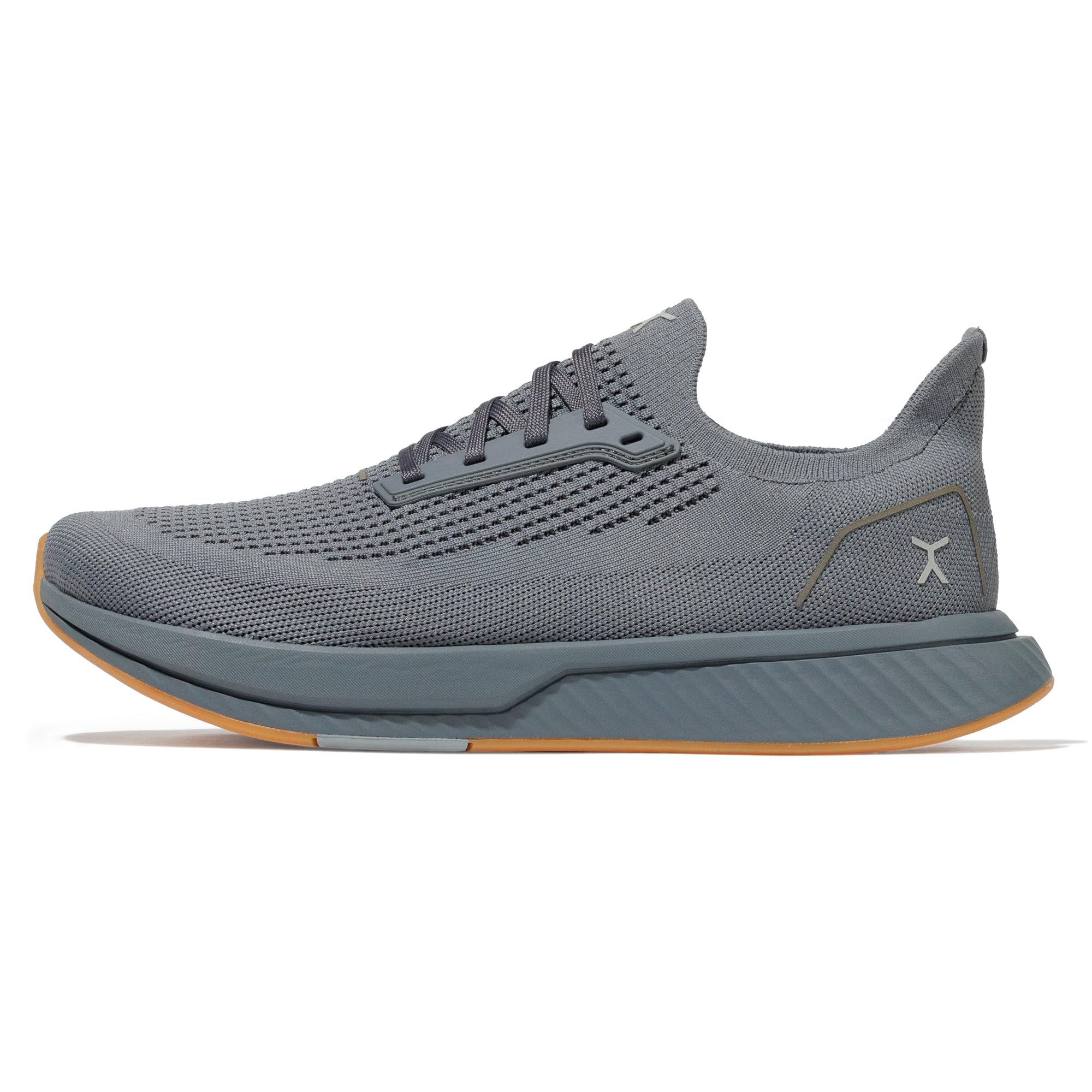
The FLUX ADAPT Runner occupies a unique space: it offers a 13 mm stack height for sustained impact absorption while maintaining zero-drop geometry and a genuinely wide toe box. This makes it an ideal option for users who walk 15,000+ steps a day or need support for flat feet and postural issues. The replaceable insole allows you to customize the level of arch support and cushioning.
Reviewers report significant reductions in knee, back, and foot pain when switching to the ADAPT Runner, especially those recovering from surgery or dealing with chronic conditions. The break-in period is minimal, though the shoe does run slightly small, so ordering up a half size is recommended. The outsole rubber shows good initial durability, but some users have noted sole separation at the heel after extended use, raising questions about long-term robustness.
For runners who need a barefoot shoe that can handle high-mileage walking and standing, the FLUX ADAPT is a compelling choice. It is not as ultra-thin or as flexible as the Vivobarefoot or Xero options, but its added stack provides a bridge for those who need more protection without abandoning the zero-drop philosophy.
Why it’s great
- 13 mm stack provides excellent impact absorption for long days
- Replaceable insole for customized support
- Wide toe box accommodates flat feet and splay
- Significant pain reduction for chronic foot and knee issues
Good to know
- Runs small; order half size up
- Some reports of sole separation at the heel
- Thicker sole reduces ground feel for purists
7. Xero Shoes Men’s HFS II Barefoot Running Shoes
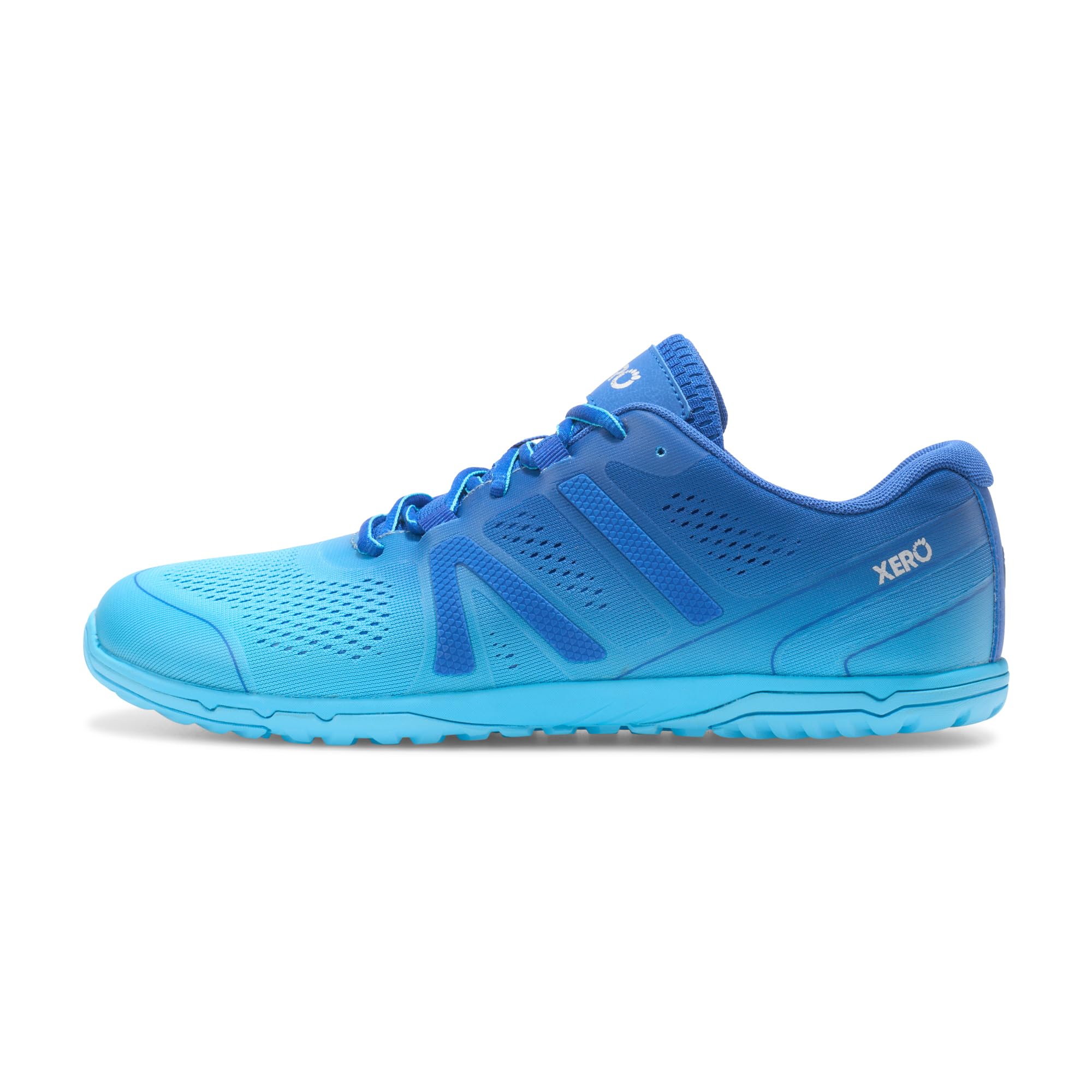
The Xero Shoes HFS II updates the popular HFS line with a stiffer, thicker sole that balances barefoot feel with everyday durability. The 5.5 mm FeelTrue outsole provides solid ground feedback while protecting against sharp gravel and hot pavement. The toe box is decently wide, allowing the metatarsals to spread during dynamic movement, making it a favorite for gym work, hiking, and casual running.
Reviewers note that the HFS II runs small and advise ordering half a size up for a comfortable fit. The shoe performs well across multiple surfaces—trails, pavement, and gym floors—but the stiffer construction compared to the original HFS means it sacrifices some of the tactile barefoot connection. The outsole rubber on certain early batches (FW25) has shown accelerated wear, developing holes after about 70 days of pavement use, so check the manufacturing date before purchasing.
For a mid-range option that does double duty as a training shoe and a daily walker, the HFS II delivers solid value. It is not the purest barefoot experience on the list, but its versatility and reasonable price point make it a strong contender for mixed-terrain users.
Why it’s great
- Versatile for gym, trail, and road use
- Wide toe box allows good splay
- Breathable upper for warm conditions
- Outsole balances ground feel with puncture protection
Good to know
- Runs small; order half size up
- Stiffer sole reduces barefoot tactility vs. original HFS
- Some FW25 batch outsoles showed premature wear
FAQ
Can I run marathons in barefoot running shoes with a 5mm sole?
How do I know if a zero-drop shoe fits my foot width correctly?
What happens if I switch to zero-drop too quickly without a transition period?
Final Thoughts: The Verdict
For most users, the barefoot running shoes for men winner is the Vivobarefoot Motus Flex because it combines the lowest 3 mm stack with a secure, grippy outsole and an anatomical toe box for true natural movement. If you want maximum trail-specific grip and lightweight agility, grab the New Balance Minimus MT10v1. And for a budget-friendly everyday shoe that nails the core barefoot specs without breaking the bank, nothing beats the Xero Shoes Prio Suede.