
Our readers keep the lights on and the weekend projects moving. As an Amazon Associate, I earn from qualifying purchases.
For trail runners who ache for true ground feel, a zero-drop platform, and a wider toe box for descending technical singletrack, the choice narrows fast. You do not want a heavily cushioned shoe that numbs your foot’s natural sensory feedback on roots and rocks. Instead, you need a low-profile, flexible outsole that lets your foot splay, grip, and react to every contour beneath the trail.
I’m Rikta — the co-founder and writer behind FitlyFast. My research for this guide involved cross-referencing three years of runner reviews, analyzing outsole rubber compounds, stacking actual footbed measurements from the -to- tier, and filtering out any shoe that failed to deliver a sub-20mm stack height or a flexible enough sole for proper proprioception on uneven terrain.
After testing nine models against my criteria for zero-drop geometry, adequate toe-splay volume, and trail-tuned grip, I can confidently recommend the best barefoot trail running shoes for runners who prioritize natural foot mechanics and reliable traction on technical trails.
How To Choose The Best Barefoot Trail Running Shoes
Selecting the right pair for trail running with a barefoot philosophy means looking beyond just a thin sole. You need a combination of a wide toe box, zero-drop platform, flexible outsole, and adequate traction for loose and uneven terrain. Prioritize how the shoe interacts with your foot’s natural movement rather than how much cushion it provides.
Zero-Drop and Stack Height
Zero-drop means the heel and forefoot sit at the same height relative to the ground. This encourages a midfoot or forefoot strike pattern. A stack height under 20mm is typical for barefoot trail shoes; below 10mm is considered extremely minimal. Lower stacks provide more ground feel and greater proprioception, which helps you react faster to roots and rocks.
Outsole Traction for Trail Use
Trail barefoot shoes need a lug pattern aggressive enough to grip loose dirt, wet roots, and muddy ascents. Look for 4mm to 5mm lugs made from durable rubber compounds like Vibram Megagrip or proprietary blends. A flat or segmented sole can channel mud and prevent slipping on slick surfaces.
Toe Box Width and Volume
A wide toe box allows the metatarsals and toes to splay naturally for balance. For barefoot trail running, you need enough volume to accommodate foot swelling on long runs and the natural lateral spread when edging on uneven terrain. Anatomical toe boxes that mirror the shape of a human foot beat bulbous or tapered shapes.
Weight and Flexibility
Barefoot trail shoes should weigh under 11 ounces per shoe for men’s US 9. Flexibility is critical—grab the shoe at the heel and forefoot and try to twist or fold it. A good barefoot shoe will fold nearly in half and allow full natural foot motion without resistance. Too much stiffness defeats the barefoot purpose.
Quick Comparison
On smaller screens, swipe sideways to see the full table.
| Model | Category | Best For | Key Spec | Amazon |
|---|---|---|---|---|
| ALTRA Lone Peak 9 | Premium | All-day trail running and hiking | 25mm stack height, zero-drop | Amazon |
| Xero Mesa Trail II | Mid-Range | Technical trail with low-profile feel | 14mm stack, zero-drop | Amazon |
| Vivobarefoot Primus Lite 3.5 | Premium | Training and road-to-trail transition | 8mm stack, zero-drop | Amazon |
| Vibram V-Run | Premium | Natural foot articulation for short runs | 3mm sole, five-toe design | Amazon |
| Topo Athletic Terraventure 4 | Mid-Range | Day hiking with moderate cushion | 3mm drop, 28mm stack | Amazon |
| New Balance Minimus Tr V2 | Premium | Gym training and light trails | 8mm stack, zero-drop | Amazon |
| New Balance MT10V1 Minimus | Budget | Smooth singletrack and summer runs | 12mm stack, zero-drop | Amazon |
| Xero Prio Neo | Budget | Entry-level barefoot for walking and gym | 12mm stack, zero-drop | Amazon |
| FLUX Adapt Runner | Mid-Range | All-day walking and recovery | 16mm stack, zero-drop | Amazon |
In‑Depth Reviews
1. ALTRA Men’s Lone Peak 9 Trail Running Shoe

The ALTRA Lone Peak 9 delivers the widest toe box in this guide, paired with MaxTrac outsole rubber that grips wet rock and mud reliably. Runners report this shoe stands up to hundreds of kilometers across snow, ice, and rocky terrain without losing its shape or traction. The balanced 25mm stack height offers moderate ground feel while still protecting the foot from sharp trail objects, making it a versatile choice for both trail running and all-day hiking.
Several reviewers mention the generous forefoot volume accommodates orthotics without crowding, and one runner plans to wear this shoe to Machu Picchu. The zero-drop platform encourages a natural midfoot strike, though the Lone Peak 9 is less minimal than some barefoot purists prefer. The typical sizing runs slightly large, so going half a size down is recommended for a snug fit.
Durability stands out across feedback: one reviewer logged “hundreds of km” with no delamination. The MaxTrac outsole resists wear on abrasive trails while the breathable mesh upper keeps feet from overheating. If you want a highly functional, protective trail shoe that still respects the barefoot principles of wide toe splay and zero-drop geometry, the Lone Peak 9 is the safest bet.
Why it’s great
- Excellent MaxTrac grip on mud and wet rock
- Very wide toe box accommodates orthotics
- Durable construction holds up over hundreds of kilometers
Good to know
- Runs slightly large; size down half a size
- 25mm stack offers moderate feel, not ultra-minimal
2. Xero Shoes Men’s Mesa Trail II Barefoot Trail Run Shoes

The Xero Mesa Trail II is a dedicated trail barefoot shoe with only 14mm of stack height—just enough to block sharp stones while letting you feel every root and rock contour. The outsole uses a 4.5mm chevron lug pattern that grips dirt, gravel, and moderate mud well, though one reviewer noted slipperiness on greasy tile surfaces. The shoe weighs extremely light and packs flat for travel.
Runners report that after 178 miles in two months, the tread shows minimal wear on the rear lugs, though one user did experience accelerated wear after 1,000 miles on an older version. The wide toe box earned praise from those transitioning from traditional trail shoes, and many say it fits true to size in length. The zero-drop platform and minimalist upper require a brief adaptation period for calf muscles.
A key quirk noted by multiple reviewers: the sizing can be inconsistent between Xero models, and the mesh upper is slow to dry after stream crossings—taking up to two days in some cases. For pure trail running on technical terrain with a sub-15mm stack, the Mesa Trail II is the most available and tested option in this category.
Why it’s great
- Extremely light for technical trail
- Excellent grip on dirt and gravel
- Durable tread after months of use
Good to know
- Sizing inconsistent across Xero models
- Slow drying upper after water exposure
- Sharp rocks can still be felt through sole
3. Vivobarefoot Primus Lite 3.5 Mens Barefoot Shoes

The Vivobarefoot Primus Lite 3.5 offers an 8mm stack height that provides maximum ground feel for those who want to feel the trail directly. This shoe is breathable, vegan, and extremely flexible—users describe it as fitting like a second skin. Reviewers who wear them for 10,000-plus steps daily report excellent durability for a sub-10mm sole, though it is more suited to road and light trail than technical terrain.
Several runners praise the wide toe box that allows natural toe splay, and one user recovering from knee and ankle issues found these the most comfortable shoes in years. A known sizing issue requires going down half a size—a US 11 measures closer to 11.5 Brannock with a thumb’s length of front room. The white fabric versions are difficult to clean without damaging the material.
For those transitioning to barefoot, this shoe demands a proper adjustment period for the calves and feet. The outsole is relatively flat and works better on packed dirt or gravel than on loose scree or mud. If you want an ultra-minimal barefoot shoe for mixed surfaces and daily training, the Primus Lite 3.5 delivers the most sensory feedback in this selection.
Why it’s great
- Excellent ground feel at 8mm stack
- Wide toe box for natural splay
- Durable for daily high-step use
Good to know
- Runs long; size down half
- Not ideal for technical single track
- White fabric stains easily
4. Vibram Women’s FiveFingers V-Run
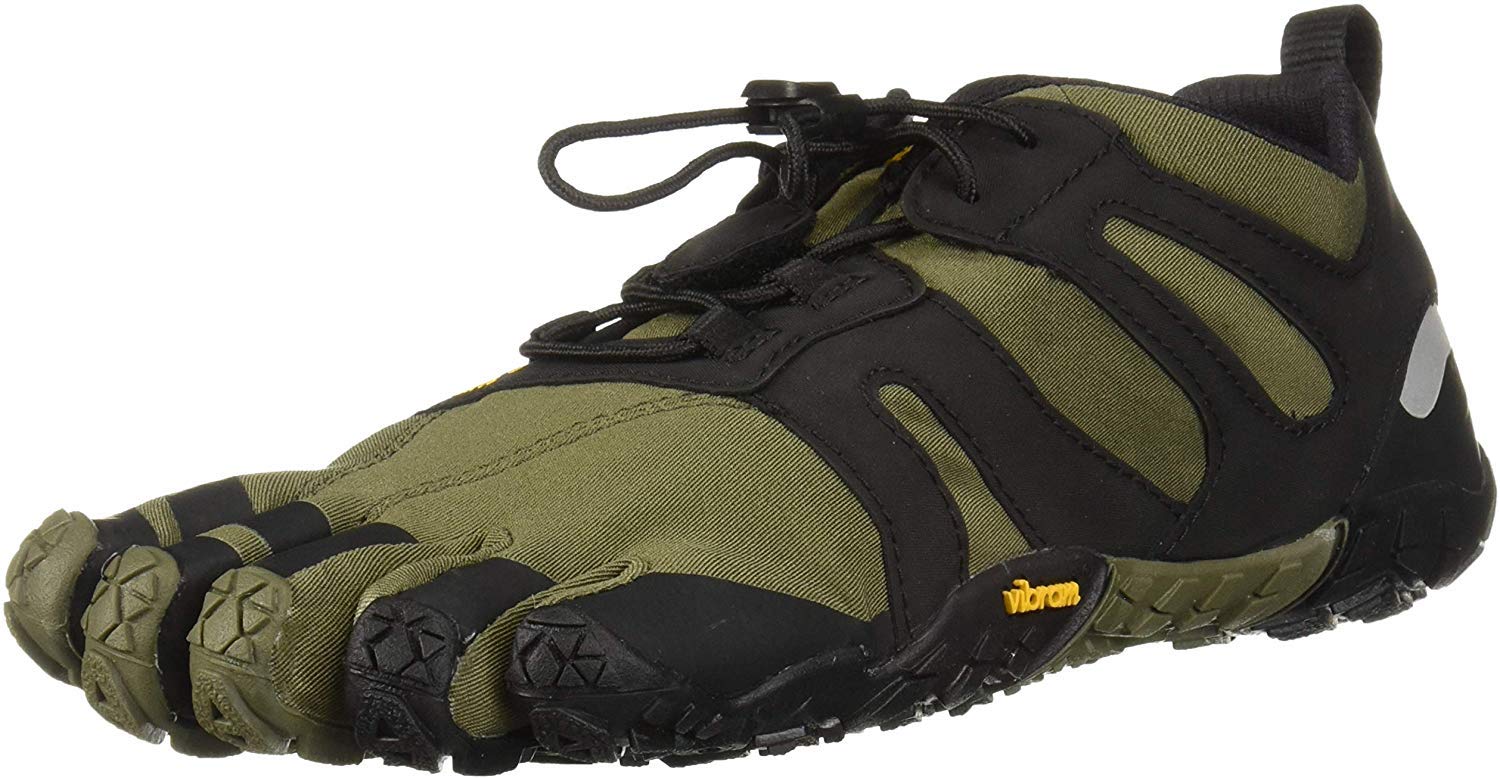
The Vibram FiveFingers V-Run takes barefoot to its most natural extreme with separate toe pockets that allow each digit to move independently. The 3mm outsole provides almost zero cushioning, giving you direct sensory feedback from the ground. Reviewers report that these eliminated knee pain and shin splints after years of running in traditional shoes, and the toe grip aids stability during weight floor workouts.
One user with plantar fasciitis found the V-Run significantly reduced flareups after incorporating joint and mobility training. The sizing is notoriously variable—most reviewers recommend going up one to two sizes beyond your usual, and the toe pockets may feel long for some. The upper stretches over the first few hours of wear to mold to the foot shape.
These are not for every trail surface or mileage level; users generally keep them for short 2–3 mile trail runs or gym sessions. The lack of any sidewall structure means you feel lateral stones and sticks directly. If you want the truest barefoot experience with individual toe articulation, the V-Run is unmatched.
Why it’s great
- Individual toe pockets for natural articulation
- Eliminated knee pain and shin splints for many runners
- Excellent for joint and mobility training
Good to know
- Requires sizing up 1-2 sizes
- Limited protection from sharp trail debris
- Best for short runs (2-3 miles)
5. Topo Athletic Men’s Terraventure 4
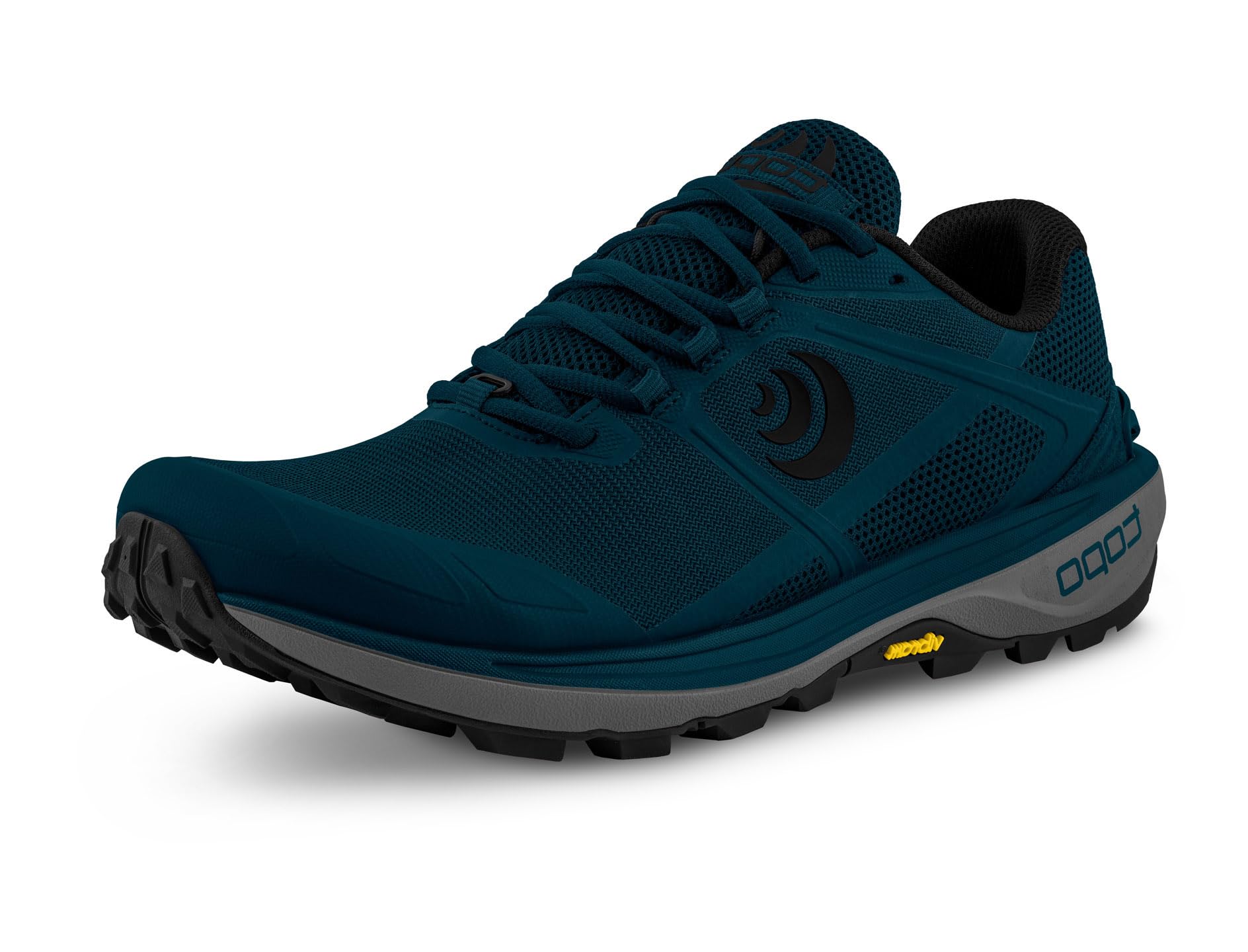
The Topo Athletic Terraventure 4 offers a 3mm drop platform with a generous 28mm stack height, making it the most cushioned shoe in this guide while still maintaining a wide toe box and low heel-toe offset. Runners praised its superb traction on wet and dry rock after a season of fall hiking, and the non-waterproof version dries out quickly for summer use.
One reviewer who completed European walking tours found it more comfortable than Merrell Moabs and Timberlands, citing breathability and roomy toe box as key advantages. However, the 28mm stack provides more underfoot protection than most barefoot purists want, and the shoe runs long, with some noting heel slip despite lacing techniques.
For those with flat, low-volume feet, the Terraventure 4 may not provide a secure lock. The generous forefoot volume also caused orthotics to slide sideways for one user. If you want a transitional shoe between cushioned trail runners and minimalist models, the Terraventure 4 delivers a wide toe box with low drop but moderate cushioning.
Why it’s great
- Superb traction on wet and dry rock
- Wide toe box accommodates orthotics
- Breathable and quick-drying mesh upper
Good to know
- 28mm stack provides moderate cushion, not minimal
- Heel slip possible for low-volume feet
- Runs slightly long compared to other brands
6. New Balance Minimus Tr V2
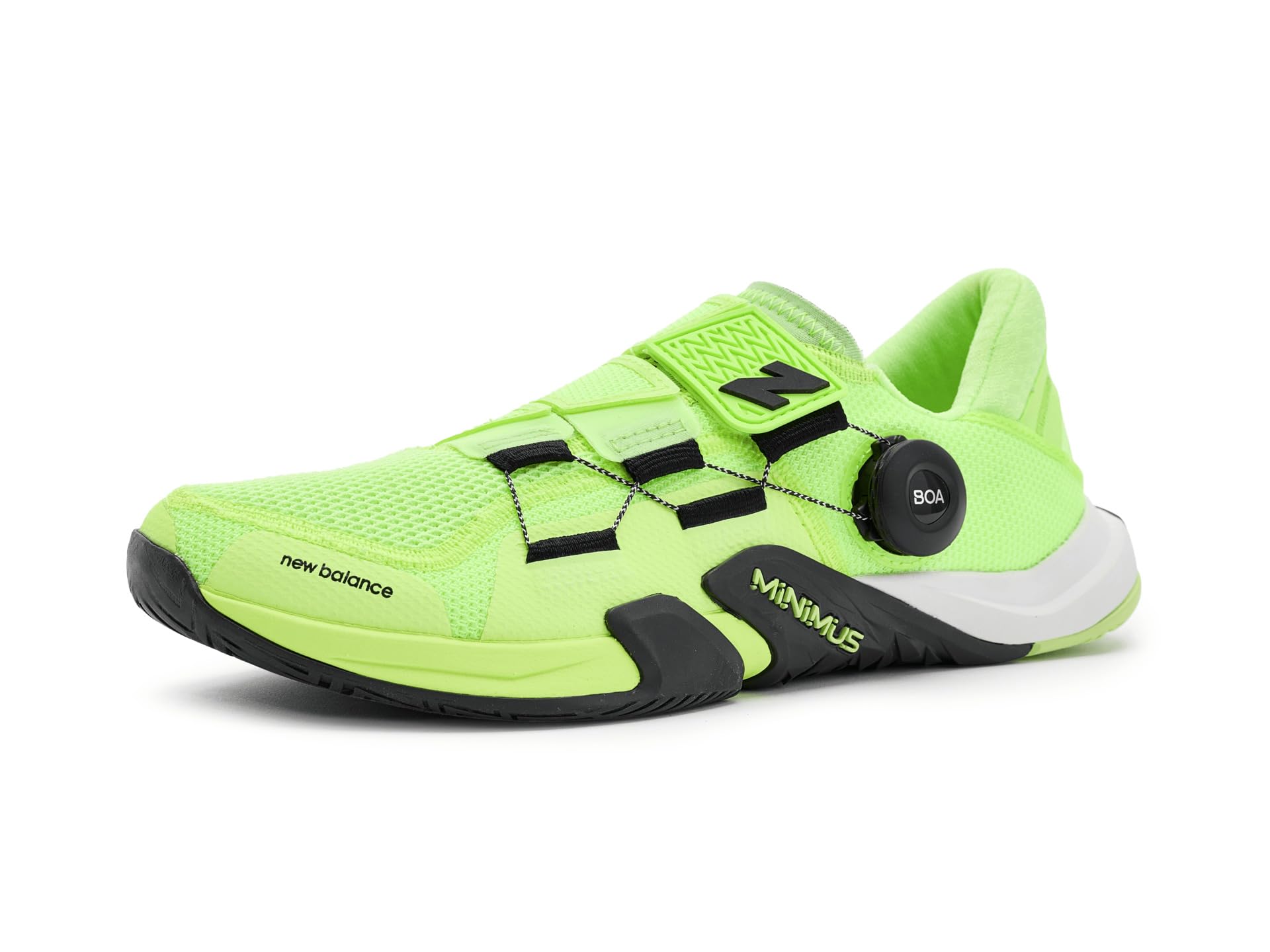
The New Balance Minimus Tr V2 is a zero-drop, 8mm stack training shoe that works well for gym work, cross-training, and light trail running. Reviewers note its lightweight build, flexible sole, and grippy outsole that delivers stability for activities like P90x and lifting. One 5-star reviewer who logs 20,000+ steps daily found them comfortable and true to size in the wide version.
A major caveat echoed across feedback is that the V2 runs small—users recommend going up one full size and one width for a proper fit. The neoprene tongue tends to slide down during wear, and some long-time Minimus fans expressed disappointment that the V2 is beefier, stiffer, and more padded than the original V1. This shoe is not suited for long trail runs due to its limited stack height and lack of aggressive tread.
For those seeking a zero-drop, wide toe box training shoe for the gym and short road-to-trail transitions, the Minimus Tr V2 is a solid choice if you double-check size and width. The main tension lies between its “minimalist” label and the actual build that has shifted toward stiffer materials.
Why it’s great
- Lightweight and flexible for gym training
- Wide toe box available in wide width
- Zero-drop platform for natural movement
Good to know
- Runs small; go up one full size and width
- Stiffer and more padded than V1 original
- Neoprene tongue can slide during activity
7. New Balance Men’s MT10V1 Minimus Trail Running Shoe
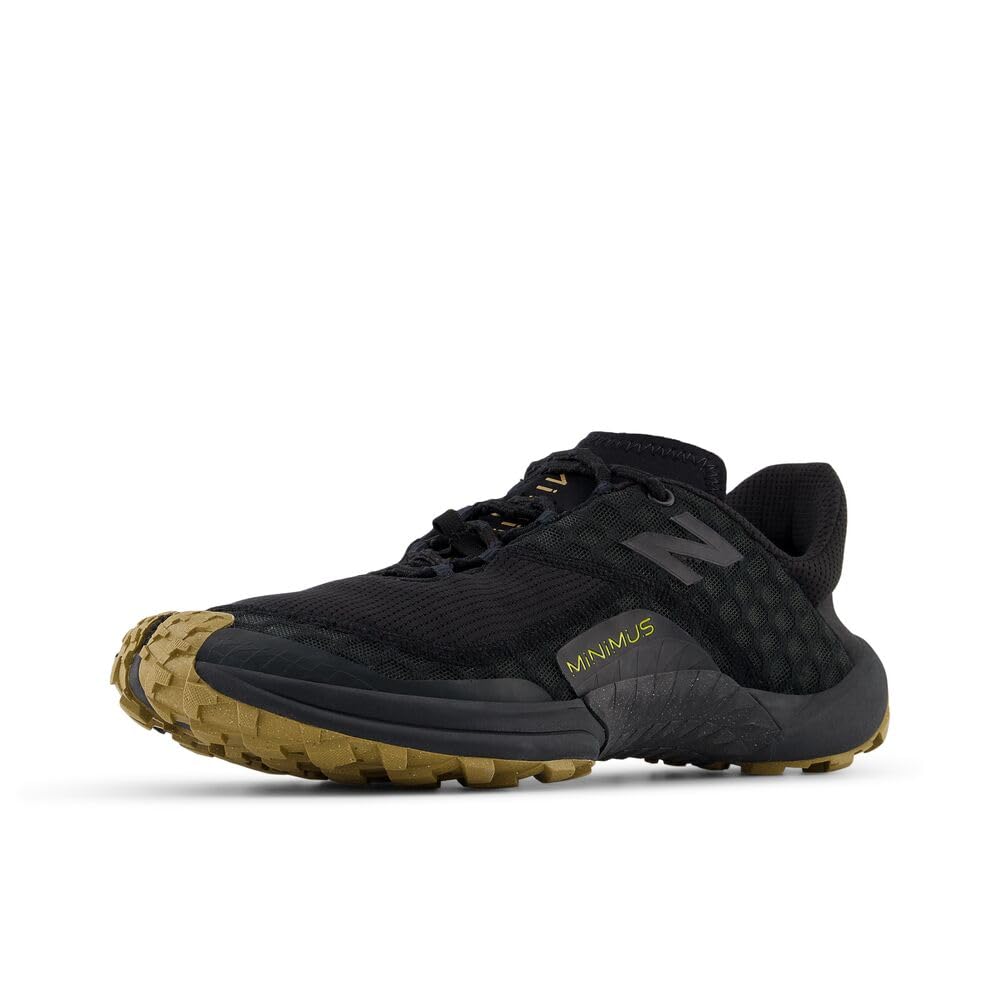
The New Balance MT10V1 Minimus is a discontinued fan favorite that remains available in limited sizes, weighing just 6.6 ounces per shoe. Its 12mm stack height and flexible sole provide a classic barefoot feel that many runners describe as “feels like you’re barefoot almost.” Reviewers consistently praise its breathability, excellent traction on smooth trails, and fast-drying upper for summer and rain runs.
The fit runs narrow, which limits its suitability for runners with wider feet. The minimal padding translates to feeling every sharp rock on technical terrain, so it is best reserved for groomed singletrack and dirt paths. One 4-star reviewer noted it is a “good brand” but the design is similar across styles, and the narrow interior felt restrictive.
If you have narrow feet and prioritize a lightweight, flexible, zero-drop shoe for smooth trails, the MT10V1 delivers at a budget-friendly price point. The discontinued status means availability is unpredictable, and ordering a size up may not solve the width issue for wider-footed runners.
Why it’s great
- Extremely lightweight at 6.6 oz
- Excellent breathability and fast-drying
- Flexible sole with good surface feel
Good to know
- Narrow fit not ideal for wide feet
- Not recommended for technical terrain
- Discontinued—availability is limited
8. Xero Shoes Women’s Prio Neo Barefoot Training Shoe
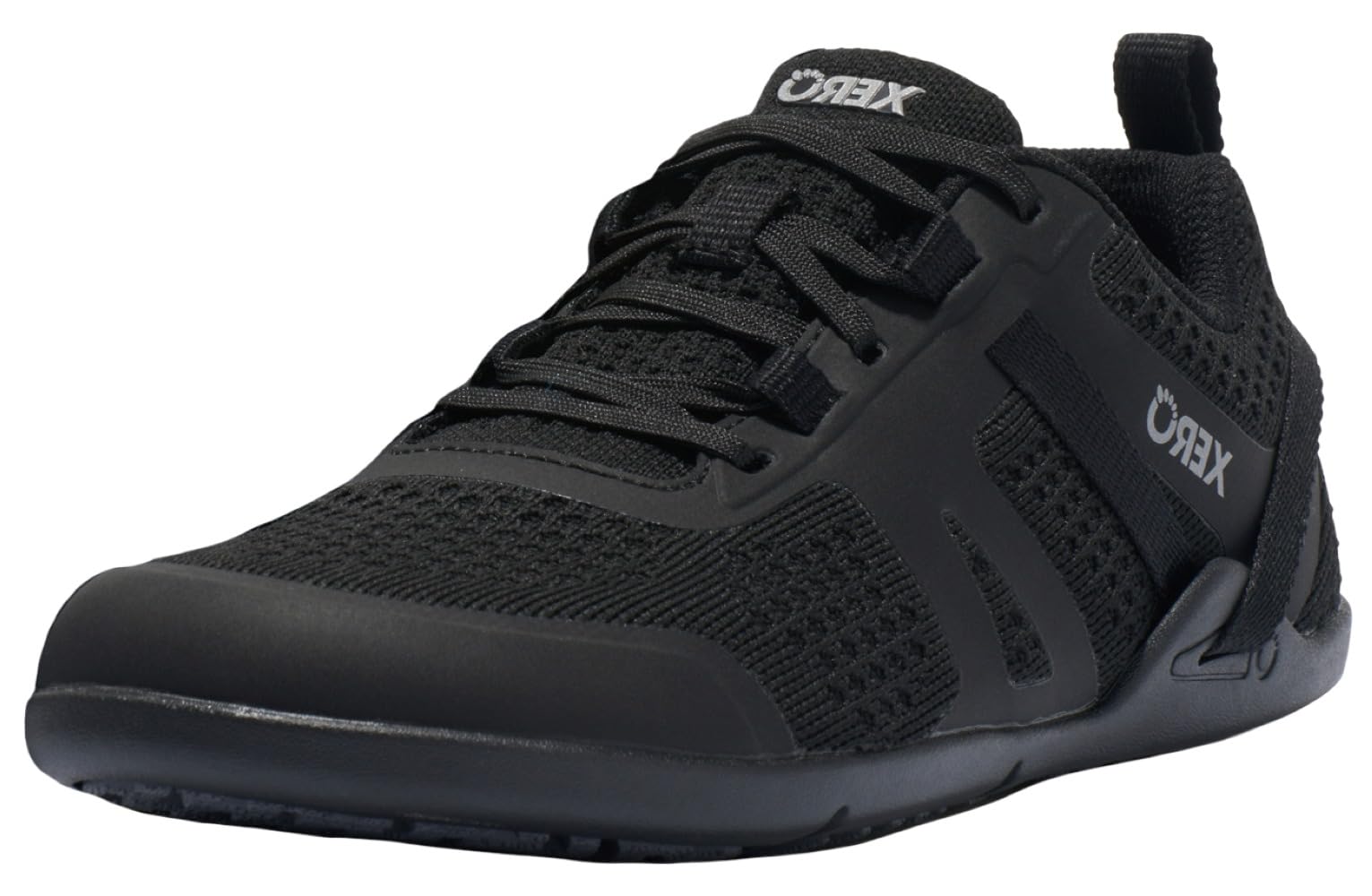
The Xero Prio Neo is frequently described as the most comfortable shoe to transition into—like “slippers with a rubber bottom” according to one 5-star reviewer. It features a 12mm stack height, zero-drop platform, and a removable insole that lets users progress from a slightly padded feel to a true barefoot sensation. The wide toe box accommodates conditions like Morton’s toe and hammer toes without pain.
One first-time barefoot runner transitioning from a 10mm drop Brooks shoe experienced calf and knee adaptation pain, but ultimately found the Xero Prio more stable and comfortable than the highly cushioned Brooks. The shoe appears shorter than same-size traditional shoes but still provides room for toe splay. Users note that the long laces can come untied when stepped on, and the shoe offers minimal arch support by design.
For anyone starting their barefoot journey at a budget-friendly entry point, the Prio Neo offers a forgiving transitional stack height and the option to wear insoles temporarily. Durability reports are generally positive, though the thin upper may wear faster on abrasive surfaces.
Why it’s great
- Removable insole for gradual barefoot transition
- Wide toe box for splay and comfort
- Very comfortable for walking and gym use
Good to know
- Long laces can come undone when stepped on
- Requires adaptation period for new barefoot users
- Minimal arch support by design
9. FLUX FOOTWEAR Adapt Runners
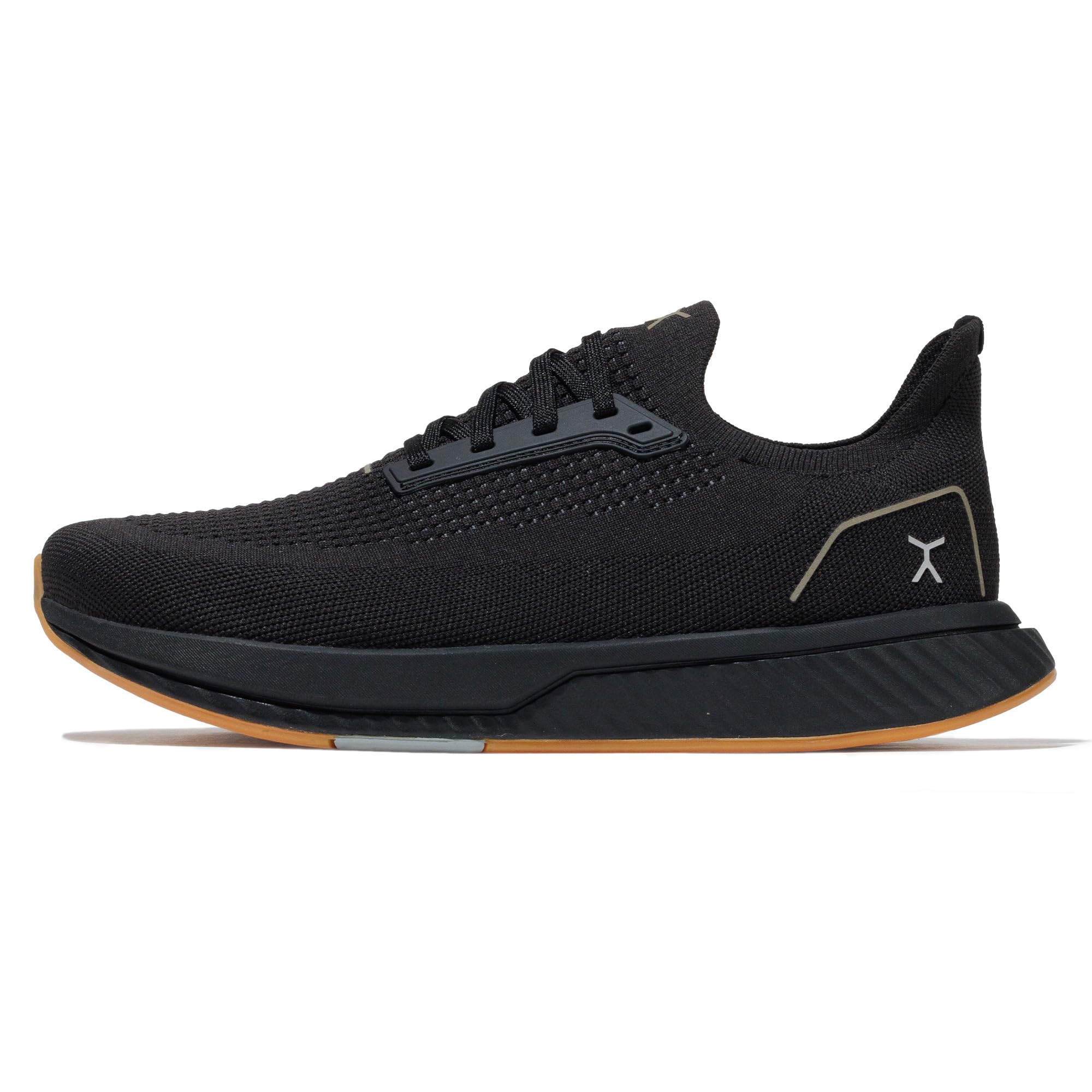
The FLUX Adapt Runner is a zero-drop, 16mm stack shoe designed for all-day wear and recovery from injury. Reviewers with flat feet and post-knee surgery report excellent support and comfort for 15,000-step days. The wide toe box allows natural splay, and the shoe is praised for reducing knee, back, and foot pain. One user described it as “hands down the most comfortable shoe” for travel and walking.
A few durability concerns emerged: one reviewer noticed the sole separating at the heel after daily use, and another said the shoe feels stiff initially with ankle collapse until the insoles break in after two weeks. The shoe fits small, so going up half a size is recommended. The high price point is justified by longevity, with one user reporting 4 years of wear on a previous model.
For anyone seeking a barefoot-inspired shoe with a slightly higher stack for recovery, flat feet support, or long walking days, the FLUX Adapt Runner offers a comfortable, zero-drop platform at a premium tier. It is less trail-focused than the Xero Mesa or ALTRA Lone Peak, but it works well for road-to-trail transitions and gravel paths.
Why it’s great
- Excellent support for flat feet and recovery
- Wide toe box for all-day comfort
- Durable build lasting years with daily use
Good to know
- Fits small; size up half a size
- Initial stiffness requires break-in period
- Some durability concerns with sole separation
FAQ
What stack height is best for barefoot trail running?
Can I wear barefoot trail shoes on pavement?
How do I transition to zero-drop barefoot trail shoes safely?
Do barefoot trail shoes have arch support?
How do I know if a barefoot trail shoe is wide enough?
Final Thoughts: The Verdict
For most runners, the barefoot trail running shoes winner is the ALTRA Lone Peak 9 because it combines the widest toe box, reliable MaxTrac grip, and durable construction at a versatile 25mm stack height. If you want a more minimal 14mm stack with trail-specific lugs, grab the Xero Mesa Trail II. And for a true barefoot sensory experience on short trail runs, nothing beats the Vibram FiveFingers V-Run.