
Our readers keep the lights on and the weekend projects moving. As an Amazon Associate, I earn from qualifying purchases.
An ankle that collapses inward with every step doesn’t just hurt your stride — it sends a shockwave of strain up through your knee, hip, and lower back. Finding a brace that corrects this rolling motion without restricting your natural range of motion is the difference between managing pain and fixing the movement pattern.
I’m Rikta — the co-founder and writer behind FitlyFast. I’ve spent countless hours analyzing the biomechanical specs, material quality, and real-user outcomes of the most popular ankle supports to identify which models actually control subtalar joint motion versus those that just squeeze the soft tissue.
This guide breaks down the top-rated braces that resist inversion and eversion while offering targeted arch support. Whether you’re an athlete returning to play or someone walking on flat feet all day, this analysis of the ankle brace for overpronation will help you choose the right level of stabilization.
How To Choose The Best Ankle Brace For Overpronation
Selecting a brace for overpronation requires more than picking a size. You need a design that actively controls the subtalar joint’s inward roll while still letting your foot move naturally for walking, running, or cutting. Look for braces with rigid or semi-rigid lateral supports, stirrup straps, or dedicated arch-lift mechanisms rather than simple compression sleeves.
Strap Configuration: Figure-8 vs. Stirrup vs. Arch-Lift
The most effective overpronation braces use a figure-8 strapping pattern that wraps around the heel and across the instep to lock the talus in a neutral position. Stirrup straps run under the foot and up both sides to resist eversion. A dedicated arch-lift strap (like BioSkin’s FootLok) actively pulls the medial arch upward, directly countering the collapsed foot position that defines overpronation.
Rigidity Level: Removable Splints vs. Molded Shells
Braces with lightweight aluminum splints (like the AGPTEK) offer adjustable rigidity — you can remove the splints for daily walking or keep them in for high-impact sports. Molded TPU shells (like the DonJoy Performance POD) provide consistent, anatomical compression that prevents rolling without bulky sidebars. Premium braces use a combination of rigid lateral stays and flexible medial panels to guide the foot without forcing it into one fixed position.
Low-Profile Fit Inside Shoes
A bulky brace that forces you into wider shoes defeats the purpose of active correction. The best overpronation braces use low-profile materials like Lycra, nylon, and thin EVA padding that slip into standard trainers, cleats, or work boots. Measure your ankle circumference and shoe size carefully — a brace that shifts inside the shoe loses all corrective power.
Quick Comparison
On smaller screens, swipe sideways to see the full table.
| Model | Category | Best For | Key Spec | Amazon |
|---|---|---|---|---|
| BioSkin TriLok Ankle Brace | Premium | Arch-lift & advanced pronation control | Figure-8 + FootLok strap | Amazon |
| Med Spec ASO Ankle Stabilizer | Mid-Range | Lace-up stabilization for sports | Figure-8 cotton straps | Amazon |
| McDavid Ultralight Ankle Brace | Mid-Range | Figure-6 athletic tape simulation | Figure-6 + hook & loop | Amazon |
| DonJoy Speed Pro Ankle Brace | Mid-Range | Quick lace-up + reinforced eyelet | 800D ballistic nylon | Amazon |
| DonJoy Performance POD | Mid-Range | Molded TPU shell for roll control | Molded TPU + EVA liner | Amazon |
| Tuli’s X Brace | Budget | Arch & heel strap for PF | Patented “X” arch design | Amazon |
| AGPTEK Lace-Up Ankle Brace | Budget | Removable splint versatility | Aluminum side splints | Amazon |
In‑Depth Reviews
1. BioSkin TriLok Ankle Brace

The BioSkin TriLok stands apart from the rest of this list because it includes a dedicated arch-lift strap — called FootLok — that actively pulls the medial arch upward. This is the single most important feature for overpronation, as it directly opposes the collapsing foot motion that triggers ankle rolling. The figure-8 wrap and stirrup strap add lateral stability for cutting, jumping, and uneven terrain, making it a triple-threat design for both correction and protection.
Users with supination or severe pronation report that the TriLok fits inside steel-toed work boots and standard trainers without forcing them into wider footwear. The Lycra and polyester blend is lightweight, breathable, and hypoallergenic, which reduces irritation during all-day wear. Some users note a learning curve with the three-strap system, but once mastered, application takes under 30 seconds.
The bilateral design works on either foot, and sizing ranges from XS to XL. A common tip from reviewers is to order half a size up if you are between measurements, as the TriLok runs snug. This is the highest-priced option here, but for those needing active arch correction combined with inversion/eversion control, the TriLok delivers unmatched specificity.
Why it’s great
- Dedicated FootLok strap actively lifts the arch to counter overpronation.
- Low-profile Lycra construction fits in most shoes.
- Hypoallergenic materials reduce skin irritation during extended wear.
Good to know
- Three-strap system has a steeper learning curve.
- Sizing runs small; carefully measure and consider sizing up.
2. Med Spec ASO Ankle Stabilizer
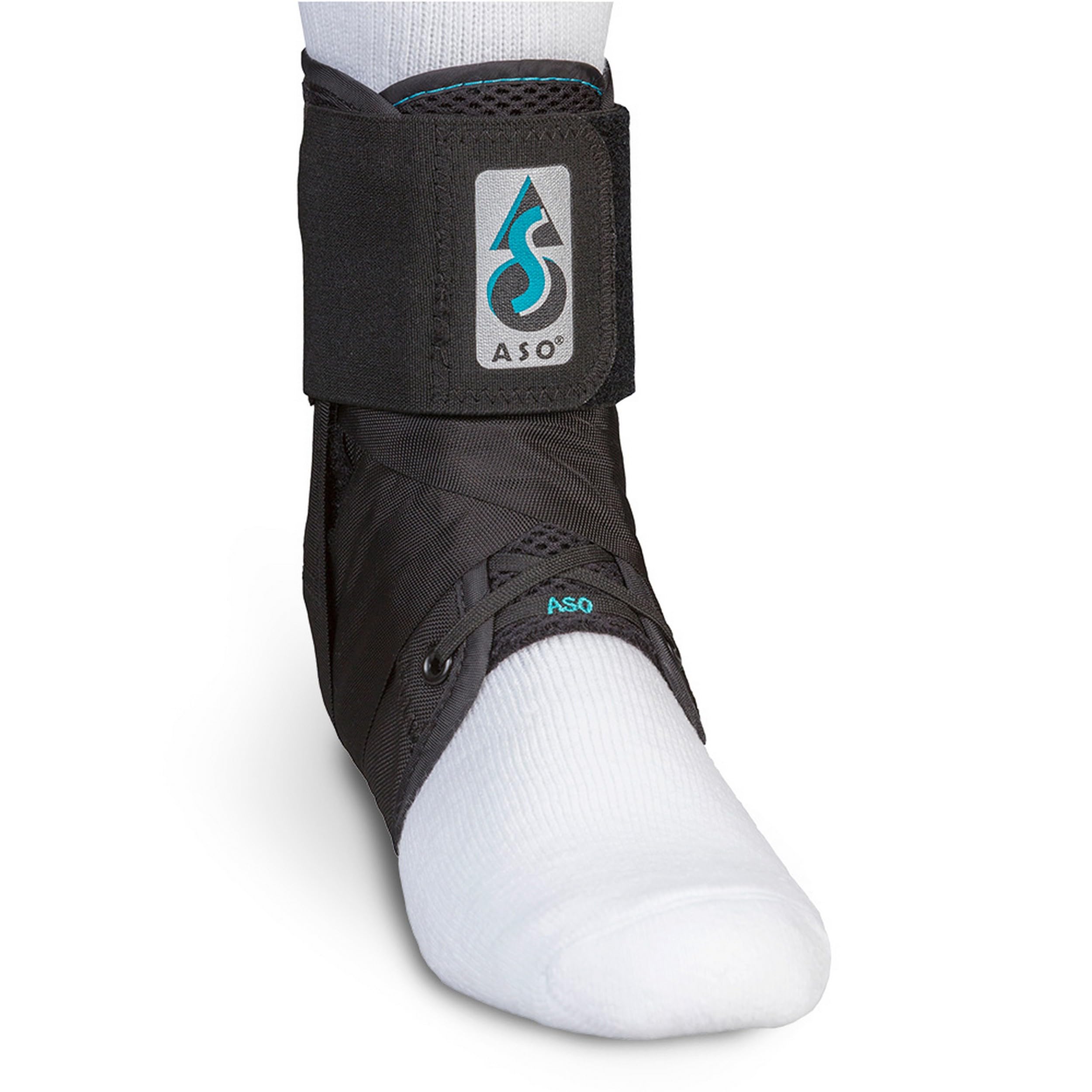
The Med Spec ASO is arguably the most recommended ankle brace by athletic trainers and sports medicine doctors for good reason. Its lace-up design tightens evenly across the entire foot and ankle, while the cotton figure-8 straps lock the heel into the brace and resist inversion — the primary mechanism of an ankle roll. For overpronation, this strap configuration provides consistent medial support that prevents the foot from collapsing inward during lateral movement.
The CoolFlex padding and breathable nylon tongue keep the brace comfortable during all-day wear, even under laced shoes. Reviewers recovering from grade 2 sprains report that the ASO gives them enough confidence to return to activities like basketball and pickleball without the fear of re-injury. The bilateral fit works for both feet, which simplifies ordering if you need support on one side only.
Some users note that the brace is snug in standard shoe sizes — it works best with lace-up athletic shoes that have a removable insole to accommodate the extra volume. The Velcro straps are durable, with many reviewers reporting years of heavy use before any wear. The ASO is a mid-range option that punches well above its weight class for stabilization.
Why it’s great
- Figure-8 cotton straps provide excellent inversion/eversion resistance.
- Breathable CoolFlex padding prevents sweat buildup during sports.
- Widely recommended by medical professionals for sprain recovery.
Good to know
- Snug fit may require sizing up or wearing thin socks.
- Not ideal for slip-on shoes; best paired with lace-ups.
3. McDavid Ultralight Ankle Brace
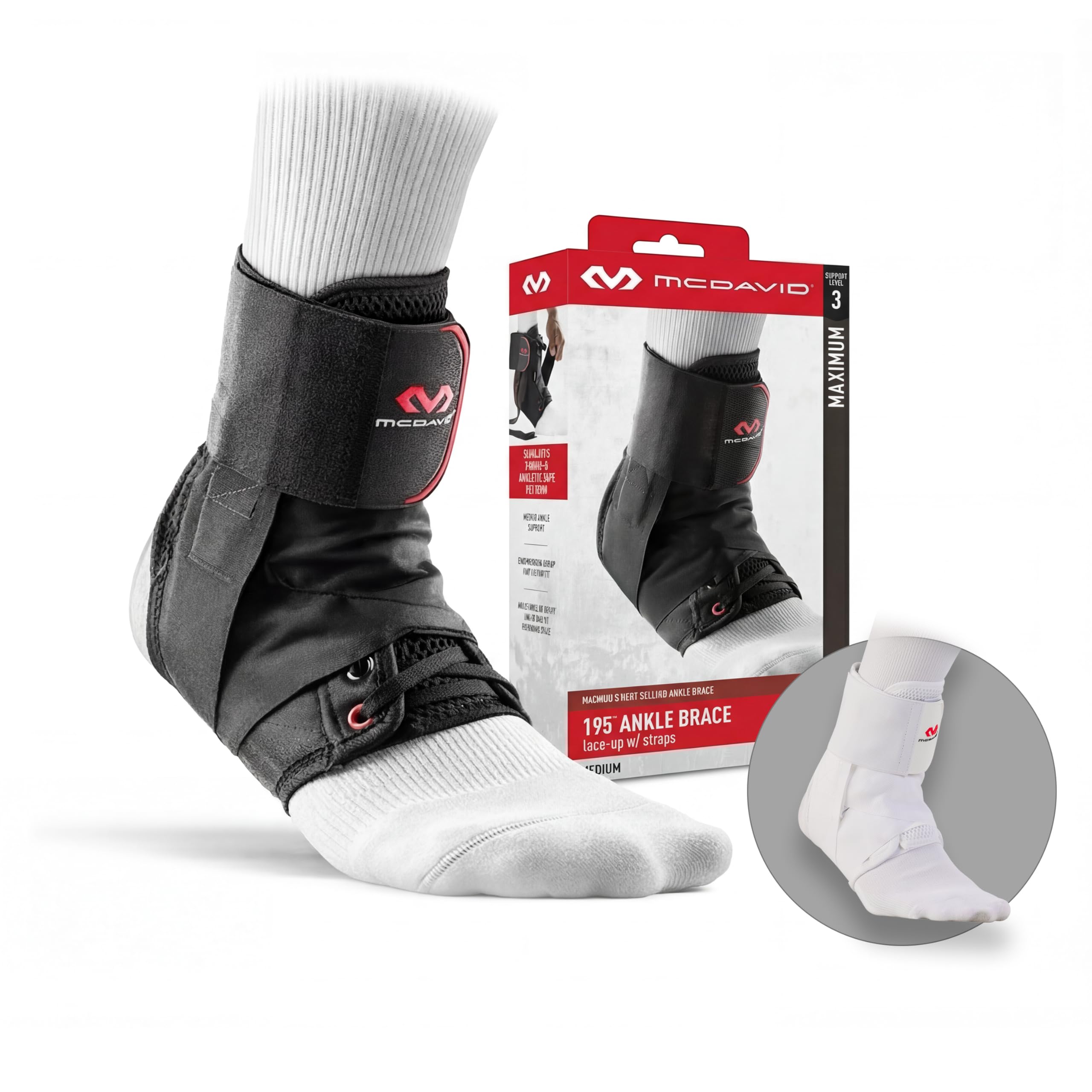
McDavid’s Ultralight is designed to simulate the feel of athletic tape, using a figure-6 strapping pattern that crosses the instep and wraps around the heel. This pattern mimics the proprioceptive feedback of taping, helping your brain sense where your ankle is in space — a key factor for overpronators who have lost that natural awareness. The ventilated tongue promotes airflow, which is critical for high-sweat activities like basketball and running.
The hook-and-loop closure system is straightforward: you tighten the top strap to compress the ankle without unlacing or removing your shoe. This is a massive time-saver during practice or game breaks. Users with narrow feet (size 9.5, for example) report that the Medium fits perfectly and doesn’t shift during cutting motions. The brace provides 9 out of 10 support for walking and training, according to long-term users.
One downside is that the Velcro straps can scratch bare skin — reviewers recommend wearing crew socks or trimming the strap ends. The brace is slightly bulky compared to the BioSkin, so it may feel tight in some court shoes. Still, at a mid-range price, the McDavid offers a compelling balance of breathability, stabilization, and quick adjustability.
Why it’s great
- Figure-6 strapping provides athletic tape-like proprioceptive feedback.
- Ventilated tongue reduces heat and sweat during high-intensity sports.
- Top strap adjusts without removing shoes.
Good to know
- Velcro can scratch skin; long socks recommended.
- Slightly bulky; may feel tight in some court shoes.
4. DonJoy Speed Pro Ankle Brace

The DonJoy Speed Pro solves a common pain point: lacing up a brace is slow. Its speed-lace system uses two Velcro tabs that gather the laces, letting you tighten or loosen with a single pull. The figure-eight strap and top cuff provide firm compression around the tibia and fibula, which stabilizes the ankle without cutting circulation. The 800D ballistic nylon eyelet area is overbuilt for high-frequency use — this brace will outlast most others in durability.
Users transitioning from a walking boot to active movement report that the Speed Pro offers the right balance of rigidity and flexibility. The removable medial/lateral stays enhance proprioception, helping you rebuild ankle stability over time. One reviewer noted that the brace reduced Achilles tendonitis pain from a 9 to a 2-3 on the pain scale within days, thanks to the secure heel lock.
Some users mention that the D-rings on the top strap can create pressure points on the shin, and the heel material may bunch slightly inside certain shoes. The brace is slightly bulky, but the speed-lace system and durable build make it a strong mid-range choice for athletes who need consistent, repeatable tightness every time they strap in.
Why it’s great
- Speed-lace Velcro system reduces application time to about 10 seconds.
- 800D ballistic nylon eyelet area resists stretching and fraying.
- Removable lateral stays enhance proprioceptive feedback.
Good to know
- D-rings can create shin pressure points.
- Heel material may bunch in tight-fitting shoes.
5. DonJoy Performance POD Ankle Support

The DonJoy Performance POD uses a molded TPU shell that adapts to the foot’s anatomical shape, providing targeted support exactly where the ankle needs it most — along the lateral and medial sides. The “On Demand” technology means the shell remains flexible during normal motion but stiffens to proactively prohibit ankle roll when you step on an uneven surface. This is a key advantage for overpronators who walk on trails or unstable terrain.
The super-soft EVA underlayer hugs the foot without adding bulk, making the POD comfortable enough for all-day wear. Users with high insteps report that the brace is tight to put on but provides reliable support for worn ankle ligaments without impeding desired movements. One reviewer who hikes rough terrain for work says the POD eliminated further ankle issues completely.
A small number of users, however, find the POD too flimsy for preventing ankle rolls during serious trail running. The low-profile design trades some rigidity for comfort, so if you need maximum stabilization for high-impact sports, you may prefer a lace-up option like the Med Spec ASO. The POD is best suited for mild to moderate overpronation and daily activity support.
Why it’s great
- Molded TPU shell adapts to foot anatomy for personalized support.
- Soft EVA liner provides all-day comfort without bulk.
- “On Demand” technology stiffens during roll to prevent injury.
Good to know
- May feel too flimsy for severe overpronation or high-impact sports.
- Limited size range; tight fit for high insteps.
6. Tuli’s X Brace

The Tuli’s X Brace takes a different approach to overpronation: instead of wrapping the ankle, it uses a patented “X” design that wraps the arch and heel to directly support the plantar fascia ligament. This is ideal for overpronation that stems from flat feet or fallen arches, where the arch collapses and pulls the ankle inward. The elastic heel strap secures the sleeve in place and prevents the brace from sliding during movement.
This brace is APMA Accepted, meaning it has been reviewed and approved by the American Podiatric Medical Association. Users with chronic plantar fasciitis who failed with insoles and physical therapy report that the X Brace provided the relief they had been searching for. One reviewer who stands on hard floors for 9-hour shifts says the brace eliminated foot fatigue entirely.
The main drawback is sizing — the arch measurement chart can be tricky, and several users report that the XS size caused excessive compression and heel loop instability. Tuli’s recommends sizing up if you are between sizes. The brace can also slip off during active exercise like running or jumping, so it’s best suited for walking, standing, and low-impact activities.
Why it’s great
- Patented “X” design directly supports the arch and plantar fascia.
- APMA Accepted for medical credibility.
- Wearable barefoot or with sandals, not just shoes.
Good to know
- Sizing chart can be confusing; many users recommend sizing up.
- May slip off during high-impact exercise like running or jumping.
7. AGPTEK Lace-Up Ankle Brace
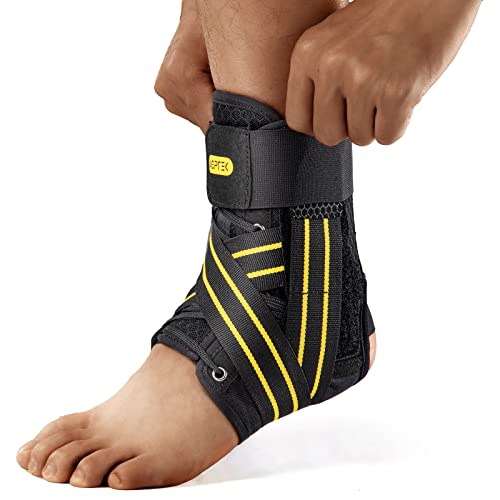
The AGPTEK Ankle Brace offers a budget-friendly entry point without sacrificing the core feature needed for overpronation control: removable aluminum splints. These side splints provide 360-degree stabilization, preventing the ankle from rolling inward or outward. The cross shoelace design replaces traditional straps, allowing a snug, even fit across the entire foot and ankle — critical for maintaining neutral alignment during activity.
Users recovering from ankle fractures or post-surgery report that the AGPTEK is more comfortable and supportive than the braces provided by their orthopedic doctors. The breathable polyester and nylon material keeps the foot sweat-free during long wear, and the Velcro stabilizing straps on both sides add an extra layer of security. You can also remove the splints after recovery to use the brace for sports protection, adding versatility.
Some reviewers note that the brace runs small — if you are between sizes, size up to avoid excessive compression. The lace-up system takes slightly longer to adjust than hook-and-loop designs, but the trade-off is a more customized fit. For a budget-friendly option with genuine rigid stabilization, the AGPTEK is a solid choice for mild to moderate overpronation.
Why it’s great
- Removable aluminum splints provide adjustable rigidity.
- Breathable polyester and nylon material prevents sweat buildup.
- Versatile enough for post-surgery recovery or sports protection.
Good to know
- Runs small; consider sizing up for a comfortable fit.
- Lace-up system is slower to adjust than hook-and-loop straps.
FAQ
How tight should an overpronation brace feel?
Can I wear an overpronation brace with flat shoes or sandals?
How often should I replace an ankle brace for overpronation?
Do I need a brace for both feet if I overpronate on one side?
Final Thoughts: The Verdict
For most users, the ankle brace for overpronation winner is the BioSkin TriLok because its dedicated FootLok arch-lift strap directly counters the collapsed foot position that defines overpronation. If you want the proven stability of a classic lace-up design, grab the Med Spec ASO. And for a budget-friendly option with adjustable splints, nothing beats the AGPTEK Lace-Up Ankle Brace.