
Our readers keep the lights on and the weekend projects moving. As an Amazon Associate, I earn from qualifying purchases.
The best ASMR microphone does more than record—it captures the texture of a whisper, the rustle of fabric, and the delicate spatial cues that trigger autonomous sensory meridian response. A subpar mic introduces a constant hiss that drowns the very quiet sounds you are trying to amplify.
I’m Rikta — the co-founder and writer behind FitlyFast. I have spent hundreds of hours analyzing recording hardware specifications, noise floor ratings, and diaphragm types to separate true ASMR-grade microphones from the general-purpose condenser mics that miss the subtle details.
Finding the right gear often means wading through complex polar patterns, phantom power requirements, and self-noise specs. This guide breaks down seven top contenders to help you select the asmr microphone that matches your recording environment and budget.
How To Choose The Best ASMR Microphone
Selecting a mic for ASMR demands attention to specs most casual streamers ignore. The goal is to capture quiet transients—breathing, tapping, brushing—without adding electronic noise from the mic itself. Here are the three non-negotiable factors.
Self-Noise Floor (dB-A)
This spec tells you how much hiss the microphone electronics generate internally. For ASMR, you want a self-noise rating at or below 10 dB-A. Every additional decibel of self-noise means you are recording a constant ambient whisper that muddies the quietest triggers. The LEWITT LCT440PURE and Rode NT2-A both measure 7 dB-A, making them elite choices for silent-room capture.
Polar Pattern Versatility
Cardioid is the standard pattern that rejects sound from the sides and rear, ideal for focusing on a single sound source in a room with some ambient noise. Omnidirectional mode picks up sound equally from all directions, creating the immersive three-dimensional field that binaural ASMR requires. Figure-8 captures sound from front and back while rejecting the sides, useful for side-address duets. Multi-pattern mics like the Rode NT2-A offer all three selectable patterns on the body.
Connectivity: USB vs XLR
USB mics offer plug-and-play convenience—connect directly to a computer without an audio interface. However, they are limited by their internal preamps and rarely match the low-noise floor of XLR condenser mics. XLR mics require an external audio interface that provides 48V phantom power and a better preamp, but they reward you with significantly lower self-noise and more detailed transient response. For serious ASMR production, XLR is the standard.
Quick Comparison
On smaller screens, swipe sideways to see the full table.
| Model | Category | Best For | Key Spec | Amazon |
|---|---|---|---|---|
| Shure SM4 | Premium XLR | Clean studio vocals | Self-noise: 7 dB-A | Amazon |
| Rode NT2-A | Premium Multi-Pattern | Binaural spatial capture | 3 polar patterns (Omni/Cardioid/Figure-8) | Amazon |
| LEWITT LCT440PURE | Premium XLR | Rich vocal depth | Self-noise: 7 dB-A | Amazon |
| Elgato Wave:3 MK.2 | Premium USB | Streaming & gaming | Clipguard 2.0 anti-distortion | Amazon |
| Sennheiser Profile | Mid-Range USB | Plug-and-play simplicity | Zero-latency headphone monitoring | Amazon |
| Audio-Technica AT2020 | Entry XLR | Budget home studio | Self-noise: 20 dB-A | Amazon |
| Blue Yeti (Blackout) | Budget USB | Beginner streaming | Selectable Cardioid/Omni patterns | Amazon |
In‑Depth Reviews
1. Shure SM4 Studio Recording Microphone Kit

The Shure SM4 delivers the lowest self-noise of any mic in this lineup at a whisper-quiet 7 dB-A, making it a top-tier choice for capturing faint ASMR triggers without any internal hiss. Its brass 1-inch dual-diaphragm capsule reproduces low-end frequencies cleanly and highs with smooth detail, preventing the harsh sibilance that can ruin a close-mic whisper track. The uniform cardioid pattern provides superior off-axis rejection, so a clicking keyboard or a hum from a laptop fan three feet away stays out of the recording.
The included detachable magnetic pop filter and shock mount save you from needing to buy separate accessories, and the all-metal construction ensures the mic survives frequent transport or studio rearrangements. The SM4 also incorporates patent-pending interference shielding that blocks RF noise from phones and Wi-Fi routers—a real-world headache for ASMR artists recording in shared living spaces. It handles SPL up to 140 dB, so loud triggers like crinkling plastic or snapping fingers stay distortion-free even when recorded close to the capsule.
You will need an audio interface with XLR input and 48V phantom power, as this is a wired XLR microphone. The trade-off for the extra gear is a noise floor low enough that post-production noise reduction software is almost never required. For ASMR artists who prioritize absolute silence behind the trigger sounds, the SM4 is the cleanest signal chain in this group.
Why it’s great
- Industry-leading 7 dB-A self-noise floor for pure silence behind whispers.
- Built-in RF shielding blocks phone interference without extra filters.
- Rugged all-metal body and included magnetic pop filter reduce setup costs.
Good to know
- Requires a separate audio interface with 48V phantom power.
- High sensitivity means any room echo becomes audible.
2. Rode NT2-A Studio Solution Microphone

The Rode NT2-A stands apart because its three-position polar pattern switch—omnidirectional, cardioid, and figure-8—lets you shape the spatial field of your ASMR recordings without changing mics. Switch to omnidirectional for a binaural-like capture that places the listener inside the room, or use figure-8 for side-address content where you want to capture two sound sources in front and behind while rejecting the sides. The 1-inch gold-sputtered capsule is known for a warm, rich character that flatters the feminine vocal register, making it a recurring choice for voice-over and audiobook ASMR.
A self-noise rating of 7 dB-A matches the Shure SM4, ensuring hiss-free quiet passages. The internal capsule shock mounting reduces handling noise transmitted through the mic body, which is critical when you are repositioning the mic between trigger segments. The three-position high-pass filter (flat, 40 Hz, or 80 Hz) lets you cut out low-frequency rumble from air conditioners or traffic without reaching for an EQ plugin.
The NT2-A is heavy—it requires a sturdy boom arm or stand. The Anniversary package includes the SM6 shock mount, pop filter, and a 15-foot XLR cable, which is good value for a premium XLR mic. The multi-pattern versatility makes it the most flexible single mic for ASMR artists who experiment with different recording techniques without building a multi-mic rig.
Why it’s great
- Three polar patterns (Omni, Cardioid, Figure-8) enable binaural capture with one mic.
- Warm gold-capsule sound ideal for softer vocal registers and whisper work.
- Built-in high-pass filter kills low-frequency rumble before it reaches the recording.
Good to know
- Heavy body requires a robust stand or boom arm.
- XLR only—an audio interface with phantom power is mandatory.
3. LEWITT LCT440PURE Large Diaphragm Condenser Mic

The LEWITT LCT440PURE uses a 1-inch true condenser capsule that delivers an exceptional amount of depth and clarity for the price, capturing the texture of a breath or the friction of fingertips on fabric with stunning resolution. Its cardioid polar pattern provides effective rear rejection, so you can place the mic close to the trigger source without worrying about footsteps in the hallway behind you. The self-noise floor is a very low 7 dB-A, placing it alongside the Shure SM4 and Rode NT2-A as one of the quietest mics for silent-room capture.
Users consistently remark on the rich bass warmth and natural upper-mid presence without sibilance, making it a favorite for voice ASMR and acoustic instrument triggers. The zinc die-cast body is robust and lightweight compared to the Rode NT2-A, reducing strain on your boom arm. The included shock mount and magnetic pop filter are practical additions that fit properly right out of the box, so you are not chasing compatibility with third-party accessories.
The LCT440PURE is an XLR microphone and requires 48V phantom power from an audio interface. It does not offer switchable polar patterns or built-in high-pass filters—its design philosophy is stripped-down purity. For ASMR artists who prefer a single, excellent cardioid sound and value a low noise floor above all else, this mic delivers studio-grade capture without the complexity of multi-pattern controls.
Why it’s great
- Outstanding depth and clarity with a warm, rich character that avoids harshness.
- Lightweight zinc body reduces boom arm sag compared to heavier metal mics.
- Includes usable shock mount and magnetic pop filter.
Good to know
- No switchable polar patterns—fixed cardioid only.
- XLR only, requiring an external audio interface.
4. Elgato Wave:3 MK.2 Premium USB Condenser Mic
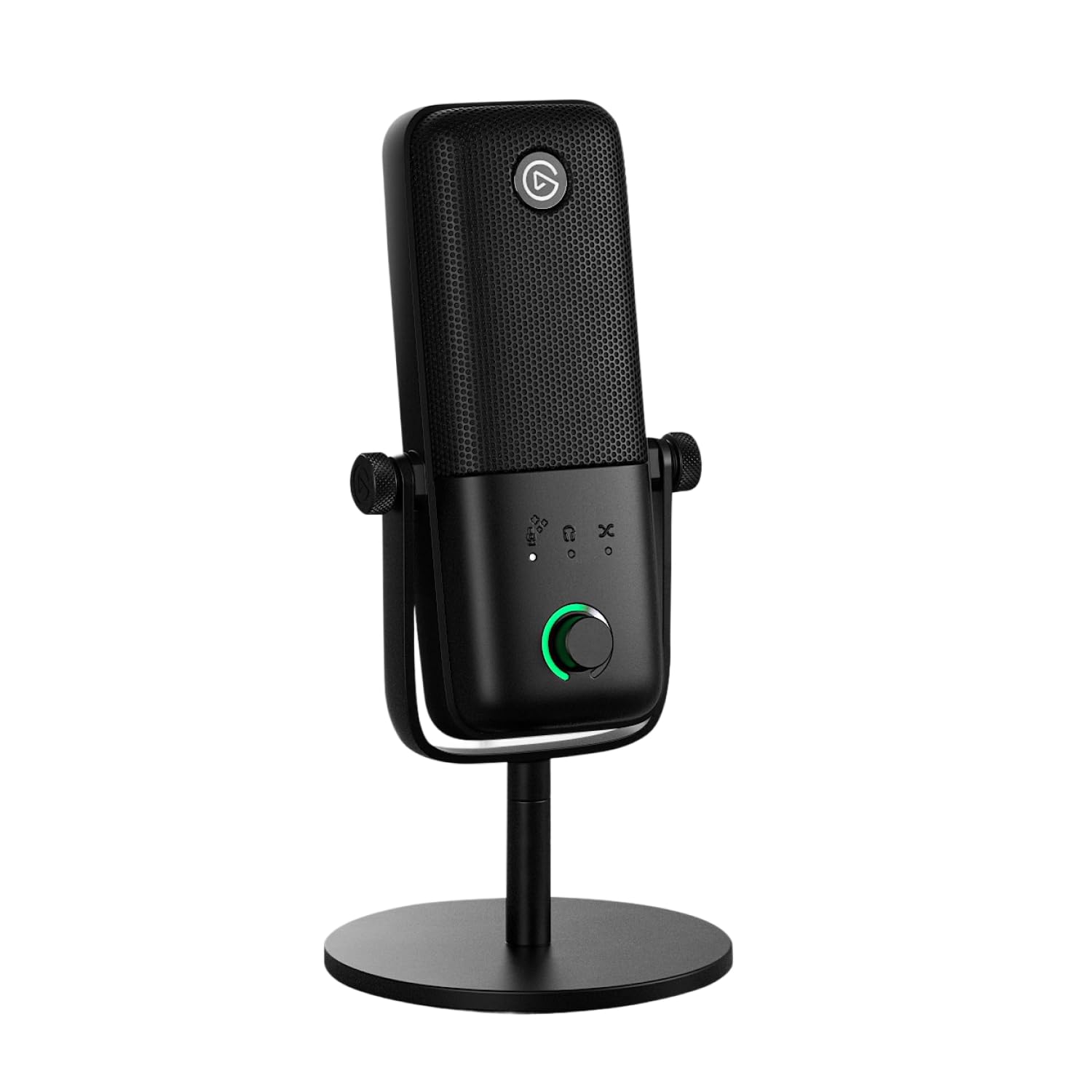
The Elgato Wave:3 MK.2 brings studio-quality USB convenience to the ASMR space with a built-in Wave FX processor that lets you apply DSP effects—compressor, EQ, voice enhancer—directly on the mic, bypassing the need for software plugins. This onboard processing is a game-changer for live streamers who cannot run heavy DAW plugins while gaming simultaneously. The cardioid condenser capsule delivers focused vocal clarity, and the intelligent Clipguard 2.0 system prevents distortion from sudden loud triggers like clapping or dropping an object near the mic.
The multifunction dial provides tactile control over gain and headphone volume, and the tap-to-mute function is seamless for cutting off-camera noise. The Wave Link software integrates natively with the mic, allowing you to route different audio sources to separate channels and apply VST plugins in the signal chain. The self-noise floor is not published as low as the premium XLR mics, but for a USB mic it is competitive enough for most ASMR content in a treated room.
This mic runs purely on USB-C power from your computer—no audio interface or phantom power needed. The included desk stand is compact but tall enough to block a monitor bottom bezel; a boom arm upgrade is recommended for an uncluttered field of view. For ASMR streamers who want a single-cable setup with onboard effects and anti-distortion protection, the Wave:3 MK.2 is the most feature-dense USB option.
Why it’s great
- Onboard DSP effects allow for real-time voice enhancement without software lag.
- Clipguard 2.0 prevents distortion from abrupt trigger sounds.
- Wave Link software provides powerful multi-source audio routing.
Good to know
- Self-noise floor is higher than premium XLR condensers.
- Desk stand may obstruct screen view without a boom arm.
5. Sennheiser Professional Profile USB Cardioid Condenser Mic

The Sennheiser Profile is engineered for users who want reliable USB-C connectivity without diving into audio interfaces or gain staging. Its cardioid condenser capsule produces a natural, warm sound that accentuates the body of the human voice without thinness, making it suitable for ASMR voice work and close-mic whisper triggers. The built-in headphone jack offers zero-latency direct monitoring, so you hear your own voice exactly as the mic captures it—critical for adjusting the distance and angle of your whisper.
The metal housing is sturdy and the table stand is compact, though you will likely want a boom arm for closer capsule positioning. The physical controls—gain dial, mute button, headphone volume—are all on the front of the mic, facing you, so adjustments during recording do not require fumbling behind the unit. It draws power and data over a single USB-C cable, and it works on Windows, macOS, and Linux without proprietary drivers.
The self-noise floor is around 60 dB-A according to the published audible noise spec, which is significantly higher than the XLR condensers on this list. This means it will introduce a noticeable hiss in very quiet passages unless you apply a noise gate in your recording software. For beginner ASMR creators or those streaming in a room with ambient background noise that already masks the mic hiss, the Profile is a solid entry point that delivers Sennheiser’s German-engineered capsule quality.
Why it’s great
- True plug-and-play USB-C connection with no software required.
- Zero-latency headphone monitoring is essential for whisper positioning.
- Sturdy metal build and accessible front-facing controls.
Good to know
- Self-noise is higher than XLR alternatives—audible in silent room recordings.
- Short table stand may require a boom arm for optimal ASMR close-mic placement.
6. Audio-Technica AT2020 Cardioid Condenser XLR Mic

Its custom-engineered low-mass diaphragm provides extended frequency response and excellent transient response, capturing the initial attack of tapping or tapping with sharp detail. The cardioid polar pattern reduces side and rear sound pickup, isolating your ASMR triggers from computer fan hum or traffic noise.
The self-noise floor of 20 dB-A is not in the elite range of the Shure SM4 or LEWITT LCT440PURE, but it is acceptable for ASMR recording in a moderately quiet room where you can position the mic close to the trigger source to maximize signal-to-noise ratio. At this price, the AT2020 handles high SPL better than most budget condensers, so crinkling a plastic wrapper or a sharp finger snap does not cause distortion. Its metal enclosure is heavily built and survives years of daily use.
You will need an XLR cable, an audio interface, and 48V phantom power—nothing in the box beyond the mic itself. The AT2020 is not the quietest option, but it is the most proven workhorse. For ASMR beginners on a budget who already own or plan to buy an audio interface, this mic provides a massive step up in clarity over any USB mic under a hundred dollars.
Why it’s great
- Proven durability and consistent sound quality over years of daily studio use.
- Excellent transient response captures sharp trigger sounds cleanly.
- High SPL handling prevents distortion from loud ASMR effects.
Good to know
- 20 dB-A self-noise is audible in very quiet recordings.
- Requires separate XLR cable, audio interface, and phantom power.
7. Blue Microphones Yeti USB Microphone (Blackout) Bundle

The Blue Yeti is the most recognized USB microphone on the market, and this Blackout bundle adds a pop filter and a 4-port USB 3.0 hub to get you started immediately. The Yeti offers two selectable pickup patterns—cardioid for solo ASMR voice work and omnidirectional for capturing room ambience or binaural-style multi-source triggers. The built-in metal stand and adjustable tilt make it easy to aim the capsule without a separate boom arm.
This microphone is very sensitive—several users report it picks up sounds from outside the room when the gain is turned up. That is a double-edged sword: it can capture delicate ASMR triggers with good detail, but it also captures every floor creak and computer fan. The self-noise floor is extremely low at 0.1 dB-A according to the published spec, though real-world experience suggests the preamp introduces some electronic noise when the gain is pushed high enough for quiet whispers. A noise gate in your streaming software is nearly mandatory.
The bundled pop filter is a simple foam clip-on that helps reduce plosive bursts, and the USB hub is a convenient bonus for connecting multiple peripherals. The Yeti is heavy and tall—its footprint takes up significant desk space. For the creator who wants a single USB cable setup with pattern flexibility and a recognized brand, the Yeti remains a solid entry-level choice that will work immediately for both ASMR and general streaming.
Why it’s great
- Cardioid and omnidirectional patterns provide flexibility for different ASMR techniques.
- True plug-and-play USB operation with no drivers to install.
- Bundle includes pop filter and USB hub for immediate setup.
Good to know
- Large desk footprint and heavy build may crowd a small workspace.
- High gain needed for whispers may introduce preamp noise.
FAQ
Do I need an audio interface for an XLR ASMR microphone?
What is the best polar pattern for binaural ASMR recording?
Can I use a USB microphone for professional ASMR recording?
Final Thoughts: The Verdict
For most users, the asmr microphone winner is the Shure SM4 because it combines the lowest self-noise floor (7 dB-A) with a complete studio kit—shock mount, pop filter, and RF shielding—at a competitive price for its class. If you want multi-pattern flexibility for binaural experimentation, grab the Rode NT2-A. And for a budget-friendly entry into ASMR recording, nothing beats the proven durability of the Audio-Technica AT2020.