
Our readers keep the lights on and the weekend projects moving. As an Amazon Associate, I earn from qualifying purchases.
Eight hours on a warehouse floor, a factory line, or a city sidewalk transfers hundreds of tons of impact through your ankles, knees, and lower back. Standard work boots treat concrete like dirt, but hard surfaces demand midsoles that absorb, outsoles that grip, and toe boxes that don’t compress your metatarsals after hour six.
I’m Rikta — the co-founder and writer behind FitlyFast. I’ve spent hundreds of hours dissecting midsole foam densities, outsole durometer ratings, and comfort warranty data to find the boots that truly neutralize concrete’s punishing rebound.
Whether you’re a warehouse associate, a machinist, or a courier, the right pair transforms your daily fatigue curve. After weeks of analysis, these are the boots for walking on concrete that actually deliver sustained underfoot comfort without compromise.
How To Choose The Best Boots For Walking On Concrete
A boot optimized for concrete is a different animal than a general work boot. The surface never gives, so every component must compensate. Focus on these three pillars to avoid ending your shift with throbbing feet.
Outsole Geometry: Wedge Is King
Lugged heels, excellent for dirt and mud, create pressure points on flat concrete by concentrating your body weight onto a small heel area. A wedge sole distributes your weight across the entire footbed. Look for a flat, full-contact outsole made of non-marking rubber — it maximizes surface area, reduces joint shock, and gives you a stable platform for hours of standing or walking straight on hard surfaces.
Midsole Material: The Shock Absorption Layer
Your midsole is the primary shock absorber. EVA (ethylene-vinyl acetate) is lightweight and softens impact immediately out of the box but compresses over months. Polyurethane is denser, heavier, and lasts significantly longer before packing out — ideal for full-shift concrete work. Many premium boots now blend both, using a PU foundation for durability with an EVA top layer for initial comfort. Unless you rotate boots, pure EVA will bottom out inside a year on daily concrete.
Arch Support & Toe Box Volume
Concrete walking often triggers or worsens plantar fasciitis. A boot with orthotic-friendly arch support and a removable insole lets you drop in custom supports or high-rebound inserts. The toe box needs enough vertical and horizontal room to prevent your toes from jamming forward with every step. Composite toes often provide a roomier fit than steel, without the thermal conductivity that can be uncomfortable in extreme temperatures.
Quick Comparison
On smaller screens, swipe sideways to see the full table.
| Model | Category | Best For | Key Spec | Amazon |
|---|---|---|---|---|
| Timberland PRO Titan EV | Premium | Composite toe with zero break-in | 4.5 lb, composite toe, wedge sole | Amazon |
| Danner Bull Run 6″ | Premium | Classic leather wedge sole durability | Full-grain leather, non-slip wedge | Amazon |
| Orthofeet Granite | Premium | Orthopedic support & wide toe box | 4 lb, waterproof, slip-resistant | Amazon |
| LOWA Zephyr MK2 GTX Mid | Premium | Tactical/tactical all-day comfort | Gore-Tex, re-soleable, mid-height | Amazon |
| Skechers Arch Fit Tarver | Mid-Range | Lightweight composite toe | 3.1 lb, composite toe, arch fit | Amazon |
| Orthofeet Ryder | Mid-Range | Easy on/off & post-surgery comfort | Dual-zip, slip-resistant, orthotic | Amazon |
| Airwalk Work Mongo Mid | Mid-Range | Lightweight athletic feel | 1.5 lb approx, cushioned, athletic | Amazon |
| Shoes for Crews Voyager II | Budget | Restaurant & slip-resistance value | Soft toe, water-resistant, low heel | Amazon |
| AZXPROT 6″ Wedge Sole | Budget | Budget-friendly wedge sole comfort | Wedge sole, soft toe, waterproof | Amazon |
In‑Depth Reviews
1. Timberland PRO Titan EV 6″
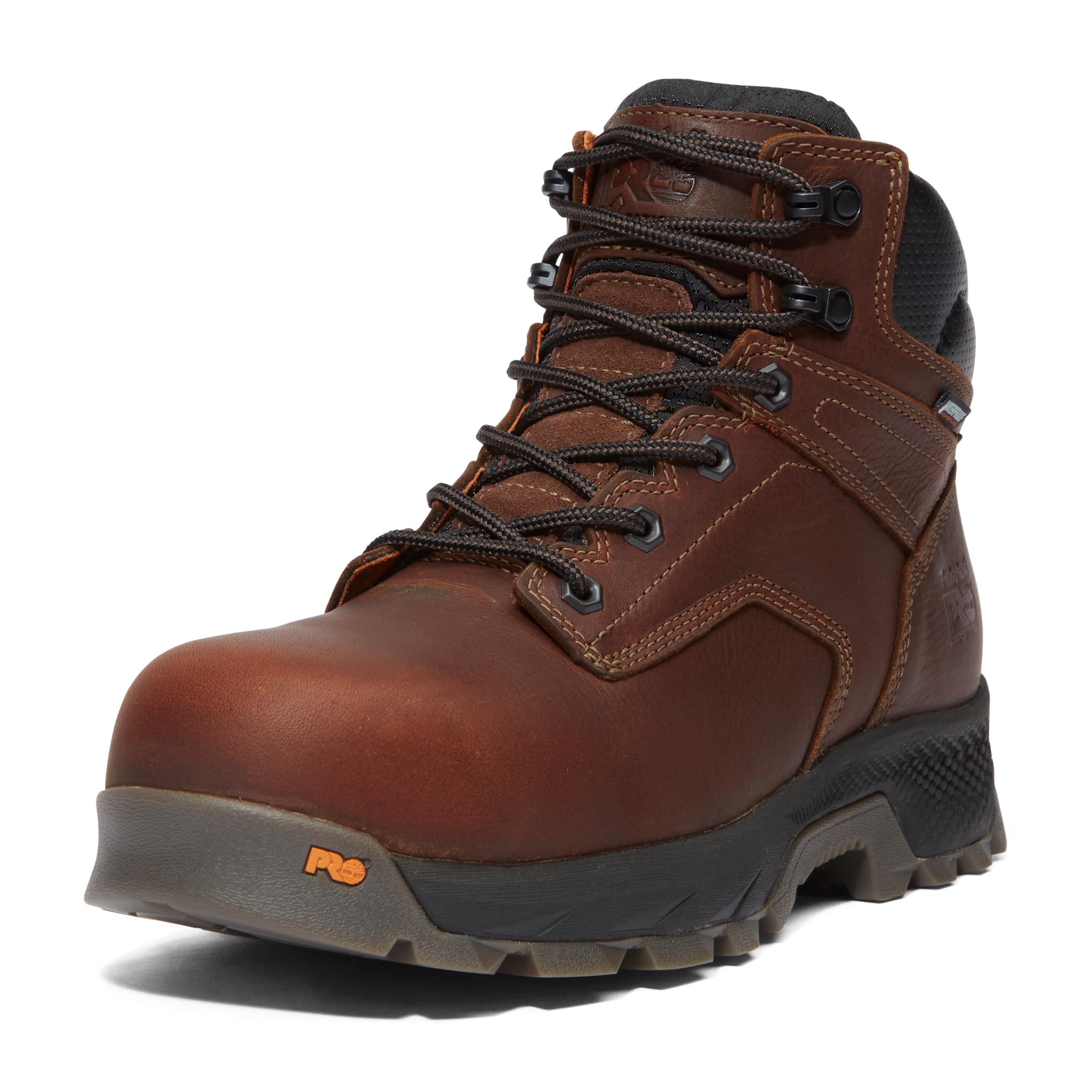
The Titan EV earns the top spot because it delivers a rare combination: a lightweight composite toe that doesn’t feel clunky, an anti-fatigue midsole geometry, and zero break-in. Multiple long-term users report all-day comfort for plantar fasciitis and neuropathy, meaning the arch support and cushioning work for high-mileage concrete walkers right out of the box.
At 4.5 pounds per boot, the weight is noticeable but justified by the waterproof membrane and the composite cap. Reviewers consistently mention excellent traction on wet grass and concrete alike, and the roomy toe box accommodates thicker socks without crowding. The leather is “bulky” according to some, which adds durability at the cost of some flexibility.
This is the benchmark for a premium mid-range concrete boot that prioritizes sustained comfort without sacrificing safety features. No break-in pain, no hot spots, and a sole that holds up to daily industrial use.
Why it’s great
- Zero break-in period — comfortable from first step
- Excellent arch support for plantar fasciitis sufferers
- Reliable waterproofing and slip resistance
Good to know
- Could run warm for all-day indoor wear
- Heavier than athletic-style work shoes
2. Danner Bull Run 6″
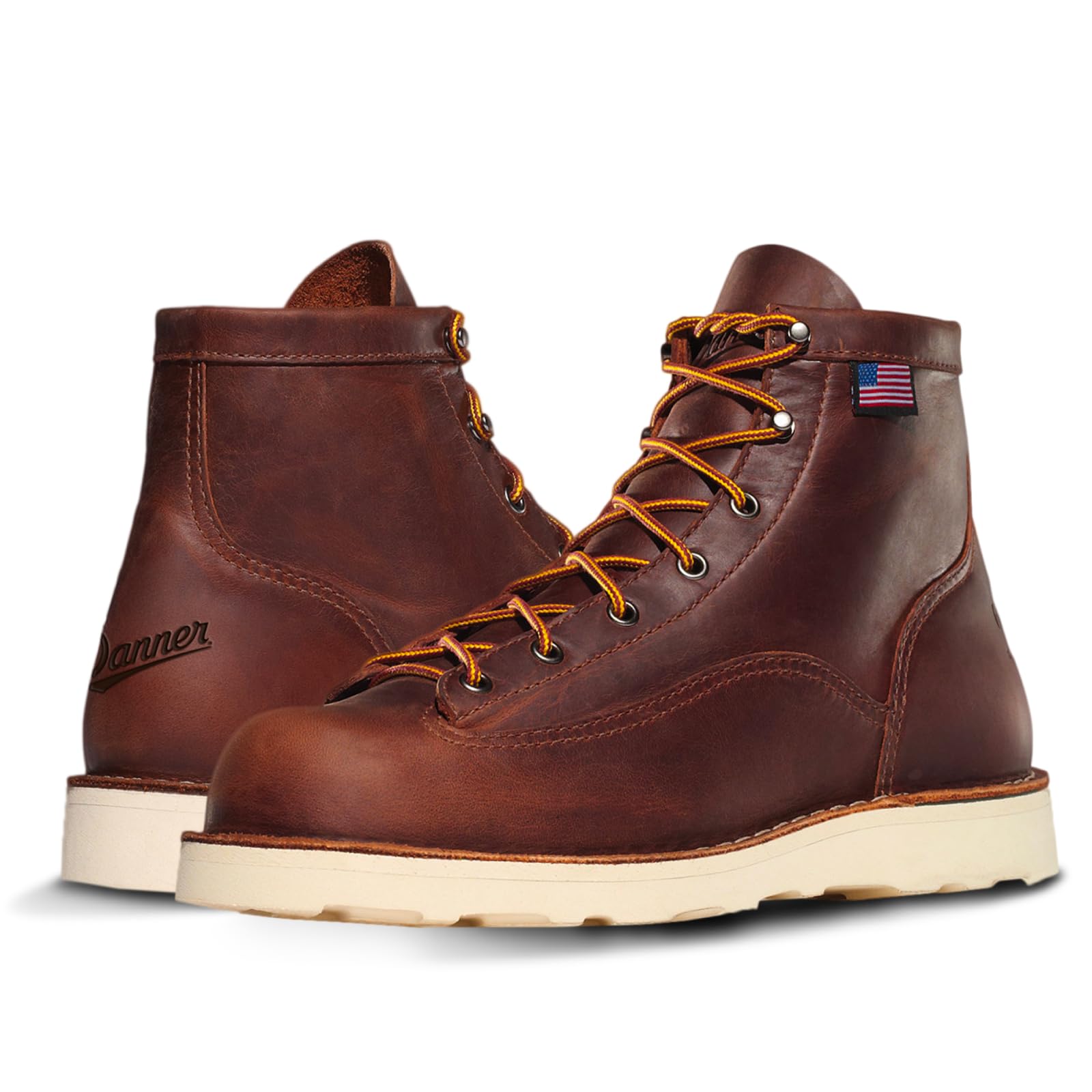
The Bull Run is the gold standard for the classic wedge-sole work boot. Its full-grain leather upper molds to your foot over time (expect a 1-month break-in), and the non-marking Cristy wedge outsole provides maximum surface contact with concrete — exactly what you need for stable footing on flat, hard surfaces. The 3-density footbed adds a layer of immediate cushion while the leather breaks in.
Users report this boot runs narrow and long; ordering a half-size down and opting for the wide width is common. The tongue lacks a lace loop, which can cause slippage, but this is a minor ergonomic issue for a boot built like a tank. The sole is replaceable, drastically extending the life of an already premium investment.
If you value resoleability, heritage construction, and a genuine leather patina that lasts years, the Bull Run is the durable wedge-sole icon for concrete walkers who don’t need a safety toe.
Why it’s great
- Replaceable wedge sole extends boot life significantly
- Full-grain leather molds to your foot over time
- Excellent stability on flat concrete surfaces
Good to know
- Long break-in period (1+ month) requires patience
- Runs narrow; order wide if you have wider feet
3. Orthofeet Granite Waterproof

Orthofeet’s Granite is engineered specifically for feet that hurt. The round toe box is genuinely generous — users with bunions, hammertoes, or post-surgery swelling report immediate relief. The no-heel design and zero-drop platform keep your foot in a natural position, reducing the heel-strike shock that concrete transfers straight up your spine.
Several reviewers with 12-hour heavy labor shifts confirm it eliminates heel pain and arthritis aggravation. The outsole is slip-resistant and waterproof, though some wish the tread was deeper for wet conditions. The initial comfort is outstanding, but at least one reviewer reported the insoles packing out after a few weeks, suggesting you may need aftermarket orthotics for long-term wear beyond six months.
For anyone who has tried narrow safety shoes and given up due to toe pain, the Granite is the orthopedic solution that doesn’t look like a medical device.
Why it’s great
- Exceptionally wide toe box relieves metatarsal pressure
- Zero-drop platform reduces joint shock on concrete
- Reliable waterproofing for wet job sites
Good to know
- Stock insoles may wear out quickly; budget for replacements
- Tread could be deeper for slick surfaces
4. LOWA Zephyr MK2 GTX Mid
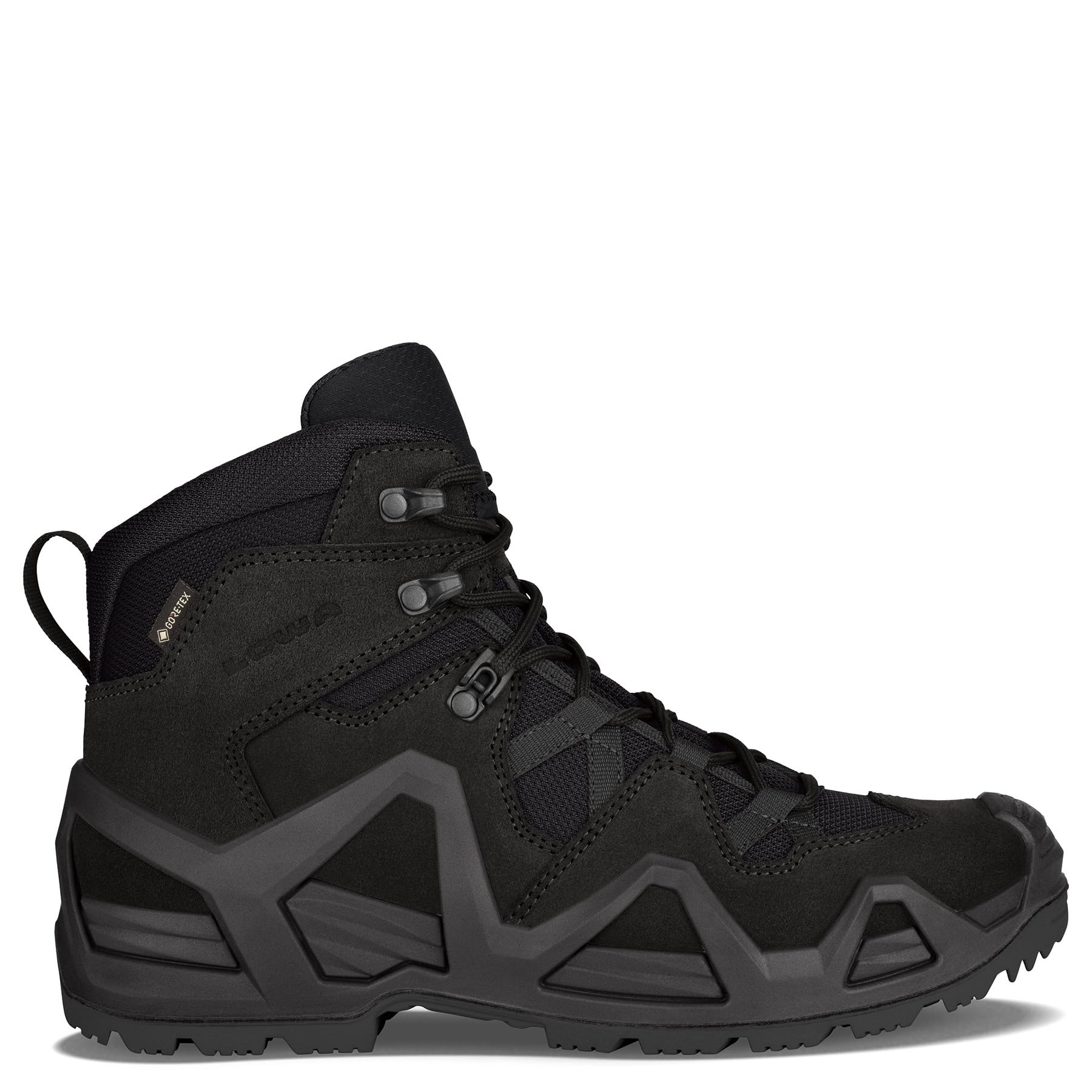
The Zephyr MK2 is a tactical boot cross-shopped by military and law enforcement professionals who log heavy miles on concrete and tarmac. It features a Gore-Tex lining for waterproofing, a supportive mid-cut design that protects ankles without restricting mobility, and a PU midsole that resists compression better than EVA. It can be re-soled, which is rare in this weight class.
Users note it is lighter than the Salomon Quest 4D while offering similar stability and waterproofing. The outsole is slightly less grippy on wet smooth surfaces compared to dedicated concrete shoes, but its durability off-trail means it handles mixed terrain (gravel, grass, concrete transitions) effortlessly. One caution: sizing can be tricky due to international sizing, and ordering from Amazon sometimes arrives without the original box.
For anyone needing a boot that transitions from patrol car to concrete sidewalk to light trail without missing a beat, the Zephyr MK2 is the premium all-rounder.
Why it’s great
- Re-soleable PU midsole resists compression on concrete
- Gore-Tex membrane is reliably waterproof
- Lighter than comparable tactical boots
Good to know
- Sizing can be inconsistent; check return policy carefully
- Less grip on wet, smooth surfaces versus dedicated concrete shoes
5. Skechers Arch Fit Tarver Composite Toe

Skechers applied their “Go Walk” cushioning philosophy to a safety toe boot, and the result is one of the lightest composite toe options on concrete. At just 3.1 pounds, the Tarver feels more like a heavy-duty sneaker than a work boot. The Arch Fit insole is podiatrist-certified and provides excellent arch support for flat-footed walkers who struggle with fatigue in traditional boots.
Reviewers consistently call it the most comfortable work boot they have ever owned, especially for standing and walking on warehouse floors. The composite toe is roomy and doesn’t rub. The downside: durability reports are mixed. One diesel mechanic reported stitching separation near the toe after just six weeks, though quick glue fixed it. These are not built for the harshest industrial abuse.
If your concrete walking is daily but not extreme (warehouse, retail, light manufacturing), the Tarver gives you sneaker-level comfort with safety toe compliance.
Why it’s great
- Extremely lightweight — feels like a sneaker
- Podiatrist-certified arch support for flat feet
- Roomy composite toe with no rubbing
Good to know
- Stitching may fail earlier than premium leather boots
- Not built for extreme heavy industrial abuse
6. Orthofeet Ryder Slip-Resistant

The Ryder is the boot to buy when you are recovering from an injury or dealing with a swollen foot. The rear zipper makes entry and exit effortless, and the generous volume accommodates orthotics, AFO braces, and misshapen toes. The insole is designed for neuropathy, with a wide, rocker-bottom profile that reduces the stress on the ball of the foot when walking on hard surfaces.
Users with major foot surgery report the Ryder made their return to walking possible. The leather and sole hold up well after two years, though the zipper pulls can be fragile — one user reported a tang breaking within a month (replaced under warranty). The metal grommets in the eyelets work with AFOs, a specific need that few boots in this category address.
If you need pain-free walking on concrete while managing a chronic foot condition or post-surgery recovery, the Ryder is the most accessible, comfort-first boot at this price point.
Why it’s great
- Rear zipper allows easy on/off with swelling or braces
- Extra roomy toe box accommodates orthotics and AFOs
- Broad, stable base reduces forefoot pressure on concrete
Good to know
- Zipper pull durability is a weak point
- Runs slightly large; consider sizing down
7. Airwalk Work Mongo Mid
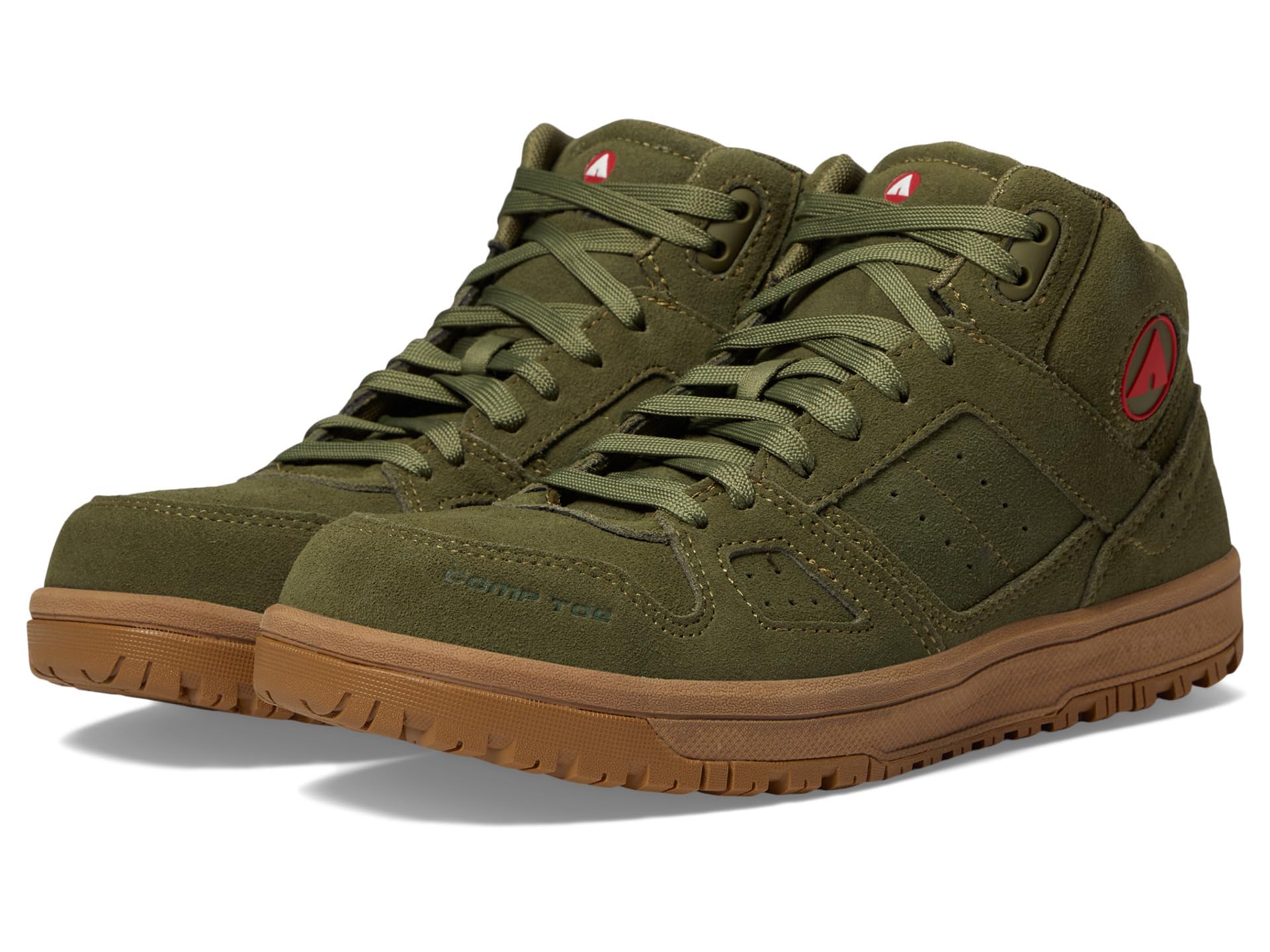
The Mongo Mid from Airwalk bridges the gap between a skate shoe and a work boot. It is extremely light, with a padded ankle collar and tongue that make it feel like an athletic sneaker. The composite toe is safety-rated, and users report zero fatigue after 15-mile days on rough terrain, including concrete. The outsole is not water-resistant, so it’s best for dry environments.
Durability feedback is strong: one laborer reported outlasting Red Wing and Timberland on the same job site, with his only repair being new insoles after two months of heavy abuse. The fit is narrow through the midfoot but has a roomy toe box. The rubber smell upon unboxing fades within a few days, but the initial scent is strong.
For workers who prioritize low weight and sneaker-like flexibility over leather toughness, the Mongo Mid is the most athletic option in this guide for concrete walking.
Why it’s great
- Extremely lightweight with a sneaker-like feel
- High marks for all-day comfort on high-mileage days
- Composite toe is compliant without being bulky
Good to know
- Not water-resistant — avoid wet conditions
- Heel lining may wear faster than leather boots
8. Shoes for Crews Voyager II

The Voyager II is the budget champion for anyone working in restaurants, kitchens, or hospitality where slip resistance is the top priority. The outsole is engineered specifically for greasy, wet tile and concrete, and the low heel profile keeps you stable on flat surfaces. The soft toe makes it a non-safety boot, but for roles without impact hazards, it provides exceptional grip and basic comfort.
User feedback highlights the feeling of support on a daily basis and the price being a strong value for the level of grip. However, the toe and bridge height is tall, which one reviewer noted creates clearance issues for motorcycle clutch shifting. This is not a boot for industrial protection, but for service-industry concrete floors, it is hard to beat for the price.
If your concrete walking is primarily on slick, greasy kitchen floors or wet dining patios, the Voyager II delivers slip resistance that more expensive boots with aggressive lugs cannot match on smooth, wet surfaces.
Why it’s great
- Exceptional slip resistance on greasy/wet tile and concrete
- Budget-friendly entry point with great comfort
- Water-resistant upper handles daily spills
Good to know
- No safety toe — not for impact hazard environments
- Tall toe box may cause issues for motorcycle riding
9. AZXPROT 6″ Wedge Sole Boots
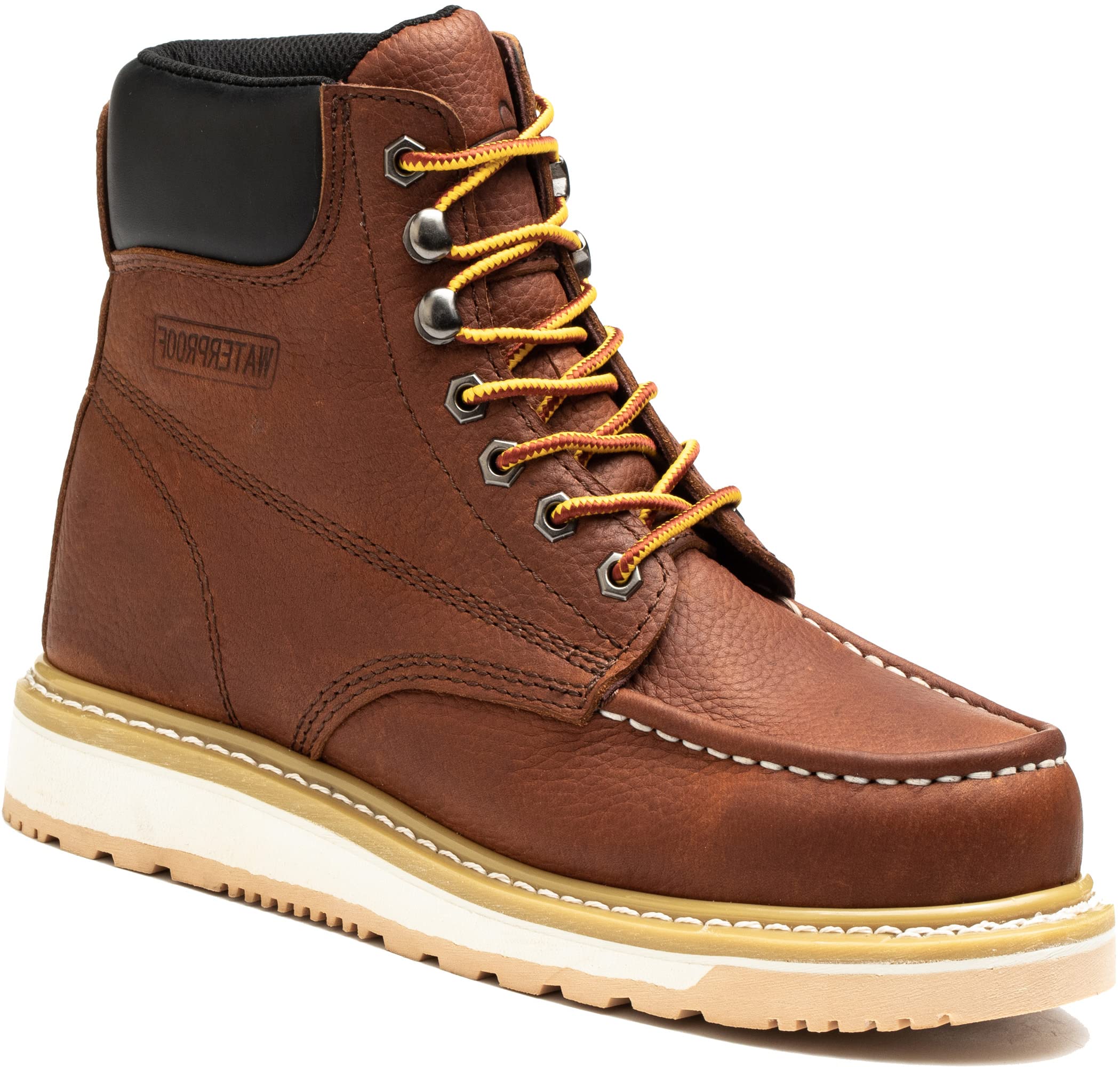
The AZXPROT 6-inch wedge sole boot is an entry-level ticket to the wedge-soled comfort that concrete walkers swear by. It provides the flat, stable platform of a wedge outsole at a fraction of the cost of premium brands like Danner. The soft toe is comfortable and flexible, and the waterproofing is adequate for light exposure but not full submersion.
Repeat buyers confirm they purchase these boots multiple times — a sign that while they are consumable rather than investment-grade, they deliver consistent comfort for the price. Users mention they run a half-size large, so sizing down is recommended. The midsole is comfortable out of the box, but as a pure EVA compound, it will compress faster than polyurethane alternatives.
If you want to try the wedge sole format for concrete walking without a large upfront cost, the AZXPROT is the perfect entry point. Expect 6-12 months of good service before the cushioning begins to fade.
Why it’s great
- Affordable wedge sole design improves concrete stability
- Good out-of-box comfort with no major hot spots
- Waterproofing handles light exposure well
Good to know
- Midsole compresses faster than premium PU options
- Runs a half-size large; size down for a snug fit
FAQ
How long do boots last when walking on concrete daily?
Can I use a hiking boot for concrete walking?
Do I need a safety toe for walking on concrete?
Final Thoughts: The Verdict
For most users, the boots for walking on concrete winner is the Timberland PRO Titan EV because it delivers zero break-in, all-day arch support, and a composite toe that doesn’t weigh you down. If you want the heritage craftsmanship and resoleable wedge sole of a true classic, grab the Danner Bull Run. And for orthopedic needs and a genuinely roomy toe box, nothing beats the Orthofeet Granite.