
Our readers keep the lights on and the weekend projects moving. As an Amazon Associate, I earn from qualifying purchases.
Buying an affordable backpacking backpack shouldn’t mean signing up for shoulder pain before you even hit the trail. The challenge is finding a pack that offers a proper internal frame, a supportive hip belt, and the right volume—usually 40 to 70 liters—without the premium price tag of brands like Osprey or Gregory.
I’m Rikta — the co-founder and writer behind FitlyFast. I’ve spent countless hours analyzing load-transfer frame designs, fabric denier ratings, and real-world reviews to find the cheap packs that actually survive a multi-day trip without causing chafing or blowouts.
Whether you’re a beginner building your first kit or a seasoned hiker looking for a spare, this guide will help you pick the perfect affordable backpacking backpack for your next adventure.
How To Choose The Best Affordable Backpacking Backpack
Picking a budget-friendly pack is about trade-offs. You want a decent frame, a load-bearing hip belt, and enough capacity for your gear without paying hundreds. Here’s how to sort the winners from the wannabes.
Volume and Trip Length
A 40-liter pack works for fast-and-light overnight trips, while a 60-liter is the sweet spot for a 3-5 day outing. If you carry bulky items like a bear canister or winter bag, lean toward 65-75 liters.
Frame Type is King
An internal frame with a single aluminum or metal wire transfers weight from your shoulders to your hips. Packs without a frame (frameless) are lighter but fail under loads over 15-20 pounds. Always check for a frame sheet or metal stay.
Hip Belt Padding
Thick, contoured hip belt padding separates a comfortable carry from a painful one. Packs with thin straps or webbing-only belts can chafe and won’t distribute weight properly on longer miles.
Fabric and Zipper Quality
Look for 210D to 420D nylon fabric. YKK zippers are a good sign of reliability. Good stitching that won’t blow out under a 40-pound load is a must.
Quick Comparison
On smaller screens, swipe sideways to see the full table.
| Model | Category | Best For | Key Spec | Amazon |
|---|---|---|---|---|
| Osprey Atmos AG 65 | Premium | Long-distance comfort | 65L / 4.5 lbs | Amazon |
| Osprey Rook 65 | Mid-Range | Versatile weekend trips | 65L / 3.7 lbs | Amazon |
| Thule Landmark 60 | Mid-Range | Travel & security | 60L / 4.0 lbs | Amazon |
| Naturehike 65L | Budget | Lightweight setups | 65L / 2.6 lbs | Amazon |
| Naturehike 45L | Budget | Fast and light trips | 45L / 2.5 lbs | Amazon |
| TETON Sports 75L | Mid-Range | Heavy, bulky loads | 75L / 4.5 lbs | Amazon |
| High Sierra Pathway 60L | Budget | General hiking & biking | 60L / 4.1 lbs | Amazon |
| The North Face Terra 40 | Mid-Range | Overnight all-rounder | 40L / 3.4 lbs | Amazon |
| Mardingtop 60L | Budget | Customizing & modular | 60L / 4.5 lbs | Amazon |
In‑Depth Reviews
1. Osprey Atmos AG 65
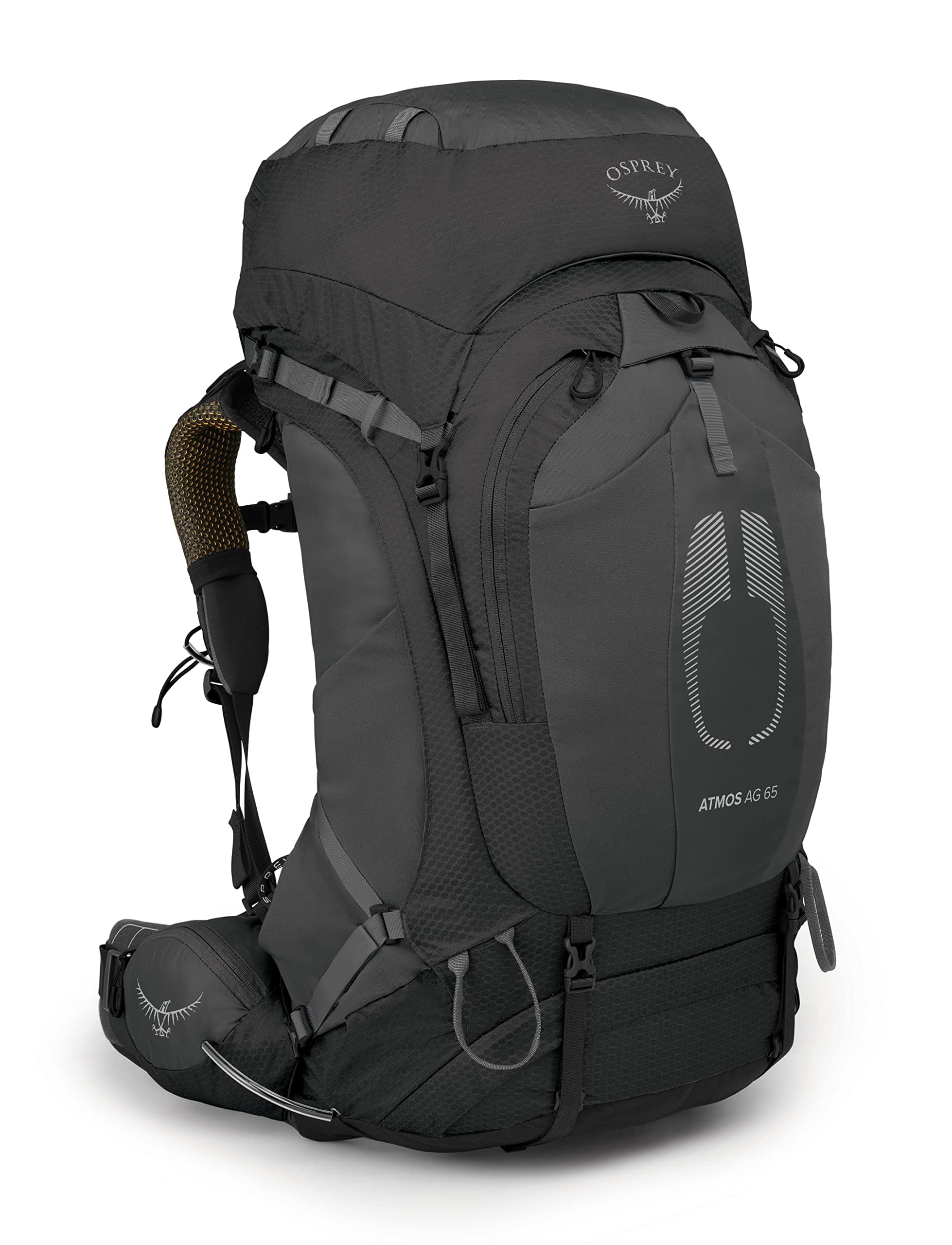
The Osprey Atmos AG 65 is the gold standard for comfort on the trail, and it earns its premium status here as the best-performing pack in this list. Its “Anti-Gravity” suspension system uses a tensioned mesh backpanel that contours to your spine, creating a ventilated air gap that significantly reduces sweating on long climbs. The frame sheet and LightWire alloy frame work together to transfer loads up to 40 pounds directly onto the padded hip belt, making a full load feel noticeably lighter than it is.
At 4.5 pounds, it’s not an ultralight pack, but the comfort-to-weight ratio is exceptional. The pack includes a floating top lid, a zippered sleeping bag compartment with a removable divider, and side compression straps. Testers on the Appalachian Trail noted that the adjustable torso system makes dialing in the fit simple, and the included rain cover (made with PFAS-free DWR) is a nice touch.
The main downsides are the price, which sits at the high end of this guide, and the fact that the pack doesn’t stand upright on its own. Some users with narrow hips also found the waist belt zippers difficult to operate one-handed. For anyone planning multi-day trips with heavy gear, this is the investment that protects your back and shoulders.
Why it’s great
- Best-in-class load transfer and hip belt comfort
- Excellent ventilation from the suspended mesh backpanel
- Built-in rain cover and thoughtful organization
Good to know
- Higher price point compared to others here
- Pack does not stand upright on its own
- Waist belt zippers can be tricky to close one-handed
2. Osprey Rook 65

The Osprey Rook 65 is a streamlined, lower-priced sibling of the Atmos, designed by the same engineering team but with a focus on simplicity and a lower weight. It uses Osprey’s AirSpeed tensioned backpanel system, which lifts the pack off your back for airflow while a LightWire frame transfers the load to the hip belt. This pack is positioned as a straightforward solution for hikers who want Osprey quality without all the bells and whistles.
Weighing 3.7 pounds, it’s lighter than the Atmos and still carries loads up to 35 pounds comfortably. The integrated rain cover stows in its own pocket, and the sleeping bag compartment with a floating divider keeps your gear organized. Testers reported that the pack feels premium, with sturdy zippers and a well-padded hip belt that distributed weight effectively on 20-mile days.
The biggest trade-off is the lack of an external mesh pocket for quick-access items like a rain jacket or wet tent. It also lacks back-panel access, requiring you to dig through the top. If you value Osprey’s build quality and can live without the bells and whistles, this is a fantastic choice for weekend trips.
Why it’s great
- Lighter than many similarly priced packs
- Built-in rain cover and sleeping bag divider
- Osprey’s excellent comfort and load transfer
Good to know
- No external mesh pocket for quick-access items
- Only top-loading access, no back panel option
- At 3.7 lbs, it’s still a bit heavy for ultralight purists
3. Thule Landmark 60
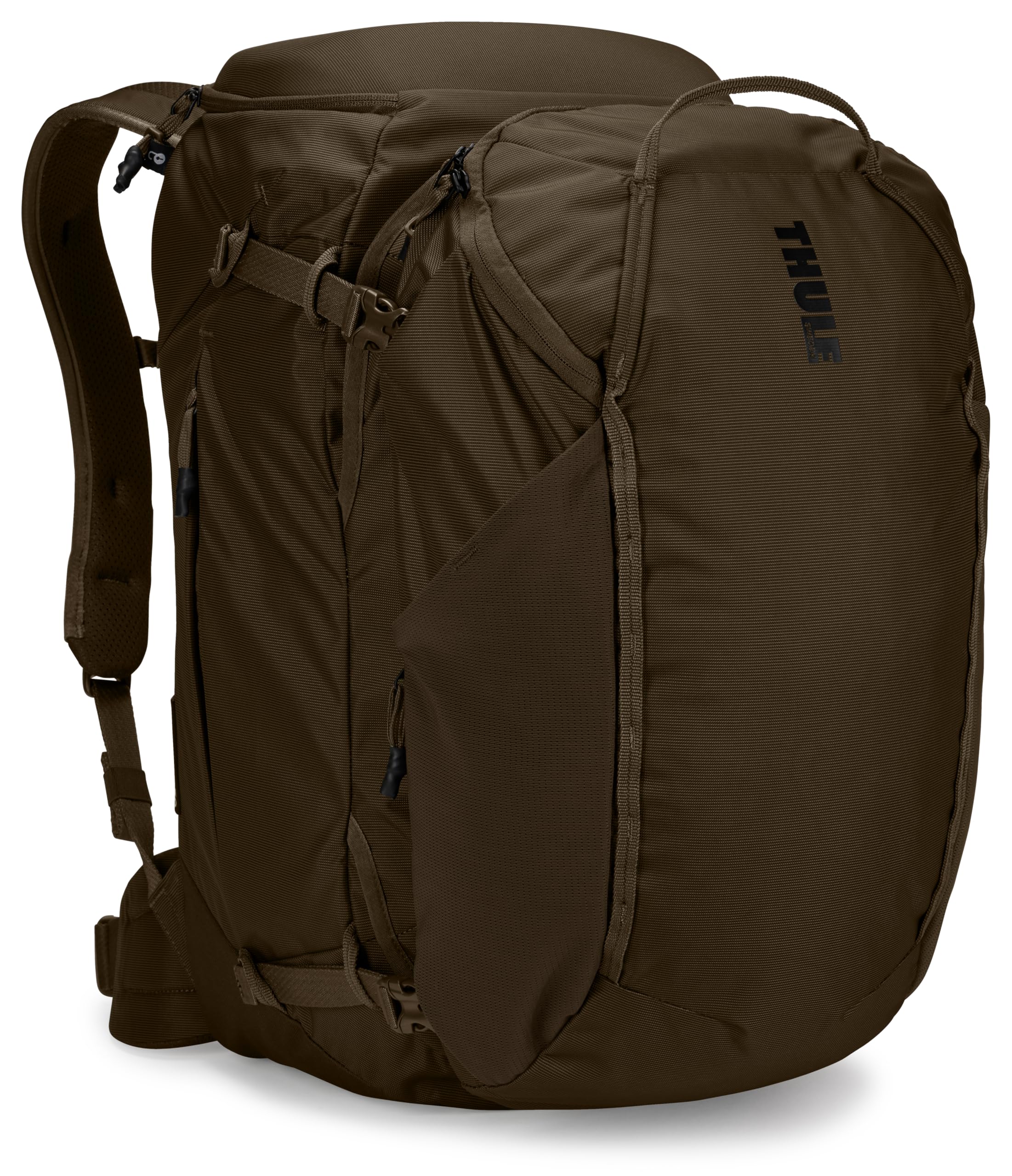
The Thule Landmark 60 is designed specifically for adventure travel, bridging the gap between a hiking pack and a travel pack. It features a unique two-part system: a main 40-liter pack with a removable 20-liter daypack that can be worn on the front for security. The main pack includes a hidden CashStash pocket under the SafeZone area for passports and money, and the zipper pulls can be secured with LoopLocks to deter theft.
Reviewers who have used it for multi-month trips across Europe and Asia praise its comfort and organization. The main pack is sturdy and carries well, while the daypack fits under most airplane seats. The pack’s design makes it easy to access your main compartment without taking everything out, a common travel pain point.
The downsides are that the material is not fully waterproof—just resistant to light rain—and the shoe compartment is on the smaller side. Some users also noted that the stowable straps can be difficult to manage. For the hiker who also travels frequently, this is a versatile and cleverly designed system.
Why it’s great
- Innovative detachable daypack system for travel
- Hidden CashStash and LoopLock security features
- Carries comfortably for extended periods
Good to know
- Main pack is not fully waterproof (light rain only)
- Lacks an external outer pocket for quick access
- Stowable straps can be tricky to deploy
4. Naturehike 65L
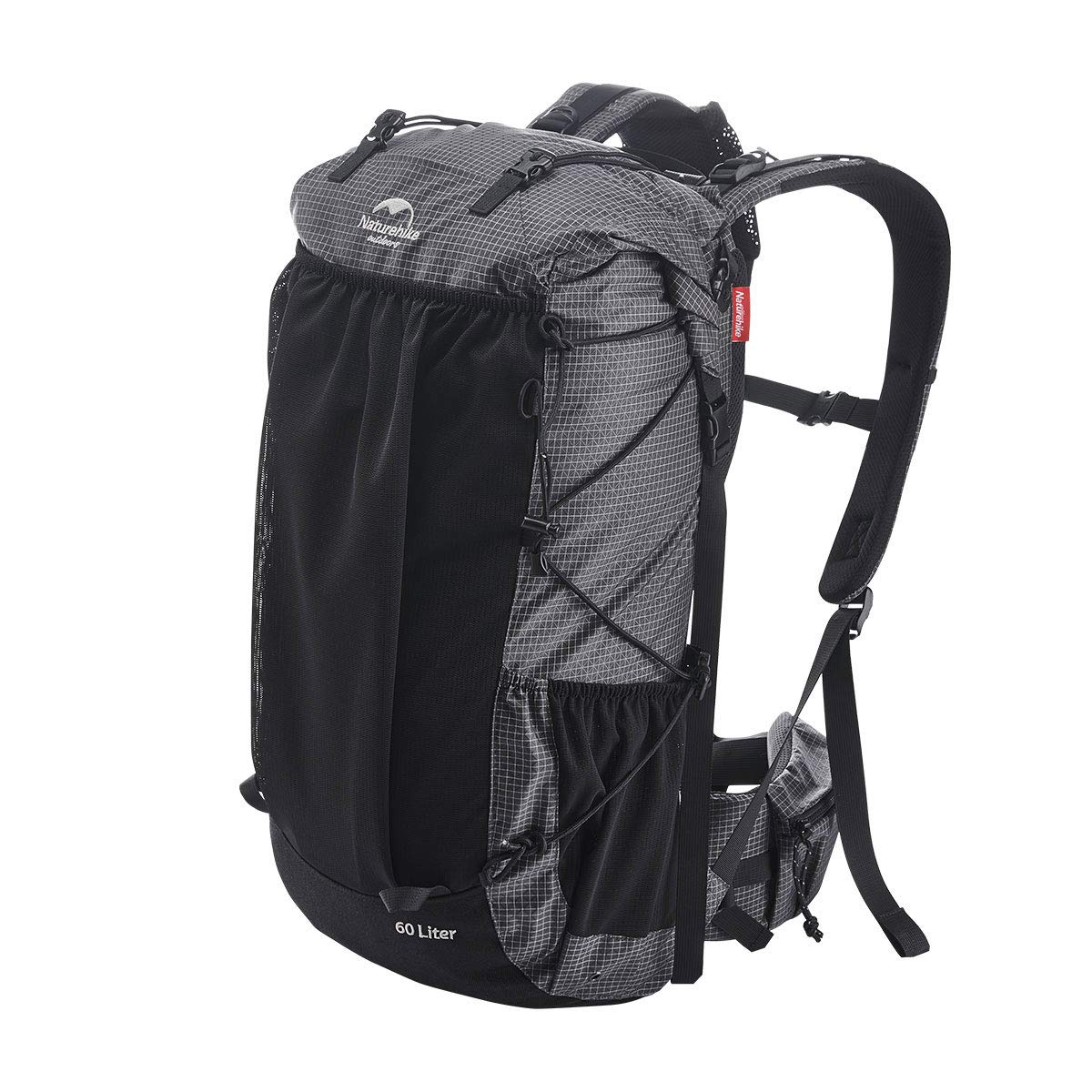
The Naturehike 65L is a budget-conscious copycat of the Osprey Exos, but it manages to carve its own lane by offering a genuinely lightweight build (2.6 pounds) at a fraction of the cost. It uses a 420D nylon fabric that is durable enough for 3-season use, and the internal frame sheet provides enough structure to keep loads under 35 pounds stable. The roll-top closure is flexible and secure, allowing the pack to compress down for smaller loads.
Real-world testing on the Appalachian Trail (108-mile sections) showed the pack held up well, with no seam failures or fabric tears after 150 miles. Testers appreciated the mesh back pocket for stuffing a puffy or tent fly, and the chest water bottle holder is a clever addition. The hip belt is well-padded for the price, though not as sculpted as premium options.
The hip belt can dig into the stomach for some body types, and the lack of a brain (top lid) means you have to rely on the roll-top and external pockets for quick-access gear. If you’re looking to shave pounds off your base weight without spending heavily, this is a top contender.
Why it’s great
- Very light at 2.6 pounds for a 65L pack
- Durable 420D nylon withstood long trail sessions
- Roll-top design is versatile and secure
Good to know
- Hip belt may dig into stomach for some users
- No traditional top brain pocket
- Load lifter straps can be slightly awkward to adjust
5. Naturehike 45L

The Naturehike 45L is the smaller, even lighter sibling of the 65L and is optimized for fast-and-light backpacking trips. Weighing just 2.5 pounds, it’s a true contender for anyone trying to keep their base weight under 15 pounds. The internal frame is a simple wire frame that provides enough structure for loads up to 25-30 pounds, and the 420D nylon fabric keeps weight down without sacrificing durability.
Testers who used this on 20-mile days noted the mesh back panel breathes well, reducing sweat accumulation. The pack includes a removable rain cover and a hydration sleeve, and the side mesh pockets can securely hold a 0.75-liter bottle. The design is simple, with a roll-top closure and a few external pockets—it won’t win awards for organization, but it keeps your gear contained and balanced.
The trade-off is that the hip belt is less padded than the larger model, and the lack of a frame sheet means heavy loads cause the pack to sag. If you’re a gram-counter doing weekend trips, this is an excellent and affordable choice.
Why it’s great
- Ultralight at 2.5 pounds for a 45L
- Great breathability from the mesh back panel
- Roll-top and side compression straps compact well
Good to know
- Hip belt padding is thinner and less supportive
- Not ideal for loads over 30 pounds
- Limited external pockets for organization
6. TETON Sports 75L Explorer

The TETON Sports 75L Explorer is built for those who carry the kitchen sink. It features an adjustable torso length and a durable open-cell foam lumbar pad that provides substantial support for heavy loads. It’s a common first pack for scouts and new backpackers because it offers a lot of volume at a price that won’t break the bank.
Testers reported carrying 45-50 pounds with good balance and stability. The multi-directional compression straps help cinch down bulky gear, and the large sleeping bag compartment with a floating divider makes organization easy. The padded hip belt is thick enough to handle the weight, and the sternum strap with a whistle is a welcome safety feature.
The main complaints are the bulky weight (around 4.5 pounds) and the small mesh side pockets that struggle to hold larger water bottles. The rain cover also doesn’t cover the bottom loops. For those carrying a lot of gear on shorter trips, this is a budget-friendly workhorse.
Why it’s great
- Excellent for heavy loads (45-50 lbs)
- Adjustable torso and thick foam lumbar pad
- Large sleeping bag compartment with divider
Good to know
- Heavy at 4.5 pounds
- Small side water bottle pockets
- Rain cover doesn’t cover bottom gear loops
7. The North Face Terra 40
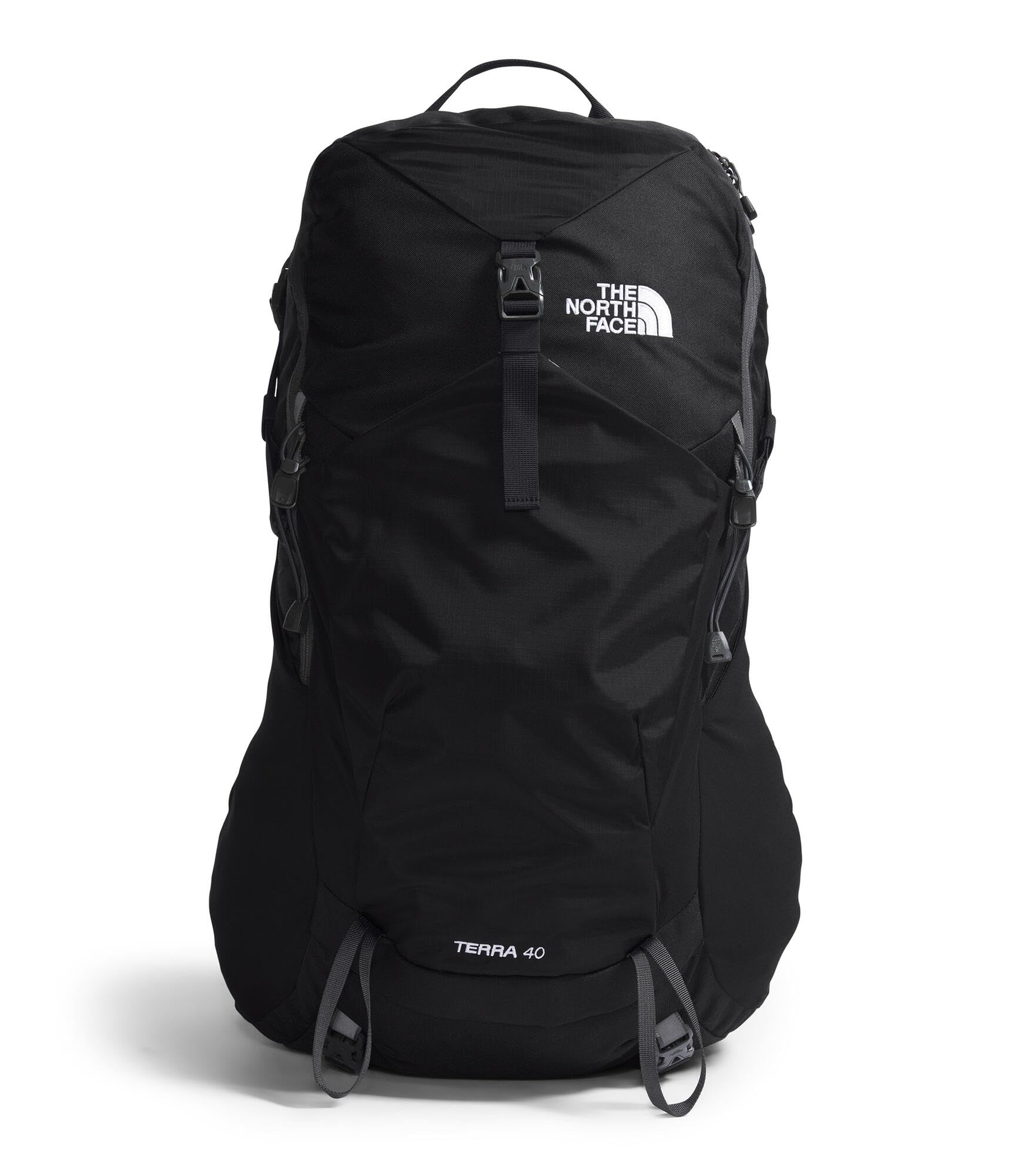
The North Face Terra 40 is a classic daypack-on-steroids that works as a compact backpacking pack for overnight trips. It features a padded back panel, shoulder straps, and a hip belt that are optimized for comfort and breathability. The removable frame sheet provides structure, and the load lifter straps help dial in the fit.
With 41-43 liters of capacity, it’s perfect for a minimalist overnight where you carry a lightweight sleeping bag, pad, and shelter. The pack includes two stretch mesh water bottle pockets and an internal hydration sleeve. Users appreciate the trekking pole and ice axe attachments, which are rare on smaller packs.
The main drawback is that it doesn’t come with a rain cover, and at 3.4 pounds, it’s heavier than some dedicated ultralight 40-liter packs. It also lacks a sleeping bag compartment. For the hiker who wants a reliable, well-padded pack for short trips, this is a strong contender.
Why it’s great
- Well-padded hip belt and shoulder straps for comfort
- Durable construction and quality zippers
- Built-in trekking pole and ice axe attachments
Good to know
- No integrated rain cover included
- Heavier than dedicated ultralight packs
- No sleeping bag compartment
8. High Sierra Pathway 60L

The High Sierra Pathway 60L is a cost-effective option for beginner hikers and youth groups. It includes a hydration storage sleeve that can also hold a 15.6-inch laptop, making it useful for travel as well. The EVA-molded and Airmesh back panel provides decent ventilation and comfort for loads up to 20 pounds.
The pack features multiple exterior pockets, including a front stuff pocket and two stretch mesh water bottle pockets that fit up to a 32-ounce Hydro Flask. Testers found it comfortable for short trips and appreciated the adjustable sternum strap and padded hip belt. It’s a pack that does a lot of things adequately at a very accessible price point.
Where it falls short is for heavy loads or long distances. The hip belt is less supportive than beefier packs, and some reviewers reported shoulder straps being too wide for smaller frames. For short, easy hikes or youth camping trips, it’s a solid entry-level choice.
Why it’s great
- Excellent value for the money
- Large hydration sleeve fits laptop too
- Good ventilation and adjustable fit
Good to know
- Not comfortable for loads over 20-25 pounds
- Shoulder straps may be too wide for smaller frames
- Less durable than more expensive options
9. Mardingtop 60L Military
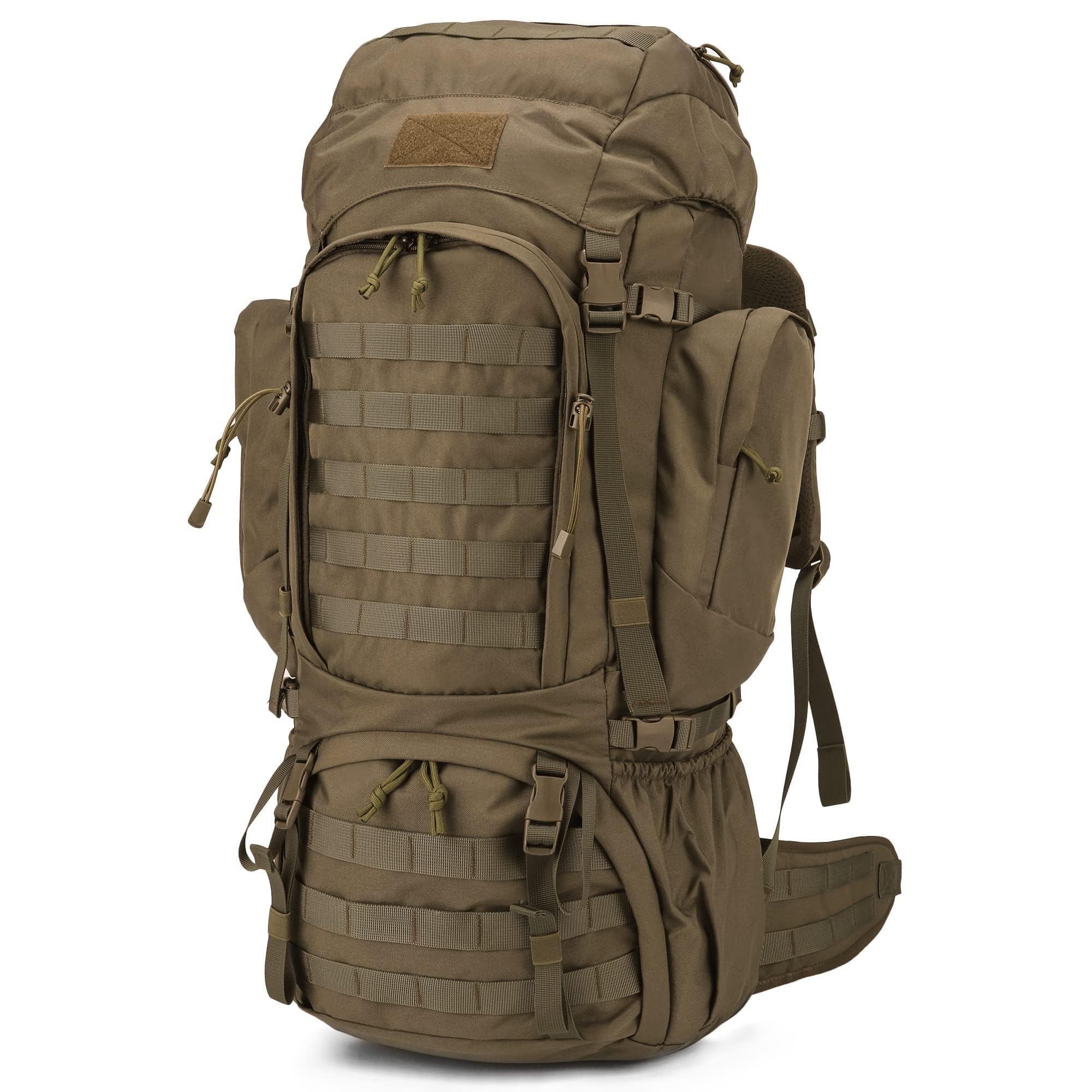
The Mardingtop 60L Military Backpack is the most modular pack on this list, featuring a MOLLE (Modular Lightweight Load-carrying Equipment) webbing system across the exterior. This allows users to attach additional pouches, water bottle holders, or any MOLLE-compatible gear, making it highly customizable. The pack also has YKK zippers and a rain cover, and the main compartment can be expanded to roughly 75L using the extension collar.
Users who have owned multiple hiking packs note that this one is a fantastic value for the price, with good quality stitching and 420D nylon fabric that stands up to rough use. It’s been used for ruck training with 90 pounds for short distances, and for multi-day camping with moderate loads. The internal frame provides enough structure for loads up to 40 pounds.
The hip belt padding is the weak point—it’s thinner than competitors and can cause chafing under heavy loads. The shoulder straps are also on the narrower side. This pack is best for those who want a modular system they can customize, or as a rugged training pack.
Why it’s great
- MOLLE system for extensive customization
- Expandable from 60L to ~75L
- YKK zippers and sturdy 420D nylon fabric
Good to know
- Hip belt padding is thin and can chafe
- Shoulder straps are a bit narrow
- Not ideal for long-distance heavy loads
FAQ
Are affordable backpacking backpacks durable enough for multi-day trips?
What volume do I need for a 3-day backpacking trip?
Do I need an internal frame in a budget backpack?
Can I use a cheap backpack for backpacking with heavy gear?
Final Thoughts: The Verdict
For most users, the affordable backpacking backpack winner is the Osprey Rook 65 because it delivers premium comfort and a built-in rain cover at a mid-range price that undercuts the Atmos. If you want the lightest possible setup under 3 pounds, grab the Naturehike 65L. And for traveling with security features or a modular system, nothing beats the Thule Landmark 60 or the customizability of the Mardingtop 60L.