
Our readers keep the lights on and the weekend projects moving. As an Amazon Associate, I earn from qualifying purchases.
For a 55-inch TV, the line between a decent deal and a regrettable compromise depends on a few critical specs: the backlight technology (Mini-LED vs. standard LED), the native refresh rate (60 Hz vs. 144 Hz), and the quality of HDR implementation. The market is flooded with models that look good on paper but choke on motion handling or deliver washed-out blacks in a dimly lit room. Finding the sweet spot where price meets genuine performance requires knowing exactly which features are worth paying for and which are just marketing noise.
I’m Rikta — the co-founder and writer behind FitlyFast. I’ve spent hundreds of hours analyzing panel specifications, local dimming zone counts, peak brightness measurements, and real-world color volume data to separate the true value leaders from the overpriced also-rans in the 55-inch category.
This guide breaks down the top contenders for a bang for your buck 55 inch tv, focusing on measurable performance metrics like dimming zone density, refresh rate ceilings, HDR format support, and real-world motion clarity rather than vague marketing promises.
How To Choose The Best Bang For Your Buck 55 Inch TV
The best value TV for your money is not necessarily the cheapest or the most expensive. It is the model that delivers the highest picture quality per dollar for your specific viewing habits. Understanding the three pillars that define real-world performance — backlight technology, refresh rate, and HDR capability — will help you avoid costly mistakes.
Backlight Technology: Mini-LED vs. Standard LED vs. QLED
The single biggest differentiator in image quality at this size is the backlight system. Standard LED edge-lit TVs are the baseline and often produce uneven brightness and poor black levels. QLED is a marketing term describing a quantum dot layer that improves color volume, but it still requires a capable backlight. Mini-LED backlights use thousands of tiny LEDs to create local dimming zones that can turn off independently, delivering deeper blacks, higher peak brightness, and significantly better HDR contrast. On a 55-inch screen, a Mini-LED model with a decent number of dimming zones will blow past a standard LED model in dark room performance.
Refresh Rate: 60 Hz vs. 120 Hz vs. 144 Hz
The refresh rate determines how many frames per second the panel can display. For pure streaming, movies, and casual YouTube viewing, a 60 Hz panel is perfectly adequate since most content is 24 or 30 fps. However, if you game on a PlayStation 5, Xbox Series X, or PC, a 120 Hz or 144 Hz panel is critical. The higher refresh rate combined with Variable Refresh Rate (VRR) eliminates screen tearing and significantly reduces motion blur in fast-paced titles. A 60 Hz panel in 2025 is a hard ceiling for serious gaming performance.
HDR Performance: Brightness and Format Support
HDR is one of the most impactful upgrades for streaming and 4K Blu-ray content, but it is only as good as the TV’s peak brightness and local dimming system. A TV needs at least 400-500 nits of sustained brightness for HDR to look meaningfully better than standard SDR. Look for support for Dolby Vision IQ and HDR10+ Adaptive — these dynamic metadata formats adjust brightness and contrast scene-by-scene. A TV that only supports basic HDR10 and HLG will miss out on the most impressive streaming HDR content from services like Netflix and Disney+.
Quick Comparison
On smaller screens, swipe sideways to see the full table.
| Model | Category | Best For | Key Spec | Amazon |
|---|---|---|---|---|
| iFFALCON 55U85 | Mini-LED Gaming | 144Hz gaming & PC desktop | 144Hz native / 6000:1 contrast | Amazon |
| Hisense 55E7SF | Mini-LED All-Rounder | Sports, gaming, and movies | 144Hz native / Mini-LED backlight | Amazon |
| TCL 55QM7K | QD-Mini LED | Bright room HDR viewing | Up to 2500 dimming zones | Amazon |
| Samsung 55M80H | Samsung Mini-LED | AI-enhanced picture & design | 144Hz Motion Xcelerator | Amazon |
| Sony BRAVIA 3 K-55XR30M2 | Sony XR Processor | PS5 gaming & upscaling | 120Hz / XR Triluminos Pro | Amazon |
| Amazon Fire TV Omni QLED | QLED Fire TV | Smart home integration | 64-zone local dimming | Amazon |
| Roku Plus Series | Mini-LED Roku | Smooth OS & built-in sound | Mini-LED / Dolby Atmos | Amazon |
| Hisense 55E6QF | QLED Entry Level | Budget-friendly 4K QLED | 60 Hz / Fire TV platform | Amazon |
| Sony BRAVIA 2 K-55S20M2 | PS5-Centric LED | Budget PS5 companion | 60 Hz / 4K X1 Processor | Amazon |
In‑Depth Reviews
1. iFFALCON 55U85 MiniLED 4K Smart TV
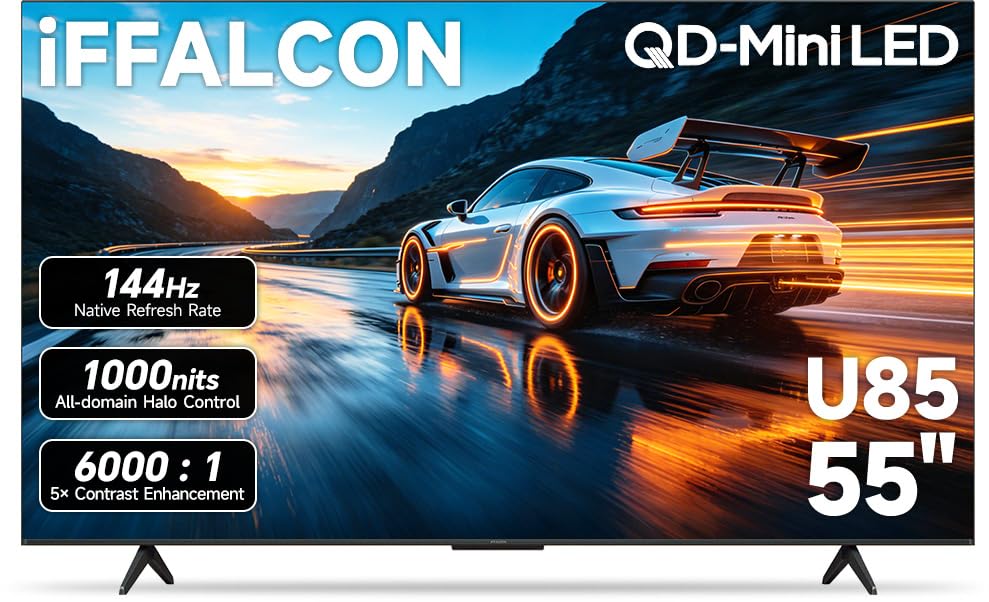
The iFFALCON 55U85 packs a native 144 Hz Mini-LED panel with a 6000:1 contrast ratio and up to 1000 nits peak brightness into a chassis that undercuts the price of most 120 Hz competitors. This is an unusual combination for the price tier — most TVs at this level use a 60 Hz panel or a standard edge-lit LED design. The inclusion of four HDMI 2.1 ports means you can connect a PS5, Xbox Series X, PC, and soundbar simultaneously without having to swap cables.
During gaming tests, the 144 Hz refresh rate with VRR up to 288 Hz eliminates screen tearing entirely in fast-paced shooters and racing titles. The Mini-LED local dimming produces noticeably deeper blacks than similarly priced QLED models, though some minor blooming is visible on high-contrast test patterns. Dolby Vision Gaming mode switches on automatically via HDMI 2.1, which is a genuine convenience for console gamers who do not want to dig through menus.
The Google TV interface is smooth and responsive, with minimal input lag when switching between apps. The 50W 2.1-channel audio system with Dolby Atmos passthrough is adequate for a bedroom or small living room, though an external soundbar will improve the experience in a larger space. For anyone building a mid-range gaming setup or wanting a future-proof TV for the next console generation, this is the clear value champion.
Why it’s great
- Native 144 Hz panel with VRR up to 288 Hz
- Four HDMI 2.1 ports for multi-device setups
- Mini-LED backlight delivers excellent contrast and brightness for the price
Good to know
- Chassis is thicker than ultra-slim premium models
- Local dimming can produce minor blooming in extreme HDR scenes
2. TCL 55QM7K QD-Mini LED 4K HDR TV
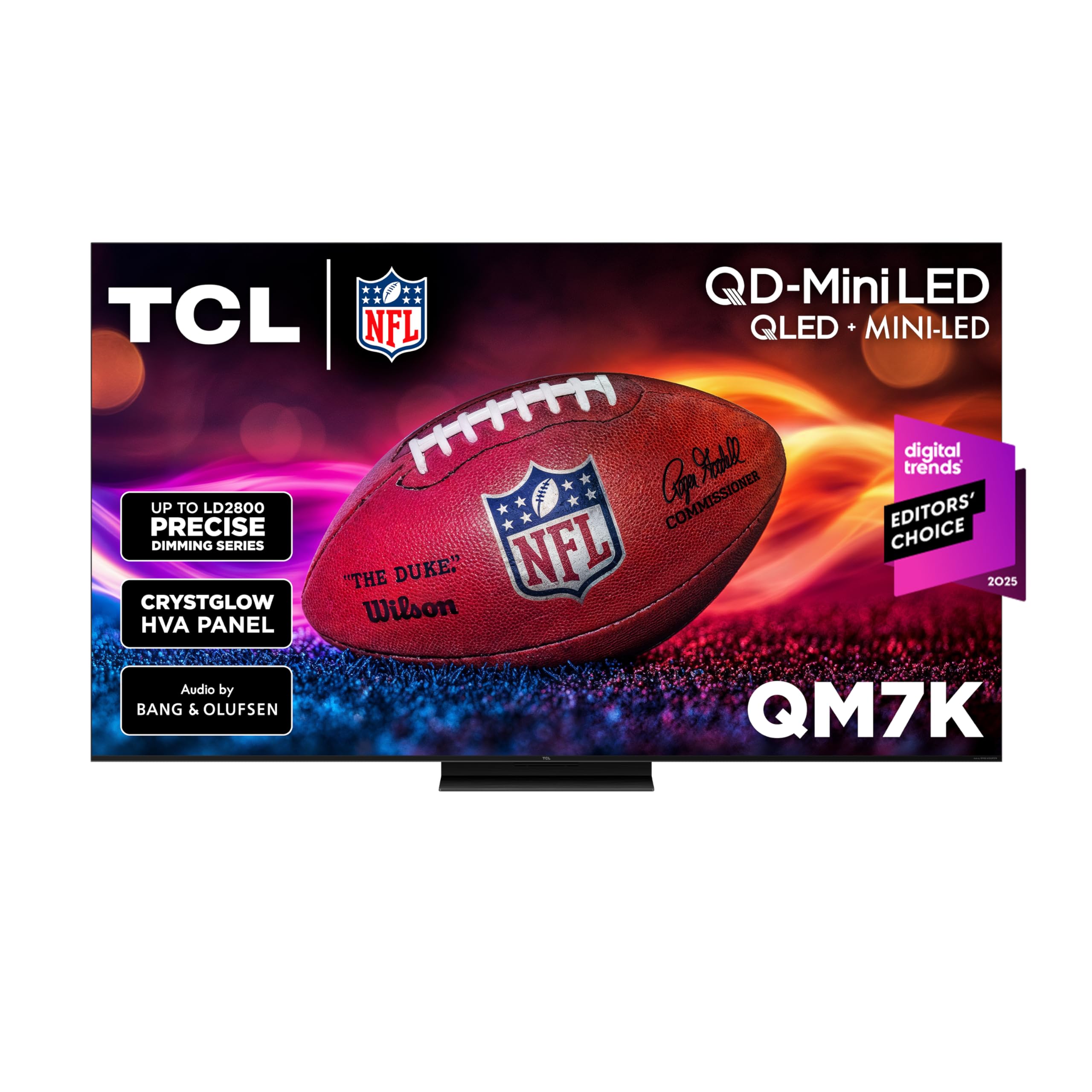
The TCL 55QM7K is a QD-Mini LED TV that combines quantum dot color reproduction with a Mini-LED backlight that controls up to 2500 local dimming zones. This zone count is exceptionally high for a 55-inch model in this price bracket and directly translates to minimal halo effect around bright objects on dark backgrounds. The peak brightness is high enough to make Dolby Vision content from streaming services genuinely impactful, even in living rooms with significant ambient light.
The CrystGlow HVA panel is a standout feature for anyone who watches TV during the day. It blocks reflections effectively, preserving contrast and detail that would wash out on a standard glossy screen. The built-in Onkyo-tuned audio system delivers surprisingly full sound with decent bass response, though purists will still want a dedicated soundbar. The Google TV interface offers broad app support and responsive navigation, but the included remote feels cheap compared to the rest of the TV.
Gamers benefit from the 144 Hz refresh rate and VRR support, which makes motion handling smooth in competitive titles. The Bang & Olufsen audio branding is more marketing than substance — the speakers are good for a TV but not audiophile-grade. For users who prioritize picture quality above all else and watch a mix of HDR streaming, sports, and gaming in a bright room, this TCL model represents a noticeable step up from the mid-range tier.
Why it’s great
- Very high local dimming zone count for deep blacks with minimal halo
- Anti-reflective panel keeps image intact in bright rooms
- Excellent HDR peak brightness for impactful Dolby Vision
Good to know
- Included remote feels low-quality for a premium-tier TV
- Onboard sound is decent but falls short of dedicated audio solutions
3. Hisense 55E7SF Cinema Series Hi-QLED Mini-LED
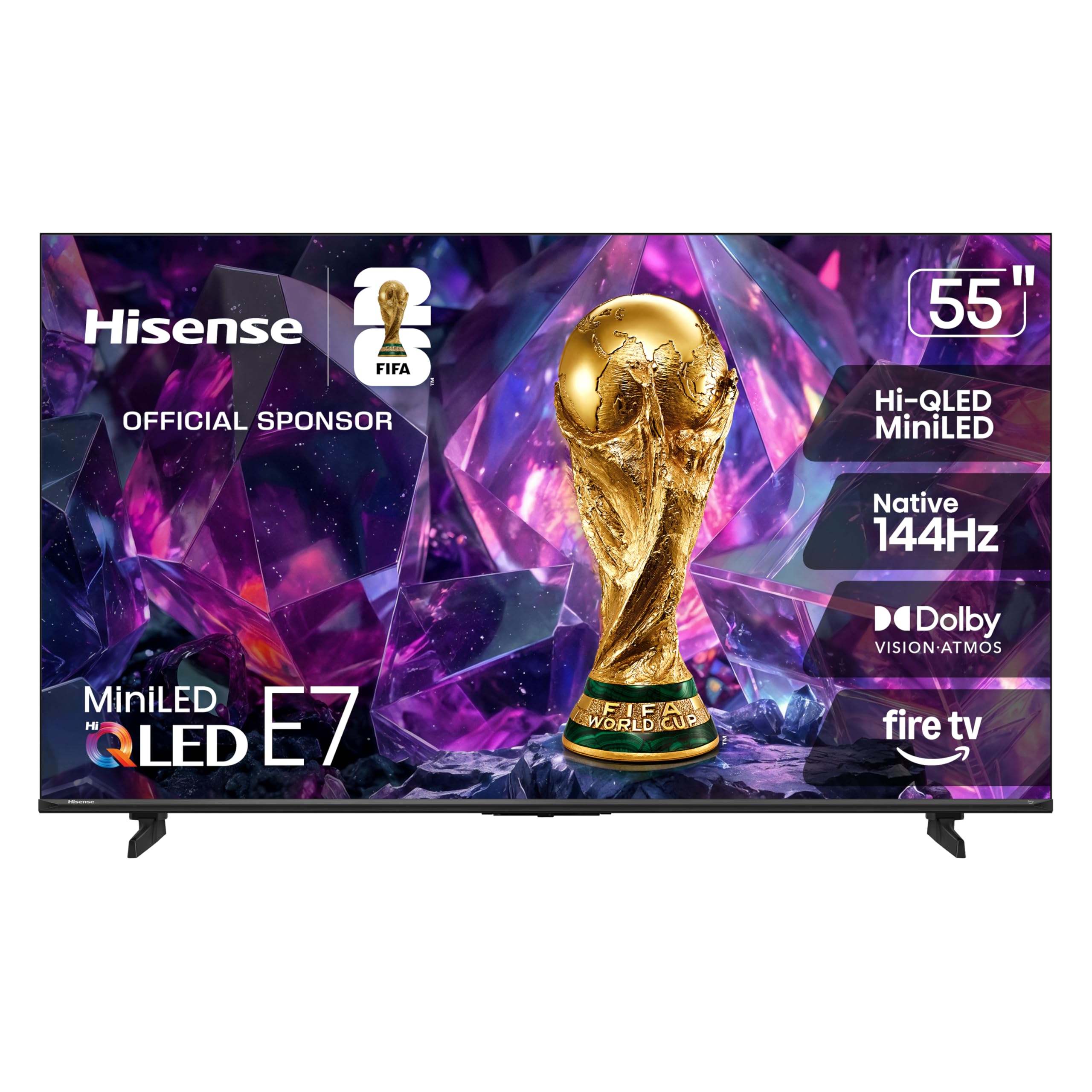
The Hisense 55E7SF is a Mini-LED TV that brings a native 144 Hz panel and comprehensive HDR format support — including Dolby Vision IQ, HDR10+ Adaptive, and HLG — to the mid-range price point. The AI Picture engine analyzes content scene-by-scene to adjust brightness, contrast, and color, which helps lower-resolution streaming content look cleaner on the 4K panel. The MEMC motion smoothing is aggressive by default but can be dialed back for film purists who want to preserve the 24 fps cadence.
The Mini-LED backlight produces vibrant colors and solid contrast figures out of the box. Motion clarity is notably better than 60 Hz alternatives when watching sports or playing fast-paced games. The Fire TV platform is integrated well, with quick app launches and Alexa voice control, but the interface can feel slightly slower than Google TV after extended use. Some users report Wi-Fi connectivity drops that require a reboot, though this appears to affect only a subset of units.
The physical stand feels a bit plasticky given the otherwise solid build quality of the panel. For users who want a high-refresh-rate Mini-LED TV with Dolby Vision IQ support and do not want to stretch into the premium tier, this Hisense model offers a compelling mix of features at a price that is hard to beat. It is especially well-suited for sports fans and mainstream gamers who want smooth motion without paying flagship prices.
Why it’s great
- Native 144 Hz panel with Mini-LED backlight
- Supports Dolby Vision IQ and HDR10+ Adaptive
- AI picture processing improves lower-resolution content
Good to know
- Stand feels cheap compared to panel build quality
- Isolated reports of Wi-Fi connectivity issues
4. Samsung 55M80H Mini LED 4K Smart TV
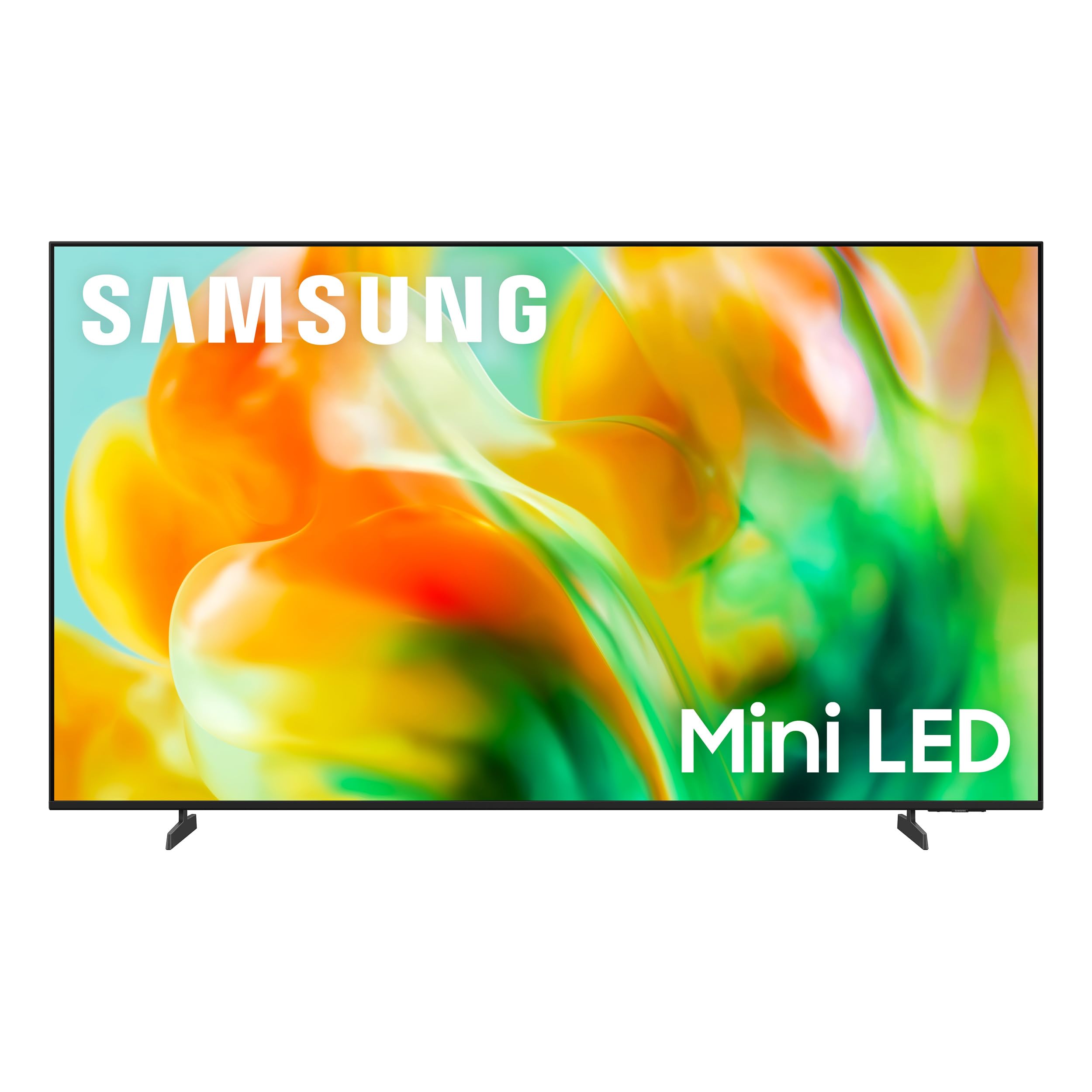
The Samsung 55M80H uses a Mini-LED backlight driven by the NQ4 AI Gen2 processor, which handles real-time scene analysis and upscaling to 4K. The Pure Spectrum Color technology is designed to produce a billion colors with Mini-LED precision, and in practice the image is vibrant and well-saturated without the oversaturation that affects some budget QLED models. Motion Xcelerator 144 Hz ensures smooth motion in gaming, though the TV is primarily aimed at users who watch a mix of streaming and live sports.
Auto HDR Remastering is the key differentiating feature here — it intelligently analyzes SDR content and applies HDR-style brightness and color mapping, which makes older shows and standard broadcasts look noticeably cleaner on the 4K panel. The design is minimalist with slim bezels and a flush surface that looks clean in a modern living room. The built-in Alexa support and Samsung Vision AI features add smart home convenience but can feel gimmicky if you already have a dedicated smart speaker ecosystem.
The sound quality is good for a slim-profile TV but lacks the bass weight of models with larger speaker drivers. Upscaling of 1080p content is excellent, thanks to the AI processor, but 720p content still shows softness. This is a strong choice for users who want Samsung’s refined picture processing and smart features without jumping to the flagship tier. It excels in bright rooms and with streaming content, though serious gamers may prefer the iFFALCON or TCL for lower input lag.
Why it’s great
- NQ4 AI Gen2 processor provides excellent upscaling and scene analysis
- Auto HDR Remastering improves SDR content noticeably
- Slim, minimalist design that blends into any room
Good to know
- Onboard audio lacks deep bass
- AI features add marginal value for experienced smart home users
5. Sony BRAVIA 3 K-55XR30M2 4K LED TV
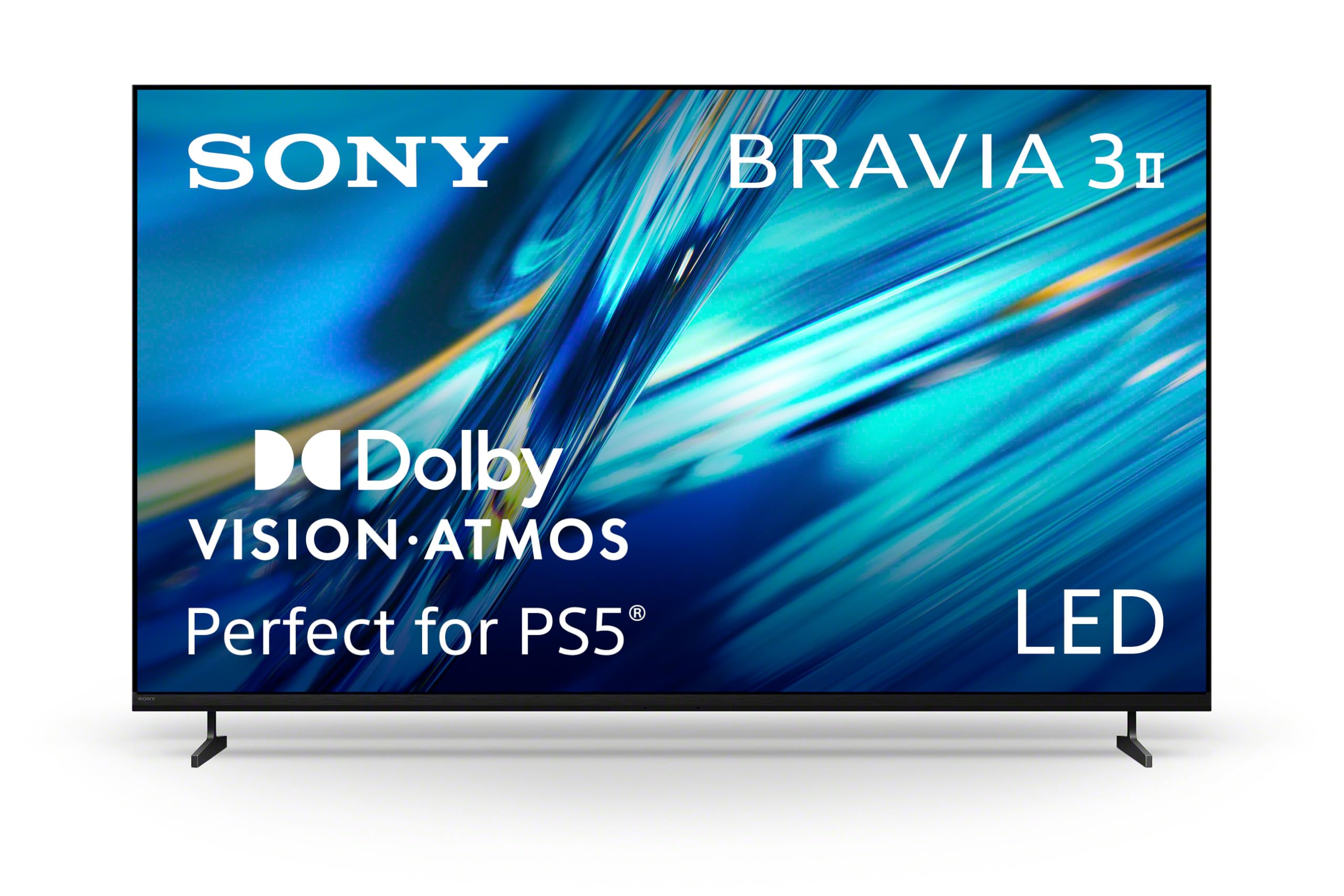
The Sony BRAVIA 3 K-55XR30M2 is built around the XR Processor, which uses AI scene recognition to optimize color, contrast, and clarity in real time. The 120 Hz panel supports HDMI 2.1 features including 4K/120, VRR, and ALLM, making it natively compatible with PlayStation 5 without additional configuration. The exclusive PS5 features — Auto HDR Tone Mapping and Auto Genre Picture Mode — automatically optimize the picture when a PS5 is connected, saving the user from manual calibration.
XR Triluminos Pro color reproduction produces natural, lifelike shades that avoid the artificial neon look of some QLED offerings. The XR Clear Image processing effectively reduces noise in lower-resolution streams, making it one of the better choices for upscaling older content to 4K. The Google TV interface with Gemini voice assistant integration is polished and responsive, though the TV boots to the home screen each time, which some users find annoying.
The X-Balanced speaker design delivers clearer dialogue than many competitors, but the overall sound profile lacks the low-end punch needed for action movies without a soundbar. Sony Pictures CORE includes 5 credits for movie rentals and a 12-month subscription to a library of classics, adding some extra value for film fans. This TV is the right choice for dedicated PS5 owners who want seamless integration and natural color accuracy over raw brightness or high zone counts.
Why it’s great
- Excellent PS5 integration with Auto HDR and Auto Genre modes
- XR Processor delivers natural color accuracy and strong upscaling
- X-Balanced speakers provide clear dialogue output
Good to know
- Boots to home screen each time, which some users find inconvenient
- Onboard audio lacks bass compared to full-size soundbars
6. Amazon Fire TV Omni QLED Series
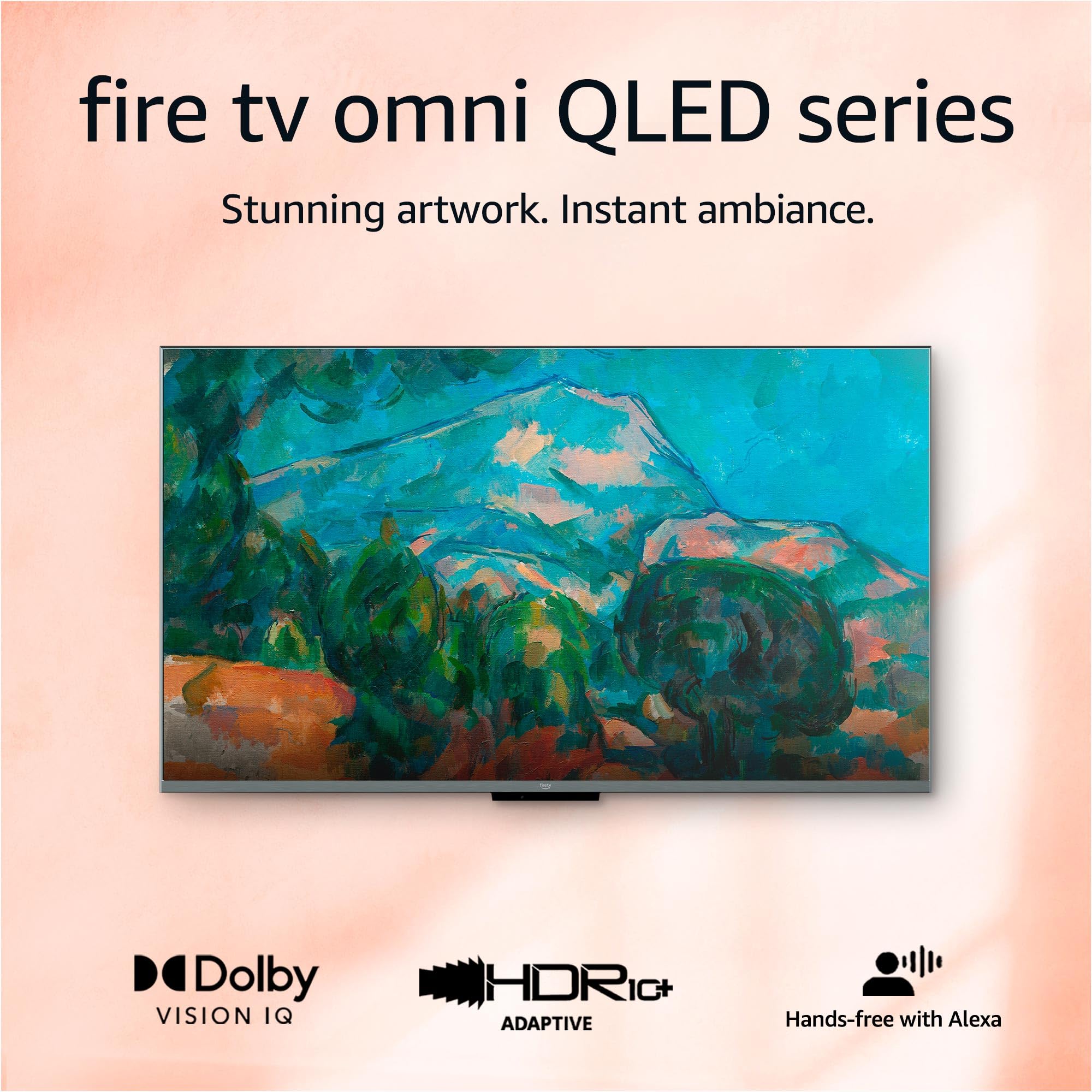
The Amazon Fire TV Omni QLED Series is a QLED panel with full array local dimming across 64 individual zones, which is a notable feature at its price level. The quantum dot layer produces vibrant, lifelike colors that are noticeably richer than standard LED panels. Adaptive Brightness uses a built-in sensor to automatically adjust the picture based on room lighting, which works well in rooms with large windows or variable daylight.
The Fire TV Ambient Experience is a unique differentiator — it can display over a thousand pieces of free artwork, personal photos, or useful widgets like weather and calendar info when the TV is not actively streaming. The hands-free Alexa integration with built-in microphones allows voice control of power, inputs, and content search without needing the remote. The TV supports Dolby Vision IQ and HDR10+ Adaptive for dynamic HDR, which helps streaming content look more dimensional.
The panel refresh rate is limited to 60 Hz, which means this is not the right choice for serious competitive gaming. The built-in speakers are adequate for casual viewing but benefit significantly from a paired Echo speaker via Alexa Home Theater. The Fire TV interface can feel slightly slower than Roku or Google TV after long use, and some users report occasional software glitches that require a restart. This is a solid pick for cord-cutters who are deeply embedded in the Amazon ecosystem and want a QLED picture without paying for gaming-focused features.
Why it’s great
- QLED panel with 64-zone local dimming for rich colors and solid contrast
- Fire TV Ambient Experience and hands-free Alexa integration
- Adaptive Brightness sensor automatically optimizes for room conditions
Good to know
- 60 Hz refresh rate limits gaming performance
- Fire TV interface can lag over time with heavy app usage
7. Roku Plus Series 55-Inch Mini-LED TV
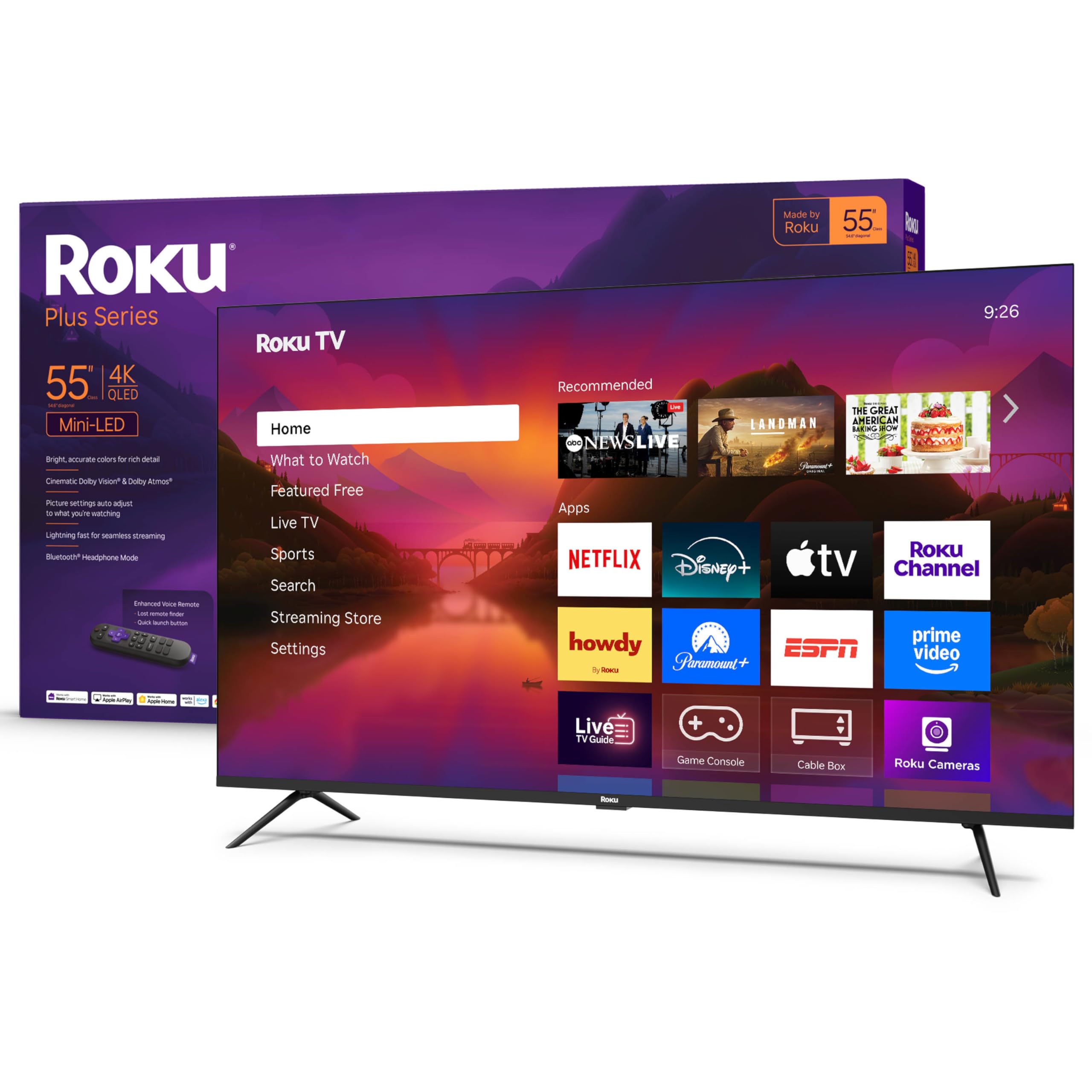
The Roku Plus Series 55-Inch TV uses a Mini-LED backlight with QLED color and Dolby Vision support to deliver a crisp, punchy image that is easy on the eyes. The Mini-LED panel produces deep blacks and bright highlights that surpass standard edge-lit LED TVs in the same category. The Roku operating system is the big draw here — it is the most intuitive, clutter-free smart TV platform on the market, with fast app launches and a simple home screen that does not bury content behind complicated menus.
The enhanced voice remote includes a lost remote finder and programmable shortcut buttons for favorite apps, which adds genuine convenience. The Audio system includes a built-in subwoofer and supports Dolby Atmos, producing fuller sound than most TVs in this range. The Roku Smart Picture Max uses AI to automatically refine color and sharpness scene-by-scene, which reduces the need for manual calibration. Bluetooth Headphone Mode is a nice extra for late-night viewing without disturbing others.
The refresh rate is 60 Hz, which is standard for streaming-focused TVs but not ideal for high-frame-rate gaming. The Roku ecosystem does not have the same breadth of advanced picture tuning options as Google TV or Fire TV, which might frustrate power users who want granular control over settings. This TV is best suited for households that prioritize ease of use, a clean interface, and good built-in sound quality over gaming performance or extensive customization.
Why it’s great
- Mini-LED backlight with QLED for excellent contrast and color
- Roku OS is the most intuitive and easy-to-navigate platform
- Built-in subwoofer and Dolby Atmos deliver strong sound
Good to know
- 60 Hz refresh rate is not suitable for high-frame-rate gaming
- Advanced picture tuning options are limited compared to other platforms
8. Sony BRAVIA 2 K-55S20M2 4K LED Smart TV

The Sony BRAVIA 2 K-55S20M2 is an entry-level 4K LED TV that leverages Sony’s 4K Processor X1 to deliver lifelike colors and sharp details. The processor does a solid job of enhancing color reproduction and dynamic contrast, making streaming content like Netflix and YouTube look clean and natural. Motionflow XR handles fast-moving content adequately for a 60 Hz panel, though there is visible blur in aggressive action sequences compared to higher refresh rate models.
The exclusive PS5 features — Auto HDR Tone Mapping and Auto Genre Picture Mode — work seamlessly when a PlayStation 5 is connected, automatically optimizing the picture for gaming or streaming without manual input. This is a rare feature set at the entry-level price. The Google TV interface is smooth and provides access to all major streaming apps, with support for Apple AirPlay 2 and Google Cast for easy casting from mobile devices.
The lack of local dimming means black levels are standard for an LED panel — acceptable in a bright room but noticeable in a dark scene with white subtitles. Some users report occasional freezes requiring a power cycle, which suggests quality control is not as tight as Sony’s higher-tier models. The BRAVIA 2 is a good option for buyers who want Sony’s reliable picture processing and PS5 optimization but are working with a tighter budget and can live without advanced backlight technology.
Why it’s great
- Strong PS5 integration with Auto HDR and Auto Genre modes
- 4K X1 Processor provides clean, natural color reproduction
- Google TV interface is responsive and well organized
Good to know
- Standard LED backlight with no local dimming for deep blacks
- Some reported software stability issues requiring reboots
9. Hisense 55E6QF Cinema Series Hi-QLED 4K TV
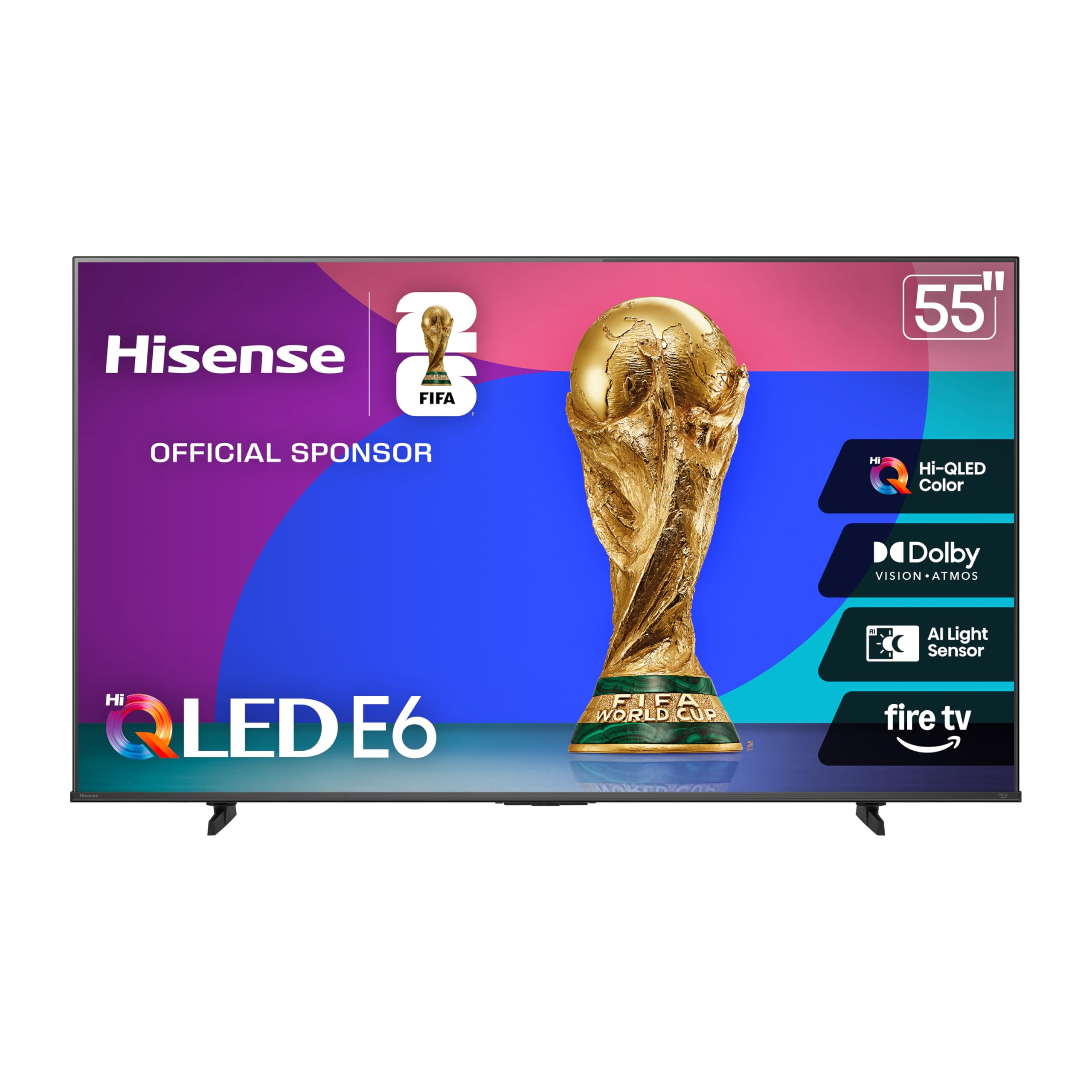
The Hisense 55E6QF uses Hi-QLED Color technology to deliver vibrant, true-to-life colors that are a clear step above standard entry-level LED panels. The Total HDR Solution supports Dolby Vision, HDR10+ Adaptive, HDR10, and HLG, ensuring compatibility with all major HDR formats from streaming services. The contrast ratio is rated at 1,000,000:1, which is generous for a budget QLED model, though this figure is measured through dynamic contrast rather than native panel contrast.
The 60 Hz refresh rate is fine for streaming TV shows, movies, and casual YouTube browsing, but users who play fast-paced games will notice motion blur. The Fire TV platform provides smooth access to apps and services, with Alexa voice control via the remote for hands-free content search. Setup is straightforward, and the thin bezel gives the TV a modern look for its price tier.
Some users report minor software quirks, such as a live TV guide selecting the last channel instead of the chosen one, and occasional app switching lag. The remote feels responsive, and the picture settings offer enough options for basic calibration. This TV is best suited for budget-conscious buyers who want a QLED 4K panel with Dolby Vision support and do not need high refresh rates or advanced local dimming. It prioritizes color vibrancy over gaming features.
Why it’s great
- Hi-QLED panel produces vibrant, true-to-life colors
- Supports all major HDR formats including Dolby Vision and HDR10+
- Thin bezel design gives a modern look at a low cost
Good to know
- 60 Hz refresh rate shows motion blur in fast-paced games
- Minor software quirks reported in live TV guide and app switching
FAQ
Does a 144 Hz TV automatically look better than a 60 Hz TV for streaming movies?
Why would a Mini-LED TV be better than a QLED TV for HDR?
Is it worth spending more for a TV with Dolby Vision IQ over standard Dolby Vision?
Does the smart TV platform matter for long-term performance?
Final Thoughts: The Verdict
For most users, the bang for your buck 55 inch tv winner is the iFFALCON 55U85 because it delivers a native 144 Hz Mini-LED panel with four HDMI 2.1 ports at a price that disrupts the mid-range segment. If you want the best possible picture quality with high zone-count Mini-LED and an anti-reflective screen, grab the TCL 55QM7K. And for a dedicated PS5 companion with class-leading upscaling and color accuracy, nothing beats the Sony BRAVIA 3 K-55XR30M2.