
Our readers keep the lights on and the weekend projects moving. As an Amazon Associate, I earn from qualifying purchases.
Navigating icy sidewalks and packed snow without wiping out comes down to one thing: the rubber compound biting into the frozen ground beneath you.
I’m Rikta — the co-founder and writer behind FitlyFast. I’ve spent hundreds of hours cross-referencing rubber outsole formulas, insulation density figures, and waterproof membrane specs to separate the boots that actually perform in freezing conditions from the ones that just look the part.
Whether you are commuting in slush or breaking trail in fresh powder, finding the right pair starts here. This guide evaluates the top contenders so you can confidently choose the best boots for ice and snow for your winter routine.
How To Choose The Best Boots For Ice And Snow
Selecting the right winter boot means balancing three competing demands: traction on slick surfaces, warmth in freezing air, and a waterproof barrier against melting snow. Below are the core specs that separate a capable boot from a dangerous one.
Traction compound and lug pattern
A boot’s outsole rubber compound determines its grip on ice. Look for aggressive multi-directional lugs at least 4-5mm deep. Soft rubber compounds (like those used by Vibram or Columbia’s Omni-Grip) stay flexible in the cold and bite better than hard, budget-friendly materials that harden below freezing.
Insulation type and weight
Insulation is measured in grams and directly correlates to the lowest temperature a boot can handle. Lightweight 200g insulation works for moderate cold down to about 20°F. For deep winter conditions below 0°F, look for 400g or more of synthetic insulation. Removable felt liners, like those found in the Kamik Forester, let you dry the lining overnight and add warmth when needed.
Waterproof construction
Sealed seams and a waterproof membrane are non-negotiable if you’re stepping into slush or wet snow. Rubber lower shells (common in Sorel and Kamik designs) provide a foolproof barrier against moisture. Fabric uppers should include a taped or welded waterproof membrane. Always check if the tongue is gusseted — a key detail that prevents snow from sneaking in through the lace area.
Quick Comparison
On smaller screens, swipe sideways to see the full table.
| Model | Category | Best For | Key Spec | Amazon |
|---|---|---|---|---|
| Columbia Bugaboot III XTM | Premium All-Weather | Deep snow & extended wear | 200g insulation | Amazon |
| SOREL Out N About IV Chillz | Women’s Day Boot | All-day wear & commuting | Removable liner | Amazon |
| Kamik Fargo 2 Wide | Mid-Range Winter | Sub-zero temperatures | HEAT-MX lining | Amazon |
| Columbia Bugaboot III | Mid-Range All-Weather | Ice grip & slush | Omni-Grip outsole | Amazon |
| Kamik Men’s Forester | Mid-Range Work Boot | Farm work & heavy snow | Removable felt liner | Amazon |
| XPETI Crest Thermo (Black) | Budget Hiker | Light snow & moderate cold | 4.5mm multi-directional lugs | Amazon |
| XPETI Crest Thermo (Grey) | Budget Hiker | Light snow & moderate cold | 4.5mm multi-directional lugs | Amazon |
In‑Depth Reviews
1. Columbia Bugaboot III XTM
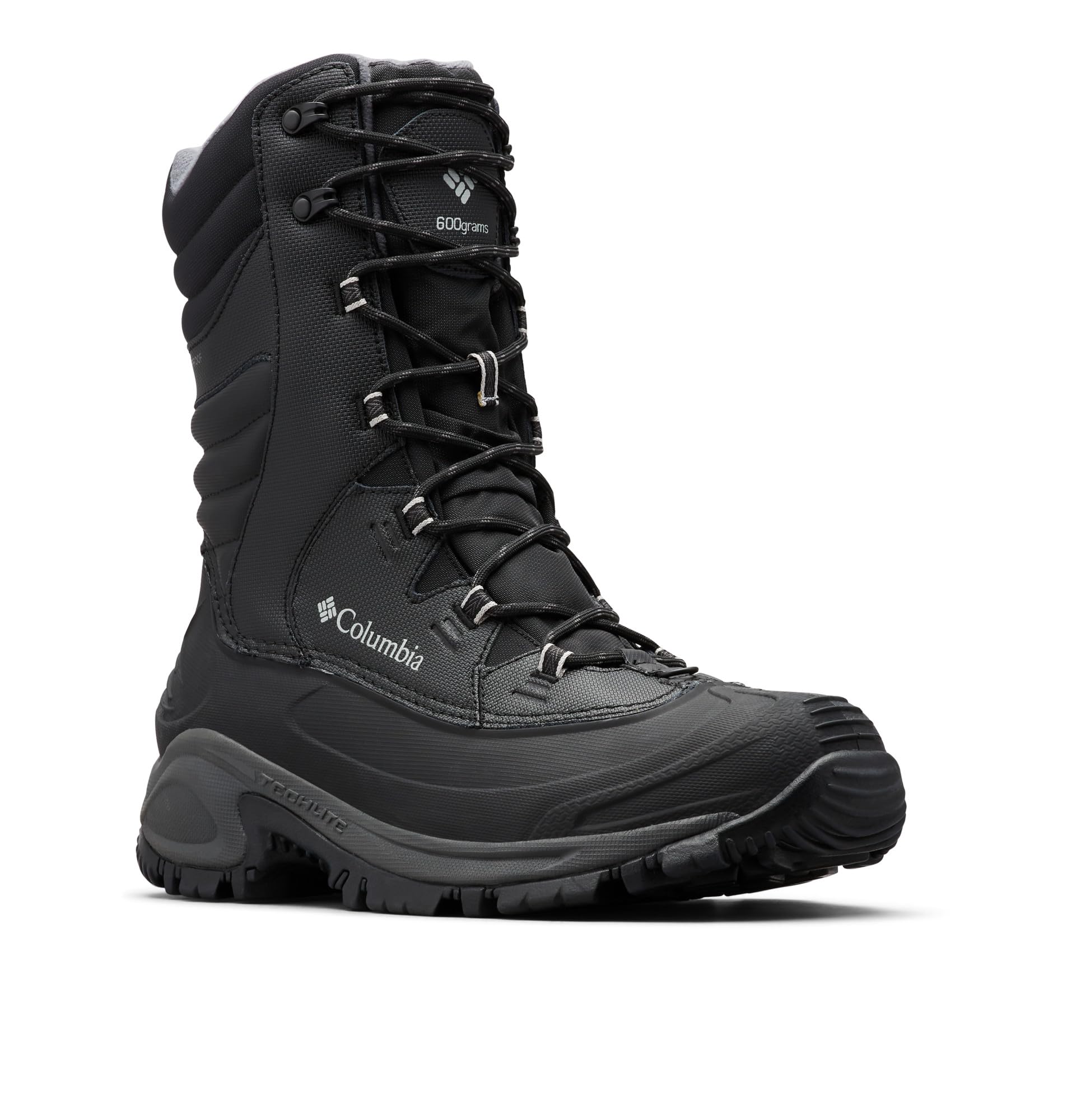
The Bugaboot III XTM is the gold standard for anyone who faces deep snow and bitter cold regularly. Its 200g synthetic insulation keeps feet warm without turning them into sweatboxes, while the Omni-Grip rubber outsole provides reliable traction on sheet ice and packed snow. Reviewers consistently report staying warm and dry even during hours of snow blowing or shoveling.
One recurring note is sizing: this boot runs small, so ordering one to two sizes up from your normal shoe size is standard practice. Once you find the right fit, the scuff-resistant leather upper and sealed-seam construction hold up season after season without losing their waterproof integrity.
The laces stay secure throughout the day, and the overall weight is moderate for a winter boot — heavy enough to feel solid, but light enough for all-day wear. If you want one boot that handles everything from ice to slush to fresh powder without compromise, this is the pick.
Why it’s great
- Omni-Grip outsole excels on ice
- Durable leather upper resists scuffs
- Consistent warmth for sub-20°F wear
Good to know
- Runs small; size up 1-2 sizes
- Slightly heavier than budget options
2. SOREL Women’s Out N About IV Chillz Waterproof Boot
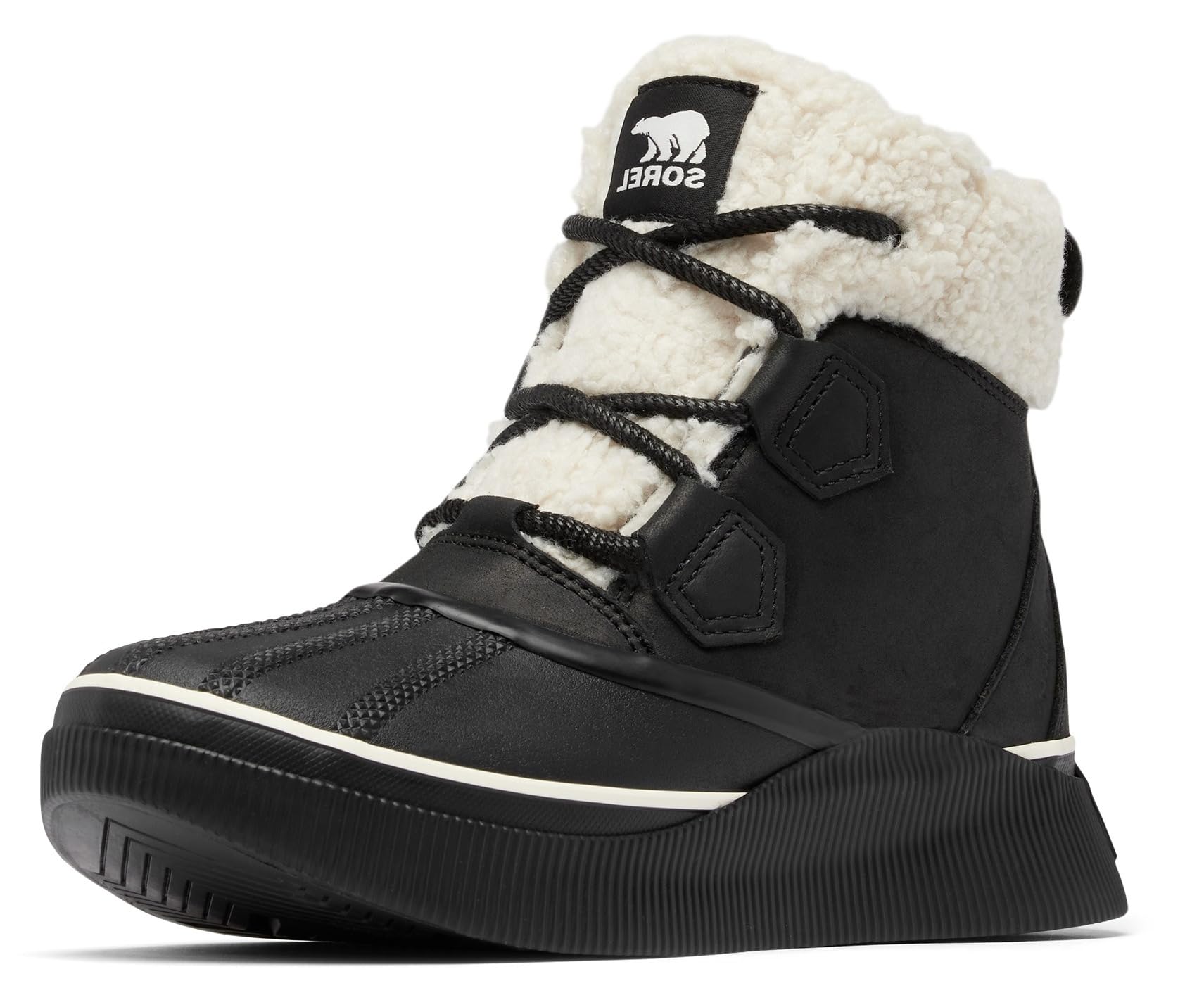
If your winter routine involves commuting between heated buildings with short walks through slush, the SOREL Out N About IV Chillz delivers a polished balance of style and function. The rubber shell and removable liner provide a classic SOREL construction that keeps feet dry even when you splash through standing puddles.
Reviewers praise the comfort straight out of the box and find the tread adequate for packed snow and icy sidewalks. The shaft hits above the ankle, giving enough coverage for shallow snow without restricting movement. You should size up half to a full size to accommodate thick wool socks.
This boot is not designed for extended sub-zero exposure, but for everyday winter wear around town, it hits the sweet spot. The rubber toe cap adds durability, and the overall feel is light and easy to walk in — no clunky winter boot stride here.
Why it’s great
- Comfortable for all-day wear
- Rubber lower shell is fully waterproof
- Removable liner for quick drying
Good to know
- Not built for deep snow or extreme cold
- Runs small; size up half to full size
3. Kamik Fargo 2 Wide Snow Boots for Men
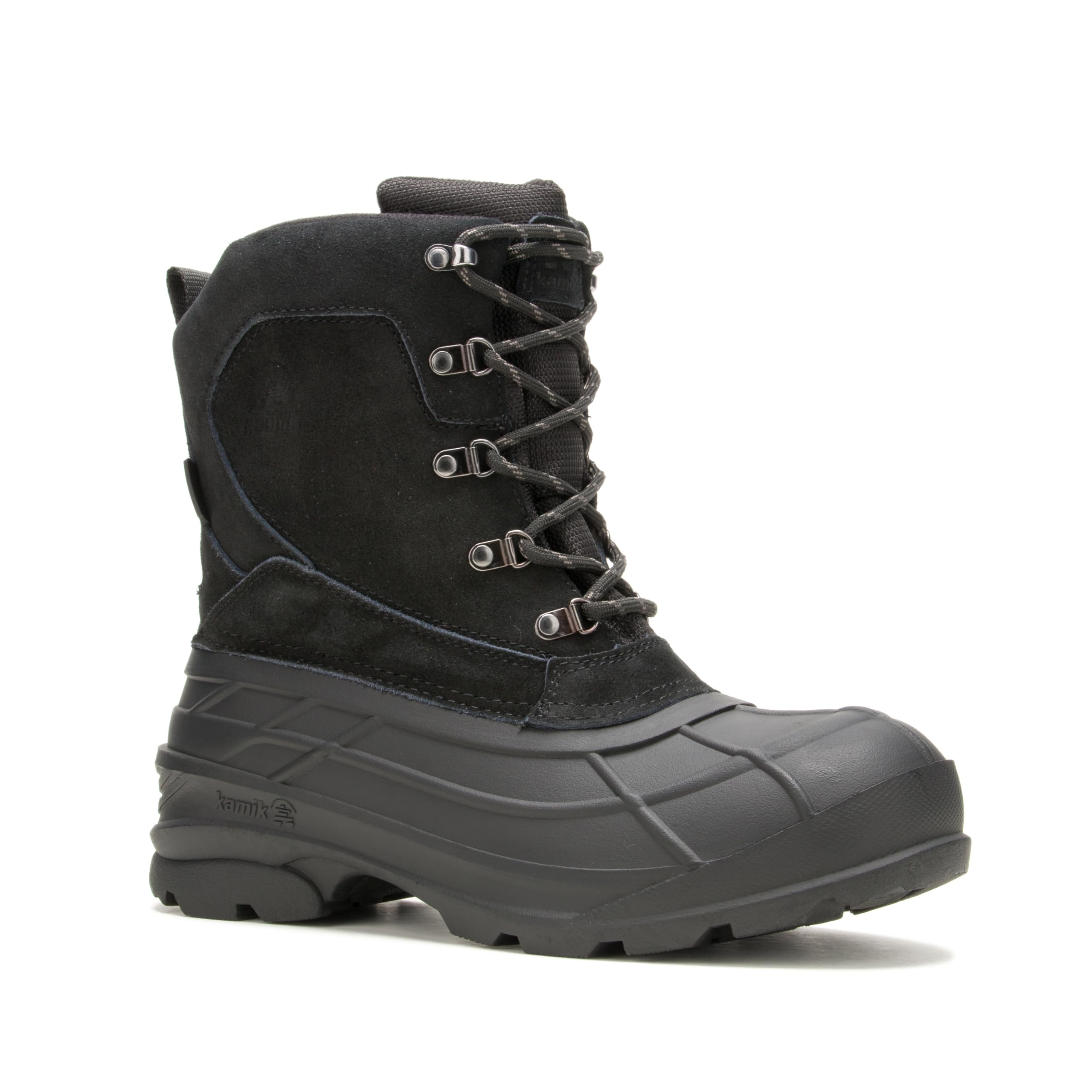
When the temperature drops well below zero and you need to work or play outside for hours, the Kamik Fargo 2 is the right tool. Its HEAT-MX synthetic lining traps warmth effectively, and the thick rubber outsole with deep lugs provides solid grip on icy snowpack — even at 7,800 feet elevation according to one multi-season reviewer.
The wide width option is a genuine bonus for those with broader feet, and the ankle-high shaft offers excellent support without restricting movement. Reviewers with 14-year-old previous Kamik pairs confirm the brand’s reputation for longevity, though a few note that the sole cushioning could be plusher for standing on hard surfaces.
One trade-off: the boots are on the bulkier side, which is common for this level of insulation. If your priority is absolute warmth and reliable traction in extreme conditions, the Fargo 2 delivers where lighter boots would fail.
Why it’s great
- Excellent warmth for sub-zero temps
- Wide width accommodates thicker socks
- Durable rubber outsole with solid grip
Good to know
- Bulkier than average winter boots
- Sole could use more cushioning for hard surfaces
4. Columbia Men’s Bugaboot III

The standard Bugaboot III shares the same shell and insulation specs as the XTM but at a more accessible price point. The Omni-Grip rubber outsole is the headline feature here — its multi-directional lugs bite into glare ice and packed snow with surprising confidence for a boot in this range.
Reviewers consistently report excellent waterproof performance, with the leather and rubber shell keeping feet dry through deep slush and wet snow. The Techlite midsole provides a hiking-boot level of cushion that makes extended walking comfortable. Like the XTM, this version runs small in the toe box, so sizing up is recommended.
One minor frustration: the lack of lace hooks on the upper collar means you can’t cinch the boot as tightly as some would like for deep snow. Still, for anyone who faces moderate winter conditions and needs a reliable boot that lasts years, the Bugaboot III is a proven choice.
Why it’s great
- Excellent traction on ice and slush
- Waterproof shell keeps feet dry
- Techlite midsole for walking comfort
Good to know
- Runs small; size up for toe room
- No upper lace hooks for snugging
5. Kamik Men’s Forester
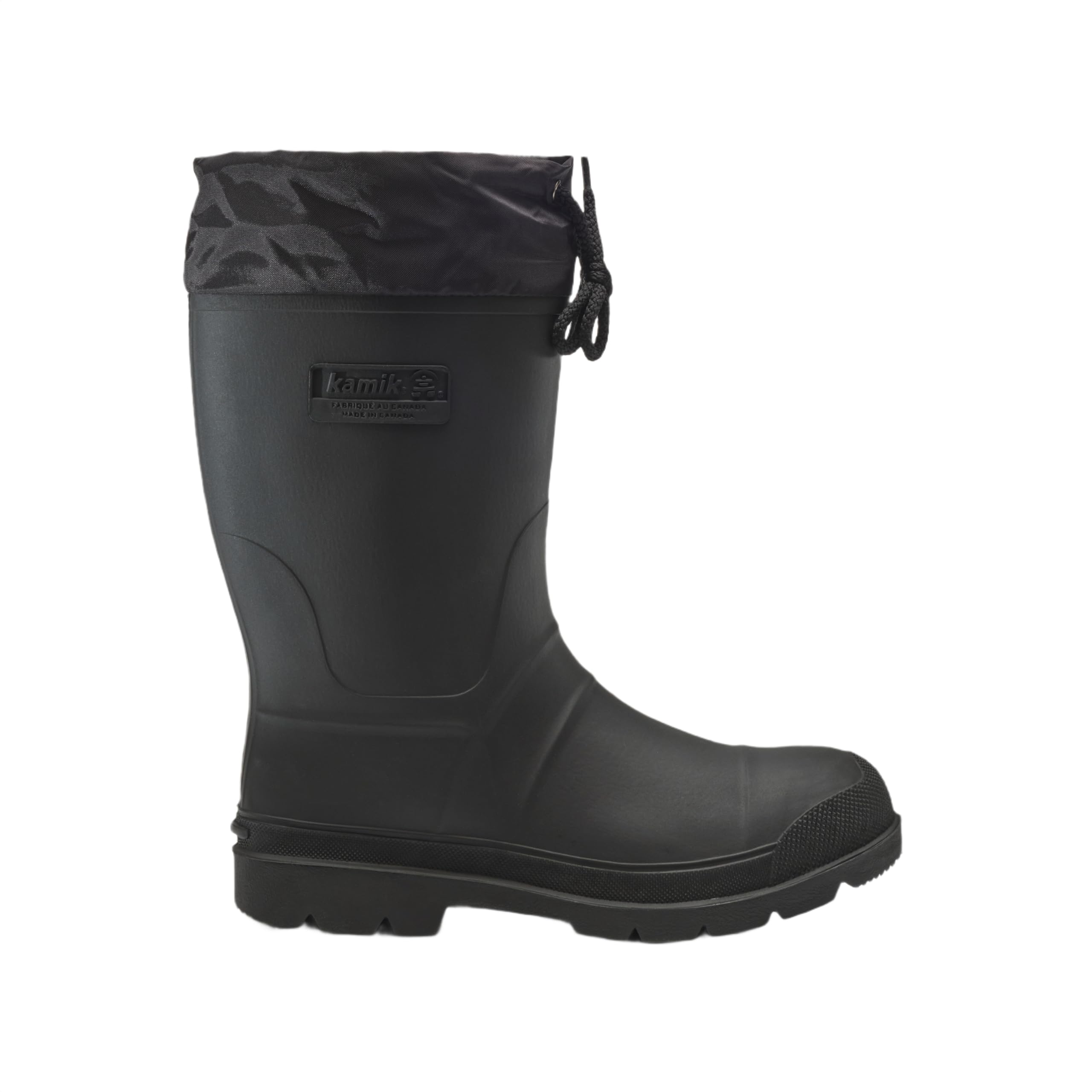
The Kamik Forester is a no-nonsense work boot designed for farm chores, deep snow, and shallow stream crossings. The thick, removable felt liner provides warmth that rivals any synthetic insulation, and the mid-calf shaft with a cinch-top drawstring keeps snow and water from sneaking in over the top.
Reviewers with wide feet (up to 4E) report that ordering one size larger accommodates both their foot width and thick wool socks comfortably. The boot is heavy — over five pounds — but that weight translates directly into durability. Several reviewers report five or more years of daily use before any signs of wear.
The lug sole offers excellent grip in mud and shallow water, but on pure ice it’s less impressive than the rubber compounds found in the Columbia Omni-Grip line. If your terrain is more about deep snow and standing water than polished ice, the Forester is a rugged value.
Why it’s great
- Removable felt liner for drying and extra warmth
- Mid-calf height with cinch top keeps snow out
- Exceptional build durability
Good to know
- Heavy (over 5 pounds per pair)
- Less grip on polished ice than dedicated ice boots
6. XPETI Men’s Crest Thermo High-Top Winter Hiking Boots (Black)
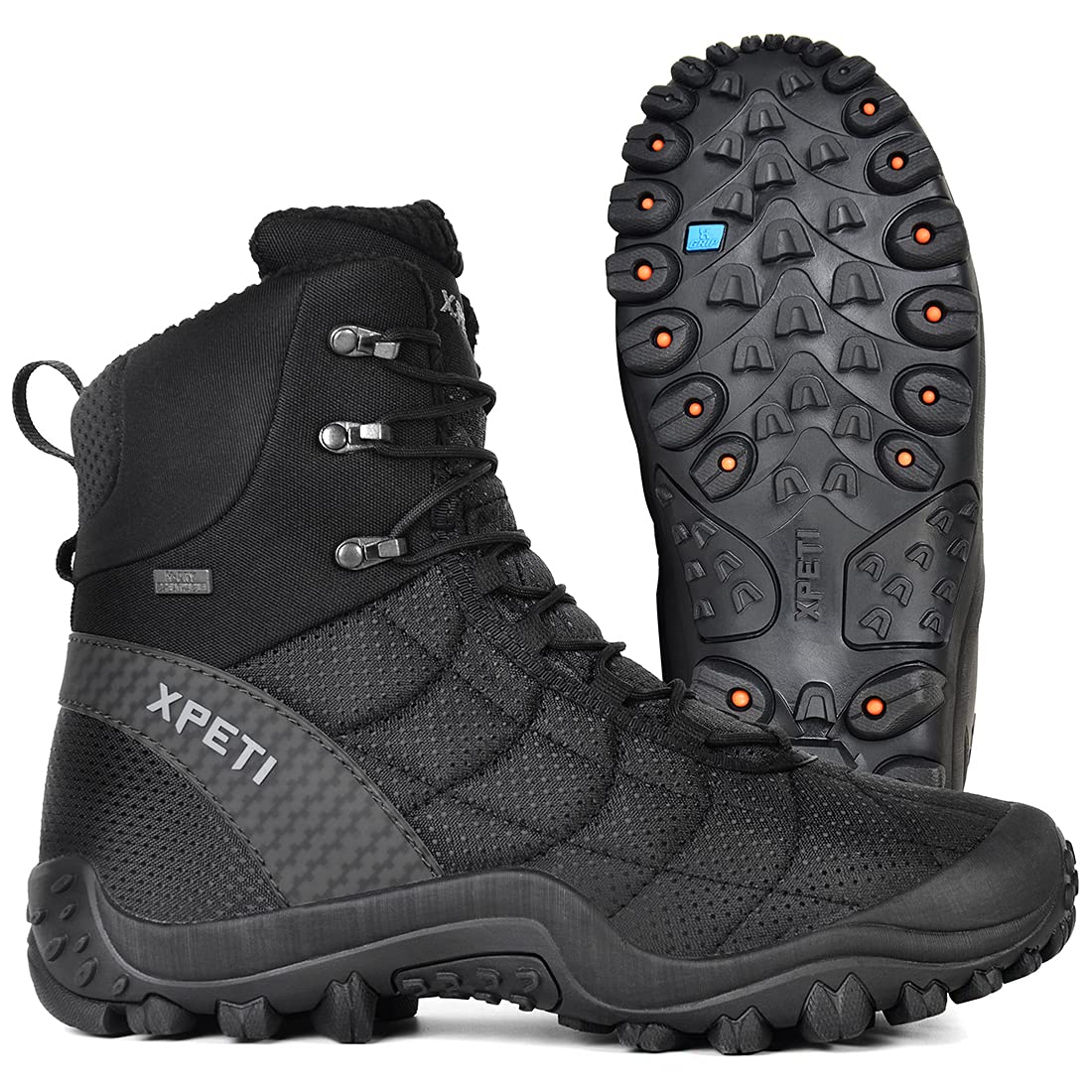
The XPETI Crest Thermo punches well above its price bracket for moderate winter conditions. The multi-directional lugs dig into icy grass and packed mud effectively, and the ankle-high cut provides good support for uneven terrain. Reviewers describe the boot as comfortable right out of the box with zero break-in needed.
One important distinction: this boot is water-resistant rather than fully waterproof. Snow melt can soak through the upper over time, especially around the lace area. A waterproofing spray treatment is a practical fix for extending its wet-weather capability. The 7-ounce weight makes it unusually light for a winter boot.
For temperatures between 20-40°F, the Crest Thermo keeps feet warm with a standard wool sock. At lower temps or in heavy snow, the insulation falls short of premium models. If your winter is mild and you want a budget-friendly hiker that still grips ice well, this is a solid entry point.
Why it’s great
- Very lightweight for a winter boot
- Comfortable with no break-in
- Good grip on icy grass and mud
Good to know
- Water-resistant, not fully waterproof
- Insulation marginal below 20°F
7. XPETI Men’s Crest Thermo High-Top Winter Hiking Boots (Grey)

The Grey variant of the XPETI Crest Thermo shares the exact same build and specs as the Black version: the same multi-directional rubber outsole, the same ankle-high support, and the same comfort-first design. Reviewers confirm the color is the only meaningful difference, so choose based purely on your style preference.
Like its counterpart, this boot is water-resistant rather than fully sealed. A few reviewers noted that snow melt collected on the top of the foot and eventually dampened through. Adding a waterproof spray is a simple fix that significantly improves performance in slushy conditions.
If you are looking for a second pair for light-duty winter walking or need a boot that works for both fall hiking and early winter snow, the Crest Thermo in Grey is a capable option. It won’t compete with premium insulated boots for extreme cold, but for everyday use in mild winter climates it delivers solid value.
Why it’s great
- Same strong traction as the Black version
- Requires no break-in
- Lightweight for casual winter wear
Good to know
- Water-resistant, not fully waterproof
- Insulation limited for sub-20°F use
FAQ
Should I size up for winter boots with thick socks?
Are 200g insulation boots warm enough for sub-zero weather?
What makes a boot outsole good for ice specifically?
Final Thoughts: The Verdict
For most users, the boots for ice and snow winner is the Columbia Bugaboot III XTM because it combines reliable Omni-Grip ice traction, 200g insulation that handles sub-20°F temps, and sealed-seam waterproofing in a durable package. If you want a lighter option for commuting with a classic rubber shell, grab the SOREL Out N About IV Chillz. And for extreme sub-zero work in deep snow, nothing beats the Kamik Fargo 2 Wide.