
Our readers keep the lights on and the weekend projects moving. As an Amazon Associate, I earn from qualifying purchases.
Forget the generic 10-10-10 bags. The line between a bumper crop of sweet tomatoes and sad, yellowing leaves often comes down to one specific choice: the NPK ratio and whether the nutrients are chelated for immediate uptake or locked in slow-release granules. Vegetable plants are heavy feeders, and guessing their diet is the fastest route to a disappointing harvest.
I’m Rikta — the co-founder and writer behind FitlyFast. I’ve spent countless hours breaking down granular vs. water-soluble formulations, organic vs. synthetic ingredients, and the calcium-to-magnesium balance that prevents blossom end rot.
This guide was built from deep analysis of customer harvest reports and lab-tested NPK values to identify the all around fertilizer for vegetable garden that consistently delivers the biggest, healthiest yields without burning your plants or your budget.
How To Choose The Best All Around Fertilizer For Vegetable Garden
Selecting the right fertilizer isn’t just about grabbing a bag with a high number. For an edible garden, the nutrient balance, release speed, and ingredient source directly affect the flavor and size of your harvest. You need a formula that supports the specific growth stage of your plants.
NPK Ratio: The Code for Plant Growth
Nitrogen fuels lush, green leaves. Phosphorus drives strong root development and flower formation. Potassium is the all-rounder for overall plant health and fruit quality. A balanced ratio like 5-5-5 works for general feeding, but heavy feeders like tomatoes and peppers benefit from a slightly higher middle number (phosphorus) to boost fruit set.
Organic vs. Synthetic: More Than a Label
Organic fertilizers, often OMRI-listed, feed the soil microbes that then feed your plants. They release nutrients slowly and improve soil structure over time. Synthetic fertilizers provide a quick, intense nutrient hit that can green up leaves fast but may burn roots if over-applied and do little for long-term soil biology. For a vegetable garden, organic options reduce the risk of chemical buildup in your food.
Release Speed: Granules vs. Water-Soluble
Granular fertilizers are mixed into the soil and break down over weeks, providing a steady, low-maintenance nutrient supply. Water-soluble powders or liquids dissolve instantly and are absorbed by the plant within days, making them ideal for a quick correction or weekly feeding during peak growth. Slow-release granules are the safer bet for busy gardeners.
Quick Comparison
On smaller screens, swipe sideways to see the full table.
| Model | Category | Best For | Key Spec | Amazon |
|---|---|---|---|---|
| Down To Earth 4-6-2 | Organic Granules | Gentle all-around feeding | NPK 4-6-2 | Amazon |
| FoxFarm Happy Frog 5-7-3 | Organic Granules | Fruiting veggies & prevention of blossom end rot | NPK 5-7-3 + Calcium | Amazon |
| FoxFarm Happy Frog 6-4-5 | Organic Granules | Versatile garden & ornamentals | NPK 6-4-5 | Amazon |
| Espoma Garden-Tone 3-4-4 | Organic Granules | Cool & warm season vegetables | NPK 3-4-4 + 5% Calcium | Amazon |
| GS Plant Foods 20-20-20 | Water-Soluble | Quick boost & foliar feeding | NPK 20-20-20 + Kelp | Amazon |
| Miracle-Gro Liquafeed All Purpose | Liquid Concentrate | Effortless hose-end feeding | NPK 1-533 ratio | Amazon |
| Espoma Garden Food 10-10-10 | Synthetic Granules | General fast greening | NPK 10-10-10 | Amazon |
In‑Depth Reviews
1. Down To Earth All Natural Organic All Purpose 4-6-2

This five-pound box of 4-6-2 granules is the definition of a workhorse veggie feed. The NPK ratio is deliberately lower than synthetic blends to prevent root burn, making it safe for tender transplants and delicate herbs. The ingredient list reads like a soil lab wishlist: fish bone meal, blood meal, rock phosphate, langbeinite, greensand, and kelp meal. This isn’t just feeding the plant; it’s feeding the entire soil food web.
Customer reports from avid gardeners confirm that a single 15-pound bag can last nearly a full growing season for a medium-sized plot. While the organic ingredients produce a noticeable earthy odor for the first few days after application, users consistently note that pale, flimsy tomato plants regained deep green color and vigor within two weeks of the first feeding.
The 4-6-2 ratio is slightly higher in phosphorus, which supports flower and fruit development without pushing excessive leafy growth. This makes it a versatile choice for everything from root crops like carrots to above-ground fruiting plants. It’s an entry-level organic fertilizer that delivers professional-level results without requiring a chemistry degree to apply.
Why it’s great
- Non-burning formula safe for seedlings and heavy feeders alike.
- Rich blend of organic ingredients improves soil structure over time.
- OMRI-listed for certified organic production.
Good to know
- Has a strong natural odor that dissipates after a few days.
- Slow-release; takes about a week to show visible results.
2. FoxFarm Happy Frog Tomato & Vegetable 5-7-3

The 5-7-3 formula in this four-pound bag is specifically engineered for heavy feeders like tomatoes, peppers, and berries. The elevated phosphorus content (the middle number) directly supports flower development and fruit set. But the standout feature is the added calcium — a direct countermeasure against blossom end rot, the frustrating black leathery spots that appear on the bottom of tomatoes when calcium transport is interrupted.
FoxFarm also includes mycorrhizal fungi, which colonize the root zone and dramatically increase the surface area for water and nutrient uptake. Customers growing in containers and raised beds report that this fertilizer, when used with Ocean Forest soil, produced “bumper crops” of tomatoes. One gardener noted that it corrected a calcium deficiency in bag-grown plants that other fertilizers couldn’t fix.
The granular form is easy to work into the top inch of soil, and the organic ingredients mean no chemical burn if you measure correctly. It has a mild, earthy scent — far less offensive than fish-based blends — which makes it practical for small gardens near patios or windows.
Why it’s great
- Calcium content prevents blossom end rot in tomatoes and peppers.
- Mycorrhizal fungi boost root efficiency and drought tolerance.
- Nearly odorless compared to other organic fertilizers.
Good to know
- Slightly premium price point compared to generic blends.
- Best for vigorous feeders; may be too high in phosphorus for sensitive seedlings.
3. FoxFarm Happy Frog All Purpose 6-4-5

This general-purpose option from FoxFarm uses a 6-4-5 NPK ratio, offering a slightly higher nitrogen content than the tomato-specific blend. This nitrogen boost supports leafy green growth, making it a solid choice for kale, lettuce, spinach, and brassicas, while still providing enough phosphorus and potassium for decent fruiting. It’s OMRI-listed and packed with beneficial soil microbes.
Customers have reported rapid recovery in stressed plants — one review mentions yellowing tomato and zucchini plants returning to deep green within a week of application. The formulation uses active soil microbes that enhance nutrient cycling, meaning the fertilizer works with your existing soil biology rather than against it.
The granules have a pungent, manure-like smell that is common with rich organic blends. User feedback specifically warns against indoor application without ventilation because the odor can be intense. A few buyers noted that thick application can lead to white mold on the soil surface if overwatered, so following the monthly schedule is important.
Why it’s great
- High nitrogen content supports rapid leafy growth in greens and herbs.
- OMRI-listed and loaded with active soil microbes.
- Fast visible results; many users see improvement within a week.
Good to know
- Strong manure odor requires outdoor storage and ventilation.
- Risk of white mold if applied too thickly or overwatered.
4. Espoma Organic Garden-Tone 3-4-4 (Pack of 2)

This two-pack of four-pound bags delivers excellent coverage for the price. The 3-4-4 ratio is mild enough for direct seeding and transplanting without the fear of burning delicate root systems. Espoma’s exclusive Bio-tone formula includes beneficial microbes and a small amount of calcium (5%) to support cell wall structure and fruit firmness.
Long-time users consistently call this their “go-to” fertilizer, noting that even accidental over-application does not harm plants — a significant safety margin for beginners. The formula is designed for both cool-season crops like lettuce and cabbage and warm-season crops like tomatoes, squash, and melons, making it a true all-rounder.
The granules are applied around the drip line and watered in, requiring no mixing. Gardeners who switched to Espoma from generic brands reported a noticeable increase in bloom count and overall plant vigor. The mild smell is less offensive than many organic alternatives, though it still carries a natural earthy scent.
Why it’s great
- Very forgiving formula; hard to over-fertilize and burn plants.
- Bio-tone microbes improve long-term soil health.
- Two-pack provides excellent value for larger gardens.
Good to know
- Lower NPK numbers require more frequent monthly applications.
- Some users report a slight smell that dissipates after watering.
5. GS Plant Foods All Purpose Water Soluble 20-20-20
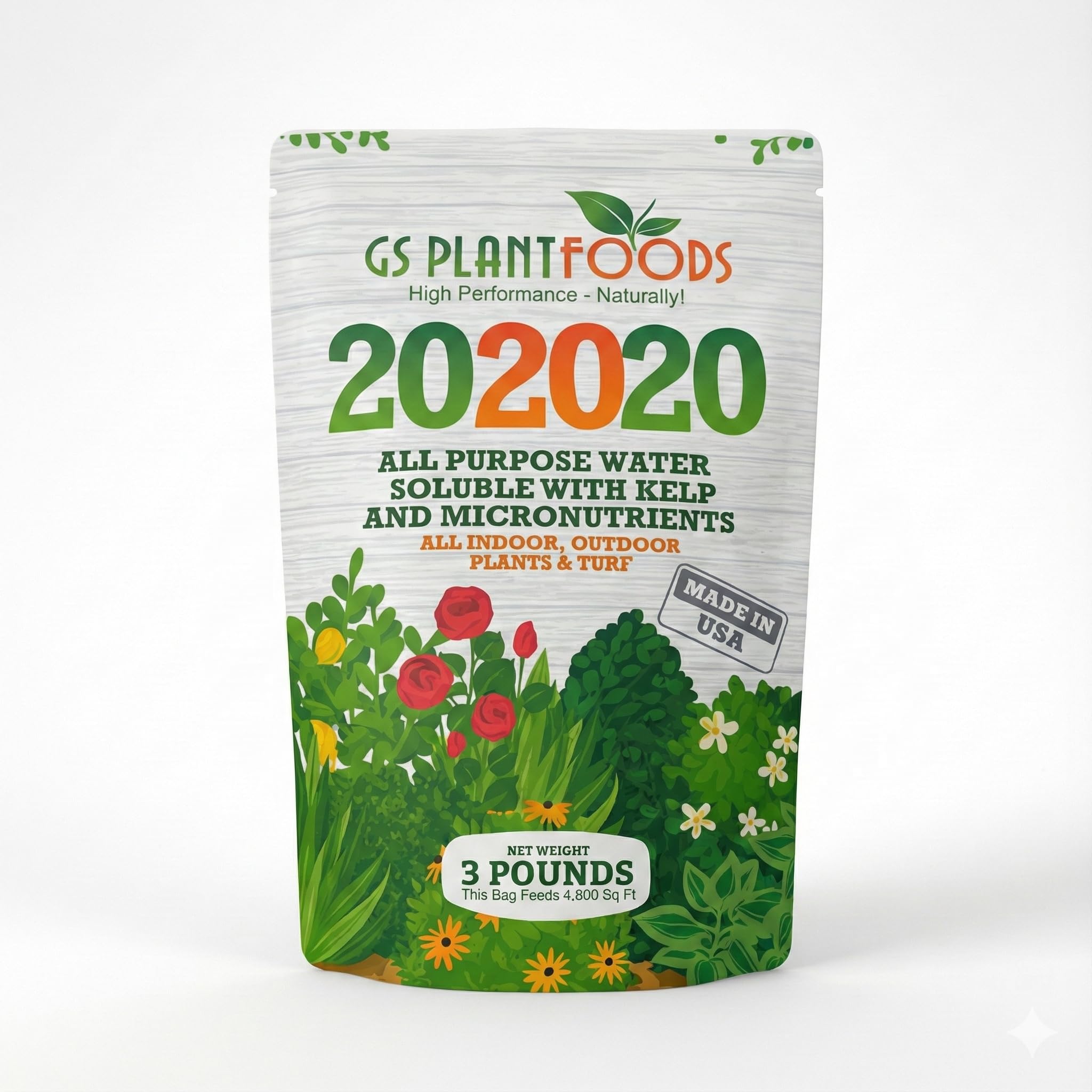
This water-soluble powder is the polar opposite of slow-release organic granules. The 20-20-20 ratio delivers a massive, immediate dose of balanced nutrients that plants can absorb within hours. It’s ideal for correcting deficiencies, giving transplants a quick start, or providing a weekly feed during peak fruiting. The formula dissolves completely and works with any standard sprayer or watering can.
A key additive is Ascophyllum nodosum kelp, which supplies natural growth hormones (cytokinins and auxins) that stimulate root growth and stress tolerance. Users working with unhealthy trees or plants reported dramatic recovery — one review documented a Purple Orchid tree that went from yellowed leaves to dark green foliage in under a week after two applications.
This is not an organic product — it’s a synthetic blend with kelp added — so it’s best used as a supplement to a soil-building program rather than a replacement for organic matter. The three-pound bag covers up to 4,800 square feet, making it extremely efficient for large gardens.
Why it’s great
- Immediate nutrient availability corrects deficiencies within days.
- Kelp additive provides natural growth stimulation.
- Extremely cost-effective for coverage of large areas.
Good to know
- Synthetic base does not feed soil biology like organic options.
- Requires mixing; not a set-and-forget solution.
6. Miracle-Gro Liquafeed All Purpose Refills (4 Pack)

This four-pack of liquid refills is designed exclusively for the Miracle-Gro Liquafeed hose-end feeder, providing the ultimate low-effort feeding experience. The liquid concentrate automatically mixes with water at the correct ratio as you water, eliminating measuring and mess. Each bottle weighs 1.25 pounds and covers a substantial area of flowers, vegetables, and shrubs.
The NPK ratio for this concentrate is highly diluted (1:533 final mix), which means it’s nearly impossible to over-apply. Customers with large gardens praise the time savings — simply attach the feeder, turn on the hose, and feed the entire garden in minutes. Reviews consistently note improved flower and vegetable yields compared to unfertilized sections.
This is a non-organic, synthetic formula that provides a quick nutrient hit. It does not improve soil structure or microbial life. It’s best used as a supplemental feeding system for gardeners who want convenience above all else, especially for container plants and large bedding areas.
Why it’s great
- Extremely convenient; mixes automatically with the hose.
- Nearly impossible to over-fertilize with the diluted formula.
- Fast results on flowers and vegetables within days.
Good to know
- Requires the separate Liquafeed feeder tool (sold separately).
- Synthetic formula; does not build organic soil health.
7. Espoma Garden Food 10-10-10 (Pack of Two)
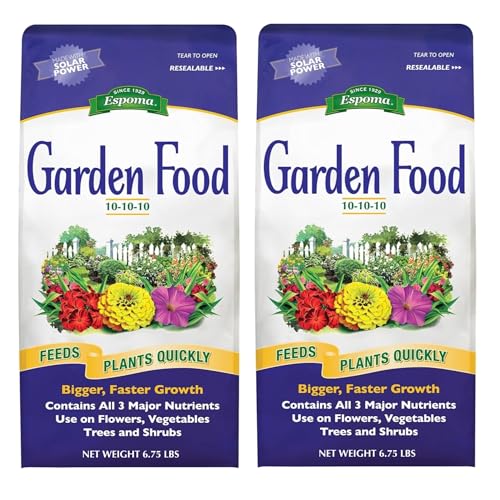
This classic 10-10-10 balanced formula is a synthetic general-purpose fertilizer from a trusted brand. It’s designed for fast, strong results on flowers, vegetables, trees, and shrubs. The pack contains two 6.75-pound bags, providing a total of 13.5 pounds of uniform granules that feed quickly and don’t require mixing. Users apply it in spring and fall for trees and shrubs, or monthly during the growing season for vegetables.
Gardeners have reported impressive results, including a fig tree that produced roughly 5,000 fruits and a lightning-struck magnolia that revived after treatment. The high nitrogen content (10%) provides a fast green-up, which is ideal for leafy greens and lawns. The formula is simple and agricultural-grade, without any microbial additives or organic certification.
Because this is a synthetic fertilizer with higher salt content, it can burn roots if over-applied. It’s best for experienced gardeners who can measure accurately and understand the risk of nutrient runoff. It’s a budget-friendly option for large-scale feeding where organic amendments would be cost-prohibitive.
Why it’s great
- Fast-acting formula provides visible results within days.
- Large two-pack offers excellent coverage for extensive gardens.
- Versatile; works on flowers, shrubs, trees, and vegetables.
Good to know
- Higher risk of root burn if not measured precisely.
- Synthetic ingredients do not improve soil biology or structure.
FAQ
What NPK ratio is best for a vegetable garden?
Why does my organic fertilizer smell bad?
Can I use a synthetic fertilizer like 10-10-10 on my organic vegetable garden?
Final Thoughts: The Verdict
For most users, the all around fertilizer for vegetable garden winner is the Down To Earth 4-6-2 because its OMRI-listed organic formula provides a gentle, non-burning nutrient release that improves soil structure over time, perfect for all vegetable types. If you want to prevent blossom end rot in tomatoes and peppers, grab the FoxFarm Happy Frog 5-7-3. And for a quick nutrient boost that works within days on a large garden, nothing beats the GS Plant Foods 20-20-20 water-soluble formula.