
Our readers keep the lights on and the weekend projects moving. As an Amazon Associate, I earn from qualifying purchases.
Flat dough that refuses to rise turns a relaxing bake into a frustrating sink of wasted flour and hours. The secret to tall, airy loaves and chewy, blistered crusts comes down to one dry ingredient and how you source it—not the recipe itself.
I’m Rikta — the co-founder and writer behind FitlyFast. After analyzing hundreds of hours of customer bake logs, proofing tests, and bulk-storage longevity data, I mapped which yeast strains deliver consistent fermentation activity across home oven and bread machine conditions.
Active dry, instant, and pizza-specific strains each behave differently in dough, and picking the wrong one can kill your bake before it starts. Here is a deep breakdown of the best bread yeast options for every home baker.
How To Choose The Best Bread Yeast
The strain of yeast you reach for changes everything about your dough timeline, hydration level, and final crumb structure. Picking blind leads to biscuits instead of boules.
Active Dry vs. Instant Yeast
Active dry yeast must be proofed in warm liquid (around 105°F) with a pinch of sugar to verify it is alive before mixing into dough. Instant yeast, also called rapid-rise, can be blended directly with dry flour because its thinner cell walls absorb moisture faster. Instant yeast produces about 6 grams of CO₂ per gram of yeast compared to around 5 grams for active dry, so you can typically use 25% less instant yeast in the same recipe. If you regularly make sweet doughs with high sugar content (over 10% sugar by flour weight), look for an instant yeast labeled “gold” or “sweet dough” to avoid osmotic stress that slows fermentation.
Bulk Sizes and Vacuum Packaging
Buying yeast in 1-pound or 2-pound vacuum-sealed bricks cuts the per-ounce cost dramatically compared to individual packets. The key spec here is the vacuum seal integrity: the foil brick should feel hard like a tile, indicating no air has compromised the dormant yeast cells. Once opened, transfer the yeast to an airtight glass jar and store it in the refrigerator for up to 6 months or the freezer for over a year. Yeast stored in the freezer loses roughly 3% activity per year, which is negligible for home baking.
Specialty Strains for Pizza and Gluten-Free Dough
Some yeasts are bred specifically for fast fermentation windows—ideal for pizza crusts that need stretch and oven spring without a long bulk rise. These strains often contain added enzymes such as amylase that break down starch into sugar faster, producing better browning and a crispier base. Gluten-free doughs benefit from these same quick-acting strains because the lack of gluten protein means the dough cannot trap gas over a long rise. Look for yeast labeled “pizza yeast” or “no-rise” if short fermentation is your standard workflow.
Quick Comparison
On smaller screens, swipe sideways to see the full table.
| Model | Category | Best For | Key Spec | Amazon |
|---|---|---|---|---|
| Fleischmann’s Pizza Yeast | Pizza Yeast | No-rise pizza crusts | 0.25 oz pouches, 5-pack | Amazon |
| TableTop King Red Star Active Dry | Active Dry | Bulk baking on a budget | 1 lb vacuum-packed bag | Amazon |
| Fleischmann’s Instant Dry Yeast 2-Pack | Instant | Large quantity, skip proofing | 2 lb total (1 lb × 2) | Amazon |
| LeSaffre Saf-Instant Yeast Red 2 lb | Instant | Consistent bread machine loaves | 2 lb vacuum brick | Amazon |
| Mulino Caputo Dry Yeast | Specialty Instant | Authentic Neapolitan pizza | 100 g Italian import | Amazon |
| Red Star Baking Yeast 2 lb | Active Dry | Traditional proofing method | 2 lb vacuum brick | Amazon |
| SAF Instant Yeast 1 lb (4 Pack) | Instant | Long-term freezer stockpile | 4 total lbs, split pouches | Amazon |
In‑Depth Reviews
1. LeSaffre Saf-Instant Yeast Red 2 lb

This is the gold standard for home bakers who want instant yeast without the packet markup. The 2-pound vacuum brick contains Saf-Instant Red, a strain designed to be mixed directly with dry ingredients—no proofing in warm water required. Each gram produces consistent gas release across both hand-kneaded and bread machine cycles, and you can use about 25% less than active dry yeast for the same loaf volume.
Customer reports confirm the brick arrives rock-hard, signaling an intact oxygen-free seal that preserves viability. Once opened, transfer the powder to an airtight jar and stash it in the freezer; users note the yeast remains active beyond a year, which is critical for infrequent bakers who do not blow through a pound every month. The foil packaging is durable enough to survive shipping without pinhole leaks.
Multiple verified buyers switched from Fleischmann’s instant and report higher rise heights and a finer crumb texture with this SAF strain. For any baker who makes 2 to 4 loaves per week, the per-batch cost drops substantially compared to single-use packets. The only friction is converting recipes designed for active dry yeast—multiply active dry weight by 0.75 to get the instant equivalent.
Why it’s great
- No proofing step saves 20+ minutes per bake
- Vacuum seal preserves freshness for years in freezer
- Better rising action than many standard instant brands
Good to know
- Requires recipe conversion from active dry yeast weights
- Not ideal for high-sugar sweet doughs (use SAF Gold instead)
2. Fleischmann’s Instant Dry Yeast 2-Pack

This twin-pack delivers two 1-pound vacuum bricks of Fleischmann’s instant yeast, making it one of the most economical routes into bulk storage. Instant yeast from this brand requires no proofing and can be blended straight into flour with a whisk before adding liquid. The cell wall thickness in this strain is slightly higher than SAF, meaning it responds well to higher hydration doughs above 70% water content.
Buyers consistently report the yeast arrives with a solid vacuum seal that indicates freshness. The two-brick format is a smart middle ground: one brick goes into daily use in the fridge while the spare sits in the freezer untouched. Several customers mention they have kept one brick for over 18 months and still saw vigorous bubbling during a proof test. The flavor profile is neutral, which matters for artisan loaves where you want the wheat character to lead.
One common workflow tip from the reviews: pour the entire brick into a wide-mouth 8-ball glass jar immediately after opening—the airtight jar plus a refrigerated environment maintains consistent activity. Compared to grocery-store jars, this 2-pack is roughly half the cost per ounce, making it a no-brainer upgrade for anyone who bakes at least one loaf per week.
Why it’s great
- Two separate bricks let you freeze one while using the other
- No proofing needed for instant convenience
- Strong vacuum seal preserves viability on arrival
Good to know
- Not optimized for high-sugar enriched doughs
- Some users report slightly slower activity vs. European instant strains
3. Fleischmann’s Yeast Pizza Pouches (5-Pack)
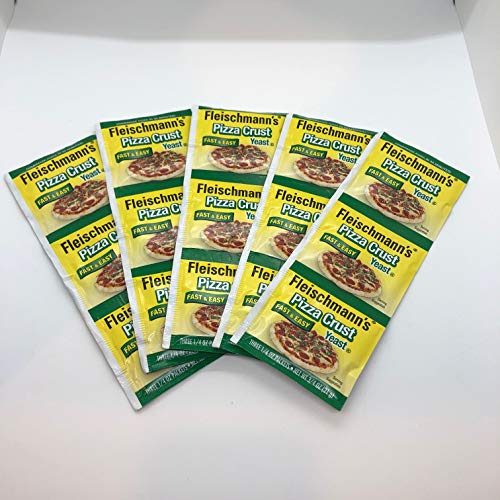
This is a specialized strain engineered for speed: each 0.25-ounce pouch eliminates the traditional rise time, letting you mix dough, shape a crust, and bake within 30 minutes. The yeast incorporates enzymes that accelerate gas production so the dough gets oven spring directly on the stone rather than during a bench rest. Gluten-free bakers in the reviews specifically praise this yeast because short fermentation windows are critical when there is no gluten network to hold long-rising bubbles.
Each box contains three pouches, and the 5-pack provides 15 total pouches—ideal for weekly pizza nights without worrying about storing an opened bulk bag. The pouches are nitrogen-flushed to lock in viability at room temperature, so you can keep them in the pantry rather than the fridge. Verified buyers mention the dough stretches easily without snapping back, which is a common pain with standard instant yeast used on a fast timeline.
The trade-off is that this yeast is not designed for artisan breads that benefit from a 12-hour cold fermentation. The flavor profile is straightforward, and the crust texture leans crisp rather than chewy. For anyone whose primary goal is homemade pizza on a Tuesday night without planning ahead, this is the most forgiving yeast on the list.
Why it’s great
- No rise time means pizza from scratch in under 30 minutes
- Works well with gluten-free doughs that need fast action
- Pouches stay shelf-stable without refrigeration
Good to know
- Not suitable for long-fermentation bread recipes
- More expensive per ounce than bulk instant yeast
4. SAF Instant Yeast 1 Pound Pouch (4 Pack)
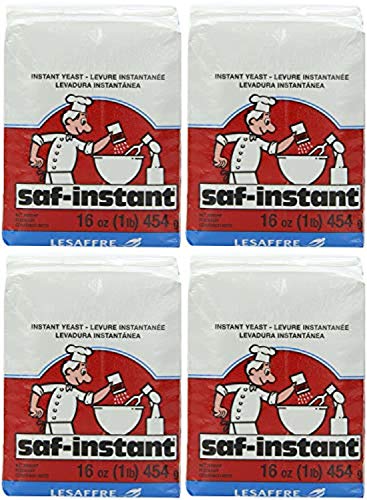
This bundle gives you four separate 1-pound vacuum pouches of SAF instant yeast—the same high-performing strain from LeSaffre but split into individually sealed portions. The advantage of separate pouches over a single 4-pound brick is that you only expose one pouch to air at a time, keeping the remaining three completely sealed until needed. Home bakers who buy in serious bulk will appreciate that each pouch fits easily into a standard freezer drawer without hogging space.
The vacuum seal on each pouch is consistently tight; customers report the foil feels like a dense tile, confirming zero oxygen infiltration. Once you open a pouch, the same storage rules apply—an airtight jar in the freezer keeps activity strong for at least a year. Multiple buyers note that even pouches stored for many months in the freezer produce vigorous rise when used later, matching the performance of fresh grocery yeast.
The per-pound cost at this quantity is among the lowest available, which matters for families who bake all their own bread or for sourdough enthusiasts who maintain a separate commercial yeast backup. The only scenario where this might be overkill is occasional baking (once a month), where the 2-pound options above would suffice without the upfront commitment.
Why it’s great
- Four separate pouches maximize long-term freezer storage
- Lowest per-ounce cost among instant yeast options
- Same proven SAF strain as the 2-pound brick
Good to know
- Large total volume, best for frequent or heavy bakers
- Requires recipe conversion if switching from active dry yeast
5. Mulino Caputo Dry Yeast 100% Italian

Caputo is the flour brand trusted by Neapolitan pizzerias worldwide, and this dry yeast is the companion strain developed for that same high-temperature, short-fermentation pizza style. The 100-gram pouch is imported from Italy and comes from a manufacturer that specializes in yeast strains for professional doughs. The granule size is finer than standard active dry, allowing quick rehydration even in cold water, which matters when using a lower-temperature poolish preferment.
European buyers and pizza enthusiasts praise its even fermentation: the dough does not inflate unevenly during the 8 to 12-minute rise before stretching, and the gas production is consistent enough to produce large, irregular bubbles in the cornicione (the puffy outer crust edge). The yeast is also versatile enough for focaccia and some sweet doughs, though the strain is optimized for lower sugar environments typical of savory Italian breads and pizza.
The main drawback is the small package size—100 grams will make around 10 to 12 Neapolitan-style pizzas, depending on your recipe. For a baker who makes pizza weekly, this pouch runs out fast compared to bulk pound options. Additionally, the shipping can be inconsistent; one review noted a longer wait time and a higher cost than local Italian import shops, so check your local specialty grocer first.
Why it’s great
- Authentic Italian strain for true Neapolitan pizza flavor
- Fine granules activate quickly in cold preferments
- Produces even fermentation with large air pockets in crust
Good to know
- Small 100-gram pouch is not economical for high-volume bakers
- May be cheaper from local Italian specialty stores
6. Red Star Baking Yeast 2 lb Vacuum Packed

Red Star is the go-to active dry yeast for traditionalists who still prefer the proofing ritual because it gives them visual confirmation that the yeast is alive before committing an entire batch of flour. This 2-pound vacuum brick provides a massive quantity of classic active dry granules that require dissolving in warm liquid (around 105°F) with a pinch of sugar before use. Once proofed, the yeast delivers the same reliable rise that home bakers have trusted for decades.
The vacuum seal is critical here because active dry yeast has thicker cell walls than instant and is more susceptible to moisture infiltration over time. Customers confirm the brick arrives tight as a rock and that after freezing portions in sealed containers, the yeast remains proofable for well over a year. Several reviewers specifically praise this for pizza dough, noting the dough stretches without snapping back.
One practical edge: active dry yeast is easier to find in bulk than instant in some regions, and this Red Star version is consistently mentioned as a replacement for hard-to-find bulk packets. The main inconvenience is the extra proofing step, but for bakers who already do that out of habit, this is the most cost-effective large-quantity active dry option.
Why it’s great
- Traditional active dry yeast with proven reliability
- Large 2-pound brick offers excellent per-batch savings
- Sealed vacuum brick preserves freshness during shipping
Good to know
- Requires proofing step before adding to dough
- Thicker cell walls mean slower hydration than instant yeast
7. TableTop King Red Star Active Dry Yeast 1 lb

This is the entry-level bulk active dry yeast for bakers who want to break free from expensive single-use packets without committing to a 2-pound brick. The 1-pound vacuum bag is manufactured by Lesaffre under the Red Star brand, so the strain and quality are identical to the larger Red Star bricks. The vacuum seal is consistent, and the granules are the standard active dry size, requiring proofing in warm water with sugar before use.
Customers who freeze the yeast in sealed jars report it stays viable for at least two years—one reviewer specifically mentioned buying a bag, storing most of it in the freezer, and using it monthly for both bread and septic system maintenance without performance loss. The math works: a 1-pound bag replaces roughly 64 standard 7-gram packets, cutting the per-loaf cost to a fraction of retail packets.
The main trade-off is that this is not instant yeast, so the extra proofing step is non-negotiable. Buyers accustomed to rapid-rise products might find the workflow slower. But for anyone who learned to bake with active dry and wants a cheap way to keep a full pound of backup yeast in the pantry without breaking the bank, this hits the mark.
Why it’s great
- Dramatic cost savings compared to individual yeast packets
- Vacuum seal maintains freshness during transport
- Same Red Star strain as the larger 2-pound brick
Good to know
- Must be proofed before use, adds 10-15 minutes to prep
- Contains sorbian monostearate as an anti-caking agent
FAQ
Can I use instant yeast in a recipe that calls for active dry yeast?
How do I test if my bulk yeast is still alive after months in the freezer?
Why does my dough rise slower when I use sugar over 10% of flour weight?
Final Thoughts: The Verdict
For most users, the best bread yeast winner is the LeSaffre Saf-Instant Yeast Red 2 lb because it combines skip-proofing convenience with proven bake performance and the best per-batch cost for volume bakers. If you want a bulk instant option without the recipe conversion step, grab the Fleischmann’s Instant Dry Yeast 2-Pack. And for no-rise pizza crusts on tight weeknights, nothing beats the Fleischmann’s Pizza Yeast Pouches.