
Our readers keep the lights on and the weekend projects moving. As an Amazon Associate, I earn from qualifying purchases.
A bag of cheap bird seed often leaves your patio littered with empty hulls, unwanted weeds, and a sticky mess that attracts rodents. The solution is a shell-free, high-energy blend that provides pure nutrition without the cleanup. We analyzed the top options to find the cleanest, most attractive mixes for your backyard visitors.
I’m Rikta — the co-founder and writer behind FitlyFast. I have spent countless hours evaluating ingredient lists, customer feedback, and nutritional profiles to pinpoint the bird food that truly delivers on its promises without the waste.
Whether you are feeding cardinals, finches, or the neighborhood blue jays, choosing the right mix makes all the difference between a messy chore and a pure enjoyment. This guide to the best bird food breaks down the top performers in waste-free, high-protein, and budget-friendly categories.
How To Choose The Best Bird Food
Selecting the right bird food goes beyond grabbing the cheapest bag at the store. The wrong mix can attract pests, create a mess, and provide poor nutrition for the birds you want to see. Focus on these three factors to ensure a clean, high-energy, and irresistible offering for your feathered guests.
Decide Between Shell-Free and In-Shell Seeds
The single biggest decision is whether you want a “no mess” blend or an in-shell mix. Shell-free seeds (sunflower hearts, chips, peanut pieces) are 100 percent edible with zero waste — ideal for patios, decks, and balconies. In-shell seeds like black oil sunflower are cheaper but leave hulls that can kill grass and attract rodents. If a clean yard is your priority, prioritize a waste-free formula.
Check the Protein and Fat Content
Birds need high-energy food, especially during migration, breeding, and winter. Black oil sunflower seeds are the gold standard because they have thin shells and are packed with protein and healthy fats. For an even bigger boost, look for blends with suet nuggets or dried mealworms. Avoid cheap mixes loaded with filler grains like milo, cracked corn, and red millet that birds often push aside.
Consider Storage and Packaging
How you store your bird food directly affects freshness. Resealable bags help keep seeds dry between uses. For larger quantities, a critter-proof bucket with a tight-sealing lid (like the Pennington 22.5-pound bucket) prevents moisture, mold, and rodent access. Always store bird food in a cool, dry place — never in direct sunlight.
Quick Comparison
On smaller screens, swipe sideways to see the full table.
| Model | Category | Best For | Key Spec | Amazon |
|---|---|---|---|---|
| Kaytee Seed & Suet No Mess Blend | No Mess | Clean patios & decks | 100% edible suet nuggets + seed | Amazon |
| Audubon Park Waste Free Blend | No Mess | Shell-free feeding for songbirds | Sunflower hearts, chips & peanut pieces | Amazon |
| CountryMax Black Oil Sunflower | High-Protein | Year-round high-energy feeding | 25 lbs, thin shells, no fillers | Amazon |
| Pennington Wild Bird Food | Critter-Proof | Rodent-resistant storage | 22.5 lbs in sealed bucket | Amazon |
| Old Potters Black Oil Sunflower | Non-GMO | Organic & sustainable feeding | Non-GMO, USA grown, resealable bag | Amazon |
| Kaytee Cardinal Blend | Specialty | Attracting cardinals specifically | Black oil sunflower + safflower | Amazon |
| MBTP Dried Mealworms | Protein Boost | Bluebirds, chickens, insect-eaters | 11 lbs, 100% natural, high protein | Amazon |
In‑Depth Reviews
1. Kaytee Seed & Suet No Mess Blend, Blueberry Flavor, 10 Pounds

This blend combines sunflower chips, millet, and blueberry-flavored suet nuggets into a 100 percent edible mix — meaning zero hulls fall to the ground. It claims to attract two times more birds than black oil sunflower alone and three times more woodpeckers. Reviewers consistently confirm the “no mess” promise, noting a cleaner patio and fewer weeds sprouting under feeders.
Weighing in at 10 pounds, it works in tube, hopper, or platform feeders. The blueberry flavoring is novel and seems to entice cardinals, blue jays, and finches. A few customers noted dust at the bottom of the bag, but the overall consensus is that the birds go through it quickly — some refilling every other day — which speaks to its palatability.
For anyone who wants a truly clean feeding experience without sacrificing bird traffic, this is the most compelling all-rounder. It delivers on the “no mess” label while still providing the high-energy fat from suet that woodpeckers and other insect-eaters crave.
Why it’s great
- 100% edible — no hulls or waste on the ground
- Attracts a wider variety including woodpeckers
- Works in multiple feeder types
Good to know
- Some dust noted in the bag
- Birds may prefer it over other blends, requiring frequent refills
2. Audubon Park Waste Free Wild Bird Seed, 12 Pounds
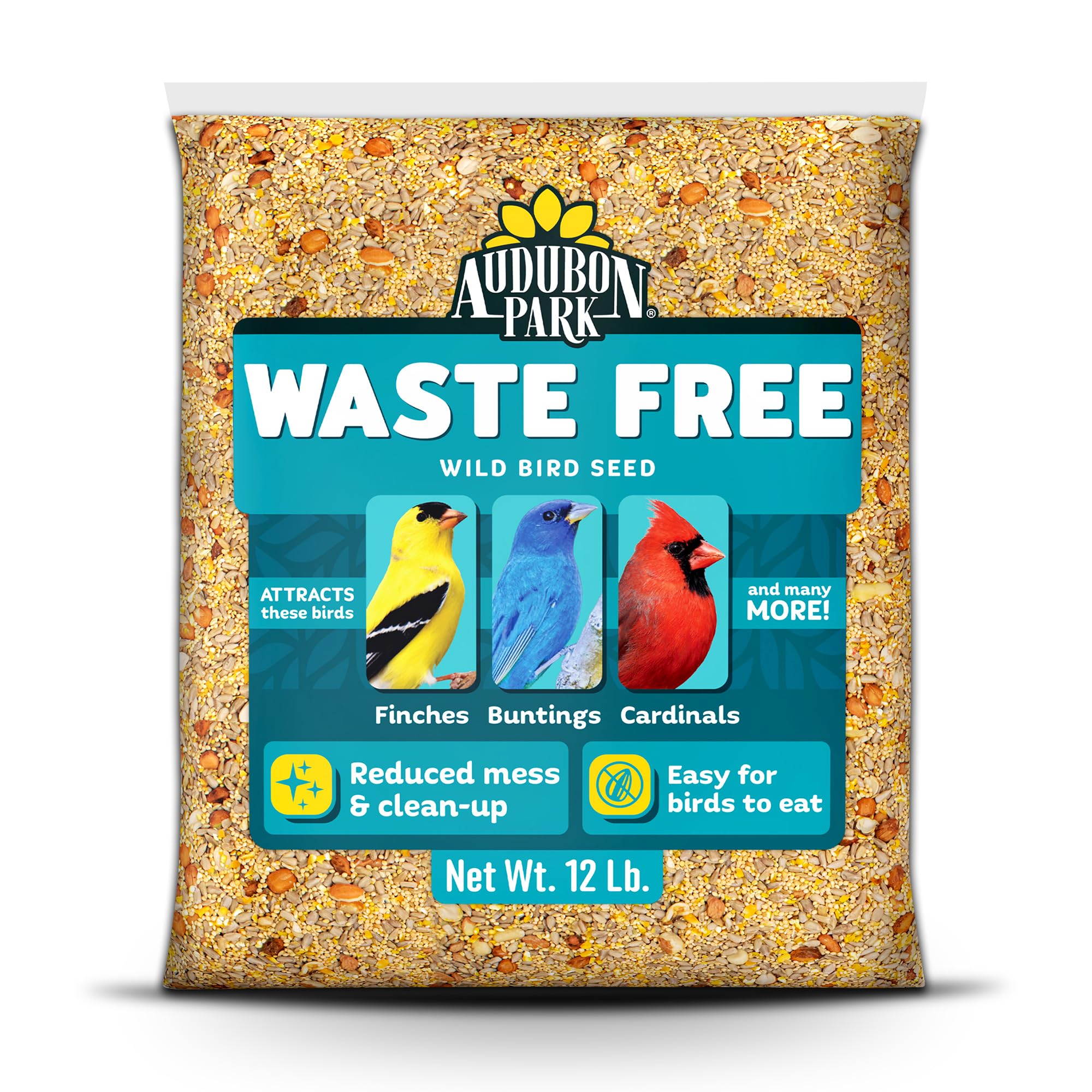
Audubon Park built this blend entirely from shell-free ingredients — sunflower hearts, chips, and peanut pieces. With no hulls to discard, the area under your feeder stays spotless. Customers with platform feeders reported visits from wrens, woodpeckers, doves, and the usual finches and cardinals, all of which consumed nearly every kernel.
The 12-pound bag is well-suited for moderate feeders. A few reviews mentioned that the previous seed they used had hulls, dust, and even weevils — making this a clean upgrade. The freshness was praised even during winter scarcity, which is when birds need reliable energy the most.
This is the best value in the shell-free category, offering high-quality ingredients at a mid-range price point. It’s an excellent choice for anyone transitioning from a standard in-shell mix to a waste-free system, especially if you feed on a patio or deck.
Why it’s great
- Shell-free formula with sunflower hearts and peanut pieces
- Attracts a wide variety of songbirds
- Stays fresh well, even in winter
Good to know
- Some users prefer larger bag sizes for heavy feeding
- Peanut pieces may attract larger birds or squirrels
3. CountryMax Backyard Seeds Black Oil Sunflower, 25 Pounds
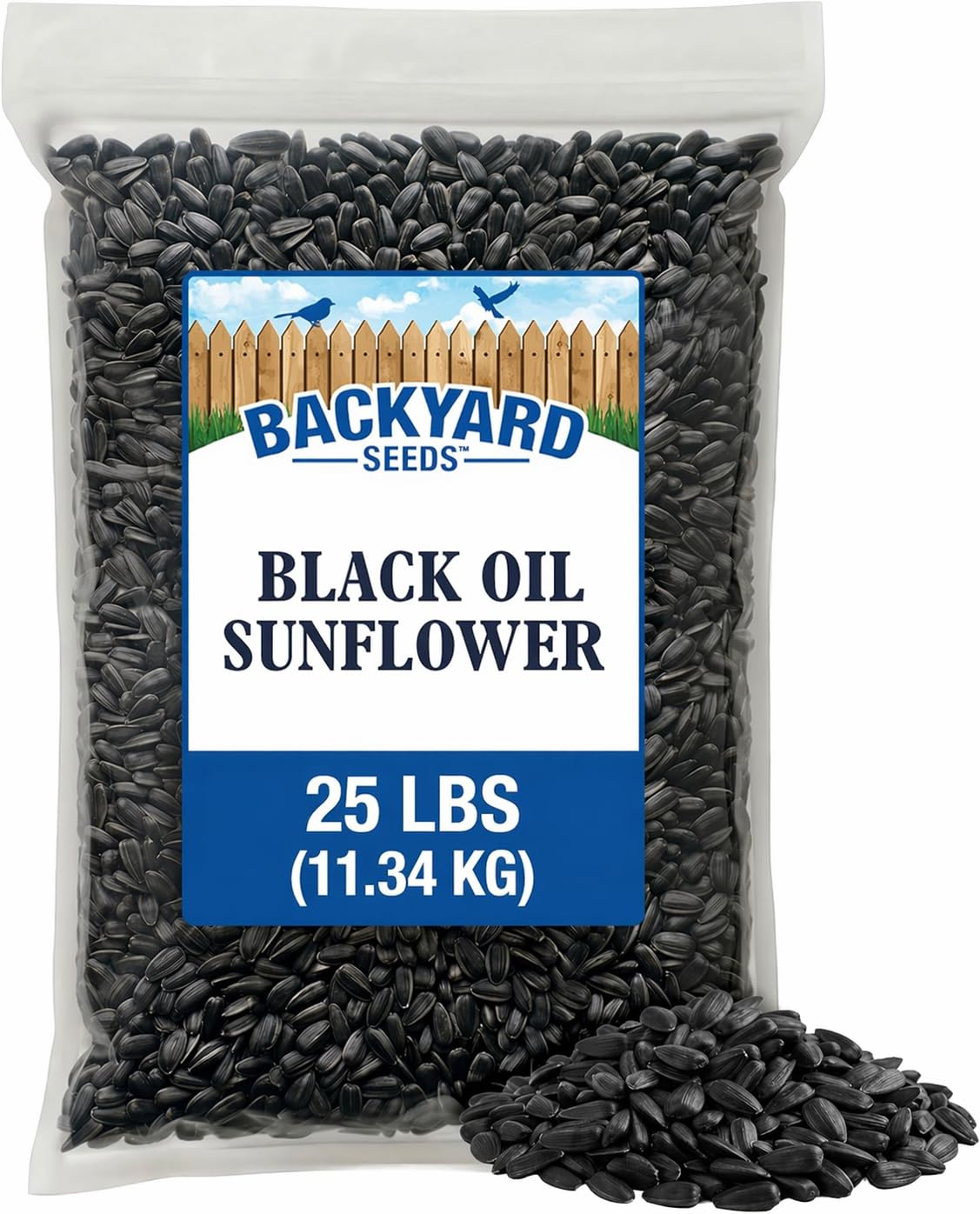
This 25-pound bag of pure black oil sunflower seeds is marketed as having “thin shells” that make it easier for small birds to crack open. It contains zero fillers — no milo, no cracked corn. Customers described it as “the cleanest bag of sunflower seeds” they have ever seen, with no sticks, debris, or dust, and the birds apparently agree, emptying the feeder daily.
The high protein and fat content make it ideal for breeding season, migration, and winter survival. It is sourced and processed in the USA, which adds a layer of quality assurance. The resealable bag helps maintain freshness, though users recommend transferring to an airtight bucket for long-term storage.
If you prefer the simplicity of a single-ingredient, high-energy seed and want to avoid the fillers common in cheap blends, this is the premium choice. The 25-pound size is economical for serious birders who go through seed quickly.
Why it’s great
- No fillers — just black oil sunflower seeds
- Thin shells accessible to a wide range of species
- USA sourced with consistent freshness
Good to know
- In-shell seed still leaves hulls under the feeder
- Large bag requires good storage container
4. Pennington Wild Bird Food, 22.5 Pounds Critter-Proof Bucket

The Pennington blend is a multi-seed mix featuring sunflower seeds as the primary ingredient, combined with BIRD-KOTE — a coating of vitamins and nutrients that claims to boost bird health. The standout feature is the packaging: a heavy-duty, critter-proof bucket with a snap-shut lid that blocks rodents, insects, and moisture.
Customers report a very clean mix that attracts doves, sparrows, juncos, blue jays, and even crows and hawks. The 22.5-pound quantity is generous, and the bucket is sturdy enough to reuse for storing other seed types. The only minor complaint is the tight seal, which can be difficult for older users to break open initially.
If storage and pest prevention are your primary concerns, this package solves both problems at once. The bucket itself is the hero — it keeps the seed fresh, dry, and inaccessible to raccoons and rats, which is invaluable for urban and suburban feeders.
Why it’s great
- Critter-proof bucket with tight-sealing lid
- BIRD-KOTE vitamins added for nutrition
- Large 22.5-pound supply
Good to know
- Seal can be tough to open initially
- No refill bags available — you buy the bucket each time
5. Old Potters Black Oil Sunflower Seeds, Non-GMO, 12 Pounds

Old Potters offers a straightforward, in-shell black oil sunflower seed that is certified Non-GMO and grown on small US farms. The bag is resealable, which helps preserve freshness between uses. Customers consistently rate it five stars, praising the freshness of the seeds and noting that birds seem to prefer this brand over older, drier seed from other sources.
The 12-pound bag is a manageable size for smaller gardens or beginners. A few reviewers mentioned the presence of minor field debris (small twigs), which the manufacturer states is intentional proof of minimal processing. The seeds are protein-rich, providing ample energy for a variety of species including cardinals, finches, and chickadees.
This is the go-to option for eco-conscious buyers who prioritize Non-GMO sourcing and supporting small farms. It delivers freshness and nutritional density without the fillers found in generic supermarket blends.
Why it’s great
- Non-GMO, USA grown on small farms
- Resealable bag maintains freshness
- High freshness attracts more birds
Good to know
- Minor field debris may be present
- In-shell seeds create hull waste
6. Kaytee Cardinal Wild Bird Seed, 7 Pounds

This 7-pound blend combines black oil sunflower and safflower seeds — both favorites of cardinals. The safflower has a slightly bitter taste that deters squirrels, an intentional design choice to reserve more food for your target birds. Customer reviews consistently confirm that cardinals, chickadees, nuthatches, and grosbeaks flock to this mix.
The smaller bag size works well for gardens with a single feeder or for testing a new seed type. Some customers noted that squirrels still managed to eat the sunflower seeds, but the safflower component does reduce their interest compared to straight sunflower. A few users found the value lower at this price point than at bulk retailers like Tractor Supply.
If your primary goal is to attract vibrant Northern Cardinals to your yard, this targeted blend is the most effective option. The safflower additive gives it a unique advantage over general sunflower mixes for squirrel management.
Why it’s great
- Specifically formulated to attract cardinals
- Safflower deters squirrels somewhat
- High palatability for multiple songbird species
Good to know
- Squirrels still enjoy the sunflower component
- 7-pound bag may be small for heavy feeders
7. MBTP Bulk Dried Mealworms, 11 Pounds
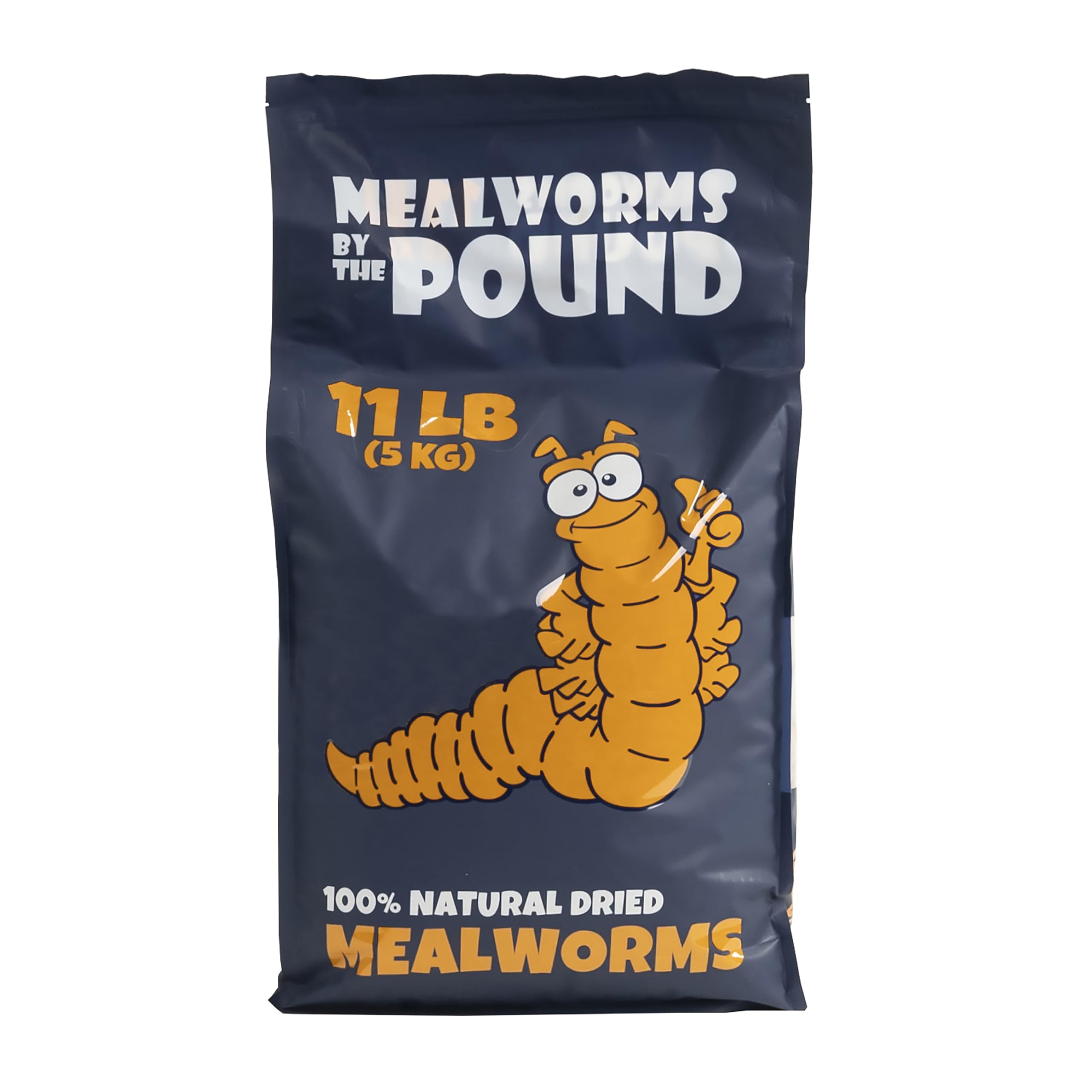
Dried mealworms are not a complete diet but a high-protein supplement that attracts insect-eating birds like bluebirds, wrens, chickadees, and woodpeckers. This 11-pound bulk bag from Mealworms by the Pound is 100 percent natural with no additives or preservatives. Customers with chickens and wild birds both praise its value — one bluebird fan reported fledglings eating them directly from a platform feeder daily.
The strong, earthy odor is normal for dried worms and can be a bit off-putting for humans, but birds find it irresistible. The bag is substantial and requires a funnel for easy transfer into feeders. Several reviewers noted that this product significantly increased the number and variety of birds visiting their yard, with some going through a bag per month in winter.
For serious birders who want to supplement seed with a high-energy protein source, this bulk option offers unbeatable cost-per-ounce value. It is especially useful during nesting season when birds need extra protein to feed their young.
Why it’s great
- High protein content for nesting and winter energy
- Bulk 11-pound bag offers excellent value
- Attracts specialized insect-eaters like bluebirds
Good to know
- Strong odor (normal for dried worms)
- Not a complete diet — use as a supplement
FAQ
What is the difference between “no mess” bird seed and regular bird seed?
Why do birds prefer black oil sunflower seeds over striped sunflower seeds?
Can I mix dried mealworms with regular bird seed?
How should I store bird food to keep it fresh?
Does adding safflower seed actually deter squirrels?
Final Thoughts: The Verdict
For most users, the best bird food winner is the Kaytee Seed & Suet No Mess Blend because it combines the cleanliness of a shell-free formula with the high-energy appeal of blueberry-flavored suet, attracting more species with zero lawn waste. If you want a pure, high-protein seed without any fillers, grab the CountryMax Black Oil Sunflower. And for insect-eating birds like bluebirds and wrens, nothing beats the MBTP Bulk Dried Mealworms as a protein-packed supplement.