
Our readers keep the lights on and the weekend projects moving. As an Amazon Associate, I earn from qualifying purchases.
Painting concrete often leads to peeling and chipping within a season, but a reactive acid stain penetrates the surface to create a permanent, variegated color that won’t flake off. This chemical reaction delivers a natural, marbled look that is distinct from any coating sitting on top of the slab.
I’m Rikta — the co-founder and writer behind FitlyFast. After countless hours researching concrete finishing chemistry and analyzing user reports on stain durability, coverage, and application ease, I’ve built this guide to cut through the confusion.
This guide walks through the top options for acid stain for concrete, focusing on which products deliver genuine chemical bonding, realistic color variation, and lasting results for both indoor and outdoor projects.
How To Choose The Best Acid Stain For Concrete
Selecting the right acid stain means understanding that it is not paint. The stain’s metallic salts react with the free lime in concrete to create a permanent, translucent color. The final look depends on the concrete’s age, porosity, and mix, so a test patch is essential before committing to the whole slab.
Concrete Chemistry and Color Reaction
Real acid stain relies on a chemical reaction with the calcium hydroxide in the concrete. This means the color is inside the slab, not on top of it. Older concrete that has been sealed or excessively worn may have less reactive lime, leading to a lighter result. New concrete should cure for at least 30 days before applying an acid stain to ensure the surface is ready to bond with the chemicals.
Coverage and Dilution
Most professional-grade acid stains provide a coverage range of 100 to 200 square feet per gallon, depending on the dilution, concrete texture, and porosity. Some concentrates allow you to mix with water to extend coverage, while others are ready-to-use. For a variegated look, you may apply one coat and then a second to darken the color. Always account for the neutralizer and rinse process, which can increase the total liquid needed for the project.
Sealer Compatibility
A reactive stain must be sealed to protect the finish and prevent it from wearing away. Some products come in DIY kits that include cleaner, neutralizer, stain, and a topcoat sealer. Others require you to buy a solvent-based acrylic sealer separately. The sealer locks in the color, adds UV protection for exterior use, and determines the final gloss level, from satin to high-gloss wet look.
Quick Comparison
On smaller screens, swipe sideways to see the full table.
| Model | Category | Best For | Key Spec | Amazon |
|---|---|---|---|---|
| Acid Stain DIY Kit | Kit | Complete all-in-one project | 250 sq ft coverage | Amazon |
| Active Elements Desert Fire | Reactive Stain | Red, brown, terra cotta tones | 1 gallon covers 100-200 sq ft | Amazon |
| Concrete Resurrection Black Walnut | Reactive Stain | Dark brown/black variegated | UV stable | Amazon |
| Concrete Resurrection Western Saddle | Reactive Stain | Rusty orange/brown patina | 1 gallon covers 100-200 sq ft | Amazon |
| Concrete Resurrection Emerald | Concentrate | Eco-friendly, green tones | 1:4 stain-water dilution | Amazon |
| Champion Acid Blue | Stain Remover | Stain removal & pool pH balance | Vapor reduction technology | Amazon |
| Armor AR500 Sealer | Sealer | High-gloss wet look finish | 5 gallons, 42 lbs | Amazon |
In‑Depth Reviews
1. EnduraCoat Acid Stain DIY Kit with 100% Acrylic Solvent Sealer

This all-in-one kit from EnduraCoat takes the guesswork out of the process by including cleaner, degreaser, neutralizer concentrate, the acid stain itself, and a 100% acrylic solvent sealer. It is designed to cover up to 250 square feet with a single gallon of stain and sealer, and larger kit options go up to 1000 square feet. Users consistently report beautiful variegated results that mimic high-end commercial restaurant floors when the directions are followed precisely.
The black walnut color chemically reacts with the concrete to create a deep, translucent finish that will not chip or peel like paint. The included sealer provides UV resistance for interior or exterior use, though some users note the sealer has a strong odor and requires ample ventilation. Proper surface preparation, including a thorough rinse with the included neutralizing concentrate, is critical to avoid product loss and ensure the sealer bonds correctly.
Customer feedback highlights that the kit simplifies ordering all components in one box, which eliminates the guesswork of matching a separate sealer to the stain. A few users wish the sealer had a higher solids content for better build, but the overall durability and ease of cleaning the final surface receive consistent praise.
Why it’s great
- Complete kit with cleaner, stain, and sealer
- Permanent chemical reaction, won’t peel or chip
- Good coverage options from 250 to 1000 sq ft
Good to know
- Sealer may require multiple coats for full protection
- Strong fumes from solvent-based sealer
- Neutralization step uses significant water
2. Active Elements Official Concrete Acid Stain Desert Fire

Active Elements Desert Fire acid stain delivers a warm, earthy palette that shifts between red, brown, and terra cotta tones depending on the concrete’s porosity and age. This 1-gallon container covers 100 to 200 square feet and is formulated as a true penetrating stain that reacts chemically with the slab, not a surface coating. It is UV stable, making it a strong choice for exterior patios, walkways, and driveways.
The stain has a thin, watery consistency that soaks in quickly, so users should work in manageable sections to maintain a wet edge and avoid lap marks. Reviews from first-time users mention that the color variation is natural and attractive, giving plain gray concrete a rich, stone-like appearance. Professional application is recommended for best results, though confident DIYers can achieve good outcomes with careful technique.
A few customers note the color can lean more orange or rusty than expected, so testing on a hidden spot is essential. The product is specifically labeled as not paint, which helps set the right expectation for a translucent, variegated finish. Pairing this stain with a high-quality sealer is advised to protect the color and simplify future maintenance.
Why it’s great
- Genuine chemical reaction with concrete
- UV stable for exterior use
- Nice variegated, natural stone effect
Good to know
- Thin consistency requires careful application
- Color outcome varies significantly with concrete conditions
- No sealer included
3. Concrete Resurrection Acid Stain Black Walnut
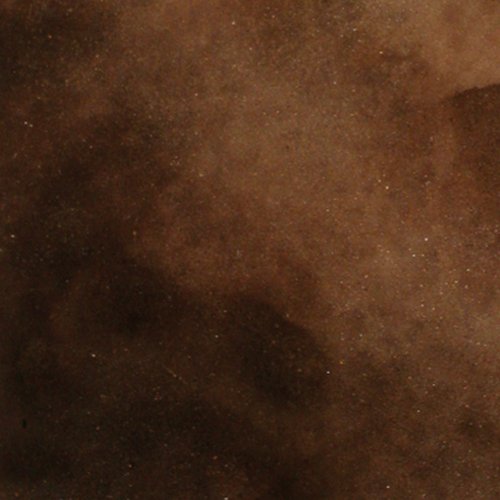
Concrete Resurrection’s Black Walnut acid stain produces a deep, dark brown that borders on black, offering a dramatic backdrop for interior floors, countertops, or outdoor slabs. This reactive stain penetrates the concrete and cannot be scratched off like a surface coating. The 1-gallon size covers between 100 and 200 square feet, and the final color depth depends heavily on the concrete’s mix, porosity, and the number of coats applied.
Users report that the stain continues to react with the concrete for hours after application, so the color deepens as it cures. Combining Black Walnut with a second color, such as a lighter tan or amber, creates a sophisticated variegated pattern that mimics natural stone or aged wood. The manufacturer offers tech support for application questions, which is helpful for achieving consistent results across larger projects.
A small number of customers experienced issues with the stain washing off after neutralization, requiring additional coats. This underscores the importance of thorough surface preparation and proper neutralization timing. As with all acid stains, a sealer is necessary to lock in the color and protect against wear and UV exposure.
Why it’s great
- True dark brown/black color
- Continues reacting and deepening for hours
- Can be combined with other colors for variegation
Good to know
- Result highly dependent on concrete makeup
- Some users report fading or wash-off during neutralization
- No sealer included in purchase
4. Concrete Resurrection Acid Stain Western Saddle

The Western Saddle color from Concrete Resurrection delivers a warm, rusty orange-brown patina that is especially popular for driveways, patios, and accent surfaces. It is a semi-transparent acid stain that chemically changes the concrete’s color, ensuring no bonding issues. The consistency is thin and watery, which allows it to quickly penetrate porous concrete, so working fast is key to even coverage.
Users praise the natural look, noting it blends well with acrylic paint if you need to touch up or add design elements. The gallon covers 100 to 200 square feet, and the color variation is attractive without being overwhelming. It works well both indoors and outdoors since the stain is UV stable and withstands sunlight without fading prematurely.
Some reviewers found that the stain needed a third coat after neutralization washed off some of the pigment. This appears to be a common learning curve with reactive stains—proper neutralization and rinsing are critical to retain the color. For best results, apply the stain to clean, etched concrete and seal immediately after the final rinse.
Why it’s great
- Natural rusty orange color
- UV stable for exterior use
- Easy to apply with standard sprayer
Good to know
- Color may shift more orange than expected
- Multiple coats may be needed
- No sealer included
5. Concrete Resurrection Water-Borne Concentrate Emerald
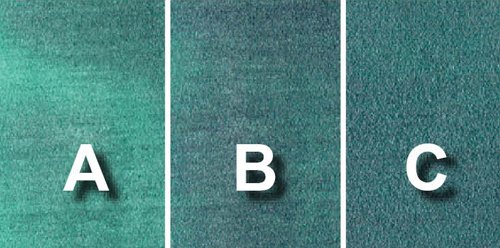
Concrete Resurrection’s Emerald is a water-borne pigmented concentrate that is mixed with water rather than relying on harsh acids for the reaction. This makes it a more user-friendly and eco-friendly alternative for those who want a translucent color change without the strong fumes associated with muriatic acid-based products. The recommended dilution is 1 part stain to 4 parts water, and the color darkens with each coat.
Customers have used it successfully on concrete block, fire brick, and interior slabs, noting it soaks in fast and dries quickly. It produces a semi-transparent emerald green that can be mixed with other Concrete Resurrection colors to create custom blends. One user combined white and charcoal to achieve a sophisticated gray pool deck finish, highlighting its versatility.
A few reviews mention the consistency can be thick, almost like glue in some batches, making it difficult to pour. Stirring thoroughly and adding the recommended water ratio usually solves this. This product is best for DIYers who want a lower-odor option and are comfortable fine-tuning the color by layering multiple thin coats.
Why it’s great
- Water-based, lower fumes
- Concentrate stretches coverage
- Can mix colors for custom shades
Good to know
- Consistency may vary between batches
- Needs sealing to prevent wear
- Color may appear lighter than expected
6. Champion Acid Blue Muriatic Acid 2-Pack
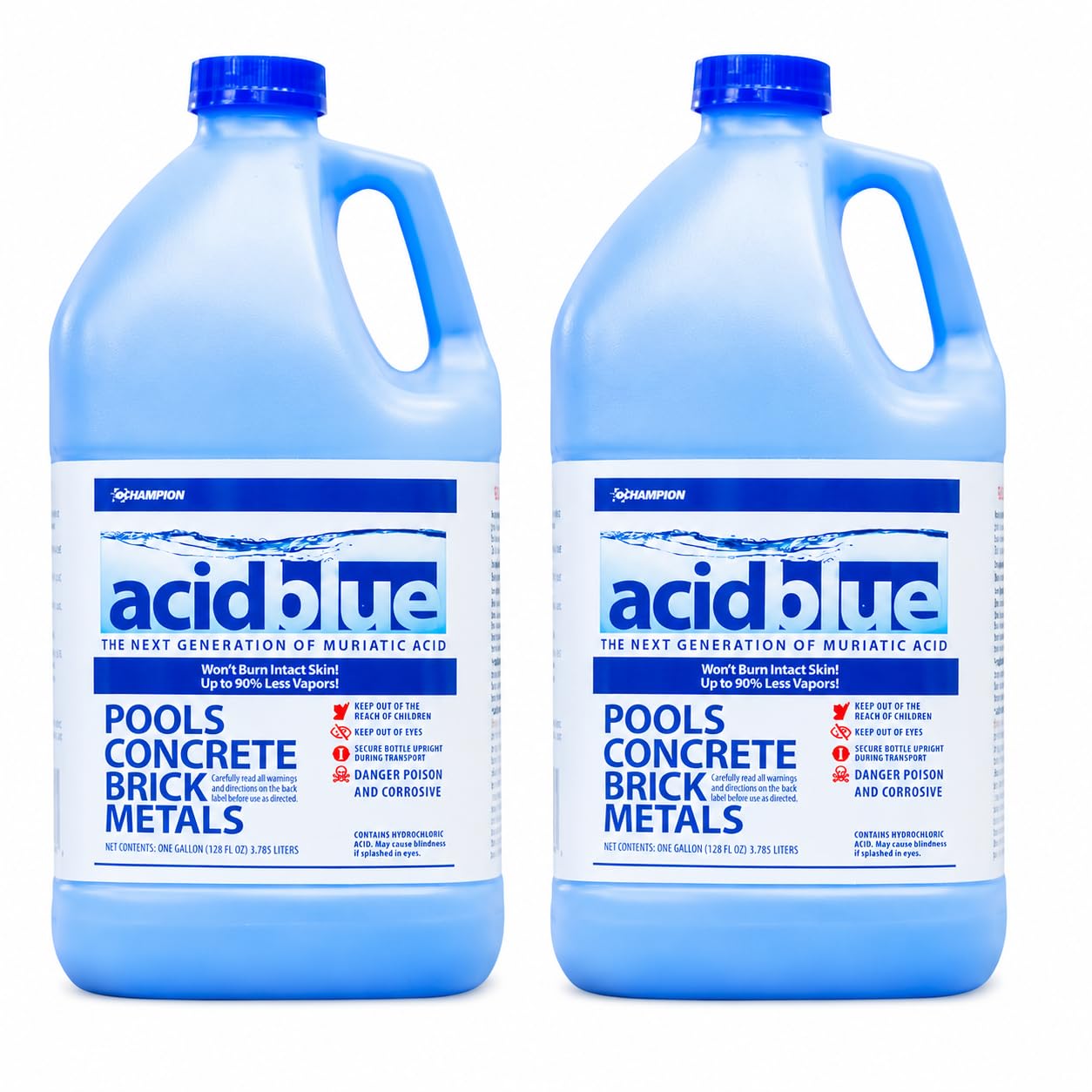
Champion Acid Blue is primarily formulated as a pool pH balancer and concrete stain remover, but it is a strong option for stripping old stains and preparing concrete for a new acid stain application. Its key feature is vapor reduction technology that cuts down harmful fumes by up to 90%, making it significantly more pleasant to use than standard muriatic acid. This 2-pack provides 4 gallons total of ready-to-use liquid.
Users with respiratory sensitivity report that this product has virtually no odor, which is a major advantage for indoor or enclosed areas. It works effectively at removing efflorescence, rust spots, and organic stains from driveways and garage floors when mixed with water in a pressure washer. It also serves as an effective concrete etcher before applying a new stain or sealer.
The main trade-off is that the safer formulation may not be as aggressive as traditional muriatic acid, so heavy-duty stain removal may require more product or repeated applications. It is not designed to add color to concrete, but rather to clean and etch the surface in preparation for a reactive stain. For budget-conscious buyers, this is a solid prep solution rather than a finishing stain.
Why it’s great
- 90% vapor reduction for safer use
- Effective stain remover and etcher
- Low odor formulation
Good to know
- Not a coloring stain, used for prep
- Less potent than standard muriatic acid
- May require multiple applications for tough stains
7. Armor AR500 High Gloss Wet Look Concrete Sealer

The Armor AR500 is a solvent-based acrylic sealer that produces a dramatic wet-look, high-gloss finish on exterior concrete and pavers. It is designed to be used over unsealed concrete or over surfaces previously sealed with a solvent-based acrylic. This 5-gallon bucket provides extensive coverage, though the actual yield is lower than many expect at 175 to 225 square feet per gallon, so plan your quantity accordingly.
Users consistently report stunning results on stamped concrete, paver patios, and driveways, with the sealer darkening the surface to match the rich color of wet concrete. It offers excellent UV resistance, protection against road salts, and water beading that keeps the surface clean. Application requires thorough surface preparation, including pressure washing and a 24-hour drying period, and the solvent fumes are strong, demanding proper ventilation.
The high-gloss look can hide imperfections and enhance the natural color variation of underlying concrete or stain. Some users find the coverage lower than advertised, with multiple dry spots requiring a second coat. For projects that already have an acid stain applied, this sealer locks in the color and provides long-lasting protection against abrasion and weather.
Why it’s great
- Professional wet-look, high-gloss finish
- Excellent UV and weather resistance
- Enhances color of stained concrete
Good to know
- Strong solvent fumes require ventilation
- Coverage lower than some other sealers
- Requires careful surface prep
FAQ
How long does acid stain last on concrete?
Can I apply acid stain over old concrete?
Do I need to seal concrete after acid staining?
Final Thoughts: The Verdict
For most users, the acid stain for concrete winner is the EnduraCoat Acid Stain DIY Kit because it packages everything needed into one box, eliminating the guesswork of matching a separate sealer to the stain. If you want a specific warm earth tone for a patio or walkway, grab the Active Elements Desert Fire. And for a deep, dramatic black-brown finish on an interior floor or countertop, nothing beats the Concrete Resurrection Black Walnut for its rich, reactive color depth.