
Our readers keep the lights on and the weekend projects moving. As an Amazon Associate, I earn from qualifying purchases.
A backpacking poncho is the single most debated piece of rain gear in the ultralight community. If you choose wrong, you get a flapping, sweat-soaked nuisance that wets out your pack straps. Choose right, and you have a waterproof shell, a pack cover, and an emergency shelter all in one sub-10-ounce package. The difference between a good hike and a miserable one often comes down to the sealed seams and the armhole design of this one garment.
I’m Rikta — the co-founder and writer behind FitlyFast. I spend my time digging through technical specs, customer test reports, and fabric data sheets to separate the gear that actually performs on trail from the marketing fluff.
This guide breaks down the essential features of a reliable backpacking poncho, including waterproof ratings, weight constraints, and multi-use versatility that serious hikers demand.
How To Choose The Best Backpacking Poncho
A backpacking poncho is a compromise between coverage and breathability. The best options use a high-denier nylon with a polyurethane coating to achieve a waterproof rating of at least 1500mm, which is the baseline for keeping a heavy pack from forcing moisture through the fabric at the shoulders. Lighter fabrics like 15D Ultra-Sil Nano trade durability for packability, making them ideal for thru-hikers who count every gram.
Pack Compatibility and Coverage
A true backpacking poncho must fit over a fully loaded pack without restricting arm movement or creating pressure points at the neck. Look for a cut that is at least 55 inches wide and 85 inches long, with side snaps or toggles that allow you to cinch the fabric around your legs when you are not carrying a pack. If the poncho is too short, rain will run off the hood and soak your pack straps from below.
Multi-Function Versatility
The best backpacking ponchos earn their place in your pack by doubling as a tarp, groundsheet, or emergency shelter. Models with reinforced tie-out points, no grommets (which tear out), and a minimum footprint of 8 feet by 5 feet let you pitch a reliable A-frame shelter in minutes. This eliminates the need for a separate pack cover and emergency bivvy, saving you at least 8 ounces from your base weight.
Breathability and Ventilation
Closed rain jackets trap body heat and cause you to soak from the inside out. A well-designed poncho uses open sides or snap-vent armholes to promote airflow, keeping your core temperature regulated during uphill climbs. For cold wind-driven rain, a poncho with elastic wrist cuffs and a drawcord hood offers the best balance between ventilation and weather sealing.
Quick Comparison
On smaller screens, swipe sideways to see the full table.
| Model | Category | Best For | Key Spec | Amazon |
|---|---|---|---|---|
| Sea to Summit Ultra-SIL Nano Tarp Poncho | Ultralight Shelter | Thru-hikers who need a 4-in-1 system | 8.1 oz, 15D Ultra-Sil Nano | Amazon |
| ONETIGRIS TENTSFORMER Hooded Poncho | 4-in-1 Shelter | Tall hikers wanting a full teepee tent | 22.5 oz, 75D Nylon PU | Amazon |
| Mac in a Sac Poncho | Premium Rainwear | Day hikers who want full coverage | Waterproof PU-coated fabric | Amazon |
| onewind Hooded Rain Poncho | Silnylon Multi-Use | Budget-conscious backpackers needing a tarp | 8.3 oz, 1.1oz Silnylon | Amazon |
| Adventure World Globotrekker Backpack Poncho | Lightweight Day Pack | Scout trips and casual day hikes | 12.3 oz, Nylon | Amazon |
| FROGG TOGGS Ultra-Lite2 Poncho | Value Rain Shell | Emergency use and music festivals | Non-woven Polypropylene | Amazon |
| Tongcamo Poncho Liner Hoodie | Insulated Sleeping Poncho | Car camping and cold-weather basecamp | Cotton-filled, 60×78.7 in | Amazon |
In‑Depth Reviews
1. Sea to Summit Ultra-SIL Nano Tarp Poncho

Weighing only 8.1 ounces with its stuff sack, the Sea to Summit Ultra-SIL Nano is the lightest true 4-in-1 poncho on the market. The 15D Ultra-Sil Nano fabric is double-stitched and tape-sealed at every seam, achieving a waterproof barrier that held up during a 13-mile trek in sustained 38°F rain. The three-panel peaked hood provides excellent peripheral vision, and the drawcord at the tail hem lets you seal the poncho around your legs when the wind picks up.
The 57-by-104-inch footprint is generous enough to cover a fully loaded 65-liter pack without tension points. Guy attachment points allow you to pitch the poncho as an A-frame shelter, eliminating the need for a separate pack cover or emergency bivvy. Side snaps secure the fabric around your body, though some users report that the snaps can pop open in high winds if not cinched tightly.
Breathability is superior to any closed rain jacket due to the open sides and peak hood venting. The stuff sack is compact at 3 by 5.25 inches, fitting into a hip belt pocket. At the premium end of the price spectrum, this poncho delivers the best weight-to-functionality ratio for long-distance hikers who demand a system that pulls triple duty.
Why it’s great
- Sub-8.5-ounce weight with multi-use functionality
- Double-stitched and tape-sealed seams
- Packs to hip-belt pocket size
Good to know
- Side snaps can detach in strong winds
- Head opening is snug for some users
2. ONETIGRIS TENTSFORMER Hooded Poncho
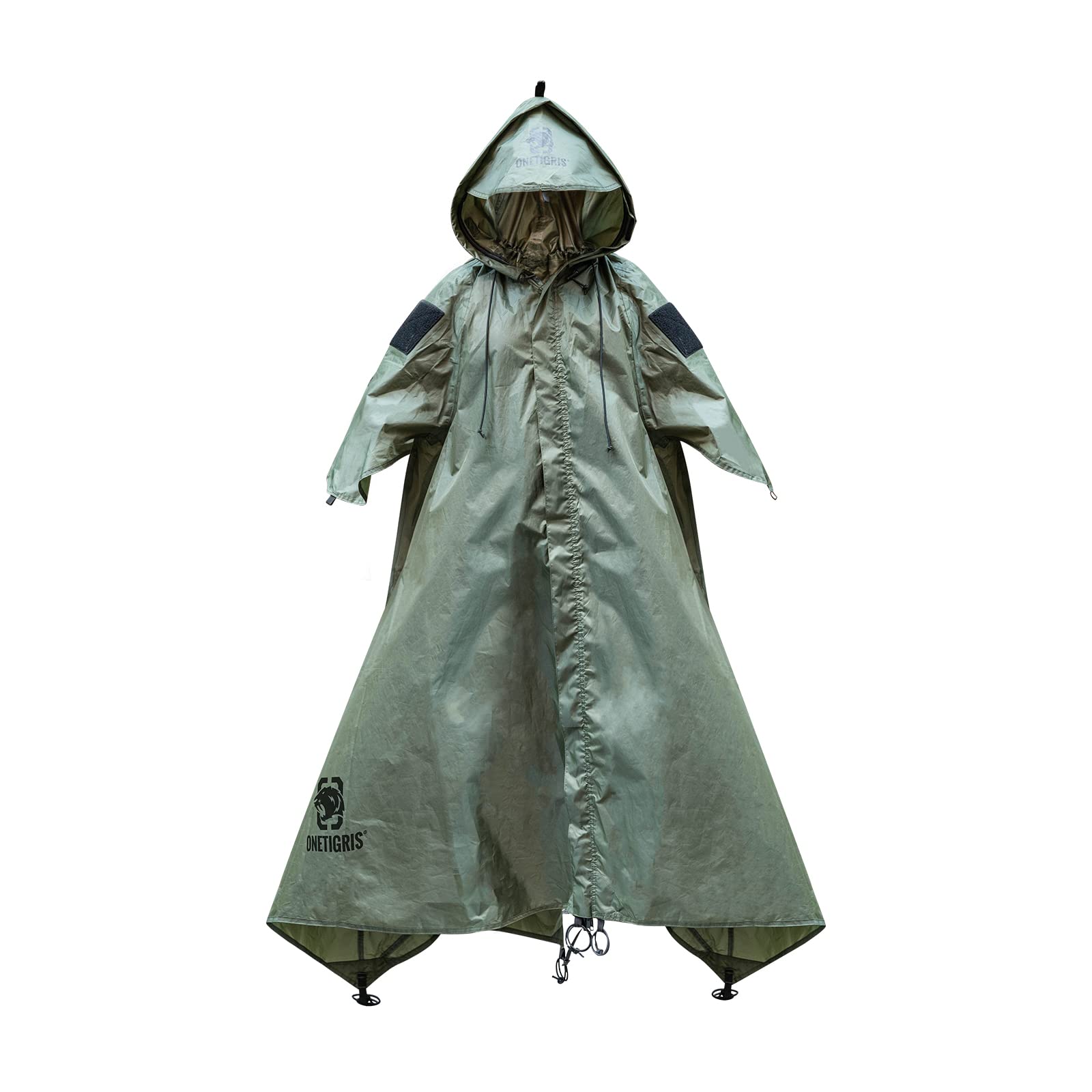
The ONETIGRIS TENTSFORMER is built for hikers who want a poncho that transforms into a genuine half-teepee shelter. Made from PU-coated 75D nylon with a 1500mm waterproof rating, it stops heavy rain without adding the stiffness of heavier rubberized surplus ponchos. The full front YKK zipper makes it easy to put on and take off over a big pack, and the adjustable hood with bungee cords accommodates a ball cap or beanie underneath.
At 8.5 feet long by 2.8 feet wide, the shelter mode is tall enough for a 6-foot-2-inch user to sit upright. The included six aluminum stakes and three guy lines let you set up a stable teepee or A-frame in minutes. Armhole vents double as airflow ports when pitched, preventing condensation buildup inside the shelter. The pack weight is 22.5 ounces, which is heavier than ultralight options but justified by the shelter capabilities.
Tall hikers report that the extended length provides full coverage without exposing lower legs. The large Velcro patch panels on the sleeves allow for morale patches, which is a nice touch for group trips. Some users note that the fabric is thin and not rip-stop, so care is needed around sharp rocks or branch tips.
Why it’s great
- Full teepee shelter setup with included stakes
- YKK front zipper for easy on/off
- Excellent coverage for users over 6 feet
Good to know
- Heavier than ultralight ponchos at 22.5 oz
- Fabric is not rip-stop nylon
3. Mac in a Sac Poncho

Mac in a Sac positions itself as a premium rain poncho that prioritizes coverage and build quality over multi-function gimmicks. The PU-coated fabric is stiff enough to resist wind flapping without feeling like a plastic bag. Users confirm that it remains fully waterproof even during sustained downpours, and the generous cut easily accommodates a large backpack plus body layers without restricting movement.
The hood features a slightly reinforced brim that channels water away from the face, a design detail often missing from budget ponchos. The fabric rolls up into a very compact pouch, making it easy to stash in a daypack or hip pocket. For shorter users, the oversized cut can feel overwhelming, but for full coverage in heavy rain, this is a deliberate feature rather than a flaw.
Breathability is average for a fully coated poncho — expect some condensation buildup during high-exertion climbs. The side snaps allow you to cinch the fabric around your legs when not carrying a pack, reducing the parachute effect in gusty conditions. Mac in a Sac is a strong choice for day hikers and travelers who prioritize a simple, bombproof rain shell.
Why it’s great
- Excellent full coverage for pack and body
- Reinforced hood brim prevents face drips
- Packs down very small
Good to know
- Oversized cut may swamp shorter users
- Limited ventilation for high-exertion use
4. onewind Hooded Rain Poncho

The onewind Hooded Rain Poncho uses 1.1-ounce silnylon with a polyurethane coating to achieve a 3000mm waterproof rating — double the minimum standard for backpacking gear. At just 8.3 ounces, it matches the Sea to Summit Nano in weight while coming in at a significantly lower entry point. The 89-by-56-inch size provides ample leg coverage and can accommodate a full-size internal frame pack.
Reinforced tie-out points without grommets allow the poncho to be pitched as a tarp or groundsheet for shelter use. The loose armholes and adjustable drawcords at the hood and hem help manage airflow, though users report that the included stuff sack is too small and recommend swapping it for a gallon-size zipper bag. The silnylon fabric is tear-resistant but feels delicate compared to heavier 75D options.
Hikers at 5 feet 9 inches report that the poncho is almost too long when worn without a pack, but the side fasteners help take up the excess length. The neck seam may require additional seam sealant for total waterproof assurance. For budget-minded backpackers who want a legitimate ultralight shelter poncho, the onewind offers the best weight-to-price ratio in this lineup.
Why it’s great
- Sub-8.5-ounce weight with 3000mm rating
- Reinforced tie-outs for tarp shelter mode
- Excellent value for silnylon construction
Good to know
- Stuff sack is too small for easy repacking
- Neck seams may need extra sealant
5. Adventure World Globotrekker Backpack Poncho

The Adventure World Globotrekker is a dedicated backpacking poncho with a built-in pack pouch that cinches over your load. The nylon fabric is durable, seam-taped, and dries quickly, making it a reliable choice for multi-day trips in moderate rain. The hood features a stiff bill that keeps water off your face, and the adjustable drawstring at the face opening helps seal out wind-driven rain.
At 12.3 ounces, it is heavier than silnylon options but offers better abrasion resistance. The underarm sleeves provide a semi-fitted feel that reduces the flapping common with open-side ponchos. Users report that the pack pouch works well for day packs up to 35 liters, but larger expedition packs may not fit neatly inside the bubble. Side snaps allow you to close the poncho around your legs when not carrying a pack.
Some users found that the poncho failed to hold up in heavy storm conditions, with rain soaking through the fabric after extended exposure. This limits its use to light-to-moderate rain rather than severe weather. The easy-on design and quick-drying nylon make it a strong choice for scout trips and day hikes where weight is less critical than durability.
Why it’s great
- Durable nylon with taped seams
- Built-in pack pouch for day packs
- Hood with stiff bill prevents face drips
Good to know
- May wet out in prolonged heavy rain
- Pack pouch only fits smaller loads
6. FROGG TOGGS Ultra-Lite2 Waterproof Breathable Poncho
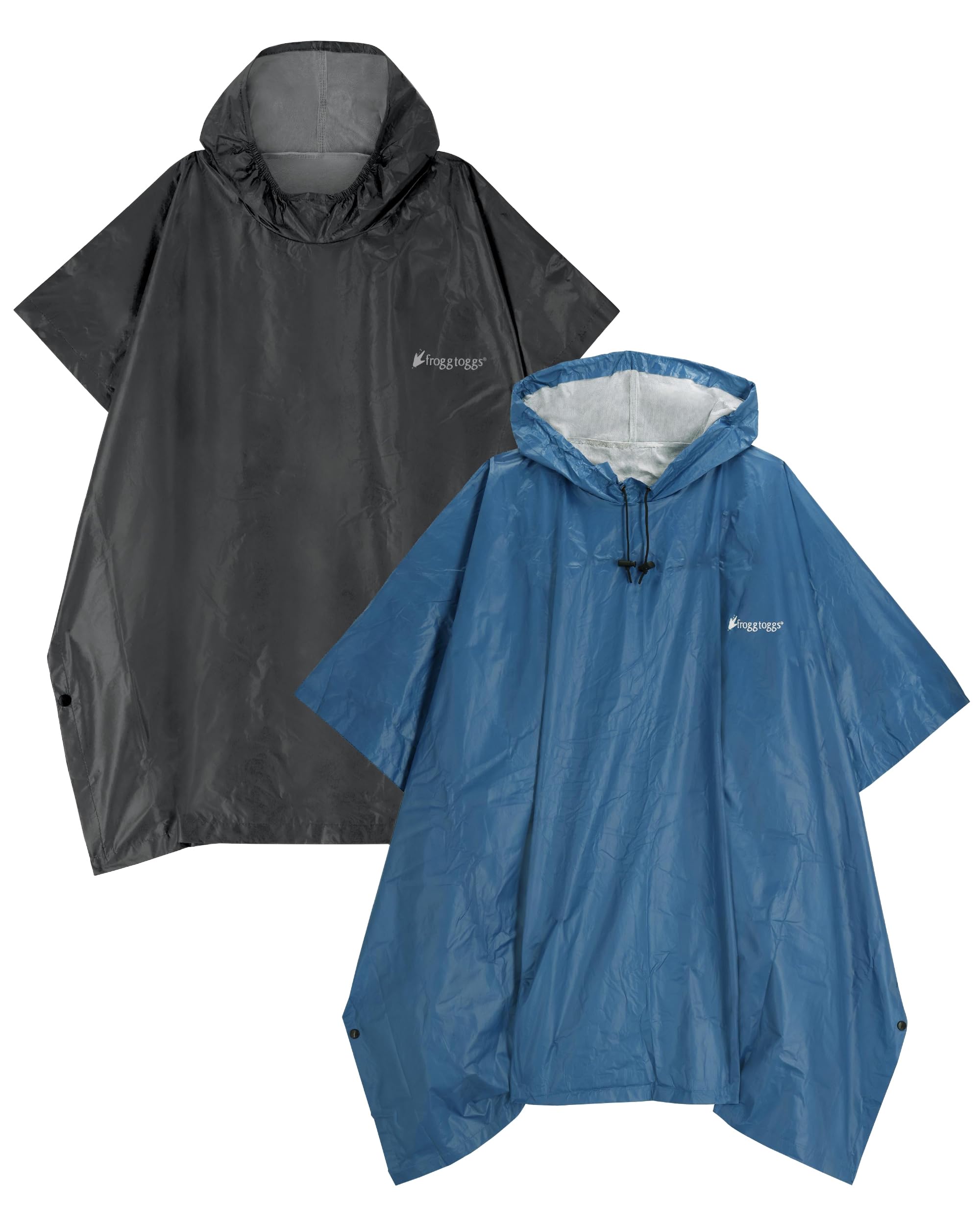
The FROGG TOGGS Ultra-Lite2 is a non-woven polypropylene poncho that delivers 100 percent waterproof protection at a weight that makes it perfect for emergency kits and casual use. The seam-taped construction ensures that water does not leak through stitch holes, a common failure point in cheap ponchos. The deep hood with adjustable cord locks keeps rain off your face even in gusty conditions, and the side snaps allow you to close the poncho around your body for better coverage.
The non-woven fabric feels different from nylon or silnylon — it is softer next to the skin and breathable enough to prevent the sauna effect during light activity. However, it is not as durable as woven fabrics and can tear if snagged on branches or sharp gear. The poncho folds into a compact stuff sack, though users warn that repacking it neatly takes patience.
This poncho is best suited for emergency scenarios, rain at sports sidelines, or as a backup in a car kit. For backpacking where you need repeated use over multiple seasons, the non-woven material may not hold up as well as the silnylon or coated nylon options. The PFAS-free construction is a notable plus for environmentally conscious users.
Why it’s great
- 100 percent waterproof with taped seams
- PFAS-free materials
- Soft, breathable fabric against skin
Good to know
- Non-woven fabric is less durable
- Hard to fold back into the stuff sack
7. Tongcamo Poncho Liner Hoodie
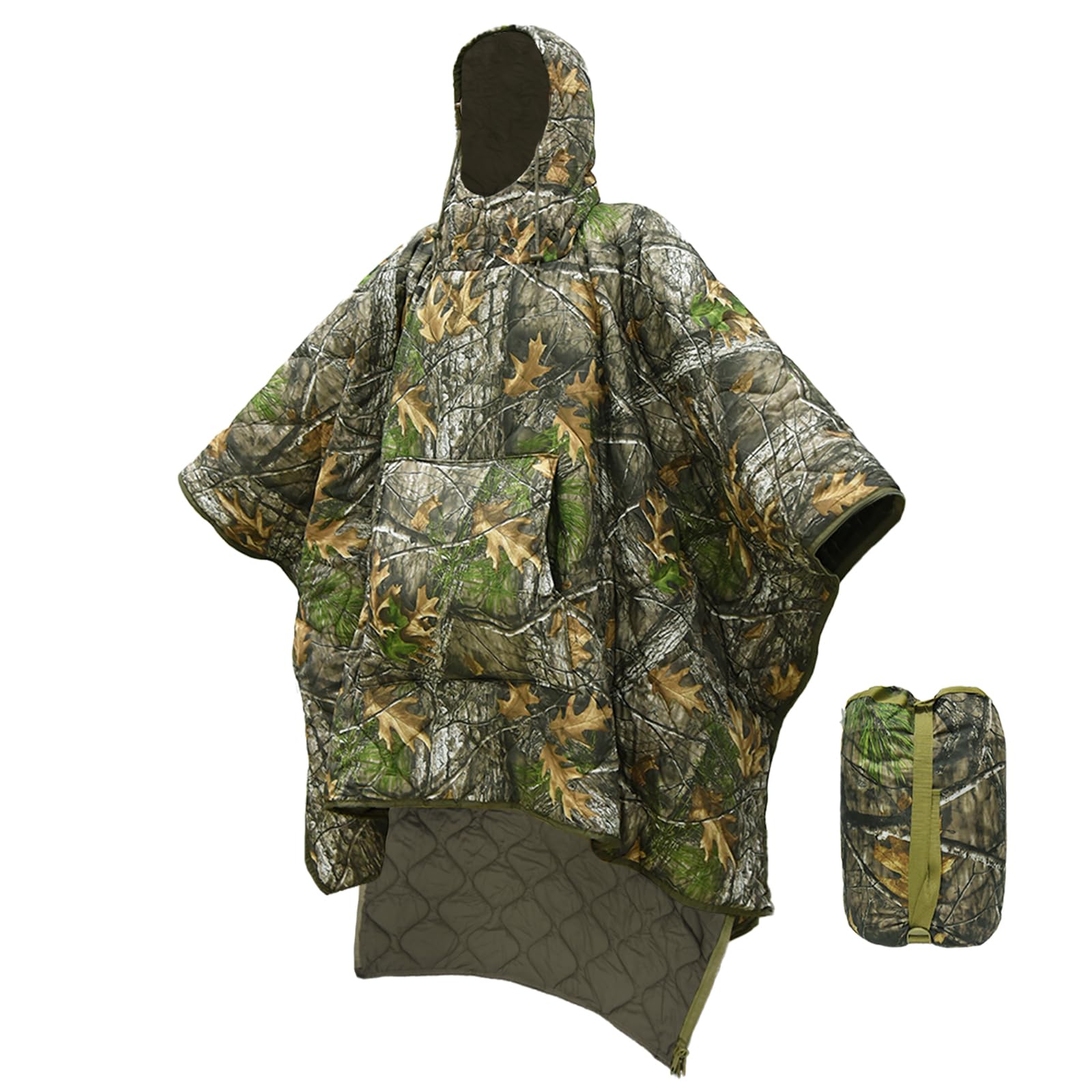
The Tongcamo Poncho Liner Hoodie takes a different approach by combining an insulated sleeping bag with a poncho design. The outer shell is water-resistant polyester, and the fill is hollow cotton that provides substantial warmth — users report sleeping comfortably at 31°F when layered with a sleeping pad and base layers. The 60-by-78.7-inch size gives enough room for four people to sit under or two to lie down, making it a viable group shelter for basecamp.
The zipper closure allows you to convert the poncho into a full sleeping bag, and the integrated hood with a drawstring fits over a ball cap. A large kangaroo pocket on the front provides hand warmth and storage for small items. The hollow cotton fill is heavier than synthetic insulation, so this is not a piece for ultralight backpacking, but the warmth-to-weight ratio is impressive for car camping and cold-weather basecamp use.
Pet fur does not stick to the material, which is a bonus for dog owners. The shell blocks wind effectively, though the water resistance is not rated for sustained rain. This is a specialized piece — ideal for campers who want one item to serve as a warm layer around the fire and a backup sleeping bag, not for hikers looking for a traditional rain poncho.
Why it’s great
- Converts to a warm sleeping bag
- Roomy enough for group shelter use
- Excellent warmth for the weight
Good to know
- Too heavy for backpacking use
- Water resistance is limited
FAQ
Can I use a backpacking poncho as my only rain gear on a thru-hike?
How do I prevent a backpacking poncho from blowing around in the wind?
What is the difference between silnylon and PU-coated nylon for ponchos?
How do I set up a poncho as an emergency shelter?
Can a backpacking poncho replace my tent fly?
Final Thoughts: The Verdict
For most users, the backpacking poncho winner is the Sea to Summit Ultra-SIL Nano Tarp Poncho because it combines an ultralight 8.1-ounce weight with genuine 4-in-1 functionality, letting you replace your rain jacket, pack cover, and emergency shelter with one rugged piece. If you prioritize a dedicated shelter system with true teepee setup, grab the ONETIGRIS TENTSFORMER. And for budget-conscious backpackers who want a usable silnylon tarp poncho, nothing beats the onewind Hooded Rain Poncho for its sub-9-ounce weight and 3000mm rating at a friendly entry point.