
Our readers keep the lights on and the weekend projects moving. As an Amazon Associate, I earn from qualifying purchases.
The wrong shoe on a long trail doesn’t just slow you down—it steals the joy from the entire experience. Backpacking shoes for women must balance lightweight agility with enough underfoot protection to handle rocky descents, stream crossings, and miles of uneven terrain without turning your feet into a problem you have to manage.
I’m Rikta — the co-founder and writer behind FitlyFast. I’ve spent hundreds of hours analyzing the traction patterns, midsole compounds, toe-box geometries, and waterproof membranes that separate a solid day-hiker from a true backpacking shoe built for multi-day loads.
This guide breaks down the specs that actually matter on the trail so you can confidently choose the right backpacking shoes for women. Each shoe here was selected for its real-world performance, not just its brand name.
How To Choose The Best Backpacking Shoes For Women
A backpacking shoe has to be capable of handling the added weight of a loaded pack, which changes how your foot strikes the ground. The wrong shoe can lead to blisters, arch fatigue, or instability on uneven ground, so it’s worth understanding the key specs before you buy.
Toe-Box Width and Foot Shape
Many women’s backpacking shoes are cut too narrow in the toe box. If you have naturally wider feet, bunions, or just need room to splay your toes on descents, look for brands that offer wide sizing or a naturally roomy platform. A toe box that is too tight can cause painful rubbing and long-term foot issues on extended trips.
Traction and Outsole Design
The outsole’s lug pattern and rubber compound determine grip on loose dirt, wet rock, and hard-packed trails. Larger, more widely spaced lugs are better for mud and loose gravel, while tighter patterns offer more surface contact on solid rock. A good backpacking shoe should have a proven outsole design, not just a generic tread pattern.
Waterproofing vs. Breathability
Waterproof membranes like B-Dry and Gore-Tex keep your feet dry in wet conditions, but they also trap heat and moisture. For hot-weather backpacking or stream crossings where water will get in anyway, a non-waterproof shoe might be better since it dries faster. Think about your typical hiking climate and terrain before deciding.
Quick Comparison
On smaller screens, swipe sideways to see the full table.
| Model | Category | Best For | Key Spec | Amazon |
|---|---|---|---|---|
| Brooks Cascadia 19 | Premium Trail Runner | All-Day Stability & Protection | Rock plate + thick midsole | Amazon |
| KEEN Targhee 4 | Waterproof Hiker | Wide Feet & Orthotics | Waterproof membrane + roomy toe box | Amazon |
| adidas Terrex Free Hiker 2.0 | Mid-Height Hybrid | Ankle Support on Rough Terrain | Gore-Tex + 12.2 oz per shoe | Amazon |
| Merrell Moab 3 WP | Classic Waterproof | All-Around Dependability | Waterproof + 2.09 lbs pair | Amazon |
| Columbia Peakfreak II Outdry | Lightweight Waterproof | Wet Conditions & Flat Feet | Wide toe box + Outdry waterproof | Amazon |
| The North Face Altamesa 300 | Cushioned Trail Runner | High-Cushion Walking & Travel | High rebound midsole + breathable mesh | Amazon |
| Oboz Sawtooth II Low B-Dry | Supportive Hiker | Long-Distance Support with Firm Sole | B-Dry waterproof + 15.7 oz per shoe | Amazon |
| ALTRA Lone Peak 8 | Zero-Drop Trail Shoe | Wide Toe Box & Natural Stride | Zero-drop + roomy toe box | Amazon |
| Merrell Speed Strike 2 | Lightweight Value | Budget-Conscious Day Hiking | 1.5 lbs pair + no break-in needed | Amazon |
In‑Depth Reviews
1. Brooks Women’s Cascadia 19 Mountain Trail Running Shoe
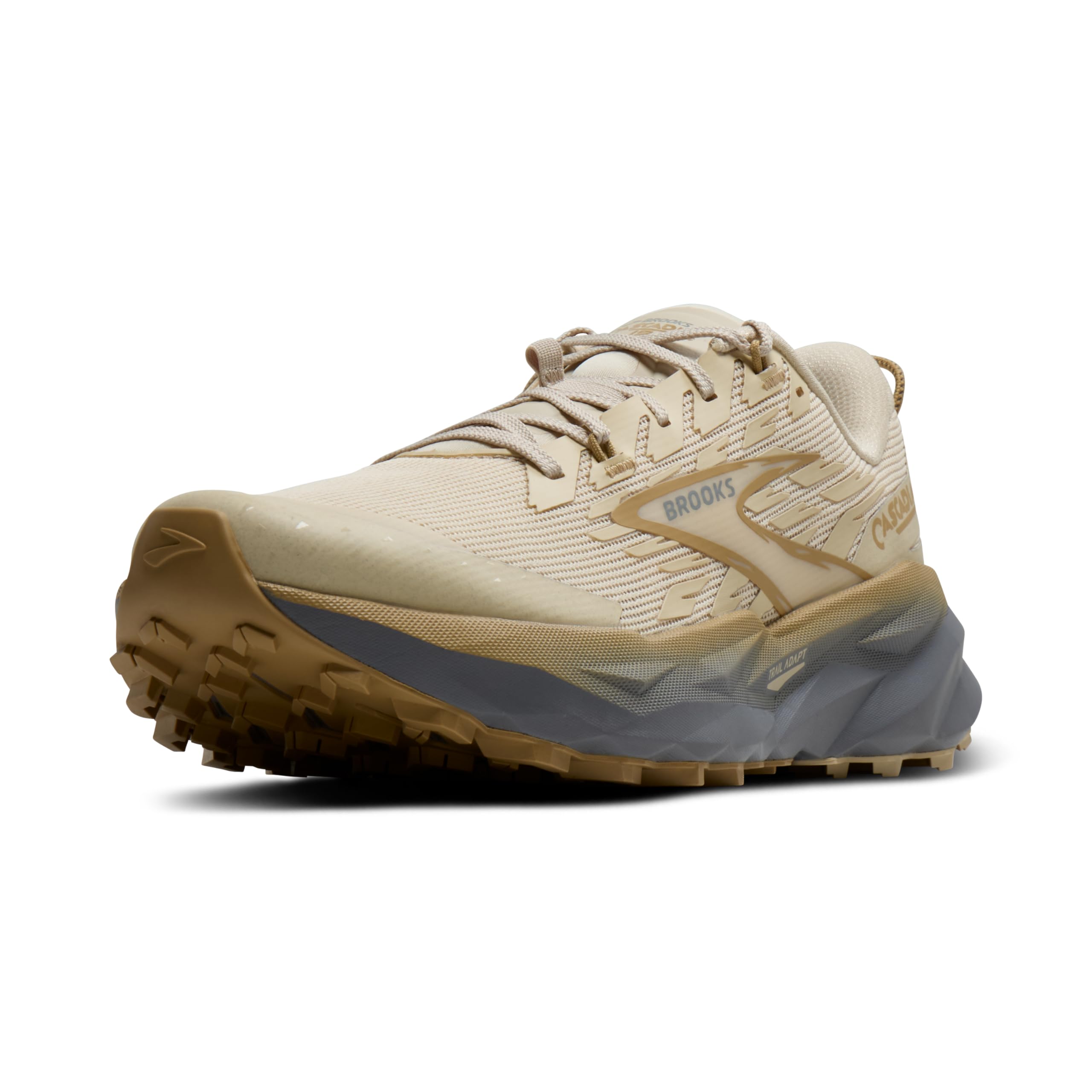
The Brooks Cascadia 19 earns the top spot because it masterfully balances protection and comfort for multi-mile backpacking days. The integrated rock plate shields your soles from sharp stones while the thick midsole provides the cushioning needed to absorb shock from a loaded pack, all without feeling marshmallowy or unstable on uneven ground. Reviewers report wearing them straight out of the box for a 12.5-mile hike with zero break-in issues, which is exactly what you want before a long trip.
The fit runs slightly wider, which allows for thick sock layering in cooler conditions, but the toe box can feel narrow if you have very wide feet. Traction is excellent on dirt and gravel, though the lug pattern is less aggressive in deep mud or technical boulder fields where a more specialized outsole would be preferable. The sturdy weight prioritizes foot protection over feather-light speed, making this a shoe for the backpacker who values stability above all else.
Many reviewers who suffer from foot issues found they didn’t need their custom orthotics in this model, a strong testament to the built-in arch support and overall chassis design. If you want a single shoe that can handle day hikes, weekend backpacking, and even trail runs without complaint, the Cascadia 19 is the most versatile option on this list.
Why it’s great
- Exceptional rock plate and midsole protection for loaded packs
- No break-in period reported even on long, rocky hikes
- True-to-size fit with enough room for thick socks
Good to know
- Toe box may feel narrow for very wide feet
- Traction struggles in deep mud and loose technical terrain
2. KEEN Women’s Targhee 4 Waterproof Hiking Shoes
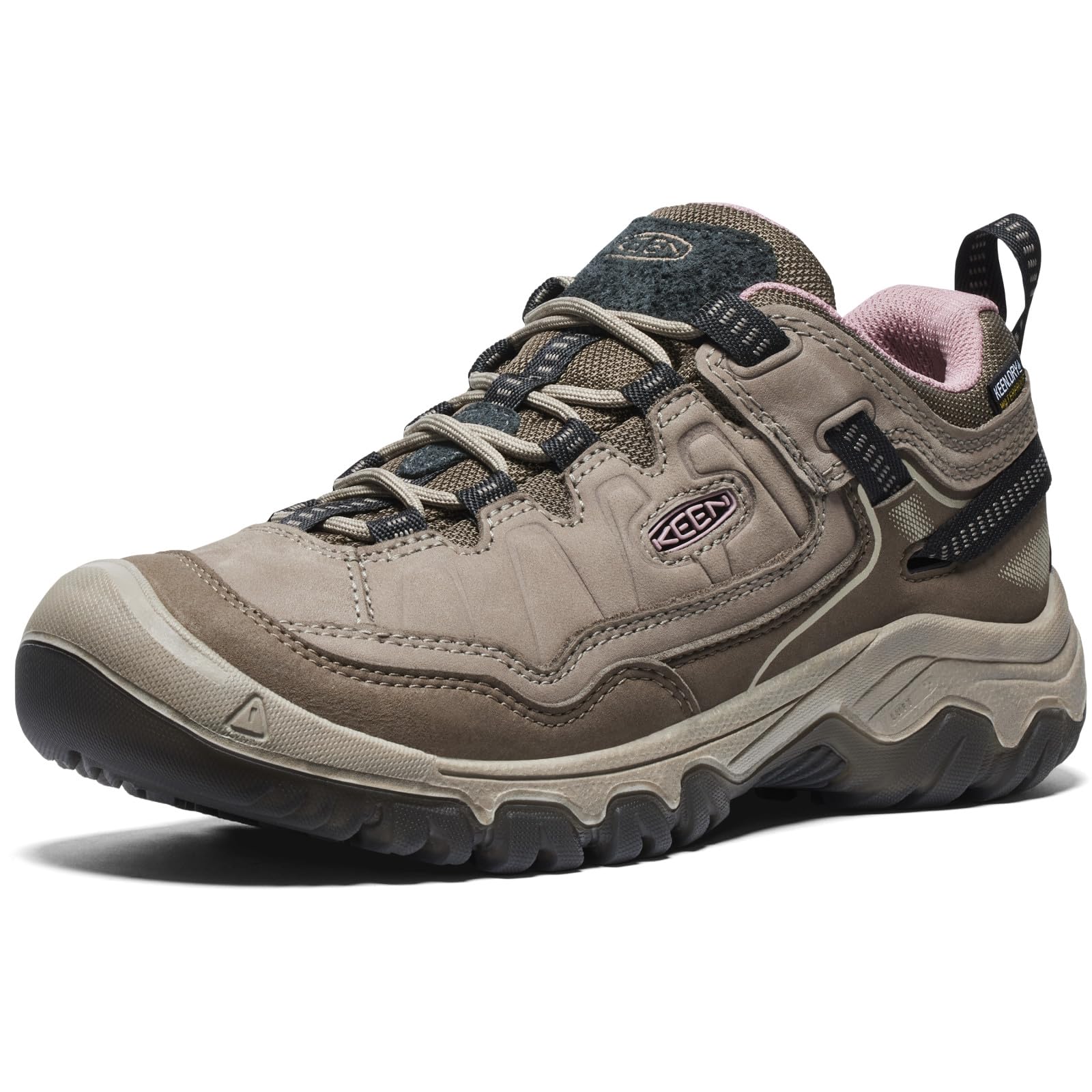
The KEEN Targhee 4 is a standout choice for backpackers with semi-wide to wide feet or anyone who wears custom orthotics or an AFO brace. The toe box offers generous vertical and horizontal space, allowing toes to splay naturally on descents without rubbing against the sides. Reviewers with very wide feet confirm that these shoes are comfortable straight out of the box with no break-in period needed, which is rare for a waterproof hiker with this level of support.
The outsole grip on rocky terrain inspires confidence on both ascents and descents, and the easy-release lacing system makes getting in and out simple even with double knots. The waterproof membrane does its job in stream crossings and wet grass, though like all waterproof shoes, breathability takes a hit in hot weather. Some reviewers noted that the heel can slip slightly if you don’t have the right insert height to hold your foot in place.
Sizing runs slightly large, so if you are between sizes, consider going down half a size, but always check the fit with your preferred hiking sock thickness. For backpackers who prioritize foot room and waterproof reliability over ultralight weight, the Targhee 4 is a dependable workhorse that handles multi-day loads with ease.
Why it’s great
- Excellent toe-box width for wide feet, bunions, and orthotics
- No break-in needed for most wearers
- Solid grip on rocky and uneven terrain
Good to know
- Sizing runs large; try a half size down first
- Heel can slip without proper insert height
3. adidas Women’s Terrex Free Hiker 2.0 Hiking Shoes

The adidas Terrex Free Hiker 2.0 bridges the gap between a low-cut trail shoe and a full boot, offering mid-ankle support that helps stabilize your foot on loose gravel and uneven terrain without the bulk of a traditional boot. The Gore-Tex membrane provides reliable water resistance for stream crossings and wet trail conditions, though breathability is noticeably reduced, making these a better choice for cooler climates or shoulder-season backpacking.
At just 12.2 ounces per shoe, they are remarkably lightweight for a model with ankle coverage, and the cushioning is plush enough for all-day comfort on mixed terrain. Reviewers with a history of ankle sprains reported feeling significantly more supported compared to standard low-cut trail runners, and many chose these over their Brooks for daily dog walks due to the comfortable fit. The laces are a known weak point, tending to come untied unless double-knotted or replaced with round laces.
The fit is snug, making them a good option for women with narrow to medium-width feet, but those with wide feet may find them too constricting. If you want a shoe that offers ankle support without the weight and stiffness of a boot, the Terrex Free Hiker 2.0 is a compelling option that performs well on everything from well-groomed trails to light off-trail scrambles.
Why it’s great
- Excellent ankle support for those prone to rolling an ankle
- Lightweight at 12.2 oz with Gore-Tex waterproofing
- Plush yet stable cushion for all-day comfort
Good to know
- Laces are too long and flat; they need double knots or replacement
- Breathability is poor; best for cooler conditions
4. Merrell Women’s Moab 3 Waterproof Hiking Shoe

The Merrell Moab 3 Waterproof is the shoe that seasoned travelers wear for a reason—it has been refined over years to be a reliable, go-anywhere companion. The waterproofing holds up well in rain and wet vegetation, and the outsole provides solid grip on both rock and dirt, making it a safe choice for backpackers who want a shoe that just works without surprises. The padding around the tongue and collar adds comfort without feeling too soft or unsupportive.
Reviewers consistently note that they are comfortable from day one with no break-in required, which is a huge advantage when you are heading straight into a multi-day trip. The supportive insoles are removable, allowing you to swap in custom orthotics if needed. Some users found the sole to be hard and lacking cushion, which is a trade-off for the durability and stability the Moab 3 offers on rough terrain.
At just over 2 pounds per pair, they are not the lightest option on this list, but the durability justifies the weight for backpackers who prioritize longevity over grams. The Moab 3 is available in many colorways and sizes, including wide options, so you can dial in the fit more precisely than some of the other models here.
Why it’s great
- Proven, durable construction that lasts multiple seasons
- Comfortable straight out of the box
- Wide size availability and many color options
Good to know
- Sole is firm and lacks plush cushion for some users
- Heavier than trail-runner style backpacking shoes
5. Columbia Womens Peakfreak Ii Outdry
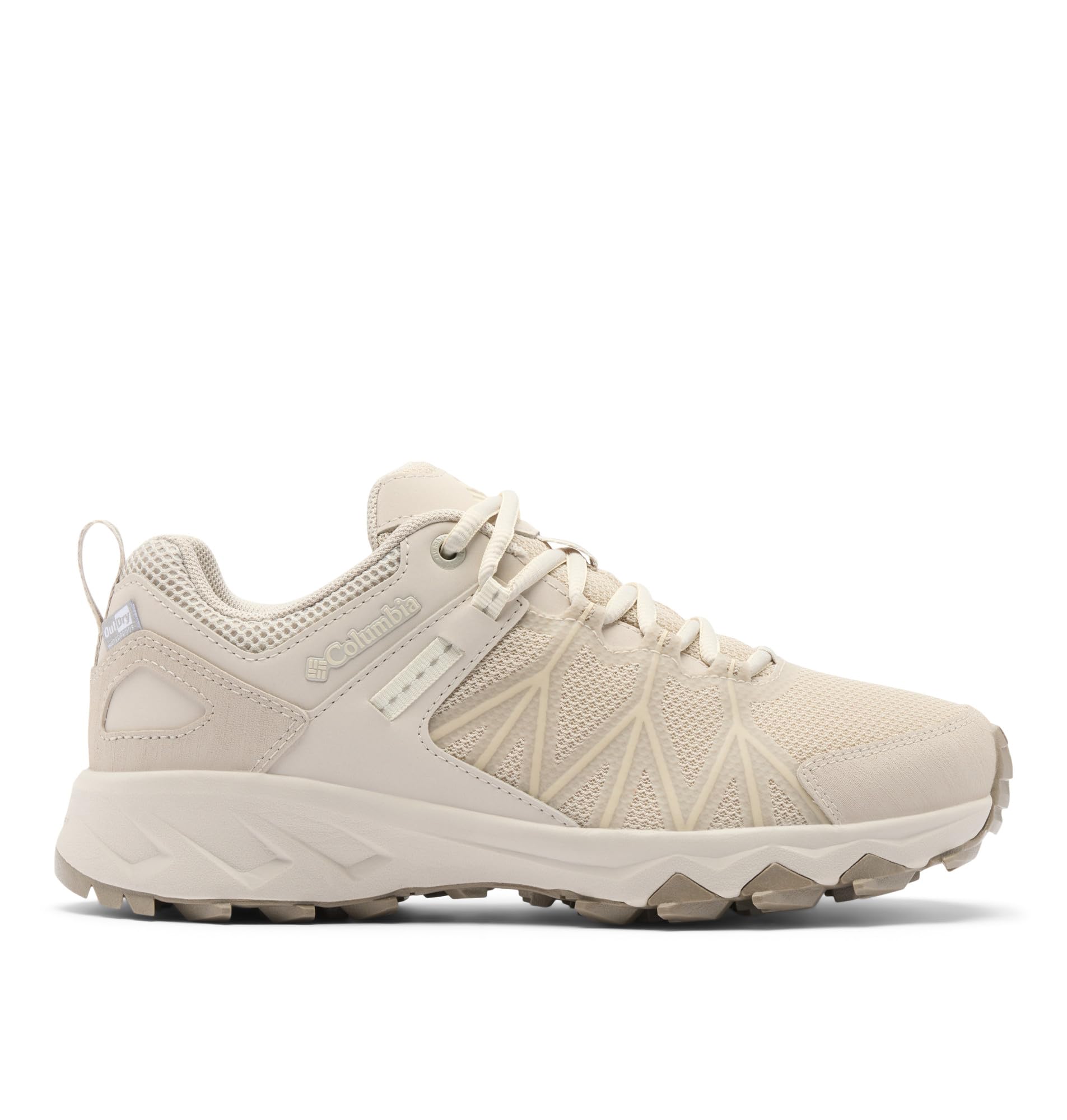
The Columbia Peakfreak II Outdry is a lightweight waterproof shoe that punches above its price point, especially for backpackers who need reliable wet-weather performance. The Outdry waterproof membrane is bonded directly to the upper, which prevents water ingress even when standing in deep icy water, according to several impressed reviewers. It is also notably comfortable for women with flat feet and wide feet, thanks to a generous toe box that doesn’t create pressure points on long walks.
The traction is excellent on varied terrain, and the shoe feels sturdy enough for moderate backpacking despite its lightweight build. Reviewers who traveled through Europe for weeks reported no foot fatigue, even when covering many miles daily on pavement and trail. The bright color options may not appeal to everyone who prefers subdued trail tones, but they have the practical benefit of being highly visible.
While the Peakfreak II is not designed for heavy off-trail loads or technical scrambles, it excels as a do-it-all shoe for backpackers who prioritize comfort and waterproofing on well-maintained trails. If you need a shoe that can handle wet meadows, light mud, and stream crossings without soaking through, this Columbia model delivers impressive performance without breaking the bank.
Why it’s great
- Exceptional Outdry waterproofing stands up to deep water
- Very comfortable for flat, wide feet with bunions
- Lightweight and easy to clean
Good to know
- Bright colorways may not suit all tastes
- Not built for heavy off-trail or technical use
6. THE NORTH FACE Women’s Altamesa 300 Trail Running Shoe
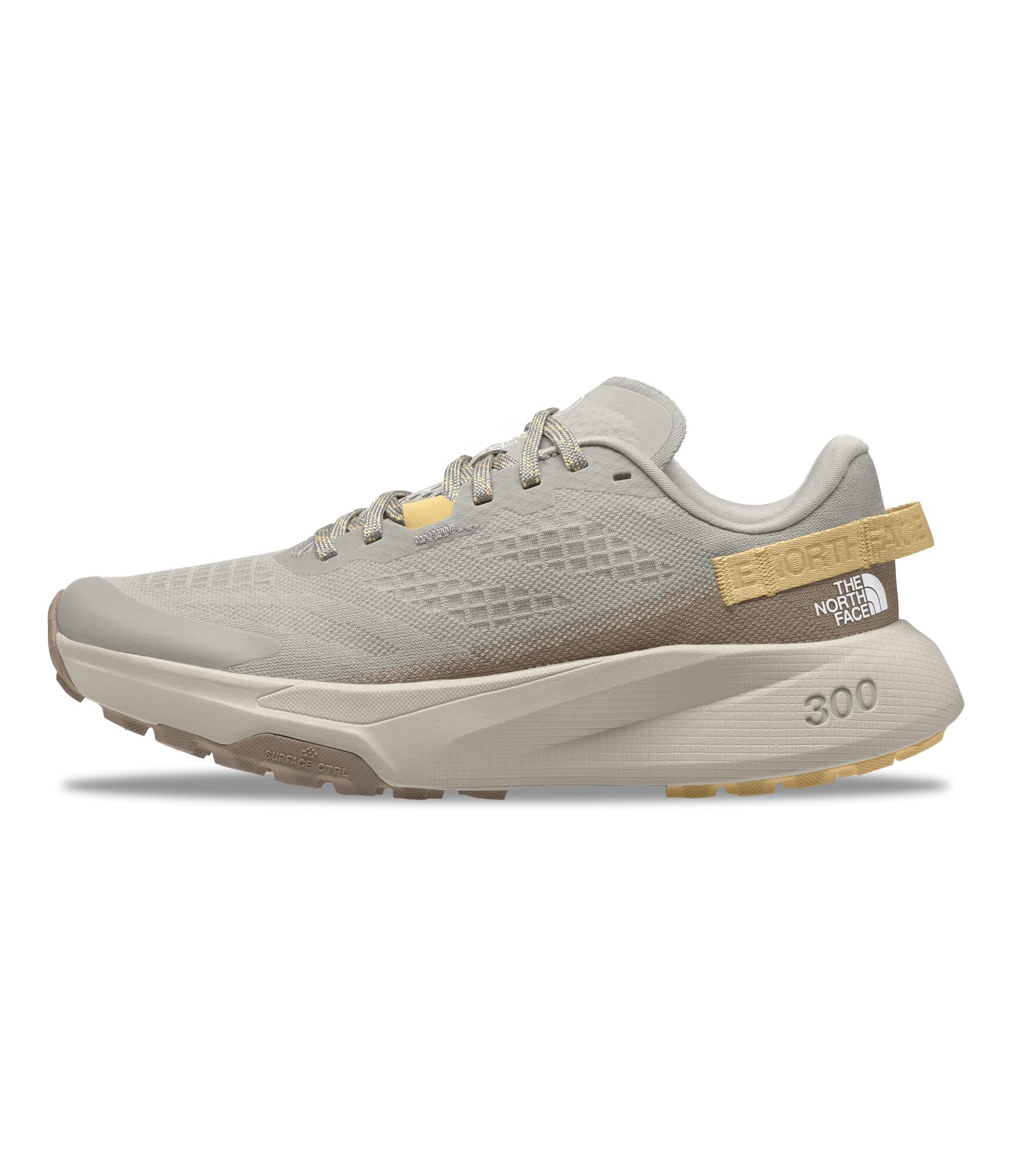
The North Face Altamesa 300 is built for backpackers who want maximum cushion underfoot, whether they are covering miles of trail or spending all day on their feet in a city. The high-rebound midsole offers impressive shock absorption that one reviewer—a nurse on her feet all day—rated a 10/10 compared to her Hokas. The roomy toe box accommodates natural toe splay, reducing pressure points on long walks.
The breathable mesh upper is a double-edged sword: it keeps your feet cool in warm weather, but it offers no waterproofing, so wet grass or puddles will soak through quickly. Several reviewers noted significant squeaking from the shoe in the first few days, which resolved after a bit of use or by rubbing a dryer sheet on the treads. The insoles are soft but offer limited arch support, which may require swapping for a more supportive aftermarket insole if you have low arches.
For backpackers who prioritize plush comfort and a roomy toe box over waterproof protection, the Altamesa 300 is a solid choice that works well on both trail and pavement. The shoe runs true to size for slightly wide feet, and the build quality feels excellent for the price point.
Why it’s great
- Excellent shock absorption and cushion for all-day comfort
- Roomy toe box for natural foot splay
- Breathable mesh upper for warm-weather hiking
Good to know
- Not waterproof; mesh soaks through in wet conditions
- Insoles lack adequate arch support for some users
7. Oboz Women’s Sawtooth II Low B-Dry Hiking Shoe
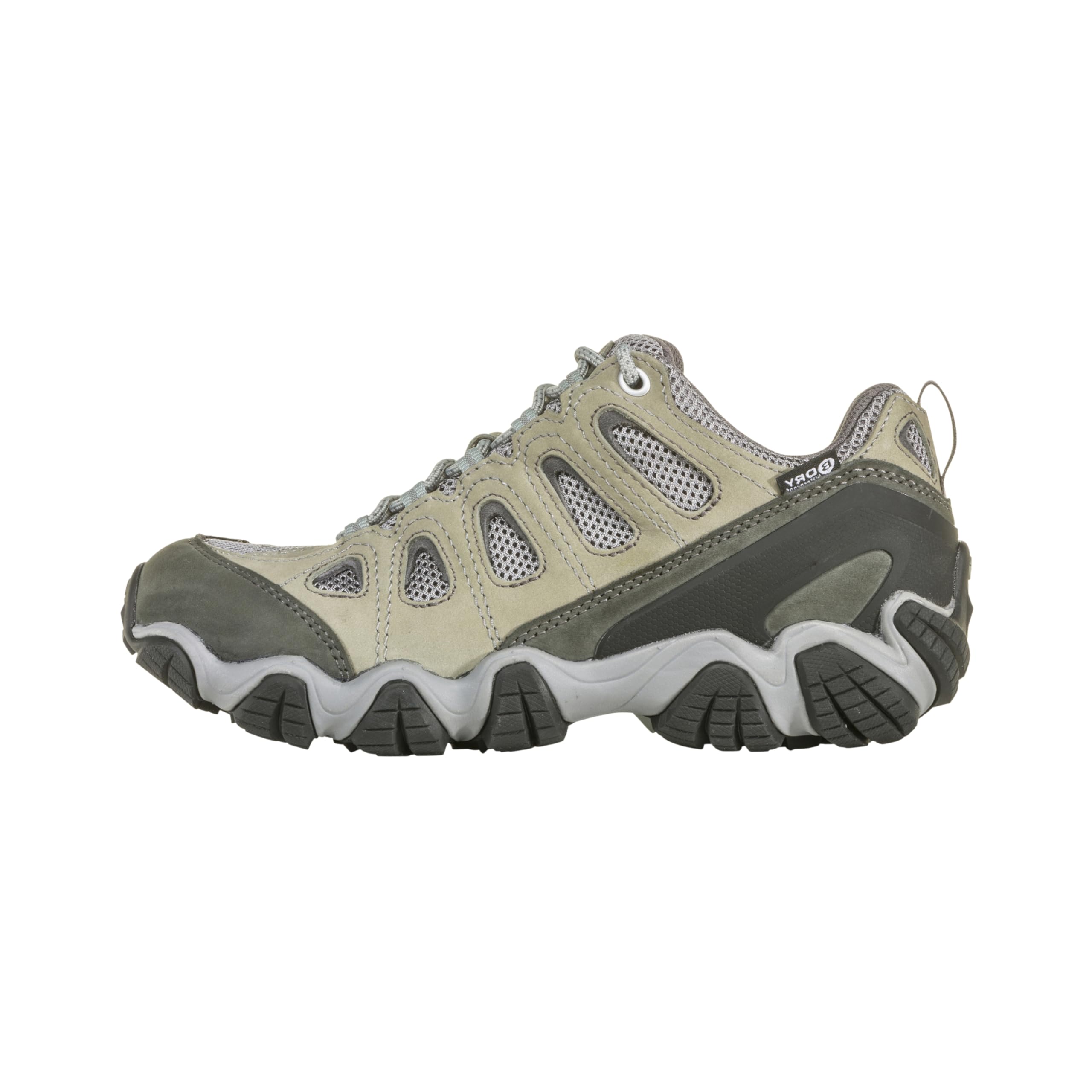
The Oboz Sawtooth II Low B-Dry is the shoe for backpackers who want a firm, supportive platform underfoot—almost like a low-top boot in feel. The heel and sole are notably firm, providing excellent stability on uneven ground, while the collar and tongue are softer for comfort around the ankle. Longtime fans of the model appreciate the wide sizing option, which gives extra toe room without heel slippage, a common issue when sizing up for width.
The B-Dry waterproof membrane is effective in wet conditions, but the shoe’s firmness means it has a longer break-in period than more cushioned models. Some reviewers recommend wearing them for 10-12 miles before attempting an all-day hike to allow the materials to soften. The outsole grip is reliable on most terrain, though damp, smooth surfaces can still be slick—a common trade-off with hard rubber compounds.
At 15.7 ounces per shoe, they are heavier than trail-runner-style options but lighter than most traditional boots, making them a good middle ground for backpackers who want protection without the full boot weight. If you have bunions or need a wide toe box, order the wide version; reviewers with these foot issues found it solved their pressure problems without compromising fit.
Why it’s great
- Very firm, stable platform for uneven terrain
- Wide width option provides excellent toe room for bunions
- Durable construction with dependable B-Dry waterproofing
Good to know
- Longer break-in period needed for all-day hikes
- Damp smooth surfaces can still be slippery
8. ALTRA Women’s Lone Peak 8 Trail Running Shoe
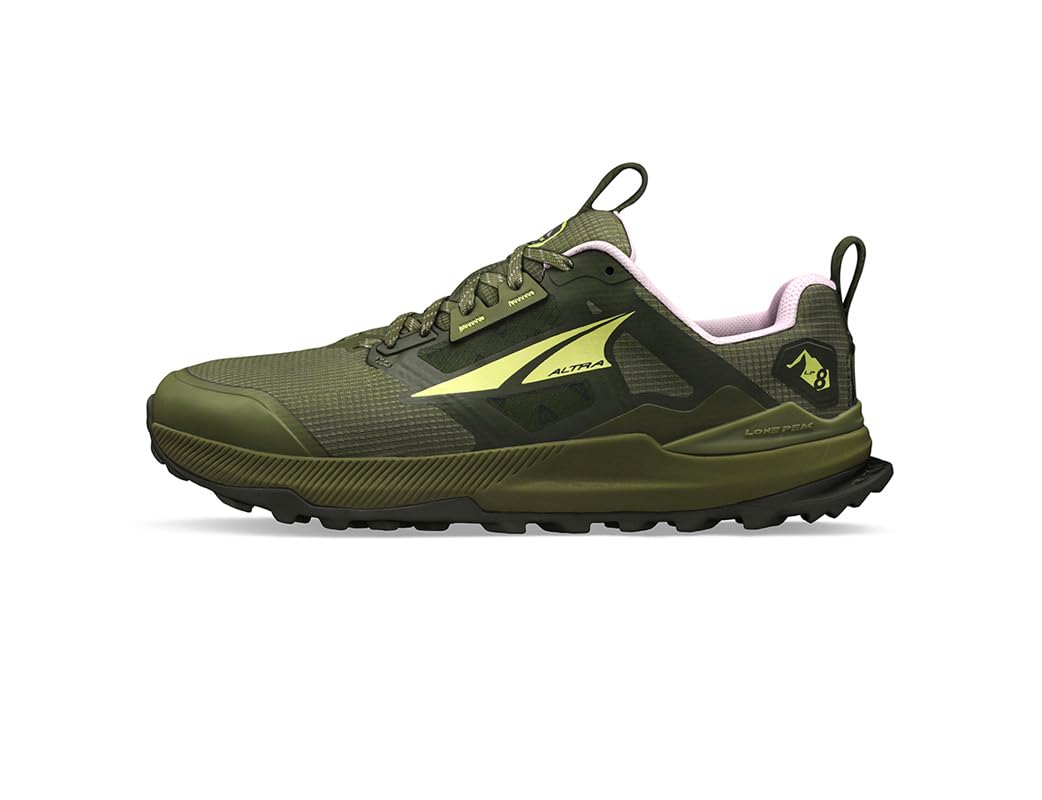
The ALTRA Lone Peak 8 is the definitive zero-drop backpacking shoe for women who want a natural, low-to-the-ground stride. The zero-drop platform (heel and toe at the same height) encourages a midfoot strike that can reduce impact on knees and hips, while the generously wide toe box allows toes to splay fully for better balance on technical terrain. Multiple reviewers have bought five or six pairs over the years, a testament to the loyal following this shoe has earned.
The outsole traction is excellent on loose dirt and rocky trails, and the toe guard adds protection against stubs. The shoe has lace loops for attaching gaiters, which is a thoughtful detail for dusty or snowy trails. However, the zero-drop geometry requires an adjustment period if you are used to traditional elevated heels; jumping straight into a long hike can strain your calves and Achilles tendons. The shoe is also not waterproof, so it is best for dry conditions or fast-drying scenarios.
Reviewers recommend going half a size up to accommodate thicker socks and prevent toe jamming on descents. For backpackers who prioritize foot health and natural movement over cushion and waterproofing, the Lone Peak 8 is a cult favorite that delivers consistent, reliable performance mile after mile.
Why it’s great
- Zero-drop platform promotes natural gait and reduces joint impact
- Extremely wide toe box eliminates foot pain for wide-footed hikers
- Toe guard and gaiter loops for technical trail use
Good to know
- Requires adjustment period for those new to zero-drop shoes
- Not waterproof; best for dry or fast-draining conditions
9. Merrell Women’s Speed Strike 2

The Merrell Speed Strike 2 offers impressive value for backpackers who want a lightweight, comfortable shoe without spending a significant amount. At just 1.5 pounds per pair, it is one of the lightest options here, making it ideal for fast-and-light day hikes or as a camp shoe for longer trips. Reviewers consistently note that it requires zero break-in time out of the box, and the traction on loose shale and slippery rocks is surprisingly good for the price point.
The shoe is not waterproof, but several reviewers confirmed it holds up well when soaked through and dries reasonably fast. The insole is thin and cheap, so consider swapping it for a higher-quality aftermarket insole if you need more arch support or cushion for longer miles. The stiff sole provides good stability but lacks the plush underfoot feel of more expensive models, which is a reasonable trade-off at this price tier.
The roomy toe box is a welcome feature, fitting slightly larger than other brands—for example, a size 7 in Speed Strike 2 feels more like a 7.5 in Brooks or New Balance. This makes it a good option for women with wider feet or those who prefer extra toe space, though the overall build quality reflects the budget-friendly positioning.
Why it’s great
- Lightweight at 1.5 lbs per pair with zero break-in needed
- Excellent traction on loose and slippery terrain for the price
- Roomy toe box accommodates wider feet
Good to know
- Insole is thin and cheap; upgrading to a better insole recommended
- Stiff sole lacks cushion for very long, hard miles
FAQ
Should I choose a zero-drop or an elevated heel shoe for backpacking?
How important is a waterproof membrane for backpacking shoes?
What is the ideal weight for a women’s backpacking shoe?
How do I know if a shoe has enough toe-box room for backpacking?
Final Thoughts: The Verdict
For most backpackers, the backpacking shoes for women winner is the Brooks Cascadia 19 because it offers the best balance of protection, cushion, and versatility for everything from day hikes to multi-day trips. If you need a roomy toe box for wide feet or orthotics, grab the KEEN Targhee 4. And for backpackers who want a natural, zero-drop stride with maximum toe splay, the ALTRA Lone Peak 8 remains the cult-classic choice that loyal fans return to year after year.