
Our readers keep the lights on and the weekend projects moving. As an Amazon Associate, I earn from qualifying purchases.
Winter hiking demands boots that do more than just keep your feet dry. You need a combination of active insulation that breathes, a sole compound that stays flexible in single-digit temperatures, and a waterproof membrane that can handle slush, creek crossings, and deep snow without turning your feet into ice blocks. The wrong choice leads to cold toes, blisters, or a dangerous loss of traction on packed snow.
I’m Rikta — the co-founder and writer behind FitlyFast. I’ve spent hundreds of hours studying winter boot construction, from insulation density and outsole rubber durometer to waterproof seam sealing methods, to help you cut through the marketing noise.
The right pair changes everything on trail. This guide breaks down the insulation weights, lug patterns, and waterproofing systems that define the best boots for hiking in winter.
How To Choose The Best Boots For Hiking In Winter
Winter hiking boots walk a tightrope between warmth, weight, and mobility. Over-insulate and you sweat, which leads to cold feet. Under-insulate and you risk frostnip on exposed ridges. The right choice depends on temperature range, distance, and terrain.
Insulation Weight: 200g vs 400g vs 600g+
Insulation is measured in grams per square meter. For active winter hiking — think moving with a pack over rolling terrain — 200g to 400g is the sweet spot. 200g works for mild winter days and high-output hikes where you generate significant body heat. 400g suits below-freezing conditions and lower activity levels. Anything above 600g is overkill unless you are standing still ice fishing.
Waterproofing and Breathability
A waterproof membrane like KEEN.DRY, B-DRY, or waterproof leather blocks external moisture. But membrane breathability determines whether your feet stay dry from the inside. Boots with a full waterproof lining and minimal ventilation trap sweat; models with a treated leather upper and gusseted tongue allow better vapor escape without sacrificing wet-weather protection.
Outsole Traction on Winter Surfaces
Winter trail conditions demand more than an aggressive lug pattern. The rubber compound must stay pliable at low temperatures. Cold-hardened rubber turns slick on ice and packed snow. Look for proprietary compounds like Vibram Arctic Grip, Keen Polar Traction, or HH Max-Grip that maintain grip at 0°F and below.
Quick Comparison
On smaller screens, swipe sideways to see the full table.
| Model | Category | Best For | Key Spec | Amazon |
|---|---|---|---|---|
| Merrell Speed Strike 2 | Mid | Lightweight day hikes | 2.5 lb per pair | Amazon |
| Keen Targhee 4 | Mid | Rocky terrain support | 620g per boot | Amazon |
| North Face Chilkat V | Mid | Daily winter commuting | 200g insulation | Amazon |
| Keen Revel III | Mid | All-day work in snow | 200g insulation | Amazon |
| North Face Bergen | Premium | Leather durability | 4.5mm lug depth | Amazon |
| Oboz Bridger 10″ | Premium | Deep powder protection | 400g Thinsulate | Amazon |
| Helly Hansen Garibaldi V3 | Premium | Extreme cold grip | 400g Primaloft | Amazon |
| Rocky Blizzard Stalker | Budget | Stationary cold work | 1,200g insulation | Amazon |
| Columbia Expeditionist Shield | Budget | Value winter wear | Water-resistant upper | Amazon |
In‑Depth Reviews
1. Merrell Men’s Speed Strike 2 Mid Waterproof

The Merrell Speed Strike 2 hits the sweet spot for active winter hikers who move fast and cover ground. At just 2.5 pounds per pair, these boots shed ounces without sacrificing structure. The waterproof membrane handles creek crossings and slush, while the breathable upper works with merino wool socks to prevent the clammy feel common in fully lined winter boots.
Out of the box, the fit is dialed — a roomy toe box accommodates thick socks without pinching, and the arch support holds up for all-day wear on North Georgia mountains and European cobblestone alike. The Vibram outsole uses a compound that stays supple in cold weather, providing reliable traction on damp rock and packed snow.
Durability reports are strong across daily use, and the olive green colorway blends into trail or town without screaming tactical. The only tradeoff is that the cushioning leans firm — some users expecting plush underfoot may want an aftermarket insole.
Why it’s great
- Lightweight construction reduces fatigue on long hikes
- Excellent out-of-box comfort with no break-in period
- Waterproof membrane breathes well during active use
Good to know
- Arch support may feel insufficient for high-arched feet
- No insulation layer limits use in extreme cold
2. KEEN Men’s Targhee 4 Mid Height Waterproof Hiking Boots
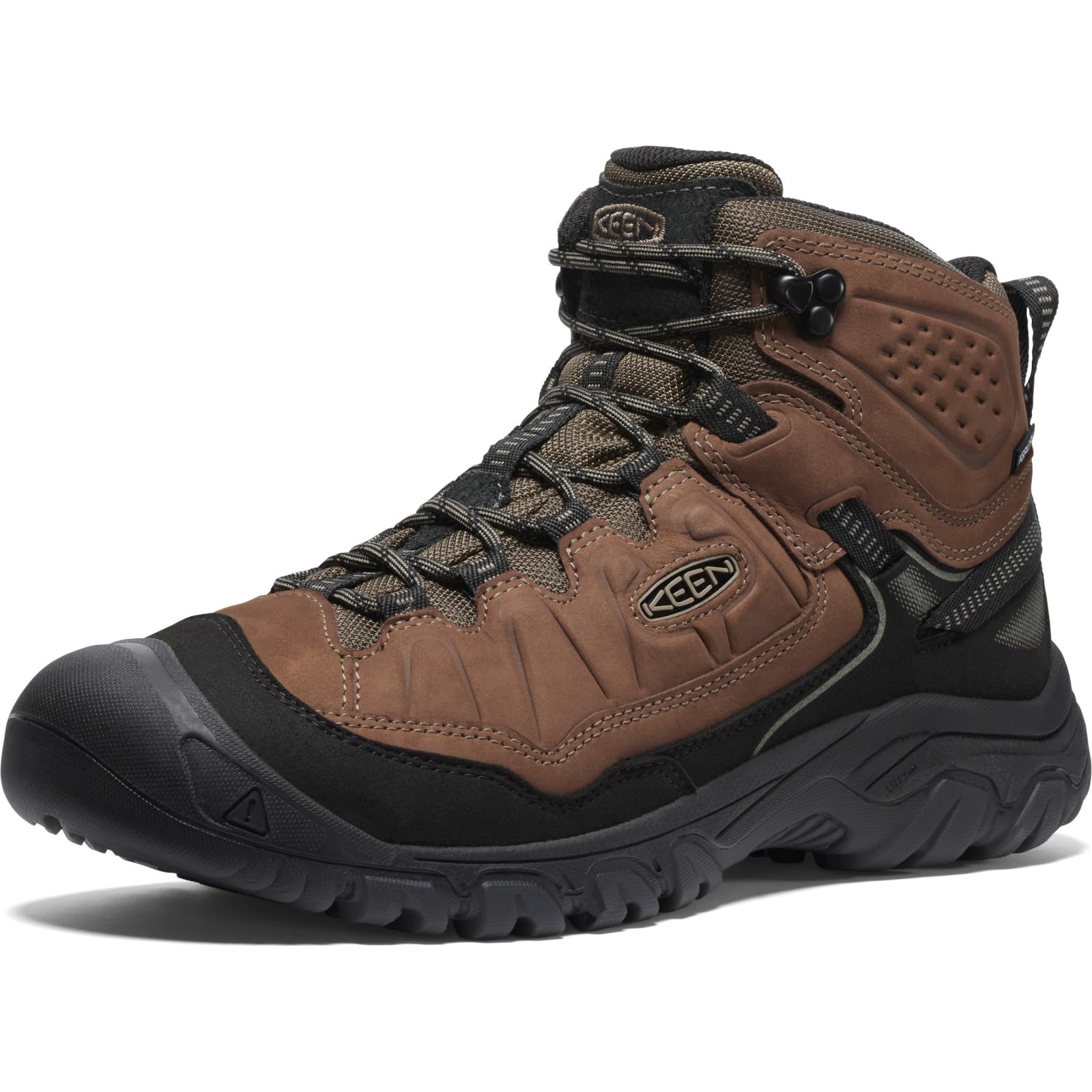
The Targhee 4 is the most evolved version of KEEN’s flagship hiker, and it shows in the details. The FUSION construction process bonds the upper to the sole without glue, eliminating the delamination failure common in earlier generations. At 620 grams per boot, these are heavier than the Merrell Speed Strike, but the weight buys you a burly full-rubber toe cap and a stabilizer shank that deflects sharp rocks.
The LuftCell midsole provides responsive cushioning that holds up under a loaded pack all day. The signature KEEN toe box is generous — wide-footed hikers and those with neuropathy report excellent fit, especially when paired with prescription orthotics. The K-30 insole upgrade adds meaningful arch support if the stock footbed feels flat.
On mixed terrain in the southern Rockies, the Targhee 4 claws reliably over scree and holds an edge on off-camber snow. The tradeoff is that the heavier build and stiffer midsole feel less nimble on fast day hikes, and some units have shown minor stitching inconsistencies near the toe area.
Why it’s great
- FUSION construction prevents sole delamination
- Roomy toe box accommodates thick socks and inserts
- Excellent lateral support for uneven winter terrain
Good to know
- Stock insoles feel thin for long days
- Heavier than other mid-height winter hikers
3. The North Face Men’s Chilkat V Lace-up Waterproof Snow Boot

The Chilkat V occupies a smart middle ground: 200 grams of insulation for active warmth, a waterproof construction that held up through a Northeast snowstorm, and a weight that undercuts traditional snow boots without feeling flimsy. The lace-up design provides a secure mid-foot lock that slip-on styles lack, important when traversing uneven drifts.
The heel ridge is a standout feature — it locks into snowshoes, crampons, and micro spikes without slipping, making this boot genuinely technical despite its approachable price. The D-ring at the collar accepts gaiters for deeper snow. Reviewers consistently note that the boot runs about half a size small across the instep, so sizing up is recommended if you plan to wear thick socks.
After 100 miles, the lugs hold up well on dirt, mud, and light snow, but traction drops on hard-packed ice where a softer compound would help. Some users experienced the pull loops tearing early, though the boot remains fully functional without them.
Why it’s great
- Heel ridge works flawlessly with traction aids
- Lightweight enough for daily commuting
- 200g insulation balances warmth and breathability
Good to know
- Runs small across the instep
- Traction slips on hard-packed ice
4. KEEN Men’s Revel III Mid Height Waterproof Insulated Hiking Boot
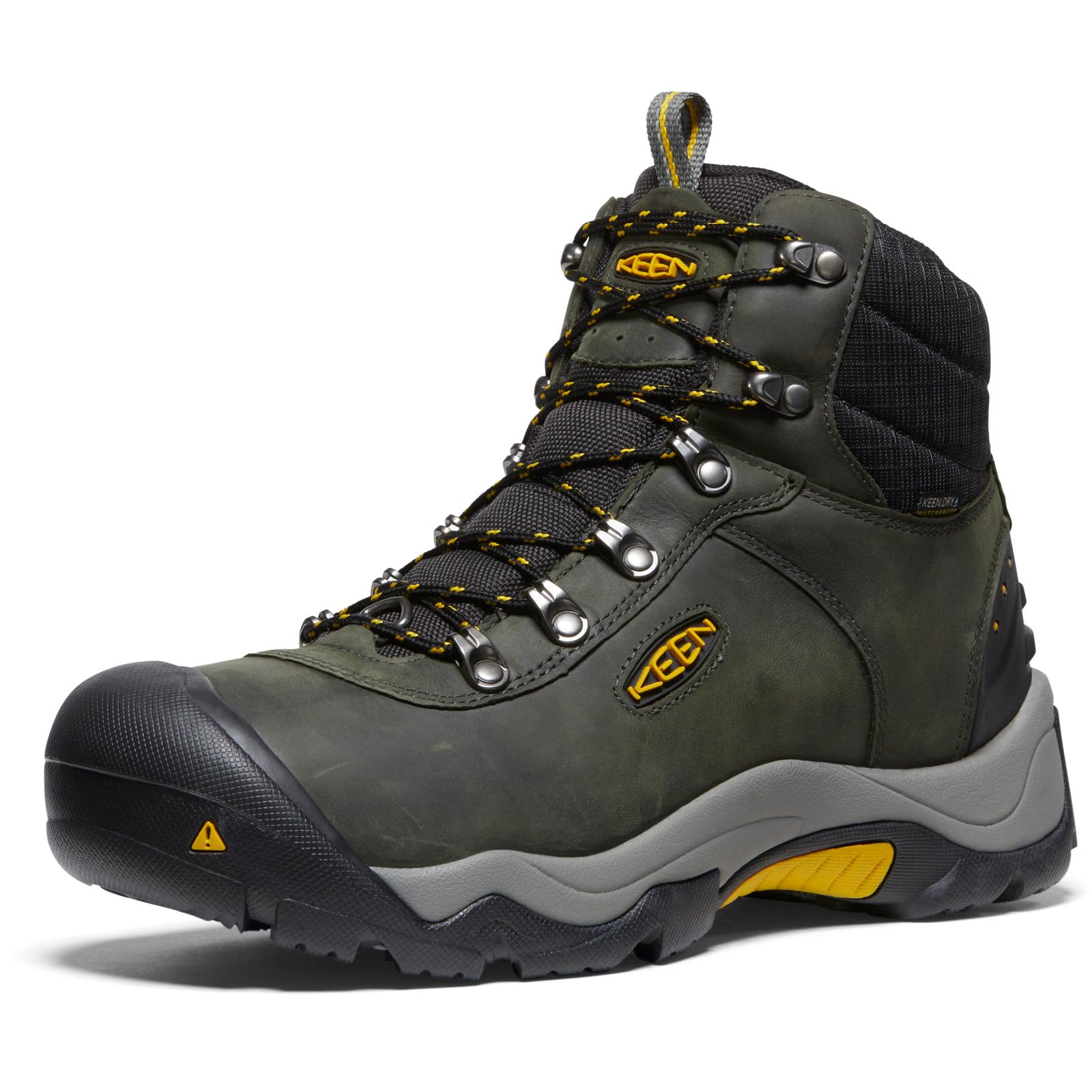
The Revel III has built a reputation as a durable winter work boot that doubles as a hiking boot — a rare crossover that works. Reviewers report lasting two years of 12-hour delivery shifts in snow, which speaks to the build quality. The 200 grams of insulation keep feet warm without overheating during active use, and the waterproofing holds for around 10 months of daily wear before requiring treatment.
One of the boot’s strongest assets is the rocker sole design, which reduces pressure on arthritic toes and pushes the foot through the gait cycle smoothly. The mid-height collar sits slightly taller than the Targhee line, trapping more warmth around the ankle. The Stabilicers-compatible outsole means you can strap on traction aids when the trail ices over.
The tradeoffs are real: some batches have inconsistent quality control, and the padding around the ankle packs down over several months, requiring frequent lace tightening. Still, for hikers who need one boot for both trail and job site, the Revel III is hard to beat at its price point.
Why it’s great
- Rocker sole relieves pressure on stiff or arthritic toes
- Proven durability in daily winter work conditions
- Compatible with traction aids like Stabilicers
Good to know
- Ankle padding compresses over time
- Quality consistency varies between batches
5. THE NORTH FACE Men’s Bergen Leather Waterproof Hiking Boot
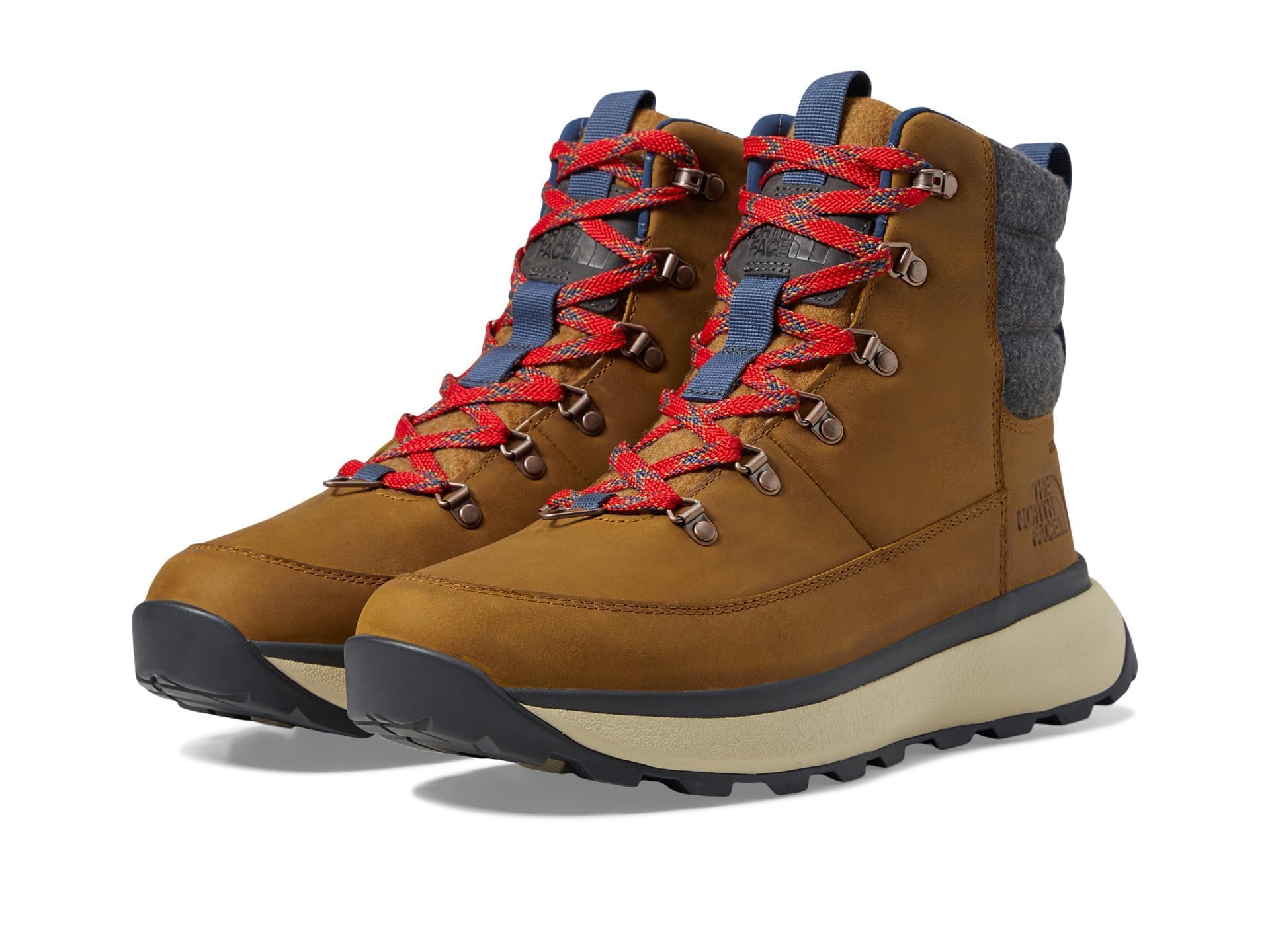
The Bergen represents a return to traditional winter boot construction: full-grain leather upper, a gusseted tongue that keeps debris out, and a chunky outsole with 4.5-millimeter lugs that bite into loose snow. The leather developes a patina over time and responds well to wax treatments, extending the waterproof lifespan beyond what synthetic membranes typically offer.
Thermal performance leans warm — not because of heavy insulation, but because the leather itself blocks wind effectively. Reviewers consistently report comfort and warmth right out of the box, with one buyer noting his adult son wore them to work instead of his dedicated work boots. The boot runs true to size for most, though the break-in period is longer than mesh-based competitors.
On snowy trails and icy sidewalks, the deep lugs provide confident purchase, but the boot is stiff enough that some may prefer a mid-foot cushioning layer for long approaches. The Bergen is best suited for hikers who prioritize longevity and classic aesthetics over ultralight performance.
Why it’s great
- Full-grain leather upper ages well and can be rewaxed
- Deep 4.5mm lugs grip loose snow effectively
- Windproof construction keeps feet warm without heavy insulation
Good to know
- Requires break-in period for optimal comfort
- Stiffer than modern lightweight hikers
6. Oboz Men’s Bridger 10″ Insulated B-DRY Hiking Boots

The Bridger 10 is purpose-built for hikers who face deep powder and extreme cold. The 10-inch shaft provides substantially more snow protection than standard mid-height boots, and the 400 grams of Thinsulate insulation keeps feet warm during low-output winter activities like snowshoeing and winter camping. The B-DRY waterproof membrane is proven after years on the market — it blocks moisture without making the interior feel like a sauna.
The outsole uses an aggressive tread pattern that digs into packed snow and wet rock, and reviewers consistently praise the traction on rugged terrain. The Ortholite footbed eliminates pressure points out of the box, though some users with wide feet note the boot runs narrow and recommend going up half a size. One review documented 4 years of use before developing a cut near the sole.
At this insulation level, the Bridger 10 is overkill for mild winter day hikes where you generate significant body heat. But for anyone standing still in subzero conditions or breaking trail through knee-deep snow, the thermal ceiling is exactly what you need.
Why it’s great
- 10-inch shaft keeps deep snow out effectively
- 400g Thinsulate handles extreme cold well
- Proven B-DRY waterproofing with good breathability
Good to know
- Runs narrow; half-size up recommended
- Too warm for high-output winter hiking
7. Helly Hansen Men’s Garibaldi V3 Waterproof Winter Boots

The Garibaldi V3 combines Scandinavian design rigor with serious winter specs. The 400 grams of Primaloft insulation provides warmth equivalent to 400g Thinsulate but with better compressibility and moisture resistance when wet. The HH Max-Grip outsole uses a specialized rubber compound that maintains traction at temperatures down to -11°F — a critical advantage on icy trails where standard outsoles turn into skis.
The lace-up design secures the heel with minimal slip, and the LWG-certified leather upper is both durable and stylish enough to wear casually. Multiple reviewers report wearing these boots in high alpine winter conditions with consistent comfort and dryness. The breathability is notably better than similarly insulated boots; feet stay warm without the clammy sweat that leads to cold feet later.
One downside is the weight: at 3.1 pounds per pair, these are not ultralight hikers. The firm sole platform lacks the rocker profile that reduces foot fatigue on long approaches. For hikers who want a single boot for extreme cold with a dash of style, this is a top contender.
Why it’s great
- HH Max-Grip rubber stays flexible at -11°F
- Primaloft insulation resists moisture better than down
- Breathable enough for active use in extreme cold
Good to know
- Heavier than competitive 400g insulated boots
- Lacks rocker sole for fatigue-free walking
8. ROCKY Blizzard Stalker Waterproof 1200G Insulated Boot

The name tells you the intended use: this boot is for standing still in extreme cold, not for fast winter hiking. At 1,200 grams of insulation, the Blizzard Stalker provides a thermal barrier that keeps feet warm in single-digit and below-zero temperatures without active heat generation. Ice fishermen and outdoor workers in Colorado report consistent warmth with no cold spots.
The waterproof construction holds up to standing in slush and wet snow, and the rugged outsole provides decent bite on light snow. The boot runs about half to a full size large, which allows for heavy expedition-weight socks — a necessary accommodation given the volume of the boot. Multiple reviewers note the boot is lighter than it looks, which helps when moving around a work site or ice shack.
The drawbacks are clear: at this insulation level, your feet will sweat during any sustained activity, and the break-in period is minimal but the sole stiffness limits ground feel. The lace hooks are prone to breakage after repeated use, and the boot is overkill for any hike where you maintain a sweat.
Why it’s great
- Exceptional warmth for stationary use in extreme cold
- Lighter than typical 1,200g insulated boots
- Runs large for thick expedition socks
Good to know
- Too warm for active winter hiking
- Lace hooks may break over time
9. Columbia Men’s Expeditionist Shield

The Expeditionist Shield punches above its price class for lightweight winter use. It is not fully waterproof, but the water-resistant upper sheds light snow and dries quickly when it does wet through. The insulation is warm enough for temperatures down to 10°F, and the boot weighs significantly less than comparable budget options, making it a viable choice for day hikes where you move continuously.
Fit is the biggest variable here: the boot runs a half size small, so sizing up is mandatory. The stock insole is thin and should be replaced with an aftermarket support insole for longer days. Once dialed in, the boot offers good ground feel and a sturdy sole that tracks well on packed trails. The tread pattern is aggressive enough to clear snow without caking.
Aesthetic compromises are obvious — the gold trim at the collar looks juvenile and limits styling versatility. But buyers who prioritize function over form will find a boot that keeps feet warm and dry enough for short winter hikes without breaking the bank.
Why it’s great
- Very affordable winter-ready boot
- Lightweight with good insulation for cold day hikes
- Dries quickly even when wet
Good to know
- Not fully waterproof; only water-resistant
- Gold trim styling is divisive
FAQ
Do I need 400g insulation for winter hiking or is 200g enough?
Why do my winter hiking boots feel slippery on ice?
Should I size up for thick winter socks?
Can I wear insulated winter boots for all-season hiking?
Final Thoughts: The Verdict
For most hikers, the boots for hiking in winter winner is the Merrell Speed Strike 2 Mid Waterproof because it balances lightweight agility, breathable waterproofing, and out-of-box comfort for active day hikes. If you need robust support on rocky winter terrain with a roomy toe box, grab the KEEN Targhee 4. And for deep snow and extreme cold where stationary warmth matters most, nothing beats the Oboz Bridger 10″.